
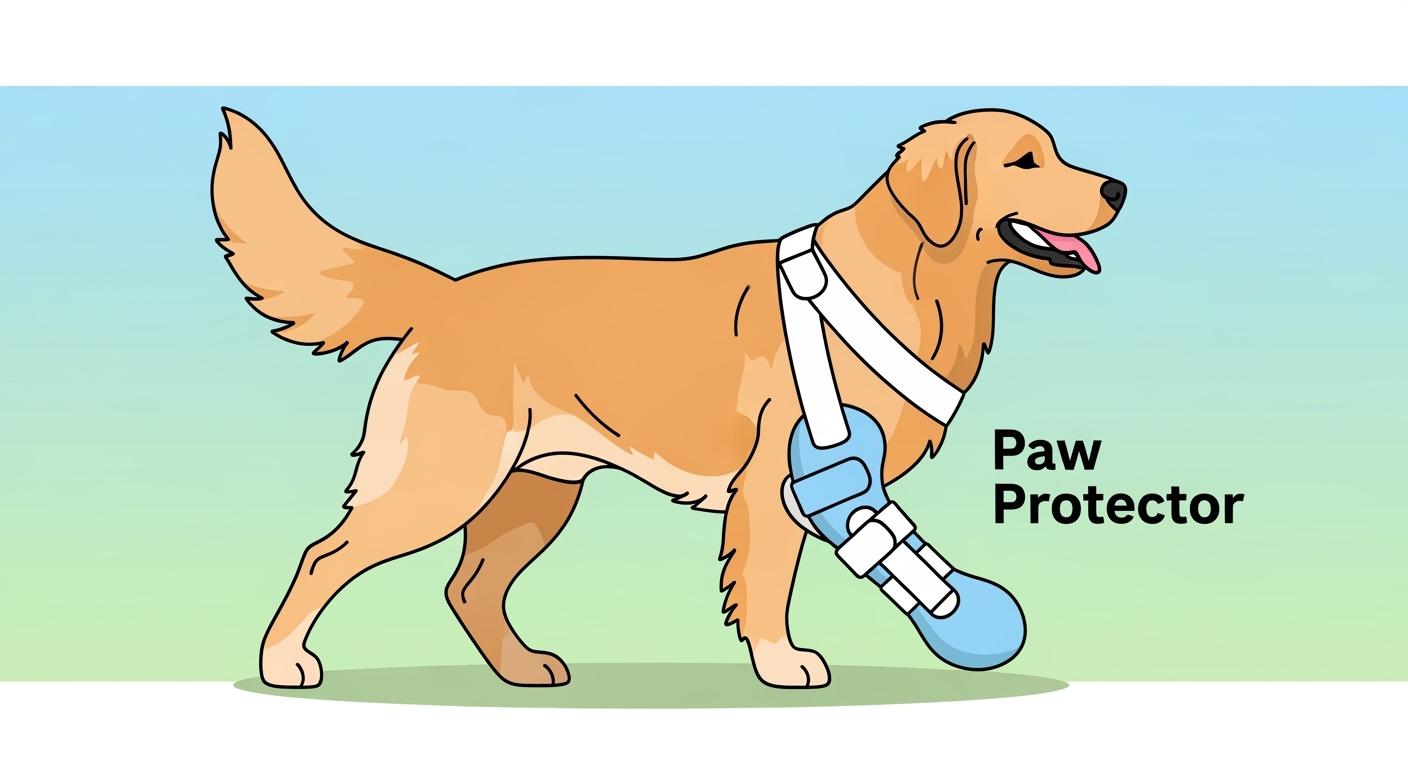
You see your dog dragging its back paw. The nails scrape the ground or the paws fold under. You think about using a back leg dog foot brace. The right brace can give support and help lift the toes. It works only if it fits well and does not twist or slip. Always check where the harness sits and watch your dog’s skin for safety. Listen to your vet because their advice is more important than product tips.
Key Takeaways
A back leg dog foot brace helps dogs with rear paw drag. It gives support and lifts the toes.
Watch how your dog walks to see if it drags its paw or knuckles before using a brace.
Make sure the brace fits well so it does not twist or slip. Twisting or slipping can hurt your dog or make it uncomfortable.
Check your dog for pain or skin problems when using the brace. Talk to your vet if you see any issues.
Let your dog wear the brace for a short time at first. Slowly let your dog wear it longer as it gets used to it.
Back Leg Dog Foot Brace: Main Uses
Rear Paw Drag in Dogs
You may notice your dog dragging its rear paw or showing signs of knuckling. This can happen for several reasons. Some of the most common medical conditions that cause rear paw drag include:
Degenerative myelopathy
Hip dysplasia
Neurological disorders, such as spinal cord injuries or nerve damage
Arthritis
Dogs with these issues often struggle to lift their paws or keep their toes from scraping the ground. You might see nail scuffing or the top of the paw turning red. A back leg dog foot brace can help by providing support and an adjustable lift to reduce knuckling or dragging paws during walks.
Toe Lift vs Paw Covering
A brace designed for toe lift works by gently raising the toes, helping your dog step more naturally. Some devices, like the hindlimb dorsi-flex assist or canine mobility anti-knuckling device, focus on keeping the paw uncovered while still offering support. Here is a quick comparison:
Device Name | Function | Description |
|---|---|---|
Hindlimb Dorsi-Flex Assist | Reduces knuckling | Helps flex the ankle and protects nails and toes from injury. |
Canine Mobility Anti-Knuckling Device | Assists with leg movement | Keeps paws uncovered while providing support to bring hind legs forward. |
Biko Progressive Resistance Bands | Aids in leg movement | Uses resistance bands to help dogs with weakness in hind legs. |
Dog boots for knuckling can also protect the paw from scraping, but you should choose the right assistive device for your dog’s needs.
Limits of Foot Braces
A back leg dog foot brace helps with mild to moderate knuckling or dragging. It gives adjustable lift and protects the paw from further injury. You should not use a brace if your dog has severe paralysis, open wounds, or cannot move the rear leg forward. Dog boots for knuckling are not a cure. They offer support and protection, not medical treatment. Always follow your veterinarian’s advice. If you see swelling, pain, or your dog keeps chewing the brace, stop using it and seek help. A rear leg boot or dog boots for knuckling can reduce knuckling and help your dog walk safer, but safety comes first.
Observing Rear Paw Drag Before Using a Brace
Watch the Dog Walk
Start by watching your dog walk on a flat surface. Look closely at each step. Notice if your dog is dragging the back paw or if the nails scrape the ground. Pay attention to how the paw lands. Does it fold under or stay flat? Careful observation helps you decide if a back leg dog foot brace may help. Take note of any changes in your dog’s movement or balance.
Nail Scraping and Paw Folding
Check for signs like nail scraping or the top of the paw folding under. These signs often mean your dog has trouble lifting the toes. If you see red skin or worn nails, your dog may need extra protection. A brace can help reduce further injury from dragging. Always check the skin for redness or swelling before and after walks.
Can the Dog Lift the Leg?
Ask yourself if your dog can still move the back leg forward. If your dog can lift the leg but struggles with toe placement, a brace may help. If your dog cannot move the leg at all, a brace will not solve the problem. In these cases, you should talk to your veterinarian before trying any support product.
Tip: Accurate measurements and proper placement are key for a good fit. Make sure the brace sits well and does not twist or press too hard.
Here is a quick guide to help you decide if a back leg dog foot brace is right for your dog:
What you see | What it may mean | Whether a back leg dog foot brace may help | What to check before continuing |
|---|---|---|---|
Rear nails scrape during walks | Mild rear paw dragging | Possible fit | Confirm paw does not twist or rub |
Paw folds under occasionally | Light knuckling or placement | Possible short supervised support | Dog must still move leg forward |
Top of paw drags until skin is red | Higher abrasion risk | May protect, but vet advice needed | Do not cover worsening skin |
Dog cannot lift the back leg forward | Problem above the foot | Brace may not help | Stop and seek professional guidance |
When to Stop and Seek Help
Stop using the brace and seek help if you see pain, swelling, bleeding, or cold toes. If your dog keeps chewing the brace or panics, remove it right away. Always follow your veterinarian’s advice. Safety comes first for your dog.
Fit and Safety Checks for Dog Braces
Proper Toe Lift Without Twisting
You want your dog to walk with proper paw placement. A back leg dog foot brace should provide toe lift and prevent knuckling. You must check if the brace helps your dog lift the toes without twisting the paw. The brace should guide the paw forward and keep the toes from folding under. You need to watch for signs of twisting or bunching. If you see the paw turning sideways or the brace slipping, adjust the supportive harness. You aim for a secure fit that keeps the paw straight and allows normal movement. A custom fit helps your dog walk with comfort and reduces the risk of injury.
Tip: Always check the brace during the first walk. Make sure the paw stays flat and the toes lift naturally.
Strap Pressure and Skin Safety
Straps play a big role in comfort and safety. You must adjust the straps so they are snug but not too tight. The harness should not leave deep marks or block blood flow. You need to check for signs of rubbing, redness, or swelling. If you see any skin changes, loosen the straps or stop using the brace. You want the brace to support the paw and prevent knuckling, but never cause injury. An adjustable harness lets you fine-tune the fit for your dog’s unique shape. You should check the contact areas twice daily during the first two weeks. This helps you catch any early signs of discomfort or injury.
First Use and Acclimation Timing
You start with a short trial. Let your dog wear the brace for 2-5 minutes during the first session. Watch for signs of discomfort or resistance. If your dog tolerates the brace, increase the time to 30-60 minutes for acclimation. You can repeat this process 3-5 times per day. Always monitor your dog’s reaction. Remove the brace at night unless your veterinarian approves overnight use. You want your dog to feel comfort and support, not stress. An adjustable brace helps you find the right fit and function for your dog’s needs.
Note: Early acclimation is important. You help your dog adjust to the brace and prevent injury from improper fit.
Monitoring for Rubbing or Discomfort
You must check for rubbing, pressure, or discomfort every day. Look at the paws, toes, and skin under the harness. If you see redness, swelling, or signs of pain, stop using the brace. You need to watch for repeated chewing or attempts to escape the brace. These signs mean the fit is not right or the brace causes discomfort. You should check the fit and adjust the straps as needed. Comfort and safety matter most. If you see cold toes, numb-looking paws, or worsening knuckling, seek veterinary advice. Never ignore signs of injury or distress.
Here is a quick reference table to guide your fit and safety checks:
Signal Level | What the buyer sees | Action |
|---|---|---|
🟢 Green | Paw lifts, brace fits, dog walks comfortably | Continue use, monitor twice daily |
🟡 Yellow | Redness, mild rubbing, dog chews brace, paw twists | Adjust fit, shorten session, check harness and straps |
🔴 Red | Swelling, pain, bleeding, cold toes, repeated falling, panic | Stop use immediately, seek veterinary assistance |
You want to help your dog walk safely and avoid injury. You must focus on proper paw placement, adjustable fit, and comfort. Always follow your veterinarian’s instructions. The back leg dog foot brace offers support and assistance for mild knuckling and rear paw drag. You need to check the fit, monitor for signs of discomfort, and prioritize safety every step of the way.
B2B Product Positioning and Buyer Guidance
Clear Use Cases on Product Pages
You want buyers to know when a back leg dog foot brace is right. Give examples, like a dog dragging its back paw or scraping nails. Say the brace helps with mild knuckling and lifts the toes. Use easy words to show how the adjustable brace helps dogs walk better. Do not promise more than the brace can do. Make sure buyers know the brace gives support and protection, but it is not a cure.
Safety and Stop-Use Instructions
Safety is most important. Always tell buyers to check for rubbing, swelling, or pain. Tell them to stop using the brace if the dog seems hurt or if knuckling gets worse. Remind buyers to take off the brace at night unless a vet says it is okay. List the main signs to stop use, like cold toes, chewing, or panic. Make sure your product page and box show these safety tips.
Reducing Returns and Complaints
You can lower returns by giving honest facts. Say the adjustable brace works best if the dog can move the back leg forward. Show how to check the fit and adjust the straps. Give tips for first use, like starting with a short time and checking the skin twice a day. If you help buyers know what to expect, you will get fewer complaints and keep dogs safer.
B2B Checklist for Braces
Here is a checklist for your product pages and boxes:
Main uses: rear paw drag, mild knuckling, nail scraping
Adjustable fit steps and sizing chart
First use: 2-5 minutes for the first try
Rubbing and skin checks: twice a day for two weeks
Overnight use: remove unless a vet says yes
Stop-use signs: pain, swelling, cold toes, chewing, panic
Do not promise too much
Customer support line for help
Example: A store sells a back leg dog foot brace to someone whose dog scrapes its back nails. The store explains the adjustable parts, shows how to check for rubbing, and gives clear stop-use rules. This helps the buyer use the brace safely and lowers the chance of a return.
A back leg dog foot brace can help your dog in a few ways. It supports rear paw drag, lifts the toes, and keeps the skin safe. You help your dog feel better and move easier when you watch how they walk, check the fit, and follow safety rules.
The main benefits are:
Helps with rear paw drag
Less pain and stops new injuries
Makes movement better for mild or medium problems
Always ask your veterinarian if the brace does not work or makes your dog uncomfortable. Good product details and honest advice help pet owners and B2B buyers make safe choices.
FAQ
How do you know if your dog needs a back leg foot brace?
You should watch your dog walk. Look for rear paw drag, nail scraping, or mild knuckling. If your dog can move the leg forward but needs toe-lift support, a brace may help. Always ask your veterinarian before starting.
Can you leave the brace on your dog overnight?
You should remove the brace at night unless your veterinarian says it is safe. This helps protect your dog’s skin and prevents rubbing or pressure injuries. Always follow professional advice for overnight use.
What signs mean you should stop using the brace?
You must stop using the brace if your dog shows pain, swelling, bleeding, cold toes, or repeated chewing. If your dog panics or knuckling gets worse, remove the brace and contact your veterinarian for guidance.
How long should your dog wear the brace during the first trial?
Start with 2-5 minutes for the first session. Watch your dog closely for signs of discomfort. If your dog tolerates the brace, you can slowly increase the time. Always check the skin and fit after each session.
Does a back leg dog foot brace replace veterinary care?
No, a brace supports your dog but does not replace veterinary care. You must follow your veterinarian’s instructions. The brace helps with mild rear paw drag and toe-lift, but medical advice always comes first.
