
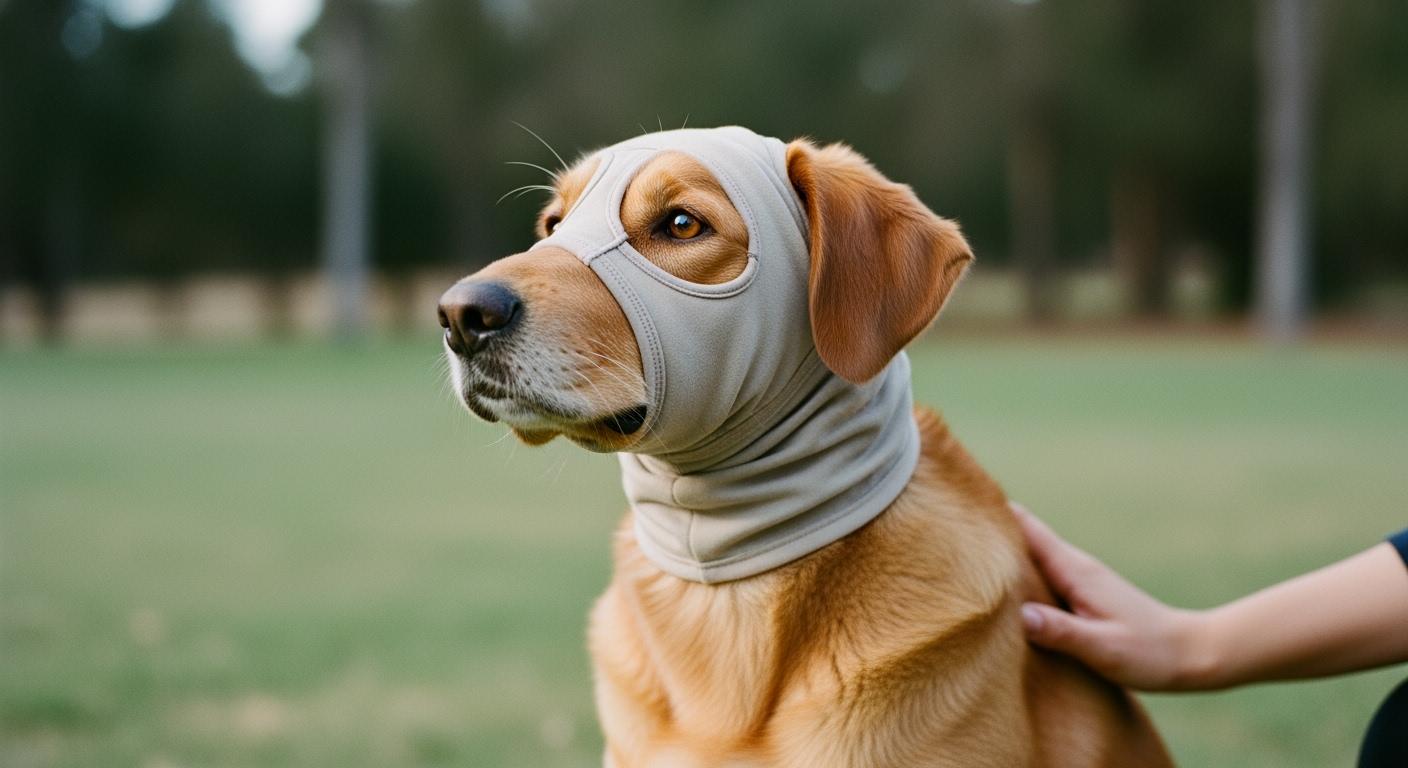
A dog head cover should be chosen by one practical question: does your dog need targeted head or face protection, or would another recovery product work better. Dog head covers are most useful for selected facial wounds, ear-area recovery, anti-lick management, and situations where softer head coverage may be easier to tolerate than a more rigid option. They are not automatically the best choice for every recovery case. If the wound is on the body or limbs instead of the head, compare this page with the dog recovery sleeve solution page and the dog anti-lick collection.
Key Takeaways
- A dog head cover is usually best for head, face, ear, or neck-area protection when anti-lick control and softer recovery coverage are needed.
- If the wound or recovery need is on the body or limbs, sleeves or suits usually make more sense than a head cover.
- The best option depends on wound location, visibility, comfort, and whether your dog can tolerate the product calmly during daily recovery.
Dog Head Cover Uses and Benefits
When Dogs Need Head or Face Protection
Sometimes, your dog needs extra protection after surgery, skin irritation, or a healing wound on the head or face. A dog head cover is most relevant when the recovery need is localized to the head area and the main goal is to reduce licking, scratching, or contamination.
- ear or facial healing areas that need cleaner coverage
- head or face wounds that should be protected from scratching
- post-procedure recovery where softer head coverage may be easier to tolerate
- selected anti-lick situations where the dog keeps disturbing the healing area
Use a dog head cover when the wound is actually on the head or face and your veterinarian agrees it is appropriate. If the wound is on the limbs or body instead, sleeves or recovery suits are usually the better support path.
Tip: If you are unsure whether the protection need is really head-specific, compare the recovery zone first. Head covers are for head and face recovery. Sleeves and suits are usually better for limbs and body areas.
How Dog Head Covers Support Recovery
A dog head cover helps recovery mainly by creating a cleaner barrier over the healing area and reducing direct licking or scratching access. It can also help protect stitches, light dressings, or sensitive ear and face areas during daily movement.
The best head covers balance protection with visibility, breathing comfort, and lower stress. Some dogs tolerate softer fabric options better, while others need a more structured recovery alternative if they can still reach the wound too easily.
You still need to monitor the fit and your dog’s behavior closely. If the dog seems more stressed, cannot move comfortably, or keeps trying to remove the cover, the recovery plan should be adjusted instead of forcing longer wear time.
Differences from Other Recovery Products
Dog head covers are not the same as other recovery products. They work differently and look different. You must pick the best one for your dog’s injury and recovery needs. The table below shows the main differences:
| Product Type | Usually Best For | Main Strength | Main Limitation |
|---|---|---|---|
| Dog Head Cover | Head, face, ear, or neck-area recovery protection | More targeted protection for head-specific healing zones | Too narrow for body or limb wounds |
| Soft or inflatable cone alternative | Broader anti-lick control when head-only coverage is not enough | Better at reducing direct wound access in some cases | Some dogs tolerate them poorly |
| Recovery Sleeve | Leg wounds, bandage coverage, localized anti-lick needs | Better for limb-focused protection | Does not solve head or face recovery needs |
| Recovery Suit | Broader body recovery and multi-area protection | Useful when larger recovery zones need coverage | Not a true head-protection tool |
Dog head covers give specialized protection for head and face recovery. Recovery sleeves are better for limb wounds, and recovery suits are better when broader body coverage is needed. The right product depends more on wound location than on product style preference alone.
Note: Dog head covers do not replace veterinary advice. Always confirm that the recovery problem is actually head-specific before choosing a head cover over a sleeve, suit, or cone alternative.
You help your dog heal by picking the right recovery product. You make sure your dog feels safe and comfortable. You support your dog’s healing every step of the way.
Types of Dog Head Covers and Recovery Cone Alternatives

Soft Covers and Fabric Options
Soft head covers use gentler materials to protect the head and face without the rigid feel of a plastic cone. These options can be more comfortable for selected dogs that become stressed with harder recovery gear, but they still need enough structure to stay in place and protect the healing area.
| Design Factor | Why It Matters | Best Use |
|---|---|---|
| Soft breathable fabric | Improves comfort and lowers heat buildup | Dogs that need lighter recovery coverage |
| Clear or open-visibility design | Helps reduce stress and movement hesitation | Dogs that tolerate visible surroundings better |
| Adjustable closure points | Help keep the cover secure as fit changes | Dogs needing more individualized fit |
| Washable recovery material | Makes daily hygiene easier | Longer recovery routines and repeated use |
Soft covers do not protect as much as plastic recovery cones. They give more comfort and less stress for your dog.
Plastic Recovery Cones
Plastic recovery cones are still a common choice when direct wound access has to be reduced more aggressively. They usually offer stronger no-access protection than soft head covers, but some dogs tolerate them poorly because of stress, collisions, or reduced confidence during movement.
Type of Cone | Durability | Protection Level |
|---|---|---|
Plastic Recovery Cone | More durable | Stronger protection |
Fabric Recovery Cone | Softer, comfortable | Less protection |
Plastic recovery cones can block vision and make sounds louder. This can upset some dogs. Soft dog cone alternatives use flexible fabric for comfort and help your dog know where things are.
Full Face Shields and Masks
Full face shields or clear facial guards may help in selected facial recovery cases where visibility matters and the dog does not tolerate a standard cone well. These products are more specialized than general head covers and should only be used when the facial protection need is clear and the dog can still breathe, see, and remain calm.
- They are most relevant for selected face-centered recovery needs.
- Visibility can be better than with some rigid cone setups.
- They are not automatically the best answer for every head wound.
Dog Cone Alternatives and When to Use Them
You have several cone alternatives, but they should be chosen by recovery goal rather than by convenience alone. Use this comparison instead:
| Recovery Option | Usually Best For | Main Limitation |
|---|---|---|
| Dog Head Cover | Targeted head or face protection with softer coverage | Too narrow for body or limb wounds |
| Plastic or soft cone | Broader anti-lick restriction when the dog can still reach the wound easily | Some dogs tolerate them poorly |
| Inflatable collar | Selected dogs needing a softer neck-based restriction tool | May not stop access to all wound locations |
| Recovery sleeve or suit | Limb or body protection instead of head-focused recovery | Not a true head-protection solution |
Recovery suits and sleeves usually make more sense when the wound is on the body or legs rather than the head. You should pick cone alternatives based on wound location, anti-lick risk, and what your dog can tolerate calmly.
Tip: Every dog is different. Try different recovery cone options and dog cone alternatives to find what works best for your pet.
Choosing the Right Dog Head Cover
Assessing Your Dog’s Needs
First, look at where the wound or recovery problem is actually located. If the healing area is on the head, face, ears, or nearby neck zone, a dog head cover may be the right comparison. If the wound is on the limbs or body, sleeves or suits usually fit better.
Then watch your dog’s behavior. Some dogs tolerate head coverage well. Others become stressed, paw at the cover, or move worse in it. Comfort matters because a recovery product only works if your dog can actually wear it calmly and safely.
Tip: Pick a dog head cover that fits your dog’s needs. Comfort and movement help your dog heal faster.
Key Features for Comfort and Fit
When you choose a dog head cover, look for features that make it comfortable. The right features help your dog feel safe and heal well. Here are some important things to look for:
| Feature | Why It Matters |
|---|---|
| Adjustability | Lets you fine-tune the fit as the dog heals. |
| Soft breathable material | Helps reduce heat buildup and irritation. |
| Stable but gentle structure | Keeps the cover in place without making the dog feel trapped. |
| Ear accommodation | Improves comfort for dogs needing ear-area recovery protection. |
| Visibility and breathing clearance | Helps the dog stay calmer and safer during recovery. |
Comfort and movement depend on these features. Adjustable straps let you change the fit as your dog gets better. Breathable materials keep your dog cool. Ear holes stop rubbing and help your dog move. Sun protection is good for outdoor recovery.
Note: A good head cover should not make your dog feel stressed or stop movement. Comfort and fit help your dog heal and feel less worried.
Measuring and Adjusting for Proper Fit
Measure your dog to make sure the head cover fits correctly. Use a soft tape measure and focus on the areas that determine stability and comfort:
- Measure around the head at the point the cover needs to anchor.
- Measure the neck where the closure or support edge will sit.
- Check ear position and ear clearance if the cover includes ear openings.
- Make sure the product leaves enough space for normal breathing, panting, and visibility.
- After fitting, watch your dog move and confirm the cover stays in place without twisting.
Your dog’s head shape, fur, and healing stage can all affect fit, so adjustability matters more than fixed tightness. A secure fit should reduce slippage without making the dog feel crowded or stressed.
| Fit Check | What You Want to See |
|---|---|
| Neck closure | Secure enough to stay in place without choking or rubbing. |
| Ear area | No folding, excessive pressure, or obvious irritation. |
| Face and vision clearance | The dog can see, orient, and move normally enough to stay calm. |
| Movement test | The cover stays aligned without easy paw-off or twisting. |
Alert: Always check the cover during recovery. Change the fit if your dog needs more comfort or movement.
Common Mistakes to Avoid
Avoid mistakes that can slow healing or make your dog less tolerant of recovery gear. Common errors include:
- choosing a head cover when the wound is actually on the body or limbs
- using a head cover when a cone alternative is needed to block access more effectively
- not measuring the dog before choosing size
- ignoring visibility, breathing, or stress signs after fitting
- forcing long wear time before the dog has adapted to the product
Tip: Take your time to measure, adjust, and introduce the head cover. Comfort and fit help your dog heal faster and feel safe.
If you want more information about other recovery products, compare this page with the dog anti-lick collection, the dog recovery sleeve solution page, and the dog leg sleeve guide. That helps match the product to the real wound location instead of guessing.
Picking the right dog head cover helps most when the recovery need is truly head-specific and the dog can tolerate the product calmly. The best decision usually comes down to these points:
| Decision Factor | What Helps Most |
|---|---|
| Wound location | Choose a head cover only when protection is actually needed on the head or face. |
| Anti-lick control level | Use stronger cone alternatives when softer head coverage is not enough. |
| Comfort and visibility | Choose a product the dog can wear without excess stress or confusion. |
| Fit and daily use | Recheck alignment, breathing clearance, and skin comfort every day. |
For next steps, continue to the dog anti-lick collection, the dog recovery sleeve solution page, the dog leg sleeve guide, or the products hub depending on whether you still need head protection guidance, sleeve-based recovery planning, broader anti-lick options, or product comparison. Data authenticity note: This article is for educational purposes only. It is designed to help readers compare dog head cover options during recovery, not to replace veterinary diagnosis or individualized treatment advice.
Look at more anti-lick and recovery resources to find what works best for your dog.
FAQ
What is a dog head cover?
A dog head cover is a recovery accessory used to protect the head or face and help reduce licking, scratching, or interference with healing areas.
When should you use a dog head cover?
You should use a dog head cover when the recovery need is actually on the head, face, or ear area and your veterinarian agrees that softer head coverage is appropriate.
How do you measure your dog for a head cover?
Use a soft tape measure and check the head, neck, and any area the product uses for anchoring. Then confirm the dog can still breathe, see, and move calmly once the cover is on.
Can your dog eat and drink with a head cover on?
Many dog head covers still allow eating and drinking, but you should always supervise meals at first to make sure the product does not interfere with normal access or increase stress.
Tip: Check fit, visibility, skin comfort, and stress level every day. If the dog seems more anxious or keeps trying to remove the cover, reassess the recovery product instead of forcing longer wear.
