
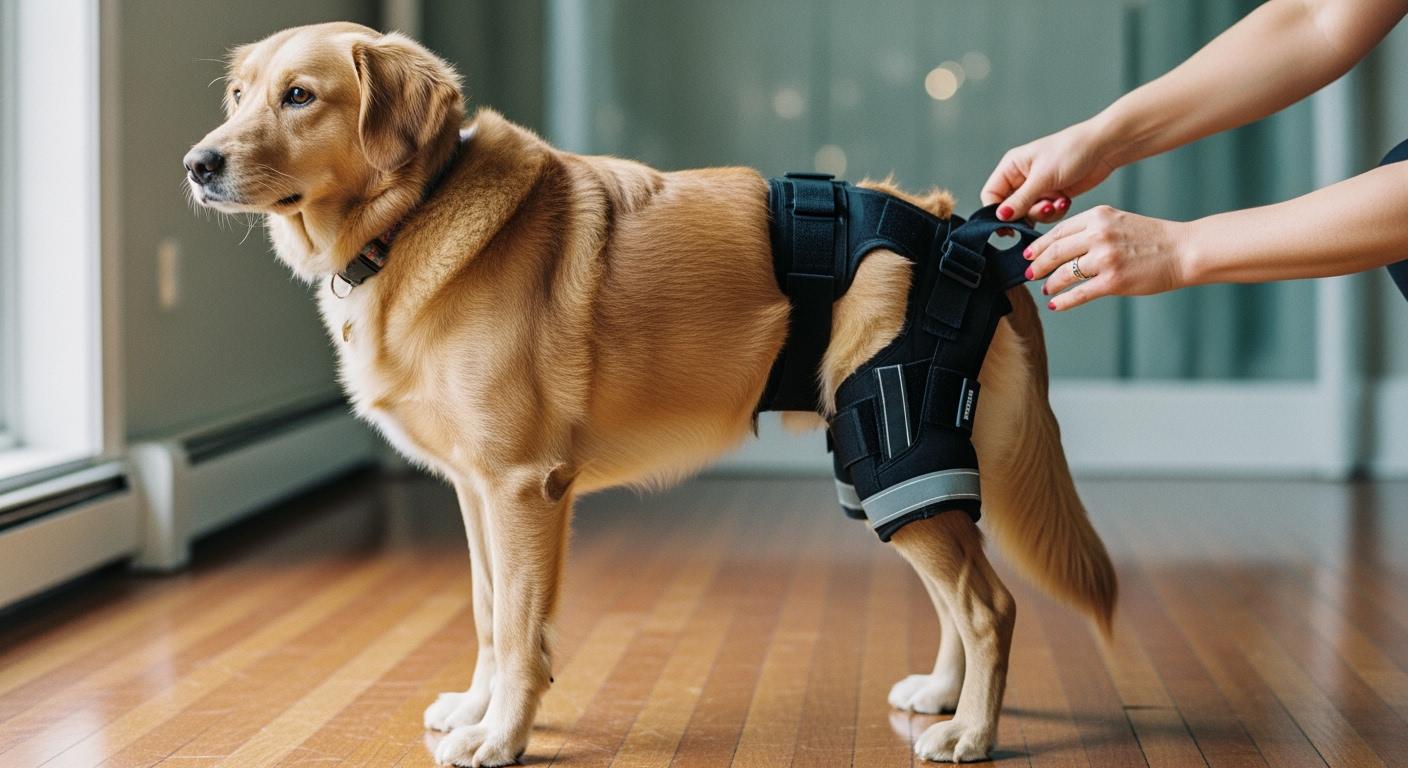
Dog hip support brace fit and slipping matter because a hip brace only works when it stays aligned with the dog’s hips during real movement. A brace that fits well should feel stable, apply gentle support around the hip area, and stay in place through standing, walking, and short daily activity without drifting or twisting. If you want a broader overview of hip brace fit, support goals, and daily use before comparing products, start with this dog hip support brace guide.
Key Takeaways
- A hip support brace should stay aligned with the hips during normal movement, not just while the dog is standing still.
- Slipping usually points to a problem with measurement, body-shape match, strap adjustment, or brace design.
- Daily fit checks should focus on drift, rubbing, skin marks, and whether the dog still moves in a steady, comfortable way.
Why Dog Hip Support Brace Fit and Slipping Matter
Impact on Mobility and Comfort
The right fit helps the brace support the hips without restricting normal movement. A good hip brace should add stability, gentle compression, and predictable support while still letting the dog walk, stand, and rest without obvious compensation. If you want a broader educational page focused on pain relief, mobility, and realistic expectations, review this dog hip dysplasia support brace guide.
Mechanism | Description |
|---|---|
Compression and Support | Gives gentle pressure around the hip, making it more stable and less painful. |
Muscle Engagement | Helps the muscles near the hip work better and stay strong. |
Pain Reduction | Stops too much movement and gives steady pressure, which feels good for many dogs. |
Improved Confidence | Good support helps dogs move with more confidence and build muscle. |
Risks of Poor Fit
A brace that does not fit well can create two main problems at the same time: it stops giving reliable hip support and it becomes harder for the dog to tolerate. If the brace is too loose, it may drift and lose its working position. If it is too tight, it may create pressure, rubbing, and movement resistance. In both cases, slipping usually gets worse rather than better.
Complication | Description |
|---|---|
Skin irritation | More than half of dogs with stifle orthosis had skin problems in the first 3 months. |
Mechanical problems | The brace may not work right if it does not fit. |
Device intolerance | Dogs may not want to wear the brace if it does not fit. |
Tip: Watch the dog walk, turn, and stand after the brace is fitted. A brace that slips in motion is not ready for daily use even if it looks correct when the dog is still.
Buyer Intent and Evaluation Needs
Clinics, resellers, and informed buyers should evaluate more than size. The real test is whether the brace stays aligned during daily use, whether the dog tolerates it, and whether the support goal matches the dog’s condition. If you need a broader condition-first framework before comparing brace details, use this dog hip support solution page to compare mobility, stability, and daily comfort goals.
Evaluating Fit in Canine Hip Support
Accurate Measurement and Sizing
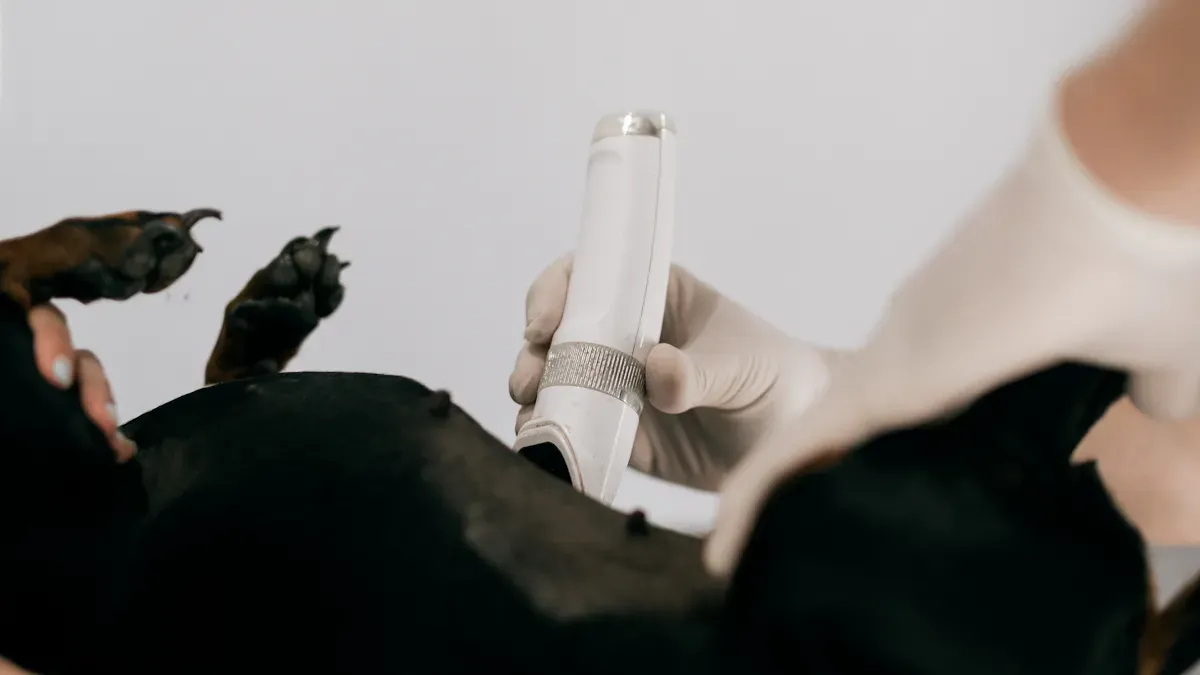
You must measure the dog carefully before choosing a hip support brace. A hip brace is more likely to slip when the size is guessed, when the dog is standing unevenly during measurement, or when the brace shape does not match the dog’s hips and thighs. Use a soft tape while the dog stands naturally and record each number instead of estimating.
Measure the thigh about one inch above the knee.
Measure the knee right over the knee cap.
Measure the lower leg just below the knee.
Measure the leg from the top of the thigh to the ankle or hock.
Measure the space between the inner thighs while your dog stands.
Tip: Measure twice, record both numbers, and note coat thickness or swelling if they change how the brace sits around the hips.
Signs of Proper Fit
A hip support brace that fits well should feel stable, supportive, and predictable during daily movement. The brace should stay aligned with the hips, avoid rubbing, and let the dog move without obvious hesitation or new stiffness.
Signs of Proper Fit:
- The brace stays aligned without drifting backward or rotating during walking.
- The dog can stand up, lie down, and walk without obvious restriction.
- The skin stays clear of pressure marks, redness, or friction points.
- The dog shows steadier movement rather than more guarded movement.
Note: A correct fit should make movement look steadier and more confident, not shorter, stiffer, or more awkward.
Identifying Poor Fit or Slipping
You need to check for signs of poor fit or slipping after the brace is on and the dog starts moving. A brace can look secure at rest and still fail during walking, turning, or getting up. That is why daily activity is the real test of whether the brace holds correctly.
Common Indicators of Poor Fit or Slipping:
- The brace slides out of its working position during walking.
- The dog licks, bites, or resists the brace after a short session.
- You see rubbing, hair loss, or red skin where the brace contacts the body.
- The dog moves more slowly or unevenly after the brace is fitted.
Indicator | What to Watch For |
|---|---|
Rubbing | Red or sore skin |
Slipping | Brace moves out of place |
Stiffness | Dog moves less |
Discomfort | Dog does not want the brace |
Alert: If slipping keeps happening after careful adjustment, the issue is usually sizing, brace shape, or support design rather than a small strap correction. For a broader fit review, use this canine rehabilitation brace fit and safety guide alongside this page.
Observing Gait and Body Shape
Your dog’s gait and body shape directly affect how a hip brace behaves. The brace has to match the hip area closely enough to stay supportive, but still allow normal walking, sitting, and standing. Dogs with wider hips, stronger rear push-off, or unusual body proportions often need closer observation during the first fitting period.
Factors to Consider:
Dogs with hip dysplasia often walk differently. Look for limping or favoring one leg.
The brace should line up with your dog’s hip for the best support.
Muscle tone and leg length change how the brace fits.
How active your dog is affects how the brace holds. Active dogs may need more support or adjustments.
Tip: Watch your dog walk, run, and rest. Check if the brace stays in place and supports the hip all the time.
Quick Fit Evaluation Checklist:
Measure carefully and check numbers twice.
Make sure the brace is snug but not tight.
Adjust straps so the brace stays secure.
Watch your dog’s movement and walk.
Look for slipping or pain.
Think about body shape and activity level.
Watching how the dog walks, turns, and settles at rest is one of the fastest ways to tell whether the brace is actually supporting the hips or only looking correct from the outside.
Common Causes of Brace Slipping
Sizing and Adjustment Issues
A dog hip support brace usually slips for one of three reasons: the size is wrong, the brace shape does not match the dog’s hip area, or the adjustment is not stable enough for daily movement. Many slipping problems show up in the first days of use, especially when owners rely on one fitting session and then assume the brace will stay correct without rechecking.
- Re-measure if the dog’s weight, coat, or muscle tone changes.
- Recheck the brace after short walking sessions instead of only at rest.
- Use small adjustment changes rather than tightening everything at once.
Tip: If the brace slips after short activity, revisit measurement and placement first before assuming you only need tighter straps.
Material and Design Factors
Brace design matters because slipping is not only a sizing problem. Padding, panel shape, seam placement, and adjustment layout all affect whether the brace stays stable. A better design should use soft contact areas, a shape that follows the hips, and enough adjustability to stay secure without creating pressure points.
Factor | Description |
|---|---|
Fit and measurement | A loose brace will slip and not help; a tight one will hurt. |
Material and comfort | Use soft, padded materials, smooth seams, and strong fasteners to stop slipping. |
Activity Level and Coat Type
How much your dog moves and the kind of coat they have can change how the brace fits. Dogs that run or play a lot may need the brace fixed more often. If your dog has thick or long hair, the brace may slip because the hair is slippery. Check the brace after your dog walks or plays.
Dogs that are very active or have thick coats need more checks for fit.
You may need to fix the brace more for dogs that move a lot.
Watch for slipping after your dog moves or rests.
Note: Watching your dog often helps you find slipping early and keeps your dog happy and safe.
Solutions to Reduce Slipping and Improve Brace Hold
Adjusting Straps and Panels
You can stop slipping by fixing the straps and panels. Good measurements help you pick the right hip brace. This makes your dog feel better. Put the brace on the hip and thigh the right way. Tighten each strap so it fits well but does not hurt. Good braces have many places you can adjust. These let you make the fit just right for your dog’s back legs. After each change, check for rubbing or slipping. Checking often helps your dog stay active and move better.
Technique | Description |
|---|---|
Accurate Measurements | Take careful measurements to stop slipping and pain. |
Proper Placement | Put the brace in the right spot for hip support. |
Adjustment for Comfort | Use the adjustment spots to make it comfy and stop slipping. |
Monitoring for Issues | Look for rubbing or slipping to help your dog move and stay safe. |
Tip: Change the straps and panels every week. Watch your dog walk and play. Fix the brace if you see slipping or pain.
Selecting the Right Hip Brace Design
You need to pick the best hip brace for your dog. Some braces help with pain and keep the joint steady. Other braces help your dog move more and bend the hip. Straps that adjust let you change the fit. Using the brace the right way stops slipping and helps the hip. Some braces have anti-slip parts like neoprene panels and mesh. These help the brace stay in place. Experts say anti-slip designs are best for dogs who move a lot.
Comfort and Fit: A good fit makes your dog feel better and hurts less.
Adjustability: Straps you can change help support the back legs and fit your dog’s needs.
Proper Use: Put the brace on the right way to stop slipping and help the hips.
FHM02 Brace: This brace helps with pain and keeps the joint steady.
FHM03 Brace: This brace lets your dog move more and bend the hip.
Evidence Type | Summary |
|---|---|
User Reviews | Many people like braces with anti-slip features. |
Clinical Feedback | Experts say anti-slip braces give better support and keep dogs steady. |
Note: If you want a broader educational reference before comparing products, use the dog hip support brace guide. If you are ready to review a product-level example, see the Dog Hip Support Brace.
Using Support Accessories
Support accessories can help when the brace alone is not solving the whole mobility problem. For example, some dogs still need a lift harness for stairs, transfers, or short assisted walks even when a hip brace helps with stability during regular movement. If you need to compare those support categories more directly, review this dog brace for hips vs lift harness guide.
- Use a hip brace when the dog still walks but needs more hip-area stability.
- Use a lift harness when the dog needs direct handler assistance for stairs or transfers.
- Use both only when the dog’s routine clearly requires both supported movement and assisted movement.
Callout: Harnesses and wheelchairs help your dog move and feel better. They work with braces to stop slipping and support the hip.
Training for Brace Use
Training helps the dog tolerate the brace and gives you a better chance to catch slipping early. Start with short wear sessions on non-slip flooring, then increase activity only after the brace stays aligned during simple movement. Rugs, traction mats, and slower turns make it easier to see whether the brace is actually holding correctly.
Training Protocols | Description |
|---|---|
Avoid Slippery Surfaces | Keep dogs off tile or wood floors to stop slips and pain. |
Non-Slip Flooring | Use mats or rugs to help the hips and stop falls. |
Owner’s Role | Watch your dog and make a safe space so they can move and feel good. |
Alert: If the brace keeps slipping even during slow indoor sessions on non-slip flooring, the issue is usually fit or design—not the dog needing more time to “get used to it.”
You can help your dog by fixing straps, picking the right brace, using support tools, and training for brace use. These ideas help your dog feel better, hurt less, and stay active. Clinics and buyers should check the fit and make changes when needed. Hip support works best when you use all these steps together.
Limitations and When to Seek Guidance
Troubleshooting Persistent Slipping
You may notice that a dog hip support brace still slips even after a careful first fitting. Persistent slipping usually means the brace does not match the dog’s body shape closely enough, the adjustment pattern is not stable under movement, or the dog needs a different support layout altogether. If slipping continues, re-measure, reassess the brace position, and compare whether a different brace type in the dog hip brace category would be a better match.
Limitations to keep in mind:
The brace does not cure hip dysplasia or arthritis. It only helps manage symptoms of hip joint pain.
You must check for chafing or sores every day.
High-quality support can cost more and may need adjustments as your dog changes.
A hip brace works best as part of a full support plan for dogs, not as the only solution.
Note: If careful adjustment does not solve the slipping, the next step is usually a different design, a better body-shape match, or professional fitting help.
When to Consult a Veterinarian
You should contact a veterinarian if the brace keeps slipping, creates pain, changes the dog’s gait, or causes skin problems that do not resolve quickly. A brace can help with support, but it does not replace diagnosis or a broader treatment plan when hip dysplasia, arthritis, or rear-leg weakness is still progressing.
When to Seek Help | What to Watch For |
|---|---|
Persistent slipping | Brace moves out of place often |
Signs of discomfort | Dog limps, whines, or avoids movement |
Skin issues | Redness, sores, or swelling |
No improvement in symptoms | Dog still struggles with hip support |
Callout: A brace can support daily comfort and stability, but ongoing pain, repeated slipping, or worsening movement still require veterinary guidance.
Internal Links to Pillar and Solution Pages
If you need a stronger next step after this article, continue to the dog hip support brace guide for fit and daily-use logic, then compare use cases on the dog hip support solution page, and finally review current options in the dog hip brace category.
You improve the value of a hip support brace when you treat fit and slipping as daily performance checks rather than one-time setup steps. A brace should stay aligned, feel tolerable, and support steadier movement without creating new pressure points. For next steps, move from this article to the dog hip support brace guide, the hip support solution page, or the Dog Hip Support Brace product page depending on where the dog is in the decision process. Data authenticity note: This article is for educational purposes only. It is designed to help readers evaluate hip brace fit and slipping, not to replace veterinary diagnosis or individualized treatment planning.
FAQ
How do you know if a dog hip support brace fits correctly?
The brace should stay aligned during walking, turning, and standing without causing rubbing, pressure marks, or obvious discomfort. The dog should look steadier, not more guarded.
Why does a dog hip support brace slip?
A hip brace usually slips because of sizing error, poor body-shape match, unstable adjustment, or a design that does not hold well during movement. Thick coats and high activity can make those issues more obvious.
Can you use a hip support brace for all dogs?
Many dogs with hip issues can benefit from a brace, but not every dog will respond to the same design. Careful measurement, movement checks, and daily tolerance matter more than assuming one brace works for every case.
What signs show poor hip support in dogs?
Poor hip support often shows up as slipping, rubbing, reluctance to walk, uneven gait, or visible discomfort after the brace is fitted. Redness or sores near the contact area are also warning signs.
How often should you check the fit of a dog hip support brace?
You should check the fit daily, especially during the early wear period or after changes in activity, coat, weight, or muscle tone. Frequent checks help catch slipping before it turns into discomfort or skin problems.
