
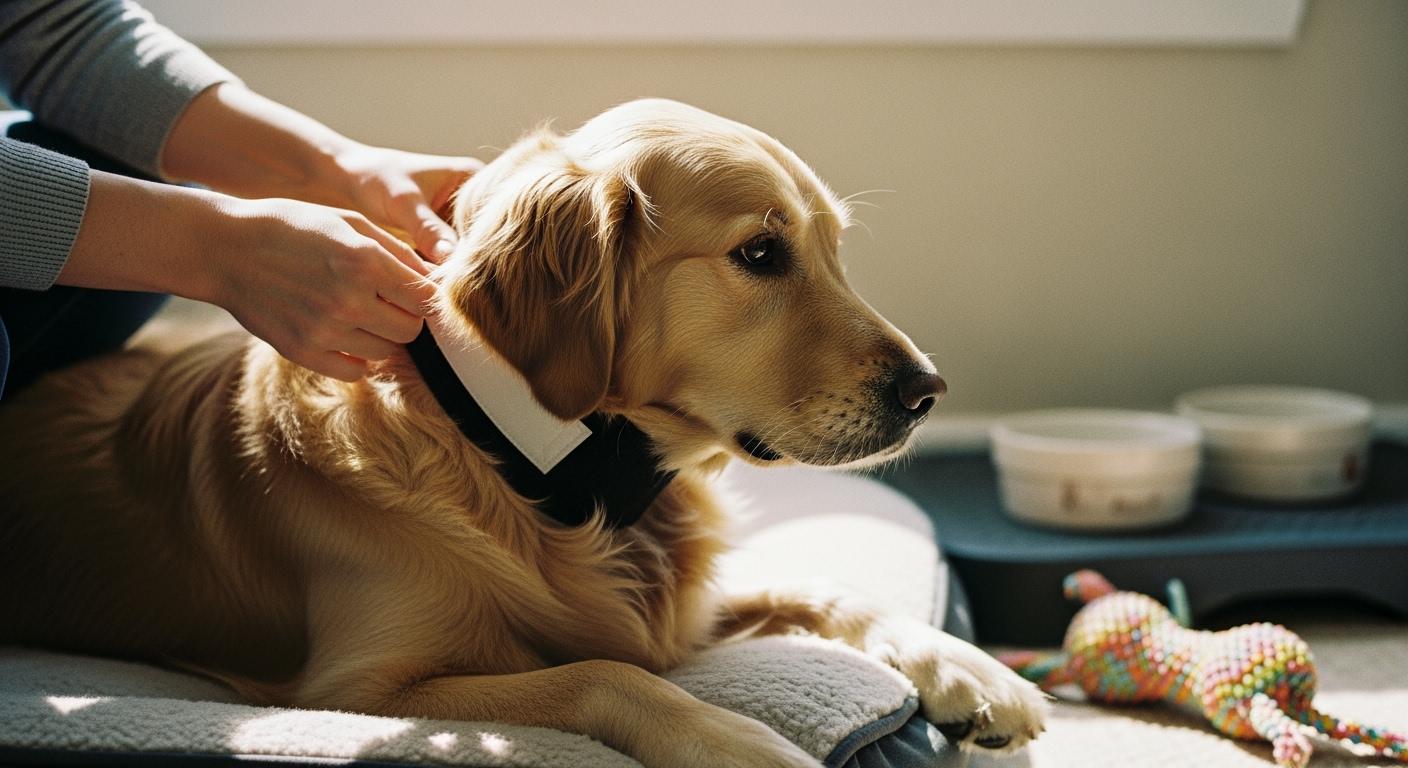
A dog collar for neck injury should be understood as a medical support choice, not as a general walking collar or training collar. This guide is for owners, rehab teams, and buyers who need to understand when cervical support may help, how a medical neck brace or recovery collar differs from an e-collar, and how to choose fit, support level, and daily-use routines safely. If you are comparing condition-first support in the Solutions hub, deeper article-level guidance in the GaitGuard blog, or product options in the products hub, this page should work as the top-level starting point.
Quick Answer: A dog collar for neck injury is usually most useful when a dog needs medical cervical support to reduce harmful neck movement during recovery or daily care. It is not the same as a training collar, and it is not always the same as an e-collar used only to prevent licking or scratching.
- Best for: cervical support, controlled recovery, reducing risky neck motion
- Not for: training correction, leash pressure, or generic everyday walking control
- Most important factors: diagnosis, support type, fit, and daily skin checks
Key Takeaways
- A dog collar for neck injury should be treated as a medical support decision, not a general collar choice.
- The right option depends on whether the dog needs cervical stabilization, wound-protection management, or reduced neck loading during recovery.
- Medical neck support, e-collars, and harness-based walking management solve different problems and should not be treated as interchangeable.
- Fit, supervised use, and daily skin checks matter as much as the support type itself.
When to Use a Dog Collar for Neck Injury
Veterinary Assessment First
Always ask your veterinarian before using a dog collar for neck injury. The first question is not just which collar to buy, but what kind of neck problem your dog actually has and whether medical cervical support is appropriate. Some dogs need structured neck support, some only need wound-protection management, and some should avoid neck-loaded collar pressure entirely.
Tip: Do not use training collars, choke-style collars, or correction collars as neck injury support devices. Medical support and behavior-control tools are not the same thing.
Indications for Neck Support
You may need a dog collar for neck injury when the goal is to reduce harmful neck motion and provide cervical support during recovery or daily care. In this context, “collar” should be understood as a medical support device, not a standard walking collar.
Common reasons for using medical neck support include:
- recovery from cervical IVDD or other neck-related spinal problems
- healing after neck or upper spine surgery
- limiting movement after strain or trauma
- supporting painful neck motion during controlled recovery
- helping selected senior dogs who need more cervical stability
Dogs that pull hard on their collars or jump during walks can hurt their necks. Collars that do not fit right can cause bruises, scrapes, or make it hard to breathe. Watch for signs like whining, pawing at the collar, or acting different. If you see these signs, talk to your vet about the best e-collar or neck support brace.
What a Collar Can and Cannot Do
A dog collar for neck injury can help reduce risky neck motion, support recovery, and make daily handling safer when it is correctly selected and fitted. An e-collar may also be used in some cases, but usually for wound protection rather than for true cervical stabilization.
But a collar cannot repair the underlying cause of a neck injury by itself. It does not replace surgery, diagnostics, medication, rehab, or rest when those are needed. It is best understood as one part of a broader veterinary care plan.
Note: Always pick a collar or brace made for medical support, not for training. Check your dog’s skin and comfort every day. If you see redness, swelling, or changes in how your dog acts, take off the device and call your vet.
A dog collar for neck injury is a tool to help your dog get better, not a cure. Use it with rest, watching your dog, and regular vet visits.
Main Uses for Cervical Support
Neck Stability and Controlled Activity
Dogs need cervical support when a neck injury makes uncontrolled movement risky. A medical neck brace or recovery collar can help reduce sudden flexion, extension, or twisting while still allowing safer controlled activity. The right support should help stability without pressing on the throat or shoulders too aggressively.
Design Consideration | Description |
|---|---|
Anatomical Fit | Braces can be adjusted to support the cervical area. They do not press on the throat or shoulders. |
Controlled Mobility | These braces stop bad movements but let your dog move their head for daily things. |
Breathable Materials | Soft padding and fabrics that breathe keep your dog cool and comfy. They stop heat and rubbing during use. |
Check the fit often to keep your dog safe. Make sure the e-collar does not cause pain or skin problems. Cervical support helps your dog heal and stay safe.
Post-Surgical and Recovery Support
After surgery, your dog may need support to keep the neck safer during healing. Neck braces are most useful when the goal is cervical stabilization, while e-collars are more useful when the goal is preventing licking or scratching around the surgical site. Those are different recovery jobs and should not be merged into one support concept.
Always follow your vet’s advice when using an e-collar after surgery. Check your dog’s comfort and skin every day. Cervical support works best with rest and careful watching.
Senior Dog and Mobility Care
Older dogs sometimes need more neck support during daily routines. In those cases, a soft or moderate cervical support option may help reduce strain and make movement feel steadier. The goal is not to over-restrict normal life, but to support safer daily comfort.
Tip: For older dogs, pick a dog neck support with soft padding and straps you can adjust. This makes it easier to use every day and keeps your dog happy.
Watch your dog’s activity and change the brace if needed. Cervical support helps your senior dog have a better life.
Choosing the Right Dog Neck Brace
Types of Braces and Collars
There are several kinds of neck support options, but a guide page should separate them by medical function rather than by generic collar category. The main decision is whether your dog needs cervical support, wound-protection management, or reduced neck loading during walks.
| Support Type | Main Job | Usually Best For |
|---|---|---|
| Medical Neck Brace | Provides cervical support and reduces risky neck motion | Dogs needing structured neck stabilization |
| Soft Recovery Collar | Provides gentler support and comfort-focused restriction | Dogs needing lighter cervical support or daily comfort |
| E-Collar | Prevents licking or scratching | Wound protection and post-surgical management |
| Harness-Based Walking Management | Reduces neck loading during leash activity | Dogs that should avoid pressure through the neck during walks |
You might see soft cones and soft neck braces too. These give gentle cervical support and feel comfy for dogs who need extra help. Clinics often say to use a soft dog neck brace for dogs that are more sensitive.
Evaluating Fit and Comfort
You need to check fit carefully before using any dog neck brace every day. A good fit should feel secure without choking, rubbing, or pressing into the throat.
- the support should be snug but not restrictive
- the device should not press directly into the airway
- the dog should be able to rest, eat, and move calmly within the intended support range
- you should recheck for redness, pressure marks, or rubbing after wear
A proper fit improves both support quality and daily tolerance. A poor fit makes even the right support type ineffective.
Support Needs by Condition
You need to pick a dog neck brace that matches your dog’s health problem. Cervical support is different for each dog. The table below shows how braces can help:
| Support Need | What Usually Helps |
|---|---|
| Pain relief through motion control | Structured cervical support that reduces risky neck movement |
| Post-surgical protection | Medical neck support plus wound-protection management when needed |
| Daily comfort for milder cases | Softer cervical support with close monitoring |
| Walking without neck load | Harness-based leash management instead of neck-loaded control |
Some dogs need a soft dog neck brace for small injuries. Other dogs need a stronger brace after surgery. Clinics use e-collars to keep wounds safe. Cervical support helps your dog heal and stay active. Always choose a brace that fits your dog’s needs and keeps them comfortable.
Fitting a Dog Neck Brace
Fitting a dog neck brace correctly is essential for safety, comfort, and recovery. You need to follow a clear process to make sure the brace works as intended. Clinics, rehab professionals, and informed pet owners can use these steps to ensure the best results.
Measuring and Sizing
You must start with accurate measurements. The right size helps a dog neck brace provide useful cervical support without creating pressure or discomfort.
- measure around the support zone of the neck, not too high under the jaw and not too low over the shoulders
- keep the measuring tape snug but not tight
- record the measurement carefully and compare it with the exact product size guide
- recheck fit after the device is actually on the dog and the dog is moving calmly
Tip: Accurate measuring prevents pressure points, slide-down, and poor cervical support.
Adjustment and Safety Checks
Once you have the correct size, you need to adjust the dog neck brace for a secure and comfortable fit. Follow these steps for every fitting:
- confirm with your veterinarian that your dog should wear the support today
- inspect the brace before use for rough edges, damaged closures, or poor alignment
- place the brace with the head in a neutral comfortable position
- adjust the closures so the brace feels secure without pressing on the throat
- use a harness for all walks and bathroom breaks instead of adding leash pressure through the neck
- check the skin and comfort level after early sessions
Alert: More support is not always better. Over-restriction and poor fit can create new problems.
Positioning for Effectiveness
Proper positioning ensures the dog neck brace provides cervical support without interfering with breathing, resting, or normal calm activity. The brace should sit above the shoulders and below the jaw in a way that distributes support more evenly instead of concentrating pressure into one point.
- the brace should not shift or rotate during normal movement
- the dog should still be able to rest comfortably
- soft materials should not trap too much heat or moisture
- the support should control risky motion without becoming a source of distress
Positioning Checklist | Yes/No |
|---|---|
Brace sits above shoulders | |
No pressure on throat | |
One finger fits under brace | |
No shifting during movement | |
Skin checked daily |
You should review the fit and position of the dog neck brace at least once a day. Dogs can lose or gain weight during recovery, which may change how the brace fits. Adjust as needed to maintain comfort and safety.
Note: A soft dog neck brace works well for mild injuries or senior dogs who need gentle cervical support. For post-surgical care, a more structured dog neck brace may be necessary.
You play a key role in your dog’s recovery. Careful measuring, regular adjustment, and daily checks help the dog neck brace provide the best cervical support. Always follow your veterinarian’s advice and monitor your dog for any changes.
Daily Use Protocols and Monitoring
Wear Schedules and Breaks
You should use a dog neck brace according to a phased routine instead of a rigid one-size-fits-all schedule. In early use, focus on short supervised sessions and skin tolerance. As your dog adapts, increase use only if comfort, fit, and movement stay stable.
| Phase | Main Goal | Wear Rule |
|---|---|---|
| Early break-in | Confirm comfort and skin tolerance | Use short supervised sessions only |
| Early daily use | Use during controlled activity | Increase only if the dog stays comfortable |
| Stable routine | Repeatable support during selected daily use | Use during active periods, not automatically all day |
Hygiene and Skin Care
It is important to keep your dog’s skin healthy when using a dog neck brace or recovery collar. Check the skin under the support every day for redness, swelling, heat, hair loss, or pressure marks. Clean the device regularly and let it dry fully before reuse so moisture does not build up.
Hygiene Step | Action |
|---|---|
Daily Skin Check | Look for redness or swelling |
Cleaning the Brace | Wash with mild soap and water |
Drying | Let it air dry before using |
Soft Padding | Use soft materials for comfort |
If your dog has sensitive skin, use a soft dog neck brace. This stops rubbing and keeps your dog happy. Always dry your dog’s skin and the brace before putting it back on.
Monitoring for Complications
You need to watch your dog for complications during use. Pay close attention to:
- stiffness or worsening neck pain
- reluctance to move the head normally
- changes in gait, posture, or willingness to walk
- weakness, distress, or obvious brace intolerance
If these signs appear, stop assuming the current support plan is still correct. Reassess fit and contact your veterinarian.
Checking your dog often and using a soft brace helps keep them safe and comfortable. Always listen to your vet about how to use the brace each day.
Cervical IVDD Recovery Support
Stabilization During Recovery
Cervical IVDD is one important use case for this page, but it should be treated as a subcase within the broader topic of neck injury support. In these cases, a dog neck brace may help reduce harmful motion and make handling safer during recovery when your veterinarian recommends it.
The brace stabilizes the spine for cervical ivdd recovery.
It limits movement and prevents damage to compromised discs.
You reduce pain and inflammation with proper support.
The brace helps during handling and lowers injury risk.
Combining Bracing with Rest
You must combine cervical support with rest and activity control during cervical IVDD recovery. Instead of relying on one fixed wear schedule, use a phased plan that follows your veterinarian’s instructions and your dog’s tolerance. Rest, controlled movement, and careful monitoring usually matter more than forcing a rigid hour-by-hour routine.
Adjusting Support Over Time
You need to adjust support as your dog recovers. Check fit, comfort, and movement daily. Some dogs may move from stronger cervical support to softer support over time, while others may need a longer protected phase. This should follow recovery progress, not just the calendar.
Tip: Adjust the brace and e-collar as your dog’s needs change. This helps maintain comfort and support throughout cervical ivdd recovery.
Common Mistakes and How to Avoid Them
Incorrect Fit or Overuse
Check your dog’s neck support every day. If the device does not fit right or is used too aggressively, it can create new problems instead of helping recovery. The most common risks from bad fit or overuse are:
| Risk Type | What It Usually Means |
|---|---|
| Pressure marks | The fit is too tight or poorly distributed. |
| Slide-down or rotation | The support is not staying aligned during movement. |
| Brace refusal | The dog is not tolerating the device well. |
| Worse posture or gait | The support may be wrong for the case or fitted incorrectly. |
Always follow your vet’s advice about how long to use the e-collar. Give your dog breaks as your vet says. This helps stop new injuries and keeps your dog comfy.
Ignoring Signs of Discomfort
Watch your dog closely when using any neck support device. Dogs do not always show pain clearly. Pawing at the device, refusal to rest, reduced appetite, hiding, or restless behavior can all mean the fit or support type is wrong. If you see redness, swelling, or hair loss under the brace, adjust or remove it and reassess before the next session.
Tip: Check your dog’s skin and behavior two times each day. Acting early stops small problems from getting worse.
Ignoring these signs can slow healing and make your dog feel bad. You help your dog by staying alert and making changes fast.
Skipping Professional Guidance
Never use a medical neck support device without veterinary guidance. Only a veterinarian can help determine whether the dog needs structured cervical support, softer protection, or neck-load reduction through a harness-based walking plan instead. Skipping that step increases the chance of using the wrong device for the wrong problem.
Restraint Type | Effect on Intraocular Pressure (IOP) |
|---|---|
Collar | Increases IOP, potentially harmful |
Harness | Does not increase IOP |
You keep your dog safe by asking your vet for help. This makes sure you use the right e-collar and neck support. Always talk to your vet before changing your dog’s care plan.
You help your dog most by identifying the real support goal, choosing the right medical neck support type, fitting it carefully, and checking comfort and skin every day. A dog collar for neck injury works best when it reduces risky neck motion without creating new pressure, distress, or fit problems.
Use this Pillar page as your starting point, then continue to the Solutions hub, the Blog hub, and the Products hub depending on whether you need condition planning, deeper article-level comparison, or product-level review. Data authenticity note: This guide is for educational purposes only. It is designed to help readers understand dog collar for neck injury options, cervical support, fit, and daily use, not to replace veterinary diagnosis or individualized treatment advice.
Frequently Asked Questions About Dog Collar for Neck Injury
Is a dog collar for neck injury the same as an e-collar?
No. A medical neck support collar is used to reduce harmful neck movement. An e-collar is usually used to prevent licking or scratching. These devices solve different problems.
Should a dog with a neck injury walk on a regular collar?
In many cases, no. Dogs with neck injuries often do better with harness-based leash management so pressure is not added directly through the neck.
How do I know if the fit is wrong?
Common warning signs include slipping, rotation, pressure marks, redness, distress, reduced appetite, or movement that looks worse instead of better.
Can a soft neck brace be enough?
Sometimes. Softer support may work for lighter support needs or daily comfort, but some dogs need stronger cervical control. The correct choice depends on diagnosis and support goal.
When should I call the veterinarian?
Call your veterinarian if your dog shows worsening pain, stiffness, weakness, skin injury, brace refusal, or any sign that the current support plan is not working safely.
Simple Daily Neck Support Log
| Date | Wear Time | Activity | Neck Comfort | Skin Check | Next Step |
|---|---|---|---|---|---|
| Example | 30 min | short walk / rest / recovery care | better / same / worse | clear / red / rubbing | hold / adjust / shorten use |
This simple log helps you track whether the support is improving comfort and stability, whether fit changes are needed, and whether your dog is tolerating daily use safely.
