
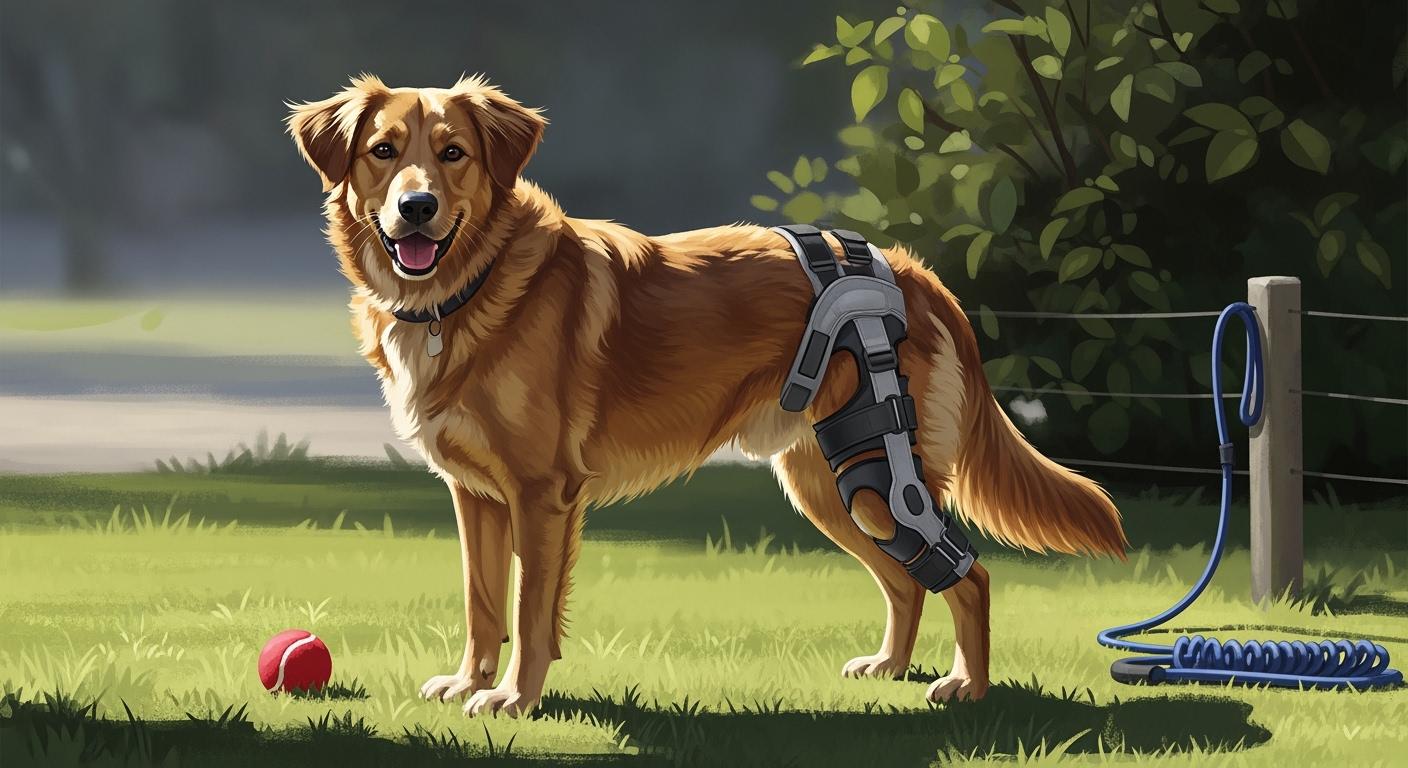
Dog knee support helps your dog when the knee needs more strength. The knee is also called the stifle joint. You might see your dog limp or move slower. Your dog may have trouble standing up. Some common problems are cruciate ligament injuries, arthritis, hip dysplasia, weak back legs, or trouble holding weight.
Dog knee support can really help your dog move and feel better each day.
You can get things like braces, wraps, or harnesses that give support.
Picking the right dog knee support helps it fit well. It also helps your dog move better and stay active.
Key Takeaways
Dog knee support can help your dog walk and feel better. It is useful for problems like arthritis or injuries.
Picking the right knee brace is very important. A good brace fits well and keeps your dog steady. It also helps your dog move more easily.
Watch for signs that your dog needs help, like limping or being stiff. Your dog may not want to jump if it hurts.
Take your dog to the vet often to check how they are doing. The vet can change the support if your dog needs it.
Use knee support with easy exercise and healthy food. This will help your dog get better faster.
What Is Dog Knee Support?
Definition and Purpose
Dog knee support means using braces or devices to help your dog’s knee. The knee is also called the stifle joint. These products give extra stability and comfort. Dogs need them when they have knee problems. You might use dog knee support for injury, weakness, or after surgery.
Here is a simple table to show what dog knee support does:
Type of Evidence | Description |
|---|---|
Definition | Dog knee support is usually braces that keep the knee joint steady. It helps manage pain, lowers swelling, and helps your dog heal from injuries or surgeries. |
Primary Functions | 1. Keeps the knee joint steady 2. Helps with pain 3. Lowers swelling 4. Helps your dog heal from injuries or surgeries 5. Supports many types of injuries, like mild injuries and long-term problems. |
The main goals of dog knee support are:
Keeping the knee joint steady so your dog can walk better.
Making daily movement more comfortable.
Helping your dog heal from injuries or surgery.
Supporting your dog’s activity and quality of life.
Tip: Using dog knee support early can stop more strain and help your dog stay active.
When Dogs Need Knee Support
You may see your dog limp, act stiff, or have trouble standing up. These signs mean your dog’s knee needs extra help. Dog knee support can help with many problems, such as:
Ligament injuries (like CCL tears)
Arthritis and joint pain
Recovery after surgery
Patella luxation (dislocated kneecap)
Osteoarthritis
Fractures needing extra support
Dog knee support can help with pain, add stability, and make moving easier. Many dogs use knee braces to stay active or avoid surgery. If your dog has trouble moving, dog knee support can help them feel better and enjoy daily life.
Common Knee Conditions in Dogs
ACL/CCL Injuries
You might see your dog limp or lift a back leg. These signs can mean your dog has an ACL or CCL injury. These injuries are common in dogs. Some breeds get these injuries more often. Rottweilers, Staffordshire Terriers, Labrador Retrievers, and Mastiffs are at higher risk. Labrador Retrievers, Rottweilers, Australian Shepherds, and Australian Cattle Dogs can hurt their cranial cruciate ligament more easily. If your dog hurts one knee, the other knee can get hurt later. This is true for Golden Retrievers and Labrador Retrievers. Dog knee support and early rehab can help your dog stay active and feel good.
Arthritis and Joint Pain
Many adult dogs get arthritis as they get older. Arthritis causes pain and makes it hard for dogs to move. Your dog may not want to use stairs or jump. The table below shows how arthritis affects dogs:
Key Findings | Description |
|---|---|
Prevalence of OA | About 20% of adult dogs have it. Over 90% of dogs older than 5 years get it. |
Impact on Mobility | Dogs do not want to exercise or climb because it hurts. |
Quality of Life | Dogs with arthritis do not feel as happy or healthy. |
Management Needs | Dogs need care and pain checks for life to help them move. |
Dog knee support and rehab can help with arthritis. It can make moving easier for your dog.
Knee Instability and Limping
Knee instability can make your dog limp or move differently. You might see:
Sudden limping
Lifting a back leg
Not wanting to jump
Trouble getting up
Less jumping
Toe-tapping
Swollen knee
Knee making clicking sounds
Limping that comes and goes
Lifting the leg suddenly
Rehab and dog knee support can help keep the knee steady. They can lower pain and help your dog do daily things.
Post-Surgery Recovery
After knee surgery, your dog needs more help and care. Support after surgery keeps the healing joint safe. It helps your dog move without getting hurt again. Rehab helps your dog get stronger and feel sure when walking. Dog knee support during this time can make healing easier. It helps your dog get back to normal life.
Age-Related Mobility Decline
Older dogs lose strength, balance, and energy. Aging makes muscles weaker and moving harder. Not enough exercise or vet care can make this worse. Rehab and dog knee support can help your older dog stay active. They can help your dog enjoy life more.
Tip: Starting rehab early and using the right dog knee support can really help your dog feel better and move more, no matter what problem they have.
Signs Your Dog Needs Knee Support
Limping and Stiffness
You may notice your dog limping after play or rest. Limping is one of the first signs of dog knee pain. Stiffness, especially in the morning or after lying down, can also point to knee problems. Dogs with arthritis often show pain and stiffness in their knees. If you see your dog hesitate to put weight on a leg or move slowly, it may be time to consider dog knee support.
Dogs often hide pain. Watch for small changes in how your dog walks or stands.
Reluctance to Move or Jump
Dogs love to run, play, and jump. When your dog avoids these activities, it could mean dog knee pain is making movement hard. You might see your dog pause at the bottom of stairs or refuse to jump onto the couch. This reluctance often comes from mild to moderate injuries, like sprains or early ligament issues. Dog knee support can help your dog feel more secure and willing to move.
Difficulty Standing or Walking
If your dog struggles to stand up or walks with an uneven gait, this can signal dog knee pain. Some dogs shift their weight to the front legs or take short, careful steps. These changes often mean the knee joint needs extra help. Knee braces can make standing and walking easier by giving gentle support and stability.
Unstable Hind Leg Movement
Unsteady movement in the back legs is another sign your dog may need knee support. You might see wobbling, sudden sitting, or the back legs giving out. These signs often appear with knee instability or after an injury. Using dog knee support can help your dog regain balance and confidence during daily activities.
Common signs that your dog may need knee support:
Limping or stiffness
Reluctance to walk or jump
Trouble standing or walking
Unstable hind leg movement
If you notice any of these signs, dog knee support can help manage dog knee pain and improve your dog’s comfort.
How Dog Knee Braces and Support Help
Joint Stabilization
Dog knee braces help keep your dog’s knee steady. They stop the joint from moving in ways that hurt or make things worse. Your dog can walk with more confidence and less shaking. Many vets and owners see that braces help dogs feel stable and enjoy life again.
Dog knee braces give support to the knee joint. This helps with pain and lets your dog move better.
Studies show dogs with a dog knee brace feel less pain and move easier than dogs without one.
The average total pressure index (TPI%) goes up when dogs wear a dog knee brace. This means your dog puts more weight on the leg and feels steadier.
Vets and owners say dog knee braces work well. They see better stability in the joint.
Using a dog knee brace helps dogs slowly get stronger and do more fun things.
You may see your dog stand up faster and move without stopping. Good knee support keeps the joint steady. This helps your dog feel safe when walking, running, or playing. Support and stability can really help your dog every day.
Pain Relief and Comfort
Dog knee braces help with pain by keeping the knee steady. They stop the joint from moving in bad ways. When you use a dog knee brace, your dog feels less stress on the knee. This means less swelling and more comfort when walking or playing.
Dog knee braces make the joint more stable. This helps with pain and makes your dog feel better.
Doctors see that braces lead to less swelling, less limping, and better weight on the leg. All these things help your dog feel good.
Studies show that using braces can lower pain and make life better for dogs, especially if they cannot have surgery.
You might see your dog limp less and use the sore leg more. A dog knee brace can help your dog rest and enjoy daily life. Good knee support helps with pain and gives your dog a better chance to be happy.
Tip: Always check your dog’s skin and fur under the brace. This keeps your dog comfy and stops skin problems.
Supporting Recovery and Mobility
Dog knee braces are important for your dog’s healing and movement. After an injury or surgery, your dog needs extra help to move safely. A dog knee brace helps your dog get stronger and feel sure during recovery. You can use a dog knee brace to help your dog walk, climb stairs, or play with less risk of getting hurt again.
Here is a table showing what studies found about knee support for recovery and movement:
Study | Findings |
|---|---|
Rosen et al. (2022) | Braces helped dogs move better, but some had skin problems. |
Carr (2016) | Dogs put more weight on the leg after 90 days with a brace. |
Lee et al. (2021) | Owners saw better movement, less limping, and more comfort in dogs with braces. |
Muršec et al. (2025) | Two dogs walked better and had even steps with custom knee orthoses. |
You help your dog move easier and enjoy life when you use a dog knee brace. Many owners see their dogs go back to favorite things, like short walks or gentle play. Dog knee braces help healing by keeping the joint safe and letting your dog move. With good support, your dog can move better and get stronger while healing.
Note: Always listen to your vet when using a dog knee brace for healing. Check-ups help you see how your dog is doing and change support if needed.
Types of Dog Knee Braces and Support Solutions
Standard Knee Braces
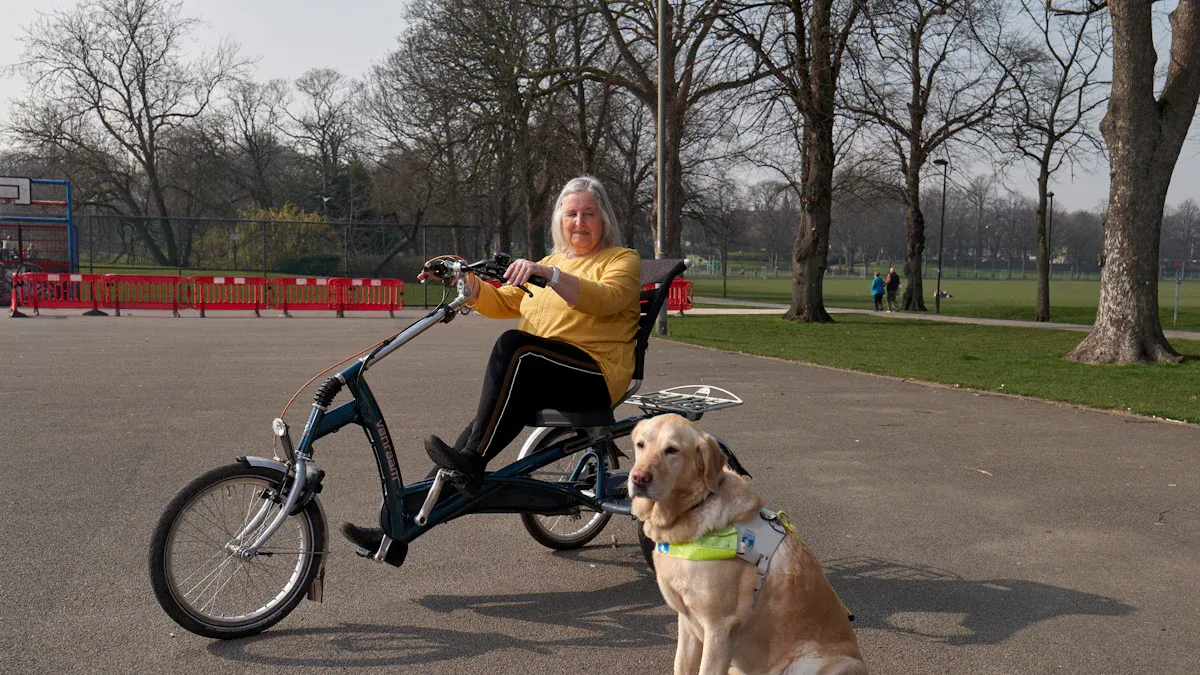
A standard dog knee brace helps your dog walk and play. These braces come in many sizes and shapes. They fit most dogs who need extra knee support. You can put a standard dog knee brace on fast. This lets your dog get back to normal life. Standard braces work for small injuries and weak knees. They help your dog stay steady during walks or play. Your dog can move better when using a standard brace.
Here is a table that shows the differences between standard and custom dog knee braces:
Feature | Standard Braces | Custom Braces |
|---|---|---|
Fit | May not fit well | Tailored to dog’s unique anatomy |
Comfort | Can cause discomfort | Enhanced comfort with precise fit |
Stability | May lead to instability | Improved stability and support |
Suitability | General use | Suitable for specific injuries |
Custom Dog Knee Braces
A custom dog knee brace is made just for your dog. It fits your dog’s leg perfectly. This gives your dog better comfort and support. Custom braces are good for serious injuries or long-term problems. Your dog can heal and move better with a custom brace. These braces help your dog feel less pain and walk with more confidence. They give strong support for every step your dog takes.
Supportive Harnesses and Wraps
Supportive harnesses and wraps give gentle help to your dog. You can use them for small injuries or when your dog needs a little support. They are easy to put on and take off. Harnesses and wraps help your dog feel safe on short walks or while resting. They do not give as much support as a dog knee brace. But they are good for light help with moving.
Here is a table that compares harnesses and wraps to a dog knee brace:
Feature | Supportive Harnesses and Wraps | Knee Braces |
|---|---|---|
Effectiveness | Less effective for severe conditions | More effective for severe conditions |
Support Level | Mild support and compression | Robust stabilization |
Suitability for Conditions | Minor injuries | Serious conditions (ACL tears, chronic arthritis) |
Custom Fit | Limited sizing options | Custom-made for perfect fit |
Durability | Short-term use (around 6 months) | Long-lasting and durable |
Physical Therapy and Home Care
Physical therapy and home care help your dog heal and move. You can use these with a dog knee brace. Therapy builds muscle and helps your dog walk better. The brace keeps your dog’s knee steady during exercise. You can help your dog with gentle stretches and slow walks. Balance work also helps your dog get stronger. These steps protect your dog from new injuries.
A dog knee brace keeps the knee steady and stops bad moves.
It helps with pain and lowers swelling.
Adjustable braces let you control how much your dog moves.
The brace helps your dog use muscles the right way.
It reminds you and your dog to avoid risky things.
With the right tools and care, your dog can stay active and happy. A dog knee brace, harness, or therapy plan helps your dog move and feel better every day.
Choosing the Right Dog Knee Brace
Selecting the best dog knee support can make a big difference in your dog’s comfort and mobility. You want a brace that fits well, feels good, and matches your dog’s needs. Here is how you can choose the right one for your dog.
Fit and Adjustability
A good fit is the most important part of dog knee support. If the brace fits well, your dog will move better and feel more comfortable. Adjustable straps help you get a snug fit, even if your dog’s leg changes during recovery. Look for braces with anti-slip designs so the brace stays in place during walks or play. Accurate measurements matter. Measure your dog’s thigh, stifle width, and leg length before you buy.
Here is a table to help you see what features to look for:
Feature | Description |
|---|---|
Suspension and anti-slip design | Keeps the brace in place and gives steady support. |
Adjustable straps | Lets you change the fit as your dog’s leg changes. |
Accurate measurements | Makes sure the brace supports the right area. |
Breathable materials | Stops overheating and keeps your dog’s skin healthy. |
Easy-on/easy-off designs | Helps you put the brace on and take it off quickly. |
Padding or gel inserts | Adds comfort for long walks or rehab sessions. |
Tip: Always check the sizing guide from the manufacturer. A well-fitted brace helps your dog move with confidence.
Comfort and Material Quality
Your dog will wear the knee brace for many hours each day. Comfort and material quality matter a lot. Soft, breathable materials keep your dog cool and prevent skin problems. Medical-grade neoprene gives strong support and flexibility. Memory foam padding shapes to your dog’s leg, which helps avoid pressure points. Some braces use reinforced aluminum or plastic stays for extra support if your dog has a more serious injury.
Here is a table showing how different materials help your dog:
Material Type | Impact on Comfort and Durability |
|---|---|
Medical-Grade Neoprene | Gives strong support and flexibility. Helps your dog move without strain. |
Memory Foam Padding | Shapes to your dog’s leg for a custom fit. Reduces pressure and adds comfort. |
Reinforced Aluminum or Plastic Stays | Adds extra support for severe conditions. Helps keep the knee steady during recovery. |
Choose a dog knee support that uses high-quality materials. This helps your dog stay comfortable and active every day.
Support Level and Daily Use
Dog knee support comes in different levels. You want to match the support to your dog’s needs and daily routine. Some braces give gentle support for mild injuries or older dogs. Others offer strong support for more serious problems. Adjustable braces let you change the support as your dog gets better.
Braces help with partial ligament tears and mild to moderate knee instability.
They support senior dogs with arthritis or weak knees.
Some braces work well for dogs who cannot have surgery.
Dog knee support gives extra stability and helps your dog walk, play, and rest with less pain.
Braces can help prevent further injury and support healing.
You can adjust many braces as your dog’s condition changes.
Think about your dog’s daily life. If your dog loves to walk or play, pick a brace that is easy to put on and take off. If your dog spends more time resting, look for soft, padded options.
Matching Brace to Condition and Breed
Every dog is different. The best dog knee support matches your dog’s condition and breed. Some dogs need more support because of their size or injury. Others need gentle help for muscle strains or arthritis.
For ligament tears, thermoformed semi-rigid braces give strong support. These work well for injuries like cranial cruciate ligament tears.
For muscle strains, soft neoprene wraps offer gentle compression. They help reduce swelling and pain.
For osteoarthritis, soft neoprene wraps provide cushioning and support. They help your dog move without too much restriction.
Note: Always consider your dog’s breed and activity level. Larger breeds may need sturdier braces. Smaller dogs may do well with lighter, flexible wraps.
Choosing the right dog knee support helps your dog stay active and comfortable. Look for a brace that fits well, feels good, and matches your dog’s needs. This way, you give your dog the best chance to enjoy daily life.
Practical Tips for Use and Care
Proper Fitting and Adjustment
Getting the right fit for dog knee support helps your dog move comfortably and safely. Follow these steps for best results:
Start with a vet check to confirm your dog’s needs and get advice on using a brace.
Measure your dog’s leg carefully. Choose a brace that matches your dog’s size and shape.
During the first fitting, align the brace with the knee joint. Adjust the straps so the brace feels snug but not too tight.
Let your dog wear the brace for short periods at first. Slowly increase the time as your dog gets used to it.
Use the brace during walks and playtime. Remove it when your dog sleeps or rests without supervision.
Combine the brace with gentle exercise and a healthy diet for better results.
Check your dog’s skin under the brace every day. Follow the manufacturer’s instructions for care.
Tip: A well-fitted brace helps your dog feel secure and supports daily movement.
Daily Routines and Monitoring
Adding dog knee support to your daily routine can help your dog stay active and comfortable. Use the table below to see how simple habits make a difference:
Daily Habit | Benefit |
|---|---|
Leash Walks | Builds strength without stressing the joint |
Swimming | Strengthens muscles with less joint pressure |
Underwater Treadmill Therapy | Improves mobility safely |
Balanced Diet | Keeps weight healthy and reduces knee strain |
Portion-Controlled Meals | Prevents overfeeding and supports weight control |
Sit-to-Stand Exercises | Builds leg muscles |
Cavaletti Poles | Improves coordination and strength |
Balance Exercises on Soft Surfaces | Strengthens stabilizing muscles |
Orthopedic Bed | Reduces joint pressure during rest |
Regular Monitoring | Tracks your dog’s comfort and progress |
Cleaning and Maintenance
Keep your dog’s knee brace in good shape with these steps:
Remove the brace during rest to prevent extra wear.
Hand wash the brace often and let it air dry. This keeps the fabric and Velcro strong.
Avoid rough surfaces like sand or gravel to protect the brace material.
Make sure the brace fits well so it does not slide or cause discomfort.
Note: Clean and well-maintained dog knee support lasts longer and works better.
When to Consult a Veterinarian
You should consult your veterinarian to find the best dog knee support for your dog’s needs. Always seek professional advice for tailored care. If you notice new swelling, sores, or changes in how your dog moves, consult your veterinarian to ensure your dog gets the right support.
Setting Realistic Recovery Expectations
What Dog Owners Can Expect
When you start using dog knee support, you hope your dog will feel better. Many owners see good changes fast. One person said their dog walked again after one day with a knee brace. You might notice your dog is happier on walks or when playing. Dog knee support can lower pain and help your dog feel steady. This support lets your dog do daily things and have fun.
Remember, recovery takes time. Dog knee support works best with a full plan. This plan can include gentle exercise, keeping your dog at a healthy weight, and seeing your veterinarian often. Dog knee support does not cure injuries, but it helps your dog heal and stay active. Many dogs get better slowly with the right support.
Recovery takes steps. Be happy about small wins, like your dog standing up easier or limping less.
Limitations and When to Seek More Help
Dog knee support helps, but it cannot fix everything. You need to know when to ask for more help. The table below shows some common limits:
Limitation | Explanation |
|---|---|
Limited Evidence | Most studies are small, so results may vary. |
Poor Fit | A brace that does not fit well can slip or cause skin problems. |
Severe Cases | Some injuries, like complete ligament tears, may need surgery. |
Compliance | Your dog needs to wear the brace as directed for best recovery. |
Surgery is sometimes needed for big ligament tears.
Braces help control how the joint moves and give comfort, but they do not fix the joint.
Dog knee support cannot undo joint damage or help nerve problems. Always talk to your veterinarian if you see new swelling, sores, or changes in how your dog moves. Dog knee support should be used with your vet’s care, not instead of it. For dogs getting better from injury, regular check-ups help you see progress and change your plan if needed.
Watch for changes. Your veterinarian can help if recovery slows down or your dog needs more support.
Dog knee support helps your dog stand and move better. It makes your dog feel more comfortable every day. Your dog can walk with less pain and more confidence. Many owners notice their dogs limp less and play more. Studies show custom knee braces help dogs move and walk better. You should talk to your veterinarian to pick the best support. Check how your dog is doing often. Gentle exercise and a brace that fits well are important. Dog knee support works best when you use it with other care steps. This helps your dog stay healthy and happy.
FAQ
How do I know if my dog needs knee support?
You may notice limping, stiffness, or trouble standing. Your dog might avoid jumping or walking. If you see these signs, dog knee support can help your dog move with more comfort and confidence.
Can my dog wear a knee brace all day?
You should let your dog wear the brace during active times, like walks or play. Remove the brace during rest or sleep. Always check your dog’s skin for any signs of irritation.
Will dog knee support help prevent further injury?
Dog knee support helps stabilize the joint and may reduce the risk of more strain. It does not guarantee injury prevention. You should always monitor your dog’s activity and follow your veterinarian’s advice.
How do I clean and care for a dog knee brace?
Hand wash the brace with mild soap and let it air dry. Check for dirt or wear after each use. Clean braces last longer and keep your dog comfortable.
Do I need a veterinarian’s advice before using dog knee support?
Yes. You should talk to your veterinarian before starting any new support. A professional can help you choose the right dog knee support for your dog’s needs.
