
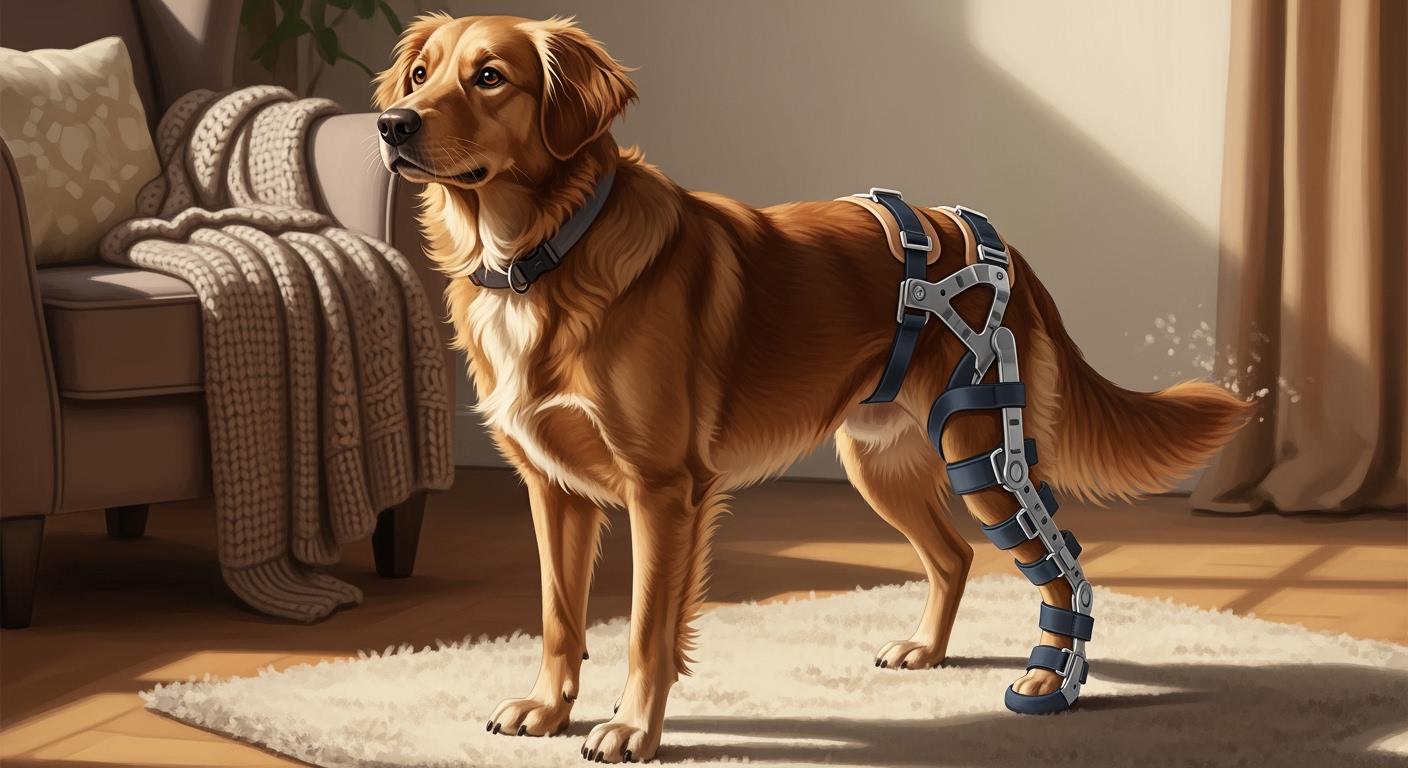
If you see your dog limping or having trouble walking, a dog leg brace can help your dog recover from injury and move better. Dog leg braces give support to joints and help with dog leg injuries. This makes your dog feel better and move more easily every day. Studies show that a canine orthopedic brace helps dogs put weight on their legs. It also helps them stand and walk better. You can pick from custom or regular braces. This makes it easier to find the right dog leg brace for your dog. Watch for signs your dog needs a leg brace, like having a hard time standing or walking. Check out different dog leg brace choices for help and support.
Clinical Evidence Table
Study | Outcome |
|---|---|
Rosen et al. (2022) | 100% of dogs with stifle braces improved weight-bearing ability |
Carr (2016) | Improved limb loading after 90 days of brace use |
Dycus & Carr (2015) | Bracing suitable for non-surgical canine cases |
Key Takeaways
Dog leg braces give important help to hurt or weak legs. They help dogs heal and walk easier.
Watch for signs like limping or trouble standing. These signs show your dog might need a leg brace to move better.
Pick the right brace for your dog’s injury. It could be for the knee, ankle, wrist, or whole leg.
Use the brace slowly at first. Check if your dog feels okay and change the fit if needed.
Ask your veterinarian for help picking and using a brace. This will help your dog get better and live a happier life.
What Is a Dog Leg Brace?
Purpose and How It Works
A dog leg brace helps your dog stand and walk better. It gives extra support so your dog can move with less pain. The brace keeps the joints steady and stops strange movements. It works like a frame for the leg, mostly around the knee. This keeps the leg from moving in ways it should not. With this help, your dog can put weight on the leg. It also lets your dog move gently and safely. You will see your dog walk more and feel better every day.
Dog leg braces help in different ways:
Stabilization: They keep the leg steady and help under light movement.
Proprioception: They help your dog know where the leg is, so your dog feels safer using it.
Pain reduction: They stop small movements at the hurt spot, so there is less swelling and limping.
Redistribute weight: They move weight away from the hurt part, which helps healing.
Encourage healing: They let your dog move a little, which helps new tissue grow.
Hinged knee braces stop the lower leg from sliding forward too much. This support lets muscles and new tissue get stronger. It also helps lower pain and makes moving easier.
Studies show that dog leg braces help dogs stand and walk better. Dogs with braces walk more evenly and move in a more balanced way.
Study | Findings |
|---|---|
Rosen et al. (2022) | Dogs with custom stifle braces could stand on their legs better. |
Carr (2016) | Braces helped spread weight better after 90 days of use. |
Muršec et al. (2025) | Dogs walked more evenly and shared weight better. |
When Dogs Need Leg Support
You might see your dog limp or have trouble standing. Dogs need leg support for many reasons:
Cruciate ligament injuries make the knee weak and hurt.
Hip dysplasia causes joint pain and makes it hard to move.
Arthritis makes joints hurt and slows your dog down.
Weak back legs make it hard for older dogs to walk.
Carpal and tarsal injuries hurt the wrist and ankle, so standing is tough.
If your dog limps, feels stiff, or cannot walk well, a dog leg brace can help. It gives support so your dog can move and feel better.
Common Signs Your Dog Needs Support
Limping and Instability
You might see your dog limp after playing or running. Limping means your dog’s leg hurts or feels sore. Many vets say limping is a top sign your dog needs help. Injuries like cranial cruciate ligament tears or Achilles tendon strains can make your dog walk funny. Luxating patella can also cause uneven walking. Sometimes, your dog drags a leg or will not go up stairs. These things show the leg is not steady. If your dog does not use one leg or trips, you should watch closely.
Common causes of limping and instability:
CCL tears
Achilles tendon injuries
Luxating patella
Sprains or strains
Fractures
Tip: If your dog limps or seems unsteady, a leg brace can give gentle support and help your dog walk with more confidence.
Stiffness and Reduced Mobility
Stiffness can make it hard for your dog to get up or lay down. You may see your dog wait before jumping or running. Stiffness and moving less often mean joint or ligament problems. Osteoarthritis is a common reason, especially in older dogs. This problem wears away cartilage and makes moving hurt. Hip dysplasia and ligament injuries can also make your dog stiff. If your dog is less active or does not want to play, you should look for ways to help your dog move better.
Signs of stiffness and reduced mobility:
Generalized stiffness
Difficulty getting up from a seated position
Hind leg weakness
Reluctance to play or walk
Note: Stiffness and slow movement can mean joint problems. Early support can help your dog stay active.
Trouble Standing or Walking
You might see your dog have a hard time standing after resting. Trouble walking or standing shows your dog needs help. Vets say hind leg shaking, swaying, tripping, and walking slower are warning signs. Some dogs fall down or lose muscle. If your dog does not want to walk or play, the leg may need extra support.
Signs to watch for:
Trouble moving from lying or sitting to standing
Difficulty walking or not able to walk
Inability to climb stairs
Sudden refusal to go for walks
Stumbling and poor coordination
If your dog has any of these signs, a leg brace can give support and help your dog move better each day.
Dog Leg Brace Types by Body Part
There are many dog leg braces for different parts of the leg. Each brace helps where your dog needs it most. If your dog limps or feels wobbly, it may need help. These signs mean a certain part of the leg needs support. Picking the right brace helps your dog heal and walk better.
Note: A dog leg brace can help the knee, hock (ankle), carpal (wrist), elbow, or the whole leg. You should pick a brace that matches the spot that needs help.
Here is a table that shows the main types of braces and what they do:
Type of Brace | Specific Body Part | Purpose/Condition Addressed |
|---|---|---|
Hind Leg | Cruciate ligament injuries, arthritis, instability | |
Hock Braces | Ankle (Hind Leg) | Joint weakness, Achilles tendon injuries, arthritis |
Wrist (Front Leg) | Sprains, strains, arthritis, wound protection | |
Elbow Braces | Elbow (Front Leg) | Luxations, ligament tears, fluid buildup |
Full Leg Braces | Entire Leg | Multiple joint issues, general support |
Dog Hip Braces | Hip and Spine | Hip dysplasia, spinal support |
Knee Braces for Hind Leg
Dog knee braces help the knee joint feel stronger. Your dog may need this if it has a ligament injury, arthritis, or weak knees. Knee braces help your dog walk with less pain and stand up easier. They are good for small ligament tears, weak muscles, or after surgery. Older dogs with arthritis often need extra knee help.
Common reasons for knee braces:
Small ligament tears
Mild or medium knee weakness
Arthritis in older dogs
After surgery
Non-surgery treatment plans
Tip: If your dog limps or has a weak back leg, a knee brace can help your dog walk better.
Hock Braces for Ankle Support
Hock braces help the ankle on your dog’s back leg. If your dog’s ankle is weak, swollen, or hurts to stand, a hock brace can help. It stops too much movement but lets your dog move safely. Hock braces help heal joint injuries, lower pain, and support daily walking. They are good for arthritis, after surgery, or birth problems.
Good things about hock braces:
Keep the joint steady and lower pain
Help swelling go down and heal faster
Stop too much movement after surgery
Help dogs with nerve problems move better
Help with weight if your dog walks funny
Note: Hock braces work well for dogs with weak ankles or joint injuries.
Carpal Braces for Front Leg
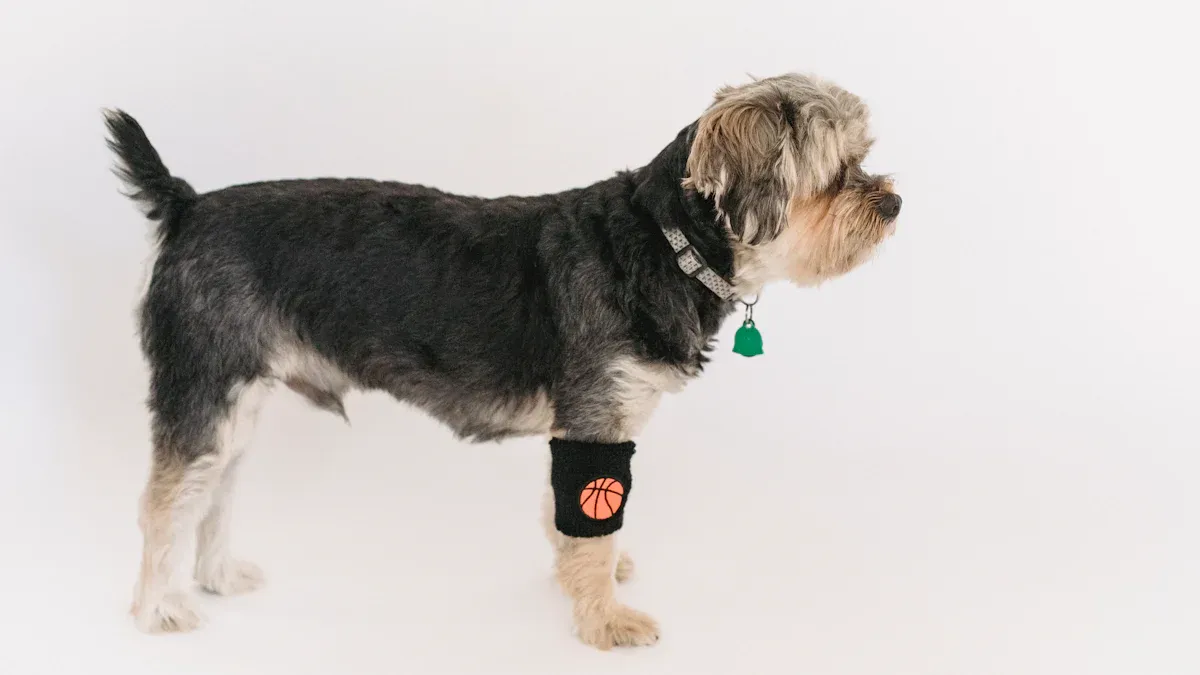
Carpal braces help the wrist on your dog’s front leg. If your dog limps, drags a paw, or cannot stand well, a carpal brace can help. Carpal braces help with sprains, strains, arthritis, and soft tissue injuries. They also protect wounds after surgery or injury. These braces keep the wrist steady and protect bandages.
Main uses for carpal braces:
Carpal ligament sprains
Healing after surgery
Arthritis and osteoarthritis
Sprains and strains
Soft tissue injuries
Wound care
Tip: If your dog’s front leg is weak or the wrist hurts, a carpal brace can give gentle help.
Elbow Braces
Elbow braces help the elbow joint in your dog’s front leg. Your dog may need this if it has a dislocation, ligament tear, or fluid around the joint. Elbow braces help your dog move with less pain and stop more injury. They keep the elbow steady and lower swelling.
Common reasons for elbow braces:
Dislocations
Fluid buildup (hygromas)
Ligament tears
Note: Elbow braces are a smart choice for dogs with elbow weakness or swelling.
Full Leg and General Support
Full leg braces cover the whole leg and give all-over support. You might pick this if your dog has many joint problems or needs more help. Full leg braces help with small to medium injuries and support healing. The brace must fit right. Too much support can make muscles weak, but too little will not help enough.
Good things about full leg braces:
Help with many joint problems
Support for small to medium injuries
Help healing and make moving easier
Tip: Full leg braces are good for dogs with weak legs or many joint problems.
You can get different braces for each part of your dog’s leg. Some braces are custom for special needs. Dog leg braces help your dog walk better and heal from injuries. Pick the brace that fits the hurt area for the best help.
Matching Dog Leg Braces to Conditions
To help your dog, you need to know what is wrong. You also need to know which part of the leg needs help. Each brace works best for certain problems. Picking the right brace can make your dog feel better and move more.
Cruciate Injuries and Knee Support
Cruciate ligament injuries happen a lot in dogs. These injuries make dogs limp and feel pain. The knee can also feel weak. A knee brace helps the back leg and makes walking hurt less. Many people see their dogs use the leg more with a knee brace. Dogs may limp less and walk more evenly.
Knee braces help with cruciate injuries by:
Helping dogs put weight on the leg
Making limping and pain less
Giving support for healing and moving
Outcome | Percentage |
|---|---|
Mild or non-existent lameness with knee brace | 88% |
Mild or non-existent lameness post-TPLO surgery | 98% |
A knee brace can keep the joint steady and stop strange movement. This is important for healing and for dogs not having surgery. Custom braces fit best, but adjustable ones work if you measure right. Look for braces with soft padding, straps you can change, and fabric that lets air in.
Tip: Ask a canine orthotics expert to make sure the brace fits and helps your dog move well.
Arthritis and Joint Weakness
Arthritis and weak joints can slow your dog down. Your dog may feel stiff or not want to play. Leg braces keep the joint steady and stop painful moves. They help your dog put weight on the leg and walk better.
Braces help arthritis and weak joints by:
Keeping the joint steady
Lowering pain when moving
Helping weak muscles and ligaments
Letting your dog move gently
Braces are good for dogs who cannot have surgery. Many vets say braces are a smart choice for these dogs. Custom stifle orthoses help dogs stand and walk better, especially with long-term problems. Braces do not fix arthritis, but they give support and help your dog feel better.
Note: Braces do not cure arthritis, but they help manage pain and weakness.
Post-Surgery Recovery
After surgery, your dog needs extra help to heal and walk again. Dog leg braces are important for recovery. They lower swelling, keep the leg steady, and let your dog move safely. A custom brace can press gently on the leg to help with swelling and protect the surgery spot.
Switching from a cast to a custom brace is important. This lets your dog move more but still keeps the leg safe. You can take off the brace for therapy and exercise. This helps your dog get better faster. Braces also stop new injuries while your dog heals.
Callout: Always do what your vet says for care and using the brace after surgery.
Sprains, Strains, and Instability
Sprains, strains, and wobbly legs can happen anywhere on your dog’s leg. Braces give support for these problems and help your dog stay active.
Braces help with:
Cruciate ligament injuries (knee)
Luxating patella (kneecap)
Hock and Achilles tendon injuries (ankle)
Elbow and shoulder injuries (front leg)
Arthritis and weakness from getting older
A brace stops strange movement and keeps the joint in place. This helps healing and lowers the chance of more injury. Pick a brace for the part of the leg that is hurt. For example, a hock brace helps the ankle, and a carpal brace helps the wrist.
Tip: Pick the right brace for your dog’s injury to help your dog heal best.
When you pick a dog leg brace, think about the injury, where it is, and your dog’s comfort. Custom braces fit best, but adjustable ones can work too. Ask a pro to fit the brace so you do not get pressure sores. With the right brace, your dog can move better and have more fun.
How to Use Dog Leg Braces Safely
When to Start Using a Brace
You want your dog to feel better and move safely. Knowing when to start using a brace helps you support your dog’s recovery. The right time depends on several factors. You should look at the type of injury, your dog’s activity level, and the specific condition. Here is a table to help you decide:
Factor | Description |
|---|---|
Type of injury | The severity and nature of the injury guide when to use a brace. |
Dog’s activity level | Active dogs may need a brace sooner to prevent further injury. |
Specific conditions | Issues like arthritis or joint laxity often benefit from early brace use. |
If your dog limps, feels weak, or has trouble standing, you can consider a brace. Always talk to your veterinarian before starting a new support device.
How Long to Wear and Monitor Progress
You want your dog to get used to the brace slowly. Start with short sessions and increase the time as your dog feels comfortable. Follow these steps for safe use:
Begin with 1-2 hours of brace wear during calm activities for the first few days.
Increase to 2-4 hours during short walks or supervised play in the next week.
Once your dog feels comfortable, use the brace for longer periods during active times. Remove the brace for rest.
Watch for signs of discomfort, such as redness, swelling, or reluctance to walk.
Schedule regular check-ups with your veterinarian every 4-6 weeks to track progress.
Most dogs wear a brace for 6-12 weeks during recovery, depending on the injury and healing speed.
Tip: Always check your dog’s skin and fur under the brace to prevent irritation. Adjust the fit if you see any problems.
Using a brace the right way helps your dog move better and supports healing.
Choosing the Right Dog Leg Brace
Fit, Comfort, and Adjustability
You want your dog to feel good and safe in a brace. First, measure your dog’s leg with care. Use the sizing chart from the company to pick the best size. The brace should not slip or squeeze too tight. Find braces with straps you can adjust. Padding inside stops rubbing and keeps your dog happy. If your dog has a special shape or needs, a custom brace can fit best.
Tip: Let your dog wear the brace for short times at first. Watch for signs your dog feels uncomfortable or skin looks different.
Material Quality and Durability
Pick a brace made from strong and light materials. Fabrics that let air in keep your dog’s skin cool and dry. Good stitching and strong fasteners help the brace last longer. You want a brace that is easy to wash and does not smell bad. High-quality materials help the brace stay strong and keep its shape.
Look for these features:
Soft lining inside
Closures you can adjust
Fabric that dries fast and is washable
Frame that is light but strong
Matching Brace to Body Part
Choose a brace for the part of your dog’s leg that needs help. Each brace is made for a certain joint and support level. Using the wrong brace, like a hock brace for a knee, can cause more problems. Always measure your dog’s leg and use the sizing guide.
Working with experts in canine orthotics helps the brace fit right and support your dog’s movement. This fitting can stop pressure sores or rubbing from a brace that does not fit well.
Remember:
A brace that is too big may slip.
A brace that is too tight can block blood flow.
The right brace helps your dog move safely and heal better.
If you do not know what to pick, ask your vet or a canine orthotics expert. The right custom brace can help your dog feel comfortable and move better.
Benefits and Limitations of Dog Leg Braces
Mobility and Recovery Support
Dog leg braces are a helpful tool for many leg problems. You can use a brace to help your dog heal after injury or surgery. Braces keep the leg steady, which lowers pain and helps your dog move. Many owners see their dogs walk better and limp less with a brace. This support can help your dog avoid taking medicine for a long time. Sometimes, it may even help your dog skip surgery. The main benefits are better movement, easier weight sharing, and a happier life for your dog.
Here is a simple look at the main benefits and limits:
Benefits of Dog Leg Braces | Limitations of Dog Leg Braces |
|---|---|
Non-invasive option, potentially avoiding surgery | Current data is based on short-term studies and small sample sizes |
Reduces need for long-term medication | Variability in individual cases complicates understanding of long-term effectiveness |
Enhances mobility and quality of life | Lack of thorough research on overall benefits |
Real-Life Results and Expectations
Many owners see good changes after using a dog leg brace. For example, Ram had hurt knees and started walking and running again with braces. He did not need surgery. Mona lost a leg and hurt her knee. She walked in two days after getting her brace. Twizzle healed from a bad knee injury in 226 days without surgery. Kona went back to normal life after using braces for both knees. These stories show a brace can help your dog move and enjoy life.
Case | Dog Name | Condition | Outcome |
|---|---|---|---|
1 | Ram | Bilateral CCL injury | Walking and running again with braces, avoiding surgery |
2 | Mona | Amputee with CCL injury | Walking within 48 hours of brace fitting |
3 | Twizzle | Severe CCL injury | Non-surgical recovery documented over 226 days |
4 | Kona | Bilateral CCL injury | Returned to normal activities with braces, avoiding surgery |
Note: Every dog is different. Some dogs get better fast with a brace. Others need more time and help.
When to Seek Veterinary Advice
You should always ask your vet before starting a new brace or treatment. If your dog has swelling, redness, or pain while wearing a brace, stop using it and call your vet. Your vet can help you pick the best brace and make sure it fits right. Regular visits help check your dog’s healing and change the support if needed. A dog leg brace works best when used with other care.
Care, Adjustment, and Cost
Putting On and Adjusting the Brace
You want your dog to feel comfortable and safe. Start by reading the instructions that come with the brace. Slide the brace gently onto your dog’s leg. Make sure the brace sits in the right spot. Fasten the straps so the brace feels snug but not tight. You should check that you can fit two fingers under each strap. This helps your dog move without pain. Watch your dog walk with the brace. If you see limping or rubbing, adjust the brace for better support. Repeat this process each time you put the brace on. Good adjustment gives your dog the best support and helps the leg heal.
Tip: Let your dog wear the brace for short times at first. Increase the time as your dog gets used to the support.
Cleaning and Maintenance
You need to keep the brace clean for your dog’s health. Remove the brace before washing. Use mild soap and warm water to clean the brace. Rinse well and let the brace air dry. Do not use harsh cleaners. Check the brace for dirt, hair, or damage after each use. Clean straps and pads often. This keeps the brace fresh and safe. A clean brace gives better support and helps prevent skin problems.
Cleaning checklist:
Wash the brace weekly
Check for loose straps
Look for worn-out parts
Dry the brace before using again
Cost and Value
You want to know what to expect when buying a dog leg brace. Prices can range from $40 for basic models to $500 or more for custom braces. The cost depends on the type of brace, materials, and level of support. Custom braces cost more but give a better fit. Adjustable braces offer good value for growing dogs or short-term support. Investing in a quality brace can help your dog move better and recover faster. You also save money by reducing the need for extra treatments. Always choose a brace that matches your dog’s needs and gives the right support.
Note: Talk to your veterinarian about the best brace for your dog. Good support helps your dog stay active and happy.
A dog leg brace can help your dog walk better and feel good. This support makes it easier for your dog to heal after an injury. It also helps your dog move every day. Look for signs like limping or having a hard time walking. Ask your veterinarian for advice. Pick a brace that fits your dog well and keep it clean. If you want your dog to be happy and active, think about getting help from a professional for long-lasting comfort.
FAQ
How do you know if your dog needs a leg brace?
You may notice limping, stiffness, or trouble standing. If your dog avoids walks or shows pain when moving, a leg brace can help support recovery. Always ask your veterinarian before starting any new support.
Can a dog wear a leg brace all day?
You should let your dog wear the brace for short periods at first. Increase the time as your dog gets used to it. Remove the brace at night or during rest. Watch for any signs of discomfort.
How do you clean a dog leg brace?
Remove the brace and use mild soap with warm water. Rinse well and let it air dry. Check for dirt or damage before each use. Clean straps and pads often to keep your dog comfortable.
Will a leg brace stop my dog from needing surgery?
A leg brace supports healing and helps with movement. It does not replace surgery if your veterinarian recommends it. Always follow your vet’s advice for the best results.
What size leg brace should you choose?
Measure your dog’s leg carefully. Use the sizing chart from the brace company. A good fit helps your dog move safely and prevents rubbing or slipping.
