
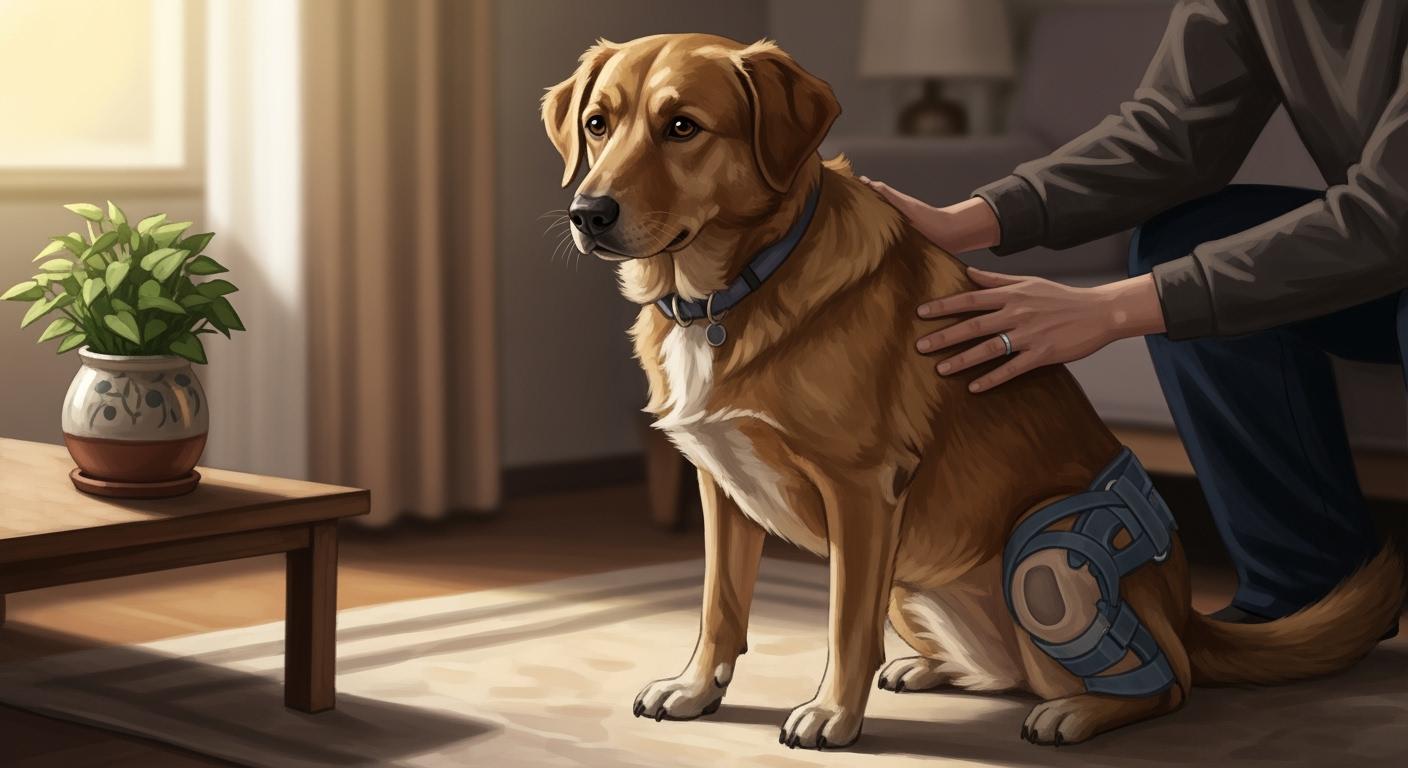
A knee brace for dog can help your dog stay steady and heal. You can count on this tool to give real help. It makes moving safer and more comfortable for your dog. The knee is also called the stifle joint. This joint can have problems like ACL or CCL injury. It can also get arthritis, become unstable, limp, feel weak after surgery, or get worse with age. Studies show dogs do better with knee braces. They can stand better, spread weight more evenly, and move their legs well.
Study | Findings |
|---|---|
Rosen et al. (2022) | Dogs got better at standing with custom stifle braces. |
Carr (2016) | Dogs spread weight better and walked more evenly after 90 days with stifle braces. |
2020 Veterinary Surgery | Custom braces helped dogs move their legs and kept joints steady over 12 weeks. |
Key Takeaways
A knee brace helps dogs with knee problems feel steady and safe. It lets them walk or run more easily.
Pick a knee brace that fits your dog well. Make sure it can be made tighter or looser. This helps your dog feel safe and supported.
Watch your dog when it wears the brace. Check if your dog seems bothered or if the skin looks red. This helps you know if the brace fits right.
Let your dog get used to the brace slowly. Start with short times and make them longer as your dog gets used to it.
Ask your veterinarian which knee brace is best for your dog. Your veterinarian can also check how your dog is healing.
What Is a Knee Brace for Dog?
Purpose and Function
A knee brace for dog is a support device that helps your dog move with more confidence and comfort. You use it to give extra stability to the knee, also called the stifle joint. Many dogs need this kind of support when they show signs of weakness, limping, or trouble standing. Dog knee braces can help your pet walk, play, and rest with less strain on the affected leg.
You will find that a knee brace for dog comes in different styles and designs. Some are custom-made, while others are ready to use. Each type aims to fit your dog’s leg and provide steady support. The main parts and features of dog knee braces include:
Component/Feature | Description |
|---|---|
Suspension and Anti-slip | Keeps the brace in place, reduces slipping, and helps your dog move better. |
Fabric vs. Plastic Shells | Fabric may stretch, while plastic gives a firm fit and limits instability. |
Types of Braces | Choices include custom, off-the-shelf, hinged, rigid, and soft supports. |
Stabilization Mechanism | Controls unwanted movement and spreads weight to protect other legs. |
Note: Dog knee braces are not just for older dogs. Younger dogs with injuries can also benefit from this support.
How It Supports the Knee Joint
Dog knee braces work by holding the knee steady during daily activities. You place the brace on the affected leg to limit movement that could cause more strain. At the same time, your dog can still walk and do gentle activities. The brace fits snugly but stays comfortable, which helps prevent the knee from bending too far.
Modern dog knee braces use smart designs to match the way your dog’s knee moves. Some braces have polycentric hinges. These hinges copy the natural motion of the knee, allowing for smooth bending and straightening. This design helps reduce stress on the joint and keeps the knee in the right position. By supporting the knee, the brace helps your dog move with less pain and more stability.
The brace limits unnecessary movement but allows safe, low-impact motion.
It helps prevent the knee from stretching too far, which is important after an injury.
Polycentric hinges support the knee’s glide and roll actions, reducing abnormal movement and spreading weight evenly.
Dog knee braces give your pet the support needed for daily comfort and better mobility.
When Dogs Need Knee Support
Common Conditions (ACL/CCL, Arthritis, Instability)
Dogs can have knee problems at any age. The knee is also called the stifle joint. This joint can have different issues. Patellar luxation and ligament tears are common injuries. Patellar luxation happens in about 1.3% of dogs. Small breeds like Pomeranians, Chihuahuas, Yorkshire Terriers, French Bulldogs, and Poodles get it more often. It usually comes from birth defects. The kneecap slips out of place.
Ligament injuries happen a lot too. Many people call them ACL injuries, but in dogs, it is CCL. The CCL keeps the knee steady and stops bad movement. Injury or wear can hurt this ligament. This causes the knee to become unstable and painful. Arthritis is another problem, especially in older dogs. Joints wear down and cause pain, swelling, and weakness. Dogs who had surgery or are getting older may need extra knee support.
Tip: If your dog is a small breed, watch for signs of knee instability.
Signs to Watch For (Limping, Stiffness, Trouble Standing)
You can notice knee pain by watching your dog’s movement. Dogs with knee problems often limp or move slowly. They may find stairs hard to climb. Jumping onto furniture can be tough. Some dogs walk slower or need help getting into cars. Stiffness after resting is another clue. Your dog may hesitate to stand up or avoid using one leg.
Here are signs your dog may need knee support:
Limping or using one leg more
Hard time climbing stairs
Trouble jumping onto furniture or into cars
Stiff after resting
Walking slower than usual
Needs help to stand or move
Older dogs can get arthritis and unstable joints. A knee brace for dog can help keep the joint steady and ease pain. Ask your veterinarian for advice on what is best for your dog. Watching for these signs helps you care for your dog’s comfort and movement.
Benefits of Knee Brace for Dog

Stability and Mobility
You want your dog to stay active and happy. A knee brace for dog gives quick support to the knee joint. This support helps your dog stand, walk, and play with more confidence. Many dogs who like to move get extra stability from a brace. Using dog knee braces helps your pet move without hurting the injured leg too much. It makes climbing stairs, walking, or running in the yard easier.
Studies show about 85% of owners see their dogs move better after using a knee brace for dog. Owner surveys also show high satisfaction with top-rated dog knee braces. These braces help dogs spread their weight more evenly. This lowers the risk of putting too much strain on the healthy leg. You can see your dog become more active and less afraid to move. The main benefits of dog knee braces are better balance, improved walking, and more freedom for active dogs.
Benefit | How It Helps Your Dog |
|---|---|
Stability | Keeps the knee steady during movement |
Mobility | Lets your dog walk and play comfortably |
Weight Distribution | Lowers strain on the healthy leg |
Confidence | Helps active dogs stay engaged |
Comfort and Pain Relief
Your dog should feel comfortable every day. Dog knee braces help by controlling how the knee moves. This control stops bad movement and helps your dog feel less pain. Veterinary studies show braces give relief, especially for partial ligament tears or for dogs who cannot have surgery. Using a knee brace for dog lets your pet stay active with less discomfort.
A 2020 study in Veterinary Surgery found dogs wearing hinged braces had better limb function and less pain over 12 weeks. Another clinical trial at the University of Tennessee showed double braces lowered strain on the non-injured leg and reduced pain signs. Many owners see their dogs become more comfortable and willing to move. Dog knee braces may also delay or avoid surgery in some cases.
Braces give temporary support so dogs can stay mobile and comfortable while recovering.
They help ease pain and make life better.
Many active dogs go back to their favorite activities with less worry.
Support for Recovery
A knee brace for dog gives important support during recovery from injury or surgery. You can use a brace to help your dog get stronger and more confident after a knee problem. For post-surgery recovery, top-rated dog knee braces keep the joint steady and protect healing tissues. This support helps your dog stay active and lowers the risk of more injury.
A recent study in the Veterinary Surgery Journal showed dogs with moderate cranial cruciate ligament injuries had a 65% improvement in mobility within eight weeks when treated with knee braces, especially if the injury was found early. Many pet owners say their dogs move better and have a better quality of life. Dog knee braces give you a simple, non-invasive way to help your dog recover and stay active.
Studies show many dogs managed without surgery, including with braces, improve a lot.
Success rates for dog knee braces range from mid-30% to mid-60%+ in different studies.
About 85% of owners report better walking after using an orthotic device.
You can trust a knee brace for dog as a useful tool for stability, comfort, and recovery support. While a brace is not a forever fix for every dog, it lets your dog stay active and enjoy life with less pain. Top-rated dog knee braces help you care for your dog’s knee health and keep your active dogs moving every day.
Choosing the Right Knee Brace
Selecting the right knee brace for your dog can make a big difference in daily comfort and movement. You want to help your dog stay active and supported, so it is important to focus on features that matter most. Here is what you should look for when choosing dog knee braces.
Fit and Adjustability
A good fit is the most important part of any knee brace. You need to measure your dog’s leg carefully. Use a soft tape measure and follow the size guide from the product instructions. Accurate sizing helps the brace work well and keeps your dog comfortable.
Size and Fit: Make sure you measure your dog’s leg at the right spots. A brace that fits well will not slip or twist.
Adjustability: Look for adjustable straps. These let you tighten or loosen the brace as needed. This helps the brace stay in place and gives your dog steady support.
Material and Comfort: Choose a brace with soft padding and breathable fabric. This keeps your dog comfortable during long wear.
A properly fitted brace stabilizes the knee and gives your dog a sense of security. It can reduce pain and help your dog move with more confidence. Adjustable straps keep the brace secure and comfortable, which is important for recovery.
Comfort and Support Level
Your dog needs a brace that feels good and gives the right amount of support. Comfort comes from soft padding and smooth seams. The support level should match your dog’s needs. Some dogs need firm support after an injury, while others need gentle support for daily movement.
A comfortable brace lets your dog wear it longer without irritation.
The right support level helps your dog walk, stand, and play with less strain on the knee.
Dog knee braces with adjustable support can help you find the best fit for your dog’s activity level.
If your dog seems bothered by the brace, check the fit and adjust the straps. Make sure there are no rough edges or tight spots.
Materials and Straps
The materials used in dog knee braces affect both comfort and durability. You want a brace that lasts and feels good on your dog’s skin. Look for breathable fabrics and strong straps.
Material | Characteristics |
|---|---|
Neoprene | Soft, flexible, provides excellent support |
Elastic Fabrics | Allows for some stretch while maintaining stability |
Reinforced Straps | Add longevity and ensure the brace stays in place |
Reinforced straps help the brace stay secure, even during play or walks. Breathable materials keep your dog’s skin cool and dry. Soft padding prevents rubbing and discomfort.
Ease of Use
You want a knee brace that is easy to put on and take off. This makes daily routines smoother for both you and your dog. Features that improve ease of use include suspension designs, anti-slip features, and an overall design that fits your dog’s shape.
Feature | Benefit |
|---|---|
Suspension design | Provides consistent support during movement |
Anti-slip design | Reduces the risk of slippage |
Overall design | Enhances effectiveness and comfort |
Choose a brace that you can adjust quickly. Make sure it stays in place during walks or playtime. A user-friendly design saves time and helps your dog get used to wearing the brace.
Tip: Try the brace for short periods at first. Watch how your dog moves and adjust as needed for the best fit and comfort.
Dog knee braces that fit well, feel comfortable, and are easy to use can help your dog stay active and supported. The right brace can make daily life easier and support your dog’s recovery.
Using a Knee Brace for Dog Safely
Gradual Introduction
You want your dog to feel comfortable with a new knee brace. Start slow. Let your dog wear the brace for 5 to 10 minutes at first. Give treats and praise to create a positive experience. Each day, add a few more minutes. Most dogs adjust well if you increase the time over one or two weeks. Encourage gentle movement after putting on the brace. This helps your dog connect the brace with easier walking and less discomfort. Always check the fit before each use. A good fit prevents rubbing and keeps your dog happy.
Daily Routine Tips
Make the knee brace part of your dog’s daily routine. Use the brace during walks or playtime when your dog needs extra support. Remove the brace at night or during rest. Check your dog’s skin every day for redness or irritation. Clean the brace often to keep it fresh and comfortable. Choose a brace with padding and breathable materials. Adjustable straps help keep the brace in place. Look for a design that matches your dog’s size and weight. The table below shows common mistakes and how to avoid them:
Mistake | Solution |
|---|---|
Bad fit of the brace | Ensure the brace fits well |
Wrong way to use the brace | Follow the instructions carefully |
Rushing the break-in time | Allow gradual acclimatization |
Ignoring the dog’s comfort | Watch for signs of discomfort |
Skipping slow training | Train your dog to wear the brace slowly |
Monitoring and Veterinary Advice
Watch your dog closely when using a knee brace. Look for signs of discomfort, such as licking, limping, or trying to remove the brace. Check the skin under the brace for any redness or sores. If you notice problems, adjust the fit or take a break. Talk to your veterinarian if you have concerns or if your dog shows new signs of pain. Veterinarians suggest using hinged designs for natural motion and making sure the brace lines up with the knee joint. Choose padding and breathable materials to reduce pressure points. Adjustable straps and secure anchoring help prevent slipping. Always select a brace that matches your dog’s size for the best support.
Tip: Regular check-ins with your veterinarian help you keep your dog’s knee healthy and supported.
You want your dog to feel good and move easily. A knee brace for dog gives steady help and makes walking easier. It can also help your dog heal faster. Studies show dogs walk better and hurt less with a good brace. Watch if your dog walks differently or does not want to move. Look for changes in how your dog stands or puts weight on a leg.
Aspect | Knee Braces | Other Options |
|---|---|---|
Pain Relief | Gives quick support | Medicine or therapy |
Mobility | Helps your dog move daily | Manage exercise |
Try these steps to help your dog:
Measure your dog’s leg the right way.
Let your dog get used to the brace slowly.
Make sure the brace fits and feels good.
Use gentle exercise with the brace.
Check the brace often to keep it working well.
If you do these things, your dog can feel better and stay active. Think about ways to help your dog move and feel happy.
FAQ
How do I know if my dog needs a knee brace?
You may notice your dog limping, having trouble standing, or avoiding stairs. If your dog shows stiffness after rest or struggles with daily movement, a knee brace can help provide extra support and comfort.
Can my dog wear a knee brace all day?
You should let your dog wear the brace during active times, like walks or play. Remove the brace at night or when your dog rests. Always check for signs of discomfort or skin irritation.
Will a knee brace help my dog recover from a knee injury?
A knee brace gives your dog extra support and stability. It helps manage movement and can make recovery easier. Always talk to your veterinarian for the best advice for your dog’s needs.
How do I choose the right size knee brace for my dog?
Measure your dog’s leg using a soft tape measure. Follow the sizing guide from the product instructions. A good fit keeps the knee stable and helps your dog move comfortably.
Can a knee brace prevent further knee problems in my dog?
A knee brace supports the joint and helps your dog move safely. It may reduce strain on the knee during daily activities. Regular use can help maintain comfort and stability.
