
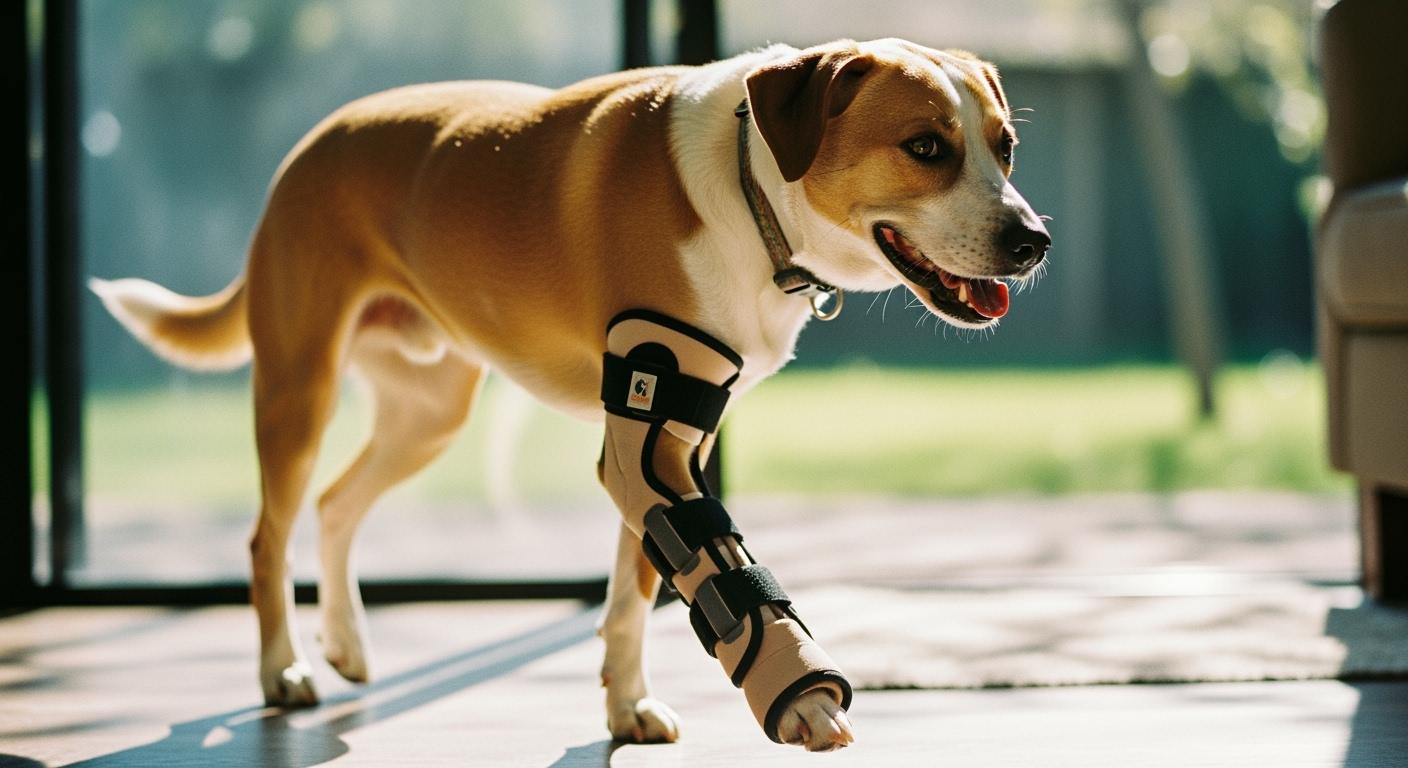
You want your dog to feel good and move around, even if its wrist is weak or hurt. A carpal hyperextension dog brace gives your dog strong support and keeps the front leg steady. This easy-to-use solution has many helpful benefits:
Helps your dog walk with less effort.
Stops painful moves but still lets your dog play.
Holds weak joints and makes daily life less painful.
You can help your dog feel safe and cared for every day.
Key Takeaways
A carpal hyperextension dog brace gives important help for your dog’s weak wrist. It lets your dog walk and play with less pain.
Watch for signs like limping or a wrist that hangs down. If you see these signs, think about using a brace to help your dog move better.
Pick the right kind of brace—soft, rigid, custom, or off-the-shelf. For broader fit, support level, and buying logic, review our Guides.
Check the brace often to make sure it fits well. For front-leg fit checks, materials, and safe use reminders, see our dog carpal brace guide.
Ask your veterinarian for advice about the best brace. They can tell you how to use it safely for your dog’s healing and daily support.
Understanding Carpal Hyperextension
What Is Carpal Hyperextension
You might see your dog’s wrist looks weak or bends too much. Carpal hyperextension means the wrist joint cannot hold your dog’s weight. The muscles, tendons, and ligaments in the carpus get weaker. This problem can happen to young dogs when they grow fast. Older dogs can get it too. Sometimes, a fall or jumping from high up can cause it. Ligaments can also get weaker over time and lead to carpal hyperextension. Your dog might not act like it hurts, but the wrist can stick out or drop down.
Effects On Dog Mobility
Carpal hyperextension changes how your dog walks and moves. Vets notice that dogs with this problem walk on the bottom part of the carpus. The wrist can give out, so your dog may limp or have trouble walking. If it gets worse, the wrist bends too much and makes daily life hard. Your dog might find it hard to run, play, or even stand up. A carpal hyperextension dog brace helps hold the wrist steady. It makes moving safer and easier for your dog.
Dogs with carpal hyperextension may:
Limp or walk strangely
Have trouble walking
Keep having problems moving
Walk with a different step or stance
Tip: If you see your dog’s paw dropping to the ground when moving, think about using wrist support.
Common Signs Owners Notice
You can notice carpal hyperextension by watching your dog’s actions every day. Owners often see their dog start limping, notice swelling in the wrist, or see a change in how their dog stands or walks. Dogs might walk with their paw closer to the ground. Sometimes, the wrist looks bigger after your dog moves around. Your dog might not want to move or play as much.
Signs of Carpal Hyperextension in Dogs |
|---|
Sudden limping in the front leg |
Swelling in the wrist |
Change in how your dog walks or stands |
Dog walks with paw lower to the ground |
If you see these signs, a carpal hyperextension dog brace can help support and steady your dog’s wrist every day. This can help your dog stay active and feel better.
Why Dogs Need Wrist Support
Stability And Comfort
You want your dog to feel steady and comfortable every day. Wrist support helps your dog stand and walk without the wrist dropping or bending too much. When you use a Dog Carpal Brace, you give your dog extra stability. The brace holds the wrist in place, making it easier for your dog to move around. Dogs with weak wrists often struggle to walk or play. Wrist support helps them stay active and enjoy daily routines.
The Ortho Dog Wrist Wrap stabilizes the joint so scar tissue can form and help healing.
Exercise restriction and hydrotherapy work well with a wrist wrap for natural support.
Wrist wraps also help after surgery, giving your dog steady support.
Tip: A stable wrist means your dog can walk, stand, and play with less pain and more confidence.
Preventing Further Injury
Wrist support protects your dog from more harm. Carpal hyperextension weakens the wrist, causing pain and limping. Early support and rest help prevent the injury from getting worse. You can use a brace to keep the wrist steady and limit harmful motion. This reduces pain and helps your dog move comfortably. Bracing gives the joint time to recover and supports healing. Non-surgical care often includes a brace to keep the wrist safe during daily activities.
Wrist support keeps the carpal joint stable.
It prevents harmful movement that could make the injury worse.
It reduces pain and helps your dog move better.
It supports healing by limiting motion.
Daily Mobility Management
You want your dog to enjoy daily walks and playtime. Wrist support helps manage mobility every day. Dogs with carpal hyperextension need extra help to move safely. A carpal hyperextension dog brace gives your dog steady support during walks, play, and rest. You can help your dog stay active and comfortable, even with a weak wrist. Wrist support makes daily routines easier for both you and your dog. For walk plans, safety checks, and movement monitoring, see our dog gait training support guide.
Note: Consistent wrist support helps your dog feel secure and keeps daily activities safe.
Carpal Hyperextension Dog Brace Benefits
External Wrist Support
You want your dog to feel steady and safe when moving around. A carpal hyperextension dog brace gives your dog’s wrist the extra support it needs. The brace wraps around the carpus, holding the joint in a natural position. This helps stop the wrist from dropping or bending too far. You can use a brace to help your dog walk, stand, or play with more confidence. The brace acts like a gentle hand, keeping the wrist steady during daily activities.
Tip: A well-fitted brace can make a big difference in your dog’s comfort and movement.
Improved Front Leg Stability
Stability is important for your dog’s front legs. When the wrist feels weak, your dog may limp or avoid walking. A carpal hyperextension dog brace helps keep the carpal joint steady. This support reduces abnormal movement and helps your dog move with a more normal step. Veterinary research shows that braces can help stabilize the joint by holding it in place. Over time, this support allows fibrous tissue to form around the joint, which can add even more stability. Most dogs show better mobility and feel safer when using a brace for daily support.
Braces help stabilize the carpal joint by limiting unwanted movement.
They allow tissue to form around the joint, which can improve stability.
Dogs often walk with more confidence and less wobbling.
You may notice your dog stands taller and walks with a smoother gait. This extra stability helps your dog enjoy walks, playtime, and other daily routines.
Reducing Strain And Pain
Dogs with carpal hyperextension often feel strain and discomfort in the wrist. A carpal hyperextension dog brace helps reduce this strain by supporting the joint and spreading out the pressure. Many owners see their dogs move with less limping and more ease after using a brace. Studies show that most dogs using a carpal brace return to normal function and show less pain. The brace helps your dog by making each step less stressful on the wrist.
Braces may help decrease limping and pain.
Many dogs show better limb function after using a brace.
Owners often report their dogs seem happier and more active.
You want your dog to feel good every day. Using a brace can help your dog move with less pain and more joy. This simple support can make daily life easier for both you and your dog.
Note: Always check with your veterinarian to make sure a brace is right for your dog’s needs.
Types Of Dog Braces For Carpal Hyperextension
Soft Braces
Soft braces are made from bendable materials. They wrap around your dog’s wrist. You can put them on or take them off easily. These braces give gentle support for mild carpal hyperextension. Dogs feel good wearing soft braces when walking or resting. You might see your dog move easier with a soft brace. Many owners like soft braces because they are light and simple to clean.
Tip: Soft braces are best for dogs with small wrist problems or for short-term help.
Pros:
Most dogs feel comfortable
Easy to use and change
Good for mild problems
Cons:
Not enough support for bad wrist problems
Can wear out quickly
Rigid Braces
Rigid braces are made from strong materials. They keep the wrist in one place. You can use a rigid brace if your dog needs a lot of support. These braces stop the wrist from moving the wrong way. They help keep the carpus steady. Dogs with worse carpal hyperextension do better with rigid braces. Owners pick rigid braces for dogs who need more help when active.
Pros:
Gives strong support for weak wrists
Stops more injuries
Cons:
Some dogs think they are heavy
Needs careful fitting
Custom Braces
Custom braces are made to fit your dog’s wrist shape. A specialist measures your dog’s leg for a perfect fit. Custom braces give special support and extra comfort. They help stop skin problems and help dogs with bad carpal hyperextension. Owners pick custom braces for dogs who need special care.
Feature | Custom Dog Leg Braces | Off-the-Shelf Dog Leg Braces |
|---|---|---|
Fit | Made for your dog’s body | Pre-made, might not fit right |
Comfort | Extra comfort, less rubbing | Can cause discomfort |
Support | Best for serious problems | Not as good for bad cases |
Cost | Costs more | Cheaper |
Accessibility | Takes time to make | Ready to buy |
Pros:
Fits special leg shapes
Extra comfort and support
Cons:
Costs more money
Takes longer to get
Off-The-Shelf Braces
Off-the-shelf braces are already made and easy to buy. You can get them at pet stores or online. These braces help dogs with mild or medium carpal hyperextension. Owners like off-the-shelf braces because they are cheap and fast to use. You might need to change the brace to fit better.
Note: Off-the-shelf braces are a good choice for daily help, but may not fit every dog just right.
Pros:
Easy to get and not expensive
Fast to use
Cons:
Might not fit all dogs well
Not enough support for bad cases
You can pick the best carpal hyperextension dog brace by thinking about your dog’s needs, how active they are, and what feels good for them. Each kind has its own good points for wrist stability and daily support.
When To Use A Carpal Hyperextension Dog Brace
Conservative Support
You can use a carpal hyperextension dog brace if your dog’s wrist is weak. Many vets say to keep the brace on most of the time. This helps the joint stay steady and safe. The brace stops the wrist from moving in ways that hurt it. If your dog limps or its wrist drops, you might need a brace every day. Always talk to your vet about which brace is best and how long to use it.
The brace keeps your dog comfy when walking or resting.
It stops the wrist from bending too much.
You should listen to your vet for the best results.
Tip: Using a brace often helps your dog feel safe and stops more strain.
Recovery And Activity Management
A brace helps your dog heal and move safely. Vets often say to use rest, gentle exercise, and therapy for mild cases. The brace lets your dog walk while healing. Custom braces take time to make but fit your dog well. These braces spread weight over the wrist and help your dog walk with less pain. You can use the brace for walks, play, and therapy.
Note: Gentle exercise and using the brace right help your dog get stronger and move better.
Daily Wrist Stability
A brace gives your dog wrist support every day. Dogs with carpal hyperextension need extra help to stay active. The brace helps your dog walk, stand, and play without the wrist falling. Custom orthotics keep the joint steady and make life easier. You can use a brace so your dog enjoys walks, play, and rest with less pain and worry.
Daily Brace Benefits | How You Help Your Dog |
|---|---|
Steady wrist support | Safer movement |
Less limping | More confidence |
Easier walks | Better mobility |
🐾 Your dog feels happier and safer with steady wrist support each day.
Choosing The Right Brace
Fit And Adjustability
You need a brace that fits your dog’s wrist well. It should not squeeze or slip off. Measure your dog’s leg and wrist carefully. This helps you pick the right size. Adjustable straps let you change the fit as your dog moves. They also help if your dog’s wrist swells. A good fit keeps the brace in place during walks and playtime. Adjustable braces are easier to put on and take off. This makes daily care simpler.
Comfort And Support Level
Comfort is important for your dog to wear the brace. Soft liners like foam or sheepskin help cushion the wrist. They stop rubbing and make the brace feel better. Some dogs need gentle support for weak wrists. Others need stronger support for more stability. You can pick a brace that supports just the wrist. This lets your dog move easily without holding the whole leg still.
Materials And Fastening
The materials in a carpal hyperextension dog brace matter for comfort and strength. Here is a quick guide:
Material Type | Benefits |
|---|---|
Neoprene | Keeps heat in, gives compression |
Medical-grade elastic fabrics | Stays flexible |
Reinforced polymers | Makes the brace strong |
Stainless steel stays | Keeps the brace stiff |
Strong fastening is important so the brace does not slip. Look for Velcro, buckles, or straps that hold tight. Fabrics that breathe and wick moisture help keep your dog’s skin cool and dry.
Ease Of Daily Use
You want a brace that is simple to use every day. Lightweight braces and easy closures save time. They also make your dog less stressed. Materials that are easy to clean help keep the brace fresh. This is good after walks or play outside.
Veterinary Guidance
Veterinarians help you pick and fit the right brace. They measure your dog’s wrist and suggest the best support. They show you how to use the brace safely. Custom braces need a mold or cast, and your vet can help with this. Always ask your vet for advice to make sure your dog gets the best care.
Tip: The right carpal hyperextension dog brace gives steady wrist support and helps you manage your dog’s daily movement with confidence.
Safe Use And Owner Tips
Fitting Instructions
You want your dog to get good support from the carpal hyperextension dog brace. Follow these steps to fit it safely:
Ask your veterinarian for help if your brace needs a custom fit. This makes sure the brace fits well and feels good.
Watch the video from the company that made the brace. The video shows how to put the brace on and start gentle exercise.
Help your dog get used to the brace. Play with your dog and give treats so your dog feels happy and safe.
Tip: After you put the brace on, check it. Make sure it fits close but does not hurt or rub your dog.
Wearing And Maintenance
Keeping the brace clean helps your dog feel better. Try these tips to care for the brace:
Wash the brace by hand with warm water and pet-safe soap.
Use a soft brush or cloth to clean the straps and padding.
Rinse the brace well to get rid of all the soap.
Let the brace dry in fresh air. Do not use a dryer or put it in the sun.
Check the brace often for broken straps or buckles.
Note: A clean brace keeps your dog’s skin healthy and helps your dog stay active.
Ensuring Comfort And Compliance
Your dog should feel good wearing the brace every day. Check the fit each day. The brace should be tight enough to help but not too tight. Start with short times and slowly add more time:
Day | Wear Time | Sessions per Day |
|---|---|---|
Day 1 | 30 minutes | 2-3 |
Day 2 | 1 hour | 2-3 |
Day 3 | 2 hours | 2-3 |
Day 4 | 3 hours | 2-3 |
Day 5 | 4 hours | 2 |
Day 6 | 6 hours | 1 |
Day 7 | 8 hours (up to 12 hours) | 1 |
Take the brace off at night. This plan helps your dog get used to the brace and keeps your dog comfortable.
🐾 Checking the brace and using it slowly helps your dog wear it and move better.
Setting Realistic Expectations
The carpal hyperextension dog brace helps keep your dog’s wrist steady and stops too much movement. The brace takes pressure off the wrist, so your dog may feel less pain and swelling. Keeping the wrist still helps soft tissue heal. Many dogs walk better and feel more sure of themselves when they use the brace every day.
Stability: Stops bad movement.
Pain Reduction: Less pressure means less pain.
Healing Promotion: Helps the wrist heal.
Mobility Improvement: Lets your dog walk better.
Remember, the brace helps your dog’s wrist and daily movement. It does not take the place of your vet or promise a cure. Using the brace safely helps your dog feel better and stay active.
Daily Support And Mobility
Walking And Playing
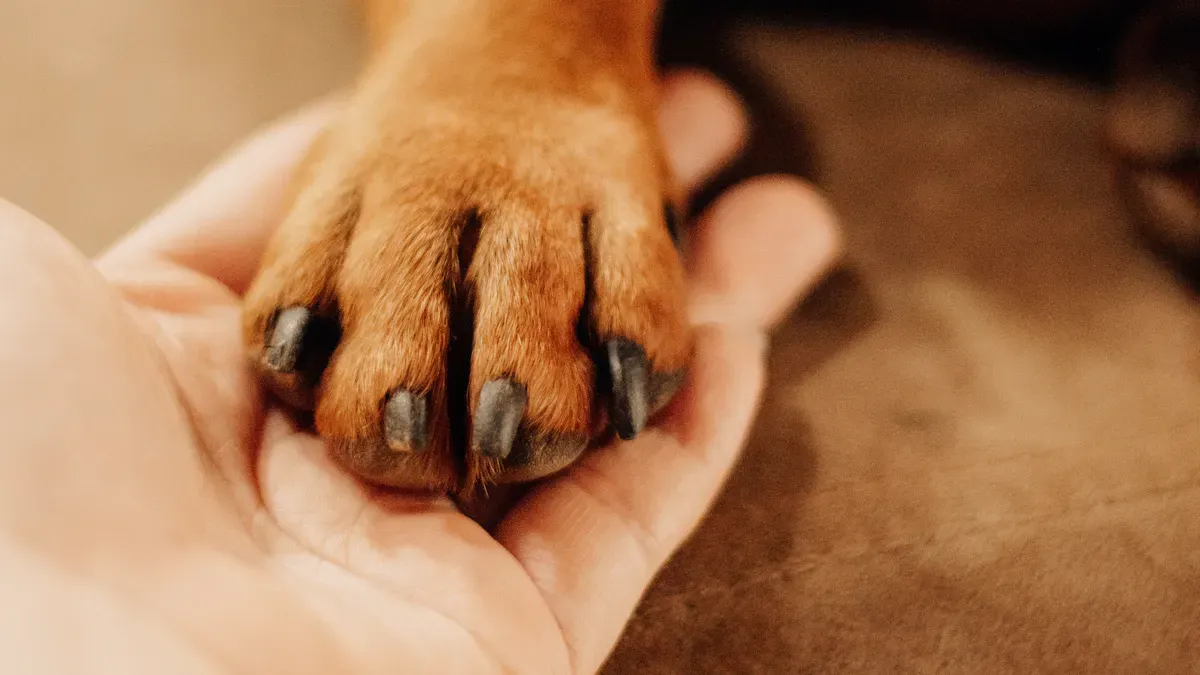
You want your dog to have fun on walks and when playing. A carpal hyperextension dog brace helps your dog move with better balance. For practical walk plans and safety checks, see our dog gait training support guide. The brace holds the wrist steady, so your dog can walk normally and play without pain. Keeping the joint stable stops your dog from making moves that could hurt the wrist more. You will see your dog use the leg more, which keeps muscles strong. Custom fit braces make moving around feel good and help your dog stay active.
Benefit | Description |
|---|---|
Maintain Muscle | Helps your dog use the leg during walks and play. |
Comfy Fit | Custom fit means your dog feels good when moving. |
Whole Body Health | Stops injuries by keeping the wrist steady. |
3-Point Force System | Holds the carpus steady for better movement. |
Ground Reaction Force | Uses body weight to help the wrist and fix movement. |
Tip: A steady wrist helps your dog enjoy daily life and keeps the body healthy.
Recovery And Confidence
You help your dog heal by using a brace that supports the wrist. The brace stops painful moves but lets your dog walk in a normal way. Your dog feels less pain and gets more confident with each step. Braces help your dog move the wrist and build strength. Dogs healing from injuries or with arthritis do better with steady support. You will see your dog stand up straight and move more easily.
Braces hold weak wrists steady.
They help your dog walk normally.
They lower strain and help healing.
Long-Term Mobility Management
You help your dog move better over time by using wrist support every day. Braces help dogs with loose joints, soft tissue injuries, and osteoarthritis. They keep the wrist steady while healing and support weak parts. You use a brace for active dogs and older dogs who need extra help. A good plan includes rehab and advice from your vet.
Braces stop too much bending and let your dog move normally.
They lower pain by stopping bad moves.
Support helps your dog stay active and feel good.
Note: Using a carpal hyperextension dog brace gives your dog steady support for daily life, healing, and long-term movement.
You help your dog move better by using a carpal hyperextension dog brace. This brace gives your dog support. It helps your dog walk, play, and heal with more confidence. Look at the table below to see how the brace helps:
Benefit | Description |
|---|---|
Wrist Support | Lets your dog move safely and in a normal way. |
Pain Reduction | Spreads weight and makes your dog feel less pain. |
Improved Mobility | Helps your dog walk and play without trouble. |
Enhanced Quality of Life | Makes daily life happier and easier for your dog. |
Check the brace often to make sure it fits right. Vets say you should measure your dog’s wrist and watch for changes. Good care and correct use help your dog stay active and feel comfortable. 🐾
FAQ
How do you know if your dog needs a carpal hyperextension dog brace?
You notice your dog’s wrist drops, limps, or struggles to walk. Swelling or a change in stance may appear. If your dog avoids activity, a brace can help provide daily wrist support.
Can your dog wear a carpal hyperextension dog brace all day?
Most dogs wear the brace during active hours. You remove it at night or when your dog rests. Always check for skin comfort and follow your veterinarian’s advice.
How do you clean a carpal hyperextension dog brace?
You wash the brace by hand with mild soap and warm water. Air dry it away from direct sunlight. Clean straps and padding regularly to keep your dog comfortable.
Will a carpal hyperextension dog brace help your dog walk better?
A brace supports your dog’s wrist and helps steady the front leg. You may see less limping and more confident movement. The brace makes daily walks and play safer.
Do you need a veterinarian to choose the right brace?
Veterinarians help you select the best fit and support level. They guide you on safe use and proper adjustment. Always ask your vet before starting new support routines.
Tip: A carpal hyperextension dog brace gives your dog practical wrist support for daily mobility and comfort.
