
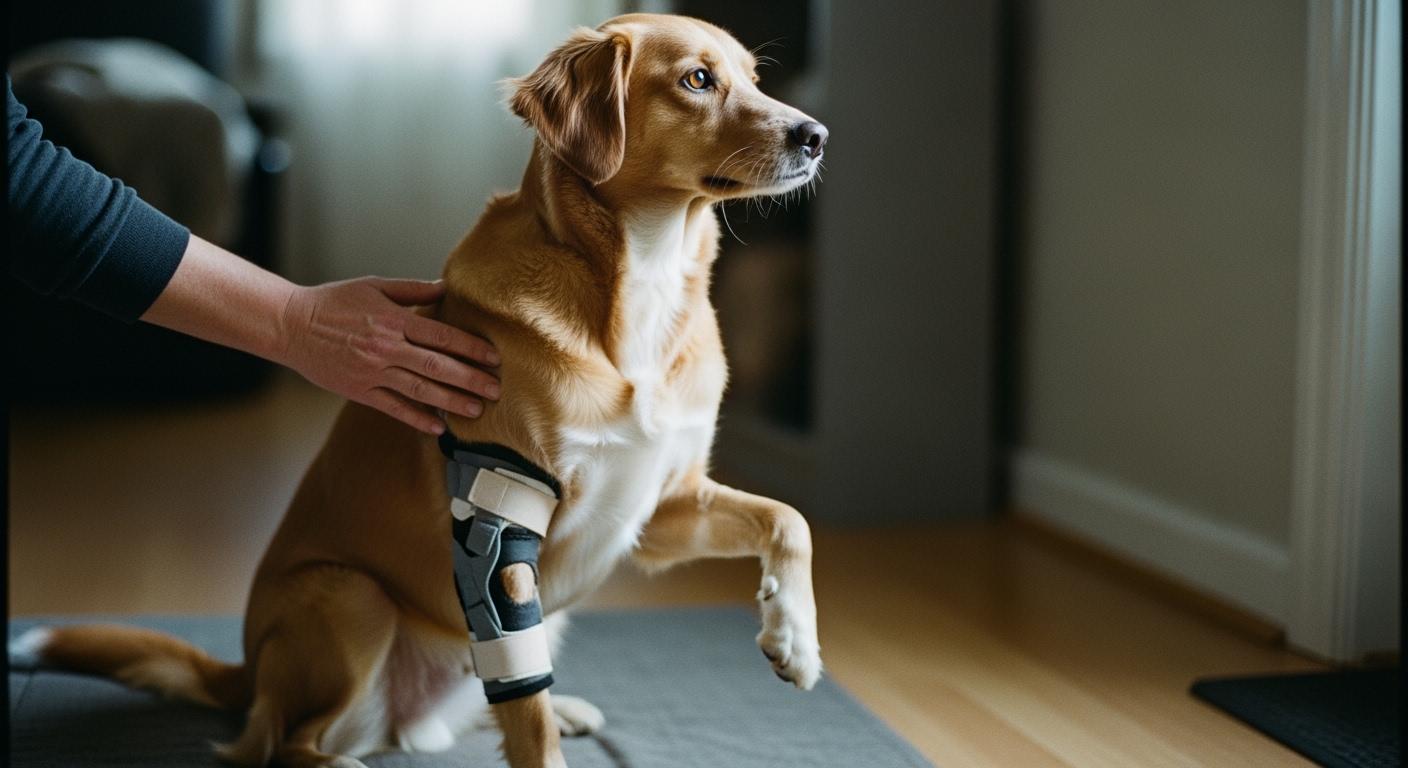
You might ask if a ccl dog brace can help your dog walk better and heal. Many owners want answers when their dogs limp or have weak knees. Some dogs need more help during walks. Studies show a brace keeps the knee from moving the wrong way. It helps lower pain and lets muscles get stronger. Owners say their dogs walk better and limp less. Always talk to your vet to find the best plan for your dog.
Key Takeaways
A CCL dog brace can help your dog move better and feel less pain when walking. – Watch for signs like limping or not wanting to jump; these can mean your dog might need a brace. – Talk to your vet to find the best way to help your dog’s knee heal. – Pick a brace that fits right and feels good so your dog will wear it longer. – Go to the vet often to check how your dog is healing and to make sure the brace still fits.
Understanding CCL Injury in Dogs
What Is a CCL Injury?
You may hear your veterinarian talk about a CCL injury when your dog has knee trouble. The CCL, or cranial cruciate ligament, sits inside your dog’s knee joint. It connects the thigh bone (femur) to the shin bone (tibia) in a way that keeps the knee stable. The CCL stops the tibia from sliding forward and helps control how the knee bends and twists. In people, you might hear about an ACL injury, but in dogs, the correct term is CCL. Both ligaments do a similar job, but the name changes depending on the species.
When a dog suffers a torn CCL, the knee loses stability. This can make your dog limp, struggle to stand up, or avoid running and jumping. The CCL is strong and can handle a lot of force, but it can still get injured. You may notice your dog slowing down or showing signs of pain if the ligament gets damaged. CCL injuries are one of the most common knee problems in dogs.
Why Dogs Get Knee Problems
Many factors can lead to CCL injuries in dogs. Some dogs hurt their knees suddenly, while others develop problems over time. The table below shows common causes:
Cause | Description |
|---|---|
Trauma | Falls or accidents can damage the ligament. |
Degeneration | The ligament can weaken as your dog ages. |
Breed Predisposition | Large breeds and some active breeds face a higher risk. |
Obesity | Extra weight puts more stress on the knee. |
Poor Limb Conformation | Unusual leg structure can make injury more likely. |
Functional Abnormalities | Issues like patellar luxation can increase risk. |
You may wonder if your dog is at higher risk for CCL injuries. Large breeds like Labradors and Rottweilers, as well as agile breeds such as Border Collies, often face more knee problems. Older dogs, especially those between five and seven years old, are more likely to develop CCL injuries due to wear and tear. Young dogs under four years old can also get CCL injuries, usually from sudden trauma.
If your dog has a CCL injury, you may see limping, weakness, or changes in activity. These signs mean your dog could benefit from extra knee support, such as a ccl dog brace, to help with stability and comfort during daily movement. Always talk to your veterinarian if you notice these changes.
Signs Your Dog May Need a CCL Dog Brace
Limping and Hind Leg Weakness
You may notice your dog limping or favoring one back leg. This is one of the most common signs of a knee problem. Many dogs with a torn ccl will show weakness in the hind leg. Sometimes, your dog may hold the leg up or avoid putting weight on it. You might see your dog struggle to climb stairs or hesitate before jumping onto the couch. These changes often mean your dog feels pain or instability in the knee joint.
Symptom | Description |
|---|---|
Limping or hind-leg lameness | A common sign of potential CCL injury in dogs. |
Holding a leg up | Indicates discomfort or pain in the affected leg. |
Reluctance to walk | Dogs may avoid walking due to pain or instability. |
Trouble climbing stairs | Difficulty in navigating stairs can indicate hind leg weakness. |
Difficulty jumping up | A sign of compromised mobility due to CCL injury. |
Sitting slowly | Dogs may take longer to sit down, indicating pain. |
Not putting the injured leg squarely underneath | Suggests discomfort and instability in the affected leg. |
Stiffness, Reduced Activity, and Unstable Gait
You may see your dog move stiffly, especially after resting. Some dogs slow down and play less because their knee feels sore. If your dog walks with an uneven or wobbly step, this may show the knee is unstable. Dogs with CCL injuries often have limited movement in the affected leg. Occasional limping after exercise or long walks can also point to joint problems.
Tip: Watch for changes in your dog’s daily routine. Less interest in walks or playtime can signal discomfort in the knee.
Reluctance to Run, Jump, or Stand
Many dogs with knee issues avoid activities they once enjoyed. Your dog may hesitate to run, jump, or even stand up from a lying position. Senior dogs who stay active but want to avoid surgery may benefit from a ccl dog brace. Some dogs cannot have surgery due to health risks or anxiety about crate rest. In these cases, a brace can help support the knee and improve comfort during movement.
If you notice these signs, consider talking to your veterinarian about whether a ccl dog brace could help your dog stay mobile and comfortable.
Why Knee Stability Matters
Risks of Untreated CCL Injury
If your dog has a torn ccl, you might see changes in how they move. Not treating a CCL injury can cause many problems over time:
Osteoarthritis can start because the knee is not stable.
Your dog may feel pain all the time and act differently.
It might get hard for your dog to move the leg.
Muscles can get smaller if your dog stops using the leg.
Moving less can make your dog gain weight.
The other leg might get hurt from carrying more weight.
Meniscal tears can happen if the knee stays weak.
If you do not treat a CCL injury, life gets harder for your dog. You may notice your dog has trouble standing or walking. Your dog may not want to play or do normal things. Pain that does not go away can make your dog less happy and less friendly.
How a Knee Brace Supports Mobility
A ccl dog brace gives extra help when your dog moves. The brace keeps the knee steady and helps stop new injuries. Many studies say a knee brace lets dogs walk with less pain. Dogs can feel braver and move better with a brace. For example, a study from the University of Louisville showed braces helped dogs walk better, like after surgery. Other studies say dogs with braces use their legs more and feel less pain.
Impact on Mobility | Description |
|---|---|
Knee Instability | Dogs may touch their toes down but not put weight on the leg. |
Pain and Discomfort | Dogs may not want to play or walk as much. |
Osteoarthritis | Over time, the knee can get worse and moving gets harder. |
You can use a knee brace to help your dog stay active. A brace is good if your dog is healing, needs help every day, or cannot have surgery. The brace helps share weight, keeps the knee safe, and lets your dog enjoy walks and play again.
Note: Always ask your veterinarian before you try new support for your dog.
How CCL Dog Braces Work
Function and Benefits of a CCL Dog Brace
A ccl dog brace is made to help your dog’s knee. It gives support when the cranial cruciate ligament is hurt. Many owners look for canine knee braces if their dog limps or needs help walking. People sometimes say ACL, but in dogs, it is called CCL. Both ligaments keep the knee steady.
When your dog wears a good brace, the knee gets extra support. The brace helps your dog move with less pain. Your dog can feel more sure when walking. Canine knee braces help the joint in these ways:
They stop the tibia from sliding forward.
They keep the knee from bending too far back.
They stop the tibia from twisting inward.
They hold the femur and tibia steady.
They lower stress on the knee during movement.
A ccl dog brace helps your dog walk better. Your dog can put weight on the hurt leg. Neoprene knee braces can lower pain and help your dog walk more evenly. Studies show dogs with fitted canine knee braces move better. They lose less muscle and feel more comfortable. This is true when you use the brace with rehab and weight control.
You can see the benefits in the table below:
Metric | Without Brace | With Brace (4 weeks) | Improvement % |
|---|---|---|---|
Weight Bearing on Injured Leg | 42 % body weight | 57 % body weight | +35 % |
Stride Length Balance | 0.72 (L/R ratio) | 0.91 (L/R ratio) | +26 % |
Pain Response Score (VAS 1–10) | 7.3 | 3.9 | –46 % |
A review in 2022 showed about 45% of dogs with partial CCL tears moved almost normally in six months. They used canine knee braces as part of recovery. The brace lets soft tissues get stronger. It helps your dog stay active.
Tip: Using a best knee brace can help your dog enjoy walks, play, and daily routines with less discomfort.
When to Use a CCL Dog Brace
You may wonder when your dog needs a ccl dog brace. Veterinarians suggest canine knee braces in these cases:
Senior dogs who need to avoid surgery.
Dogs with health problems that make anesthesia risky.
Homes where surgery recovery is hard.
Dogs needing support after a dog leg injury.
Dogs needing help moving while healing from a torn ccl.
You can pick custom braces or ready-made ones. Choose what fits your dog’s needs. A good brace gives your dog stability for safe movement. Many owners use a knee brace as part of a bigger recovery plan. This is helpful when surgery is not the best choice.
Canine knee braces do not replace vet care. They help your dog stay comfortable and move well. You may use a brace during rehab, after surgery, or for long-term knee support. Always talk to your vet to find the right answer for your dog.
Note: A ccl dog brace works best when you use it with rest, weight control, and gentle exercise.
Choosing the Right CCL Dog Brace
Fit, Comfort, and Adjustability
You want your dog to feel comfortable and supported when wearing a brace. A good fit is essential. The brace should match your dog’s size and shape. If the brace fits well, it will support the knee and help your dog move with less discomfort. Adjustable designs allow you to change the fit as your dog’s leg changes. This is helpful if your dog has swelling or muscle loss. You can use custom braces for dogs with unique needs or body shapes. Always check your dog’s skin under the brace to prevent irritation. A comfortable brace encourages your dog to wear it longer and stay active.
Tip: Measure your dog’s leg carefully before choosing a brace. Ask your veterinarian for help if you are unsure.
Support Level and Materials
You need to think about how much support your dog requires. Some dogs need a soft brace for mild support. Others need a rigid brace for more stability. The material matters, too. Neoprene offers warmth and stretches to fit the leg. Oxford cloth and mesh provide durability and let air flow, which helps keep your dog cool. Rigid parts in the brace stop the knee from moving the wrong way. The table below shows common materials and their benefits:
Material | Benefits | Considerations |
|---|---|---|
Neoprene | Stretches, keeps warm, resists water | Needs ventilation to avoid overheating |
Oxford Cloth & Mesh | Strong, lets air in, resists tears | N/A |
Rigid Components | Gives strong support, stops over-bending | N/A |
Choose a brace that matches your dog’s activity level and comfort needs.
Secure Straps and Daily Use
You want a brace that stays in place all day. Secure straps with Velcro make it easy to put the brace on and take it off. These straps let you adjust the fit for your dog. They also help the brace stay snug without being too tight. Good straps work well even if your dog moves a lot or gets wet. Quick-release features help you remove the brace fast if needed. This is helpful for older dogs or those who do not like wearing new things. A user-friendly design makes daily use simple for both you and your dog.
Note: Always check the straps and fit each day to keep your dog safe and comfortable.
Safe Use of Canine Knee Braces
What to Expect During Recovery
When you use a brace for your dog, you help the knee stay steady as healing begins. Most dogs start with short, leashed walks right away. You do not need to keep your dog in strict rest for months. Non-surgical management with braces often takes 6 to 9 months for strong scar tissue to form. Dogs can slowly return to normal activity as they get stronger. In contrast, surgical recovery usually lasts 8 to 16 weeks and requires strict limits on movement and special rehabilitation. Every dog heals at a different pace, so watch for changes in comfort and movement.
Tips for Comfort and Healing
You want your dog to feel good while wearing a brace. Start with short sessions and let your dog adjust. Make sure the brace fits snugly but does not pinch or rub. Check your dog’s skin every day for redness, swelling, or slipping. Create a calm space so your dog feels safe during fitting. Use treats and praise to make wearing the brace a positive experience. If your dog needs extra support, custom braces can help match unique leg shapes. These steps help your dog stay comfortable and heal well.
Ensure the brace fits well to prevent sore spots.
Begin with short periods and increase time as your dog gets used to it.
Check the skin daily for any signs of irritation.
Keep the environment calm during brace fitting.
Reward your dog with treats and gentle words.
Veterinary Guidance and Monitoring
Your veterinarian plays a key role in safe brace use. Regular check-ups help you spot problems early. Many dogs may experience skin irritation or brace slippage, so ongoing supervision is important. Your vet can adjust the brace or suggest changes if needed. Professional fitting and follow-up visits help prevent long-term issues. Always ask your veterinarian before making changes to your dog’s recovery plan. With the right support and monitoring, your dog can move with more confidence and comfort.
Common Concerns About CCL Dog Braces
Cost and Value
You might ask how much a ccl dog brace costs. Surgery is more expensive than a brace. Many owners want cheaper ways to help their dogs. The table below shows the price for braces and surgery:
Treatment Type | Cost Range |
|---|---|
CCL Dog Braces | $900 – $1,100 |
Surgical Treatment | $3,800 – $8,200+ |
A brace is less costly and does not need surgery. The value depends on different things:
More ligament injuries mean more dogs need braces.
Owners often pick braces instead of surgery.
Pet insurance covers more orthopedic devices now.
New vet care makes braces better for recovery.
Custom and adjustable braces fit many breeds and sizes.
A ccl dog brace helps your dog move and keeps the knee safe.
Suitability for Different Dogs
Braces do not fit every dog the same way. You must think about your dog’s size and breed. Activity level matters too. Dogs with cruciate ligament tears need strong support. Active dogs need tough braces. Older or calm dogs like light, soft braces. Getting the right size is important. Most companies give guides to help you measure. A good brace lets your dog move safely and feel comfortable.
Addressing Owner Questions
Owners often ask if braces help CCL injuries. You may worry about store-bought braces or keeping your dog comfy. Always talk to your vet before picking a brace. Watch for signs your dog feels better, like walking more or playing. Make sure the brace fits and check your dog’s skin often. If you have questions about care or fit, your vet can help. This support helps your dog heal and stay active.
You can help your dog move better and feel more comfortable with a brace. Many owners see improved mobility and less pain in dogs when they use a CCL dog brace. You can support your pet by using a brace, giving joint supplements, and following your veterinarian’s advice. To prevent dog knee problems, choose a brace that fits well and matches your dog’s needs. Talk with your veterinarian to find the best way to support your dog’s recovery and keep them active.
Taking action today can help your dog enjoy life and stay on the move.
FAQ
How do I know if my dog needs a CCL dog brace?
You may notice limping, trouble standing, or less interest in play. If your dog shows these signs, a ccl dog brace can help support the knee. Always ask your veterinarian before starting any new support.
Can a CCL dog brace replace surgery?
A ccl dog brace does not replace surgery. It gives extra support for dogs who cannot have surgery or need help during recovery. You should use it as part of a plan made with your veterinarian.
How long should my dog wear a CCL dog brace each day?
Start with short periods, like 30 minutes. Watch your dog for comfort. You can slowly increase the time as your dog gets used to the brace. Your veterinarian can give you a schedule that fits your dog’s needs.
Will my dog feel comfortable wearing a CCL dog brace?
Most dogs adjust well to a ccl dog brace. Choose a brace with soft, breathable materials and check for a good fit. Give treats and praise to help your dog feel positive about wearing the brace.
Can I walk my dog while using a CCL dog brace?
Yes, you can take your dog for short, leashed walks with a ccl dog brace. The brace helps support the knee during movement. Always follow your veterinarian’s advice for safe activity.
