
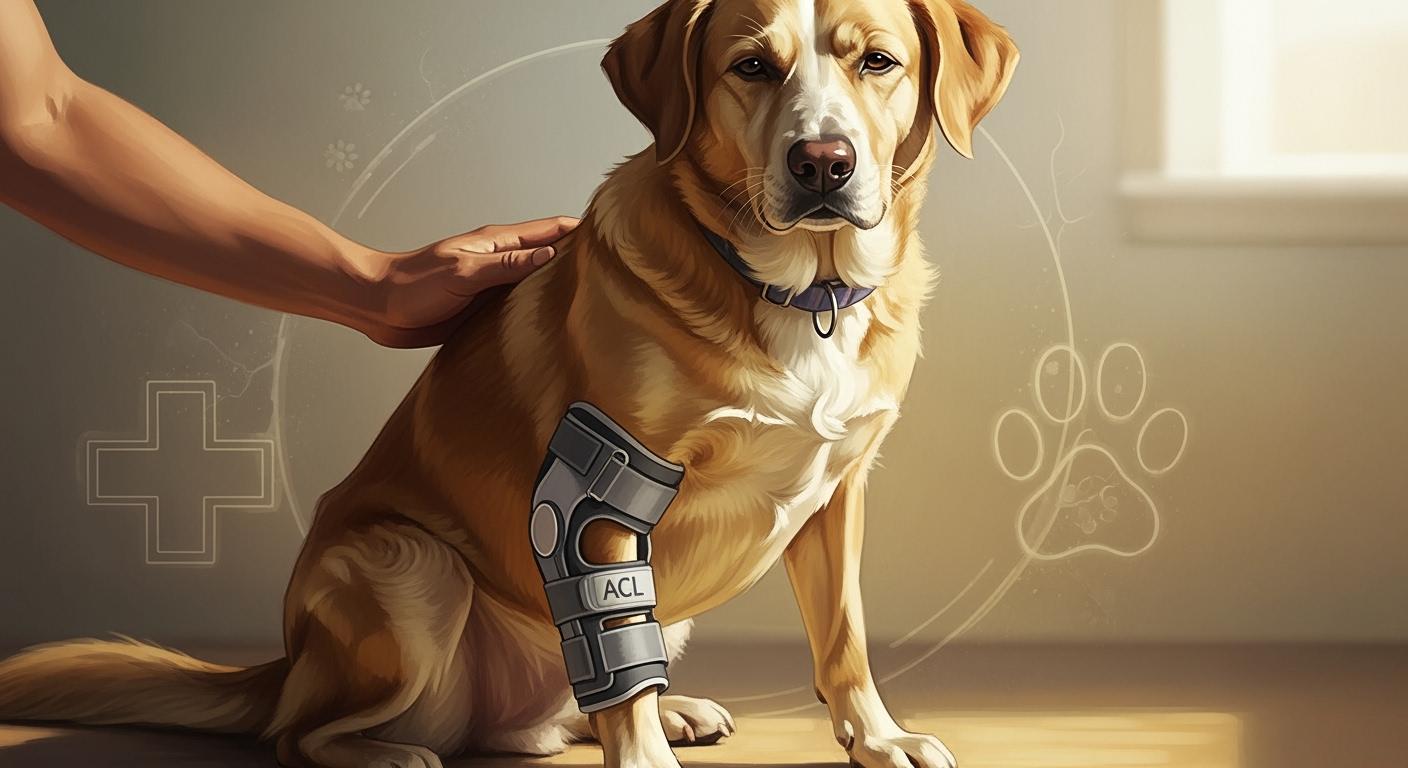
If your dog limps or does not want to jump, you might worry about its knees. Your dog may also feel stiff after resting. More than 1.2 million dogs in the U.S. get CCL injuries every year. Many owners look for a dog ACL brace to help. In dogs, the cranial cruciate ligament (CCL) is the main problem. People often call it ACL, but that is not correct. A dog ACL brace gives extra support to the knee. It helps your dog feel steady and move better. A good fit helps your dog feel comfortable every day and recover faster.
Sign of Knee Instability | Description |
|---|---|
Limping | Limp gets worse after your dog moves |
Toe-touching gait | Dog only touches the ground with its toes |
Difficulty jumping | Dog hesitates or struggles with stairs or the car |
Stiffness after rest | Dog feels stiff after lying down |
Visible knee swelling | Swelling shows around the knee joint |
Specific sitting posture | Dog sits with its leg out to the side |
Key Takeaways
A dog ACL brace gives important support for knee stability. It helps your dog move easily and heal from injuries.
Choose a brace that fits your dog well. A good fit keeps your dog comfortable and helps the brace work better.
Check your dog’s comfort and skin every day when using the brace. This stops irritation and helps your dog heal right.
Talk to your veterinarian to find the best brace and treatment for your dog. Your vet will know what your dog needs.
Slowly let your dog wear the brace longer each day. This helps your dog get used to it and feel more sure when moving.
Understanding ACL/CCL Knee Injuries
ACL vs. CCL in Dogs
You may hear people talk about the ACL when they mean the CCL in a dog. The ACL is a ligament in the human knee. The CCL is the main ligament in the dog knee. Both ligaments help keep the knee stable. Most owners search for a dog ACL brace because they want to support their dog’s knee. The CCL in a dog always carries weight and often gets injured slowly over time. The ACL in humans does not always carry weight and usually tears from sudden trauma. Here is a table that shows the difference:
Feature | Anterior Cruciate Ligament (ACL) | Cranial Cruciate Ligament (CCL) |
|---|---|---|
Location | Human knee | Dog knee |
Load-bearing status | Not always load-bearing | Always load-bearing |
Injury occurrence | Often due to acute trauma | Often develops gradually |
Signs of Knee Instability
You may notice your dog limping or struggling to stand. Your dog may feel stiff after rest or exercise. Difficulty rising and jumping is common. Hind leg lameness and limping can make your dog avoid normal movement. These signs show that your dog’s knee is not stable. Your dog may touch the ground only with its toes or sit with its leg out to the side. These signs can get worse if your dog keeps moving on an injured knee.
Stiffness after rest or exercise
Difficulty rising and jumping
Hind leg lameness and limping
Impact on Mobility
A dog with knee instability may stop running or playing. Your dog may avoid stairs or hesitate to jump into the car. The pain and weakness in the knee can limit daily activity. Your dog may lose interest in walks or playtime. Continued activity on a weak knee can make the injury worse. Your dog may become less active and lose muscle strength. This can affect your dog’s quality of life. You want your dog to feel comfortable and move with confidence. A dog ACL brace can help support the knee and improve mobility.
Tip: Watch your dog closely for changes in movement or behavior. Early support for the knee can help your dog stay active and happy.
Dog ACL Brace Function
Knee Support Mechanism
A dog ACL brace helps your dog’s knee feel stronger. The brace wraps around the knee and keeps it steady. It stops the knee from moving side to side too much. It also keeps the knee from twisting a lot. When your dog walks or runs, the brace holds the knee in a safe spot. This makes pain less and helps your dog walk better.
You might see your dog use the hurt leg more with the brace on. The brace takes some pressure off the ligament. This lets your dog move the leg in a normal way. It can help stop more injury. The brace does not fix the ligament, but it helps your dog stay active and keeps the knee safe.
Stability During Activity
Dogs like to move and play. If your dog has an ACL or CCL injury, walking can feel shaky. A dog ACL brace helps your dog feel steady when moving. It helps your dog walk, climb stairs, or play without the knee slipping. The brace acts like a gentle hand and guides the knee.
According to Dr. James St. Clair, DVM, “Dog knee braces can support healing, improve mobility, and reduce the load on injured ligaments.”
Your dog may want to go outside more or join family walks. The brace gives your dog confidence to move after an injury. Knee braces help stop sudden slips or twists. This keeps the injury from getting worse. Extra stability is important for dogs who want to stay active while healing.
Use Scenarios (Conservative, Post-Surgery, Senior Dogs)
Many dogs can use a dog ACL brace. You might use a brace in different ways:
Keep the knee steady and stop painful movement.
Help heal torn ACL/CCL injuries without surgery right away.
Manage arthritis pain by lowering strain on the joint.
Make moving easier and stop more injury.
Give long-term help for problems like luxating patella.
If your dog cannot have surgery, a brace gives safe support with your vet’s help. After surgery, a brace protects the knee while it heals. Older dogs with weak knees or arthritis need extra help to move. Active dogs may use a brace during rehab or to stay safe.
A dog ACL brace gives your dog the support needed for knee stability. It helps your dog move with less pain and more confidence. Your dog can recover from injury, handle a long-term problem, or just get older with more comfort.
Dog ACL Brace Types
Custom Braces
A custom knee brace gives your dog a unique fit. You work with your veterinarian to measure your dog’s leg. The brace matches your dog’s shape and size. This type of brace supports the knee and helps your dog move with confidence. Custom braces last longer and stay in place better than standard options. If your dog has a chronic knee problem or a severe injury, a custom brace offers the best support. You may notice your dog feels more comfortable and active with a custom brace. The design considers your dog’s diagnosis and daily needs.
Off-the-Shelf Braces
Off-the-shelf braces fit many dogs. You can buy these braces in standard sizes. They cost less than custom braces and are easy to find. You may choose this type if your dog needs quick support. These braces help with mild knee instability or short-term recovery. They do not fit as well as custom options. Some dogs may need extra padding or adjustments for comfort. If your dog has a unique leg shape, an off-the-shelf brace may not stay in place during walks or play.
Soft vs. Hard Braces
You can pick a soft or hard brace for your dog. Soft braces use flexible materials. They give gentle support and allow some movement. Dogs with mild knee problems or arthritis often use soft braces. Hard braces use firm shells or rigid parts. They limit knee motion and give strong support. Dogs with serious injuries or after surgery may need a hard brace. Your choice depends on your dog’s activity level and the type of knee instability.
Brace Type | Support Level | Flexibility | Best For |
|---|---|---|---|
Soft | Moderate | High | Mild injuries, arthritis |
Hard | Strong | Low | Severe injuries, post-surgery |
Material Considerations
The material of the brace matters for your dog’s comfort. Look for breathable fabrics that keep your dog cool. Durable materials last longer and handle daily wear. Soft linings prevent rubbing and skin problems. Secure straps keep the brace in place when your dog moves. You want a brace that is easy to clean and fits your dog’s lifestyle. Always check the brace for signs of wear. A good material choice helps your dog stay active and happy.
Tip: Ask your veterinarian which brace type and material work best for your dog’s knee support needs.
Dog ACL Brace Benefits
Pain Relief
You want your dog to feel good every day. A dog ACL brace helps lower pain by holding the knee steady. When your dog wears a brace, muscles stay in place. This support helps blood flow and nerves work better. It can make pain go down. The brace also helps your dog’s body heal faster. Your dog may feel less pain and move easier. Knee braces help the body make more elastin and less collagen. This can help pain go away and speed up healing.
Knee braces keep the knee joint steady and strong.
They help your dog feel less pain and heal faster.
Different brace designs help with certain injuries.
Improved Mobility
Your dog needs to move to walk and play. A dog ACL brace helps your dog feel brave to move again. The brace stops the tibia from moving too far forward. This acts like the torn ligament. Your dog feels less stress on the knee. This lowers swelling and pain. When the knee feels safe, your dog is less worried and stands or walks more. The brace helps your dog use the leg. This stops muscles from getting weak during healing.
Benefit | Explanation |
|---|---|
Joint Stabilization | Stops the tibia from moving too far forward. Acts like the torn ligament. |
Pain Reduction | Lowers strain on tissues. Reduces swelling and pain. |
Improved Confidence | Dogs feel less worried and walk more when the knee feels safe. |
Muscle Preservation | Helps your dog use the leg. Stops thigh muscles from getting weak. |
Support for Healing
You want your dog to heal and move again. A dog ACL brace helps your dog heal in a safe way. The brace stops bad movements and keeps more injury away. Your dog can stay active while healing. The brace gives support, comfort, and keeps the knee steady. It acts like the ACL and helps healing. Your dog gets gentle pressure for comfort and better knee stability. The brace lowers stress on hurt ligaments and helps rehab.
The brace stops bad joint movement but lets your dog move.
It lowers pain and swelling.
Your dog can move again without surgery.
Injury Prevention
You want to keep your dog safe from new knee injuries. A dog ACL brace keeps the knee steady and stops bad movement. This helps healing and keeps more injuries away. Dogs with small tears or who can’t have surgery need this support. The brace lowers the chance of getting hurt again and keeps your dog active. You help your dog stay safe and enjoy moving every day.
Tip: Use a dog ACL brace to help your dog’s knee heal and stop new injuries.
Choosing a Dog ACL Brace
Selecting the right dog knee brace can make a big difference in your dog’s comfort and recovery. You want a brace that matches your dog’s size, activity level, and lifestyle. The right fit helps your dog move with confidence and keeps the brace in place during daily routines. Here’s how you can choose the best option for your dog.
Fit and Measuring Basics
Getting the correct fit is the most important step when choosing a dog knee brace. A brace that fits well will stay secure and provide steady support for your dog’s knee. You should measure your dog carefully before you buy a brace. Follow these steps to get the most accurate measurements:
Measure the thigh circumference about one inch above your dog’s knee joint.
Measure directly over the knee cap for the knee circumference.
Measure the lower leg circumference just below the knee.
Measure the leg length from the top of the thigh to the ankle or hock joint.
Measure the distance between the inner thighs while your dog stands.
Write down each number and double-check your work. If you have questions, ask your veterinarian for help. A good fit means the dog knee brace will not slip or rub. Always check the brace after you put it on your dog. Look for signs of pinching or loose spots. Your dog should walk and sit comfortably with the brace in place.
Tip: Take your time with measuring. A careful fit helps your dog feel better and keeps the brace working as it should.
Adjustability and Comfort
Your dog needs a knee brace that feels good and stays in place. Adjustable features let you fine-tune the fit for your dog’s unique shape. Comfort is key for long-term use, especially if your dog wears the brace every day. Look for these features when you shop:
Feature | Importance |
|---|---|
Adjustable Straps | Fine-tune the fit and keep the brace secure during activity. |
Padded Interiors | Prevent pressure sores and skin irritation during long-term wear. |
Breathable Materials | Help regulate temperature and reduce sweating, enhancing comfort. |
Easy On/Off Design | Makes cleaning and inspection simple. |
Weight and Flexibility | Keeps the brace lightweight but supportive for your dog. |
A dog knee brace with adjustable straps lets you make small changes as your dog moves or as swelling changes. Padded interiors protect your dog’s skin and make the brace more comfortable. Breathable materials help keep your dog cool and dry. Choose a brace that is easy to put on and take off, so you can check your dog’s leg often.
Materials and Durability
The materials in your dog knee brace matter for both comfort and long-term use. Dogs run, play, and rest in many places, so the brace must handle daily wear. You want a brace that lasts and keeps your dog’s knee safe. Here are some key factors to consider:
Factor | Description |
|---|---|
Durable and Comfortable Materials | Withstand daily use and provide support without causing irritation. |
Breathability and Hygiene | Prevent skin problems and keep the brace clean, especially for sensitive dogs. |
Adjustable Features | Allow the brace to fit as your dog grows or changes shape. |
High-Quality Materials | Offer long-lasting support and help prevent further injuries for active dogs. |
Pick a dog knee brace made from strong, soft materials. Check for smooth seams and secure straps. Washable fabrics help you keep the brace clean. If your dog is very active or older, high-quality materials will help the brace last longer and keep your dog comfortable.
Ease of Use
You want a dog knee brace that is simple to use every day. A brace that is easy to put on and take off helps you care for your dog and keeps your routine stress-free. Owners who get clear fitting instructions and support from their veterinarian feel more confident and satisfied with the brace. Follow-up and education from your vet can help you use the brace correctly and keep your dog safe.
Evidence Type | Description |
|---|---|
Owner Satisfaction | Owners with detailed fitting guidance and vet support report higher satisfaction and better compliance. |
Importance of Support | Post-fitting follow-up and education improve compliance and therapy success. |
Choose a dog knee brace with clear instructions and simple fasteners. Practice putting the brace on your dog before you need it for long periods. Watch your dog for signs of discomfort or slipping. If you notice problems, adjust the fit or ask your veterinarian for advice.
Note: Always consult your veterinarian before you choose or use a dog knee brace. Your vet can help you find the best fit and make sure the brace supports your dog’s recovery. The brace does not heal a torn ligament, but it can help your dog move with more comfort and stability.
Using and Caring for Dog ACL Braces
Fitting and Wearing Schedule
You want your dog to get the most benefit from a dog ACL brace. Start by letting your dog wear the brace for 1–2 hours each day. Slowly increase the time over a week until your dog wears the brace for 8–12 hours during active periods. Remove the brace at night so your dog’s skin can breathe. Always check your dog’s skin daily for any signs of chafing, swelling, or discomfort. This routine helps your dog adjust and keeps the knee safe during recovery.
Begin with short wear times and increase over 7–10 days.
Use the brace during waking hours and activity.
Take off the brace at bedtime.
Inspect your dog’s skin every day.
Introducing the Brace
Dogs need time to get used to a new dog ACL brace. Start with short sessions of 20–30 minutes. Watch your dog’s behavior closely. If your dog seems comfortable, slowly add more time each day. Give your dog praise and treats when wearing the brace. Positive reinforcement helps your dog accept the brace as part of daily life. If your dog shows signs of discomfort, adjust the fit or take a break before trying again.
Gradually increase wear time.
Monitor your dog’s comfort.
Use treats and praise for encouragement.
Maintenance Tips
A clean and well-fitted dog ACL brace lasts longer and works better. Make sure the brace fits your dog correctly to avoid discomfort. Check the brace often for signs of wear or damage. Clean the brace as recommended to prevent dirt and bacteria buildup. Store the brace in a dry place away from sunlight. Do not over-tighten the straps. Give your dog breaks from the brace to prevent skin irritation. If you have two braces, rotate them to spread out wear. Avoid letting your dog swim with the brace unless it is waterproof. Always follow the manufacturer’s instructions for care.
Ensure proper fit and sizing.
Inspect for damage regularly.
Clean and store the brace properly.
Avoid over-tightening and prolonged use.
Supervise your dog while wearing the brace.
Monitoring Comfort
You want your dog to feel comfortable and safe. Check under the dog ACL brace twice a day for redness, rubbing, or sores. Keep your dog’s fur clean and dry. Trim any fur that bunches under the straps. Clean the brace and replace padding if needed. If your dog starts limping more, shows swelling, or drags the paw, remove the brace and contact your vet. Regular checks help you catch problems early and keep your dog’s knee healthy.
Inspect your dog’s skin twice daily.
Keep fur clean and trimmed.
Clean and maintain the brace.
Watch for changes in walking or swelling.
Tip: Consistent care and attention help your dog get the best results from a dog ACL brace.
Veterinary Guidance
When to Seek Professional Help
You should talk to your veterinarian if your dog has knee problems. A vet can check your dog’s knee and see how bad it is. The vet will look at how your dog walks and how strong the muscles are. They will check how serious the torn ligament is. This step is needed before you pick any treatment or a dog ACL brace. Using a brace without help can hurt your dog’s skin or make the knee move wrong.
Make an appointment if your dog limps or avoids moving.
Ask your vet if a dog ACL brace is right for your dog.
Do not start treatment or rehab until your dog gets a full checkup.
Your vet will help you find the safest and best treatment for your dog’s torn ligament.
Integrating Braces with Vet Care
A dog ACL brace works best with other treatments. Your vet may tell you to let your dog rest and move less. Slow walks help your dog stay active without hurting the knee. Physical therapy and rehab help build muscle and make the knee stronger. Supplements can help the joints and lower swelling. Regular visits to your vet help track your dog’s healing and change treatment if needed.
Use the dog ACL brace during rehab and daily activity.
Listen to your vet about rest, rehab, and exercise.
Give supplements if your vet says to.
Go to all follow-up visits to check your dog’s recovery.
Using a dog ACL brace with vet care gives your dog the best chance to heal well.
Setting Realistic Expectations
A dog ACL brace helps support a torn ligament, but it does not fix it. You should know what the brace can and cannot do. Braces give temporary stability and help your dog walk better. Most dogs need time to get used to the brace and may need more fittings. Braces do not replace surgery for many torn ligaments.
What Braces Do Not Do | What Braces Can Do |
|---|---|
Does NOT magically heal a torn CCL | Reduce extra knee movement |
Does NOT replace surgery in every case | Give outside support |
Does NOT stop arthritis risk | Help your dog walk with confidence |
Protect the other leg | |
Support healing during rehab |
Conservative treatments need strict rest and less activity for months.
Getting better takes time, and arthritis can still happen.
The other leg can get hurt too, so watch your dog’s weight and movement.
Many dogs feel good with the right treatment and rehab.
Remember, a dog ACL brace helps your dog’s knee during healing. Always work with your vet to pick the best treatment for your dog’s torn ligament.
A dog ACL brace helps your dog’s knee stay steady. It helps your dog heal from ACL or CCL injuries. The right brace lets your dog move with less pain. Your dog feels braver and walks better. Always ask your veterinarian to pick the best brace. The brace should fit your dog’s needs. Knee braces work best with a full recovery plan.
Key Points | Description |
|---|---|
Benefits | Pain relief, injury prevention, improved mobility, boosted confidence |
Limitations | Custom braces may cost more and need professional fitting |
Talk to your veterinarian before using knee braces.
Make sure the brace fits your dog well.
Use knee braces with healthy weight, gentle exercise, and home changes.
Dog ACL braces help your dog feel good and move easily. A full care plan gives your dog the best chance to get better.
FAQ
How long should my dog wear a dog ACL brace each day?
Start with 1–2 hours daily. Slowly increase wear time over a week. Most dogs wear the brace during active hours, up to 8–12 hours. Remove the brace at night. Always check your dog’s skin for any signs of irritation.
Can a dog ACL brace replace surgery for a torn ligament?
A dog ACL brace supports the knee and helps with daily movement. It does not heal a torn ligament. Some dogs may still need surgery. Always talk to your veterinarian about the best treatment for your dog’s knee injury.
How do I know if the dog ACL brace fits correctly?
The brace should fit snugly but not pinch. Your dog should walk and sit comfortably. Check for slipping, rubbing, or red spots. Measure your dog’s leg carefully before buying. Ask your veterinarian for help if you have questions about fit.
Will my dog get used to wearing a dog ACL brace?
Most dogs adjust to a dog ACL brace with time and positive reinforcement. Start with short sessions and use treats or praise. Watch your dog’s behavior. If your dog seems uncomfortable, check the fit or ask your veterinarian for advice.
