
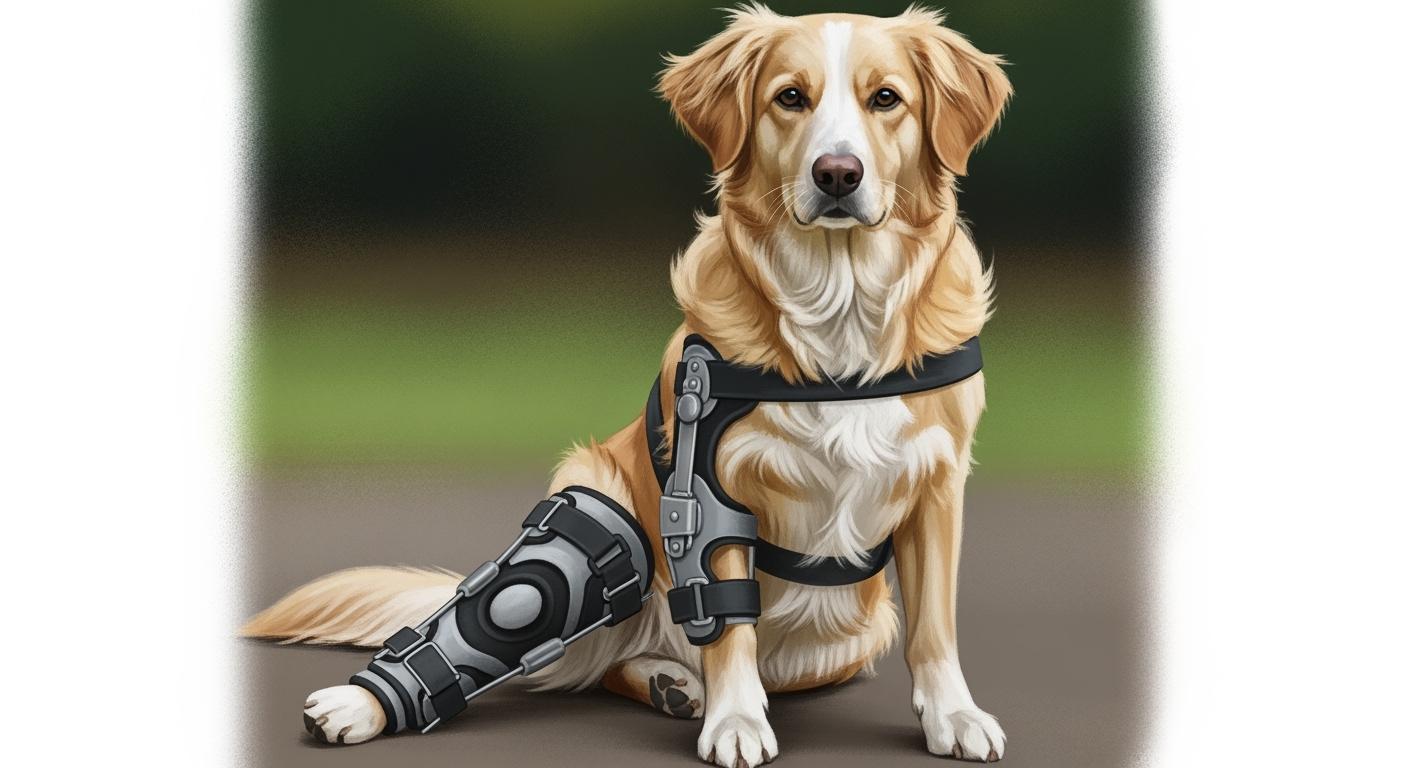
You want your dog to walk and move without pain after a knee injury. A torn ACL dog brace gives your dog more support for the knee and helps them move better. Many dog owners look for this help when their dog has signs of a torn ACL or CCL injury. Both words mean common knee problems in dogs. Studies from veterinarians show that dogs with knee braces stand up better, walk easier, and have less pain. You should always ask your veterinarian before you start any support plan.
Veterinary experts say that knee braces help dogs use their legs better and live happier lives when they have knee injuries.
Key Takeaways
A torn ACL dog brace gives important support. It helps your dog walk with less pain. It makes life better for your dog.
Watch for limping, stiffness, or not wanting to play. These signs may mean your dog needs knee support.
Pick a brace that fits well and has straps you can adjust. This will help your dog feel comfortable and stay steady when moving.
Keep an eye on your dog’s progress. You should see slow changes in how your dog moves and feels as they get used to the brace.
Talk to your veterinarian before you start any support plan. This makes sure your dog gets the best care.
What Is a Torn ACL Dog Brace?
A torn ACL dog brace is a special support for your dog’s knee. It helps keep the knee steady after a cruciate ligament injury. Many owners look for this brace when their dog has knee pain or trouble walking. The brace wraps around the knee, which is also called the stifle joint. It gives extra help when your dog moves. You use the brace so your dog can walk, stand, or play with less pain. Veterinarians often tell owners to use braces if dogs need more support or cannot have surgery. The brace does not fix the ligament. It helps your dog move easier and feel better.
ACL vs. CCL in Dogs
You might hear both “ACL” and “CCL” when people talk about dog knees. In dogs, “CCL” means cranial cruciate ligament. People say “ACL” because that is the human word for a similar ligament. Both injuries hurt the knee joint and cause pain and limping.
Note: CCL injuries in dogs can happen slowly or from an accident. Older, small, or medium dogs get slow injuries more often. Younger, big dogs get injuries from accidents.
CCL injuries in dogs are like ACL injuries in people.
Both hurt the knee joint.
Signs are limping, pain, and hard time moving.
Why Owners Search for Knee Braces
Dog owners want knee braces for many reasons. You want your dog to walk sooner and feel less pain. Braces help the joint and stop bad movement that can make things worse. You may see less swelling, fewer clicks in the knee, and more energy after your dog uses a brace. Veterinarians suggest braces for active dogs and older dogs to stop more injury. Using a torn ACL dog brace early can protect the other knee and help your dog live better.
Perspective | Summary |
|---|---|
Pro Dog Brace | Some veterinarians say braces are good for dogs who cannot have surgery. Braces help keep the knee steady and make life better. |
Anti Dog Brace | Some veterinarians only use custom braces if owners really want them. |
General Insight | Braces help dogs walk sooner and feel less pain. Custom braces work well for CCL tears without surgery. |
Signs Your Dog May Need Knee Support
When your dog has a knee injury, you may notice changes in how they move or act. Recognizing these signs early helps you decide if your dog could benefit from extra knee support, such as a torn ACL dog brace. Paying attention to your dog’s daily habits and movements can make a big difference in their comfort and recovery.
Limping and Mobility Issues
Limping is one of the most common signs that your dog may need knee support. Dogs with a torn ACL or CCL often show sudden limping or lameness. You might see your dog holding one hind leg up or refusing to put weight on it. Sometimes, you may hear clicking or popping sounds from the knee joint. Swelling around the knee and a reluctance to walk or play are also common.
Sudden limping or lameness
Holding one hind leg up
Swelling or warmth in the knee
Clicking or popping sounds
Reluctance to use the injured leg
Tip: If your dog starts limping or avoids using one leg, consider talking to your veterinarian about knee support options.
Stiffness and Weakness
Stiffness and weakness often appear after your dog rests or exercises. You may notice your dog has trouble getting up or lying down. Some dogs toe-touch or place less weight on the injured leg. Swelling and pain near the knee can make your dog move slowly or seem less steady.
Stiffness after rest or exercise
Difficulty getting up or lying down
Toe-touching or favoring one leg
Swelling around the knee
Pain or tenderness near the stifle joint
Dogs with these symptoms may benefit from a torn ACL dog brace to help stabilize the knee and support daily movement.
Reduced Activity and Unstable Gait
A torn ACL or CCL affects your dog’s activity level and the way they walk. The knee joint becomes unstable, making it hard for your dog to stand, walk, or play. You may see your dog lose interest in walks or have trouble jumping. Some dogs develop an unstable gait, where their back legs wobble or shift side to side.
Reduced interest in walks or play
Difficulty bearing weight
Unstable or wobbly gait
Decreased range of motion
Changes in behavior, such as irritability
A torn ACL dog brace can provide the knee stability your dog needs to regain confidence and enjoy daily activities again.
Why Knee Stability Matters
Impact on Daily Mobility
Knee stability plays a big role in your dog’s daily life. When your dog’s knee feels steady, you see more energy and confidence. A stable knee lets your dog walk, stand, and play with less pain. You want your dog to enjoy life, and knee support can make that possible.
A torn ACL dog brace helps by giving the knee extra support. This support can make movement smoother and safer. You may notice your dog wants to go outside more or play with their favorite toy again. Here are some ways knee stability helps your dog’s mobility:
Pain Relief: Less strain on the knee means your dog feels more comfortable and moves easier.
Injury Prevention: Good support lowers the chance of new injuries during walks or playtime.
Enhanced Mobility: A well-fitted brace helps your dog move in a more natural way, so they stay active.
Boosted Confidence: With steady knees, your dog feels safer and may explore more.
Tip: If you see your dog struggling with stairs or jumping, a torn ACL dog brace can give them the support they need to stay active.
Risks of Unstable Knees
Unstable knees can cause many problems for your dog. When the knee joint does not have enough support, your dog may lose muscle strength over time. This muscle loss, called atrophy, makes it even harder for your dog to walk or stand. You may also see your dog limp more often or avoid using the injured leg.
If you do not address knee instability, your dog could face more injuries. Persistent lameness can develop, especially in breeds that often have knee problems. Keeping your dog at a healthy weight and making sure they get the right amount of exercise can help protect the knee joint.
Extra weight puts more stress on the knee. This stress can turn a small tear into a bigger problem. Watching for early signs of discomfort and talking to your veterinarian helps prevent ongoing joint damage. Using a torn ACL dog brace as part of your dog’s support plan can make a big difference in their comfort and quality of life.
How a Torn ACL Dog Brace Helps
A torn ACL dog brace gives your dog’s knee the support it needs during movement. You want your dog to walk, stand, and play with less pain. This section explains how a brace can help your dog by providing external support, improving stability and comfort, and supporting recovery in daily life.
External Knee Support
You use a torn ACL dog brace to give your dog’s knee extra help. The brace wraps around the stifle joint and keeps the knee from moving in ways that cause pain. It limits abnormal motion between the femur and tibia. This means your dog’s knee does not twist or slide too much. The brace also helps control swelling and keeps the knee steady.
Limits abnormal motion in the knee
Reduces strain on injured ligaments
Helps control swelling
Promotes better weight distribution
Supports healing during conservative management
When you use a brace, you help your dog balance weight on both legs. This prevents one leg from working too hard. Your dog can stand and walk with more confidence. The brace does not heal the ligament, but it gives the knee the support it needs to move safely.
Note: A stifle brace prevents side-to-side rotation and helps protect the cruciate ligament during recovery.
Improved Stability and Comfort
You want your dog to feel steady and comfortable. A torn ACL dog brace helps stabilize the knee joint. This support reduces pain and makes it easier for your dog to move. Many braces have soft, adjustable straps that fit your dog’s leg well. Your dog can wear the brace during walks, playtime, or rest.
Braces help stabilize the knee joint
They reduce pain and improve mobility
Modern braces are comfortable and adjustable
Studies show that dogs with custom stifle braces can put more weight on the injured leg. After wearing a brace for a few weeks, many dogs walk better and move with less discomfort. You may notice your dog stands up faster or enjoys walks again. A stable knee helps your dog feel safe and happy.
Tip: A brace can help prevent further injury by keeping the knee steady during daily activities.
Support for Recovery and Daily Life
A torn ACL dog brace supports your dog during recovery and everyday life. If your dog cannot have surgery, a brace is a practical way to help them stay active. The brace gives stability during rehab and helps prevent new injuries. You may see your dog become more willing to walk, climb stairs, or play.
Provides stability during rehabilitation
Helps prevent further injury
Promotes healing and pain relief
Supports dogs that cannot undergo surgery
A well-fitted brace can make daily tasks easier for your dog. It helps your dog stand, walk, and move with less pain. You want your dog to enjoy life, and a brace can improve their quality of life by making movement safer and more comfortable.
Callout: Dogs with arthritis or ligament injuries often benefit from the extra support a knee brace provides.
By choosing the right torn ACL dog brace, you give your dog the support they need for better mobility and comfort every day.
When to Use a Torn ACL Dog Brace
You want to know when a knee brace helps your dog. The best time depends on your dog’s needs and what your veterinarian says. You can use a brace for managing pain, after surgery, or for daily support during rehab.
Conservative Management
You might pick a brace if your dog has a small tear or mild knee issue. Some dogs cannot have surgery because they are old, sick, or it costs too much. In these cases, a brace gives support and helps your dog stay active.
A brace works well for dogs with partial ligament tears.
You can use a brace if your dog cannot have surgery.
Some owners use a brace while waiting for surgery or during early recovery.
A torn ACL dog brace can help your dog walk, stand, and play with less pain. Always talk to your veterinarian before starting any new support.
Post-Surgery Support
Many dogs need extra help after knee surgery. A brace supports the knee as your dog heals and gets stronger.
Dr. Sarah Matthews, a veterinarian who treats orthopedic injuries, says, “A knee brace can be a game-changer, especially for older dogs or dogs recovering from a torn ACL or CCL. They provide the kind of support that can extend a dog’s active years without invasive intervention.”
Braces stop sudden movements that could hurt the knee again.
They help reduce swelling and pain.
Most veterinarians agree that braces improve comfort and mobility during recovery.
You want your dog to heal safely. A brace gives gentle support and helps your dog move with confidence.
Rehab and Daily Stability
Rehabilitation takes time and patience. A good knee brace helps your dog stay steady and safe during this process.
The brace keeps the knee stable and stops risky movements.
It helps manage pain and may reduce the need for medicine.
Braces encourage safe movement and proper alignment.
They support muscle strength and protect against re-injury.
Braces can reduce swelling and help your dog regain balance.
You want your dog to enjoy daily life. A brace can make walks, play, and rest more comfortable as your dog recovers.
Choosing the Right Knee Brace
Selecting the right torn ACL dog brace for your dog’s knee makes a big difference in their comfort and recovery. You want a brace that fits well, feels good, and supports your dog’s daily movement. Here are the key features to look for when choosing a knee brace for your dog.
Fit and Adjustability
Fit matters most when you pick a torn ACL dog brace. A brace that fits your dog’s knee snugly gives the best support. You want a brace with adjustable straps so you can make it tighter or looser as needed. This helps the brace stay in place during walks or play.
A properly fitted brace stabilizes the knee and supports recovery.
Adjustable straps let you control how tight the brace feels.
Suspension and anti-slip designs keep the brace from sliding down.
The brace limits unwanted movements that can cause pain.
Good fit helps your dog move with more confidence and less discomfort.
Tip: Measure your dog’s leg carefully before buying a brace. Check the size chart and follow the instructions for the best fit.
Comfort and Support Level
Your dog should feel comfortable wearing the brace every day. Look for soft padding and smooth edges that do not rub or pinch. The right support level helps your dog walk, stand, and play without extra strain on the knee. Choose a brace that matches your dog’s activity level and needs.
Soft lining prevents skin irritation.
Proper support helps your dog balance weight on both legs.
Lightweight designs make it easier for your dog to move naturally.
Materials and Straps
The materials in a torn ACL dog brace affect both comfort and durability. High-quality braces use advanced materials that support the knee and last a long time.
Material Type | Benefits |
|---|---|
Carbon Fiber | Exceptional strength and lightweight, enhancing mobility and comfort. |
Specialized Plastics | Durable and designed for targeted support, improving overall brace function. |
Advanced Composites | Offers a balance of strength and flexibility, crucial for comfort. |
You want straps that are strong but easy to adjust. Secure straps keep the brace in place, even during active play.
Ease of Use
You need a brace that is simple to put on and take off. Easy-to-use buckles or Velcro straps save you time and reduce stress for your dog. A good torn ACL dog brace should be easy to clean and maintain, so your dog can wear it every day.
Note: Choose a brace that fits your routine. Simple designs help you support your dog’s knee without hassle.
By focusing on these features, you give your dog the best chance for stable, comfortable movement with a torn ACL dog brace.
Safe Use and Owner Tips
Fitting and Wearing the Brace
You want your dog to feel comfortable and secure when wearing a torn ACL dog brace. Always check the fit before each use. The brace should wrap snugly around your dog’s knee or stifle joint without pinching or sliding. Adjust the straps so the brace stays in place during walks or play. If you notice redness or rubbing, loosen the straps or check for proper alignment. A well-fitted brace supports your dog’s knee and helps them move with confidence.
Tip: Let your dog stand and walk a few steps after you put on the brace. Watch for any limping or discomfort.
Helping Your Dog Adjust
Dogs need time to get used to a new knee brace. You can help your dog adjust by following these steps:
Start with short wear times. Let your dog wear the brace for a few minutes at first, then slowly increase the time each day.
Use treats and praise. Reward your dog when they wear the brace to create a positive experience.
Make sure the brace fits well. Comfort is key for your dog to accept the brace.
Monitor your dog’s comfort and activity. Check for signs of irritation or discomfort as your dog gets used to the brace over 7–10 days.
Let your dog sniff and explore the brace before putting it on. This helps reduce anxiety.
You may see your dog walk differently at first. Most dogs adjust within a week when you use patience and encouragement.
Cleaning and Maintenance
Keeping your torn ACL dog brace clean protects your dog’s skin and keeps the knee joint healthy. Dirt and hair can build up and cause irritation if not removed. Follow these steps for proper cleaning:
Check the manufacturer’s instructions for specific care tips.
Remove hair, dirt, and debris after each use.
Hand wash the brace with mild soap to keep it fresh.
Clean Velcro and straps thoroughly to maintain grip.
Rinse the brace completely to remove soap.
Air dry only. Do not use heat, as it can damage the materials.
Note: A clean brace helps prevent skin problems and supports your dog’s comfort and mobility every day.
What to Expect With a Knee Brace
Improvements and Timeline
When your dog starts using a torn ACL dog brace, you may see changes in how they move and feel. Most dogs need a little time to get used to the brace. At first, your dog might act unsure, but good changes usually happen soon.
Improvement Type | Timeline |
|---|---|
Improved mobility during walks | Within the first few weeks |
Enhanced comfort while resting | Within the first few weeks |
Reduced pain during play | Within the first few weeks |
Greater emotional well-being | Ongoing as brace is used |
You can look for these signs in your dog: 1. They may want to walk, run, or play more. 2. Your dog might put more weight on the sore leg. 3. They could move with less fear. 4. You may notice less whining or limping. 5. Your dog may seem happier and have more energy.
Begin with short walks to help your dog feel safe. Slowly let your dog do more as they get used to the brace.
Monitoring and Adjusting Care
You help your dog get better by watching them closely. Check if your dog walks smoother or uses the hurt leg more. Notice if your dog moves with more confidence. If your dog limps or does not want to move, you might need to change the brace or let them rest more.
Look at your dog’s skin every day for redness or swelling.
Clean the torn ACL dog brace often to keep it clean.
Make sure the brace fits well and does not pinch or slip.
Tip: Watching your dog every day helps you find small problems early and keeps your dog feeling good.
Realistic Expectations
A torn ACL dog brace helps keep your dog’s knee steady and makes moving safer. The brace gently squeezes the knee to lower swelling and helps your dog know where their leg is. You should expect slow progress, not quick changes.
Functionality | Description |
|---|---|
Stabilization | Keeps the knee steady and stops more injury. |
Compression | Lowers swelling so your dog feels better. |
Proprioception | Helps your dog learn safer ways to move. |
Start with easy exercises to help your dog stay loose. Slowly let your dog do more as they get stronger. A special exercise plan and the brace help your dog heal and enjoy life again.
Note: Always listen to your veterinarian and change your care plan if your dog’s needs change.
You give your dog the best chance at recovery when you use a torn ACL dog brace. This support helps keep the knee steady, eases pain, and encourages healing. You can use a brace if surgery is not possible or while your dog waits for treatment. Always ask your veterinarian for advice on fit and use. Stay patient and watch your dog’s progress. With the right support, you help your dog move with comfort and confidence every day.
A quality brace is a valuable tool for your dog’s journey back to an active life.
FAQ
How long should my dog wear a torn ACL dog brace each day?
You should start with short periods, then slowly increase the time as your dog gets used to the brace. Most dogs wear the brace during active times, like walks or play. Always follow your veterinarian’s advice.
Can a torn ACL dog brace replace surgery?
A torn ACL dog brace does not replace surgery. The brace supports your dog’s knee and helps with daily movement. You should talk to your veterinarian to decide the best plan for your dog.
Will my dog feel comfortable wearing a knee brace?
Most dogs adjust to a torn ACL dog brace within a week. Choose a brace with soft padding and adjustable straps for comfort. Use treats and praise to help your dog accept the brace.
How do I clean a torn ACL dog brace?
Remove dirt and hair after each use. Hand wash the brace with mild soap and let it air dry. Clean straps and Velcro to keep the brace working well.
Tip: Check the manufacturer’s instructions for best results.
Can my dog go outside while wearing the brace?
Yes, your dog can go outside with a torn ACL dog brace. The brace gives support during walks and play. Always watch your dog for signs of discomfort and adjust the brace if needed.
