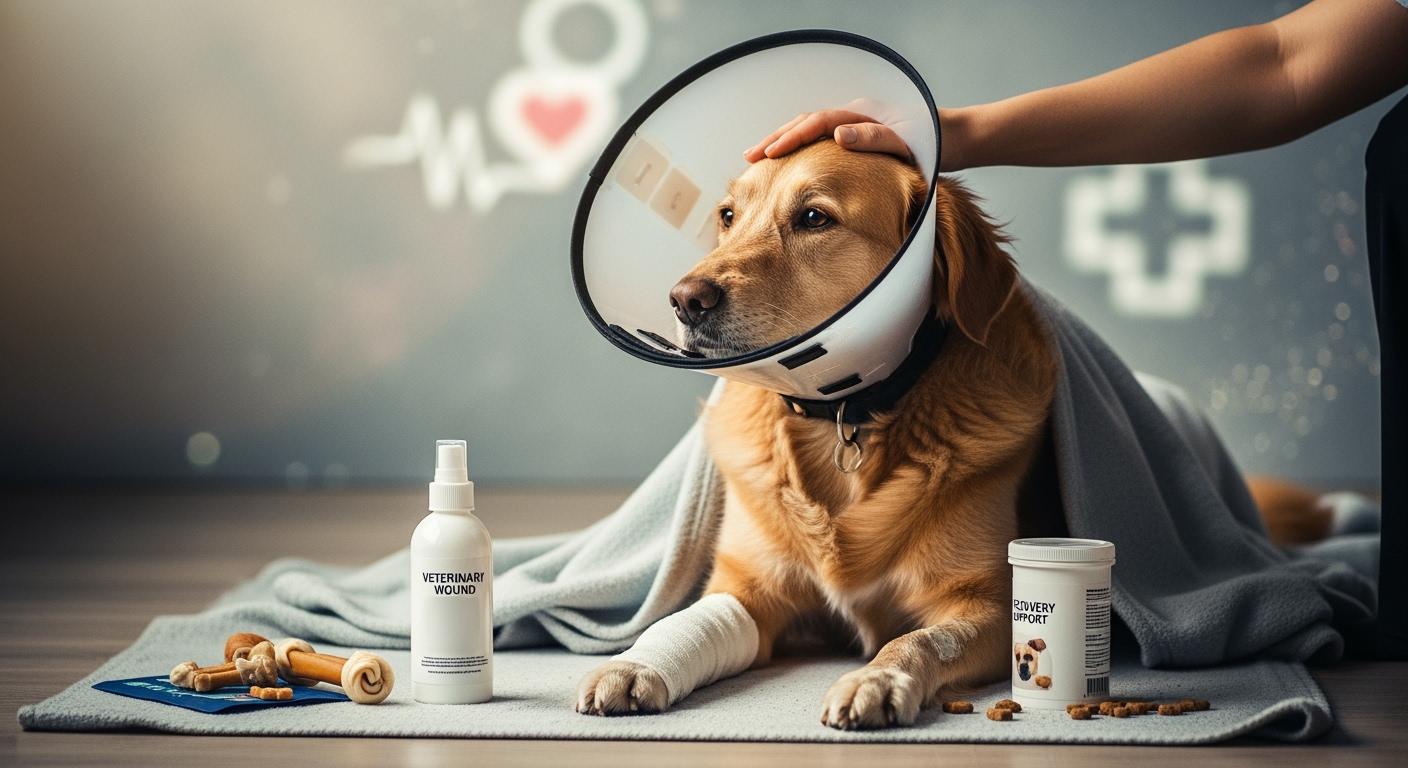
You want your dog to stop licking wounds or chewing healing skin, and that’s where dog anti lick solutions come into play. Many owners search for ways to help when dogs lick too much or chew after surgery. These issues can include wound irritation, hot spots, and repeated chewing. You can consider options like recovery sleeves, bandage wraps, or body suits. Each of these dog anti lick products works best for specific body parts. The table below illustrates how these solutions protect paws, legs, elbows, flanks, and tail bases:
Method | Effectiveness |
|---|---|
Dog Recovery Sleeve | Works well for limb injuries |
Bandage Wraps | Good for body or limb wounds |
Body Suits | Comfortable for body wounds |
Choose what fits your dog’s needs. Provide your dog with daily support for healing with effective dog anti lick solutions.
Key Takeaways
Pick the best anti lick solution for your dog’s wound spot so it works well. Watch your dog for any pain and change the fit if needed. Use anti lick solutions every day to help your dog heal and feel better. Talk to your vet if your dog keeps licking or looks like it has an infection. Choose materials that let air in and make sure your dog can eat and sleep easily.
Dog Anti Lick Protection Overview
What Is Dog Anti Lick Protection
Dog anti lick protection means using special tools to stop your dog from licking or chewing sore spots. For limb-specific fit, setup, and daily checks, see our dog anti-lick sleeve guide. These tools include sleeves, covers, and collars. They work as barriers to keep your dog from touching wounds or irritated skin. You can put them on your dog’s paw, leg, elbow, or other places that need to heal.
Dog anti-lick protection keeps dogs from licking wounds. Licking can slow down healing. Elizabethan collars and inflatable collars are made for this job. They stop dogs from reaching their wounds. Other wound care does not always stop licking.
You might use anti lick protection if your dog keeps licking a wound or chews at a sore spot. These products help you take care of your dog at home. They keep your dog’s skin cleaner. You can use them every day to help healing and stop more irritation.
Why Dogs Need Anti Lick Solutions
Dogs often lick wounds or itchy skin. This can make healing harder. You want to keep your dog from making things worse. Vets say anti lick solutions are important for many reasons:
Licking can bring bad germs into wounds and cause infections.
It slows healing and can make infections worse.
Using anti lick solutions early keeps dogs from pain and harder treatments.
Stops dogs from hurting themselves by blocking wounds and sore skin.
Helps wounds stay clean by acting as a shield.
Stops too much licking that can cause more skin problems.
You can use these products to protect paws, legs, elbows, flanks, or tail bases. These tools help you give the right support and help your dog heal. You make your dog more comfortable and daily care is easier.
Common Licking Conditions
Excessive Licking and Chewing
Sometimes, your dog licks or chews one spot a lot. This can mean something is wrong. Dogs lick or chew for many reasons. Some reasons are:
Wanting attention
Feeling bored
Feeling sad
Feeling nervous
Not enough things to do
Doing it out of habit
Obsessive-compulsive behavior
Too much self-grooming
Separation anxiety
Stress from certain things
General stress
Allergies, skin problems, pain, or other health issues can also cause licking. If your dog keeps licking a paw or leg, you can use targeted anti lick protection to cover the area and support healing every day.
Wound Irritation and Hot Spots
Dogs often lick wounds or hot spots. For cleaning, daily checks, and recurrence prevention, see our hotspot dog from licking guide. They try to feel better by licking, but it can make things worse. Licking can bring germs and slow healing. You can use sleeves, covers, or shirts to protect the spot. These keep wounds clean and stop more irritation, especially on legs, elbows, or flanks.
Tip: Pick a solution that fits the body part your dog licks. This gives better protection and comfort.
Post-Surgery Recovery
After surgery, dogs may lick their stitches. Stopping this is important for healing. Elizabethan collars are common, but some dogs like donut collars or medical pet shirts. These help stop licking and lower infection risk. Choose a product that covers the surgery spot, like the paw, leg, or body.
Skin Sensitivity
Sensitive skin can make dogs lick a lot. Dry skin, allergies, infections, or small injuries can cause discomfort. Dogs lick their paws or other spots to feel better. Anti lick protection covers sensitive areas and helps stop irritation. Lick granulomas from stress or health problems also need coverage.
When you pick the right dog anti lick solution for your dog’s problem and body part, you help your dog heal and feel comfortable every day.
Body Parts Needing Protection

Paw and Leg
Dogs often lick or chew their paws and legs. These spots get dirty and can have small injuries. You can use different tools to help your dog heal:
Soft recovery collars stop your dog from licking paws.
Dog shirts or bodysuits cover legs and help prevent licking.
T-shirts or bandages cover small wounds and keep them safe.
Dog socks block licking and lower irritation.
Dog boots protect paws, especially outside.
Elizabethan collars keep dogs from reaching paws and legs.
Protective boots or paw wraps cover injuries.
Anti-lick gels make a shield on the paw.
Clean your dog’s paws often to remove dirt. Use moisturizing balms to keep paw pads soft. Toys and exercise help stop licking from boredom.
Elbow and Flank
Elbows and flanks can get hot spots or lick granulomas. These places are hard to protect because dogs may chew or lick covers. Pick products that stay on and do not cause more problems. Covering helps, but check for wetness or discomfort. Stopping compulsive licking takes time and care.
Tip: Look at the cover often to make sure it is dry and comfy.
Tail Base and Rear
The tail base and rear are tough to protect. Dogs lick these spots because of allergies or wounds. The K9 TailSaver® has a padded sleeve that covers the tail and uses a harness. This keeps the cover in place when your dog moves. Use this for tail injuries or licking at the rear.
Other Localized Areas
Some dogs lick other spots like the side, belly, or underarms. You can protect these areas by following good steps:
Best Practice | Description |
|---|---|
Keep Skin and Coat Healthy | Groom and clean your dog to stop hot spots. |
Manage Coat Length | Groom your dog based on breed and season. |
Dry After Swimming or Bathing | Dry your dog well to stop skin problems from moisture. |
Groom your dog often, feed balanced food, and manage allergies for healthy skin. Match the anti lick solution to the body part and problem for best results.
Dog Anti Lick Solution Types
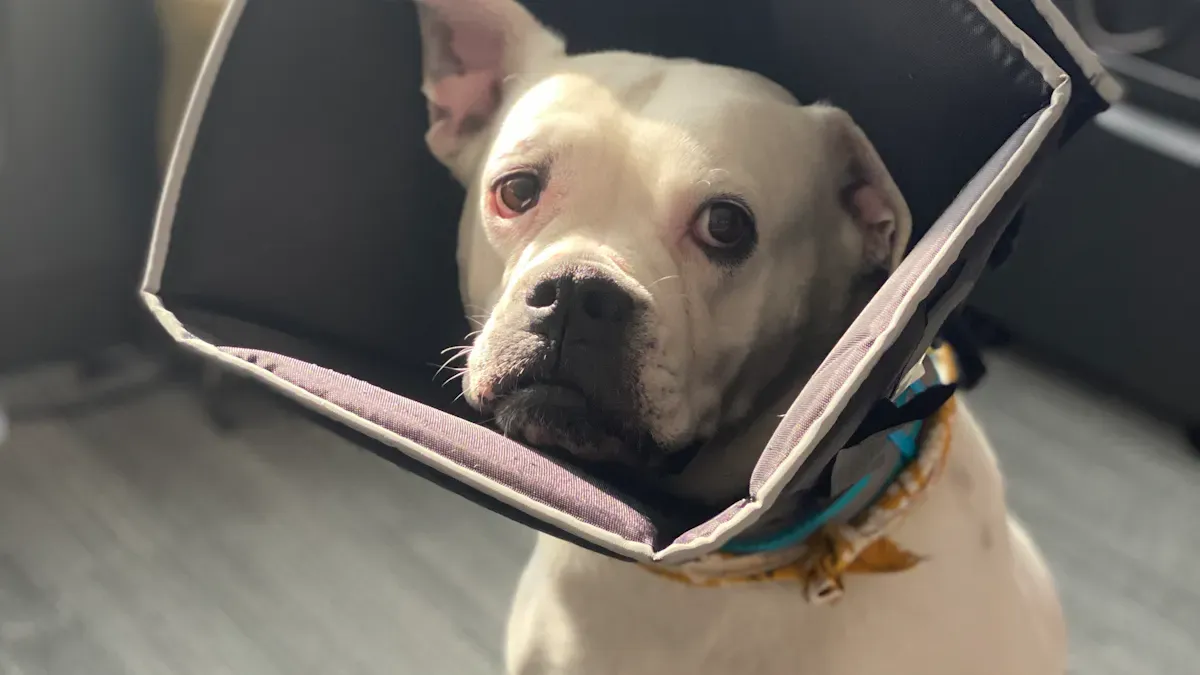
Dog anti lick products help keep your dog’s skin safe. They stop your dog from licking or chewing healing spots. You can pick from different types. Each type works for certain problems and body parts. The right choice makes your dog feel better and helps healing every day.
Recovery Sleeves and Covers
Recovery sleeves and covers protect legs, paws, elbows, and flanks. You slide a sleeve over your dog’s leg to cover wounds or sore skin. Covers fit tightly and use strong fasteners to stay on. These are good for dogs who lick one spot a lot. You can use them after surgery or for healing skin.
Tip: Pick sleeves made with breathable fabric. This keeps your dog’s skin dry and comfy.
Recovery sleeves and covers let your dog walk and play. They block wounds but do not stop movement. Most covers are easy to wash, so daily care is simple.
Protective Suits and Shirts
Protective suits and shirts cover big areas like the body, belly, or rear. You put these on your dog to stop licking or chewing many spots. Suits fit close and use straps or snaps. Shirts are good for dogs with sensitive skin or allergies.
Suits cover surgery spots and hot spots.
Shirts help dogs who lick their belly or sides a lot.
Both keep wounds clean and lower irritation.
You can use suits and shirts for dogs who do not like cones. Pick soft, stretchy fabric for comfort.
For torso wounds, incision coverage, and gear selection by wound site, review our dog recovery suit vs e-collar article.
E-Collars (Cones)
E-collars, called cones, make a barrier around your dog’s head. You use them to stop your dog from reaching wounds on the body, legs, or tail. There are two main kinds: regular cones and inflatable collars.
Type of Collar | Success Rate | Limitations |
|---|---|---|
Inflatable Collars | 76% | Some dogs can get around them, especially flexible ones. |
Traditional Cones | N/A | Work for most dogs, but can be uncomfortable and stressful. |
Regular cones work for most dogs and body parts. Inflatable collars are softer but may not stop all dogs. You can use cones after surgery or for wounds anywhere.
Note: Watch your dog for stress or discomfort with cones. Change the fit if needed.
Medical Boots
Medical boots protect paws and lower legs from licking, chewing, and outside dangers. You put boots on your dog’s feet to cover wounds, bandages, or sore skin. Boots keep bandages clean and dry, which helps healing.
Key features of medical boots:
Stop infection and new injuries by covering wounds.
Keep bandages clean and dry for better healing.
Protect skin growths or paw problems from getting worse.
Guard against sharp things and allergens during walks.
You can use medical boots for dogs with broken paw pads or skin growths. Boots are good for outside walks and recovery time.
Anti Lick Sprays
Anti lick sprays use safe, non-toxic stuff to stop licking. You spray them on your dog’s skin or fur. Sprays taste bitter or smell bad, so dogs avoid licking. You can use sprays for small wounds, hot spots, or places where sleeves and boots do not work.
Ingredient Type | Safety Considerations |
|---|---|
Non-toxic, natural | Must be safe for dogs; avoid bad additives. |
Artificial preservatives | Should not be used as they can cause problems. |
Common allergens | Must be labeled or avoided for dogs with allergies (like soy, corn, wheat). |
Organic, food-grade | Best for safety; includes safe oils like chamomile and lavender. |
Human-grade products | Should not be used as they may have toxic stuff like xylitol. |
Natural antimicrobials | Good choices are coconut oil, aloe vera, or colloidal silver. |
Special caution | Needed for dogs with health issues (like liver disease or diabetes). |
Veterinary consultation | Ask your vet to make sure sprays are safe for your dog. |
Check the label for safe ingredients. Do not use sprays with artificial preservatives or common allergens. Pick organic, food-grade sprays for best results.
Always ask your vet before using sprays if your dog has health problems.
Comparing Dog Anti Lick Solution Types
You can see the main types of dog anti lick solutions and what they do in the table below:
Type of Solution | Description |
|---|---|
Physical Barriers | Dog booties stop licking and protect paws from things that irritate. |
Topical Treatments | Paw balm and ointments help with skin problems. |
Immune Support | CBD oil can moisturize skin and help the immune system. |
Pick the best solution for your dog’s problem and body part. Recovery sleeves and covers are good for legs. Suits and shirts cover bigger areas. Cones block wounds. Medical boots protect paws. Sprays stop licking on open skin.
Choose what fits your dog’s needs and daily life. Targeted protection helps your dog heal safely and comfortably.
Choosing the Right Dog Anti Lick Solution
Picking a dog anti lick product means finding what works best for your dog. Every dog is shaped differently and may need help in a certain spot. You should pick a product that matches the problem and body part. For example, a dog licking its paw needs something different than a dog chewing its tail base. Use this guide to help you choose.
Fit and Comfort
Fit is very important when you pick a protective product. A good fit keeps your dog happy and stops slipping or rubbing. Measure the spot that needs protection. Look at the size chart for each product. If you need to protect a paw, measure how wide and long it is. For a leg or elbow, measure around and along the area.
The product should fit snug but not squeeze. Your dog should walk, sit, and lie down easily. If it is too tight, your dog will feel pain. If it is too loose, your dog might take it off or lick the spot. Try the product on your dog and watch for rubbing or red spots. Change the fit if your dog looks uncomfortable.
Tip: Adjustable straps or closures help you get a better fit for your dog’s shape.
Coverage and Protection
Coverage means how much of your dog’s body the product covers. You want to cover all the spots your dog licks or chews. For a paw, use a boot or sock. For a leg, a sleeve works better. If your dog licks the belly or side, try a suit or shirt.
Think about what you want to fix. For a hot spot on the elbow, use a sleeve that covers the joint. For surgery on the belly, pick a suit that wraps around the body. Make sure the product stays on when your dog moves. Check for gaps where your dog can still reach the wound.
Here is a table to help you match the problem and body part to the right product:
Condition | Body Part | Best Product Type |
|---|---|---|
Excessive paw licking | Paw | Medical boot, sock |
Leg wound irritation | Leg | |
Hot spot on elbow | Elbow | Elbow cover, sleeve |
Chewing at tail base | Tail base | Tail cover, suit |
Post-surgery on belly | Belly/flank | Protective suit, shirt |
Pick a product that covers the whole problem area. This stops your dog from licking and helps healing every day.
Material and Breathability
Material is important for comfort and safety. You want a fabric that is soft, stretchy, and lets air in. Breathable materials let air move to the skin. This keeps the spot dry and stops moisture.
Look for these material features:
Soft, stretchy, and breathable fabric lets your dog move.
Cotton or mesh helps keep paws dry and comfy.
Light materials stop heat and skin problems.
If your dog wears the product for a long time, breathable fabric is best. It helps stop skin trouble and keeps your dog happy. Washable materials make cleaning easy.
Note: Always read the label for material details. Pick products made for pets to keep your dog safe.
Fastening and Flexibility
Fastening systems keep the product on and easy to use. You want a closure that holds tight but does not pull fur. Some types are hook-and-loop straps, snaps, buckles, elastic loops, and drawstrings.
Here is a table that compares popular fastening types:
Product Name | Fastening Mechanism | Security Level | Flexibility Level | Pros | Cons |
|---|---|---|---|---|---|
Soft-sided collars | Drawstring tie | Moderate | High | Lightweight, easy to adjust | Can crumple, limits vision |
FOREYY Recovery Pet Cone | Snap and buckle closures | High | Moderate | Secure, comfortable in many positions | Limited size range, may be noisy |
KONG Cloud Collar | Regular collar integration | Moderate | High | Comfortable, allows eating and drinking | May not prevent access to all areas |
NACOCO | Fixed snap closure | Low | High | Lightweight, flexible | Can impede leg movement |
Novaguard | Hook-and-loop neck strap | Moderate | Low | Slim design, protects eyes and muzzle | Hard plastic, limited adjustment |
ZenCone Soft Recovery Collar | Elastic loops | Moderate | High | Flexible, easy to put on | May collect lint, not deep enough for some |
Pick a fastening system that fits your dog’s activity level. For active dogs, use a buckle or snap. For sensitive dogs, soft straps may feel better. Try the product and see how your dog acts. Make sure you can put it on and take it off without trouble.
Tip: Check the fastening every day to make sure it stays tight and does not hurt your dog.
A good dog anti lick solution has a good fit, covers the spot, uses breathable fabric, and has a safe closure. When you match the product to your dog’s problem and body part, you help your dog heal and feel better.
Safe Use and Daily Recovery
Monitoring for Discomfort
Check your dog often when using dog anti lick products. Watch for signs like rubbing or biting at the guard. Limping or acting different can mean discomfort. Dogs may whine or try to take off the sleeve or boot. Look for redness, swelling, or hair loss near the area. If you see these signs, change the fit or try something else. Make sure your dog can move, eat, and rest easily.
Tip: Look at the protected spot two times a day to find problems early.
Cleaning and Maintenance
Keeping dog anti lick products clean helps stop irritation. It also helps your dog heal every day. Clean guards and covers often, especially after walks or play. Use the right way to clean each product. The table below shows how to clean different types and how often:
Cleaning Method | Frequency/Details |
|---|---|
Regular Cleaning | Clean every few days or right after it gets dirty. |
Machine Washable | Wash on gentle cycle with mild soap if it is fabric. |
Hand Washable | Use warm water and pet-safe soap for soft or plastic guards. |
Wipe-Clean Surfaces | Wipe with a damp cloth and pet-safe cleaner for silicone or vinyl guards. |
Let all products dry fully before putting them back on your dog. Clean gear keeps wounds safe and lowers skin problems.
Integrating Solutions into Daily Routine
Help your dog get used to dog anti lick solutions by making them part of daily life. Try these ideas to lower stress and help healing:
Find out why your dog licks, like boredom or worry.
Keep your dog away from things that make licking worse.
Use tools that make licking less fun and teach good habits.
Keep a steady schedule for meals, walks, and sleep.
Give your dog a safe place to relax.
Add fun things like puzzle toys or gentle games.
Use lick mats to calm your dog and ease worry.
When you use dog anti lick products with these tips, you help your dog feel better and heal. A good routine helps your dog stay happy and recover every day.
When to Consult a Veterinarian
Dog anti lick solutions help keep wounds safe and support healing. Sometimes, you need a veterinarian’s help. It is important to know when to call your vet. Acting early can stop bigger problems and keep your dog happy.
Signs of Infection
Look for signs of infection if your dog has a wound. Infections can get worse fast. If you see any of these signs, call your vet right away:
Clinical Sign | Description |
|---|---|
Redness | Skin turns bright or dark red around the wound. |
Swelling | The area looks swollen and feels hard or soft. |
Warmth | The spot feels warmer than other parts of the body. |
Pain or Tenderness | Your dog pulls away or cries when you touch the spot. |
Excessive Licking or Chewing | Your dog keeps licking or chewing the same place. |
Foul or Unusual Odor | The wound smells strong, sour, or rotten. |
Discharge or Pus | Thick fluid comes out, and it may be yellow, green, or white. |
Systemic Signs | Your dog has a fever, feels tired, or does not want to eat. |
If you see any of these signs, stop using the dog anti lick product and call your vet.
Persistent Licking
Some dogs keep licking or chewing even with a dog anti lick solution. If your dog licks the same spot for more than a few days, talk to your vet. You should also get help if you notice:
Skin injury or open sores
Changes in how your dog acts
New wounds or swelling
Acting quickly helps stop more damage and helps your dog heal faster.
Severe Discomfort
Dog anti lick products should not cause pain or stress. If your dog seems very uncomfortable, ask your vet for advice. Watch for these signs:
Symptom | Implication |
|---|---|
Excessive Licking | May mean pain or discomfort in one area |
Signs of Infection | Needs a vet right away |
Nausea | May cause vomiting or less interest in food |
Behavioral Changes | Shows your dog is upset or uncomfortable |
Lethargy | Could be a serious health problem |
Difficulty in Movement | May show joint pain or injury |
Your vet can help you find the best recovery plan and make sure your dog anti lick routine is safe and comfortable.
If you are not sure, always call your vet. Your dog’s health and comfort matter most.
You want your dog to heal safely and comfortably. Choosing the right dog anti lick solution helps protect wounds and supports daily recovery. Consider these key points:
Match the solution to the injury location for targeted protection.
Pick options based on your dog’s behavior and temperament.
Ensure your dog can eat, drink, and rest with ease.
Ask your veterinarian for guidance if problems continue.
Watch how your dog adjusts to new products.
Always focus on safety and healing.
Stay proactive with daily routines and regular checks. If you notice complications or persistent licking, consult your vet. You give your dog the best chance for recovery with thoughtful care and the right dog anti lick support.
FAQ
What is the best dog anti lick solution for paws?
You can use a medical boot or a recovery sleeve for your dog’s paw. These options cover the paw and stop licking. Make sure the product fits well and uses breathable material for comfort.
How do I keep a dog anti lick sleeve on an active dog?
Choose a sleeve with secure fasteners like Velcro or snaps. Check the fit often. If your dog moves a lot, look for sleeves with adjustable straps. This helps keep the sleeve in place during play or walks.
Can my dog wear a dog anti lick product all day?
Yes, your dog can wear a dog anti lick product during the day. Check for signs of discomfort or skin irritation. Remove the product for cleaning and let your dog’s skin breathe for short periods.
Are dog anti lick sprays safe for all dogs?
Most dog anti lick sprays use safe, non-toxic ingredients. Always read the label before use. If your dog has allergies or health issues, ask your veterinarian before applying any spray.
When should I switch to a different dog anti lick solution?
Switch if your dog keeps licking, shows discomfort, or the product does not cover the right area. Try another type that matches your dog’s condition and body part. You can always ask your vet for advice.
For more support, explore our range of dog anti lick solutions designed for daily recovery and targeted protection.