
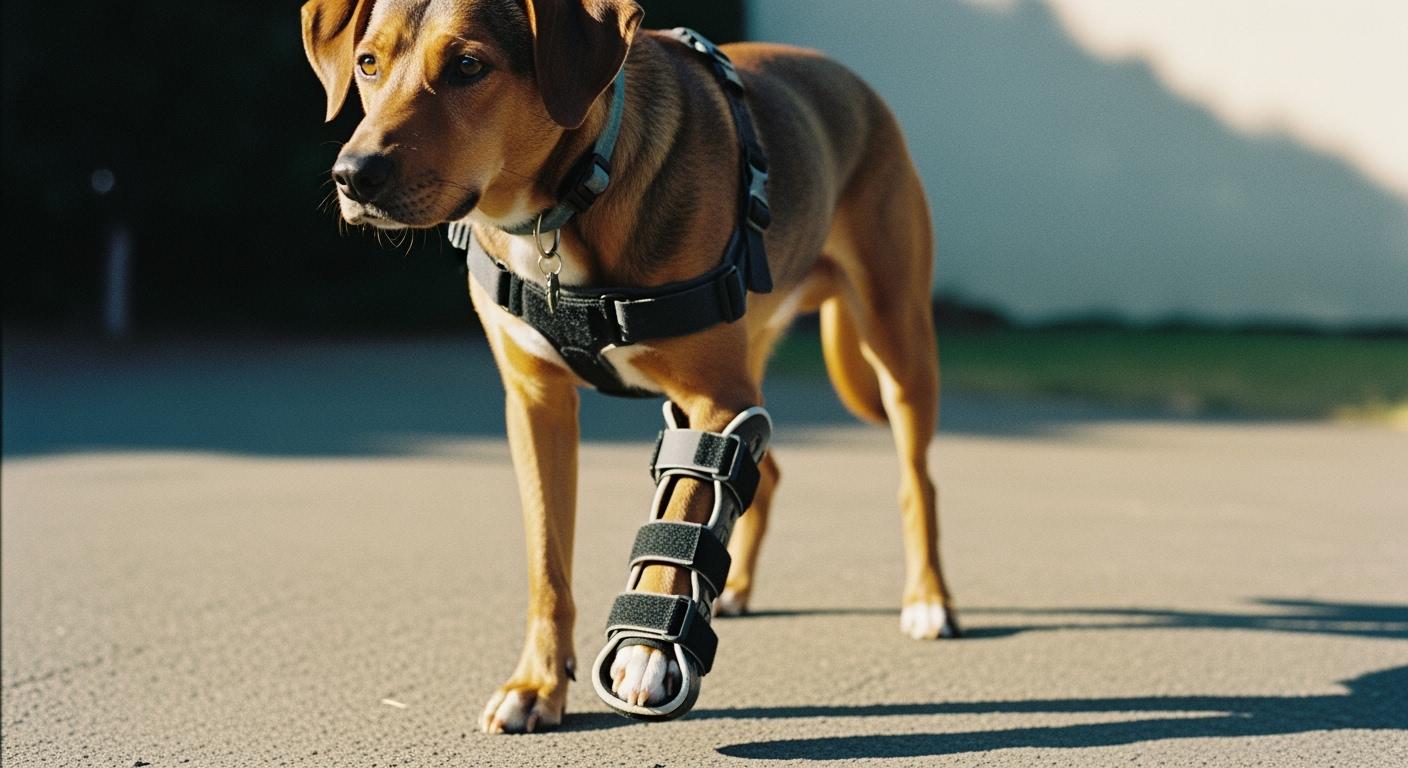
You might see your dog dragging its paws or scraping its nails. Your dog may also walk with wobbly steps. These things can mean your dog has knuckling. Knuckling happens when your dog cannot put its paw down right while walking. It can make your dog look clumsy and cause scuffed nails. Your dog may trip or stumble more often. A dog foot brace for knuckling gives extra support. It helps guide your dog’s paw to a better position. This support can help your dog walk steadier. It can also make your dog feel more confident on walks.
Key Takeaways
Knuckling in dogs can make them trip and walk oddly. A dog foot brace gives support so your dog can walk better.
Watch for knuckling signs like dragging paws or wobbling. Finding it early helps your dog get better support and move easier.
Pick a dog foot brace that fits well and feels good. For broader fit, support level, and buying logic, review our Guides. Straps you can adjust and soft materials help your dog move easily.
Check the brace often for damage and your dog’s skin for redness. Taking care of the brace keeps it working and your dog happy.
Ask your veterinarian which brace is best for your dog. An expert can help you pick the right support.
Knuckling in Dogs
What Is Knuckling?
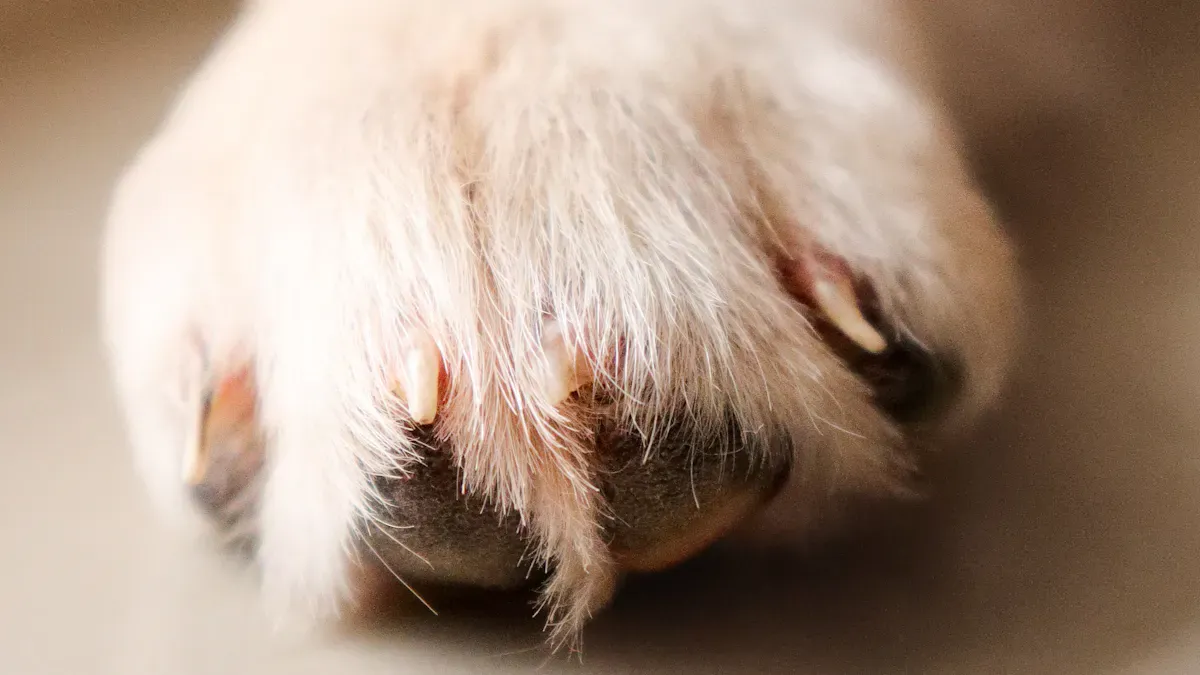
Knuckling happens when your dog cannot put its paw flat. The paw bends under, so the top touches the ground. This makes walking hard for your dog. Your dog may trip or look awkward. Knuckling means your dog cannot feel where its paw is. Nerve problems can cause this loss of control. You might see your dog’s paw drag or flip over while walking.
Signs Owners Notice
You can spot knuckling by watching your dog walk. Some signs are:
Standing or walking on the top of the paw, not the pad
Dragging toes, which can scrape nails and make sounds
Swaying or wobbling while walking
Paw stays upside down longer if you flip it
Legs cross while moving
One leg gets smaller if your dog avoids using it
These signs show your dog needs help with paw placement and walking. Many owners look for answers when they see worn nails or shaky steps. A dog knuckling brace guide can help you compare support types and walking goals before choosing a device.
Why Knuckling Happens
Knuckling can happen to dogs of any age or breed. Puppies, like Dobermans and Shar Peis, may show signs between 6 and 16 weeks. Older dogs can get knuckling from weak muscles or joint issues. The main causes are:
Spinal cord disease or injury
Degenerative myelopathy
Peripheral nerve damage
Brain or nerve disorders
Toxins and metabolic problems
Condition | Description |
|---|---|
Intervertebral Disc Disease (IVDD) | Slipped discs press on the spinal cord and cause weakness and knuckling. |
Degenerative Myelopathy (DM) | Spinal cord disease in older dogs leads to nerve damage and weak back legs. |
Spinal Trauma | Spine injuries change how legs work and cause knuckling. |
Nerve Injuries | Nerve damage makes it hard to control legs. |
Arthritis | Swollen joints make moving hard and can cause knuckling. |
Muscle Weakness | Older dogs lose strength and may show knuckling. |
You can help your dog by noticing these signs early and finding paw support.
Dog Foot Brace for Knuckling: Support and Benefits
For product-side options across bracing and mobility gear, review our dog support product options.
Paw Positioning Support
You want your dog to walk with confidence. A dog foot brace for knuckling helps your dog place its paw in the right position. When your dog drags its paw or walks on the top of the foot, the brace gently lifts the paw. This lift guides the paw to touch the ground correctly. Devices like the Dog Toe-Up Brace and Dog Knuckling Brace Wrap use gentle support to pull the toes up. Your dog gets extra stability, which helps prevent further paw injuries. You see your dog’s paw move in a more natural way. The brace does not cover the paw completely, so your dog can still feel the ground. This support makes daily walks easier for your dog.
Walking Stability Improvement
Your dog needs steady steps to enjoy walks and playtime. A dog foot brace for knuckling improves walking stability by reducing paw dragging and nail scraping. You notice less wobbling and fewer trips. Some braces, such as the No-Knuckling Brace for Dogs and Toe-Up Sciatic Sling, help your dog feel the ground while walking. These devices keep the paw uncovered and allow your dog to move more freely. The Hindlimb Dorsi-Flex Assist protects nails and toes, helping your dog flex the ankle and step with more control. You see your dog walk with better balance and fewer stumbles.
The Canine Mobility Anti-Knuckling Device helps dogs bring their hind legs forward, preventing nail scraping.
Biko Progressive Resistance Bands assist dogs with weak hind legs, allowing movement without covering the paws and reducing dragging.
Your dog gains confidence with each step. You notice improved stability and smoother movement during walks.
Daily Mobility Assistance
You want your dog to move comfortably every day. A dog foot brace for knuckling supports daily mobility routines. Your dog can walk, stand, and play with less effort. The brace gives targeted support to the foot and lower limb. You see your dog walk longer distances and enjoy more activities. The brace helps your dog avoid paw injuries from scraping or dragging. You notice your dog’s nails stay healthier and paws look less worn. The brace fits easily and adjusts for comfort, making it simple for you to use at home.
Tip: Choose a brace that matches your dog’s needs. Look for adjustable straps, durable materials, and secure fastening. Make sure the brace supports proper paw positioning and feels comfortable for your dog.
A dog foot brace for knuckling offers practical support for paw placement, walking stability, and daily mobility. You help your dog move with more control and confidence.
Dog Foot Brace Types and Solutions
Front Paw Braces
You may notice your dog knuckling on the front paws. A front paw brace gives targeted support to help your dog lift and place the paw correctly. These braces often use elastic straps or splints to guide the paw into a natural position. For example, the Balto Pull Brace uses an elastic strap with adjustable tension. You can tie a knot at the top to set the right amount of lift for your dog. This design helps prevent the paw from folding under during walks. The Balto Splint wraps under the paw and supports the joint with a moldable aluminum splint. This brace helps keep your dog’s foot steady and reduces the risk of scraping or injury.
Brace Type | Purpose | Design Features |
|---|---|---|
Balto Pull Brace | Supports proprioceptive deficits | Elastic strap with adjustable tension; prevents paw from knuckling |
Balto Splint | Supports carpal/tarsal laxity | Moldable aluminum splint wraps under the paw for joint support and knuckling prevention |
Hind Paw Braces
If your dog drags the hind paws, a hind paw brace can help. These braces support the lower limb and help your dog flex the ankle and toes. You may see less nail scraping and more stable steps. Some hind paw braces use bands or slings to gently pull the toes up. This action helps your dog walk with better balance and reduces the chance of tripping. Hind paw braces work well for dogs who need extra help with back leg control.
Custom and Adjustable Options
You want a dog foot brace for knuckling that fits your dog’s unique needs. Custom and adjustable braces offer flexible solutions for different paw sizes and walking styles.
The dog knuckling brace assists with paw placement issues caused by neurological complications.
It helps prevent orthopedic damage from tendon shortening.
You can adjust the brace with silicone toe straps for a custom fit.
A double-secure leash fixing cord buckle provides stable support and traction.
Adjustable splints give you more options:
You can provide immediate support with a customized fit.
You can adjust the width to accommodate swelling in an injured leg.
You can use them as temporary support while waiting for a custom brace.
You can add extra bracing over a wrapped or bandaged leg.
Tip: Choose a brace that matches your dog’s paw size and activity level. Look for adjustable features and secure fastenings to keep the brace in place during daily walks.
A dog foot brace for knuckling comes in many types. You can find the right support for your dog’s front or hind paws, or select a custom option for the best fit.
Choosing the Right Brace
Fit and Comfort
You want your dog to feel good and safe. When picking a dog foot brace for knuckling, focus on fit and comfort. Measure your dog’s leg with care. Pick a brace with straps you can adjust. This helps you make the brace fit tight but not too tight. Adjustable braces are great for dogs that grow or change. Look for soft materials that last and feel nice on your dog’s skin. A brace that fits well helps your dog walk better and stops skin problems.
Size and Fit: Measure your dog’s leg for the best size.
Adjustable Straps: Make the brace fit your dog’s paw.
Material: Choose soft and strong materials for comfort.
Ease of Use: Pick a brace that is easy to put on and take off.
Tip: If the brace feels good, your dog will wear it longer and move more easily.
Support Level and Adjustability
You need a brace that matches how active your dog is. Lightweight braces help your dog move without feeling heavy. The right brace keeps the paw in place and stops more injuries. Some braces have harnesses for extra help when your dog moves. Adjustable parts let you change support as your dog needs. This helps your dog get stronger and move better.
Lightweight design makes walking easier.
Adjustable support fits your dog’s needs.
Harnesses give extra balance for active dogs.
Good paw position stops injuries.
Secure Fastening and Materials
You want a dog foot brace for knuckling that stays on during walks and play. Strong fastening keeps the brace steady and comfy. Look for straps you can adjust, tough materials, and strong anchors. Webbing that resists rubbing keeps the brace working well every day. Materials like silicone and Velcro give comfort and keep the brace in place.
Material | Properties | Effects on Durability and Comfort |
|---|---|---|
Silicone | Soft, flat shape, more contact with skin | Feels nice, stops sliding |
Velcro | Adjustable and holds tight | Keeps the brace steady and gives grip |
Feature | Importance |
|---|---|
Adjustable Straps | Makes the brace fit tight and stay on during activity |
Durable Materials | Lasts through stretching, pulling, and wet days |
Reinforced Strap Anchors | Stops straps from coming loose or breaking |
Abrasion-Resistant Webbing | Works well during all kinds of activities |
Note: Strong fastening and good materials help your dog enjoy walks with steady paw support.
A dog foot brace for knuckling should fit well, feel good, give support, and last long. Picking the right brace helps your dog walk with confidence and balance.
Practical Tips for Home Support
Home Modifications
You can make your home safer and more comfortable for a dog using a dog foot brace for knuckling. Simple changes help your dog move with confidence and reduce the risk of slips or falls. For walk planning, safety checks, and toe-up versus bracing decisions, see our dog gait training support guide.
Add indoor ramps or block steps to help your dog reach the couch or bed. These tools support independence and reduce jumping.
Choose wide, sturdy ramps or steps with gentle slopes and textured surfaces. These features give better grip and make climbing easier.
Use rubberized or carpeted flooring in areas where your dog walks often. This surface helps your dog keep balance and prevents slipping.
Place ultra-thin yoga mats on slippery floors. These mats provide extra traction, cost little, and clean up easily.
Tip: Let your dog practice going up and down ramps or steps. Start slow and reward calm behavior.
Daily Care and Monitoring
Daily routines help your dog stay comfortable and safe while using a dog foot brace for knuckling.
Adjust your dog’s diet and watch food portions to support a healthy weight.
Allow your dog to exercise freely in a safe space.
Wrap the shoulder, growth plate, or wrist area with vet wrap if needed. Make sure the wrap is not too tight.
Check the wrap every one to two days for any signs of sores or irritation.
Keep the splint dry and covered during wet weather.
Use products like the No-Knuckling Training Sock as part of your management plan. Always talk to your veterinarian before starting new routines.
Note: Regular checks help you spot problems early and keep your dog comfortable.
Safe Use and Expectations
You want your dog to adjust well to a dog foot brace for knuckling. Follow these steps for safe use:
Introduce the brace slowly. Start with 30–60 minutes, two to five times a day. Increase time as your dog gets used to it.
Remove the brace at night and during crating unless your vet says otherwise.
Check your dog’s skin often, especially in the first two weeks. Look for redness, rubbing, or sores.
Inspect the skin under the brace twice daily.
Keep fur clean and trim any hair that may bunch under the straps.
Clean the brace as the manufacturer suggests. Replace padding if it wears out.
If you see more limping, swelling, or knuckling, take off the brace and call your vet.
Key Consideration | Explanation |
|---|---|
Assessment and Fitting | Proper fitting is important for the brace to support knuckling effectively. |
Ongoing Rehabilitation | Continue to help your dog adapt as needs change over time. |
Type of Device | Choose the right device for your dog’s unique needs. |
Monitoring and Adjustment | Check and adjust the brace regularly for best results. |
Remember: A dog foot brace for knuckling supports your dog’s mobility. Regular care and monitoring help your dog get the most benefit.
You give your dog better paw support and walking stability with a dog foot brace for knuckling. This tool helps your dog walk with more confidence and reduces paw injuries. You should always talk with your veterinarian before choosing a brace. A vet can help you understand why your dog knuckles and guide you to the best support.
Regular care keeps the brace working well:
Soak and clean the brace often.
Check for damage or wear.
Inspect straps and pads.
Dry the brace fully before use.
For step-by-step fit checks and at-home monitoring, you can also review our No-Knuckling Brace for Dogs guide.
You can also find many helpful devices and resources for extra support. When you choose the right brace and care for it, you help your dog enjoy daily walks and play. For the best results, trust expert advice and set realistic goals for your dog’s mobility.
FAQ
How does a dog foot brace for knuckling help my dog walk better?
A dog foot brace for knuckling guides your dog’s paw into a natural position. You see less paw dragging and more stable steps. Your dog gains confidence and enjoys daily walks with improved support.
Can my dog wear a foot brace all day?
You should let your dog wear the brace during active times. Remove it at night or when your dog rests. Check your dog’s skin often to prevent irritation. Follow your veterinarian’s advice for safe use.
What types of dog foot braces for knuckling are available?
You can choose from front paw braces, hind paw braces, and custom adjustable options. Each type supports paw positioning and walking stability. Select a brace that fits your dog’s needs and activity level.
How do I know if the brace fits my dog correctly?
Measure your dog’s leg and paw before buying. The brace should fit snugly but not too tight. Adjustable straps and soft materials help your dog feel comfortable and secure during movement.
Will a dog foot brace for knuckling stop paw injuries?
A dog foot brace for knuckling reduces paw dragging and scraping. You help protect your dog’s nails and skin. Regular monitoring and proper use keep your dog safe and comfortable.
