
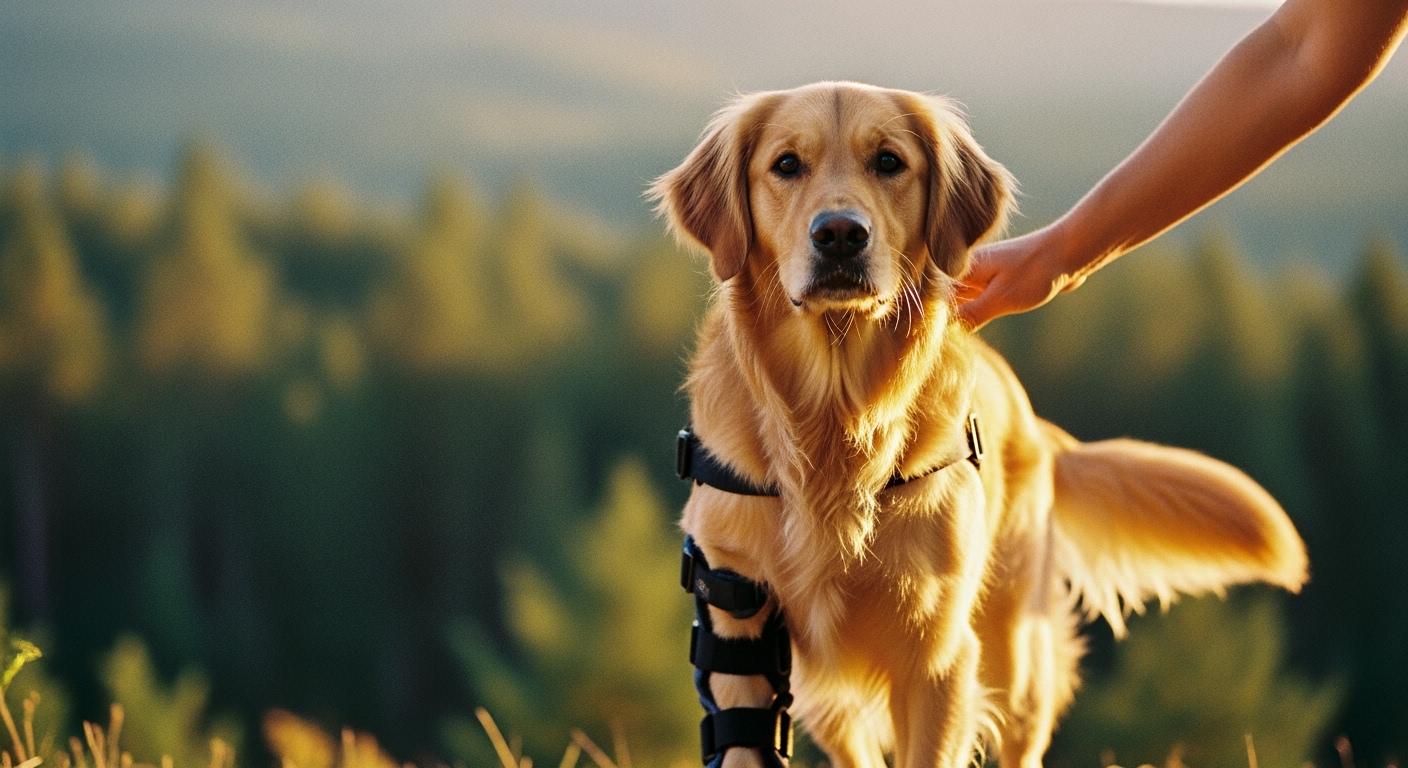
A dog front leg brace can help your dog stay steady and move better each day. This brace goes around the leg and helps with weakness, limping, or joints that are not stable. Many owners use a brace if their dogs have ligament or tendon problems, arthritis, or bone injuries. You might also see your dog needs help after surgery or while getting better. The brace gives gentle support so your dog can walk more easily and feel more sure when moving.
Key Takeaways
A dog front leg brace gives important help to dogs with weak legs, limping, or joints that are not steady. It helps them walk better and feel sure of themselves.
Watch for signs like limping or trouble standing. These signs may mean your dog needs a brace for more support and comfort.
Pick the right kind of brace for your dog’s needs. Some braces help the carpal area, and some help the elbow. This can make it easier for your dog to move every day.
Check the brace often to make sure it fits well and feels good. Change the fit if needed to stop pain or skin problems.
Ask your veterinarian for advice about which brace to use and how to use it. This will help your dog get the best support for their problem.
What Is a Dog Front Leg Brace?
Purpose and Function
A dog front leg brace is a special device that wraps around your dog’s front limb. You use this brace to help your dog if you notice weakness, limping, or trouble standing. The main purpose is to give extra support to the front leg so your dog can move with more confidence and less discomfort. Many owners choose a brace when their dog needs help after an injury, surgery, or when facing joint instability.
You can see the main functions of a dog front leg brace in the table below:
Function | Description |
|---|---|
Limited Range of Motion | Prevents the leg from moving too far while still allowing normal walking. |
Stability During Healing | Holds the joint steady so tissues can heal without being completely stiff. |
Gives extra help to weak joints or muscles in the front leg. | |
Pain Reduction | Lessens discomfort by stopping painful movements and adding gentle pressure. |
A brace does not cure leg problems, but it can make daily activities easier for your dog. You help your dog feel more secure during walks, play, or rest.
How It Supports the Front Leg
The brace works by gently holding your dog’s front leg in a safe position. It fits snugly, so your dog can walk, stand, or even run with less strain. Many braces use strong, waterproof materials that last through daily use. Some designs match your dog’s unique leg shape for better comfort.
A dog front leg brace can:
Keep the leg from bending too much or collapsing.
Support the carpal or elbow joint if your dog has weakness there.
Help your dog stand straighter, which can protect other joints from extra stress.
Offer a non-surgical way to manage front leg support needs.
Tip: Always check the fit of the brace and watch your dog for any changes in movement or comfort.
With the right brace, you give your dog the support needed for better stability and mobility every day.
Why Dogs Need Front Leg Support
Signs Your Dog May Need a Brace
You want your dog to move easily and feel good. Sometimes, your dog might walk or act differently. This can mean your dog needs more help. Look for these signs:
Limping that happens sometimes, especially after playing
Trouble getting up or sitting down
Not wanting to jump, run, or use stairs
Swelling or heat around the leg joints
Clicking or popping noises from the leg
Losing muscle in one front leg
Acting different because of pain or being uncomfortable
If you notice these signs, your dog might need a dog front leg brace. This support can help your dog feel steadier and more at ease every day.
Note: If you pay attention early, you can help your dog feel better and move easier before things get worse.
Common Mobility Challenges
Dogs with front leg injuries or problems can have a hard time each day. The carpal joint helps your dog walk, run, and stand. Problems like hyperextension, sprains, strains, arthritis, or growing wrong can make moving hurt. These problems can make your dog slow down or stop doing some things. Your dog might even have trouble getting up or walking across the room.
A dog front leg brace gives special support for these problems. The brace keeps the leg steady and takes away some stress. This can help your dog feel braver and move better. You help your dog stay active and comfortable, even if the front leg is weak or not steady.
When to Use a Dog Front Leg Brace
Injury Recovery and Healing
Sometimes your dog limps or has trouble moving after getting hurt. A dog front leg brace can help your dog heal by giving gentle support. Many dogs need help when their lower front leg is hurt, especially near the carpal or wrist. The brace keeps the leg steady so it can heal better. Your dog can move with less pain and feel more sure. This support helps your dog walk, stand, and rest while the leg gets better.
Tip: Watch your dog closely while it heals. If your dog seems uncomfortable or unsteady, a brace can help your dog move easier.
Carpal and Elbow Support
Dogs can have problems with their carpal and elbow joints. You might see your dog stop playing or walking because of pain. A brace gives support and helps these joints stay steady. You help your dog by using a brace that:
Eases pain in the carpal and elbow joints so your dog can move better.
Supports weak or hurt legs, making your dog feel braver when walking.
Lowers the chance of more injuries by keeping the leg steady.
A brace is good for dogs that need extra help in their front leg joints. This lets your dog stay active and feel good, even with joint problems.
Post-Surgery and Aging Support
After surgery, your dog might need help to move again. A dog front leg brace keeps the leg steady and takes away some strain. This is also helpful for older dogs with joint pain or weakness. You help your dog live better by using a brace for walking and standing.
Some dogs use special braces before and after surgery to heal and move better. You can see how a brace helps your dog recover and feel safer. Older dogs also like this support because it helps them stay active and less sore.
Note: A brace can make your dog more comfortable and help it move after surgery or as it gets older. Always check the fit and watch how your dog does.
You can use a dog front leg brace for many reasons, like healing from injury, joint problems, carpal and elbow support, after surgery, or when your dog needs more confidence. The brace gives real support for your dog’s front leg, helping your dog move steady and easy.
Types of Dog Leg Braces
Dog leg braces come in several styles. You choose the right type based on where your dog needs support. Some dogs need help at the carpal joint, while others need elbow or full-limb stability. Knowing the differences helps you pick the best brace for your dog’s daily comfort and movement.
Carpal Braces
Carpal braces support the wrist area of your dog’s front leg. You use these braces when your dog has weakness, pain, or instability in the carpal joint. Carpal braces help keep the joint steady during walks and play. Many owners choose this style if their dog limps or struggles to bear weight on the front leg.
You can find several carpal brace options, such as:
Custom Thera-Paw Carpal Brace: custom-made for your dog’s wrist
LABRA Dog Front Leg Brace: offers gentle wrist support
DOGLEGGS Front Leg Carpal Support: made to fit your dog’s measurements
WIMBA Orthotics: adjustable wrist and ankle supports
These braces help your dog move with more confidence and less strain on the front leg.
Elbow Braces
Elbow braces give support higher up on the front leg. If your dog has trouble bending or straightening the elbow, this type of brace can help. Elbow braces keep the joint in a safe position and reduce stress during daily activities. You might notice your dog uses the leg more easily with this extra support.
Some brands, like MY PET’S BRACE and HERO Dog Orthotics, offer custom elbow braces. These products help your dog walk, stand, and play with better stability.
Note: Elbow braces work well for dogs with elbow weakness or after surgery.
Full-Limb and Adjustable Braces
Full-limb and adjustable braces support the entire front leg. You use these braces when your dog needs help in more than one joint or has general front-limb weakness. Adjustable braces let you change the fit as your dog’s needs change. This style works for dogs recovering from injury or needing daily support for walking and standing.
Many full-limb braces combine carpal and elbow support in one product. You help your dog stay active and comfortable by choosing a brace that matches the level of support needed.
Tip: Always check the fit and comfort of any dog leg braces you use. The right brace can make a big difference in your dog’s daily life.
Dog Front Leg Brace Benefits

Stability and Mobility
You want your dog to walk, run, and play with confidence. A dog front leg brace gives your pet the support needed to stay steady and active. When your dog wears a brace, you help stabilize weak joints and muscles in the front leg. This extra support can make a big difference in daily movement.
Many owners notice their dogs move with more ease after using a brace. One customer shared that their dog started walking again and put weight on the injured leg after just one day with the brace. You may see your dog show bursts of energy and a brighter mood as mobility improves.
A brace helps your dog by:
Reducing pain, so your dog enjoys daily activities again.
Making walks more enjoyable with better mobility and less discomfort.
Encouraging your dog to play and exercise more often.
Helping your dog avoid falls by improving stability during walks.
You can see how a brace supports your dog’s movement in the table below:
Benefit | How It Helps Your Dog |
|---|---|
Enhanced Stability | Makes it easier for your dog to keep balance. |
Improved Gait | Supports a more natural walking pattern. |
Increased Mobility | Lets your dog walk, run, and play with less effort. |
Enhanced Stamina | Reduces pain, so your dog stays active longer. |
Bracing can also enhance limb mechanics and weight-bearing. This means your dog can use the front leg more naturally, which helps with overall stability and mobility. You give your dog the chance to enjoy life again, even with front leg weakness or joint problems.
Daily Comfort and Confidence
You want your dog to feel comfortable and secure every day. A brace does more than just support the leg—it helps your dog feel better in daily routines. When you use a brace, you stabilize the joints and reduce pain. This support makes it easier for your dog to rest, stand, and move around the house.
Here are some ways a brace can improve your dog’s comfort and confidence:
Stabilizes joints, making movement smoother and less painful.
Reduces swelling and discomfort, so your dog feels better during the day.
Promotes healing, which helps your dog regain trust in the leg.
Encourages natural movement, so your dog enjoys walks and playtime.
Increases confidence, letting your dog explore without fear of falling.
Many owners report that their dogs show a brighter mood and more willingness to move after using a brace. You may notice your dog stands taller, walks with more purpose, and even plays longer. The right support can help your dog feel safe and happy, both indoors and outside.
Tip: Watch your dog for signs of increased comfort and confidence. A happy, active dog is a sign that the brace is working well.
A dog front leg brace offers real benefits for stability, mobility, daily comfort, and confidence. You give your dog the support needed to enjoy every day with less pain and more freedom.
How to Choose Dog Leg Braces
Fit and Comfort
You want your dog to feel good and safe in a brace. First, measure your dog’s front leg very carefully. This helps you pick a brace that fits just right. Put the brace on the leg the correct way. This stops your dog from feeling sore or uncomfortable. Make sure the straps are not too tight or too loose. Check your dog’s leg often for any red spots or rubbing. If you see a problem, fix it right away so your dog stays happy.
Here are some important things to remember:
Measure your dog’s leg before you buy a brace.
Put the brace on the right way for best support.
Adjust the straps so your dog feels comfortable.
Watch your dog for any problems.
Adjustability and Materials
A good brace should change to fit your dog’s shape. Look for braces with more than one strap or buckle. This lets you make the brace tighter or looser as needed. You can give your dog more or less support for walking or climbing stairs.
The material of the brace is important for comfort and strength. Many braces use fabric because it is soft and lets air in. This helps stop your dog’s skin from getting sore. Plastic braces are stronger and last longer, especially for active dogs. Some braces use both hard plastic and soft foam for extra comfort.
Material Type | Advantages | Disadvantages |
|---|---|---|
Fabric | Soft, lets air in, light to wear | May not last as long if used a lot |
Plastic | Strong, lasts long, does not get wet | Not as soft, can feel stiff |
Ease of Use and Durability
You want a brace that is simple to put on and take off. Pick a brace with easy straps or buckles. A good brace will stay in place and not move around. Strong materials help the brace last a long time, even if your dog wears it every day.
When you choose a dog front leg brace, look for these things:
Straps or buckles that are easy to use
Strong and washable materials
Soft padding to stop rubbing
Tip: Always pick braces from good brands and ask your vet if you need help. Custom braces from trusted companies usually work best.
A good brace helps your dog feel better and move more easily every day.
Safe Use and Expectations
Proper Wear and Monitoring
You want your dog to get the best support from a brace. Safe use starts with a vet check. This helps you confirm the brace is right for your dog and ensures proper fit. Follow these steps for safe and effective wear:
Start with a vet check to confirm your dog needs a brace.
Measure your dog’s front leg carefully for the right fit.
Align the brace with the knee joint and check for comfort.
Introduce the brace slowly. Begin with short periods and increase wear time as your dog adjusts.
Use the brace during active times, such as walks or play, and remove it during rest.
Combine brace use with physical therapy and weight management for better results.
Inspect your dog’s skin daily under the brace. Clean the brace regularly and check for signs of rubbing or slipping.
You should monitor your dog for signs of discomfort. Look for excessive licking or reluctance to move. Positive reinforcement, like treats, helps your dog accept the brace. Gradually increase wear time to 8-12 hours during active periods. Remove the brace at night to let the skin breathe.
Tip: Regularly check the brace fit and placement. Adjust as needed to maintain comfort and stability.
Realistic Outcomes
A dog front leg brace can improve stability and mobility when used correctly. You may notice your dog needs time to adapt, especially in the first week. Many dogs show reduced limping and increased willingness to walk after two to six weeks. With proper support and rehabilitation, your dog often maintains improved mobility after three months.
You should expect the effectiveness of the brace to depend on fit, consistent use, and your care plan. Braces do not replace surgery for severe injuries, but they offer valuable support for daily movement. Dogs usually adapt quickly, especially when the brace reduces pain.
Dogs may need adjustments for the brace as they get used to it.
Positive signs include improved weight-bearing, increased activity, and decreased limping.
Use treats and praise to help your dog feel confident.
“I saw it with Max. He chased a ball again. Not perfectly. But he was happier. And sometimes that’s exactly the win you need.”
A dog front leg brace gives your dog the chance to move with more comfort and confidence. You help your dog enjoy daily routines with better stability and support.
Cost and Where to Buy Dog Front Leg Braces
Price Range Overview
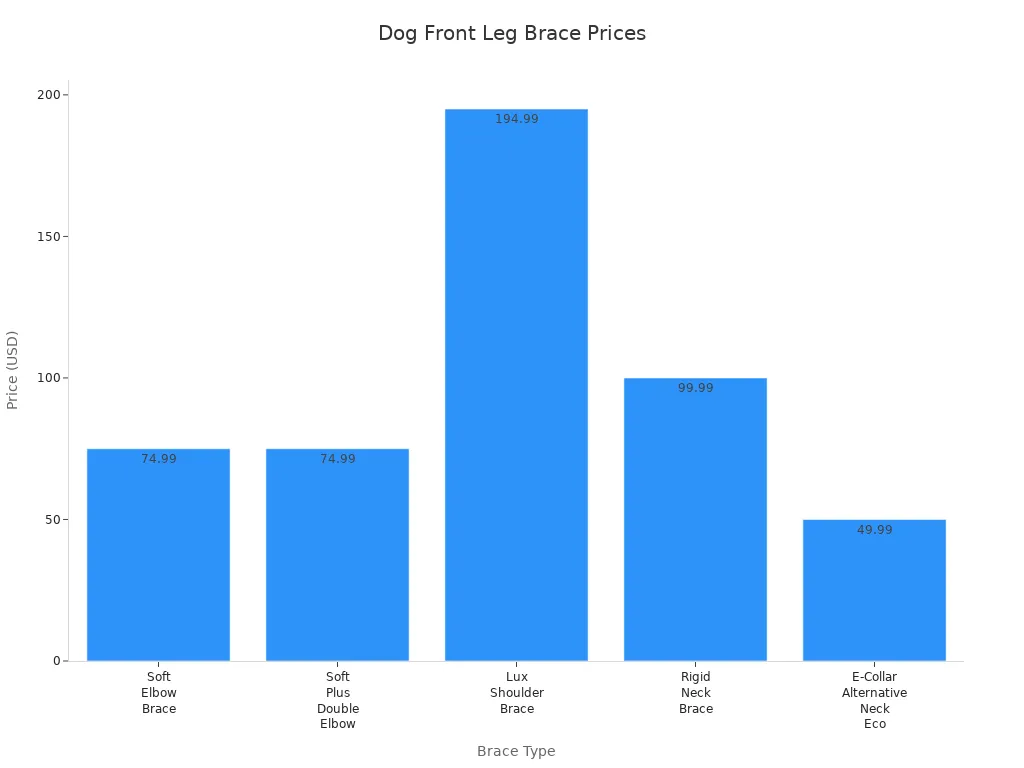
You want to know how much a dog front leg brace costs before you buy one. Prices depend on the type and quality of the brace. Soft elbow braces usually cost less than rigid or custom designs. You can see the price range for different braces in the table below:
Type of Brace | Price |
|---|---|
Soft Elbow Brace | $74.99 |
Soft Plus Double Elbow Brace | $74.99 |
Lux Shoulder Brace | $194.99 |
Rigid Neck Brace | $99.99 |
E-Collar Alternative Neck Eco | $49.99 |
Most braces for the front leg fall between $50 and $200. Custom braces and full-limb support options cost more because they use special materials and fit your dog’s leg shape. You can choose between carpal braces for the wrist and elbow braces for higher support.
Tip: You should compare prices and features to find the best brace for your dog’s needs.
Online and Local Purchase Options
You can buy a dog front leg brace online or at local pet stores. Online stores offer a wide range of braces, including custom and adjustable options. Many websites let you choose the right size and support level for your dog. You can also find braces at veterinary clinics or specialty pet shops.
Here are some trusted online stores where you can find dog front leg braces:
Store Name | Product Link |
|---|---|
VitalVet | |
LovePlusPet | |
Ortho Dog |
You can visit your local pet supply store to see braces in person. Some stores offer fitting help and advice. Veterinary clinics may carry braces or recommend brands that suit your dog’s front leg support needs.
Note: Always check the return policy and sizing guide before you buy a brace. This helps you get the right fit and support for your dog.
You have many options to find a dog front leg brace that fits your budget and your dog’s daily support needs.
A dog front leg brace gives your dog steady support for daily life. You help your dog move with more confidence and less pain. Braces limit harmful movements and stabilize weak joints, which improves mobility and comfort. You should watch for signs like limping or stiffness and act early. Always check the fit and use the brace each day. Regular visits to your veterinarian keep your dog safe. You give your dog the best chance for active living with the right support.
FAQ
How do you know if your dog needs a front leg brace?
You notice limping, weakness, or trouble standing. Your dog may avoid stairs or play less. If you see these signs, a dog front leg brace can help provide daily support and stability.
Can your dog wear a front leg brace all day?
You can let your dog wear the brace during active hours. Remove it at night or when your dog rests. Check the fit often to keep your dog comfortable and safe.
How do you clean a dog front leg brace?
You clean most braces with mild soap and water. Dry the brace completely before you put it back on your dog. Always follow the product instructions for best results.
Will a dog front leg brace help with walking?
A brace supports your dog’s front leg and helps improve stability. You may see your dog walk with more confidence and less discomfort after using the brace.
Where can you buy a dog front leg brace?
You find braces online, at pet stores, or through your veterinarian. Choose a brace that fits your dog’s needs and check sizing guides before you buy.
