
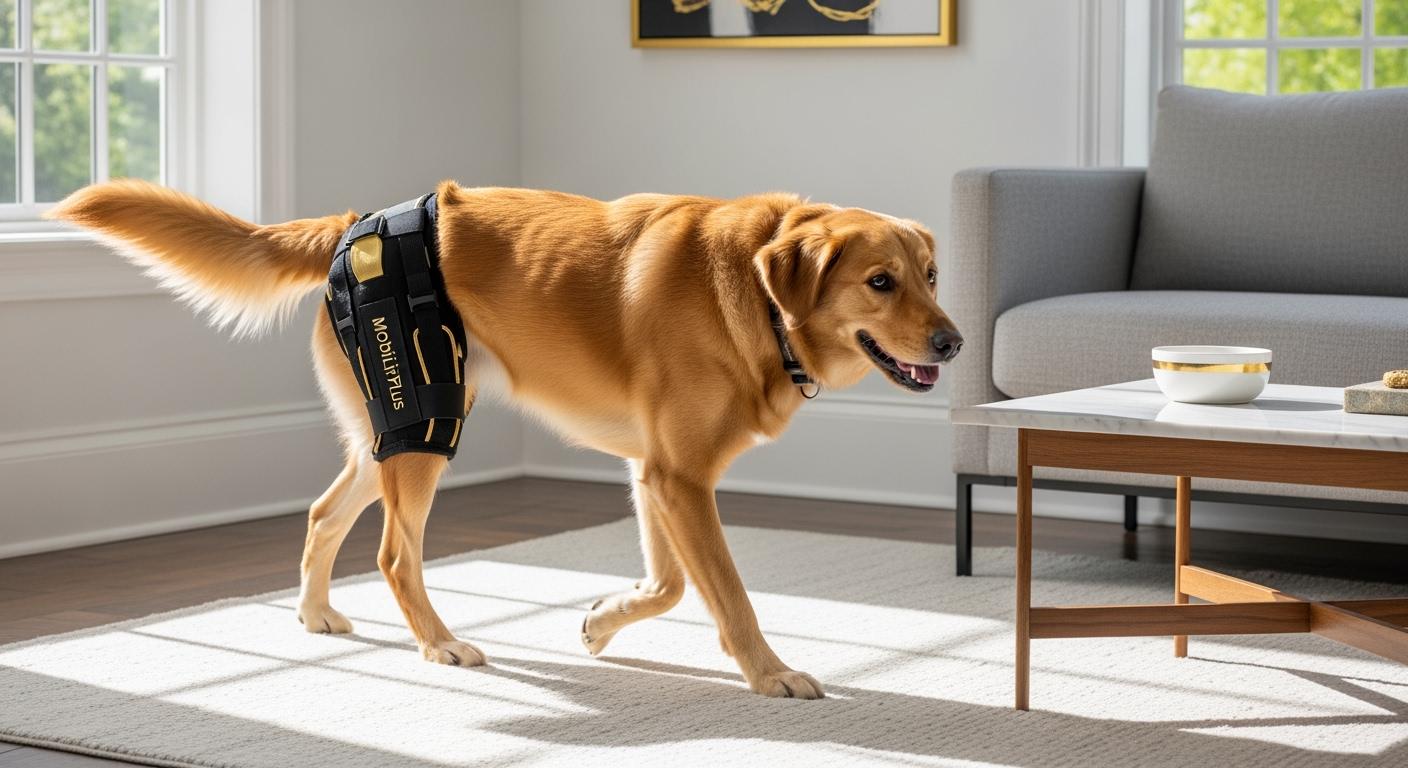
Yes, a dog hip dysplasia brace can help support the back legs and make moving around easier. Many dogs have hip dysplasia. About 16% of all breeds get it. Pugs and bulldogs get it even more often. You might see your dog having trouble standing up or walking. A brace keeps the hip steady. It lowers pain and helps your dog move better. Studies show braces help dogs stand, walk, and feel good during the day. You can help your dog be more active with this support.
Key Takeaways
A dog hip dysplasia brace gives important help to weak back legs. It helps your dog walk and move with less pain.
Watch for signs like limping or trouble standing. These signs can show your dog may need a brace.
Pick a brace that fits your dog well. Make sure it is made from soft and comfortable materials so your dog can wear it without extra soreness.
Talk to your veterinarian before you choose a brace. This helps confirm whether hip bracing, lift support, or a combined plan is the right match for your dog’s needs.
Check your dog’s comfort and movement often. This helps you see if the brace works well. Change the brace if your dog needs more help.
What Is Dog Hip Dysplasia
Hip Joint and Rear-End Issues
You may notice changes in your dog’s hips as they age or become less active. Hip dysplasia in dogs happens when the hip joint does not form or fit together as it should. This condition affects the rear-end and can make daily movement harder. The joint becomes loose, which leads to pain and less stability. You might see these changes in your dog’s body:
Abnormal joint laxity, which means the joint is too loose
Malformation of bones in the hip area
Improper alignment of the femoral head and acetabulum (the ball and socket of the hip)
These changes can cause inflammation and pain. Over time, you may notice abnormal wear on the joint surfaces. Some dogs may even develop osteoarthritis or face the risk of joint dislocation. These issues make it hard for your dog to move comfortably.
Tip: Early signs of mild to moderate hip dysplasia can be subtle. Watch for any changes in how your dog stands or moves.
How Dysplasia Impacts Mobility
Dysplasia affects your dog’s ability to walk, run, and stand. You might see your dog limp a little when getting up after rest. Some dogs prefer to watch other dogs play instead of joining in. This shows that dysplasia can lower your dog’s interest in exercise.
You may also notice these signs:
Lameness caused by joint laxity, inflammation, and pain
A “bunny hop” gait, where both hind legs move together
Hesitation to jump or climb stairs
Getting tired quickly during walks or play
Shifting weight from one leg to another while standing
As dysplasia gets worse, the hip joints do not fit together well. This can lead to painful arthritis and muscle loss, making it even harder for your dog to move. If you see these signs, you may want to compare dog hip brace options to help support safer daily movement and better comfort.
Signs Your Dog Needs Support
Hind Leg Weakness and Instability
Your dog may seem weak in the back legs. This is a usual sign of dysplasia. Sometimes, your dog looks shaky or has trouble getting up. You might see limping or less muscle in the back legs. Dogs may use one leg more than the other. Some dogs sit with their legs off to the side. You could notice your dog licking or chewing near the hip or thigh. If you touch the hip and your dog acts hurt, it may need help. Dogs that stand with their back legs close together might be trying to feel less pain.
Common signs are:
Stiffness in the morning that gets better after moving
Limping after naps but walking better later
Trouble moving when it is cold or rainy
Restless nights because of discomfort
Note: Weak back legs often mean your dog needs more help to move every day.
Difficulty Standing or Walking
Dysplasia can make it hard for your dog to stand or walk. Your dog may pause at stairs or not want to jump into the car. Sometimes, you hear the hips make clicking noises when your dog moves. Your dog might hop with both back legs or sway while running. Getting up or moving after rest can be hard. Your dog may not want to play or exercise as much. Dogs do not always cry out, but you might see limping or uneven muscles in the back legs. Some dogs stand with their back legs close together to feel better.
Signs to look for:
Limping or trouble walking
Slow to lie down or get up
Not wanting to follow commands like “sit”
Looks uncomfortable when moving the back legs
Reduced Activity and Stiffness
Your dog may not want to walk, play, or do normal things. Dysplasia can make your dog stiff after sleep or in cold weather. Your dog might have a hard time getting up after resting for a long time. Some dogs avoid stairs or look uncomfortable using them. They may not want to jump into cars or onto furniture. You might see smaller back leg muscles and bigger shoulder muscles. Your dog could act grumpy or not want to be around people.
Typical behaviors are:
Lying down a lot during walks
Not wanting to get up from favorite spots
Saying no to playing fetch
Flinching if you touch the hip area
If you see these signs, a dog hip dysplasia brace can help. This support lets your dog move better and feel more comfortable each day.
Why Use a Dog Hip Dysplasia Brace
Rear-Leg Support and Stability
For product-side comparison, review our dog hip brace options for dogs with weak hips, rear-end instability, or reduced daily mobility. If your dog has trouble standing or walking, it may need extra help. The brace goes around the hips and back legs. It keeps the joint steady and helps stop it from moving too much. This makes the hip feel stronger and less tired.
Using a dog hip brace can help your dog move with less pain. When rear-end weakness is more pronounced, teams often pair bracing with dog lift harness options for transfers, stairs, and bathroom breaks. The brace stops the hip from sliding out of place. Many people use a hip brace with other tools, like a leg brace or a harness. These tools work together to help your dog stay active and happy.
Note: Orthotic braces do not fix hip dysplasia. They help your dog feel better and move easier.
You can use the brace for walks, bathroom trips, or rehab. The brace gives gentle pressure and support. This helps your dog feel safe when moving. The brace can also slow down muscle loss by letting your dog move safely.
Improving Daily Mobility
A dog hip dysplasia brace can really help your dog every day. Many owners see their dogs walk better and look more sure of themselves. For example, Bella the dog walked straighter after using a hip harness. She seemed happier and more at ease in her daily life. These small changes can make a big difference over time.
Your dog may stand up easier or walk farther. The brace lowers pain by holding the hip steady. This means your dog can play or go for short walks. The brace also helps your dog keep balance. Your dog may not sway or hop as much as before.
Dog braces are a good choice for many families. You can use them with rehab, exercise, and other aids. The goal is to help your dog move better and stay active. A dog hip dysplasia brace gives your dog a better chance to feel good and enjoy life.
Tip: Always ask your vet before trying new treatments or braces for your dog.
A dog hip dysplasia brace gives:
Support for weak hips and back legs
Better balance when walking or standing
Less pain and stress on the hips
Help with daily things like walks and bathroom breaks
A simple way to help your dog move better
You can use a brace for old dogs, dogs healing from injury, or dogs with joint problems. Braces work best when you pick the right one for your dog’s needs. With the right plan, your dog can feel more free and comfortable each day.
Types of Hip Support for Dogs
Full Hip Braces
Dog hip brace options are a good starting point if your dog needs stronger hip-level support. These braces wrap around the hips and back legs. They help keep the hip joint steady and stop too much movement. Full hip braces work best for dogs with bad hip dysplasia. Some brands, like Walkin’ Hip-EEZ, make these braces. You can also get custom braces made for your dog. These braces give pressure and help keep the hips stable. They help your dog walk and stand with less pain. Some full hip braces also help dogs heal after hip surgery.
Tip: You can use full hip braces with other devices, like joint stabilizers or pelvic harnesses, for more support.
Rear-Leg Wraps and Lifting Aids
Rear-leg wraps and lifting aids are another way to help your dog’s hips. These wraps give gentle pressure and help you lift your dog when needed. You can use dog lift harness options to help your dog walk, go outside, or manage short assisted movements more safely. Rear-leg wraps help lower swelling and help healing in early or middle hip dysplasia.
Benefits of Rear-Leg Wraps and Lifting Aids | Limitations of Rear-Leg Wraps and Lifting Aids |
|---|---|
Gives pressure to lower swelling and help healing. | Not good for dogs who cannot walk or stand alone. |
Helps dogs with early or middle hip dysplasia stay active. | May take time to see results; not the only solution. |
Custom hip braces give the best support for your dog. | Dogs with bad hip dysplasia may need a wheelchair. |
For older dogs or dogs that need more day-to-day lifting help, review our senior dog mobility support harnesses guide.
You can use these braces with other devices for better help. If your dog needs more support, try a hip harness or maybe a dog wheelchair.
Custom vs. Off-the-Shelf Options
You can pick custom or off-the-shelf hip braces for your dog. Custom braces fit your dog’s body perfectly. They give strong support and feel comfortable. Off-the-shelf braces are easy to buy and cost less money. They might not fit as well as custom ones.
“Custom braces are made for your dog’s size and shape. They give better support and comfort. Off-the-shelf braces are easier to get and cheaper. But they may not fit right and could cause problems. Custom braces match your dog’s leg and help keep the knee steady and lower pain. Off-the-shelf braces may not help active dogs enough.”
When you choose hip support, think about your dog’s size and how active it is. Orthotic devices like hobbles, joint stabilizers, and pelvic harnesses can help too. You might also need dog braces for more support. Always ask your vet before picking hip support for your dog.
Key Brace Features for Mobility
When picking a dog hip dysplasia brace, look for features that help your dog move and feel good. The right brace can help the hips and back legs. This makes daily things easier for your dog. Here are the most important things to look for:
Fit and Adjustability
A good fit is very important for any brace. For a broader comparison of brace types, fit priorities, and support levels, start with our dog brace for hips guide. Custom hip braces match your dog’s body size and shape. This gives the best support for the joint. Adjustable straps let you change how tight the brace is. This keeps the brace in place when your dog walks or plays. If the brace fits well, it helps the ligaments and capsule. This can stop the hip from moving out of place. Make sure the brace holds the greater trochanter in the right spot between the straps. This keeps the joint steady and helps with alignment.
Tip: Always measure your dog before you buy a brace. A good fit gives better support and stops the brace from slipping.
Comfort and Materials
Comfort is important for your dog’s life. Pick braces made from light and breathable fabrics. These materials help stop your dog from getting too hot or having skin problems. Neoprene hip wraps are soft and bend easily. They are good for dogs with early or middle hip dysplasia. Adjustable straps make the brace more comfortable. Some braces are stiffer for dogs who need more support. Always check your dog’s skin for redness or sores if they wear the brace for a long time.
Durability and Ease of Use
Strong braces last longer and give steady support. Good materials can handle daily use like walking and bathroom trips. Easy designs help you put the brace on and take it off fast. This makes it simple to use the brace every day. Many companies now make braces that are strong and easy to adjust. This helps you keep your dog active without trouble.
Feature | Description |
|---|---|
Type of Brace | Neoprene wraps for mild cases; custom braces for more support |
Fit | Custom braces match your dog’s measurements for the best joint support |
Multi-modal Approach | Combine brace use with physical activity and joint health management |
A dog hip dysplasia brace with the right fit, comfort, and strength can help your dog move better and feel happier. Pick a brace that fits your dog’s needs and daily life.
Choosing the Right Support Solution
Measuring Your Dog
You want the best fit for your dog’s hip dysplasia brace. Start by measuring your dog’s hips, thighs, and waist. Use a soft tape measure. Write down the numbers for each area. Check the size chart from the brace maker. A good fit helps the brace stay in place and gives the right support. If the brace is too loose, it may slip. If it is too tight, it can cause discomfort. Always measure when your dog is standing. This gives the most accurate size.
Tip: Measure twice to make sure your numbers are correct.
Consulting Your Veterinarian
You should talk to your veterinarian before buying a brace. Your vet knows your dog’s health history. They can give advice that matches your dog’s needs. A veterinarian will check how bad the hip dysplasia is. They can suggest the best type of brace. Your vet will also make sure the brace fits well. This helps prevent problems from using the wrong size. Your vet will want to see how your dog does with the brace. They may ask you to come back for check-ups.
Your veterinarian can:
Give advice based on your dog’s needs
Check the severity of hip dysplasia
Suggest the right brace type
Make sure the if fits well
Monitor your dog’s progress
Matching Support to Your Dog’s Needs
Every dog is different. You should think about your dog’s daily routine. Some dogs like short walks. Others enjoy fetch or swimming. Pick a brace that supports your dog’s favorite activities. For daily walks, choose a brace that allows easy movement. If your dog likes to play fetch, look for a brace that gives support but does not limit running. Swimming can help dogs with joint issues. Hiking or agility games may need a stronger brace.
Activities to consider:
Walks at a slow or fast pace
Fetch on soft grass
Swimming for joint health
Hiking for adventure
Indoor games like hide-and-seek or puzzle toys
You want a brace that fits your dog’s lifestyle. This helps your dog stay active and happy.
Tips for Successful Brace Use
Introducing the Brace
You want your dog to feel comfortable and safe when starting with a new brace. Take time to help your dog adjust. Start by letting your dog sniff and see the brace before putting it on. Use gentle praise and treats to create a positive experience. Put the brace on for short periods at first, then slowly increase the time as your dog gets used to it.
Teach your family how to put on and take off the brace correctly.
Make sure everyone knows how to check for a good fit.
Keep the brace clean and dry to protect your dog’s skin.
Give your dog breaks from the brace for bathing and hygiene.
Watch your dog’s reaction and comfort level during the first few days.
Tip: Regular check-ins with your veterinarian help you track your dog’s progress and answer any questions about the brace.
Monitoring Comfort and Mobility
You need to watch your dog closely after starting a dog hip dysplasia brace. Look for signs that show your dog feels comfortable and can move well. Use this table to guide your daily checks:
Action | Description |
|---|---|
Ensure proper fit | Check that the brace fits well to prevent discomfort. |
Remove during rest | Take off the brace during rest periods to allow the skin to breathe. |
Consult a veterinarian | Seek professional advice for optimal use of the brace. |
If you notice redness, swelling, or changes in how your dog walks, contact your veterinarian. Some dogs may need adjustments to the brace for better mobility. Dog braces work best when you check your dog’s comfort and movement every day. This helps your dog stay active and happy.
Real-Life Mobility Improvements
Owner Testimonials
You want to know if a dog hip dysplasia brace really helps. Many owners have shared their stories. They often see their pets become more active and happier. Here are some things owners have noticed:
Most owners say their dogs walk with more confidence after using a brace.
Many people report that their dogs play and interact more with family members.
Owners notice less limping and more willingness to go outside.
Improved mobility can lead to better behavior and engagement. Some owners even say their dogs seem more eager to join in daily activities.
About 80% of owners report improvements in their dogs’ mobility and quality of life.
You may find that your dog enjoys walks again. Some owners say their pets even try to climb stairs or jump onto the couch after using a brace. These changes can make life better for both you and your dog.
Case Examples
Let’s look at some pet stories. One owner, Sarah, used a hip brace for her senior Labrador. She saw her dog stand up faster and walk farther during daily outings. Another family tried a brace for their young shepherd mix. Their dog started playing fetch again and showed less stiffness after naps.
You might see your dog wag its tail more or greet you at the door. Some owners share that their dogs become more social and less anxious. Many owners have positive experiences with braces. They feel happy when their dogs move with less pain and more freedom.
Tip: Keep track of your dog’s progress. Write down changes in activity or mood. This helps you see the benefits over time.
A dog hip dysplasia brace can give your pet a new chance to enjoy life. You can help your dog stay active and comfortable with the right support.
Safe Use and Expectations
What to Expect from a Brace
When you use a dog hip dysplasia brace, you help your dog move with more comfort. You should know that the brace supports the joint and helps decrease pain, but it does not cure hip dysplasia. Most owners see their dogs walk with less pain and stand up with more confidence. You may notice your dog has better balance and can join in daily activities again.
You should follow a break-in schedule. Start with short sessions and slowly increase the time your dog wears the brace. Take the brace off when your dog rests. This helps prevent rubbing and keeps the skin healthy. Always check the fit and look for any redness or swelling near the dog’s hip or joint. Use rugs or mats on slippery floors to help your dog feel safe.
Here is a table to help you know when a brace is a good choice:
Criteria | Green (brace is reasonable) | Yellow (brace only with controls) | Red (brace not appropriate today) |
|---|---|---|---|
Symptom severity | Mild/moderate | Moderate with caution | Severe pain |
Ability to rise/walk | Stable | Some instability | Cannot rise |
Age/timing window | Adult, outside surgery | Young, screening needed | Young, urgent screening needed |
Body condition | BCS 4–5/9 | Slightly above ideal | Well above ideal |
Owner routine | Consistent, short sessions | Some inconsistency | Unable to follow routine |
You should review realistic dog hip dysplasia support brace expectations and look for gradual improvements in your dog’s movement and comfort. Watch for delayed muscle soreness, which can show up one or two days later. Go slow with the activity level and always use a pain plan if your veterinarian suggests it.
When to Seek Veterinary Advice
You need to know when to ask your veterinarian for help. If your dog cannot rise, shows severe pain, or gets worse while using the brace, contact your veterinarian right away. You should also seek advice if you see swelling, sores, or changes in how your dog uses the joint. Young dogs may need early screening for surgery. Your veterinarian can help you decide if the brace is the right choice.
Follow these safety tips for best results:
Do not expect the brace to fix hip dysplasia. Use it to decrease pain and support the joint.
Go slow with new activities. Watch for soreness.
Check the fit and your dog’s skin twice a day for two weeks.
Remove the brace during rest.
Keep your dog at a healthy body condition score.
Use rugs or mats to prevent slips.
Always talk to your veterinarian if you see bad signs or your dog cannot get up.
You help your dog most when you use the brace with care and keep in touch with your veterinarian. This gives your dog the best chance for comfort and better mobility.
A dog hip dysplasia brace helps your dog’s back legs feel stronger. It can make moving around each day much easier. You want your dog to have a good life. The right support can really help. Always ask your veterinarian for advice that fits your dog. With the right care and tools, your dog can stay active. This means your dog can enjoy life more. Pick options that help your dog feel comfortable and move better. This way, you and your dog can be happier together.
FAQ
How do you know if your dog needs a hip dysplasia brace?
You may notice your dog struggles to stand, walk, or climb stairs. Signs include weak back legs, swaying hips, or less activity. If you see these changes, a dog hip dysplasia brace can help support your dog’s daily movement.
Can a dog hip dysplasia brace be worn all day?
You should let your dog wear the brace during active times, like walks or bathroom breaks. Remove the brace during rest or sleep. This keeps your dog’s skin healthy and prevents discomfort.
Will a dog hip dysplasia brace fit all breeds and sizes?
Most braces come in different sizes. You need to measure your dog’s hips and legs for the best fit. Some brands offer custom options for unique shapes or large breeds.
How do you clean a dog hip dysplasia brace?
Remove the brace and check the label for cleaning instructions. Most braces use washable materials. Hand wash with mild soap and air dry. Clean the brace often to keep your dog comfortable.
Can a dog hip dysplasia brace help with bathroom breaks?
Yes, many braces support your dog during bathroom trips. Look for designs that allow easy movement and do not block your dog’s natural posture.
