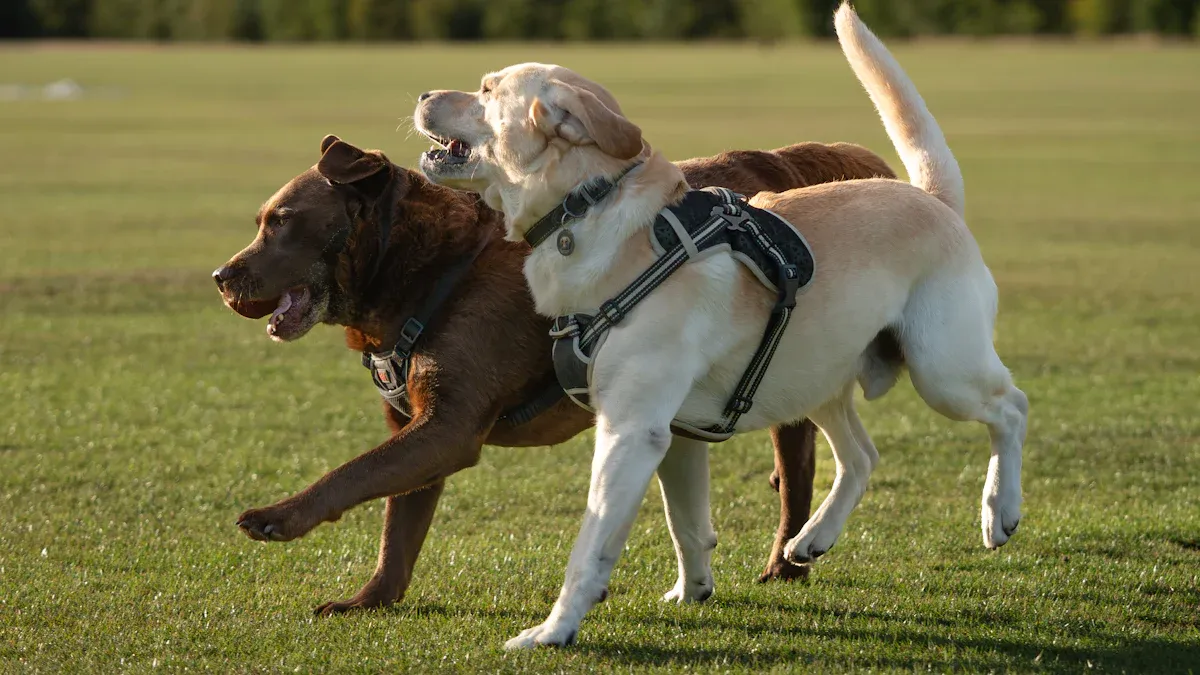
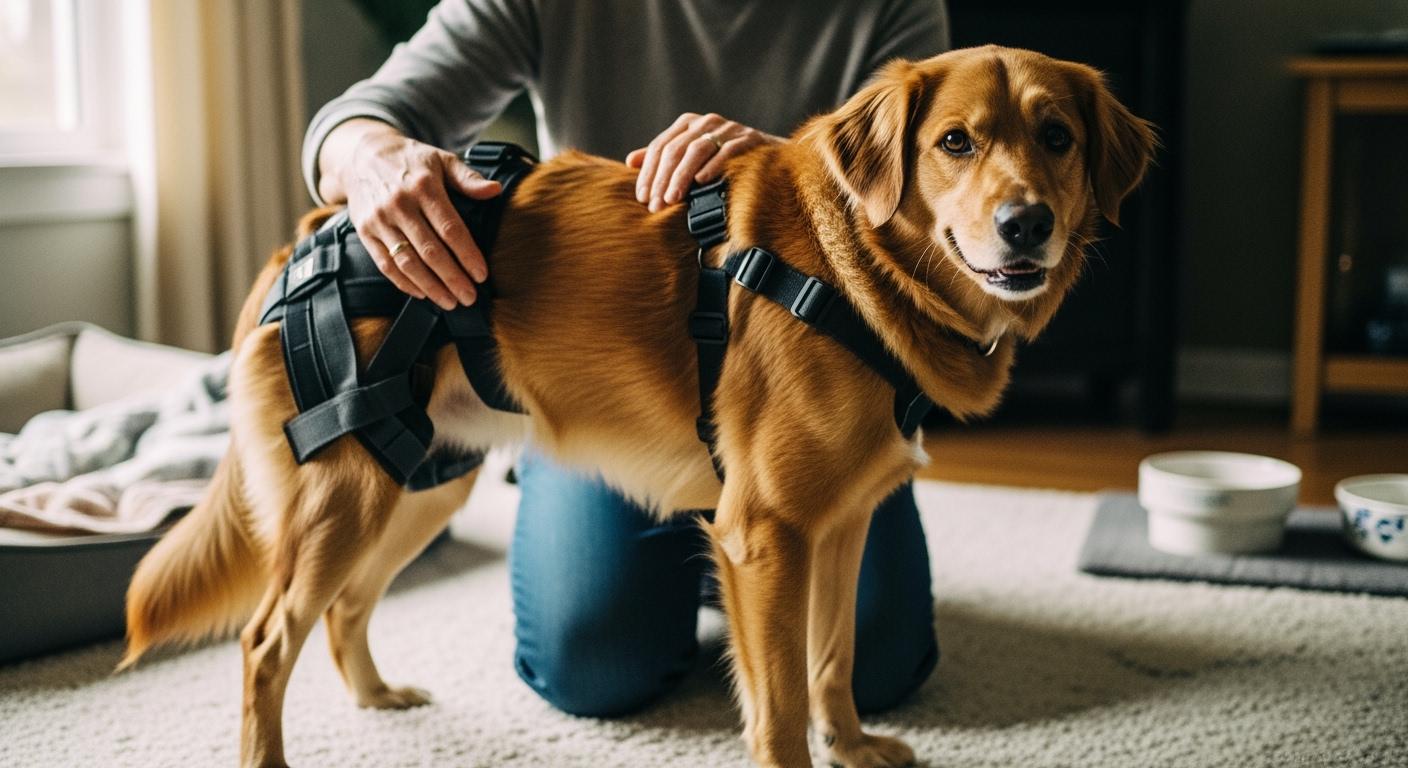
Dog hip support can help your dog move better, feel steadier, and maintain daily comfort. You might notice your dog has trouble standing up, sways in the back legs, or avoids stairs. Hip dysplasia, arthritis, age-related weakness, and post-surgical recovery can all lead to rear-end mobility problems. Many owners use support to make walking, standing, or bathroom breaks easier for their dogs. These tools can boost your dog’s quality of life. Always ask your veterinarian for advice that fits your dog’s needs.
Key Takeaways
Dog hip brace options, along with lift-assist tools, can help improve rear-end stability and daily comfort.
Watch for signs like trouble standing or walking to see if your dog needs hip support.
Pick the right hip support type by thinking about your dog’s size, comfort, and daily activity needs.
You can use more than one support, add supplements, and make changes at home to help your dog live better.
Always talk to your veterinarian for advice that fits your dog and to check how your dog is doing.
Dog Hip Support and Rear-End Mobility
What Is Dog Hip Support
Dog hip support means using products that help your dog’s hips and back legs move. For a broader comparison of brace types, fit priorities, and support goals, see our dog brace for hips guide. These products are things like hip braces, harnesses, and other tools. Hip braces hold the hip joint steady with gentle pressure. This pressure can make pain less and help your dog feel better. The brace helps the muscles around the hip work better. This gives your dog more control and balance. Support products stop big movements that can hurt. They help lower pain when your dog does normal things. You can use these tools to help your dog walk, stand, or move with more confidence.
Why Dogs Need Hip Support
A lot of dogs need hip support because of problems with their hips and back legs. Hip dysplasia is a problem some dogs are born with, especially bigger breeds. It makes the hip joint not fit right, which causes pain, weakness, and arthritis. Arthritis can happen from hip dysplasia or just from getting older. Dogs with arthritis may hurt, feel stiff, and not move as well. Older dogs, dogs healing from surgery, or dogs with weak back legs also need extra help. You might see your dog having trouble standing, walking, or going up stairs. Support can help with these problems and make your dog’s life better.
Rear-End Mobility Challenges
Dogs with hip problems have a hard time moving. You might see your dog struggle to get up after resting. Some dogs walk slowly, limp, or stay away from stairs and jumping. Others find it hard to get in and out of the car. Problems like hip dysplasia, arthritis, osteoarthritis, degenerative myelopathy, and healing after surgery can cause these issues. When things get worse, dogs can lose a lot of movement. Support like hip braces, lifting harnesses, and other tools can help your dog stay active and feel better. These tools do not take the place of treatment, but they can make moving easier and help with pain.
Signs Your Dog Needs Hip Support
If you notice changes in your dog’s daily movement, you may wonder if hip support could help. Dogs with hip dysplasia, arthritis, or age-related weakness often show clear signs that they need extra support. Paying attention to these behaviors can help you decide when to seek solutions.
Difficulty Standing and Walking
Many dogs with hip problems struggle to stand up or walk smoothly. You might see your dog:
Hesitate or take longer to rise from lying down.
Show stiffness or soreness after resting.
Limp or move with a “bunny-hopping” gait.
Seem less playful or active than before.
Show pain or discomfort during movement.
These signs often appear in dogs with hip dysplasia or arthritis. Difficulty standing and walking is one of the most common reasons owners look for hip support.
Swaying or Weak Hind Legs
Weakness in the back legs can make your dog’s walk look unsteady. You may notice:
Swaying in the rear end when walking slowly.
Both back legs pushing off together when running.
Limping that shifts from one leg to another.
Awkward or uncoordinated rear leg movement.
Loss of muscle tone in the hind legs.
Dogs with these signs often need help to stay balanced and comfortable.
Trouble Climbing Stairs or Jumping
Dogs with hip issues often avoid stairs or jumping. The table below shows common behaviors:
Symptom | Description |
|---|---|
Reluctance to climb stairs | Your dog may hesitate or refuse to climb steps or stairs. |
Difficulty jumping | Your dog may struggle to jump onto furniture or into the car. |
Hesitation before jumping | Your dog may pause before jumping into vehicles or onto beds. |
Trouble with stairs | Your dog may show discomfort or avoid stairs altogether. |
Reduced Activity and Stiffness
A dog that once loved to play may now prefer to rest. Look for these changes:
Prefers sitting or lying down over standing.
Spends more time grooming or resting.
Hesitant to exercise or go for walks.
Stiffness in the back legs while walking.
Reluctance to engage in favorite activities.
If you see these signs, your dog may benefit from hip support to improve comfort and mobility. For arthritis-focused brace use cases, see our dog hip brace for arthritis article.
Dog Hip Support Solutions

Hip Braces for Stability
A dog hip brace can help dogs with hip dysplasia or arthritis. It gives support and makes moving easier. Most braces use gentle pressure around the hip. This helps lower pain and makes walking better. There are different types of braces you can pick:
OrthoPets Custom Braces: These are made just for your dog. They use molds or 3D scans. They work well for tough cases or after surgery.
Balto Dog Hip Brace: This brace is light and easy to adjust. It gives gentle pressure and helps with hip dysplasia and arthritis.
My Pet’s Brace Custom Solutions: These use 3D scans for a perfect fit. They are good for long-term use and better movement.
Hip braces keep the hip joint steady and help your dog walk better. They stop big movements and give steady pressure. Many dogs feel safe with this support. You may see less pain, better movement, and a happier dog. The table below shows how braces help:
Benefit | Description |
|---|---|
Pain Reduction | A good brace can lower swelling and stop bones from rubbing, so your dog feels better. |
Improved Mobility | It keeps the hip in place and helps your dog walk more easily. |
Reduced Medication Dependency | It can be used instead of medicine, so your dog may need less medicine. |
Enhanced Quality of Life | It helps your dog do normal things and feel happier. |
The best dog hip dysplasia brace can help your dog feel better every day.
Lift Harnesses and Slings
Lift harnesses and slings are helpful for dogs with weak hips or back legs. You can use them to help your dog stand, walk, or go up stairs. These tools are great for dogs after surgery or with hip dysplasia. A lift harness lets your dog stay active on walks and bathroom trips. Slings give extra balance for dogs who have trouble moving. Pick a harness or sling that fits your dog.
Lift harnesses and slings help dogs with weak hips or back legs.
They make it easier for dogs to stand, walk, or climb stairs.
These tools are good for dogs after surgery or with hip problems.
For aging dogs with weak hind legs, balance loss, or daily transfer needs, review our senior dog mobility support harnesses guide.
Mobility Aids and Walking Assistance
Dog lift harness options can help with standing, stairs, bathroom breaks, and assisted walking when rear-end weakness is more obvious. Walking aids support your dog’s hips and make moving easier. The table below lists some common aids:
Mobility Aid | Description | Price Range |
|---|---|---|
RuffWear’s Web Master™ Harness | This harness has a big handle to help your dog move. | $50 |
Help ‘Em Up Harness | This harness supports both the front and back legs. | $90 to $110 |
Walkin’ Wheels | This is a wheelchair for dogs who can’t use their back legs well. | $250 to $500 |
Quad Cart | This cart has four wheels for dogs who can’t use their front legs much. | N/A |
These tools help your dog walk, stand, or move with less pain. They are great for dogs with arthritis or hip dysplasia. You can pick the best one for your dog’s needs.
Supplements and Comfort Products
Supplements can help dogs with hip problems feel better and move more easily. Natural supplements support joints and lower pain. The table below shows some common ingredients:
Supplement Ingredient | Main Benefit for Hip Problems in Dogs | Common Source |
|---|---|---|
Glucosamine | Helps fix and protect joint cartilage | Shellfish or vegan options |
Chondroitin | Helps joints hold fluid and slow damage | Bovine or marine cartilage |
MSM (Methylsulfonylmethane) | Lowers swelling and pain in joints | Plant-based sources |
Green Lipped Mussel | Gives omega-3s and nutrients to lower swelling | Mussels from the ocean |
Boswellia | A plant that helps lower joint pain | Resin from Boswellia trees |
Hyaluronic Acid | Makes joints move smoother and easier | Plant or animal sources |
You can also use comfort products to help your dog at home. These include:
Non-slip mats to stop slipping.
Ramps to help your dog get on furniture.
Orthopedic beds for sore joints.
Strollers and wheelchairs for dogs who can’t walk well.
Support wraps and slings for gentle help when standing.
Supplements and comfort products can help your dog feel better and move more. They are good for dogs with arthritis or hip dysplasia.
Home Routines and Modifications
You can make small changes at home to help your dog’s hips. The table below lists some helpful tools:
Tool/Modification | Benefit | Condition Addressed |
|---|---|---|
Mobility Support Tools | Help dogs feel better and support joints. | Arthritis, hip dysplasia |
Ramps and Steps | Make it safer for dogs to move and stop joint pain. | Arthritis, hip dysplasia |
Non-Slip Mats and Rugs | Give better grip and stop falls. | Weak legs, balance problems |
Orthopedic Beds | Support joints and lower stiffness. | Arthritis, hip dysplasia |
Support Wraps and Slings | Help dogs stand and walk if their legs are weak. | After surgery, weak legs |
Put ramps or steps near furniture to help your dog. Non-slip mats and rugs make floors safer. Orthopedic beds help sore joints. Support wraps and slings help your dog stand and walk after surgery. These changes can help your dog move and feel better every day.
Tip: You can use more than one dog hip support solution for your dog. Every dog is different and may need a mix of support, aids, and comfort products. Picking the right tools can help your dog have a happier life.
Choosing the Right Support Solution
Fit and Comfort
Your dog should feel safe and calm with hip support. A good fit stops pain and helps your dog move better. Think about these things when you pick a product:
Size: Choose support that matches your dog’s body size. This gives the best balance.
Sleeping Position: Watch how your dog sleeps. Pick a bed or brace that fits how they like to rest.
Range of Motion: Make sure your dog can get in and out of bed easily. They should move without pain.
Bed Material: Memory foam and soft fabrics feel nice. They help lower joint pain.
Adjustability and Support Level
Adjustable hip supports let you change the fit for your dog. This helps your dog move in a normal way and keeps hips steady. Look for products with elastic straps or parts you can adjust. These supports help muscles work and improve how your dog stands. Using them often helps your dog feel more steady and comfy each day.
Elastic straps give even support and help hip muscles get stronger.
Adjustable supports let your dog move and help stop pain.
A custom fit makes your dog more stable and able to move.
Material and Durability
Strong materials keep hip supports safe and working well. You want something that lasts and feels good for your dog. The table below shows what some products offer:
Feature | K9 HipLign™ | Help ‘Em Up Harness |
|---|---|---|
Material | 4-way stretch, non-restrictive | 42% rayon, 58% nylon |
Lightweight & breathable | Yes | Yes |
Washable & durable | Yes | Yes |
Comfort | Designed for both hips | Soft and flexible |
Functionality | Improves posture and stability | Easy to use |
Ease of Use for Daily Activities
Pick hip support that fits your daily life. Easy products save time and make things less stressful for you and your dog. Find harnesses or braces that are simple to put on and take off. Non-slip mats, ramps, and orthopedic beds also help your dog move safely and feel good.
Put non-slip mats where your dog walks a lot.
Use ramps or stairs for places your dog likes.
Give your dog orthopedic beds to help their joints.
Safe Use and Realistic Expectations
Safety is most important when using hip support. Always check the fit and watch your dog for pain or problems. Ask your veterinarian for help. Most owners see their dogs move better and feel braver. Be happy about small wins, like standing up easier or walking farther. Remember, hip support helps your dog move and feel better but does not fix hip problems.
Tip: Be patient and stay positive. Every small step helps your dog’s life.
You are important for your dog’s comfort and movement. Pay attention if your dog moves differently. Help your dog stay healthy by making good choices. Ask your veterinarian for advice often. Using dog hip support early can keep joints healthy. It can also stop more problems from happening.
Check what your dog needs every day and change routines if needed.
Take your dog to the veterinarian for check-ups to find problems early.
Make a plan with your veterinarian that works for your dog.
Taking care of your dog early means a better life and more happy times together.
FAQ
How do I know if my dog needs hip support?
You notice your dog struggling to stand, walking with weak hind legs, or avoiding stairs. These signs suggest your dog may benefit from dog hip support for improved mobility and comfort.
What types of dog hip support are available?
You can choose hip braces, lift harnesses, mobility aids, supplements, or comfort products. Each option helps your dog move better and feel steadier in daily activities.
Can dog hip support help senior dogs?
Dog hip support helps senior dogs stay active and comfortable. You provide stability and assist with walking, standing, and bathroom breaks, making daily life easier for your aging pet.
How do I choose the right dog hip support?
You select hip support based on fit, comfort, adjustability, and durability. Look for products that match your dog’s size and needs. Ask your veterinarian for guidance.
Is dog hip support safe for daily use?
Dog hip support is safe when you use it correctly and check for proper fit. Monitor your dog for any discomfort. Consult your veterinarian for ongoing advice and support.