
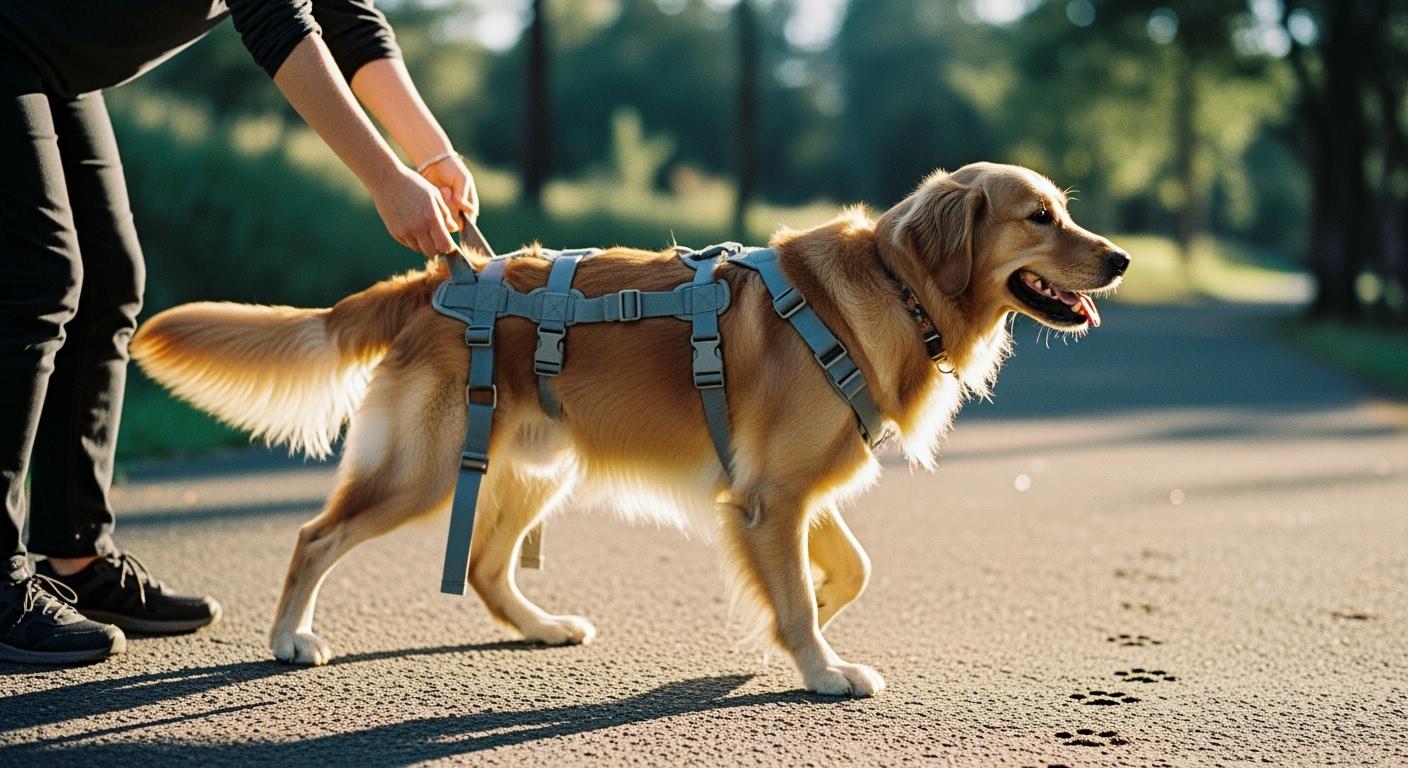
You can find helpful dog IVDD support solutions that make your dog’s back stronger and help them move every day. IVDD happens to about 2% of dogs each year, and Dachshunds have a much bigger chance of getting it. With the right help, you can help your dog deal with weakness, walking problems, or pain. Studies show that a back brace can keep the spine steady, stop twisting, and help your dog move with less pain. Always ask your veterinarian for advice that is best for your dog.
Key Takeaways
IVDD is a problem for many dogs, especially Dachshunds. Early signs are not wanting to move and having a stiff back. Look for these signs so you can get help fast.
Back braces and mobility aids can make your dog feel better and move easier. These tools lower pain and help with daily things your dog does.
Keeping your dog at a healthy weight and eating well is very important for dogs with IVDD. Good food helps take stress off the back and keeps your dog healthy.
Always talk to your veterinarian before you use any support tools. They will help you pick the best choices for your dog’s needs.
Doing gentle exercise often and making your home safe can stop injuries and help your dog get better. Use ramps and stay away from slippery floors.
What Is Intervertebral Disc Disease?
IVDD Explained Simply
You may hear your veterinarian talk about intervertebral disc disease, or IVDD. This condition affects the discs that sit between the bones in your dog’s spine. These discs act like cushions, helping the back move smoothly and absorb shock. When IVDD happens, these discs can become weak, bulge, or even break open. This can put pressure on the spinal cord and nerves.
Some breeds, especially those with long backs and short legs, face a higher risk. Dachshunds are well known for developing IVDD, but other breeds like Pekingese can also be affected. The main causes of IVDD include:
Genetic origin
Trauma
Inadequate nutrition
Physiological aging
Loading history
Veterinary research shows that genetics play a big role, especially in dachshunds. You should know that IVDD can happen because of age, injury, or even how your dog moves every day.
Effects on Back and Mobility
IVDD can change how your dog’s back and rear-end mobility system work. When a disc pushes on the spinal cord, it can cause pain, weakness, or even paralysis. You might notice your dog walking with a wobbly or swaying gait. Sometimes, dogs drag their hind legs or cross them when trying to walk. Pressure on the spinal nerves can make your dog feel pain or lose control of their bladder and bowels.
Note: IVDD can damage the nerves that help your dog stand, walk, and move comfortably. This is why you may see changes in daily movement or posture.
As the discs harden and bulge, they can block nerve signals. This affects your dog’s ability to move, jump, or climb stairs.
Signs of IVDD in Dogs
You should watch for early signs of IVDD. These signs can help you notice problems before they get worse:
Reluctance to move or play
Stiff or hunched back
Shivering or shaking (not from cold)
Crying out in pain when moving or being touched
Wobbly walk or dragging rear paws
Reluctance to jump up or down
Hesitation on stairs
Abnormally arched posture
Tense belly muscles
If you see these signs, talk to your veterinarian. Early support can help manage your dog’s comfort and mobility.
Why Dog IVDD Support Matters
Back Stability Benefits
You want your dog to feel safe and steady. IVDD can make your dog’s back weak. This makes it hard for them to move. Dogs with IVDD may have trouble walking or standing. Their back legs can get weak. Some dogs hunch over or feel stiff. They might cry when you touch them. These problems make life tough for your dog.
Dog IVDD support helps keep the back steady. It also helps the spine and rear-end move better. The right support lets your dog stand and walk with less pain. Many owners see their dogs get more active and happy. Dog back support helps your dog stay in the right position. It also lowers pressure on the spine. This support can help your dog feel less scared to move.
Tip: Look for early signs like not wanting to move, shaking, or walking wobbly. Helping early can make your dog feel better.
Safer Mobility and Movement
Dog IVDD support makes moving safer each day. Dogs with IVDD can lose balance and have trouble moving. You might see your dog drag their back legs. Some dogs walk on their knuckles or seem unsteady. These problems can cause falls or injuries.
Mobility tools like wheelchairs, harnesses, and braces help your dog move. Alfie, a Maltese X Cavalier, used a wheelchair to enjoy daily life again. Odie and Bandit also moved better with the right support. These tools lower weight and pressure on the spine. They help your dog move in the right way. They also let your dog play outside again.
When you use dog IVDD support, your dog moves with more control. There is less risk of getting hurt. Your pet can stay active and enjoy life, even with IVDD.
When to Use Mobility Assistance
Recovery Periods
You might need to help your dog move after IVDD surgery or when the disease starts. Dogs often need extra help to move safely during this time. Crate rest is important for healing. Tools like back braces and wheelchairs can help a lot. These tools keep your dog’s back steady and take pressure off the spine. A wheelchair can help your dog move around while getting better. This support helps your dog feel braver and more independent as they heal.
Tip: Always talk to your veterinarian before you try any new support tool during recovery.
Daily Movement Challenges
Many dogs with IVDD have trouble moving every day. You might see your dog struggle to walk, stand, or use stairs. Back braces and wheelchairs can make these things easier. The table below shows how each tool helps your dog’s back and movement:
Mobility Solution | Benefits |
|---|---|
Back Braces for IVDD | Helps stop more spine damage, keeps the spine steady, eases back pain, helps movement |
Wheelchair for IVDD | Lets your dog move, takes weight off the spine, keeps the body lined up, helps your dog stay independent |
You can use these tools for short walks, bathroom breaks, or moving around the house. They help your dog stay active and safe, even if moving is hard.
Hind Leg Weakness
Hind leg weakness is common in dogs with IVDD. You may see your dog drag their back legs or have trouble standing up. Tools like wheelchairs and harnesses help your dog move with less work. These tools take weight off the back and help the rear-end move better. They also let your dog join in daily life and enjoy being outside. During healing, these tools can help your dog go to the bathroom and get gentle exercise.
Note: Pick a good back brace or wheelchair that fits well and helps your dog feel comfortable and move easily.
Dog IVDD Support Solutions
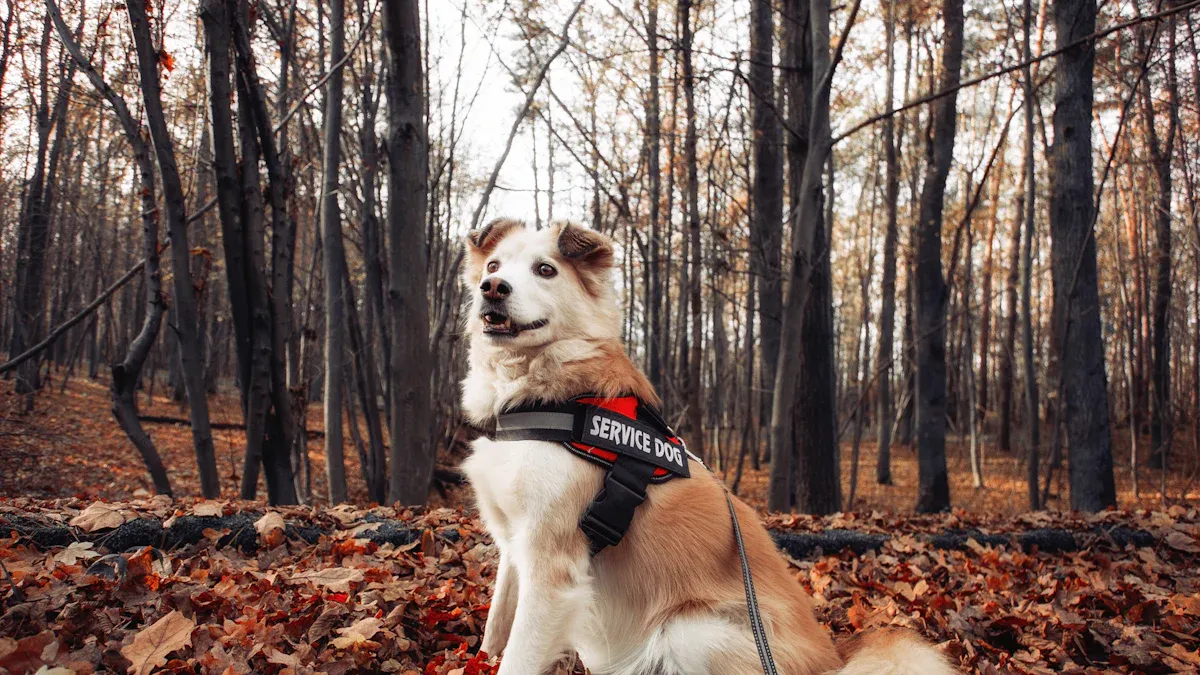
Dog IVDD support uses special tools to help your dog’s back and movement. These tools make your dog feel steadier and help them move every day. They also make therapy easier for your dog. You can pick different supports based on what your dog needs. Some dogs need help to stand or walk. Others need more control when getting better. Here are the main types of support and how they help your dog feel better.
Back Braces
Back braces for IVDD give your dog’s spine extra support. These braces keep the back steady and stop too much twisting. You can use a back brace during therapy, healing, or daily walks. The WiggleLess Back Brace is a favorite for many owners. It gives strong support and helps stop painful moves.
Here is a table that shows types of braces and what they do:
Brace Type | Spinal Support | Mobility Aid | Best For | Usage Duration |
|---|---|---|---|---|
Lumbar Support Brace | High (Lumbar) | Moderate | Early-stage IVDD, activity restriction | Long-term or intermittent |
Torsion Control Brace | Very High (Rotation) | Low | Post-surgery recovery | Short-term (6–8 weeks) |
Full-Body Harness Brace | Full Spine + Limbs | High | Non-ambulatory or weak dogs | Long-term or permanent |
Proprioceptive Assistance | Minimal (No spinal support) | Moderate (Coordination) | Neurological recovery, gait training | As needed during rehab |
A good back brace should fit well and feel soft. It should let your dog move safely. Look for braces made from strong but comfy materials. The right brace can help your dog hurt less and walk with more confidence. You can use a back brace in therapy to keep your dog’s back straight. This support stops more injury and makes moving safer.
Mobility Aids and Wheelchairs
Mobility aids and wheelchairs help your dog move when walking is hard. The Walkin’ Wheels Dog Wheelchair is a top pick for many dogs with IVDD. This wheelchair holds up the rear-end and takes weight off the back. Your dog can use a wheelchair for therapy, walks, or play. A wheelchair lets your dog be more independent and enjoy life more.
Here is how these tools help your dog:
Wheelchairs help your dog move and do things alone.
They take pressure off the spine and back.
Your dog can join in therapy, walks, and play.
Back braces keep the spine steady and lower pain.
“Since Airlie had IVDD spinal surgery, he has been getting stronger and stronger. He’s exactly the same dog as before, he still loves chasing sticks and going for walks, only now he’s on wheels! His wheelchair has enabled him to have an amazing quality of life.” – Sean Hooton
You can use aids like the Maximus PawsUp SuperFlex Aid for extra help. These products help your dog walk, stand, and play with less chance of falling. They also make therapy safer and work better.
Lift Assistance Products
Lift assistance products help you hold up your dog’s back and rear legs. The Help Em Up Harness is a popular pick for dogs with IVDD. This harness lets you lift your dog safely for therapy, walks, or bathroom breaks. You can use it to help your dog stand or go up stairs. Lift help is important if your dog’s back legs are weak or wobbly.
This neoprene support sling was a lifesaver for Mike and I after Django’s surgery. The sling gently loops under the dog, just in front of the back legs, and provides ample support when your dog’s back legs are wobbly, dragging, and/or not functioning at all. The GingerLead also allows the dog walker to stand upright when supporting a recovering dog.
Lift help makes therapy easier for you and your dog. You can help your dog move without hurting their back. These products also stop falls and injuries during daily life. Many owners use lift help during therapy, healing, and every day.
Dog IVDD support solutions like back braces, wheelchairs, and lift help work together. They help your dog’s back, spine, and rear-end move better. You can use these tools for therapy, healing, or daily life. They help your dog move safely, join family fun, and enjoy life more.
Choosing the Right Support
Selecting the right support for your dog with ivdd can make a big difference in their daily life. You want your dog to feel comfortable, safe, and confident as they move. The right product helps protect the back, supports the spine, and assists with rear-end mobility. Here is how you can choose the best option for your dog’s needs.
Fit and Comfort
Fit and comfort matter most when you pick a support product. A well-fitted brace or harness gives your dog the support they need for their back. It helps reduce pain and makes walking or standing easier. If the fit is too loose or too tight, your dog may feel uncomfortable or even get skin irritation. This can make your dog refuse to wear the support.
You should measure your dog carefully before buying any support product. Look for adjustable straps and soft padding. These features help you get a snug fit that does not rub or pinch. When your dog feels comfortable, they will use the support more often and move with more confidence.
Tip: Always check the fit after your dog wears the support for a few minutes. Watch for any signs of rubbing or discomfort.
Adjustability and Support Level
Adjustability lets you change the support as your dog’s needs change. Some dogs need more support during recovery. Others need less as they get stronger. Adjustable products help you find the right balance for your dog’s back and rear-end mobility.
Here is a table showing important adjustability features:
Feature | Description |
|---|---|
Adjustable dog wheelchair | Change height, length, and width to fit your dog’s size and condition. |
Adjustable handles | Set handle height for your comfort when lifting or supporting your dog. |
You should look for products that let you adjust the fit and support level. This helps your dog stay comfortable during walks, standing, or using stairs. Adjustable features also make it easier for you to help your dog every day.
Materials and Ease of Use
The materials used in dog IVDD support products affect both durability and comfort. High-quality materials last longer and feel better for your dog. Here is a table of common materials and their benefits:
Material | Benefits |
|---|---|
Neoprene | Stretches well, supports the back, lasts long, and feels soft on the skin. |
Foam Padding | Adds comfort, stops chafing, keeps its shape, and is easy to clean. |
Breathable Fabrics | Keeps your dog cool, reduces sweating, and feels gentle on the body. |
Reinforced Stitching | Makes the product strong, prevents fraying, and shows good quality. |
Choose products that are easy to put on and take off. This saves time and reduces stress for both you and your dog. Look for washable materials to keep the support clean and fresh. Durable products stand up to daily use, whether your dog is walking, standing, or climbing stairs.
Note: Always ask your veterinarian for advice before choosing a support product. They can help you find the best fit for your dog’s breed, size, and ivdd needs.
You can also consider your dog’s age, breed, and lifestyle. For example, some breeds have a higher risk of ivdd, and older dogs may need more support. Keeping your dog active with safe exercise, using ramps, and choosing a harness instead of a collar can also help protect the back and spine.
Keep your dog fit with regular, gentle exercise.
Maintain a healthy weight to support the spine.
Use ramps to avoid jumping on and off furniture.
Choose a harness to reduce strain on the neck and back.
Choosing the right support helps your dog move safely and enjoy daily life. The right fit, adjustability, and materials make a big difference in comfort and mobility. Always work with your veterinarian to make the best choice for your dog’s health and happiness.
Daily Care for IVDD Mobility
Diet and Weight Management
You can help your dog with ivdd by watching their food and weight. If your dog stays at a healthy weight, their back and joints feel less stress. A lighter dog can move better and feels happier each day. Feed your dog fresh foods that have lots of vitamins and minerals. Pick foods with omega-3s and antioxidants to keep your dog healthy. Stay away from foods that cause swelling, because these can make back pain worse. Short, flat walks every day help your dog stay active and keep a good weight.
Keep your dog at a healthy weight to help their spine.
Pick foods that are full of good nutrients.
Give omega-3 fatty acids as a supplement for extra help.
Pain Relief Options
Helping your dog with pain is very important for their life. There are many safe ways to help your dog feel less pain. Your veterinarian might give anti-inflammatory medicine, pain pills, or muscle relaxers. Tools like back braces, harnesses, and wheelchairs can also help your dog move with less pain. Physical therapy, water therapy, and massage can make your dog more comfortable and help them move better. Some people use turmeric or omega-3s to help with pain.
Veterinary guidelines say to use medicine, therapy, and support together for dogs with ivdd.
Reducing Back Stress
You can lower back stress by changing things in your house. Take away slippery rugs and block stairs so your dog does not fall. Use ramps instead of letting your dog jump on or off things. Flat, slow walks and gentle exercises help your dog move safely. Water therapy and easy muscle exercises help your dog get stronger without hurting their back. Sometimes, your dog may need crate rest or less activity to heal. These steps keep your dog’s spine safe and help them move every day.
Change your home to stop injuries.
Try water therapy and gentle exercises for safe movement.
Use the right tools to help your dog each day.
Taking care of your dog’s back and movement every day helps them feel better and stay happy and active.
Success Stories
Owner Testimonials
You can read stories from owners who helped their dogs walk again with dog IVDD support solutions. Many people say a neoprene support sling made it easier for their dogs to move every day. One owner said the sling gave important help to a dog whose back legs were weak and could not work well. The sling let the owner stand up straight while helping their dog, so both felt more comfortable during recovery.
“Three years after her IVDD diagnosis, my dog walks around as if nothing ever happened.”
This story shows how steady support and care can really help. Owners often see their dogs get braver and more active after using mobility aids and back braces.
Mobility Improvements
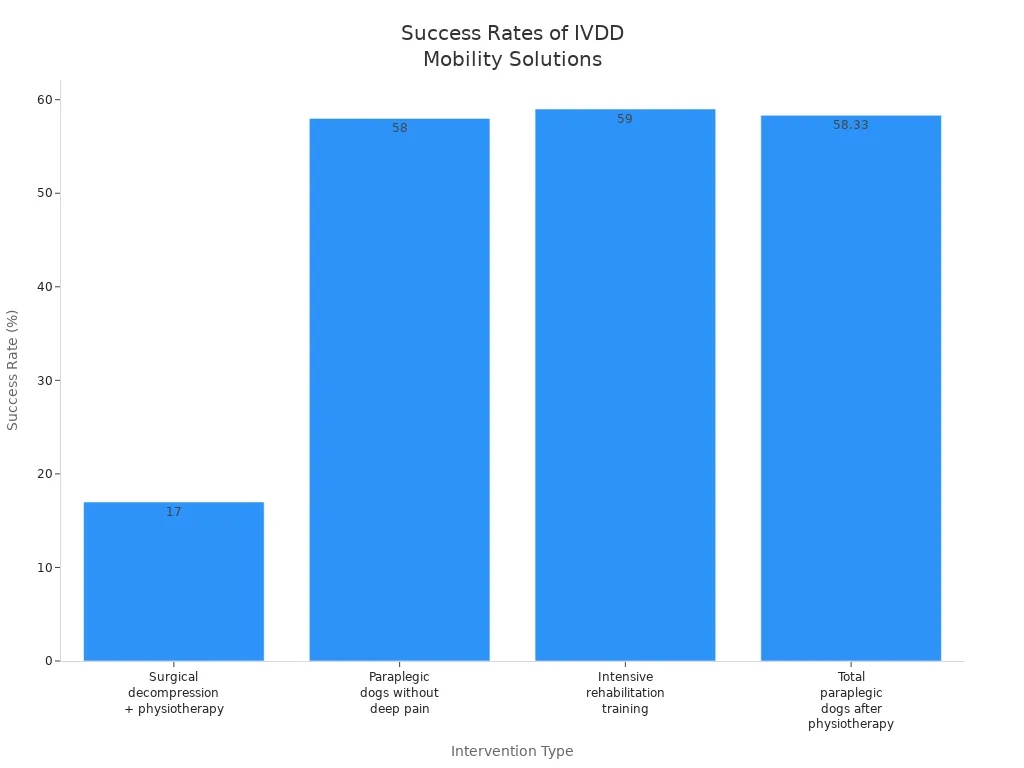
Dogs can get much better with the right support. You might see your dog get stronger and do more things alone. The table below shows what studies found about dogs getting better at moving:
Study Description | Outcome | Percentage |
|---|---|---|
Surgical decompression + physiotherapy | Improved locomotor outcomes | Higher than 17% |
Paraplegic dogs without deep pain perception | Developed spinal walking (SW) | 58% (64/70) |
Intensive physical rehabilitation training | Developed SW | 59% (of patients without deep pain) |
Total paraplegic dogs developing SW after physiotherapy | Able to walk without falling | 58.33% (35/60) |
Many dogs keep getting better for a long time. Airlie got stronger and moved better after using a back brace. Alfie walked again after being paralyzed by using a wheelchair. Sadie beat full paralysis by working hard in therapy and always wearing a back brace. Rocket stayed healthy and could move well by using a brace all the time.
Use ramps and non-slip floors to stop injuries.
Keep your dog at a good weight to help their back.
Give back support when your dog does risky things.
Try physical therapy to make muscles stronger.
Studies say most dogs do well after surgery and support. Many dogs walk again in a few weeks or months. You can help your dog have a happier and more active life with the right support.
You can help your dog live better by using IVDD support solutions. These tools protect your dog’s back and make moving easier every day. They lower pain and help your dog feel more comfortable. They also support your dog’s back legs so they can move better.
Physical rehabilitation helps dogs heal faster and lets them play more.
Giving your dog strict rest, crate time, and watching their weight keeps the back safe and stops new injuries.
Stay hopeful and talk to your veterinarian. With the right help, your dog can be happier and do more things each day.
FAQ
What is dog IVDD support?
Dog IVDD support means using special tools or products to help your dog’s back, spine, and rear-end move better. You use these supports to keep your dog steady and safe during daily activities.
When should you use a back brace for IVDD?
You should use a back brace when your dog needs extra support for the spine or shows weakness in the back legs. Always ask your veterinarian before starting any new support.
Can a wheelchair help your dog with IVDD?
Yes, a wheelchair can help your dog move if walking is hard. It takes weight off the back and rear-end. Your dog can enjoy walks and playtime again with this support.
How do you choose the right dog IVDD support product?
Measure your dog for a good fit. Look for adjustable straps, soft padding, and strong materials. Ask your veterinarian for advice on the best support for your dog’s back and mobility needs.
Do dog IVDD support products replace veterinary care?
No, these products do not replace veterinary care. You should always work with your veterinarian to make the best plan for your dog’s health and comfort.
For more help, explore our range of dog IVDD support solutions designed for back stability and daily mobility.
