
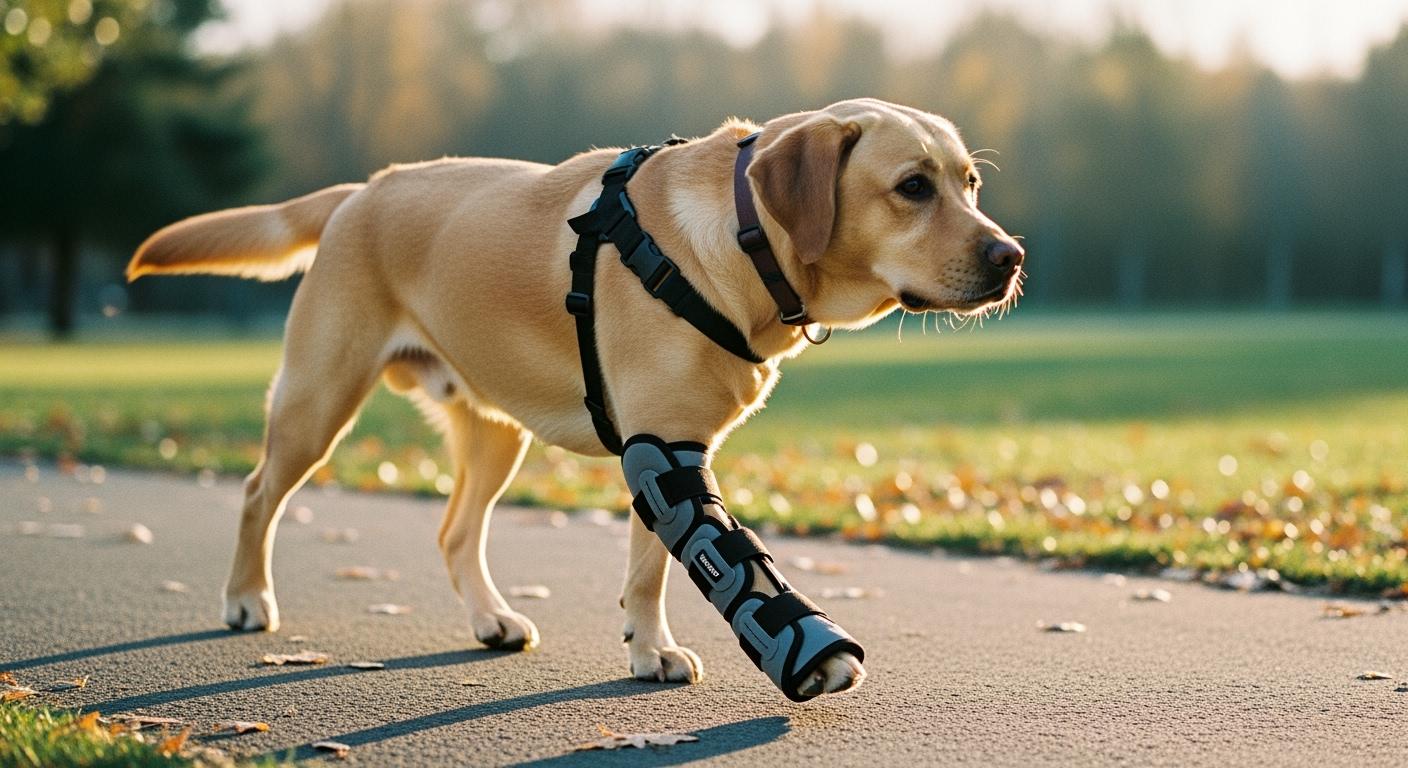
A dog knuckling brace gives your dog extra help. It helps when your dog cannot put the paw down right during walks. This brace helps your dog lift the paw. It also stops the paw from dragging and helps your dog walk steady. Many owners see their dog drag the paw or scrape the nails. Some dogs have trouble standing still. You may notice this if your dog has weak muscles or nerve injuries. It can also happen if your dog is getting better after surgery. Picking the right support for your dog’s front or back leg can help your dog move better every day. There are good choices that keep your dog comfy and active. These support tools do not replace diagnosis, rehabilitation, or veterinarian follow-up. They work best as part of a broader mobility-support plan.
Common reasons you may look for a brace include:
Paw dragging from degenerative myelopathy or nerve injuries
Weak muscles or joint injuries
Recovery after spine surgery
Practical support solutions can help your dog stay active and safe each day.
Key Takeaways
A dog knuckling brace helps your dog lift its paw. It helps your dog walk better and stops injuries from dragging.
Watch for signs like paw dragging or wobbly steps. These signs show your dog may need more support.
Use a dog leg brace terminology guide to compare front-leg vs rear-leg support, then make sure the brace fits well and feels comfortable.
Check your dog’s paws often for scrapes or red spots. This helps you see if your dog needs more help or if you need to change the support.
Ask your veterinarian for advice on the best knuckling brace. Your vet can help you make a good support plan for your dog.
What Is Dog Knuckling?
Knuckling Explained
Dog knuckling happens when your dog cannot place the paw flat on the ground. Instead, the top of the paw drags or folds under during walking. You may notice your dog scuffing the toes or having a tired walk that gets worse over time. This change in gait often points to a problem with how your dog moves.
Knuckling is linked to changes in your dog’s walking pattern.
It can show up when your dog has trouble with the nerves or spine.
You might see scuffed toes or a paw that does not land right during each step.
Common Causes
Many things can cause dog knuckling. Some reasons are more common than others. You should know what might lead to this problem so you can help your dog stay active.
Neurological problems, such as nerve damage or spinal issues, can affect how your dog moves.
Conditions like intervertebral disc disease, degenerative myelopathy, or cervical spondylomyelopathy may cause knuckling.
Arthritis can make walking painful, so your dog may start to drag the paw.
Spinal injuries, such as fibrocartilaginous embolism or cauda equina syndrome, can also lead to knuckling.
Some dogs develop knuckling from genetic conditions that affect the rear legs.
Impact on Dog Mobility
Dog knuckling can make daily life hard for your dog. When the paw folds under, your dog may drag the foot and lose balance. This can lead to scrapes, cuts, or worn nails. Your dog may walk with an uneven or shaky step. Over time, knuckling can slow your dog down and make it tough to enjoy walks or play. You want to help your dog move safely and avoid injuries. Watching for these changes lets you find ways to help your dog stay steady and comfortable.
Tip: If you notice your dog dragging the paw or walking unsteadily, you can look for support solutions to help improve stability and protect the paw.
For a broader overview of brace categories, fit logic, and front-vs-rear support choices, review our dog leg brace terminology guide.
Signs Your Dog Needs Paw Support
Paw Dragging and Scraping
You may notice your dog dragging its paw during walks. This behavior often leaves uneven wear on nails or small scrapes on the paws. Sometimes, you see fur rubbed off in certain spots. Dogs with knuckling may show paw dragging once or twice a week, especially in the early stages. Tracking these signs helps you spot patterns, such as paw scraping after sleep or exercise. If your dog refuses to walk or bear weight on its paw, this signals a need for extra support. Paw dragging can lead to bleeding, cuts, or abrasions. You might also see your dog licking or chewing the affected paws more than usual. These signs show your dog needs help to protect its paws and improve walking stability.
Tip: Check your dog’s paws after walks. Look for nail wear, scrapes, or redness. Early detection helps you find the right support.
Walking on Top of the Paw
Walking on the top of the paw is a clear sign your dog needs help. Instead of placing the paw flat, your dog may fold it under or step on the top surface. This can cause discomfort and make daily movement harder. You may see discoloration of the pad or bleeding paws. Some dogs hold the injured paw off the ground or limp. Excessive licking and chewing often follow. These behaviors show your dog struggles with paw positioning and may benefit from dog knuckling brace options for support.
Common signs include:
Limping
Reluctance to put weight on a paw
Red and inflamed paws
Lesions or discharge
Unsteady or Weak Steps
Unsteady or weak steps make it difficult for your dog to walk confidently. Your dog may wobble, lose balance, or walk with shaky movements. Lameness or limping often appears. Sometimes, your dog refuses to walk or shows reluctance to move. Cuts, abrasions, and tears on the paws may develop from unstable steps. If you notice these signs, you can help your dog by providing paw support and stability. A dog knuckling brace helps your dog regain control and enjoy daily activities.
Note: Monitoring your dog’s steps and paws helps you spot changes early. Paw support solutions keep your dog safe and comfortable.
Why Paw Support Matters
Preventing Injury
You want your dog to stay safe during daily walks. When your dog drags its paws, the skin and nails can get scraped or cut. This can lead to bleeding or infection. Paw support gives your dog extra protection. It keeps the paws from rubbing against rough surfaces. A dog knuckling brace can help lift the paw, which reduces the risk of injury. You also protect your dog’s lower legs from further harm. By using the right support, you help your dog avoid painful wounds and keep the paws healthy.
Tip: Check your dog’s paws after every walk. Early signs of redness or scrapes mean your dog may need more protection.
Improving Stability
Dogs with weak steps or unsteady movement need help to stay balanced. Paw support devices give your dog better grip and control. This makes walking on slippery floors or uneven ground safer. You help your dog move with more confidence and less fear of falling. Here are some ways paw support improves stability:
Paw grips provide better traction on slippery surfaces.
They help reduce the risk of falls, so your dog can move confidently.
Enhanced stability is especially helpful for older dogs or those with joint pain.
When you use dog knuckling brace options, you give your dog the support needed for steadier steps. This means fewer slips and more secure movement.
Supporting Daily Mobility
Your dog wants to explore, play, and enjoy daily life. Paw support devices help your dog walk, stand, and move around the home. These tools make it easier for your dog to join family activities. You also help your dog stay active and happy. Assistive devices, like a dog knuckling brace, improve balance and mobility. They work much like canes or walkers do for people. Clinical studies show these devices help older adults and those with mobility issues. For your dog, this means more freedom and less struggle during daily routines.
Note: Giving your dog the right support keeps the paws protected and helps your dog enjoy every day with you.
How a Dog Knuckling Brace Helps
Paw Positioning Support
A dog knuckling brace gives your dog the support needed to place the paws correctly during walks. When your dog struggles with knuckling, the paw may fold under or drag on the ground. This makes walking difficult and can cause scrapes or worn nails. You want your dog to walk with the paw flat and steady. The dog knuckling brace acts as an anti-dragging device. It gently lifts the paw, helping your dog move the foot forward and set it down in the right position. This support helps your dog relearn proper paw placement and reduces the risk of injury from dragging.
You can use a dog knuckling brace to:
Guide the paw into a natural walking position.
Prevent the top of the paw from scraping on rough surfaces.
Encourage your dog to use the paw more confidently.
Reduce the chance of cuts or abrasions on the paws.
Support daily mobility routines for your dog.
Tip: Check your dog’s paws often. If you see signs of knuckling, a dog knuckling brace can help protect the paws and improve walking comfort.
Walking Stability
Walking stability is important for every dog, especially those with knuckling. When your dog drags the paw or steps unevenly, balance becomes a challenge. A dog knuckling brace helps your dog walk with more control and less wobbling. This anti-dragging device supports the lower leg and keeps the paw from folding under. Your dog can walk on different surfaces with better grip and fewer slips.
For toe-up fitting steps, daily checks, and home monitoring, review our no-knuckling brace for dogs guide. These tools are especially helpful for dogs that drag their paws or have trouble sensing where their feet are. By using a dog knuckling brace, you help your dog stabilize walking and practice better movement patterns.
The dog knuckling brace:
Improves your dog’s ability to walk straight.
Reduces paw dragging and scraping.
Helps your dog relearn steady walking habits.
Supports your dog’s confidence during daily walks.
Makes it easier for your dog to join family activities.
Note: A dog knuckling brace is a practical part of a broader mobility support plan. It helps your dog stay active and safe each day.
When to Use for Front or Hind Leg
You may wonder when your dog needs a knuckling brace for the front leg or the hind leg. The answer depends on where your dog shows signs of knuckling. Some dogs drag the front paws, while others have trouble with the back paws. Choosing the right brace helps target the support your dog needs.
Front Leg Braces:
Carpal splints give stability to the lower front leg.
A front splint supports the carpal joint, wrist, and paw.
A carpal splint can also support just the carpal joint, letting the paw move naturally.
Hind Leg Braces:
Hock splints help stabilize the lower back leg or hock joint.
Canine knee braces support the knee, especially after injuries, and help prevent muscle loss.
You should look for a dog knuckling brace that matches your dog’s needs. If your dog drags the front paws, a front leg brace or anti-dragging device can help. If your dog struggles with the hind paws, a hock or knee brace may offer the right support. Always check the fit and comfort to make sure your dog feels secure and can move freely.
Tip: Use a dog knuckling brace as part of your dog’s daily mobility routine. This support helps your dog walk, play, and enjoy life with fewer limits.
Types of Dog Knuckling Braces
When you compare dog knuckling brace types, you will see many choices. Each kind gives different support and comfort. Learning about these options helps you pick the best brace for your dog.
Soft Braces
Soft braces use bendable materials to help your dog’s paw and lower leg. These braces let your dog move a little while still giving gentle support. You can use a soft brace for mild knuckling or early healing. Soft braces feel nice and are simple to put on and take off. They are good for dogs who need light support during walks.
Soft braces stop paw scraping.
They are light and do not block movement.
You can use them for short walks or inside.
Rigid and Semi-Rigid Braces
Rigid and semi-rigid braces give more support than soft braces. Rigid braces keep the joint still and stop the paw from folding under. Semi-rigid braces mix support with some movement, so your dog can move but still get help with paw placement.
Type of Orthosis | Advantages | Clinical Outcomes |
|---|---|---|
Dynamic (Soft) | Supports while letting movement | Good for rehab and stopping joint injuries |
Rigid | Maximum stability, keeps joint still | Works well for severe joint instability |
Semi-Rigid | Mixes flexibility and support | Useful when some movement is needed |
These braces help dogs with worse knuckling or those who need extra support outside.
Custom vs. Off-the-Shelf
You can pick between custom and off-the-shelf dog knuckling braces. Custom braces fit your dog exactly. They help stop slipping and pressure sores. Off-the-shelf braces are ready-made and fit most dogs with mild or short-term needs.
Feature | Custom Braces | Off-the-Shelf Options |
|---|---|---|
Fit | Made for your dog’s needs | General fit, may not fit all dogs |
Support | Long-lasting support and comfort | Good for temporary conditions |
Durability | Built to last, replaced less often | May need replacement sooner |
Cost | More expensive | More affordable |
Ideal Use | Chronic conditions or bad injuries | Quick injuries that heal fast |
Custom braces help when your dog needs support for a long time. Off-the-shelf braces help with short-term or mild problems.
Pros and Cons
You want to know the good and bad things before picking a brace. Here is a quick look:
“Our 90-pound Lab had a partial tear. We tried an off-the-shelf brace first, but it slipped all the time. Switching to a custom 3D-scanned brace helped a lot. He wore it for months during rehab, and his limping got much better.” – Sarah, dog owner.
“For our older Dachshund’s mild strain, the vet said to use an off-the-shelf brace for short walks. We found one that fit pretty well. It gave him enough support without the custom brace cost, perfect for his low activity.” – Mark, dog owner.
You can also find other braces for different needs, like dog neck, back, leg, elbow, knee, hip, carpal, and knuckling braces. Each one helps a certain body part and can help your dog walk with more confidence.
Choosing the Right Dog Knuckling Brace
Selecting the best dog knuckling brace can make a big difference in your dog’s daily comfort and mobility. For safer walk routines and at-home progression, see our dog gait training support guide. You want to help your dog walk with confidence and protect its paws from injury. The right brace gives your dog the support needed for steady steps and proper paw placement. You should consider several important factors before making your choice.
Fit and Adjustability
Fit matters most when you choose a dog knuckling brace. You need a brace that matches your dog’s size and shape. A good fit helps your dog move naturally and prevents extra strain. Adjustable straps let you change the brace as your dog’s needs shift. You can tighten or loosen the brace to keep it snug but comfortable. This feature is helpful if your dog has swelling or changes in muscle tone.
A lightweight brace prevents extra stress on your dog.
Adjustable straps help you find the right fit for daily walks.
The brace should assist your dog in positioning its paw correctly.
You can use a harness to provide extra support and help your dog stand and walk with less struggle.
Fit and adjustability are important for both front and hind paws.
Tip: Always check the brace after walks. Make sure it stays in place and does not cause rubbing or discomfort.
Comfort and Materials
Comfort keeps your dog happy and willing to wear the brace. You should look for soft materials that cushion the paw and lower leg. Many braces use neoprene, foam, or sheepskin liners to reduce pressure sores. Silicone parts prevent sliding and help avoid injuries. The toe strap often has a flat shape to increase contact and make it softer for your dog.
Soft materials reduce the risk of pressure sores.
Silicone prevents the brace from slipping during movement.
Foam or sheepskin liners add extra comfort and support.
The brace should feel gentle against your dog’s skin and fur.
You want your dog to enjoy walks and playtime. Comfortable materials help your dog accept the brace as part of its routine.
Secure Fastening
Secure fastening keeps the brace in place while your dog moves. You need strong straps or buckles that hold the brace steady. Loose braces can slip and cause more problems. You should check the fastening each time you put the brace on your dog. A supportive harness can help keep the brace stable and provide extra control.
Fastening Type | Benefits |
|---|---|
Velcro Straps | Easy to adjust, quick to use |
Buckles | Strong hold, less likely to slip |
Silicone Grips | Prevent sliding, gentle on skin |
You want the brace to stay secure during walks, runs, or play. Secure fastening helps your dog walk with less worry and more freedom.
Note: If your dog has trouble with the brace slipping, try using a harness for extra stability.
Ease of Use
Ease of use makes daily routines simpler for you and your dog. You should pick a brace that is easy to put on and take off. Lightweight designs help your dog move without feeling weighed down. You can use a harness to help your dog stand and walk with less effort. Some braces work well with hindlimb dorsi-flex assist devices, which help lift the hind paws and improve walking.
Choose a brace that fits quickly and does not require complex steps.
Lightweight braces help your dog walk without extra strain.
Harnesses make it easier for you to guide your dog during walks.
Hindlimb dorsi-flex assist devices can help dogs with hind paw knuckling.
You want your dog to feel comfortable and confident every day. Easy-to-use braces help you support your dog without stress.
If your team is pairing bracing with short rehab walks, use our dog gait training support guide for walk-plan structure, fit checks, and stop signs.
Callout: Consult your veterinarian for advice on selecting the right brace. A professional can help you understand your dog’s walking and standing abilities and recommend the best support for your dog’s needs.
Using a Dog Knuckling Brace Safely
Fitting Steps
You want your dog to feel comfortable and secure when using a dog knuckling brace. Use our no-knuckling brace for dogs guide to help your dog get the best fit:
Start with a vet check. Make sure your dog needs a brace and get guidance on which type fits best.
Choose the right brace. Measure your dog carefully to ensure the brace fits the paw and leg.
First fitting—align the joint. Position the brace so it supports the paw and lower leg. Adjust straps for comfort.
Break-in schedule. Introduce the brace slowly to help your dog adjust. Begin with short periods.
Use it for activity. Let your dog wear the brace during walks or playtime, not all day.
Combine with rehab and weight management. Support your dog with gentle exercises and healthy habits.
Daily care and skin checks. Inspect your dog’s skin and clean the brace to prevent rubbing or sores.
Tip: Proper fitting helps your dog move with confidence and reduces the risk of discomfort.
Acclimating Your Dog
Your dog may need time to get used to the dog knuckling brace. You can help your dog adjust by following these steps:
Begin with short sessions, about 15 to 30 minutes.
Use treats and praise to make the experience positive.
Gradually increase the time your dog wears the brace each day.
Try the brace during calm activities, like gentle walks or playtime.
Always remove the brace during naps or overnight.
Callout: Positive reinforcement helps your dog accept the brace and feel comfortable during daily routines.
Safety Tips
You can help your dog stay safe while using a dog knuckling brace. Keep these tips in mind:
Gradually introduce the brace by starting with short periods and increasing as your dog tolerates.
Use the brace during activities like walks and physical therapy. Remove it during unsupervised sleep to prevent pressure sores.
Conduct daily skin checks for signs of rubbing or sores. Keep your dog’s fur clean and dry.
Note: Regular care and monitoring help your dog enjoy better mobility and paw support.
Extra Tips for Supporting Dogs
Home Care and Paw Protection
You can help your dog stay comfortable at home by using simple paw protection strategies. Traction aids like nail grips, non-slip booties, or paw wax increase grip on slippery floors. Hard sole booties provide extra traction and shield sensitive paw pads. You can add area rugs or runners to create safe walking paths for your dog. The Medipaw protective boot is waterproof and breathable, keeping wounds dry while allowing airflow. You can put the boot on easily with adjustable straps for comfort. The boot is reusable and washable, making it a cost-effective option. These steps help your dog avoid slips and protect paws during daily activities.
Use traction aids for better grip.
Choose hard sole booties for paw protection.
Add rugs or runners for safer paths.
Try a protective boot for wound care and comfort.
Tip: Check your dog’s paws after walks. Clean the boot and make sure it fits well.
Simple Mobility Exercises
You can help your dog improve strength and stability with easy mobility exercises. Short walks on different surfaces encourage your dog to use the paw and leg muscles. Gentle stretching helps your dog stay flexible. You can guide your dog through sit-to-stand movements or slow step-ups onto low platforms. These exercises help your dog build confidence and support daily mobility. Always supervise your dog and use the boot for extra support during activities.
Walk your dog on grass, carpet, or mats.
Practice sit-to-stand movements.
Try gentle step-ups with supervision.
Use the boot for added stability.
Callout: Start with short sessions and increase time as your dog gets stronger.
Monitoring Progress
You need to monitor your dog’s progress when using a dog knuckling brace and boot. Regular checks help you spot issues early and keep your dog comfortable. Use the table below to guide your inspections:
Inspection Step | What to Look For | What to Do Next |
|---|---|---|
Top of foot and nails | Scrapes, broken nails | Add protection if needed |
Skin under straps | Redness, swelling | Pause use if redness lasts |
Paw behavior | Licking, chewing | Use lick-control if needed |
Follow these steps to help your dog:
Check for redness that does not fade.
Look for blisters or open sores.
Monitor for swelling or cold toes.
Watch for sudden pain or limping.
Note: Record changes in your dog’s movement and paw condition. Share updates with your veterinarian for ongoing support.
A dog knuckling brace helps your dog walk better and feel safer. It keeps your dog’s paws from getting hurt and helps with daily movement, even if your dog has trouble walking. To get the best results, you can:
See a rehab vet for help.
Do physical therapy to help your dog heal.
Try simple exercises at home with your dog.
Work with your vet to make a plan.
Check what your dog needs most.
Pick the best custom orthotic brace or knuckling training sock.
You give your dog the support needed to have a happy life. Start now and let your vet’s advice help you along the way.
FAQ
What is a dog knuckling brace?
A dog knuckling brace is a support device that helps your dog lift and place its paw correctly during walks. You use it to reduce paw dragging and improve walking stability for your dog.
How do I know if my dog needs a knuckling brace?
You may notice your dog dragging its paw, scraping nails, or walking on the top of the paw. If your dog struggles with steady steps, a dog knuckling brace can offer extra support.
Can my dog wear a knuckling brace all day?
You should let your dog wear the brace during walks or active times. Remove it during rest or sleep. This helps prevent skin irritation and keeps your dog comfortable.
Will a dog knuckling brace fit both front and hind legs?
You can find dog knuckling braces designed for either the front or hind legs. Choose the right style based on where your dog needs support for the best results.
Do I need a veterinarian to choose a dog knuckling brace?
You should consult your veterinarian before choosing a dog knuckling brace. A professional can help you select the best fit and support for your dog’s specific needs.
