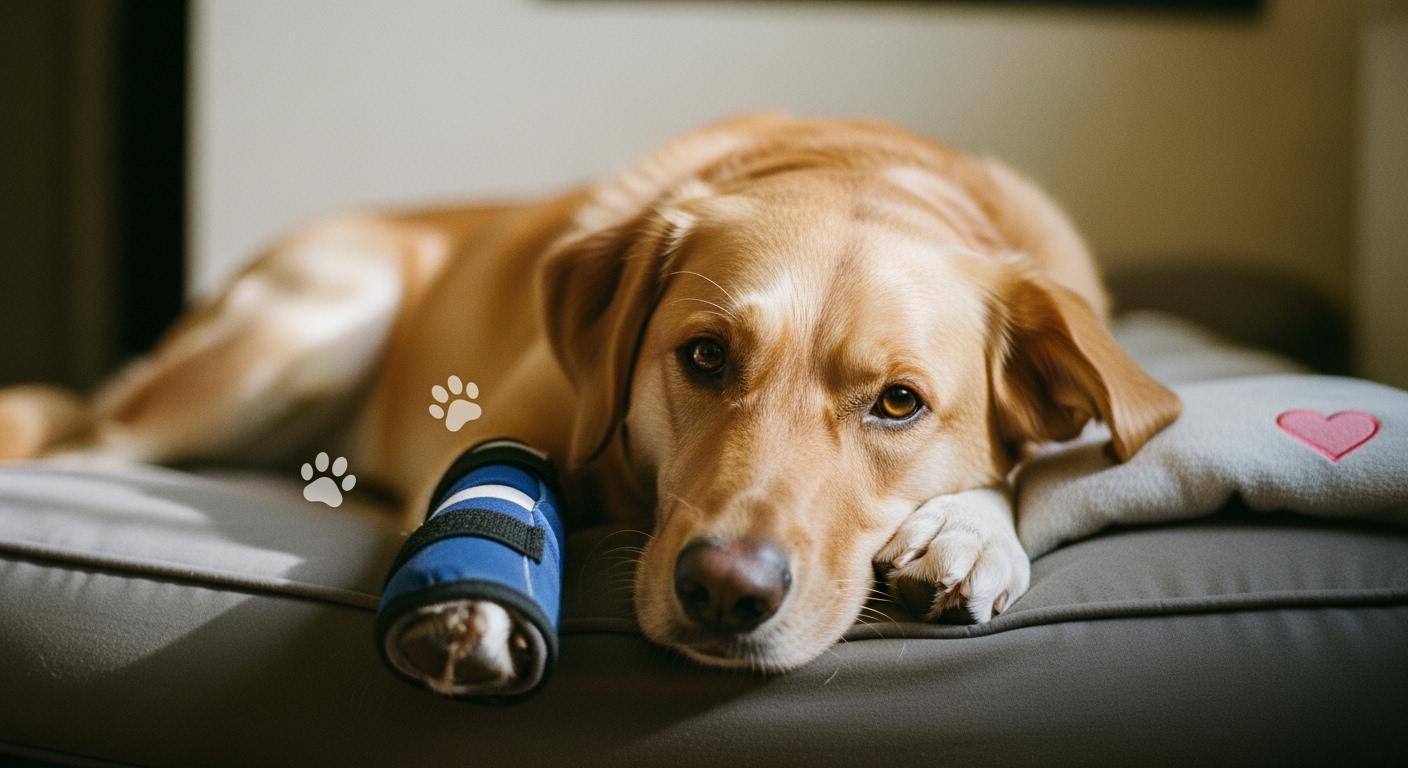
A dog leg sleeve is a helpful way to keep your dog’s leg safe. It works when your dog is healing or just doing daily things. Sometimes, dogs lick or scratch a wound or hot spot. Owners often use a sleeve after surgery. They also use it if a cone feels too tight.
Pros of Dog Leg Sleeves | Pros of Traditional Cones |
|---|---|
Dogs can eat, drink, and sleep like normal | Stops dogs from reaching wounds anywhere on their body |
Stops licking or biting but lets the head move | Easy to use for a short time |
Can stay on for a long time | Easy to find in stores |
“A dog recovery suit is better than the cone of shame. Cones can hit furniture and doors. Recovery suits let dogs move around more easily. Many dogs feel less upset in bodysuits than cones. They can see and move like normal.”
You get a comfy and focused way to help your dog feel better. It helps your dog without needing a vet.
Key Takeaways
A dog leg sleeve keeps your dog from licking or scratching its leg. This helps the leg heal faster. – Pick a sleeve that fits your dog well. This makes your dog comfortable and stops the sleeve from slipping when your dog moves. – Dog leg sleeves are better than cones for some dogs. They let your dog walk and play while getting better. – Check the sleeve often to make sure it fits right and is clean. This keeps your dog safe and happy. – Ask your veterinarian which sleeve is best for your dog. Your veterinarian can also tell you how to care for the sleeve and your dog’s leg.
What Is a Dog Leg Sleeve?
Purpose and How It Works
A dog leg sleeve is a soft, flexible cover that wraps around your dog’s leg. You use it to protect the skin and keep your dog from licking or scratching a sensitive area. The sleeve gives targeted support for the leg. It helps keep wounds, hot spots, or healing spots clean and covered. You can use a dog leg sleeve after surgery or when your dog has a minor injury. The sleeve stays in place with gentle fasteners, so your dog can walk, rest, and play with less stress.
You do not need to worry about your dog feeling trapped. Most sleeves use breathable materials that let air flow. This helps the skin stay dry and comfortable. You can remove the sleeve easily for cleaning or checking the skin. The main goal is to give your dog comfort and protection during recovery or daily life.
Tip: Choose a sleeve that fits well and covers the right area. A good fit helps your dog move naturally and keeps the sleeve from slipping.
Common Reasons for Use
You might notice your dog licking, chewing, or scratching one leg over and over. These behaviors can slow healing and cause more irritation. A dog leg sleeve gives you a simple way to stop this cycle. You can use it for:
Covering wounds or stitches after surgery
Protecting hot spots or skin irritation
Reducing licking or biting from allergies or stress
Supporting the leg during recovery from minor injuries
Veterinarians often suggest a dog leg sleeve when they see signs like limping, pain when moving, or dragging a foot. These signs may show your dog needs extra support. Some dogs need sleeves for ligament injuries or arthritis. Others need them for post-surgical care. You can use a sleeve as a focused solution instead of a cone, especially if your dog finds cones uncomfortable.
Every dog is different. You may need a full or partial sleeve, depending on the area you want to protect. Always check the fit and comfort to make sure your dog stays happy and safe.
Why Dogs Need Leg Protection
Licking, Scratching, and Irritation
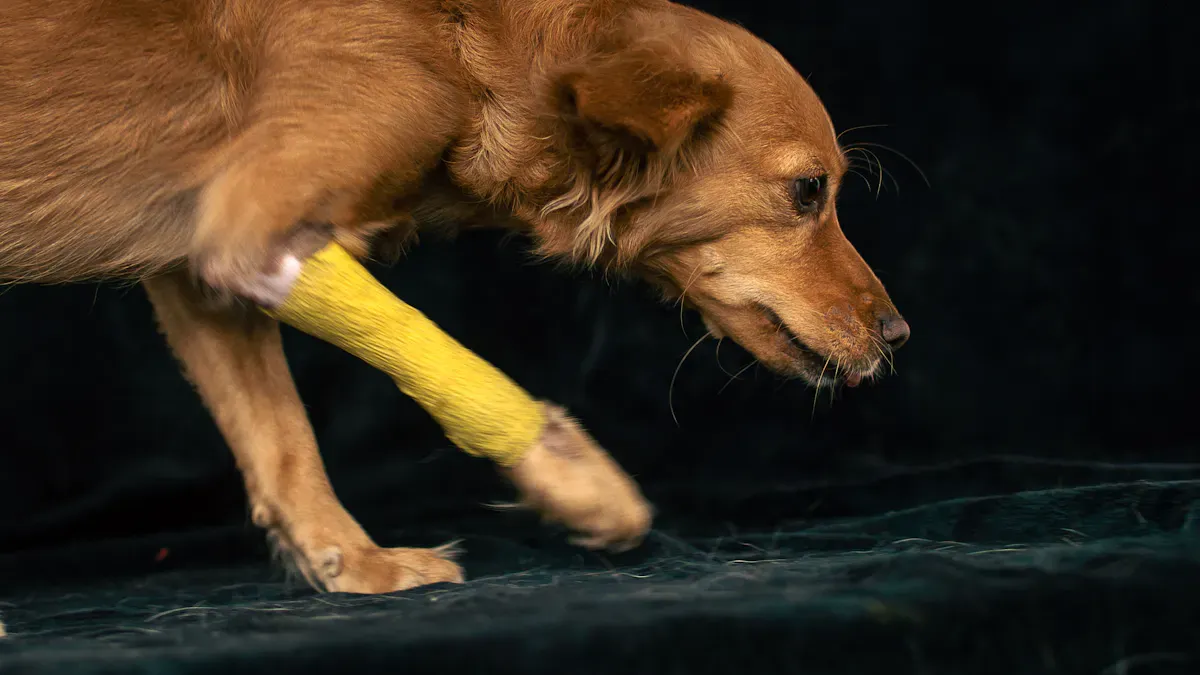
Sometimes, dogs keep licking or scratching one spot on their leg. This can make the skin sore and slow down healing. It might even cause new wounds to form. Dogs do this because of allergies, stress, or small injuries. Using a protective sleeve can help stop this from happening. The sleeve covers the spot and makes it hard for your dog to reach. This helps the skin heal better and keeps it cleaner. It also lowers the chance of infection.
Wound and Surgery Coverage
After surgery or an injury, your dog’s leg needs special care. Open wounds or stitches must stay clean and safe from dirt. Licking and scratching can make things worse. A sleeve works like a shield and keeps the area covered. You can use a sleeve at home to help your dog heal. It lets you check the wound easily and keeps bandages in place. Many owners like sleeves because they protect healing skin. They do not stop your dog from moving around.
Alternatives to Cones
Traditional cones, or e-collars, can be hard for dogs. Many dogs have trouble with cones because they:
Make it hard to move and block their view.
Feel uncomfortable when lying down or cuddling.
Stop normal play, which can make dogs bored.
A dog leg sleeve is another choice. With a sleeve, your dog can move, eat, drink, and play. The sleeve is soft and lets air in, so your dog feels better. It covers only the spot that needs help. This support helps your dog stay happy and active while healing.
Dog Leg Sleeve Benefits
Protection and Healing Support
You want your dog to get better fast and feel good. A dog leg sleeve is an easy way to keep healing skin safe from licking, scratching, and dirt. When you cover a sore spot, you help keep germs away and lower the chance of infection. The sleeve works like a shield, so your dog cannot reach the spot with their mouth or paws. This helps the skin heal with less stress.
Many sleeves use fabric that lets air in. This keeps the spot dry and helps it heal. You can use a sleeve for wounds, hot spots, or after surgery. It also helps hold bandages in place and makes cleaning easier. The sleeve only covers the part that needs help. This means your dog can heal without feeling stuck.
Here is a quick look at how a dog leg sleeve helps your dog get better:
Benefit | Description |
|---|---|
Reduces Infection Risk | Covers the wound, stopping licking and scratching, which can bring in germs. |
Supports Healing Skin | Made from fabric that lets air in and helps the spot heal. |
Comfort and Mobility | Lets dogs move around while keeping the spot safe, so they feel less stress when getting better. |
Stress Reduction Compared to Cones | Feels better than a cone, so dogs feel calm and safe when healing. |
You can use a sleeve for healing, stopping licking, or every day. This makes it useful for many things.
Comfort and Mobility
Your dog needs to walk, play, and rest without feeling stuck. A dog leg sleeve lets your dog move while keeping sore skin safe. The soft, bendy material lets your dog walk, run, and lie down easily. You do not have to worry about your dog hitting things or getting upset like with a cone.
Many owners see their dogs feel calmer and safer with a sleeve. The gentle squeeze can help lower swelling and support the leg muscles. This can help your dog use the leg more when getting better. Studies show that sleeves and braces can help dogs move and feel better, especially after getting hurt or having surgery.
You can pick from many styles and sizes to fit your dog. Some sleeves cover the whole leg, and some just cover one spot. Look for things like strong fasteners, fabric that lets air in, and a good fit. These things help your dog stay comfy all day.
Tip: Check the sleeve often to make sure it stays on and does not rub. A sleeve that fits well gives your dog the best mix of safety and freedom.
A dog leg sleeve is a smart way to help with wounds, hot spots, and daily skin problems. You help your dog heal while keeping them happy and active.
When to Use a Dog Leg Sleeve
After Surgery or Injury
You want your dog to heal well after surgery or an injury. A dog leg sleeve gives you a simple way to protect the leg during this time. You can use a sleeve to cover stitches, scrapes, or bandages. The sleeve keeps out mud, dirt, and other things that could slow healing. It also stops your dog from licking or biting the area. Many veterinarians suggest sleeves because they help you follow post-surgery instructions and let your dog move around more easily.
Here is a quick look at why sleeves work well after surgery or injury:
Feature | Description |
|---|---|
Protection | Keeps out mud, grime, scratches, licks, bites, and abrasions |
Compliance | Helps you follow post-surgery care instructions |
Recovery | Lets your dog move freely while healing |
Tip: Always check the sleeve each day to make sure it stays clean and fits well.
For Hot Spots or Skin Issues
Hot spots and skin problems can make your dog uncomfortable. You may see your dog chewing or scratching the same spot. A sleeve covers the area and helps keep it clean. It also stops your dog from making the spot worse. You can use a sleeve for rashes, minor cuts, or itchy patches. The soft material feels gentle on the skin and lets air flow. This helps the spot stay dry and heal faster.
Choose a sleeve that fits the area you want to protect.
Look for breathable fabric to keep your dog comfortable.
For Chronic Licking or Chewing
Some dogs lick or chew their legs all the time. This can lead to sore spots or even open wounds. A dog leg sleeve gives you a way to break this habit. The sleeve covers the spot and makes it hard for your dog to reach. You can use it during the day or at night. Many owners find that sleeves work better than cones for this problem. You help your dog heal and feel less stressed.
Note: If your dog keeps licking or chewing, talk to your veterinarian for more advice.
Types of Dog Leg Sleeves
Full vs. Partial Coverage
Dog leg sleeves have two main types. One type is full coverage. This sleeve wraps around the whole leg. It protects from the paw to the shoulder or hip. You might pick this if your dog needs help for a big area. It works well after surgery or for skin problems. The other type is partial coverage. This sleeve covers just one spot. It helps with wounds or hot spots. Partial sleeves are good for small injuries. They protect only the area that needs help.
Sleeve Type | Coverage Area | Best Use Scenario |
|---|---|---|
Full Coverage | Entire leg | Post-surgery, large wounds, recovery |
Partial Coverage | Specific section | Hot spots, minor injuries, targeted support |
Tip: Pick the sleeve style that fits your dog’s needs. Make sure it covers the right area.
Front vs. Rear Leg Sleeves
You can get sleeves for front or back legs. Each kind has special benefits.
Rear leg sleeves fit snug and feel comfy. You can put them on your dog’s back leg easily. They keep mud, dirt, scratches, licking, biting, and scrapes away. Your dog can walk and play while healing.
Front leg sleeves often cover both front legs at once. A vet designs these sleeves to fit your dog’s body. They give strong, full coverage. These sleeves are great for surgery, skin problems, or wounds.
Different dogs need different sleeve types. Think about how active your dog is. Also, look at where the problem is before you choose a sleeve.
Materials and Breathability
Dog leg sleeves use soft and bendy fabrics. These fabrics help your dog move without trouble. Many sleeves have smooth, airy material. Air can flow through and keep skin dry. You get strong protection and your dog stays comfy. Breathable fabrics stop moisture from building up. This helps your dog heal and keeps things clean. When picking a sleeve, look for comfort, strength, and easy cleaning.
Note: Soft and airy fabrics make wearing sleeves easier. They help your dog’s skin stay healthy.
Choosing a Dog Leg Sleeve
Fit and Coverage Area
You want the sleeve to fit your dog’s leg just right. A good fit helps the sleeve stay in place and cover the area that needs protection. To get the best fit, measure your dog’s leg while your dog stands. Use a soft tape measure. Focus on the thigh, the length of the leg, and sometimes the hock joint. Always check the sizing chart from the manufacturer before you buy. Adjustable or stretchable sleeves work well if your dog’s leg size changes or if there is swelling. Some dogs need custom-made sleeves for a perfect fit and extra support.
Measure your dog’s leg while standing.
Use the sizing chart from the product page.
Pick adjustable or stretchable sleeves for a flexible fit.
Think about custom sleeves for special needs.
Watch your dog when you first use the sleeve. Look for slipping, chafing, or discomfort.
A sleeve that fits well covers the wound or sore spot and helps your dog heal comfortably.
Comfort and Fastening
Comfort matters for your dog’s daily life. The sleeve should feel soft and not rub the skin. Breathable materials, like a blend of polyester and spandex, keep the leg cool and dry. Fastening systems help the sleeve stay in place. You can choose from Velcro straps, adjustable ties, or hook-and-loop closures. Each type has its own benefits.
Fastening Mechanism | Impact on Comfort | Impact on Security |
|---|---|---|
Velcro Straps | Supports the leg without making it stiff | Keeps the sleeve in place, stops slipping |
Adjustable Ties | Custom fit for different leg shapes | Stays stable during movement |
Adjustable straps and hook-and-loop closures give a secure fit. They move with your dog and adjust if your dog’s weight changes.
The Velcro fixation attaches firmly to your dog’s chest and legs, so the sleeve does not move or shift during use.
Check the sleeve often to make sure it stays in place and does not cause rubbing. Your dog should walk, run, and rest without trouble.
Ease of Use and Vet Advice
You want a sleeve that is easy to put on and take off. Look for sleeves with simple fasteners and clear instructions. Some sleeves work for both front and rear legs, but always follow the directions for your dog’s leg type. You can use a sleeve with bandages or dressings for extra protection.
Aspect | Details |
|---|---|
Suitability | Works for front and rear legs, with special instructions for each type |
Material | Soft, breathable blend for comfort |
Size Selection Importance | Correct size is key for best results |
Complementary Use | Can go over bandages or dressings for more protection |
Pick the right size for your dog.
Check the area under the sleeve for signs of infection or problems.
Follow the instructions for putting on and securing the sleeve.
Veterinarians say that choosing the correct size and checking your dog’s skin often helps keep your dog safe. Ask your vet for advice if you are not sure which sleeve to choose. Your vet can help you find the best sleeve for your dog’s needs.
A dog leg sleeve gives you a simple way to protect your dog’s leg and help with recovery. The right sleeve fits well, feels comfortable, and is easy to use every day.
Using and Caring for Leg Sleeves
Putting On and Removing
You want your dog to feel comfortable when you use a dog leg sleeve. Start by gently sliding your dog’s paw through the opening. Make sure the sleeve covers the area that needs protection. Adjust the sleeve so it fits snug but does not squeeze the leg. Fasten any straps or Velcro closures. Check that the sleeve does not twist or bunch up. When you need to remove the sleeve, unfasten the straps and slide it off slowly. Watch your dog’s reaction. If your dog seems upset, take a break and try again later. Practice helps your dog get used to wearing the sleeve.
Tip: Give your dog a treat after putting on or removing the sleeve. This helps create a positive experience.
Cleaning and Maintenance
Keeping your dog leg sleeve clean helps protect your dog’s skin. Wash the sleeve often, especially if your dog wears it every day. The best cleaning method depends on the material. For example, you can rinse a silicone sleeve after each use and deep clean it once a week. If your sleeve has a microfiber insert, replace it monthly if you use it a lot. Use a manual brush with rust-resistant bristles for weekly cleaning and check for any damage.
Cleaning Method | Material/Type | Recommended Cleaning Frequency |
|---|---|---|
Silicone Cleaning Sleeve | Food-grade, BPA-free silicone | Rinse after use; deep clean weekly |
Microfiber Insert/Wipe | High-absorbency, machine-washable | Replace monthly with heavy use |
Manual Brush/Mop | Non-slip handle, rust-resistant bristles | Wash weekly; inspect for damage |
Always let the sleeve dry before you put it back on your dog. This keeps the skin dry and healthy.
Monitoring for Comfort
Check your dog’s leg and the sleeve every day. Look for signs of rubbing, redness, or swelling. Make sure the sleeve stays in place and does not slip. If you see any problems, adjust the fit or try a different size. Watch how your dog walks and moves. Your dog should walk, run, and rest without trouble. If your dog seems uncomfortable or tries to remove the sleeve, take it off and check the skin. You want your dog to feel safe and happy while wearing the dog leg sleeve.
Note: If you notice any sores or ongoing discomfort, talk to your veterinarian for advice.
Expectations and Safe Use
What to Expect During Recovery
When you use a dog leg sleeve, you give your dog extra support during healing. The sleeve helps protect the leg from licking, scratching, and dirt. You should know that a dog leg sleeve supports recovery, but it does not cure wounds or skin problems. You still need to watch your dog’s progress every day. Most dogs adjust to wearing a sleeve quickly. You may notice your dog walks, rests, and plays with more comfort. The sleeve keeps the healing area clean and covered, which helps your dog feel less stressed.
You should expect to check the sleeve often. Look for signs of rubbing, slipping, or moisture. A good fit means the sleeve stays in place without squeezing the leg. If your dog seems bothered, remove the sleeve and check the skin. Some dogs need time to get used to the new feeling. Give your dog praise and treats to help them feel positive about wearing the sleeve.
Note: A dog leg sleeve works best when you use it as part of your dog’s daily care routine. Always follow your veterinarian’s advice for wound care and recovery.
Safety Tips and When to Seek Help
You want to keep your dog safe while using a dog leg sleeve. Follow these tips to prevent problems:
Check the sleeve and your dog’s leg every day for fit and damage.
Keep the sleeve clean and dry to lower the risk of infection.
Stop your dog from chewing or licking the sleeve.
Use a waterproof cover if your dog goes outside in wet weather.
Visit your veterinarian for regular checks and adjustments.
If you see any signs of discomfort, redness, or swelling, contact your veterinarian. Watch for unusual behavior, such as limping or trying to remove the sleeve. If your dog acts strangely or seems in pain, call your vet or an emergency animal hospital right away.
Tip: Your attention and quick action help your dog heal safely. A dog leg sleeve gives support, but your care and your vet’s guidance make the biggest difference.
A dog leg sleeve helps your dog feel safe and comfortable. It protects your dog’s leg while they heal from wounds or surgery. Your dog can stay active and happy during recovery. Make sure the sleeve fits well and feels good. Check that it is fastened tightly so it does not slip. Watch how your dog acts when wearing the sleeve. Change the fit if your dog seems bothered. Ask your veterinarian for advice if you are unsure. Using a dog leg sleeve can make caring for your dog easier. It gives your dog better leg protection and helps you worry less.
FAQ
How do you know if your dog needs a dog leg sleeve?
You may notice your dog licking, chewing, or scratching one leg often. A dog leg sleeve helps protect wounds, hot spots, or healing skin. You can use it for post-surgery care or to prevent further irritation.
Can your dog wear a dog leg sleeve all day?
Yes, your dog can wear a dog leg sleeve during the day. You should check the fit and comfort often. Remove the sleeve at night or for cleaning. Watch for any signs of discomfort or skin changes.
How do you clean a dog leg sleeve?
Most dog leg sleeves use washable materials. You can hand wash or machine wash the sleeve, following the care instructions. Always let the sleeve dry completely before putting it back on your dog.
What size dog leg sleeve should you choose?
Measure your dog’s leg while standing.
Check the product’s sizing chart.
Choose a sleeve that covers the area you want to protect.
A good fit helps your dog move comfortably and keeps the sleeve in place.