
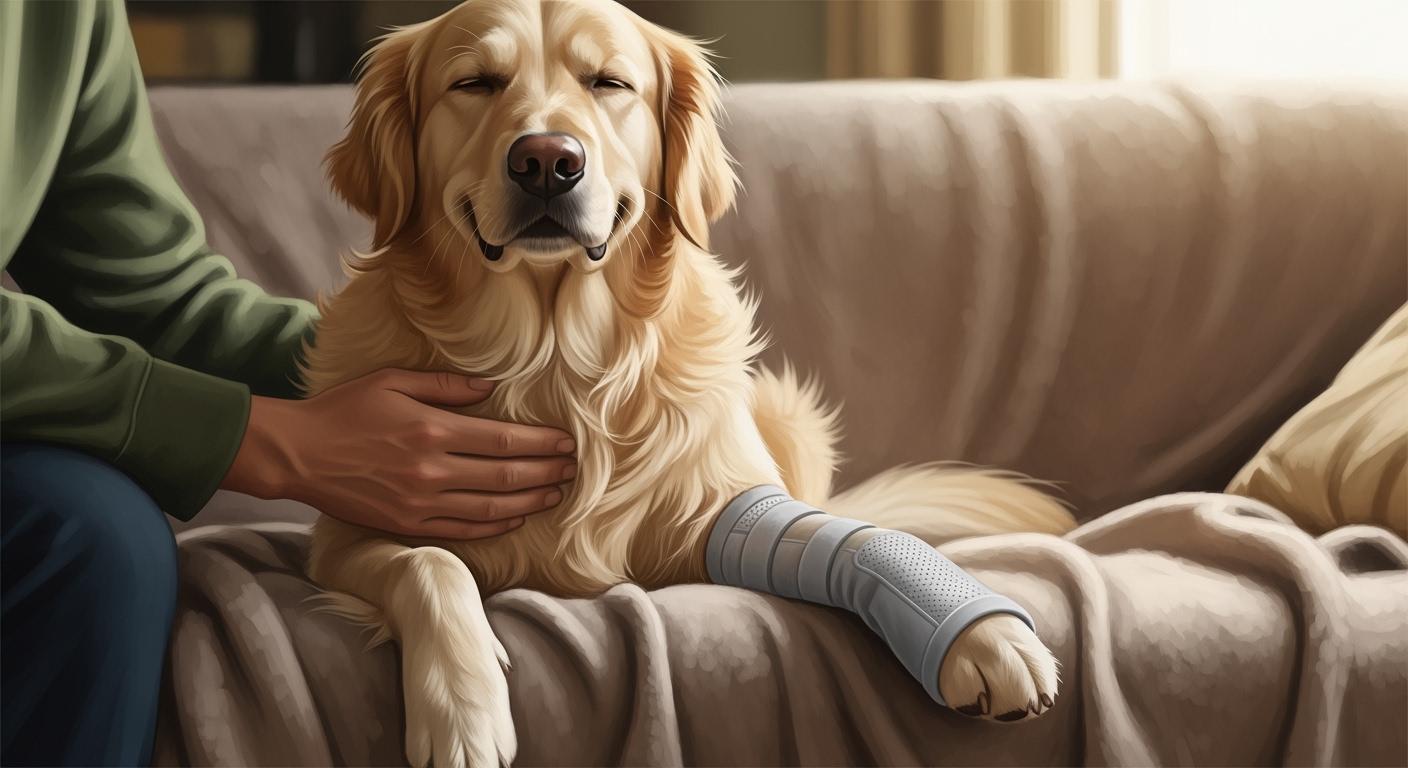
A dog lick sleeve is an easy way to keep your dog’s legs, paws, or elbows safe from licking or chewing. Many people use a sleeve to cover wounds, hot spots, or skin that is sensitive. Some common reasons are bite wounds, paw pad injuries, and small swelling. You want to protect these spots and help your dog get better without always stopping them. The dog lick sleeve makes a shield that helps wounds stay clean and helps your dog feel better each day.
Injury Type | Description |
|---|---|
Bite Wounds | Happen during play or fights, and can be small holes or deep cuts. |
Paw Pad Injuries | These are common and can be small scrapes or deep cuts that need a vet. |
Key Takeaways
Dog lick sleeves stop your dog from licking wounds. They also keep your dog from chewing wounds. This helps wounds heal faster.
Pick a dog recovery sleeve fit guide that helps you check sizing, skin contact, and daily wear comfort. Make sure the sleeve uses breathable fabric so your dog stays comfortable while healing.
Check the sleeve often to see if it is worn out. Make sure the sleeve stays on your dog. This keeps your dog safe and comfortable.
Dog lick sleeves let your dog move more easily. They are more comfortable than cones. This makes healing less hard for your pet.
Ask your vet if you see signs of infection. Also ask your vet if your dog keeps licking the wound with the sleeve on.
Dog Lick Sleeve for Targeted Protection
How Dog Lick Sleeves Work
A dog lick sleeve covers just one part of your dog’s body. It can go on the leg, paw, or elbow. The sleeve stops your dog from licking or biting a wound. It also keeps your dog from scratching a sore spot. This barrier keeps your dog away from the healing area. It helps keep dirt and water out of the wound. This helps the wound stay clean and heal faster. You can take the sleeve off to check the wound. You can also change a bandage easily.
Many people think a dog lick sleeve is better than a cone. If you need to compare sleeve use by wound location, reach risk, and coverage limits, see our recovery suit vs e-collar for dogs article.Dogs can move, eat, and drink with no big problems. The sleeve does not block your dog’s eyes. It does not make walking hard. Look at the table below to see the difference:
Feature | Dog Lick Sleeves | Other Wound Management Tools |
|---|---|---|
Targeted Protection | Good for leg injuries or surgeries, gives protection where needed. | May cover more area but not as exact. |
Comfort and Mobility | Usually more comfy than a cone, lets dogs move more. | Often tight and not comfy. |
Ease of Use | Easy to put on and take off, good for checking wounds. | Can be hard to use. |
Restrictiveness | Not very tight, lets dogs move and eat. | May make it hard to move. |
Dog lick sleeves cover the sore or cut skin. This stops your dog from licking or chewing the spot. It also keeps the wound safe from things outside. Your dog can heal and still be active and happy.
Common Conditions and Body Parts
You might need a dog lick sleeve for many reasons. Dogs like to lick or chew wounds or itchy skin. They do this after surgery or if they have a small injury. Sometimes they do it if their skin is sore. The sleeve helps protect these spots. You do not need to use a big cone.
Here are some body parts and problems where a dog lick sleeve helps:
Body Parts Protected | Conditions Addressed |
|---|---|
Rear Legs | Stops licking, scratching, and infection |
Front Legs | Helps after surgery, with skin issues, or wounds |
Elbows | Good for hot spots, sores, or small injuries |
Paws | Helps with pad injuries, irritation, and healing |
Sometimes dogs lick the same spot again and again. This can slow healing or make things worse. A dog lick sleeve helps stop this. You can use it for:
Too much licking or chewing
Wound scratching or irritation
Hot spots or sensitive skin
After surgery
Small injury protection
Tip: Always look at where your dog’s wound is. For leg or paw wounds, a dog lick sleeve works well. For other places, you may need something else.
When picking a sleeve, think about your dog’s comfort. Also think about how much your dog moves. If your dog does not like cones or needs to move, try a sleeve. Many owners say their dogs like sleeves more than cones. Almost 88% of owners say sleeves work better for their dogs.
Always watch your dog when using any gear. Make sure the sleeve fits and does not bother your dog. If you have questions about your dog’s wound, ask your vet for help.
Types of Dog Lick Sleeves
You can find several types of sleeves to help your dog heal and stay comfortable. Each type works best for certain needs and body parts.
Type of Sleeve | Function | Pros | Cons |
|---|---|---|---|
Cover and protect wounds on limbs, stopping licking. | Targeted protection, comfort, easy to use, less restrictive. | Limited to limb injuries, risk of slipping, possible chewing damage. | |
Offer full body coverage for many injuries, allow movement. | Comprehensive protection, lets dogs move. | Can be bulky, harder to check wounds. | |
Bandage Wraps | Cover and secure bandages, prevent access to wounds. | Simple to use, good for small areas. | Need frequent adjustment, may not stay in place. |
For limb wounds, hot spots, and post-surgical licking control, you can also review our dog sleeve to stop licking article for more specific use cases.
Designs for Legs, Paws, Elbows
You will see different designs for each body part. Leg sleeves use breathable fabric and fit around your dog’s limb. They protect wounds or stitches and let your dog walk and play. Paw sleeves cover the foot and pad, keeping dirt out and stopping licking. Elbow sleeves wrap around the joint, helping with hot spots or sores. These designs give focused protection and let your dog move freely.
Tip: Choose a sleeve that matches the area you want to protect. A good fit helps your dog feel better and heal faster.
Materials and Comfort
Most sleeves use soft, elastic fabric. This material stretches and moves with your dog. It feels gentle on the skin and does not cause rubbing. Many sleeves use breathable, stretch-resistant fabric. This keeps your dog cool and comfortable, even during daily wear. You want your dog to stay happy while wearing a dog lick sleeve.
Closure and Flexibility
Sleeves use closures like Velcro straps, zippers, or snap buttons. These closures keep the sleeve in place and make it easy to put on or take off. Flexible designs help the sleeve fit snugly without being too tight. You can adjust the closure for comfort. Flexible sleeves also work well for travel or outdoor walks.
Note: Always check the sleeve during the day. Make sure it stays secure and does not bother your dog.
Choosing and Using a Dog Lick Sleeve
Fit and Coverage Area
Choosing the right fit and coverage area is the first step to making sure your dog stays comfortable and protected. You want the sleeve to cover the wound or sensitive spot without being too tight or too loose. A good fit helps your dog move easily and keeps the sleeve in place.
Here is a table to help you understand what to look for:
Factor | Description |
|---|---|
Size & Proper Fit | Measure around the limb, paw, or joint that needs coverage. Then measure the length from above the wound area to below it. Use the manufacturer’s size chart and make sure the sleeve covers the target area without limiting walking or joint movement. |
Material & Breathability | Pick soft, breathable, and hypoallergenic fabrics. These keep your dog’s skin healthy and cool. Machine-washable fabrics help you keep the sleeve clean. |
Ease of Use & Adjustability | Look for sleeves that are easy to put on and take off. Adjustable straps or closures help you get a snug fit. Quick-release closures are helpful in emergencies. |
Durability & Chew Resistance | Choose sleeves with strong stitching and tough fabric. Some sleeves have chew-resistant coatings for dogs that like to chew. |
Comfort & Wearability | Make sure the sleeve does not press on joints or wounds. Soft edges prevent rubbing. Watch your dog for the first few hours to check for comfort. |
Flavored Deterrents | Some sleeves have a bitter coating to stop licking. Always check that the coating is safe if your dog licks it. |
For daily fit checks, swelling warnings, and safe home-use reminders, review our dog recovery sleeve fit guide.
Tip: Always measure your dog before buying a sleeve. A proper fit means better protection and more comfort.
Daily Wear and Activity
A dog lick sleeve should let your dog move, play, and rest without trouble. You want your dog to feel normal during daily activities. Many sleeves use soft, cool fabric that wraps around the wound and stays in place. This helps your dog walk, run, and play while keeping the healing area safe.
The sleeve is comfortable and easy to put on.
It stays in place, so your dog can move freely.
The fabric is cool and soft, which helps your dog feel good during walks or playtime.
The sleeve can reduce licking and chewing, which helps wounds stay clean.
Some dogs feel more secure with a sleeve, which can help them relax.
Note: Watch your dog during the first few days of use. Make sure the sleeve does not slip or cause discomfort. Adjust the fit if needed.
Cleaning and Maintenance
Keeping the dog lick sleeve clean is important for your dog’s health. Most sleeves are made to last and can handle daily use. You can wash them by hand or in a washing machine. Clean sleeves help prevent dirt and germs from getting near your dog’s wound.
Wash the sleeve often, especially if it gets dirty.
Use gentle soap and cool water for hand washing.
If you use a washing machine, follow the care instructions on the label.
Let the sleeve dry completely before putting it back on your dog.
Tip: Regular cleaning keeps the sleeve fresh and helps your dog heal in a clean environment.
Always check the sleeve for signs of wear or damage. Replace it if you see tears or if it no longer fits well. Safe use and regular monitoring help your dog recover comfortably. If you have questions about your dog’s wound or recovery, talk to your veterinarian for advice.
Benefits and Considerations
Advantages for Recovery
A dog lick sleeve gives you a simple way to protect your dog’s healing skin. You can use it to cover wounds, hot spots, or sensitive areas. The sleeve acts as a barrier that stops your dog from licking, biting, or rubbing the spot. This helps keep the area clean and reduces the chance of irritation.
You will notice several benefits when you use a dog lick sleeve:
The sleeve uses breathable fabric, so your dog stays comfortable and cool.
Your dog can walk, play, and rest with less restriction than with a cone.
The sleeve fits closely to the body, making it less bulky than full-body wraps or bandages.
You can check the wound easily and adjust the sleeve as needed.
Many owners find that their dogs feel less stressed when wearing a sleeve. The sleeve allows for normal movement and daily routines.
Limitations and Challenges
You should know a few things before using a dog lick sleeve. Some dogs, especially strong chewers, may try to remove or chew the sleeve. You need to watch your dog during the first few uses. Check the sleeve often for any tears or damage. If you see cracks or holes, replace the sleeve right away to keep your dog safe.
Here are some important points to remember:
Supervise your dog, especially if they like to chew.
Inspect the sleeve daily for signs of wear.
Replace the sleeve if you see any damage.
Tip: Regular checks help prevent problems and keep your dog safe during recovery.
When to Consult a Vet
A dog lick sleeve helps protect wounds, but you should still watch for signs of trouble. If your dog keeps licking or the wound looks worse, you need to talk to your veterinarian. Excessive licking can cause irritation, infection, or even open the wound again. Your vet can give you advice if you see redness, swelling, or if the wound does not heal.
You should contact your vet if:
The wound gets red, swollen, or starts to smell.
Your dog keeps licking or chewing the area.
The wound opens or bleeds again.
Note: Always ask your vet if you have questions about your dog’s recovery. A dog lick sleeve supports healing, but your vet provides the best care plan.
Dog lick sleeves give you dog anti-lick options for targeted protection on your dog’s legs, paws, or elbows.You get these benefits:
Cushioning for sore spots
Shields against bumps and licking
Easy bandage support and daily checks
Choose a sleeve that fits well, feels soft, and covers the right area. Look for breathable fabric and check the sleeve often. Always follow your vet’s advice. A dog lick sleeve makes recovery cleaner and more comfortable. For wound-site matching and backup protection planning, review our recovery suit vs e-collar for dogs comparison before daily use.
FAQ
How do you measure your dog for a dog lick sleeve?
Use a soft tape to measure around your dog’s leg or paw. Check the length from the top of the limb to the paw. Compare your measurements with the size chart from the sleeve manufacturer.
Can your dog wear a dog lick sleeve all day?
Yes, your dog can wear a dog lick sleeve during daily activities. You should check the fit often and remove the sleeve for cleaning or skin checks.
Tip: Give your dog breaks from the sleeve to keep the skin healthy.
Will a dog lick sleeve stop all licking?
A dog lick sleeve helps reduce licking by covering the area. Some dogs may still try to chew or remove the sleeve. Watch your dog and adjust the fit if needed.
How do you clean a dog lick sleeve?
Most dog lick sleeves are machine washable. Use mild detergent and cold water. Let the sleeve air dry before putting it back on your dog.
