
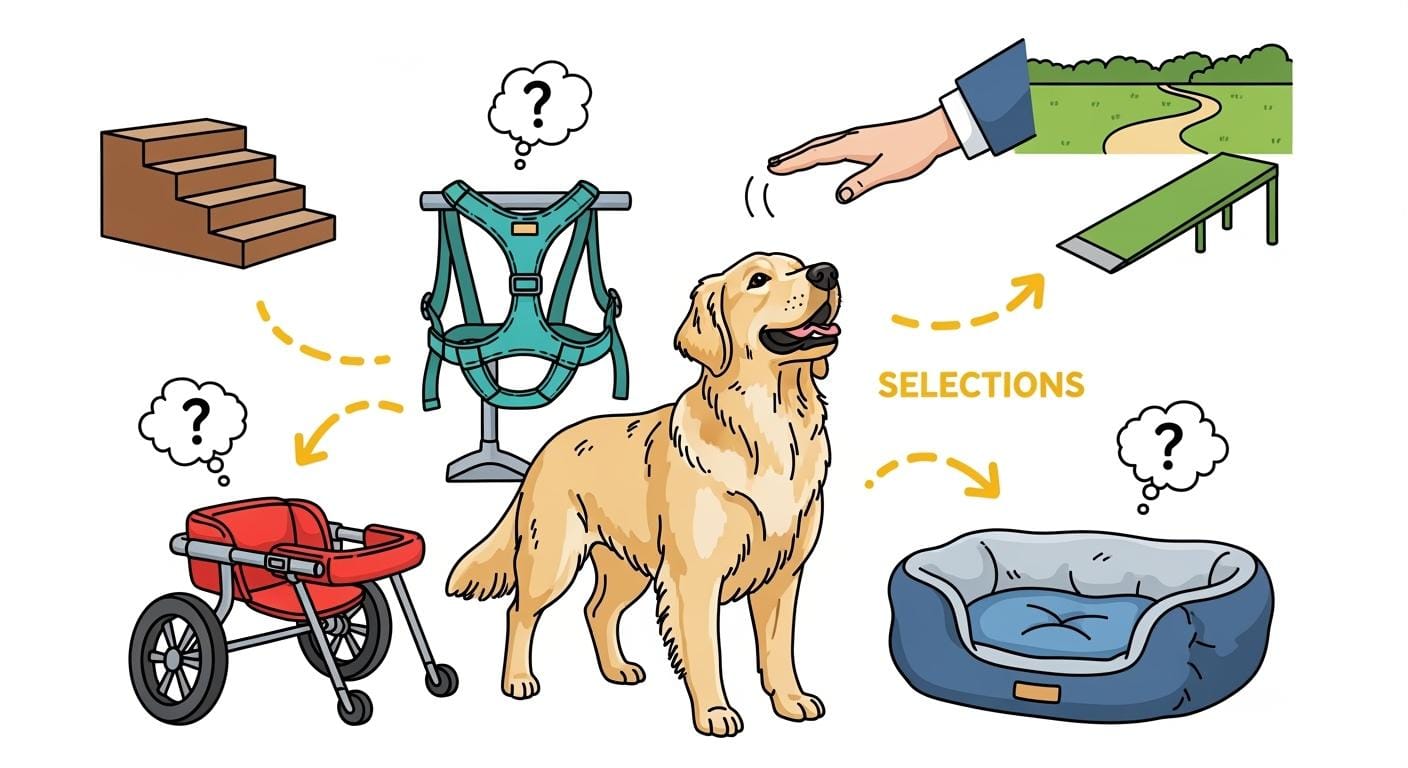
Choosing the right dog mobility support begins with knowing your dog’s needs. More than 20% of dogs have trouble moving because of things like osteoarthritis or being overweight. You should think about comfort, fit, and safety when picking support gear.
Tip: Always talk to your veterinarian before you try any new support product.
Use the quick reference card and decision tables in this guide to help you choose. You can learn more about the options at gaitguard.com/products/.
Key Takeaways
Know what your dog needs for moving before picking support gear. Ask your veterinarian for advice that fits your dog.
Use the two-finger rule to check if harnesses and braces fit well. This keeps your dog from getting hurt or having skin problems.
Watch your dog for pain or trouble when using mobility gear. If you see a problem, stop using it and call your vet.
Think about adding things at home like ramps and non-slip rugs. These can make your dog safer and more comfortable.
Pick the right mobility support for your dog’s needs, like weakness, healing, or balance problems.
Dog mobility support basics and when to use it
What dog mobility support can and cannot do
Dog mobility support products help your dog move and feel better. These tools can help with walking, standing, or keeping healing spots safe. But mobility gear does not take the place of a vet’s checkup or a rehab plan. You should always ask your veterinarian before you try new support gear.
Here is a quick look at what some common products do and what they cannot do:
Product Type | Primary Functions | Limitations |
|---|---|---|
Full-Body Lifting Harness | Supports the whole body and helps with standing, walking, and stairs | Needs a person to help all the time; may not work for very bad mobility problems |
Dog Wheelchair | Helps dogs move if their back legs are weak or paralyzed | Not good for dogs with only front leg problems; needs to be adjusted for comfort |
Note: Take off any gear if your dog seems hurt, scared, or has skin trouble. Call your vet if you see these things.
Common causes of mobility loss in dogs
Dogs can lose mobility for many reasons. You might see your dog slow down or have trouble getting up. The most common reasons are:
Arthritis
Back problems
Dysplasia
Neurological disorders
Age-related disorders
About 20% of adult dogs have osteoarthritis. Up to 80% of dogs over 8 years old have joint problems. Around 60% of dogs in the US are overweight or have obesity, which makes moving harder.
Safety signs: when to call your vet
You need to watch for warning signs that mean your dog should see a vet before using dog mobility support. Look for:
Changes in movement, like limping or not wanting to jump
Changes in behavior, such as being grumpy or not wanting to play
Physical signs, like swelling, trouble getting up, or licking a sore spot
Not wanting to use stairs or changes in play
If you see any of these signs, stop using support gear and call your veterinarian. Safety is most important.
Quick reference card for dog mobility support
Key stats and timelines for common conditions
This table shows the most common mobility problems in dogs. It also tells you how long recovery might take.
Condition | Prevalence/Timeline |
|---|---|
Osteoarthritis (OA) | About 20% of adult dogs have OA. Almost 80% of dogs over 8 years old have OA. |
Overweight/Obesity | About 60% of dogs in the US are overweight or obese. |
CCL/TPLO Recovery | Half of dogs walk in one day. Most dogs can stand in two weeks. Most dogs walk normally in ten weeks. Full activity takes about six months. This depends on the dog and surgeon. |
IVDD Recovery | Dogs rest for four to six weeks. Many dogs get better in a few weeks. If dogs feel deep pain, 96% walk in twelve weeks. This depends on the dog and vet. |
Safety tip: Ask your veterinarian before you start or change support gear.
Fit and wear rules for harnesses and braces
Follow these steps to keep your dog safe and comfy:
Pick a harness that does not stretch much for recovery.
Find harnesses with rings in good spots for control.
Make sure you can fit two fingers under the straps.
Begin brace use for thirty to sixty minutes, three to five times a day.
Check your dog’s skin every time you put gear on or take it off.
If your dog feels good, add about twenty-five percent more time every three to four days.
Take gear off when your dog rests inside unless your vet says to keep it on.
Keep gear dry unless the maker says it is okay to get wet.
Measure your dog at the neck base, widest chest, back length, waist, and hindquarters.
Note: If you see redness or sores, change or stop using the gear and call your vet.
Who is a good candidate for support gear
Dog mobility support can help if your dog:
Has OA stiffness, weakness, or mild instability but still tries to move.
Is healing from surgery and follows a vet rehab plan.
Is an older dog who slips, has trouble getting up, or tires easily.
Needs careful help for IVDD recovery as your vet says.
Do not use support gear without your vet’s help if your dog:
Suddenly cannot put weight on a leg or may have a broken bone.
Has open wounds, cuts that are not healed, or skin infections.
Gets worse with nerve problems or loses bladder or bowel control.
Limps, panics, gets pinched, or has skin problems from gear.
Always talk to your veterinarian if your dog has pain, gets worse quickly, or needs help after surgery.
Matching gear to your dog’s needs
Picking the right gear starts with knowing your dog’s daily problems. The right product can help your dog move, feel safe, and stay comfy. Look at the decision table below to see which gear fits your dog’s symptoms and daily challenges.
Decision Table: Symptom and Daily-Life Challenge
Symptom or Challenge | Recommended Gear | User Benefits | Safety Notes |
|---|---|---|---|
Trouble rising from rest | Lift-assist harness | Less slipping, easier for caregivers | Check fit; ask vet about pain |
Weak or unstable joints | More confidence, comfort comes first | Start with short use; check skin | |
Difficulty with stairs | Ramps, lift-assist harness | Less strain, safer movement | Watch your dog; don’t rush |
Healing after surgery | Recovery gear, braces | Steady support, protects healing area | Follow vet’s plan; check skin |
Slipping on floors | Non-slip rugs, harness | Fewer falls, safer for your dog | Keep rugs clean; check paws |
Paralyzed or dragging limbs | Drag bags, ramps | Protects skin, allows safe movement | Look for scrapes; ask your vet |
Safety tip: Always ask your vet before using new gear, especially after surgery or sudden changes.
When to use braces and orthoses
Braces and orthoses can help dogs with weak or injured joints. They are often used for knee, hip, or leg problems. Most dogs with stifle braces walk better, but mild problems can happen. Bracing is good for dogs who do not need surgery, but surgery is still best for many injuries.
Evidence Type | Study Reference | Findings | Limitations |
|---|---|---|---|
Prospective Trial | All stifle-braced dogs walked better; most had mild problems | Small group; short follow-up | |
Retrospective Study | Dogs walked better after 90 days | No control group; looks back | |
Expert Consensus | Bracing works for dogs who do not need surgery; surgery is still best | No big studies |
Start with short times and check your dog’s skin often. If you see redness or sores, stop using the brace and call your vet. Braces can help your dog feel more confident and comfortable.
When to use lift-assist harnesses
Lift-assist harnesses help dogs who have trouble standing, climbing stairs, or walking. You may see your dog rise slowly, struggle with stairs, lag on walks, lose balance, or need help after surgery. Harnesses make things easier and safer for you and your dog.
Slow to get up after resting
Trouble climbing stairs
Lags behind on walks
Sometimes loses balance
Healing from injury or surgery
Note: Make sure you can fit two fingers under the harness straps. Take off the harness when your dog rests inside unless your vet says to keep it on.
When to use recovery and protection gear
Recovery and protection gear helps dogs after surgery or injury. These products include knee braces, leg braces, spinal and hip braces, and elbow or carpal supports. They keep joints steady, lower pain and swelling, and protect healing spots.
Type of Brace | Purpose/Benefits | Notes |
|---|---|---|
Knee Brace | Helps dogs recover after sprains, tears, or surgery. Studies show most dogs recover. | Lowers pain and swelling, keeps joint steady. |
Dog Leg Braces | Supports lower legs for sprains, strains, arthritis, and after surgery. | Adjustable for fit, allows safe movement. |
Spinal and Hip Braces | Helps dogs with hip dysplasia, arthritis, or after surgery. | Keeps hip joint steady, costs less than some treatments. |
Elbow, Carpal, Tarsal | Supports small to medium leg injuries. | Make sure the fit and support are good. |
Always follow your vet’s timeline for recovery gear. Check your dog’s skin every time you use the gear.
When home changes are better than gear
Sometimes, simple changes at home help your dog more than gear. You can use ramps for stairs, put down non-slip rugs, and make food and water bowls easy to reach. These changes can stop slipping, help your dog feel confident, and make daily life safer.
Ramps for stairs
Non-slip rugs
Easy-to-reach food and water bowls
Tip: Home changes work well for older dogs or those with mild mobility issues.
Choose the right category in 5 steps
Follow these steps to pick the best gear or home change for your dog:
Find your dog’s main goal (walking, rising, healing, or stopping slips).
Watch the situation (stairs, walks, resting, or after surgery).
Use timelines for recovery and gear use.
Measure and fit gear using the two fingers rule for harnesses and the mini parameter table for braces.
Start with short wear times and check your dog’s skin.
For more details, visit gaitguard.com/products/. You can find options that help stop slipping, boost confidence, and support comfort-first routines.
Safety disclaimer: Gear can help your dog move better, but it does not replace vet care. Always ask your vet for pain, sudden decline, or after surgery.
Measuring and fitting support gear
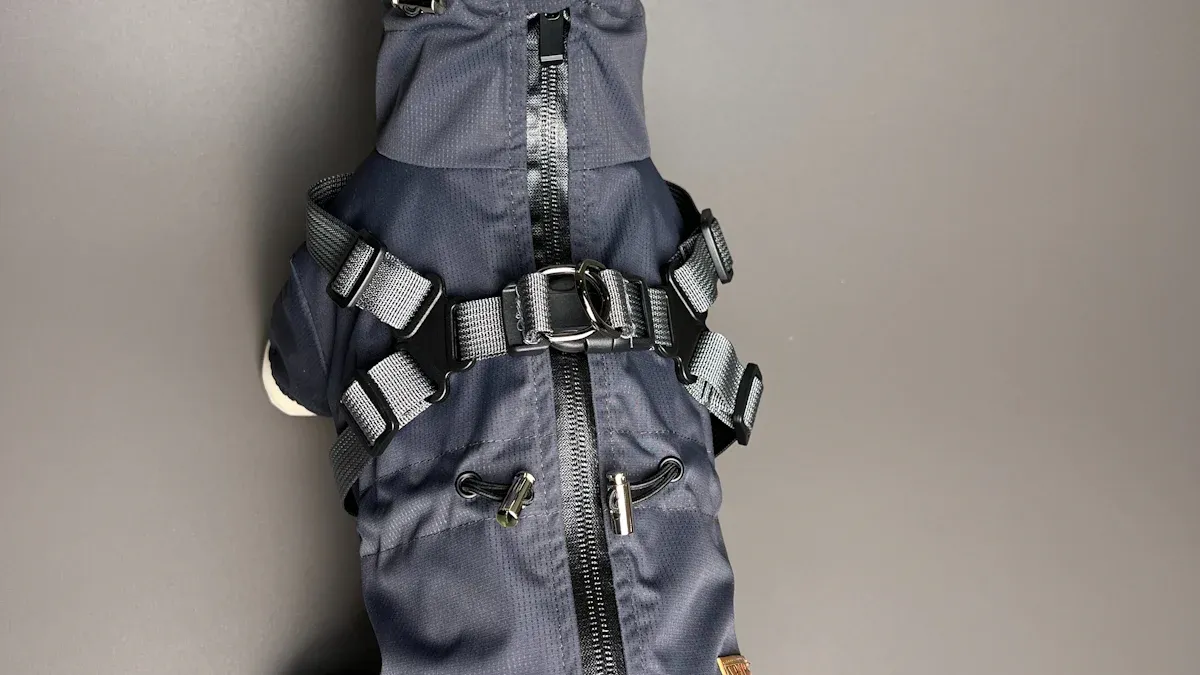
Essential measurements for a proper fit
Getting the right fit starts with accurate measurements. You want your dog’s support gear to help, not hinder. Always measure your dog while standing comfortably. Use a soft tape measure and write down each number.
Key measurement points:
Base of neck (where the neck meets the shoulders)
Widest chest/girth (just behind the front legs)
Back length (from neck base to tail base)
Waist/abdomen circumference (for rear lift-assist)
Hindquarter distance (between rear attachment points)
Tip: Place straps behind the shoulders for weight support. Avoid pressure on the neck and belly. Make sure the harness does not block shoulder movement.
Example:
If your dog’s chest measures 20 inches, multiply by 2.54 to get centimeters:20 in x 2.54 = 50.8 cm
Always check the manufacturer’s sizing chart before you buy. This helps you choose the right size for comfort and safety.
The two-finger fit test and movement check
You want the gear snug but not tight. Use the two-finger rule: slide two fingers under each strap. The straps should not pinch, but your dog should not slip out.
After fitting, let your dog walk indoors. Watch for smooth movement. The harness or brace should not rub or restrict the shoulders. If your dog limps or seems uncomfortable, adjust the fit or remove the gear.
Skin checks and early warning signs
Check your dog’s skin every time you put on or take off support gear. Look for redness, hair loss, or sores. These signs mean you should stop using the gear and call your veterinarian.
Fit check in under 2 minutes:
Confirm straps do not pinch or press on sensitive areas.
Perform the two-finger squeeze test under each strap.
Walk-test your dog indoors and watch for normal movement.
Check your dog’s skin right after removing the gear.
Safety first: Support gear may help your dog move better, but it does not replace veterinary care. Always ask your vet if you see pain, sudden changes, or skin problems.
For more tips on measuring, fitting, or troubleshooting, visit gaitguard.com/products/. You can learn how comfort-first routines and regular safety checks may help your dog stay active and safe.
Recovery timelines and support gear use
CCL/TPLO recovery milestones
Dogs often need support gear after CCL or TPLO surgery. Recovery takes time and depends on your dog and the surgeon’s plan. You may see progress in stages. Here is a simple table to help you understand what to expect:
Recovery Stage | Timeline |
|---|---|
Initial Weight Bearing | 2–3 weeks post-surgery |
Normal Walking Gait | 8–12 weeks post-surgery |
Bone Fusion | 10–12 weeks |
Full Remodeling and Strength | Up to 6 months |
Example: If your dog had surgery on January 1, you may notice your dog starts to put weight on the leg by mid-January. By March, your dog may walk with a normal gait. Full activity may return by July. Always check with your veterinarian before changing activity or support gear.
Safety tip: Every dog heals at a different pace. Watch for pain, swelling, or limping. Call your vet if you see any problems.
IVDD recovery and support
IVDD recovery often includes strict rest and support gear. Your vet may suggest a harness or wheelchair to help your dog move safely. Here are common support options:
Help ‘Em Up harness – Gives support for both front and back legs.
GingerLead dog sling – Helps you support your dog’s hind legs during walks.
Walkin’ Wheels custom dog wheelchair – Works for dogs with weak or paralyzed legs.
Eddie’s Wheels – Custom wheelchairs made for your dog’s body.
Note: Most dogs need 4–6 weeks of strict rest. Many improve within weeks, but results vary. Always follow your vet’s advice for gear use and activity.
Arthritis and senior dog comfort plans
Senior dogs often need extra comfort and support. About 80% of dogs over 8 years old show signs of arthritis. You can help your dog feel better with a mix of treatments and home changes.
Comfort Plan/Support Gear | Description |
|---|---|
NSAIDs | Vet-prescribed medicine for arthritis pain. |
Pain Medications | Other options like tramadol or gabapentin may help. |
Natural Pain Relief | PEMF mats or beds may give relief. |
Supportive Dog Beds | Memory foam beds support joints and improve sleep. |
Stairs and Ramps | Make it easier for your dog to move around. |
Lifting Harnesses | Help your dog stand or walk with less effort. |
Mental Stimulation Toys | Keep your dog’s mind active and happy. |
Regular exercise may help your dog keep muscle and joint strength. Short walks and gentle play can boost comfort and brain health. Always ask your vet before starting new treatments or gear.
Safety reminder: Support gear and comfort plans may help your dog, but do not replace veterinary care. Call your vet if your dog has pain, sudden changes, or trouble moving.
Decision table: choosing support in 60 seconds
Table by symptom and daily challenges
This table helps you match your dog’s problems with the right support. It shows what to try first and when to call your vet.
Situation you see at home | Primary goal | Best mobility support type to try first | Fit and comfort notes | When to call the vet |
|---|---|---|---|---|
Dog struggles to rise | Help stand up safely | Lift-assist harness | Use two-finger rule under straps | If pain worsens or dog cannot rise |
Weak or wobbly back legs | Steady walking | Start with short wear, check skin often | If weakness gets worse | |
Slipping on smooth floors | Prevent falls | Non-slip rugs, harness | Harness should not block shoulders | If falls become frequent |
Healing after surgery | Protect healing area | Recovery brace or comfort gear | Follow vet’s wear schedule, check skin | If swelling, redness, or limping |
Dragging paws or knuckling | Protect paws | Check for rubbing or sores | If sores, panic, or sudden decline |
Safety tip: Always look at your dog’s skin and comfort. If you see pain, panic, or sudden changes, stop using the gear and call your vet.
Red-yellow-green guidance for support use
This color guide helps you know what to do next:
Status | Signs You See | What You Should Do |
|---|---|---|
🟢 Green | Stable, pain managed, needs help moving | Use harness for transfers and short walks |
🟡 Yellow | Mild pain, new weakness, unsure about fit | Check the fit again, call your vet if unsure |
🔴 Red | Sudden pain, panic, loss of bladder/bowel | Do not use harness, call your vet right away |
If your dog goes from green to yellow or red, always talk to your vet before you use support gear again.
When to stop or recheck gear
Stop or check your dog’s support gear if you see:
New limping, yelping, or panic
Redness, sores, or hair loss under the gear
Sudden weakness or loss of balance
Loss of bladder or bowel control
If you notice any of these signs, take off the gear and call your vet right away. Support gear can help your dog move, but it does not replace vet care. Your dog’s safety comes first.
Comparison: braces, harnesses, and protection gear
To pick the right dog mobility support, you need to know how each type helps. Braces, harnesses, and protection gear all do different things. Braces hold joints steady and help dogs heal after injuries or surgery. Harnesses let you guide your dog and keep them safe on walks. Protection gear keeps body parts safe from scrapes, especially if your dog drags their legs. Each choice can help your dog in its own way. What you pick depends on your dog’s needs and how active they are.
Pros, cons, and best uses
Here is a simple chart to help you choose:
Option | Best for | Limitations | Common mistakes to avoid |
|---|---|---|---|
Joint injuries, post-surgery support | May need adjustments, can be expensive | Skipping skin checks, using too long | |
Harnesses | Weakness, help with stairs or walks | Needs human help, not for severe paralysis | Loose fit, leaving on during rest |
Protection Gear | Preventing scrapes, dragging limbs | Only for specific needs, limited outdoor use | Not checking for rubbing or sores |
Braces can keep joints steady and lower pain. They are good for dogs getting better after injury or surgery.
Harnesses are light and simple to use. They help your dog move every day and may stop neck or back pain.
Protection gear like drag bags keeps skin safe from scrapes. These are best for dogs who cannot move their legs.
Safety tip: Always ask your veterinarian before you try new gear. This is very important if your dog has pain or sudden changes.
Comfort, compliance, and adaptation
You want your dog to feel good and safe. Support harnesses are easy for most dogs to get used to. Braces might need time to break in and should be checked often for fit. Dogs usually get used to harnesses and beds faster than braces or drag bags. Non-slip floors and soft beds can also help your dog feel better.
Support harnesses make moving easier and lower joint stress.
Orthopedic beds and non-slip rugs can make your dog safer and more comfy.
Most dogs do well with harnesses if they fit right and are not worn too long.
Note: Watch your dog for signs like limping or skin problems. If you see these, stop using the gear and call your vet.
Cleaning and durability tips
Keep your dog’s gear clean and ready:
Wash gear with gentle soap and water to keep it nice.
Store gear in a dry spot.
Look at straps and buckles for damage.
Cleaning and checking gear often can help it last longer and stay safe.
Taking care of gear helps your dog stay comfy and lowers the chance of skin trouble.
For more help picking and caring for rehabilitation braces and lift-assist gear, look at product choices and always talk to your veterinarian. The right support can help your dog stay active and safe.
FAQs about dog mobility support
You may have questions when you start looking for ways to help your dog move better. Here are answers to some of the most common questions about dog mobility support.
What causes dogs to have mobility issues?
Dogs often have trouble moving because of arthritis, back problems, hip or elbow dysplasia, or neurological disorders. Age and extra weight can also make movement harder.Can dog mobility issues be cured?
The answer depends on what is causing the problem. Some conditions may improve with treatment, but many need ongoing care. Always talk to your veterinarian to find the best plan for your dog.How do I know if my dog needs mobility support?
You might notice your dog slowing down, slipping on floors, or having trouble getting up. If your dog limps, avoids stairs, or seems tired after short walks, support gear may help. Ask your vet before you start any new product.Is it safe to use mobility gear at home?
Most support gear is safe when you use it the right way and check your dog’s skin often. You should always follow the fit and wear rules. Remove gear during rest unless your vet says to keep it on.How do I choose the right size and type of gear?
Measure your dog at the neck base, chest, back, and waist. Use the two-finger rule for harnesses. Start with short wear times and check for redness or sores.Will my dog get used to wearing support gear?
Many dogs adapt well, especially if you start slowly and use treats or praise. Watch for signs of discomfort. If your dog seems upset or develops skin problems, stop using the gear and call your vet.
Safety reminder: Dog mobility support may help your dog move better, but it does not replace veterinary care. Always ask your veterinarian if you see pain, sudden changes, or if your dog is recovering from surgery.
You can help your dog move better by using a simple plan. Begin by asking your veterinarian for advice. Use checklists and tables to find what your dog needs. Pick gear that helps stop slipping and builds confidence. This gear also makes it easier for you to care for your dog. Comfort routines help your dog feel safe and happy. Always check how the gear fits and look at your dog’s skin. Safety should always come first. Visit gaitguard.com/products/ to learn more about dog mobility support.
FAQ
How do I know if my dog needs mobility support?
You may notice your dog slowing down, slipping, or struggling to stand. If your dog limps or avoids stairs, support gear may help. Always ask your veterinarian before you start any new product.
Can my dog wear mobility gear all day?
No. You should remove gear during indoor rest unless your veterinarian says otherwise. Check your dog’s skin often. Long wear may cause sores or discomfort.
Safety tip: Always follow the two-finger fit rule and check for redness.
Will my dog get used to wearing support gear?
Most dogs adapt well if you start slowly. Use treats and praise to help your dog feel comfortable. Watch for signs of discomfort or skin problems.
Is it safe to use mobility gear without a vet’s advice?
No. You should always talk to your veterinarian before using new gear, especially if your dog has pain, sudden changes, or is recovering from surgery.
What should I do if my dog seems uncomfortable in the gear?
Take off the gear right away. Check your dog’s skin for redness or sores. Call your veterinarian for advice before using the gear again.
