
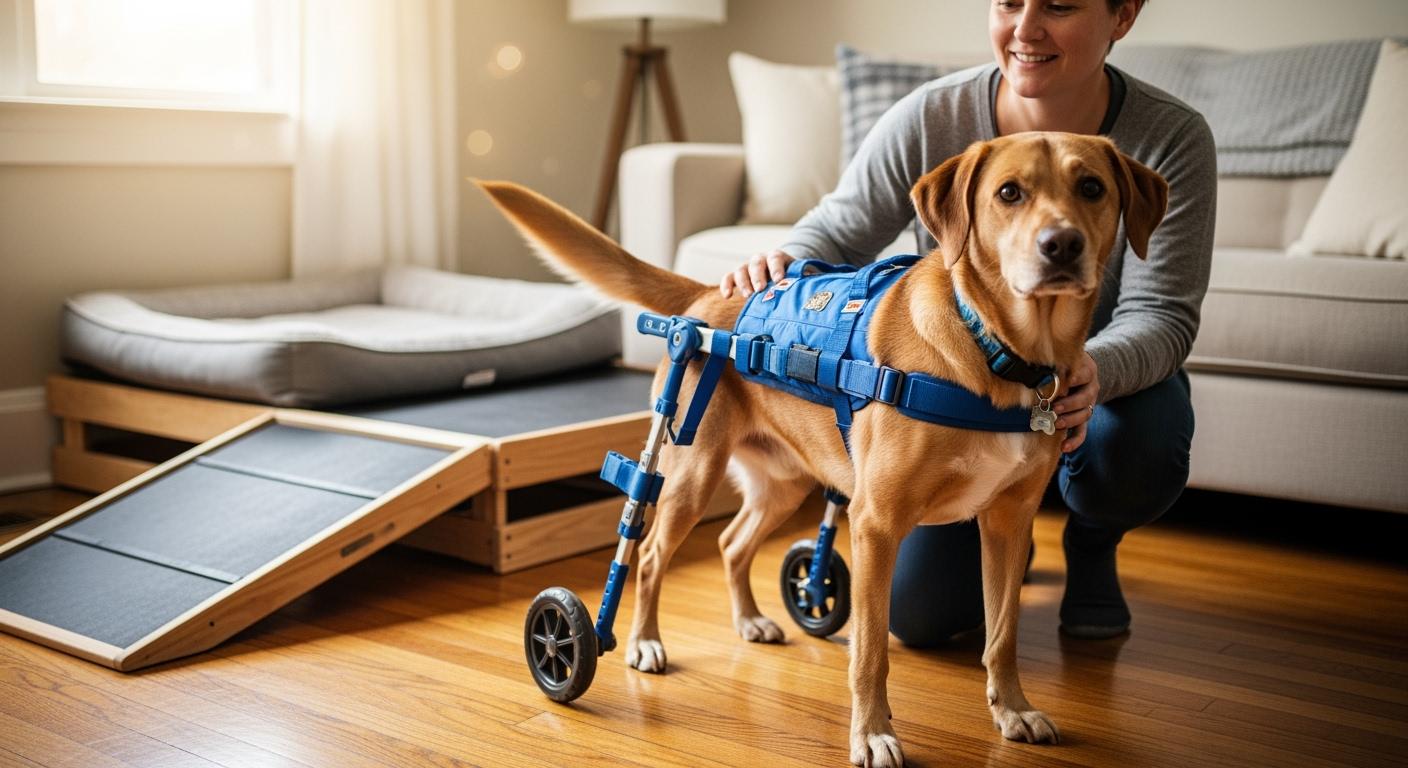
Dog mobility support solutions help your dog move safely every day. These supports help dogs feel comfortable as they walk or stand. They give real help for problems like weak back legs, arthritis, hip dysplasia, and joint weakness. They also help after surgery and when older dogs have trouble moving. You might see your dog has trouble standing up. Your dog may limp or feel stiff after resting. Many owners look for help when their dogs cannot climb stairs well. Some dogs lose confidence when walking. Dog mobility support can help the back legs, hips, back, joints, or rear-end.
Older dogs often have trouble climbing stairs or jumping on furniture.
They may slip on floors that are smooth or shiny.
Dog mobility support tools keep your pet safe and comfortable every day.
Mobility aids help older dogs enjoy walks and other fun things.
Dog mobility support gives real solutions for your dog’s comfort and stability each day.
Key Takeaways
Dog mobility support tools help dogs with problems like arthritis and hip dysplasia. These tools let dogs move safely and feel comfortable.
Watch for signs like limping, stiffness, or trouble standing. These signs show your dog may need help with moving.
Using mobility aids early can keep your dog active. It can also stop more health problems from happening.
Use our dog leg brace guide to compare support categories like braces, harnesses, and mobility aids before choosing the right tool for your dog.
Regular vet check-ups are important to see how your dog is doing. The vet can change the mobility support if needed.
What Is Dog Mobility Support
Dog mobility support means using special tools and ideas to help your dog move better and safer. Vets say mobility is when your dog can move around easily and without pain. If your dog cannot move well, it might mean your dog is hurt or sick. You might see your dog having a hard time walking or standing. Climbing stairs can also be tough for your dog. These changes can make your dog less happy and change daily life.
For a broader educational overview of brace categories, support terms, and safe-use basics, review our dog leg brace guide.
Mobility Support for Daily Comfort
You want your dog to feel good every day. Mobility support for senior dogs helps older pets stay active and enjoy normal daily routines. Vets found that adding physical therapy can help your dog feel better and do more. These supports can make your dog happier and healthier. Dogs can have trouble moving as they get older, after getting hurt, or from birth problems. These issues can cause pain and make it hard to move. Using mobility support can help your dog feel less pain and move with more confidence.
Tip: Look for signs like stiffness, limping, or trouble getting up. Helping early can really help your dog’s comfort.
Mobility support also helps your dog’s muscles and joints work better. When your dog moves well, muscles can stretch and get stronger. This helps your dog walk smoother and keeps the joints healthy.
Common Conditions and Body Parts
Many dogs need mobility support for different reasons. Here are some common problems and body parts that need help:
Osteoarthritis
Hip dysplasia
Intervertebral disc disease (IVDD)
Degenerative myelopathy
Post-surgical recovery
Life after amputation
You might see problems in the back legs, hips, back, or rear-end. Joints often need more help, especially if your dog has arthritis or hip problems. Dog arthritis mobility support steps can help your dog stand, walk, or climb stairs more easily. Each tool is made for a certain problem and body part, so you can pick what your dog needs most.
Signs Your Dog Needs Mobility Support
Knowing when your dog needs help can really help them feel better. You might see your dog move differently or act in new ways. These changes can mean your dog has trouble with their back legs, hips, or joints. Watching for these signs helps you know when to use dog mobility support.
Difficulty Standing or Walking
Dogs show early signs of trouble by changing their daily habits. You might notice your dog:
Has a hard time standing up after resting
Walks slower or limps during walks
Does not want to climb stairs or jump on furniture
Struggles to get in and out of the car
Older dogs often have these problems. Osteoarthritis is common in aging dogs and often makes standing or walking harder. This makes standing or walking hard as dogs get older. Your dog may also groom less, eat less, or play less than before. Sometimes, your dog may not greet you as happily, which can mean they feel pain.
Hind Leg and Hip Weakness
Weak back legs or hips can cause more problems. Look for these signs:
Back or front legs shake or give out
Stumbling, tripping, or dragging back feet
Moving slower on stairs or flat ground
Trouble getting up from lying or sitting
Muscles in the thighs or hips get smaller
Legs or toes spread out, especially on slippery floors
These signs mean your dog may need help for the back legs, hips, or rear-end. For a clearer home-care and monitoring path, review our dog hind leg weakness guide.
Reduced Balance and Activity
Problems with balance and less activity can also show your dog needs support. Watch for:
Sudden loss of balance or head tilting
Fast eye movements
Trouble walking in a straight line
Not wanting to move or exercise
Joints feel stiff after resting
Less interest in stairs or playing
Older dogs often have these problems because of arthritis or hip dysplasia. Seeing these changes early helps you give your dog the right support to keep them safe and comfortable.
When to Consider Mobility Support Tools
Senior Dog Mobility Decline
As dogs get older, their movement can change. Older dogs may walk slower or lose muscle. They might not want to go for walks as much. If your dog has trouble getting up or climbing stairs, think about using mobility support. Using these tools early helps your dog stay active and comfy. You can put ramps, non-slip mats, or soft harnesses in your house. These things help your dog move around safely and keep their mind busy. You do not have to wait for big problems. Start using support tools when you see your dog slowing down or moving less. This helps your dog keep strong muscles and stops more problems.
Tip: Look for small changes in your dog’s habits. Helping early can really help older dogs.
If aging-related decline is the main concern, review our mobility support for senior dogs article for home changes, routines, and tool-selection ideas.
Arthritis and Joint Issues
Arthritis and joint pain can make life tough for your dog. You might see your dog:
Limp or use one leg more, especially after playing or when it is cold
Feel stiff when getting up or after resting
Not want to run, jump, or play as much
Lick or bite at sore spots
Act grumpy or not want to be touched
Dog mobility support tools like joint braces or special beds can help your dog feel better. These tools support the joints and make standing or walking easier for older dogs.
Post-Surgery Recovery
After surgery, your dog may need extra help to move. Mobility support tools are important for healing. You can use ramps to help your dog avoid jumping. Harnesses help your dog stand and walk without hurting the healing spots. Wheelchairs can help dogs who are very weak or cannot walk. These tools help your dog get stronger and feel better after surgery.
Hip Dysplasia and Rear-End Support
Hip dysplasia and weak back legs are common in older dogs. Mobility aids help your dog stay active and do things on their own. You can use wheelchairs, lifting harnesses, drag bags, or dog boots for extra help. Hip braces give gentle pressure and keep the hip joint steady. These tools lower pain and help your dog move better if they have hip dysplasia or arthritis. Older dogs with weak back ends do better with these tools. They help your dog walk, stand, and enjoy daily life.
Mobility aids help dogs heal from surgery or injury.
They also help with long-term problems and weakness from age.
Hip braces lower swelling and stop too much joint movement.
Dog mobility support solutions give older dogs the help they need to stay safe and comfortable every day.
Mobility Support Tools and Solutions
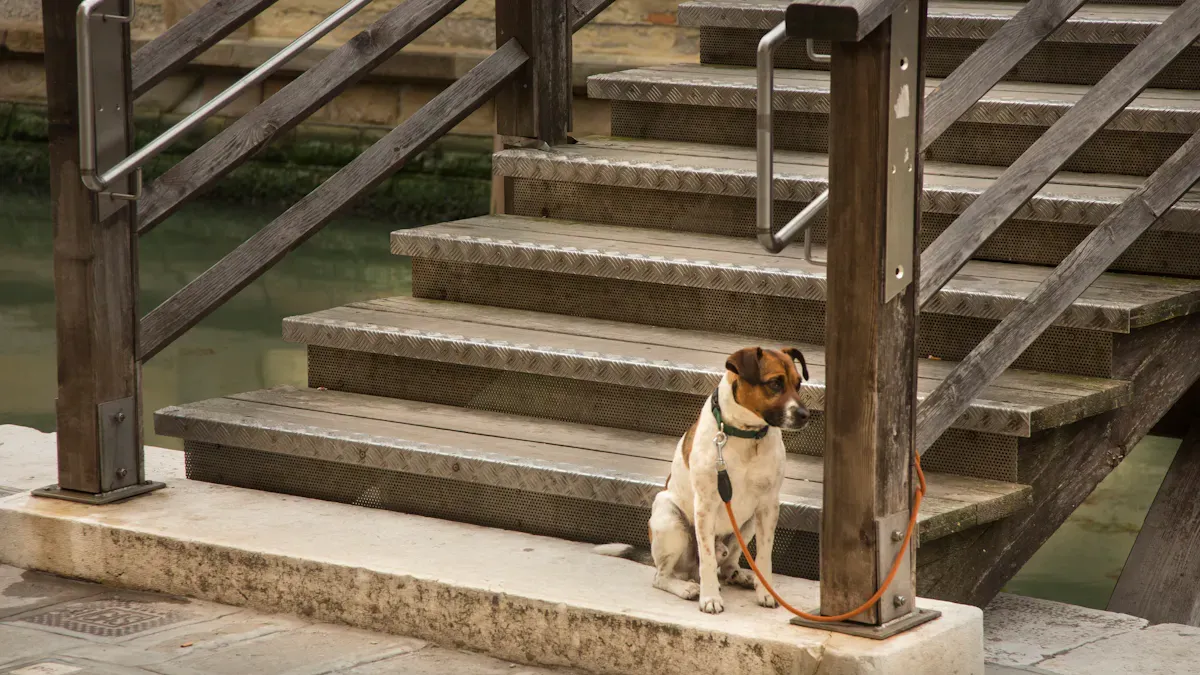
Choosing the right mobility support tools can make a big difference in your dog’s daily life. Each tool helps with a specific condition and body part. You can find options for joint pain, weak legs, hip problems, and more. These tools help your dog move, stand, and rest with less effort.
Braces for Joint and Leg Support
Braces give extra support to your dog’s joints and legs. They help dogs with arthritis, ligament injuries, or hip dysplasia. You can use a knee brace for arthritis or a hip brace for hip problems. Braces keep the joint steady and help your dog walk with more confidence. Here is a table showing common types of braces and the conditions they help:
Type of Brace | Conditions Addressed |
|---|---|
Cruciate Care Knee Brace | Partial CCL tears, non-surgical management |
Hip Hound Brace | Hip dysplasia, arthritis |
Wrist Wraps | Recovery from acute injuries, support for senior dogs |
Hock Holder | Support for active dogs, joint laxity |
You can use these braces for the knees, hips, wrists, or hocks. They help reduce pressure on joints and make walking easier for your dog.
Lift Harnesses for Walking and Standing
Lift harnesses support your dog when standing up or walking. These harnesses work well for dogs with weak hind legs, hip problems, or after surgery. Over 40% of dogs aged 9–13 have some mobility problems. Large senior dogs have an even higher risk. Lift harnesses help your dog climb stairs, get up after resting, or walk outside. They give you control and help your dog feel safe. For product-side comparison, review our dog lift harness options. You can use support harnesses to help your dog move without hurting their back or hips.
Tip: Use a lift harness for dogs with hind leg weakness or hip dysplasia. This tool helps your dog stay active and keeps pets comfortable during daily walks.
Ramps and Steps for Safer Walking
Ramps and steps help your dog reach beds, sofas, or cars without jumping. These tools are important for dogs with arthritis, hip dysplasia, or after surgery. Pet ramps and stairs lower the risk of injury and make movement safer. You can use them indoors or outdoors. The gentle incline of ramps makes climbing easier for senior dogs. Pet ramps also help overweight dogs or those with weak joints.
Ramps and stairs prevent joint strain.
They offer safer walking for dogs with mobility issues.
You can use them in many places, like next to a bed or car.
Non-Slip Mats and Rugs
Non-slip mats and rugs give your dog better traction on slippery floors. Dogs with weak legs or balance problems often slip on hard surfaces. Adding non-slip mats helps your dog walk safely and reduces falls. You can place area rugs or runners in busy spots like hallways or near food bowls. Make sure rugs are flat and do not have raised edges. Rubber flooring also works well for traction and comfort.
Non-slip mats help senior dogs move with confidence.
These changes in your home can prevent accidents and keep your dog safe.
Orthopedic Beds for Comfort
Orthopedic beds support your dog’s joints and body. These beds are great for dogs with arthritis, hip dysplasia, or after surgery. Orthopedic beds use memory foam to shape to your dog’s body. This design helps distribute weight and cushion bones. Your dog will feel less stiff and sleep better. Orthopedic beds also keep pets comfortable by keeping them off cold or slippery floors.
Feature | Benefit |
|---|---|
Memory Foam | Contours to the body for optimal support |
Weight Distribution | Reduces pressure on joints and cushions bones |
Pain Relief | Eases discomfort from arthritis |
Orthopedic beds reduce stiffness and joint pain.
They help your dog recover after walks or grooming.
Strollers and Wheelchairs
Strollers and wheelchairs help dogs who cannot walk far or have severe mobility problems. You can use a stroller for senior dogs, dogs recovering from surgery, or those with weak legs. Wheelchairs support the back legs and let your dog move around. These mobility support tools improve your dog’s quality of life. They also reduce boredom and help your dog join family activities.
Strollers and wheelchairs help dogs stay social and active.
They are good for dogs who need extra help moving outside.
Support Wraps and Slings
Support wraps and slings help dogs with weak backs, hips, or legs. You can use a sling for dogs recovering from surgery or with conditions like Intervertebral Disc Disease. A sling wraps around your dog’s middle and helps them balance. The Help ’em Up Harness has two handles for lifting and guiding your dog. Choose a sling that supports the center of your dog’s body. Adjustable handles make it easy for you to help your dog without hurting your own back.
Note: Support wraps and slings are great for helping your dog stand, walk, or climb stairs. They give gentle support and help your dog stay upright.
Mobility support tools like braces, harnesses, ramps, mats, beds, strollers, and slings help your dog move safely every day. You can choose the right tool based on your dog’s condition and which body part needs support. These tools help your dog enjoy daily life and stay active.
Physical Rehabilitation and Exercise
Rehab Options for Mobility
Physical rehabilitation helps your dog move better. It uses different ways to help dogs with arthritis, hip dysplasia, or weak hind legs. Each method helps with pain or makes muscles stronger. Here is a table that shows common rehab choices, their good points, and things to watch out for:
Rehabilitation Method | Description | Benefits | Drawbacks |
|---|---|---|---|
Heat Therapy | Uses heat to boost blood flow and ease pain before exercise. | Less pain, better tissue health, fewer muscle spasms. | Be careful with heat, not for use right after injury, can make swelling worse. |
Cold Therapy (Cryotherapy) | Uses cold like ice packs to lower pain and swelling after surgery or injury. | Less blood flow, less pain, less swelling and spasms. | Works best right after injury or surgery, up to two weeks. |
Massage Therapy | Uses hands to relax muscles and joints, helping the whole body heal. | Less pain and swelling, less stress, better blood flow. | Should be done by experts; wrong moves can cause pain or spasms. |
Passive Range of Motion (PROM) | Moves joints without stressing muscles, good for dogs who cannot move much. | Less pain, stops tightness, better blood and lymph flow, keeps joints smooth. | Needs dog to cooperate; does not stop muscle loss or make muscles stronger. |
Laser Therapy | Uses light waves to fix tissues, helps with swelling and pain. | Less swelling and pain, helps wounds heal, safe if done right. | Needs special tools; can burn or hurt eyes if used wrong. |
TENS (Electrical Stimulation) | Sends electric currents to lower pain and swelling. | Helps pain, better movement, faster healing, stops muscle loss. | Needs special tools and expert help. |
Acupuncture | Uses needles to lower pain and help healing by fixing energy imbalances. | Better blood flow, more oxygen, better healing, less pain. | Not a cure, needs many sessions, dog must cooperate. |
Hydrotherapy | Exercises in water to lower joint stress and build muscles. | Works many muscles, builds strength, better movement, less pain. | Needs a pool and tools; dog must want to do it. |
You can work with your vet to make a rehab plan just for your dog. These plans help your dog move better and feel good every day.
Safe Exercise for Dogs
Safe exercise keeps your dog strong and healthy. You can make your home safer and help your dog move with these tips:
Put non-slip mats or rugs on floors and stairs.
Use baby gates to block stairs and help your dog with a harness.
Keep your dog at a healthy weight with good food.
Pick gentle activities like swimming or short walks.
Let your dog choose the speed and take more short walks.
Use a stroller or wagon for dogs who cannot walk far, so they can still go outside.
Try animal rehab exercises and other therapies to help your dog move.
Regular, gentle movement keeps your dog strong and comfy. Dog mobility support tools and safe exercise help your dog stay happy and active.
Buying Guide for Mobility Support
Fit and Comfort
You want your dog to feel safe and happy every day. The way a device fits is very important. If it fits well, your dog can move better and feel good. If it does not fit right, it can hurt your dog or make walking harder. Always check the sizing chart and measure your dog before buying. Look for straps you can adjust and soft padding for comfort. The right fit helps your dog stand straight and keeps problems from getting worse.
If your dog needs rear-end help for standing, stairs, or walking support, compare our dog lift harness options before final selection.
Evidence | Explanation |
|---|---|
Proper fit enhances quality of life | A good size makes your dog safer and more comfortable. |
Ill-fitted devices cause discomfort | Bad fit can make your dog feel pain or get hurt. |
Correct posture is essential | Good fit helps your dog move and stand the right way. |
Adjustability and Support Level
Being able to adjust the device is very helpful. Dogs with arthritis, hip dysplasia, or weak legs need different support. Pick products with Velcro straps, handles you can move, or joints that bend. You can make the device tighter or looser as your dog changes. Adjustable harnesses and braces help your dog walk, stand, or climb stairs. Both front and back legs may need support.
Tip: Always look for adjustable parts that fit your dog’s size and needs, especially if you are comparing current dog lift harness options or support harnesses.
Material and Durability
Strong materials make the tools last longer and keep your dog safe. Choose light, airy fabrics that are easy to wash. Soft inside parts and tough outside parts protect your dog’s skin and joints. Padded straps and non-slip pads add comfort and help your dog stay steady. Harnesses with strong parts work for both front and back support. You want materials that last and keep your dog comfy.
Light and airy fabrics
Padded Velcro straps you can adjust
Non-slip pads for better grip
Ease of Use and Daily Suitability
Dog mobility tools should be easy to use every day. Pick harnesses, wheelchairs, or ramps based on what your dog needs. Let your dog get used to new tools slowly. Ask your vet if the tool is right for your dog. Choose products that help with walking, standing, stairs, and bathroom time.
Pick the best tools for your dog.
Let your dog try new aids slowly.
Ask your vet for help with daily use.
Note: Easy cleaning, quick changes, and safe design make caring for your dog simpler every day.
Safe Use and Expectations
Setting Realistic Goals
When you start using dog mobility support, set goals that fit your dog’s needs. Every dog is unique. Some dogs get more freedom fast. Others need time to get used to new tools. You can expect your dog to feel better and act more confident. Many owners see their dogs enjoy walks and play again.
Here is a table that shows what owners often notice with mobility support:
Aspect | Current Owners’ Experience | Waitlist Expectations |
|---|---|---|
Benefits | Increased freedom and daily functioning | Anticipated better quality of life |
Drawbacks | Some challenges with public access | Fewer expected drawbacks |
About 45% of owners see their dogs have a better life.
Most owners (80%) feel closer to their pets.
Some owners do not expect problems using support tools in public.
Watch your dog’s progress and celebrate small steps. Your dog may walk farther, stand up easier, or want to play more. These changes mean dog mobility support helps your pet enjoy life.
Monitoring and Consulting a Vet
You are important for your dog’s comfort and safety. Check your dog’s behavior every day. Look for less walking, limping, or eating less. If you see new problems, write them down.
Follow these steps to keep your dog safe:
Take your dog to the vet often to adjust support.
Watch your dog’s comfort and movement at home.
Look for pain, like not wanting to move or limping.
Give good food and keep your dog at a healthy weight.
Do not let your dog do hard activities that hurt joints.
Work with your vet to find and fix any health problems.
When you use ramps, slings, or harnesses, follow safety rules. Here is a table with important tips:
Safety Guideline | Description |
|---|---|
Proper Fit | Make sure ramps and slings fit your dog well. |
Non-Slip Surface | Pick ramps with non-slip surfaces for better grip. |
Training | Learn to use devices safely to stop accidents. |
You help your dog stay safe and happy by using dog mobility support the right way and working with your vet.
Dog mobility support gives your dog a chance to walk, stand, and rest with more comfort every day. You can choose practical solutions that match your dog’s condition and body part needs. These tools help your dog stay active and safe. Always check your dog’s progress and talk with your vet for the best results. With the right support, you help your dog enjoy life again.
FAQ
What is dog mobility support?
Dog mobility support means using tools or products to help your dog move safely and comfortably. You can use these supports for conditions like arthritis, hip dysplasia, or weak hind legs.
When should you consider mobility support for your dog?
You should consider dog mobility support if your dog struggles to stand, walk, or climb stairs. Signs include limping, stiffness, or loss of balance. Early support helps your dog stay active and safe.
Which body parts benefit most from mobility support?
You can support your dog’s hind legs, hips, back, and joints. Each condition may need a different tool. For example, hip braces help hips, while lift harnesses support the rear end.
Can you use mobility support tools every day?
Yes, you can use dog mobility support tools daily. These products help your dog walk, stand, or rest more comfortably. Always check for proper fit and comfort.
Do you still need to visit the vet if you use mobility support?
Yes, you should visit your vet regularly. Dog mobility support helps with daily comfort, but your vet can check your dog’s health and suggest the best solutions.
