
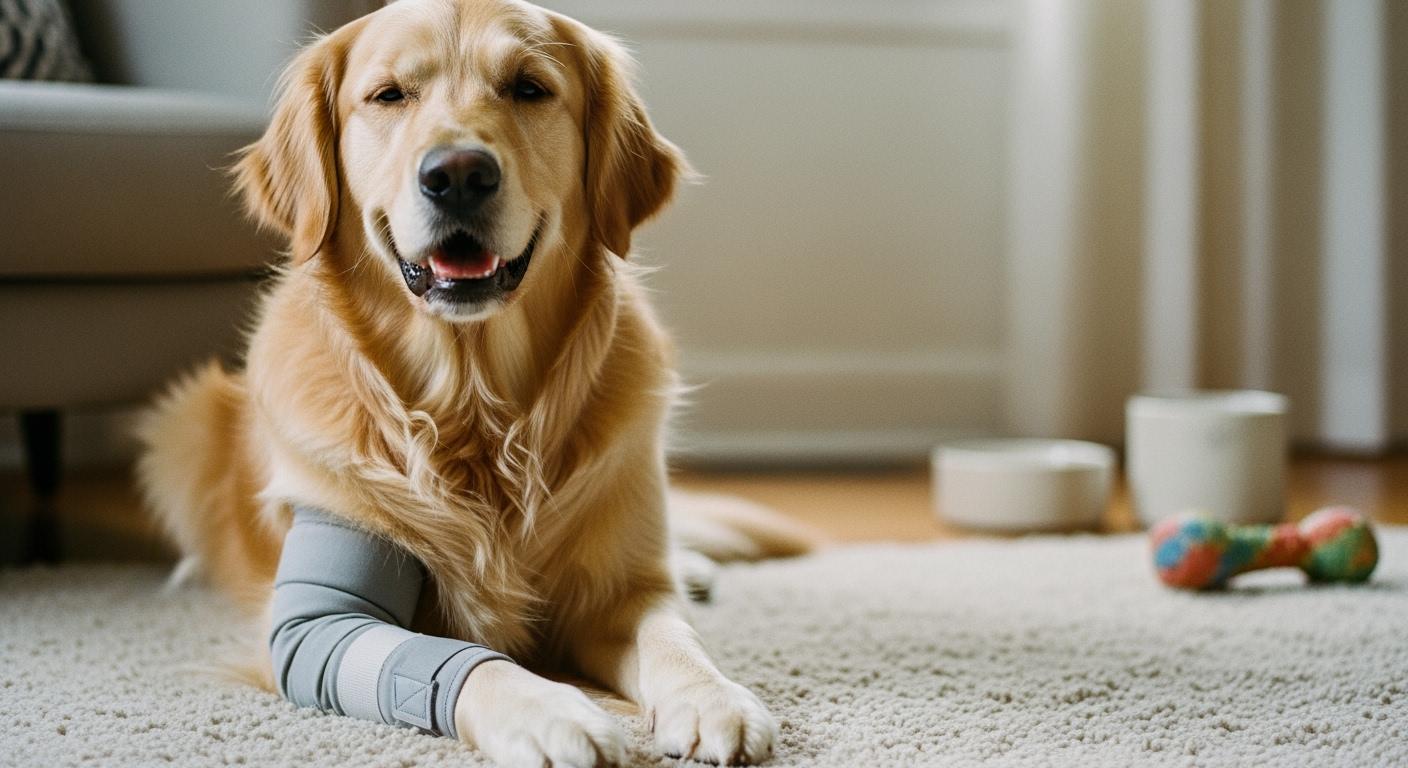
A dog recovery sleeve helps protect your pet while it heals. You might need a dog recovery sleeve if your dog has a wound. It is also useful if your dog had surgery or keeps licking a sore spot. Many owners use sleeves for skin irritation or hot spots. They also use them to stop dogs from licking. These sleeves cover the leg, paw, elbow, shoulder, or flank. They help keep things clean each day and stop touching sensitive skin. The sleeve gives gentle support. It can lower swelling, help blood flow, and make your dog feel better when hurt or healing.
Key Takeaways
A dog recovery sleeve covers wounds and helps your dog heal. It stops your dog from licking or scratching the wound. This helps your dog get better faster.
Pick the right sleeve for the body part that needs help. There are sleeves for legs, paws, elbows, and shoulders.
Recovery sleeves are usually more comfy than cones. They let your dog move around and feel less stressed while healing.
Check the sleeve fit and your dog’s skin often. This keeps your dog comfy and helps stop skin problems or infection.
Always ask your veterinarian before using a recovery sleeve. They can tell you which sleeve is best for your dog.
What Is a Dog Recovery Sleeve?
Protective Support Solution
A dog recovery sleeve is a soft cover. It protects a spot on your dog’s body. You use it for wounds or sore skin. The sleeve acts as a gentle shield. It stops your dog from licking or biting the hurt area. You can pick a sleeve for the leg, paw, elbow, shoulder, or flank. Choose the sleeve based on where your dog needs help.
Many owners think a dog recovery sleeve is more comfy than cones. Cones can block your dog’s sight and make moving hard. A sleeve lets your dog walk and play more easily. It helps your dog feel less worried while healing. You can use a sleeve after surgery, for wound care, or for hot spots and skin problems.
If you are deciding between a sleeve and other recovery gear, compare our recovery suit vs e-collar guide before final selection.
Tip: A dog recovery sleeve gives soft coverage. It is simple to put on and lets your dog move better than a cone.
Targeted Coverage for Healing Areas
You can pick a dog recovery sleeve for the spot that needs help. This way, you can treat different problems for each body part. For example:
Post-surgery care for the leg
Wound care for the paw
Hot spot help on the elbow
Skin problem on the shoulder
Anti-lick help for the flank
A sleeve fits snugly to the body part. It covers the healing spot and does not slip off. This keeps ointments in place and stops your dog from hurting the wound again. You can use a sleeve to keep the spot clean. It also helps your dog walk or rest every day.
Common Owner Concerns
Dog owners worry about their pet’s comfort and safety while healing. Many say cones make dogs confused and uncomfortable. Dogs may bump into things or have trouble eating and drinking. These issues can slow healing and make your dog feel nervous.
Here is a table showing common worries:
Concern Type | Description |
|---|---|
Comfort and Effectiveness | Cones cause confusion and discomfort, making healing stressful. |
Physical Limitations | Cones block vision and movement, causing accidents. |
Mental State Impact | Stress from cones can slow healing because your dog feels upset. |
You may worry your dog will lick or scratch the wound. Licking can bring germs, remove ointments, and slow healing. A dog recovery sleeve helps by giving a soft, safe shield. You can watch your dog’s healing and help them feel calm.
Dog Recovery Sleeve for Wound Protection
Barrier Against Licking and Scratching
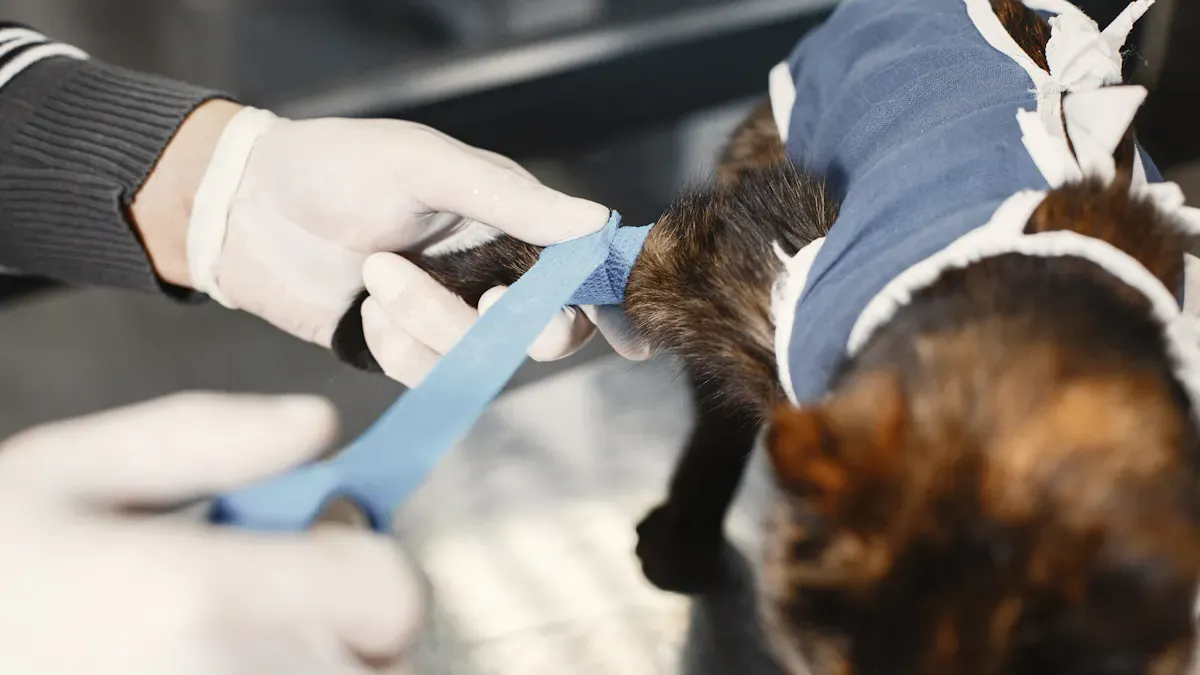
You want your dog to heal without problems. Dogs often lick or scratch wounds, which can slow healing. A dog recovery sleeve acts as a shield. It covers the wound or sore spot, making it hard for your dog to reach the area. This helps keep the wound clean and safe. Many veterinarians recommend recovery sleeves like the Lick Sleeve® for protecting your dog’s leg after surgery or injury. These sleeves give comfort and reduce stress compared to cones. They also let your dog move more freely.
Users report that recovery sleeves help them follow post-surgery instructions better. This means fewer problems with licking and scratching. The sleeve covers the wound directly, so your dog cannot disturb the healing skin. Unlike cones, which can be bulky, a sleeve fits close to the body and allows your dog to walk, rest, or play with less trouble.
Tip: If your dog keeps trying to lick or scratch a healing spot, a recovery sleeve can help stop this behavior and support a smoother recovery.
Reducing Infection Risk
Keeping a wound clean is important for healing. When your dog licks or scratches a wound, germs can get in and cause infection. A dog recovery sleeve helps by covering the area and blocking dirt, mud, and other things that could harm the wound. Veterinarians designed these sleeves to improve how well owners care for their pets after surgery. Better care means fewer infections and fewer problems with healing.
The sleeve covers the leg fully, protecting wounds from licking, scratching, and outside dirt.
Veterinarians recommend using sleeves to lower the risk of infection by stopping behaviors that bring bacteria to the wound.
The sleeve helps you follow your vet’s care plan, which can lead to better healing.
You can use a sleeve for many situations, such as after surgery, for cuts, or for hot spots. The sleeve gives targeted protection, so you do not have to worry about your dog making the wound worse.
Supporting Healing Skin
A recovery sleeve does more than just block licking. It also helps the skin heal in a safe and comfortable way. The sleeve uses soft, breathable fabric that lets air flow to the wound. This keeps the area dry and helps healing. The snug fit can also help your dog feel calm and less stressed.
Here is a table showing how a recovery sleeve supports healing:
Feature | Description |
|---|---|
Protection | Covers wounds and stops licking or biting. |
Material | Uses lightweight, breathable fabric for comfort and movement. |
Infection Prevention | Lowers the risk of bacteria getting into the wound. |
Stress Reduction | Snug fit helps your dog feel safe and less anxious. |
Washability | Easy to clean in the washing machine for daily use. |
You can use a dog recovery sleeve for many body parts, such as the leg, paw, or elbow. The sleeve gives targeted coverage, so your dog can heal without extra stress. You help your dog stay active and comfortable while protecting the healing skin.
Daily Recovery Support
Comfort and Mobility
A dog recovery sleeve helps your dog stay comfortable during healing. You want your dog to move and play as much as possible. The sleeve supports this goal. It covers the healing area without blocking movement. Your dog can walk, rest, or even run short distances. The sleeve fits close to the body, so it does not drag or catch on furniture.
You may notice these benefits when you use a dog recovery sleeve for daily support:
Your dog stays active and mobile for longer periods.
The sleeve helps manage pain from injuries or arthritis.
Compression from the sleeve can reduce swelling and improve blood flow.
The sleeve stabilizes weak joints and helps sores or scrapes heal.
You give your dog a chance to recover in comfort. The sleeve does not get in the way of daily routines. Your dog can enjoy walks and playtime while staying protected.
Stress Reduction Compared to Cones
Many owners worry about the stress cones cause. Cones can make your dog feel confused or upset. Some dogs panic or become sad when they wear a cone. Eating, drinking, and sleeping can become hard tasks. A dog recovery sleeve offers a better solution for many pets.
When you use a sleeve instead of a cone, you help your dog feel calm and secure. The sleeve wraps gently around the body part that needs protection. This comfort can create a peaceful recovery space. Dogs often recover faster when they feel less stress. You support your dog’s mental well-being by choosing a sleeve.
Tip: If your dog seems anxious with a cone, try a recovery sleeve for a calmer healing process.
Active Recovery
You want your dog to heal and stay active. A dog recovery sleeve supports this goal. The sleeve allows your dog to move, stretch, and play. It does not block vision or limit daily activities. Your dog can explore the house and yard with less restriction.
A sleeve helps you keep your dog’s recovery on track. You can check the healing area easily. The sleeve makes it simple to keep wounds clean and covered. Your dog gets the freedom to move, which can speed up recovery and boost happiness.
Types of Dog Recovery Sleeves
Front Leg Sleeves
A front leg dog recovery sleeve covers wounds or sore spots. It fits tightly and stops licking or scratching. The sleeve keeps the area clean and safe. Owners use it after surgery or for skin problems.
Back Leg Sleeves
A back leg dog recovery sleeve helps with injuries or sore hind legs. Your dog may limp or lick a painful spot. The sleeve gives gentle support and helps your dog move easier. It holds bandages or ointments in place. You can use it after surgery or for joint pain.
Paw, Elbow, Shoulder, Flank Options
Some sleeves cover smaller areas like the paw, elbow, shoulder, or flank. These sleeves protect wounds, hot spots, or skin irritation. An elbow sleeve helps with pressure sores. A paw sleeve protects cuts or scrapes. Pick the sleeve that fits where your dog needs help.
Tip: Always choose a sleeve that fits your dog’s body part and size. This gives the best comfort and support.
Materials and Features
Dog recovery sleeves use different materials for healing and comfort. Here is a table showing common materials and their features:
Material Type | Features |
|---|---|
Polyester | Strong, keeps moisture away, fights germs, easy to wash, fits well. |
Blended Fabrics | Soft, bends easily, lasts long, mixes cotton and other fibers for comfort. |
Innovative Blends | Stretches, lets air flow, may have bamboo or spandex for extra comfort and fights germs. |
Look for sleeves with stretchy cuffs, fabric that breathes, and strong fasteners. These features help your dog stay active and comfy while healing.
When to Use Each Type
You should use a dog recovery sleeve in different cases:
Use a sleeve after surgery to protect the spot and avoid a cone.
Pick a sleeve for injuries to keep the leg steady and stop more harm.
Choose a sleeve for osteoarthritis if your dog has pain and avoids running or jumping.
Many products, like Suitical Recovery Dog Sleeve or VetMedWear After Surgery Wear, give special support for these needs. Pick the sleeve that matches your dog’s problem and the area that needs care.
When to Use a Dog Recovery Sleeve
Post-Surgery Recovery
You might need a dog recovery sleeve after surgery. Veterinarians often say to use sleeves for healing. The sleeve can cover stitches or wounds. It helps your dog heal with less stress than a cone. Your dog can move around more during recovery. The sleeve gives comfort and helps your dog feel less worried. It also keeps bandages in place. This makes daily care easier for you and your dog.
Wound Protection
If your dog has a cut or scrape, you want to keep it clean. A dog recovery sleeve stops licking, scratching, and dirt from getting in. You can see how sleeves compare to other ways in the table below:
Method | Effectiveness | Limitations |
|---|---|---|
Dog Recovery Sleeve | Effective for limb injuries | Limited to leg injuries, depends on dog’s behavior |
Bandage Wraps | Functional for body/limb wounds | Needs proper application and regular checks |
Body Suits | Comfortable for body wounds | Fit and comfort must be considered |
A sleeve covers the spot that needs help. It makes wound care at home easier.
Skin Irritation and Hot Spots
Dogs sometimes lick or chew itchy spots. This can make things worse. You can use a recovery sleeve to stop licking hot spots or sore skin. The sleeve works with sprays or ointments your vet gives you. It protects the area all the time. This helps your dog heal faster. The sleeve also stops new problems from starting.
Anti-Lick Support
You may see your dog try to lick or chew wounds. A recovery sleeve blocks your dog from reaching these spots. The fabric is soft, lets air in, and is hard to chew. Your dog can walk and play while wearing it. You can wash and use the sleeve again during recovery. Some sleeves, like the Lick Sleeve Leg Sleeve, can take the place of cones. Watch your dog at first to make sure they do not chew the sleeve.
For product-side browsing across current limb and anti-lick protection lines, review our dog anti-lick options category.
Localized Coverage Needs
Sometimes, your dog only needs help for a small spot. This could be the paw, elbow, or flank. You can pick a sleeve that fits just that area. This lets your dog move freely. The rest of the body stays uncovered. Your dog can heal without feeling uncomfortable.
Tip: Always ask your veterinarian if you are not sure what your dog needs for recovery.
Choosing the Right Dog Recovery Sleeve
Fit and Coverage Area
You want a dog recovery sleeve that fits your dog well and covers the right spot. Use our dog recovery sleeve after surgery guide for fit checks and wound-location basics. A good fit keeps the sleeve in place and helps your dog move easily. Measure your dog before you buy a sleeve. Check the size chart for each product. Choose a sleeve that matches the body part needing protection, such as the leg, paw, or shoulder.
Here is a table to help you see what matters:
Feature | Description |
|---|---|
Alternative to the collar | Covers and protects the problem area against licking, biting, and scratching |
Snug fit prevents slipping and allows natural movement | |
Coverage area | Designed for specific spots like the leg, paw, or torso |
Sizing | Offers different sizes for a proper fit |
Ease of use | Simple to put on and take off |
Breathable Materials and Comfort
Pick a dog recovery sleeve made from soft, breathable fabric. This helps your dog stay cool and comfortable. Look for materials like knitted denim or blended fabrics. These let air flow and keep the skin dry. Elastic edges and gentle fabric prevent rubbing and irritation. A comfortable sleeve helps your dog heal without stress.
Choose sleeves with breathable and durable materials.
Look for elastic edging and soft inner lining.
Make sure the sleeve is easy to wash and reuse.
Select a sleeve that fits your dog’s breed and size.
Flexibility and Secure Fastening
A flexible dog recovery sleeve lets your dog walk, rest, and play. The sleeve should bend with your dog’s movements. Secure fasteners, like Velcro straps or elastic bands, keep the sleeve in place. This stops the sleeve from slipping or twisting. Adjustable features help you get the right fit every time.
Ease of Daily Wear
You want a sleeve that is easy to use every day. Look for designs that are simple to put on and take off. Machine-washable sleeves make cleaning easy. If your dog needs the sleeve for a long time, comfort matters even more. For home-use setup and daily sleeve checks, review our dog anti-lick sleeve guide. This saves you time and keeps your dog clean and safe.
Vet Guidance
Ask your veterinarian for advice if you are unsure about which dog recovery sleeve to choose. Your vet can help you pick the right style and size for your dog’s needs. Always follow your vet’s instructions for safe and effective use.
Tip: Every dog is different. Choose a dog recovery sleeve that matches your dog’s body part, size, and daily routine for the best support.
Using and Caring for a Dog Recovery Sleeve
Proper Application
You want your dog recovery sleeve to stay on and work well. Pick the right size for your dog. Measure the leg, paw, or elbow that needs help. Slide the sleeve gently over the body part. Make sure it fits snug but not too tight. Adjust the fasteners so the sleeve does not slip. Many owners use sleeves like Benefab Comfort Care Sleeves for easy use. You can cover bandaged legs or joints with the sleeve. This keeps them safe from dirt and moisture. Some dogs need extra support, so you can use slings or braces with the sleeve when your veterinarian recommends a combined recovery setup.
Tip: Always check that the sleeve does not block blood flow or cause discomfort.
Cleaning and Maintenance
Keep your dog recovery sleeve clean for best healing. Most sleeves are machine-washable. Wash the sleeve often to remove dirt, fur, and germs. Let the sleeve dry fully before putting it back on your dog. If your dog goes outside, check the sleeve for mud after each walk. Clean sleeves help stop irritation and keep the healing area safe.
Monitoring Progress
Watch your dog’s healing every day. Take off the sleeve to check the skin or wound. Look for redness, swelling, or irritation. If you see changes, call your veterinarian for help. Make sure the sleeve stays in place and does not twist. A good dog recovery sleeve helps healing and keeps your dog comfortable.
What to Check | How Often | What to Do Next |
|---|---|---|
Skin and wound | Daily | Contact vet if changes |
Sleeve fit | Each use | Adjust as needed |
Cleanliness | After activity | Wash if dirty |
Safe Use Expectations
You want your dog to heal safely. Always follow your veterinarian’s advice when using a dog recovery sleeve. Do not leave the sleeve on too long without checking the skin. Make sure your dog can move, eat, and rest easily. If your dog seems uncomfortable or tries to take off the sleeve, watch closely and adjust as needed. Remember, a dog recovery sleeve helps daily recovery but does not replace professional care.
Note: For any concerns about your dog’s healing, consult your veterinarian for guidance.
Troubleshooting and Common Questions
Dog Resists Wearing the Sleeve
Some dogs may resist wearing a dog recovery sleeve at first. You can help your dog adjust by introducing the sleeve slowly. Let your dog sniff and explore the sleeve before putting it on. Offer treats and praise when your dog stays calm. Start with short wear times and increase them as your dog gets used to the sleeve. Make sure the sleeve fits well and does not pinch or slip. If your dog tries to chew or remove the sleeve, distract them with a favorite toy or a walk. Consistency and patience help most dogs accept the sleeve.
Tip: Stay positive and reward your dog for calm behavior while wearing the sleeve. This builds trust and makes the process easier.
Signs Sleeve Is Working
You want to know if the dog recovery sleeve is helping your pet. Look for these signs that show the sleeve is working well:
Sign of Effectiveness | Description |
|---|---|
Firm Compression | The sleeve supports the joint and reduces pain or stress. |
Faster Healing | You notice the wound or incision looks better each day. |
Infection Prevention | The area stays clean and dry, with less licking or scratching. |
Post-Surgery Compliance | Your dog leaves the healing spot alone, following care instructions easily. |
Protection from External Elements | The sleeve keeps out mud, dirt, and prevents new injuries. |
Many owners find they follow post-surgery instructions more closely with a sleeve.
You may see fewer infections or problems with the healing area.
Dogs often seem happier and more comfortable during recovery.
A sure-fit design, like the Lick Sleeve, covers most of the leg and protects against mud, grime, and scratches. This helps your dog stay comfortable and safe.
When to Consult Your Vet
You should contact your veterinarian if you notice any of these issues:
Your dog has trouble walking or shows weakness.
Swelling appears under or around the sleeve.
You see new injuries, cuts, or signs of trauma.
Your dog just had surgery or a serious injury.
Always ask your vet if you are unsure about using a dog recovery sleeve. Your vet can help you choose the right sleeve, confirm the wound location is appropriate for sleeve use, and make sure it fits your dog’s needs. If your dog has ligament tears or severe wounds, your vet will give you the best advice for care.
Note: A dog recovery sleeve supports daily healing, but your veterinarian should guide your dog’s recovery plan.
You want your dog to get better in a safe way. Dog recovery sleeves can help your dog heal and feel good every day.
They keep wounds clean and stop germs from getting in. This lowers the chance of infection.
They stop your dog from licking or scratching, so the skin does not get more sore.
The sleeve gives a soft squeeze that helps your dog feel better and supports healing.
It fits close to the body, which can help your dog feel calm and less worried.
Your dog can still walk, play, and do normal things while wearing it.
Think about using a recovery sleeve to help your dog heal in a comfy way. Always ask your veterinarian for advice and check how your dog is doing to make sure they get better.
FAQ
How do you choose the right size dog recovery sleeve?
Measure your dog’s leg, paw, or body part that needs coverage. Use the sizing chart from the product. A snug fit helps the sleeve stay in place. If you feel unsure, ask your veterinarian for help.
Can your dog wear a recovery sleeve all day?
Yes, your dog can wear a dog recovery sleeve during the day. Check the skin often for redness or swelling. Remove the sleeve for cleaning and to let the skin breathe. Always follow your veterinarian’s advice.
Will a dog recovery sleeve stop licking and chewing?
A dog recovery sleeve covers the healing area. It makes it hard for your dog to lick or chew the spot. You should watch your dog at first to make sure the sleeve works well.
How do you clean a dog recovery sleeve?
Most dog recovery sleeves are machine-washable. Wash with mild detergent and let it dry completely before putting it back on your dog. Clean sleeves help keep the healing area safe.
When should you call your veterinarian?
Call your veterinarian if you see swelling, redness, or if your dog seems uncomfortable. You should also call if the wound looks worse or does not heal. Your veterinarian can give you the best advice.
