
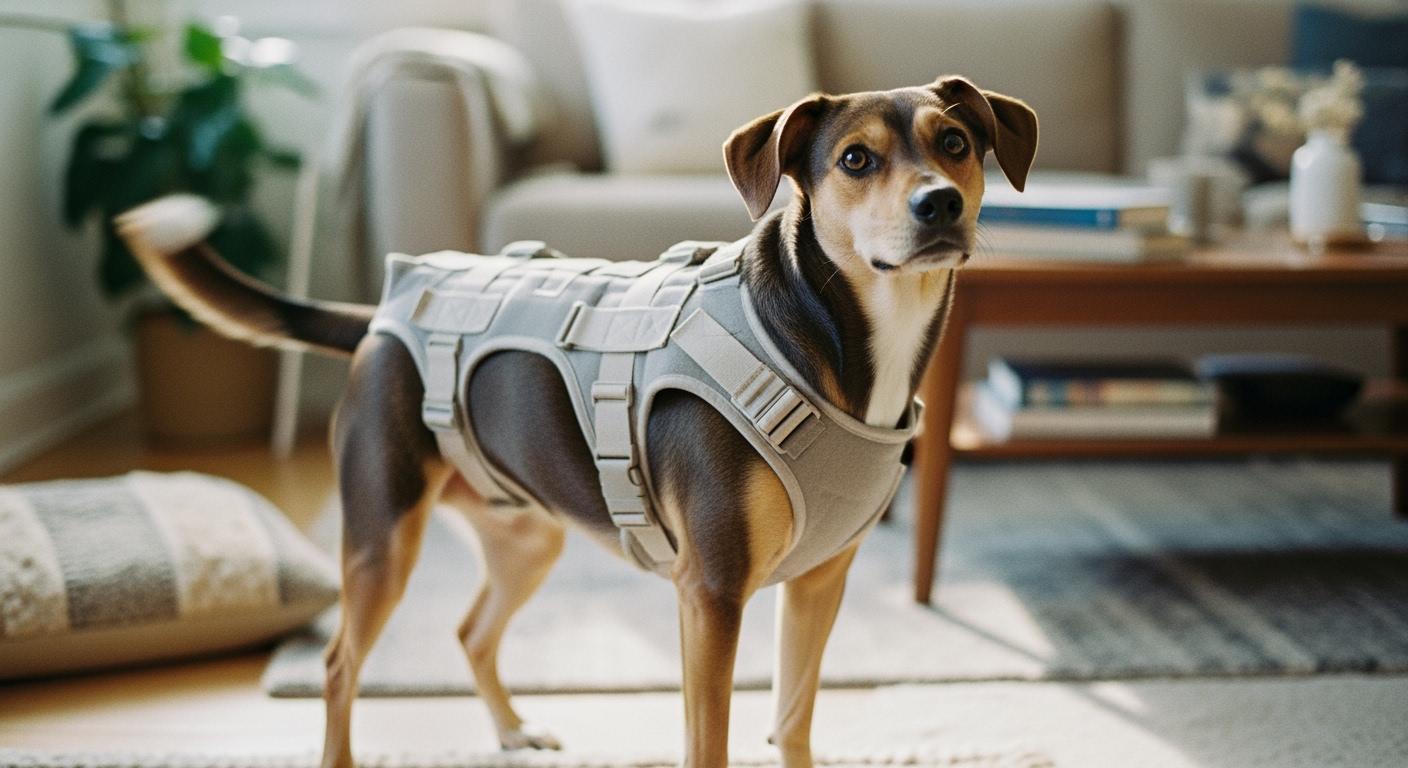
An ivdd dog brace helps your dog’s back stay strong when IVDD makes moving hard. IVDD, or Intervertebral Disc Disease, can make your dog have trouble walking or standing. Your dog might find stairs difficult or look shaky. A brace keeps the spine steady, so your dog can move safely and feel better. You should ask your veterinarian before picking a support solution.
Key Takeaways
An IVDD dog brace gives important support for your dog’s back. It helps keep the spine steadier and can lower pain during daily movement.
Noticing IVDD signs early, like weak back legs or not wanting to move, can help you act fast. Acting early can make things better for your dog.
Always talk to your vet before picking a brace. This helps make sure the brace fits right and is appropriate for your dog’s comfort and support.
Using a brace can help your dog feel more confident and move better. It lets your dog enjoy daily things with less worry about falling or hurting.
Use a brace with other aids, like wheelchairs or lifting harnesses. This gives your dog full support while they get better.
What Is IVDD in Dogs
IVDD and the Spine
You might see your dog having trouble moving. Your dog could seem uncomfortable in the back. IVDD means intervertebral disc disease. This problem affects the spine. It can cause pain, weakness, or changes in how your dog moves. IVDD happens when discs in the spinal cord get squeezed. The discs can stick out or break because they get hard or wear out. This squeezing causes nerve pain. It changes how your dog moves.
For a broader educational overview of brace categories and safe-use basics before narrowing into IVDD support, review our dog leg brace guide.
Veterinarians use different ways to find IVDD.
They do a full checkup and test your dog’s reflexes.
Blood and urine tests help rule out other problems.
Imaging like X-rays, MRI, or CT scan show the spine and tissues.
Some breeds get IVDD more often.
Dachshunds, French Bulldogs, and Corgis are at higher risk because of their shape.
Getting older makes IVDD more likely.
Injury, genes, and being overweight also matter.
Beagles, Shih Tzus, Cocker Spaniels, Pekingese, Miniature Poodles, and Basset Hounds can get IVDD too.
How IVDD Affects Mobility
IVDD changes how your dog moves and feels. Your dog may not want to jump or climb stairs. Walking can be hard. Your dog might cry if you touch the back. Some dogs have a curved back or tight belly muscles. Dragging legs or trouble walking are common. Weakness or shaky legs can happen fast. Losing bladder or bowel control can happen if IVDD is bad.
The way IVDD affects your dog depends on the type and stage.
Type of IVDD | Description | Physical Impact |
|---|---|---|
Type I | Sudden disc problem from hardening | Causes sharp pain and less nerve function, can lead to paralysis |
Type II | Slow disc wear and tear | Brings long-lasting pain and nerve problems like Type I |
Stage I | Mild pain, no nerve issues | Pain may go away; spine is not hurt much |
Stage II | Moderate or strong pain | More pain and nerves can get squeezed |
Stage III | Some paralysis | Hard to walk and move right because of nerves |
Stage IV | Total paralysis | Legs can’t move but pain can still be felt |
Stage V | Total paralysis with no feeling | Very bad for moving and nerves |
If your dog has these signs, talk to your vet. IVDD dog brace solutions can help support the back. They can make daily movement easier. The right support helps your dog feel better and move more comfortably.
IVDD Signs and Symptoms
If you notice changes in your dog’s movement or comfort, you may wonder if IVDD is the cause. Recognizing signs early can help you decide when to seek support for your dog’s back and daily mobility.
Hind Leg Weakness
You might see your dog struggle to stand or walk. Hind leg weakness is a common sign of IVDD. Your dog may drag the back legs or have trouble getting up. Some dogs walk on the tops of their paws or show a sudden loss of control in the rear end. You may notice:
Shaking or trembling in the back legs
Knuckling, where your dog drags the top of the paw
Sudden paralysis in severe cases
Loss of bladder or bowel control
These changes often mean your dog’s spine needs extra support. An ivdd dog brace can help manage these symptoms and make daily routines safer.
Walking and Balance Issues
IVDD can make your dog’s walk look different. You might see a wobbly walk or notice your dog limping. Some dogs have a hunched or stiff back. Others show a wobbly gait or lose balance easily. Look for these signs:
Difficulty walking up or down stairs
Trouble getting onto furniture
Wobbly or unsteady steps
Dragging the rear limbs
If your dog shows these problems, you may want to consider a support solution for safer IVDD mobility during transfers, short walks, and controlled daily routines.
Reluctance, Stiffness, and Discomfort
Dogs with IVDD often avoid movement. Your dog may seem stiff or cry out when you touch the back. You might notice:
Reluctance to move or play
Stiff or hunched posture
Shivering or shaking not caused by cold
Yelping or crying when moving
General lethargy
Tip: If you see these signs, talk to your veterinarian. Early support, like an ivdd dog brace, can help your dog feel more comfortable and move more safely.
Why Back Support Matters
Stability and Safer Movement
You want your dog to stay safe every day. Dogs with ivdd can lose balance in their back legs. This makes walking or standing harder. Turning can also be risky. Back support helps protect your dog’s spine from more harm. It keeps the spine steady from both sides. You help your dog avoid sudden twists or jolts. This lowers the chance of injury.
A back brace stops the spine from moving too much. It helps reduce pain and makes your dog feel better. The brace keeps your dog from stretching the back too far. Your dog feels safer during walks or playtime. Many vets say back support is good for treatment and prevention. You can use a brace to keep the spine stable. This is helpful when your dog is healing or playing outside.
Here are ways back support helps your dog:
Keeps the spine steady to stop more damage
Limits bad movement to lower pain and swelling
Gives support when you lift or carry your dog
Daily Mobility Management
Helping your dog move every day takes planning. You want your dog to be active but safe. Back support devices help your dog walk around the house. They help your dog go outside or climb small steps. These devices keep your dog’s balance steady. They help stop falls. You can use a brace for short walks or bathroom trips.
If your dog drags the back feet or falls a lot, back support can help. Using support early keeps muscles strong. It helps your dog learn to move better. Your dog may feel more confident and less scared to walk. Always check if the brace fits well and feels good. Ask your vet for advice on the best support for your dog.
Tip: Try easy tests at home, like the “towel test,” to see if your dog needs more support. A professional can help you pick the right ivdd dog brace for daily use.
IVDD Dog Brace Benefits
How Braces Support the Back
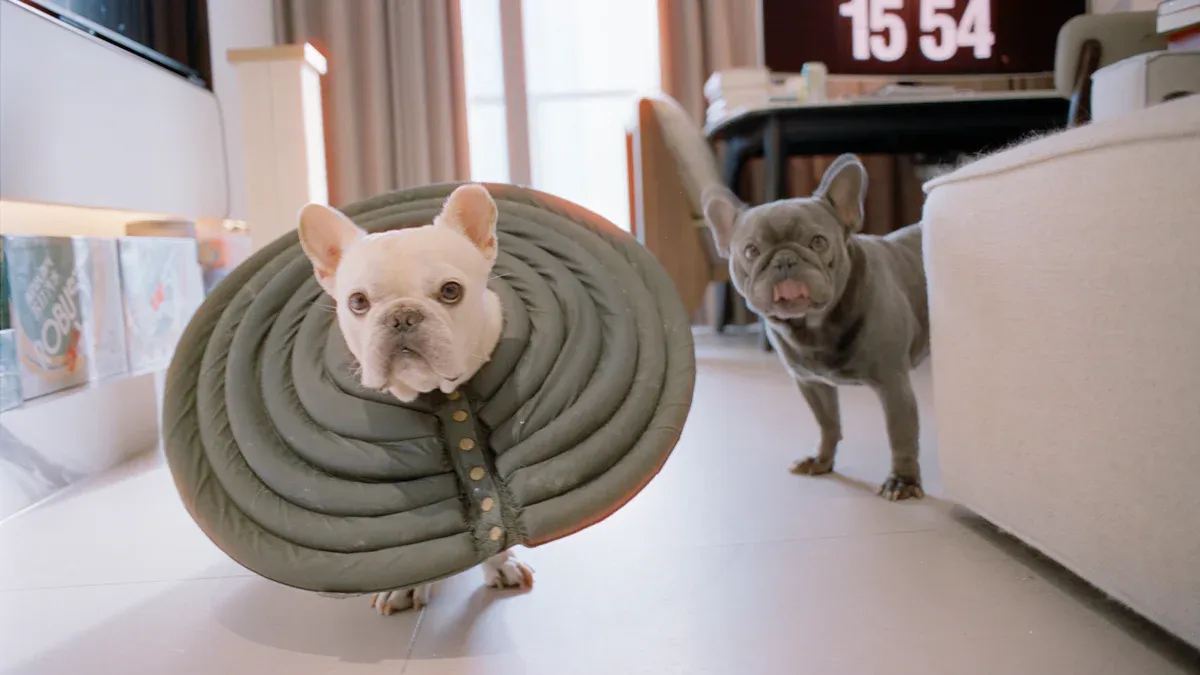
You want your dog to feel safe and steady when moving. An ivdd dog brace gives your dog’s back the support it needs during daily routines. The brace wraps around the back and spine, holding these areas in a stable position. This support helps limit harmful motion that can make IVDD symptoms worse. You help your dog avoid sudden twists or bends that could hurt the spine.
The ivdd dog brace allows controlled movement. This means your dog can still walk and use muscles, which is important for keeping the back strong. The brace also gives gentle pressure around the back. This pressure helps the spine stay in line and can make your dog feel more secure. When your dog wears the brace, the body gets feedback about how to move. This feedback helps retrain proper movement patterns and supports safer steps.
You may notice your dog stands taller and walks with more confidence. The brace does not lock the back in place. Instead, it gives just enough spinal support to help your dog move without extra strain. You can use the brace for walks, bathroom breaks, or short play sessions. Always check that the brace fits well and feels comfortable for your dog.
Note: You should always ask your veterinarian before using a brace. The right fit and use are important for your dog’s safety.
Improving Mobility and Comfort
An ivdd dog brace can make a big difference in your dog’s daily life. You may see your dog move more easily and with less fear. The brace helps your dog manage mobility challenges by giving steady support to the back. This support can reduce the risk of falls and help your dog stay active.
Here are some ways an ivdd dog brace can improve your dog’s comfort and mobility:
Helps your dog walk with better balance
Makes standing up and lying down easier
Supports your dog during bathroom trips
Reduces pain from sudden movements
Gives your dog more confidence to move around
You should remember that an ivdd dog brace does not cure ivdd. The brace cannot reverse spinal problems or restore nerve function. It does not replace veterinary care. You use the brace as part of a full support plan for your dog. This plan may include rest, gentle exercise, and regular checkups.
Limitation | Description |
|---|---|
Partial immobilization | The brace does not fully immobilize your dog. Crate rest may still be needed. |
Discomfort | A poor fit or overuse can cause skin irritation or discomfort. |
Not suitable for all cases | Some dogs with severe nerve damage or untreated pain may not benefit. |
Muscle weakness | Relying only on the brace can lead to weak muscles. Use with exercise. |
Fit issues | Not every brace fits every dog perfectly. Check for rubbing or sores. |
Tip: Always use the brace with guidance from your veterinarian. The best results come from a full plan that includes spinal support, exercise, and regular care.
You want your dog to enjoy a better quality of life. With the right dog back support, you can help your dog stay active and comfortable. The ivdd dog brace gives you a practical way to manage daily mobility and protect your dog’s back.
Mobility Assistance for Dogs with IVDD
When to Use a Dog Brace
You want your dog to feel safe and comfy while healing from ivdd. A back brace helps when your dog needs extra support for the spine. You should use a brace during rest times, especially if your vet says crate rest is needed. The brace keeps the back steady and stops too much movement. This helps prevent more harm to the discs. You can also use a brace if your dog’s back legs are weak or daily tasks are hard. The brace can help with pain and swelling, so your dog can move around the house more easily.
Veterinarians say a brace is good for healing and rehab. The brace supports the back and lets your dog move without getting hurt again. You can add a brace to your dog’s mobility plan if your dog needs help with walking or daily tasks. If the diagnosis is already confirmed, start with our solutions by condition page before final support selection. Always ask your vet before trying any new support.
Lifting and Walking Aids
Some dogs with IVDD need more than a back brace. If your dog has big trouble moving, you may need lifting or walking aids. These tools help your dog move safely and stop falls. You can pick different aids based on what your dog needs:
Back braces for IVDD: These keep the spine steady and lower stress.
Wheelchairs for IVDD: These help your dog move and stay independent, especially if your dog’s back legs are very weak or paralyzed.
Lifting harnesses: These let you help your dog stand, walk, or go up stairs during rehab.
If your dog needs rear-end help for transfers, crate-rest exits, or short controlled walks, review our IVDD dog lift harness guide before final tool selection.
Your dog may need both back support and lifting help, depending on how IVDD affects the back legs. Using the right mix of aids can make daily life safer and easier. Mobility help lets your dog stay active and enjoy life, even while healing.
Tip: Always watch your dog closely when using any mobility tools. Change the aids if needed to keep your dog safe and comfy.
Choosing an IVDD Dog Brace
Selecting the right ivdd dog brace can make a big difference in your dog’s daily comfort and safety. You want a brace that supports the back, fits well, and helps your dog move with confidence. The right choice depends on several important features. Let’s look at what matters most.
Fit and Comfort
You should always check the fit before you buy a brace. A good fit means the brace covers the right areas and stays in place without slipping. It should not pinch, rub, or cause discomfort. Your dog needs to feel comfortable wearing the brace during walks, rest, and daily routines. If the brace fits poorly, your dog may not want to move or may develop sore spots.
Here is a table to help you understand the key factors for fit and comfort:
Factor | Description |
|---|---|
Fit | The brace should cover the back and spine well, giving stability without causing pain or pressure. |
Comfort | The brace should allow your dog to move naturally and not restrict movement too much. |
Level of Support | Choose a brace that matches your dog’s needs—some need more support, others need less. |
Adjustability | Look for straps or closures you can adjust for a snug, custom fit. |
Material | Pick a fabric that is soft, breathable, and gentle on your dog’s skin. |
Tip: Always measure your dog carefully and follow the sizing guide for each product. A proper fit helps prevent slipping and chafing.
Adjustability and Support Level
Adjustability is important because every dog has a unique body shape. You want a brace that you can change as your dog moves or grows. Adjustable straps, hinges, or rods let you fine-tune the fit and support. This helps the brace stay useful as your dog’s needs change.
Here is a table showing how adjustability features help:
Feature | Benefit |
|---|---|
Multiple adjustment points | You can change the fit as your dog heals or gains muscle. |
Adjustable hinges or support rods | You can set the brace to match your dog’s back and spine shape. |
Adaptability | The brace lasts longer and works better for different stages of IVDD. |
You should also think about the level of support. Some back braces for ivdd give strong, rigid support. Others offer gentle, flexible support. Choose the level that matches your dog’s condition and activity. If your dog has a unique body shape, like a French Bulldog, look for a brace designed for that breed. This helps prevent slipping and gives better support.
Note: Avoid generic braces that do not fit your dog’s body type. Look for features like a 3-point stability system, no-rub edging, and breathable liners for extra comfort.
Materials and Ease of Use
The material of the brace affects how long it lasts and how easy it is to clean. You want a brace made from strong, lightweight, and comfortable materials. Some of the best options include:
Neoprene: Stretches well, resists water, and is easy to clean. Good for dogs with sensitive skin.
Nylon: Strong and light. Works well for active dogs and adjustable designs.
Cotton: Soft and breathable. Best for comfort but may not give as much support as neoprene or nylon.
You should also think about how easy the brace is to put on and take off. Look for simple closures, clear instructions, and parts that you can wash. A brace that is easy to use will help you stick to your dog’s daily routine.
Tip: Choose a brace that works for walking, standing, and everyday activities. This helps your dog stay active and safe.
When you focus on fit, adjustability, comfort, support level, and material, you give your dog the best chance for safe and happy movement. The right ivdd dog brace supports your dog’s back and helps with daily mobility.
Safe Use and Expectations
Setting Realistic Goals
When you use an ivdd dog brace, you want to help your dog feel better and move safely. You should know what to expect from this support tool. The brace gives your dog’s back and spine extra stability. It helps reduce pain and makes daily movement easier. You may see your dog stand taller or walk with more confidence. The brace can support your dog during recovery and help prevent further spinal damage.
You should remember that a brace is not a cure. It does not replace veterinary care or guarantee full recovery. Some dogs may still need surgery or other mobility aids. You should always use the brace as part of a full treatment plan. This plan may include rest, gentle exercise, and regular checkups with your veterinarian.
A back brace helps to support and stabilize your dog’s spine and helps to alleviate the pressure in areas of injury. Wearing a back brace helps relieve back pain and provide the spinal support a dog needs in order to move comfortably.
You should talk with your veterinarian about the best treatment for your dog. The brace works best when you use it with other care steps. Set goals that match your dog’s needs and abilities.
Safety Tips for Daily Mobility
You want your dog to stay safe while using an ivdd dog brace. Here are some important tips for daily use:
Use the brace as your veterinarian directs. This helps avoid discomfort and supports proper treatment.
Watch your dog for signs of discomfort or skin irritation. Check for redness or sores under the brace.
Remove the brace if you see any skin problems. Clean the brace as recommended to keep your dog healthy.
Make sure the brace fits well every time you put it on. Adjust straps if needed for comfort and support.
Help your dog with stairs, slippery floors, or uneven ground. Supervise your dog during walks and play.
You should always follow your veterinarian’s advice. The right use of a brace can help your dog move safely and prevent further injury. A good treatment plan and careful daily routines give your dog the best chance for comfort and mobility.
Real-Life Mobility Success Stories
Owner Testimonials
Listening to other dog owners can help you feel hopeful. You can learn useful tips from their stories. Many people see their dogs get better with the right support. Here are some examples from owners who used an ivdd dog brace and other aids:
One owner said their Dachshund, Max, had trouble walking after IVDD. Max used an ivdd dog brace and a wheelchair. He started to enjoy short walks again. The brace kept his back steady. The wheelchair let him move more freely.
Another family saw their Corgi, Bella, struggle to stand. They used aback brace and a dog wheelchair together. Bella soon joined family trips and played outside. Both tools helped her spine and back legs.
Rocky, a Beagle, wore the L’il Back Bracer while healing. His owner said the brace and wheelchair made daily life safer. Rocky could go outside for bathroom breaks and short walks. This made him feel happier.
Many owners say using both a brace and a wheelchair helps their dogs feel safe and active.
Improved Dog Mobility Examples
You can see real changes in your dog’s life with good support. The L’il Back Bracer helps dogs with IVDD, especially grades I-IV. Many owners use the brace and a wheelchair to help their dogs move every day. The goal is to keep your dog comfortable and active.
Dogs with weak back legs often use a wheelchair for longer walks. The brace keeps the spine steady. The wheelchair supports the back legs.
Some dogs use a wheelchair outside and a brace inside. This mix helps stop falls and keeps your dog safe.
Owners say their dogs have more energy and confidence with both tools. You may see your dog explore more and enjoy favorite things again.
Support Tool | Benefit for IVDD Dogs |
|---|---|
Back Brace | Keeps the spine steady and lowers strain |
Wheelchair | Helps back legs move and keeps balance |
Dog Wheelchair | Good for longer walks and play |
You can help your dog live better by picking the right ivdd dog brace and wheelchair. These tools work together to support your dog’s back, spine, and daily movement.
An ivdd dog brace helps your dog feel steadier. It protects the spine every day. Your dog can move with more confidence. The brace helps lower pain. You should ask your veterinarian for advice that fits your dog.
Key benefits of an ivdd dog brace:
Makes the back more stable
Stops unsafe movement
Lessens pressure on hurt discs
Helps your dog play safely
Makes moving and resting easier
Steps for best results:
Use the brace when your dog walks or plays
Make sure the brace fits well and feels good
Listen to your vet for daily care
Long-Term Benefit | Description |
|---|---|
Restores independence and confidence | Lets your dog enjoy life and feel happier |
Prevents muscle loss | Keeps your dog strong and moving |
With good support, your dog can be happier and more active. Pick quality products and talk to your vet for the best results. Your dog should feel comfortable and enjoy a better life.
FAQ
How does an IVDD dog brace help my dog?
An ivdd dog brace supports your dog’s back and spine. It helps limit unsafe movement. You give your dog more stability during daily routines. The brace can make walking and standing safer for dogs with IVDD.
When should I use an IVDD dog brace?
You should use an ivdd dog brace when your veterinarian recommends extra back support. The brace works well during recovery, for weak hind legs, or when your dog needs safer mobility at home.
Can my dog wear the brace all day?
You can let your dog wear the ivdd dog brace during active times, like walks or bathroom breaks. Remove the brace for rest and check your dog’s skin often. Always follow your veterinarian’s advice.
What features should I look for in an IVDD dog brace?
Look for a brace with adjustable straps, comfortable materials, and proper fit. Choose a brace that supports the back and spine. Make sure it is easy to use and works for daily routines.
Does an IVDD dog brace cure IVDD?
An ivdd dog brace does not cure IVDD. The brace gives your dog extra support and helps manage mobility. You should use it as part of a care plan with your veterinarian.
