
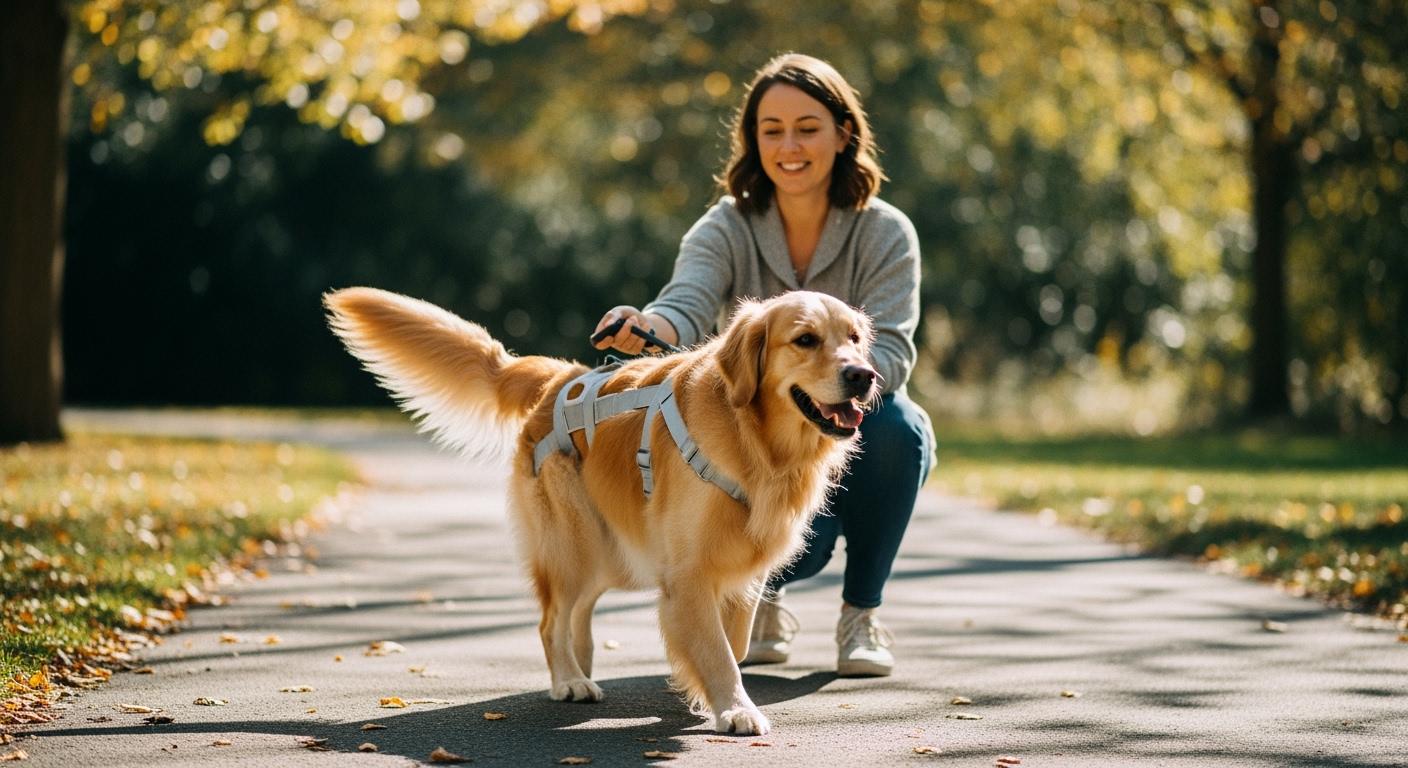
You might see your dog has trouble moving or looks uncomfortable. Intervertebral disc disease happens in about 2% of dogs every year. It can cause back pain and make dogs weak. Your dog may find it hard to walk, not want to move, or look wobbly. Dogs with IVDD often need more support for their backs. This helps them stand, walk, and feel better. An ivdd dog brace gives real help for daily movement. It lets your dog handle back problems with more confidence.
Key Takeaways
IVDD is a problem for many dogs. It is common in dogs with long backs. Look for signs like pain or weakness. Dogs may also have trouble moving.
An IVDD dog brace gives important support. For product-side comparison, review our dog back brace options for spinal support and daily mobility.
Pick the right brace by making sure it fits well. Measure your dog with care. Find braces that can be adjusted for your dog’s needs.
Check if your dog feels good wearing the brace. Begin with short times wearing it. Slowly let your dog wear it longer. Watch for any signs of skin problems.
Talk to your veterinarian before using a brace. They can show you how to use it right. Your vet will help your dog recover better.
What Is Intervertebral Disc Disease
IVDD Explained Simply
You may hear your veterinarian talk about ivdd. This condition affects the spine and the discs that cushion each bone in your dog’s back. When these discs bulge or burst, they press on the spinal cord. This can cause pain, weakness, or even trouble moving. People sometimes call this a slipped disc, herniated disc, or bulging disc.
If the affected discs are in the neck rather than the thoracolumbar back, review our dog neck brace for cervical IVDD article for cervical support scenarios.
Many breeds can develop ivdd. Some breeds have a higher risk because of their body shape. Dogs with long backs and short legs, like Dachshunds and Corgis, often face this problem. You can see in the table below which breeds are most likely to get intervertebral disc disease:
Breed | Cases Reported | Risk Level |
|---|---|---|
Dachshund | 5+ | Significantly increased (p≤0.01) |
Pekingese | 5+ | Significantly increased (p≤0.01) |
Beagle | 5+ | Significantly increased (p≤0.01) |
Welsh Corgi | 5+ | Significantly increased (p≤0.01) |
Lhasa Apso | 5+ | Significantly increased (p≤0.01) |
Shih Tzu | 5+ | Significantly increased (p≤0.01) |
You may also see ivdd in French Bulldogs, Pugs, and Cocker Spaniels. If your dog belongs to one of these breeds, you should watch for signs of back pain or weakness.
Why Dogs Need Back Support
Dogs with intervertebral disc disease often struggle with daily movement. The spine needs to stay stable for your dog to walk, stand, or climb stairs. When the discs do not work well, your dog may feel pain or lose balance. You might notice your dog hesitates to jump or seems stiff.
A back support, like an ivdd dog brace, helps your dog by giving extra stability. This support can make walking and standing easier. For a simpler mild-case reference, see our dog back brace for IVDD article. You want your dog to feel safe and comfortable, especially if they have trouble with their back. Using a brace can help manage movement and reduce the risk of further injury. Many owners find that a good ivdd dog brace gives their dog more confidence and helps them stay active.
Mobility Challenges With IVDD
Signs of Mobility Issues
You may notice your dog acting differently when IVDD affects their spine. Dogs often show clear signs when they struggle with movement. Look for these common changes in your dog:
Pain or stiffness in the back or neck
Difficulty walking or a wobbly, unsteady gait
Weakness or even signs of paralysis
Crying out when touched or during movement
Reluctance to play, jump, or climb stairs
These signs can mean your dog feels discomfort or has trouble controlling their body. IVDD can also lead to more serious problems, such as incontinence or permanent nerve damage. You want to watch for these symptoms so you can help your dog stay as comfortable as possible.
Hind Leg Weakness
Hind leg weakness is a common problem for dogs with IVDD. You might see your dog dragging their toes or walking with a wobbly step. Some dogs lose awareness of where their paws are, which can make them stumble or fall. This happens because the spine sends signals to the legs, and IVDD can interrupt these signals. Your dog may show:
A drunken or uncoordinated walk
Trouble standing up or keeping balance
Less strength in the rear legs
If your dog shows these signs, they may need extra support. An ivdd dog brace can help by giving stability to the back and spine, making daily movement safer.
Reduced Balance and Activity
Dogs with IVDD often move less and avoid activities they once enjoyed. You may see your dog hesitate before climbing stairs or jumping onto furniture. Their balance may seem off, and they might sway or tip over easily. This reduced activity can lead to muscle loss and less confidence. Using an ivdd dog brace helps your dog feel more secure. It supports the spine and encourages gentle movement, which is important for maintaining mobility.
Tip: Watch your dog closely for any changes in movement or behavior. Early support can make a big difference in their comfort and quality of life.
Back Support Benefits
Stability and Comfort
You want your dog to feel safe and comfortable, even with ivdd. A good back support can really help your dog. Using an ivdd dog brace gives the spine more support. This makes pain less and helps your dog move better. Studies show that a stable spine helps the legs move and keeps your dog from getting tired. Your dog can stand and walk easier, so life gets better for them.
Here is a quick look at how back support helps your dog:
Benefit | Description |
|---|---|
Reduces Pain | Less pain because the spine gets support and pressure is taken off sore spots. |
Improves Stability | Extra support helps weak dogs move with more confidence. |
Protects Against Further Injury | Lowers the chance of getting hurt more when doing things that strain the spine. |
A brace supports the spine and muscles, so moving hurts less. It also stops too much twisting and bending, which keeps your dog comfy during the day.
Safer Daily Movement
You want your dog to be safe when moving around at home or outside. Using ivdd support, like a harness or brace, helps stop falls or sudden moves that could hurt their back more. Tools like the WiggleLess Dog Back Brace or a neoprene sling give strong support and help with stress. These tools help your dog walk, stand, and climb stairs with less danger.
A back brace keeps the spine steady and lowers the risk of more injury.
A harness helps you lift your dog, making it easier to help them get better.
Managing Mobility
Helping dogs with ivdd means making sure they move safely every day. Back braces keep the spine steady and stop too much movement, which helps healing. They also help with back pain, so your dog can enjoy slow walks and daily fun. You can use a dog back support to help your dog stay active without hurting their back more. This support lets your dog keep moving and keep their muscles strong, even with ivdd.
Tip: Always check if your dog’s ivdd back support fits well so they feel safe and comfy.
IVDD Dog Brace Solutions
Back Braces for Support
When you care for a dog with a bad back, you want to find the best solutions for comfort and safety. For product-side comparison, review our dog back brace options for extra spinal support. These braces fit naturally and comfortably on your dog’s body. You can use them for both prevention and daily management of a spinal condition like ivdd. Many owners search for an ivdd dog brace because they notice their dog struggles with walking, standing, or climbing stairs. The brace helps stabilize the back and keeps your dog steady during movement.
Back braces for intervertebral disc disease provide support from several key points. They apply gentle, constant pressure to the back, which can help reduce pain and make your dog feel more secure. You can easily put these braces on and take them off. Most designs come in different sizes, so you can find the right fit for your dog. Your dog can wear the brace during daily routines, including bathroom breaks, without needing to remove it.
Back braces for ivdd stabilize the spinal column.
They help your dog move with more confidence.
A canine back brace can prevent sudden twists or bends that might cause more discomfort.
Note: Always check that the brace fits snugly but does not cause rubbing or pressure sores. A good fit helps your dog stay comfortable and active.
Wheelchairs for Mobility
Some dogs with ivdd need more than just a brace. If your dog has severe hind-leg weakness or trouble standing, an ivdd wheelchair can help. This cart supports your dog’s rear end and lets them walk, run, and play again. You give your dog a chance to enjoy life and stay active, even with a spinal condition.
Wheelchairs offer several benefits for mobility assistance:
Restores mobility so your dog can move around the house or yard.
Prevents muscle atrophy by allowing your dog to use their legs and keep muscles strong.
Supports recovery by serving as a transitional tool while your dog heals from ivdd.
You can use a cart for daily walks or playtime. The cart holds up the back legs, so your dog does not drag them or lose balance. Many owners find that a cart gives their pets a new sense of freedom. You help your dog stay social and happy with this mobility solution for pets.
Tip: Always supervise your dog when using a cart. Make sure the cart fits well and does not cause discomfort.
Lifting Harnesses for Assistance
An IVDD dog lift harness guide can help you support your dog more safely when they have trouble standing or walking. This support sling wraps around your dog’s body and lets you lift both the front and back ends. You can use a harness to help your dog go outside, climb stairs, or get into the car. Many owners choose a harness when their dog needs extra help but can still use their legs.
Here is a table showing the main features of lifting harnesses:
Features of Lifting Harnesses | Description |
|---|---|
Provides support for recovery | Helps stabilize the dog’s spine and reduces the risk of sudden movements during recovery. |
Assists in movement | Facilitates safe movement for dogs with mobility issues, allowing them to go outside and relieve themselves. |
Designed for comfort | Ensures a snug fit to prevent pressure sores while allowing for gentle lifting and support. |
For product-side comparison of assisted walking and transfer support, review our dog lift harness options category.
When you use a harness, follow these steps for safe and effective support:
Watch your dog for signs of weakness or pain.
Choose a harness that fits your dog’s size and shape.
Adjust the straps so the harness fits snugly but does not pinch.
Use the harness for short walks or transfers, keeping your dog’s spine straight.
Remove the harness when your dog rests to avoid irritation.
Check your dog’s progress each week and adjust the harness as needed.
Callout: Never lift your dog by the belly only. Always support both the front and back to protect the spine.
You can combine an ivdd dog brace with a harness or cart, depending on your dog’s needs. Some dogs need more than one type of support, especially if ivdd affects their rear legs. These solutions help you manage daily routines and keep your dog safe and comfortable.
When to Use IVDD Dog Brace
Conservative Management
You might use an ivdd dog brace when your dog needs help resting or moving less. This is called conservative management. The brace keeps your dog’s back steady and stops sudden moves. You can use a brace to keep the spine safe while your dog rests. It helps stop more damage to the discs. The brace also gives support when your dog starts walking again. If your dog walks wobbly, the brace can help. Dogs with long-term spinal problems can use the brace to stay safe during play or exercise after they get better. Always talk to your vet before you start using a new brace. The right brace can help your dog feel better and stay safe.
Recovery Periods
When your dog is healing from ivdd, they need time to rest. Most vets say to keep your dog in a crate for at least one week. After that, your dog should have three more weeks of short walks and more rest if needed. Some dogs need four to eight weeks of crate rest to heal their back. After surgery, the first two to four weeks are very important for healing. You can use a brace to help your dog stand, walk, or go outside. The brace gives support and stops quick moves that could slow down healing.
Tip: Always listen to your vet about rest and what your dog can do. A harness can help you lift your dog safely during this time.
Daily Mobility Support
An ivdd dog brace helps your dog move and stay active every day. The brace supports the back and keeps movement small, which is good for dogs with back problems. This support stops more injuries and lets your dog move with more confidence. When your dog starts walking again, the brace helps control their steps and keeps them steady, even if they walk funny. You can use the brace with a harness for extra help during walks or bathroom breaks. With the right support, your dog can enjoy daily life and feel better while healing from ivdd.
Choosing IVDD Dog Brace
Picking the right IVDD dog brace helps your dog feel better and move more easily. You want a brace that fits well and feels good. It should give enough support and last a long time. Here are things to check when picking a brace for your dog’s back.
Fit and Comfort
Getting the right fit is the most important thing. You need to measure your dog before buying a brace. Good measurements help you find a brace that matches your dog’s size and shape. This way, the brace supports your dog and does not rub or hurt.
The kind of injury or weakness your dog has will help you pick the right brace.
Always use a soft tape to measure your dog’s chest, back, and belly.
The brace material matters for how comfy your dog feels.
Check the fit often, especially if your dog’s weight changes, to keep the brace working well.
A good brace lets your dog walk, stand, and lie down without pinching or slipping. Your dog should feel safe but not too tight.
Adjustability and Support Level
Being able to adjust the brace helps you get the best fit. Many IVDD dog braces have straps, buckles, or Velcro. You can make the brace tighter or looser as needed. This is helpful if your dog’s body changes or swells.
Feature | Importance |
|---|---|
Adjustability | Lets you change the fit for comfort and support as your dog’s needs change. |
Support Level | Provides the right amount of spinal support, helping your dog move safely and confidently. |
Design | Ergonomic shapes encourage movement and help your dog feel secure during daily routines. |
You want a brace that gives strong support right over the spine. Hard support along the back stops twisting and bending. This keeps your dog’s back safe. Some braces have side panels for more support. Special designs help your dog feel safe and move gently.
Tip: Pick a brace with easy straps so you can change the fit as your dog moves or rests.
Durable Materials
The materials in an IVDD dog brace matter for comfort and how long it lasts. Look for braces made from strong, dog-safe fabrics that can handle daily use.
Material | Properties | Benefits |
|---|---|---|
Neoprene | Stretchy, durable, and breathable. Hypoallergenic for sensitive skin. | Gives steady support, resists wear, and keeps your dog comfortable during activity. |
High-density foam | Soft and keeps its shape. Prevents chafing and protects the skin. | Spreads pressure evenly and helps avoid skin problems. Often removable for easy cleaning. |
Lightweight fabric | Breathable and moisture-wicking. | Keeps your dog cool and comfortable, even during long walks or warm weather. |
You want a brace that lasts, does not tear, and stays comfy. Materials like neoprene and high-density foam give support and comfort. Light fabrics help stop your dog from getting too hot.
Ease of Use
You need a brace that is simple to put on and take off. This is important if you use it many times each day. Look for features that make daily use easy for you and your dog.
Feature | Description |
|---|---|
User-friendly design | Quick to apply, with clear instructions for fast use. |
Adjustable straps | Multiple points for a custom fit, using Velcro or buckles. |
Skin-friendly interior | Smooth linings and soft seams to prevent rubbing or irritation. |
Comfort cutouts | Openings for the tail and belly, so your dog can move naturally and go to the bathroom easily. |
A good IVDD dog brace should not slow you down on walks or bathroom trips. You want your dog to move with confidence and keep their normal routine.
Note: Always check your dog’s skin and fur under the brace for redness or sore spots. Change the fit if needed to keep your dog happy.
Picking the right IVDD dog brace means looking at fit, adjustability, support, materials, and how easy it is to use. When you focus on these things, you help your dog stay safe, active, and comfortable every day.
Safe Use and Expectations
Veterinary Guidance
You should always talk to your vet when using an ivdd dog brace. Your vet helps you use the brace safely. They know what your dog needs. This keeps your dog safe and happy. Here are some reasons to ask your vet for help:
Your vet checks if the ivdd dog brace fits your dog’s needs.
They help you avoid problems from using the brace wrong.
Your vet makes a plan for your dog’s care, including rest and other therapies.
Tip: Always ask your vet before starting or changing any support for your dog.
Monitoring Comfort
You want your dog to feel good in the ivdd dog brace. Start slow so your dog can get used to it. Follow these steps to keep your dog safe and happy:
Give your dog up to two weeks to get used to the brace.
Begin with short sessions, then slowly make them longer, up to 14 hours.
Use treats and praise to help your dog like the brace.
Ask your vet how long and how often to use the brace.
Take off the brace during rest and check your dog’s skin for irritation.
Do not leave the brace on all day. Take it off 2-3 times each day so your dog can relax.
Note: Watch for signs of discomfort, redness, or rubbing under the brace. Change the fit if needed.
Realistic Outcomes
When you use an ivdd dog brace, you help keep your dog’s spine steady. The brace stops unwanted movement. This support is important for recovery and daily life. Braces help your dog walk better and lower the risk of sudden falls. Many dogs with IVDD feel better when they wear a brace during activity and after recovery. You should expect your dog to move safer and feel more stable. Remember, a brace helps your dog feel better and move easier. It does not cure IVDD or replace your vet’s care.
An ivdd dog brace helps your dog with back and spine issues. It can make pain less, help your dog stay steady, and stop more injuries. You should ask your veterinarian before picking a brace. Use the brace when your dog walks or does things that could be risky. Check the brace often to make sure it fits well and your dog feels good. The right support helps your dog live safer and feel happier. Good choices and strong mobility tools let your dog stay active and comfy every day.
FAQ
What is an IVDD dog brace?
An ivdd dog brace is a support device for your dog’s back. You use it to help your dog move safely and feel more stable. It supports the spine and can make daily activities easier for dogs with IVDD.
When should you use an IVDD dog brace?
You should use an ivdd dog brace when your dog shows weakness, trouble walking, or needs extra support during recovery. Always ask your veterinarian before starting any new support product for your dog.
Can your dog wear an IVDD dog brace all day?
You should not keep the brace on all day. Give your dog breaks to rest and check their skin for any redness. Most dogs wear the brace during activity or walks, not while sleeping.
How do you measure your dog for an IVDD dog brace?
Use a soft tape to measure your dog’s chest, back, and belly. Check the sizing guide for the brace you choose. A good fit helps your dog stay comfortable and get the best support.
Will an IVDD dog brace cure your dog’s back problem?
An ivdd dog brace does not cure IVDD. It helps manage movement and gives support. You should always follow your veterinarian’s advice for your dog’s care and recovery.
