
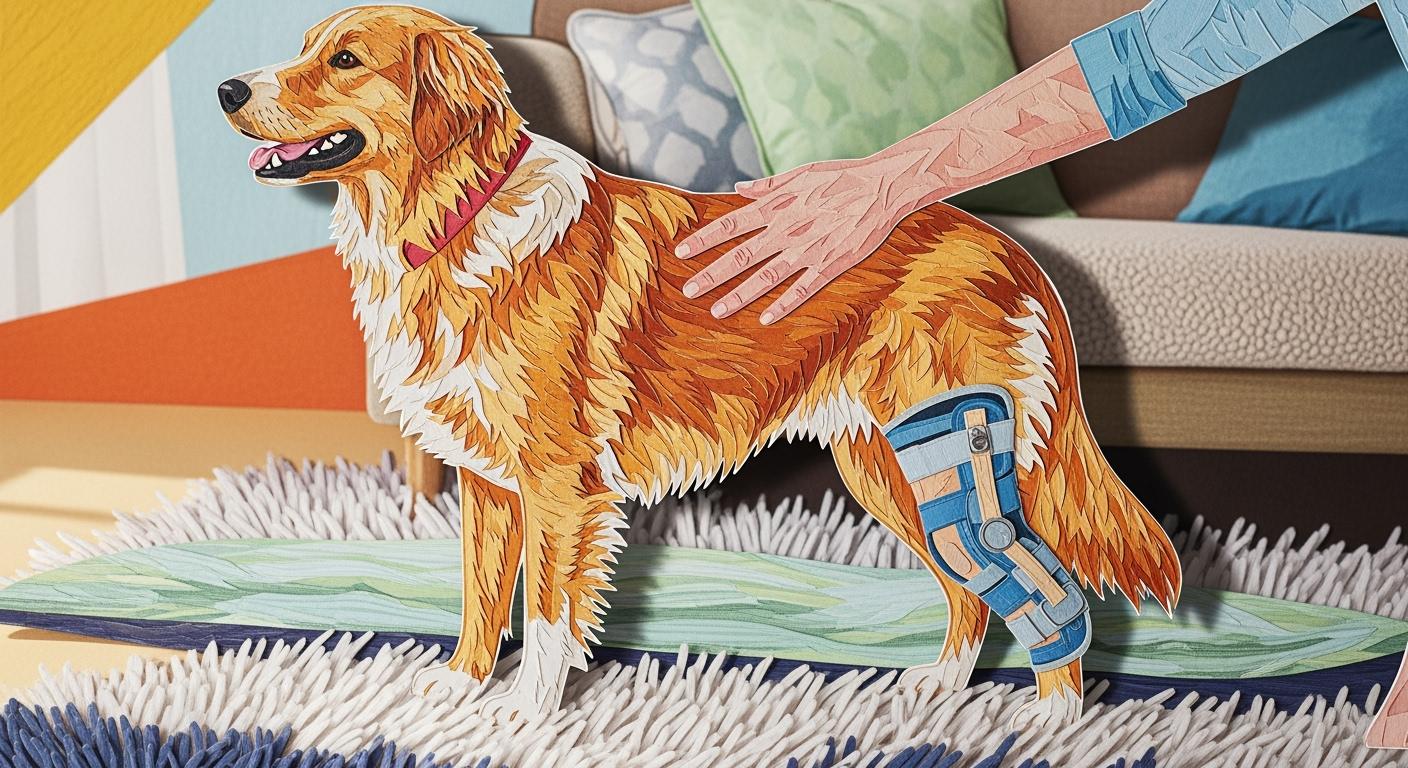
You might see your dog limp or act stiff after resting, or notice that your dog no longer wants to run and play as usual.These signs can make owners feel worried. Many dogs have knee problems. Some dogs hurt their cruciate ligament or have arthritis. About half of dogs with one knee injury get problems in the other knee later. This can sometimes help with pain and, in selected cases, may be used when surgery is not possible. You should talk to a veterinarian before you use any knee brace dog plan.
Common signs of dog knee pain:
Limping
Stiffness
Not wanting to play
Trouble getting up
Swelling near the knee
Key Takeaways
Look for signs of knee pain in dogs, like limping or stiffness. Finding these signs early helps with better treatment.
Talk to your veterinarian before you use a knee brace. The vet can suggest the best brace and make sure it fits your dog.
Pick medical-grade knee braces for more support and comfort. These braces help with bad injuries and arthritis.
Let your dog wear the brace for a short time at first. Slowly let your dog wear it longer. Watch your dog for any pain or skin problems.
Use knee braces along with other treatments like rest and therapy. A full plan helps your dog heal and stay active.
What Is a Dog Knee Brace?
Definition and Purpose
You might wonder what a dog knee brace does. A dog knee brace is a device that goes around your dog’s knee. It helps keep the knee steady. This stops too much movement that can hurt or make pain worse. Many owners use knee braces when their dogs have a torn cranial cruciate ligament (CCL) or arthritis. GaitGuard is a brand that makes strong, medical-grade knee braces for dogs.
The main reasons for using dog knee braces are:
Function/Indication | Description |
|---|---|
Stabilizing the joint | Stops the knee from moving in ways that hurt it. |
Reducing inflammation | Helps lower swelling and irritation in the knee. |
Promoting healing | Lets dogs put weight on the leg and build muscle. |
Pain relief | Takes pressure off sore ligaments and helps with pain. |
Common conditions treated | Torn or strained CCLs, arthritis, and weak knees. |
Dr. Julia Tomlinson, a veterinary rehab expert, says, “Knee braces are a way to help CCL injuries without surgery.”
Medical-Grade vs Generic Braces
You can buy medical-grade or generic knee braces for dogs. Medical-grade braces, like GaitGuard, use strong and safe materials. They fit your dog’s knee well. Some are custom or have hinges. These braces support the knee better and help with pain more than generic ones. Generic braces may not fit right. They might not help and could make things worse. Dogs often do better with medical-grade braces, especially if you follow your vet’s rehab plan.
Common Styles and Materials
Dog knee braces come in different styles. Some have hinges so dogs can move their knees naturally. Others use soft materials for light support. You can get custom braces for a perfect fit or pick standard sizes. The best braces use medical-grade materials that last long, feel good, and are easy to clean. Always ask your vet which style and material is best for your dog.
Why Dogs Need Knee Braces
Dog knee braces help dogs with knee pain and injuries. You might see your dog limp or not want to jump. These signs can mean your dog’s knee is hurt. Solutions for dog knee pain include braces, rest, and vet care. Always ask your veterinarian before you try new support.
Dog Knee Pain and CCL/ACL Injuries
Dogs can hurt their knees when they run or jump. Quick moves can cause sudden injuries. Some injuries happen slowly over time. Age, weight, and breed matter. The main causes of knee pain are ligament tears, luxating patella, and arthritis.
Cranial Cruciate Ligament (CCL) tears are the most common injury in dogs. This ligament keeps the knee steady. If it tears, your dog may limp or act like it hurts. Most tears happen slowly. Stress, breed, and wear can cause this injury.
ACL injuries are much like CCL injuries. The ACL is another ligament in the knee. Dogs with ACL injuries may limp and have trouble walking.
Luxating patella means the kneecap moves out of place. This can happen from birth or later. Dogs with this problem may skip or hop when they walk.
You might see your dog avoid stairs or struggle to get up. These signs show a ligament injury or condition. Dog knee braces give support and help keep the joint steady. This can lower pain and help your dog walk better.
Arthritis and Joint Instability
Arthritis is common in older dogs. It causes swelling and hurts the cartilage in the knee. Unsteady joints can make arthritis worse. Dogs with arthritis may be stiff, swollen, or not want to play.
Dog knee braces help dogs with arthritis and weak joints. Studies show hinged braces help dogs walk and keep the joint steady. Double braces help balance weight and lower pain. Braces, weight control, and therapy make life better for many dogs.
Study | Findings |
|---|---|
2020 Study in Veterinary Surgery | Dogs with hinged braces walked better and had steadier joints. They needed less surgery. |
University of Tennessee Clinical Trial (2018) | Double braces helped balance weight, lowered strain on the other leg, and eased pain. |
Meta-Analysis on Conservative Management (2021) | Braces with weight control and therapy lowered pain and helped dogs live better, especially small and medium dogs. |
Dog knee pain solutions for arthritis include braces, gentle exercise, and vet care. Never use a brace alone. Always follow your veterinarian’s advice.
Post-Surgery Support
After knee surgery, dogs need extra help. A custom brace keeps the knee steady and lets dogs move safely. The brace holds the femur and tibia in place. This stops new injuries and helps healing.
Start using the brace slowly. Begin with short times and add more each day. Check your dog’s skin for redness after each use. Clean the brace and your dog’s skin to stop problems.
Benefit/Protocol | Description |
|---|---|
Custom-fitting brace | A custom brace supports the knee and lets dogs move while healing. |
Stabilization | The brace keeps the femur and tibia steady and stops new injuries. |
Gradual introduction | Use the brace for short times at first. Add more time over 7-10 days. |
Regular checks | Look at the brace and your dog’s skin for redness after each use. |
Cleaning | Clean the brace and your dog’s skin to stop skin problems. |
Dog knee braces help dogs heal after surgery. They give support and protect the knee from new injuries. Always follow your vet’s plan after surgery.
Older Dogs and Non-Surgical Cases
Some dogs cannot have surgery. Age, health, or other problems can make surgery unsafe. Older dogs often have arthritis, ligament injuries, or luxating patella. These dogs need extra help to stay happy and active.
Dog knee braces are a safe way to help the knee. They keep the joint steady and lower pain. Braces do not fix the injury, but they help dogs move and enjoy life. Work with your veterinarian to pick the best dog knee pain solutions.
Tip: Dog knee braces are just one part of treatment. Only your veterinarian can find knee injuries and make the right plan for your dog.
Dog knee braces help with many injuries and problems. They support the knee, lower pain, and help dogs move. Always use them with your vet’s plan.
How Knee Braces Help Dogs
Dog knee braces help dogs with knee injuries and arthritis. They also help with other joint problems. You might see your dog limp or have trouble getting up. Your dog may not want to play. These signs often mean your dog’s knee hurts or feels weak. A knee brace can help by keeping the joint steady. It can lower pain and protect the knee when your dog moves.
Joint Stabilization
The stifle joint is the dog’s knee. It connects the thigh bone to the shin bone. If your dog has a torn ligament, the knee can move in ways that hurt. A knee brace supports the stifle joint. It stops bad movement. This helps protect the ligaments and cartilage.
You want your dog to walk without making the injury worse. A good brace keeps the knee steady. It stops the shin bone from sliding or twisting too much. This support helps your dog stand and walk better. It can make your dog feel more comfortable.
Studies show braces help keep the knee steady:
Study Source | Findings |
|---|---|
Colorado State Veterinary School | Surgery works better than bracing for most owners, but bracing helps dogs that cannot have surgery. |
University of Georgia Veterinary School | Braces change how the knee moves, but it is not clear if they stop all bad movement. |
University of Louisville | A brace limited bad movement as well as surgery in a test. Stiffer joints made the brace work better. |
University of Louisville | Computer tests showed braces can help steady the knee in dogs with ligament problems. |
These studies show braces can help steady the knee. This is important if your dog cannot have surgery. Always ask your veterinarian if a brace is right for your dog.
Pain Relief and Mobility
Dogs with knee injuries or arthritis often feel pain. When the knee moves the wrong way, it can hurt and swell. A knee brace helps stop this bad movement. It keeps the knee in a safe spot. This can lower pain and help swelling go down.
You may see your dog walk better with a brace. Braces help dogs use the sore leg more. This can stop muscle loss and help your dog move. Many owners see their dogs limp less and play more when using a brace with other treatments.
Clinical studies support these benefits:
Evidence Type | Findings |
|---|---|
Pain Reduction | Braces lower bad movement and help swelling go down. |
Improved Mobility | Dogs walk better and put more weight on the sore leg with a brace. |
Quality of Life | Owners say their dogs limp less and play more when using braces with medicine and rehab. |
A knee brace does not fix the injury. It works best with other treatments like rest and therapy. Only your veterinarian can find the problem and make a plan for your dog.
Protection During Activity
Dogs like to run and play. If your dog has a knee injury or arthritis, normal play can be risky. A knee brace protects the knee when your dog moves. It gives gentle support and helps stop new injuries.
Different dogs need braces for different reasons:
Puppies: Braces help puppies heal from small sprains. They let puppies move but remind them to rest.
Active Adults: Braces help during running and jumping. They keep the knee steady and help recovery after play.
Senior Dogs: Braces help with arthritis pain. They make walking safer and more comfortable.
Always listen to your veterinarian about how much your dog should play. Some dogs need more rest. Others can take short walks or play gently. A knee brace helps keep your dog safe and happy.
Tip: Check your dog’s brace and skin after play. Look for rubbing or redness. Clean the brace to keep your dog comfortable.
Dog knee braces give support and help with pain. They protect dogs with knee injuries or arthritis. Braces help your dog move safely, but they work best with your veterinarian’s plan.
Types of Knee Braces for Dogs
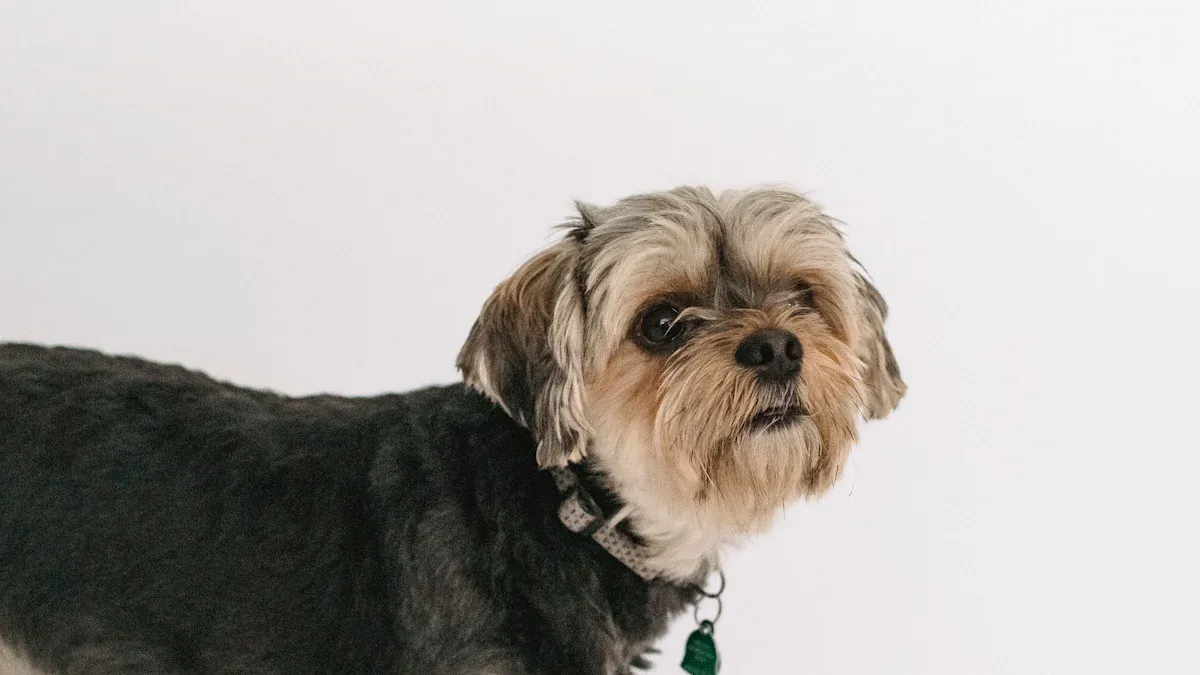
Dog knee braces come in many styles. You can pick the one that helps your dog most. Each type gives different support and comfort. Knowing about these braces helps you choose better.
Hinged and Non-Hinged Braces
There are two main kinds: hinged and non-hinged braces. Hinged braces have small joints. These let your dog’s knee bend like normal. They help control how the knee moves. This stops too much stress on the joint. Hinged braces are good for big injuries, after surgery, and ccl tears.
Non-hinged braces are soft wraps or sleeves. They give gentle pressure and keep the knee steady. These feel better for small injuries or early arthritis. But they may not help enough with bad ccl injuries.
Type of Brace | Advantages | Disadvantages |
|---|---|---|
Hinged | Controls movement, stops bad joint stress, good for big injuries | Might not feel good for small injuries |
Non-hinged | Gives gentle pressure and keeps knee steady, feels better for small injuries | Might not help enough with big injuries like ccl tears |
Tip: Ask your vet which brace is best for your dog’s injury and how active your dog is.
Custom vs Standard Fit
You can get a custom brace or a standard one. Custom braces fit your dog’s leg shape and size. They are best for mixed breeds, ccl injuries, and long-term knee problems. These braces last longer and are good for dogs that move a lot.
Standard braces fit most dogs and give basic support. They might not help enough with hard injuries or very active dogs.
Feature | Custom Dog Knee Brace | Standard Dog Knee Brace |
|---|---|---|
Suitability | Best for mixed breeds and special problems | Good for most dogs |
Durability | Made to last as long as your pet | May not last as long |
Effectiveness for Injuries | Best for ccl injuries and long-term problems | Might not help enough |
Activity Level | Good for very active dogs | Not always best for active dogs |
Non-Rigid and Rigid Options
Dog knee braces use different materials. Non-rigid braces are soft neoprene wraps. These wraps are gentle and let the knee move a bit. They work well for small injuries and early arthritis.
Rigid braces use hard parts or hinges. These braces keep the knee steady and help with swelling. They are best for bad ccl injuries or after surgery.
Soft neoprene wraps: Let air in, bend easily, and feel nice.
Rigid braces: Give strong support, best for big injuries.
You should talk to your vet before picking a brace. The best brace depends on your dog’s knee problem, age, and how much your dog moves.
Choosing Dog Knee Braces
Selecting the right knee brace for your dog can make a big difference in recovery and daily comfort. GaitGuard stands out for its commitment to quality, medical-grade materials, and custom solutions. When you look for what to look for when buying a dog knee brace, you need to focus on several important factors.
Measuring and Sizing
Accurate measurements help you get the best fit for your dog’s knee. Use a soft tape measure to check the thigh, knee, and lower leg. Write down each number. The type of brace—hinged or non-hinged—also affects sizing. Always follow the brand’s sizing chart. If you are unsure, ask your veterinarian for help.
Measure your dog’s thigh, knee, and lower leg.
Choose the right type of brace for the injury.
Double-check the size before you order.
Ask your vet if you have questions.
Fit, Comfort, and Adjustability
A good fit keeps the brace in place and helps your dog move. Look for adjustable straps and padding. These features help you get a snug fit without causing pressure. Your dog should walk, sit, and lie down with the brace on. If your dog seems uncomfortable, check the fit again.
Tip: Watch for signs of rubbing or redness. Adjust the brace if needed to keep your dog happy.
Material and Durability
Comfort and material matter for your dog’s daily use. Soft padding and breathable fabric help prevent skin problems. Durable braces last longer and give steady support. GaitGuard uses medical-grade materials that stand up to active dogs and daily wear.
Feature | What to Look For |
|---|---|
Comfort | Padding, adjustable straps, breathable fabric |
Durability | Strong materials, sturdy design |
Veterinary Guidance
Your veterinarian plays a key role in choosing the right knee brace. Only a vet can diagnose your dog’s knee problem. The vet will help you pick the best brace for the injury. Different knee injuries need different support. Always follow your vet’s advice for the best results.
Fitting and Using Knee Braces for Dogs
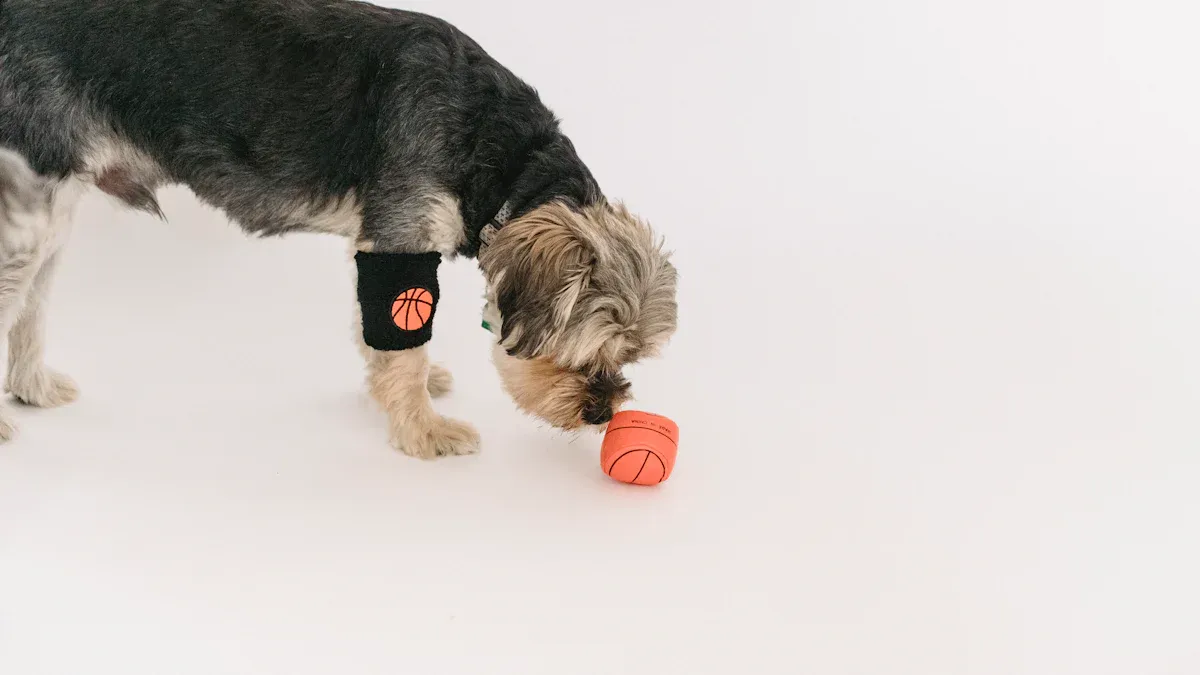
Step-by-Step Fitting
You want your dog’s knee brace to fit well for the best support and safety. Follow these steps for a proper fit:
Visit your veterinarian for a full check. Make sure the knee brace is right for your dog’s needs.
Measure your dog’s leg carefully. Use a soft tape to get the right size.
Place the brace on your dog’s knee. Align the brace with the joint and adjust the straps for comfort.
Start with short wear times. Watch your dog closely for any signs of discomfort.
Use the brace during walks or active times. Remove it when your dog rests.
Add physical therapy and weight control as your vet suggests.
Check your dog’s skin and the brace every day to prevent problems.
Tip: Always follow your veterinarian’s advice for the best results.
Building Up Wear Time
Your dog needs time to get used to the knee brace. Begin with short sessions and increase slowly:
Start with 1–2 hours at a time.
Watch your dog’s comfort and movement.
After 15–30 minutes, check the skin for redness or swelling.
If your dog adapts well, increase wear time to 4–8 hours as advised by your vet.
Daily Checks and Maintenance
Keep the knee brace clean and safe for your dog:
Hand wash the brace with mild soap and cool water. Let it air dry before using it again.
Check your dog’s skin and fur every time you remove the brace.
Look for signs of poor fit, such as slipping, rubbing, or licking.
Note: Clean gear and healthy skin help your dog heal and stay comfortable.
When to Remove or Contact the Vet
Remove the knee brace and call your veterinarian if you notice:
Redness, sores, or swelling on your dog’s skin
Limping that gets worse
The brace slips or does not stay in place
Your dog seems very uncomfortable or tries to remove the brace
Your veterinarian can help adjust the brace or suggest other care. Always keep your dog’s safety first.
Dog Knee Brace vs Surgery
When Surgery Is Needed
You might wonder if your dog needs surgery for a knee injury. Surgery is usually the first choice for a full ligament tear or bad joint damage. Vets pick surgery when a brace cannot keep the knee steady. Surgery often helps dogs heal faster and get back to normal play. Only your vet can say if surgery is best for your dog. Always get a full checkup and talk about all your choices.
Braces as Alternatives
Some dogs cannot have surgery because they are old or sick. In these cases, a knee brace can help with the injury. Custom braces give better support than soft wraps. Braces do not fix the injury, but they help your dog move with less pain. You might pick a brace if surgery is not safe or you want a gentler choice.
Extra support keeps your dog’s knee safe.
Less pain comes from stopping bad movement.
Braces help healing by making it easier to walk.
Braces in Rehabilitation
A knee brace can be part of your dog’s rehab plan. Braces give support and help keep the knee steady while healing. They help control how the knee moves and lower pain. Your dog can build muscle and get stronger with special exercises. Braces are good for older dogs or dogs who should not have surgery. Always follow your vet’s advice for the best care.
Limitations of Braces
Knee braces do not fix every injury. Some injuries need surgery to heal right. Braces work best with other care like rest, weight control, and therapy. You must check the fit and your dog’s skin often. Always talk to your vet before you start or change any treatment.
Knee Braces for Dogs in Clinics and Rehab Centers
Integration in Treatment Plans
Adding knee braces to treatment plans helps dogs heal faster. Many vets use knee support after surgeries like cruciate ligament or hip surgery. Braces help dogs rebuild strength and move safely while getting better. Using a knee brace as part of a full plan stops more injuries and helps steady healing. GaitGuard’s medical-grade braces work well because they have standard and custom choices for different dogs.
Benefits for Patients and Owners
Knee braces help dogs and owners in clinics in many ways:
Give important support to the sore leg
Lower pain and swelling
Stop new injuries when dogs move
Help dogs walk and stand better
Help dogs heal faster after surgery or injury
Owners feel better when their dogs use knee braces in rehab. Dogs move easier, and owners see their dogs get better each day.
Stocking Quality, Medically Designed Braces
Clinics need good knee braces that meet high standards. Experts help clinics pick braces for problems like ACL, CCL, or luxating patella. Clinics should choose medical-grade materials and strong designs to keep dogs safe. Some clinics offer custom fitting for each dog’s needs. GaitGuard’s model checks quality and keeps braces in stock, so clinics can give the best care.
FAQ: Common Questions About Dog Knee Braces
Can a dog knee brace replace surgery?
A knee brace cannot fully replace surgery for every dog. Some dogs with partial ligament tears or mild knee injuries may benefit from a brace, especially if surgery is not possible. Research from Colorado State Veterinary School found that 85% of owners felt satisfied with their dog’s progress using a brace. Always ask your veterinarian if a brace is right for your dog’s knee problem.
How long can my dog wear a knee brace each day?
You should start with short periods, such as 1–2 hours, and slowly increase the time as your dog gets used to the brace. Most dogs can wear a knee brace for 4–8 hours each day, especially during walks or active times. Remove the brace at night or when your dog rests. Check your dog’s skin often.
Is a knee brace safe for senior dogs?
Yes, a knee brace can help senior dogs with arthritis or weak joints. Custom braces fit older dogs well and help them stay active. Modern materials make braces comfortable and safe for daily use. Always work with your veterinarian to make sure the brace fits and supports your senior dog’s knee.
Can my dog run or play with a brace on?
Many dogs can walk, play, or take gentle runs while wearing a knee brace. The brace helps protect the knee and limits harmful movement. You should watch your dog during activity and avoid rough play. Ask your veterinarian how much exercise is safe for your dog’s knee.
What skin changes should I watch for?
Check your dog’s skin under the brace every day. Look for redness, sores, swelling, or hair loss. If you see any of these signs, remove the brace and call your veterinarian. Clean the brace often to keep your dog’s knee and skin healthy.
How long does it usually take to see improvement?
Some dogs show better comfort and movement within a few weeks. For example, Max, a Labrador with a knee injury, started using a brace as part of his vet-guided plan. After three weeks, Max walked with less pain and played more with his family. Every dog is different, so talk to your veterinarian about what to expect.
Note: Knee braces work best as part of a full treatment plan. Only your veterinarian can diagnose knee injuries and guide your dog’s care.
You want your dog to move with less pain and enjoy life. The benefits of knee braces include support for the knee, better comfort, and safer movement. A knee brace does not cure every problem, but it helps many dogs with injuries or arthritis. Always ask your veterinarian before you choose a knee brace. Every dog’s knee needs are different. Quality brands like GaitGuard offer strong options for your pet’s recovery.
