
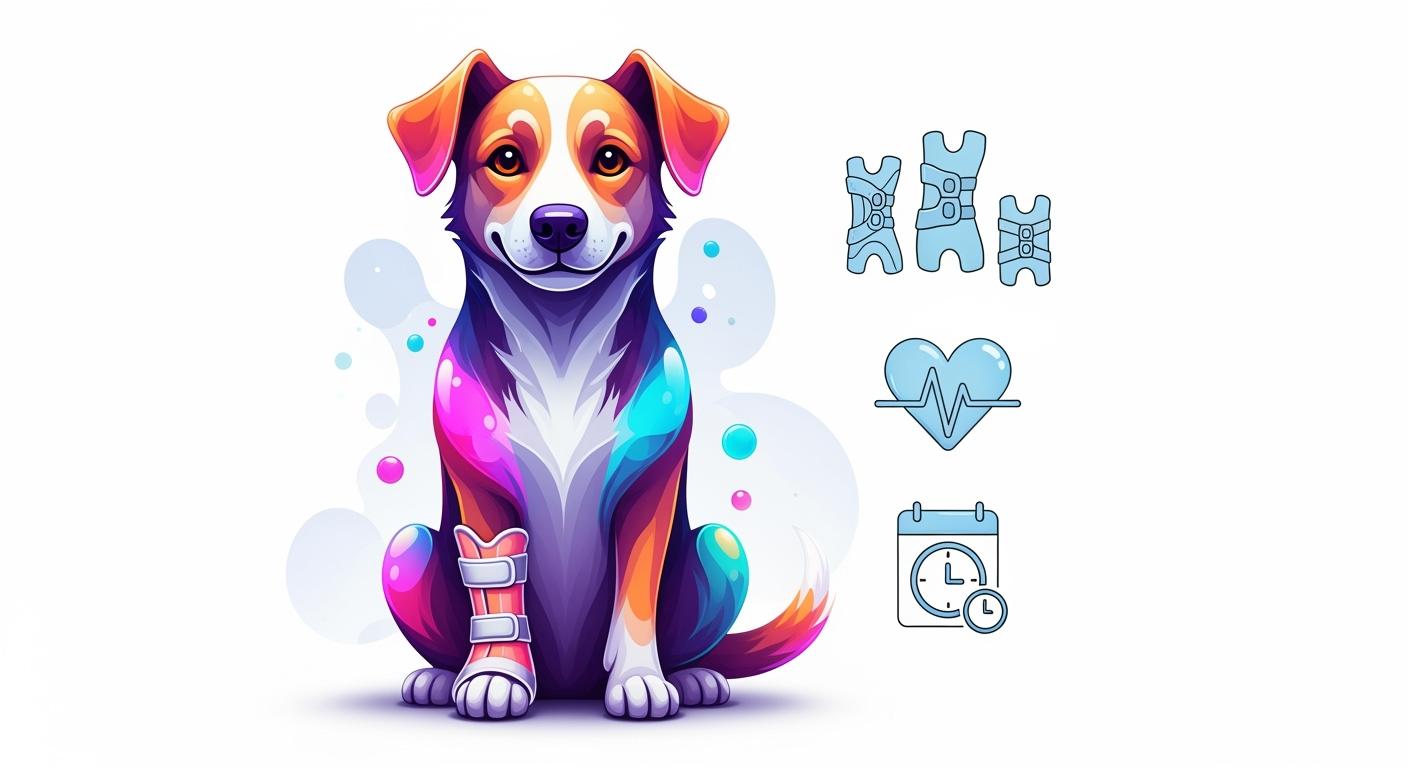
You might notice your dog limping or moving less than usual. These changes can signal a need for extra support. Watch for certain signs that show your dog could benefit from braces for dogs:
Lameness or trouble putting weight on a leg.
Sitting in an unusual way, such as with one leg extended.
Stiffness in the back legs or trouble getting up.
Swelling around the knee.
Clicking sounds from the knee when your dog moves.
If you see any of these signs, talk to your veterinarian. Early help can make your pet more comfortable and active again.
Key Takeaways
Look for signs like limping or odd sitting. These signs can mean your dog might need braces. – Talk to your veterinarian if your dog moves differently. Getting help early can stop more problems. – Pick the best brace for your dog’s needs. You can choose single knee, double knee, or hinged braces. – Braces help with measuring pain and make moving easier. They help your dog do normal things again. – Put the brace on slowly and check for any pain. Give treats and praise to help your dog get used to it.
Does My Dog Need Braces for Dogs?
Signs Your Dog May Need a Brace
You want your dog to move easily and be happy. Sometimes, your dog walks or stands in a strange way. This can mean something is wrong. Some signs your dog may need a leg brace are limping, being stiff, or having trouble getting up. Your dog might use one leg more than the other. Sometimes, your dog will not put weight on a leg. Swelling near a joint or sitting in a weird way can mean the joint is not stable. If your dog makes noises when moving or does not want to play, watch closely.
Veterinarians use different steps to see if your dog needs help. They check for swelling, pain, and how the joints move. They also look for signs that the joint is not steady. The table below shows how a vet might find out if braces for dogs are needed:
Diagnostic Step | Description |
|---|---|
Physical Examination | Vets look for swelling, pain, and joints that move oddly. |
Imaging Tests | X-rays or scans help show how bad the injury is and the joint’s shape. |
Advanced Evaluation | Sometimes, vets use special tests to check for ligament or joint damage. |
Common Conditions Treated
Many dogs have bone or nerve problems that make moving hard. Braces for dogs help with these problems and make life better. Some common conditions are:
Hip, elbow, or shoulder dysplasia (joint growth problems)
Joint hyperextension (joints bend too far and get weak)
Patellar luxation (kneecap moves out of place)
Anterior cruciate ligament rupture (knee gets hurt)
Proprioceptive defects (hard to feel where the body is)
Intervertebral disc herniation (spinal disc issues)
Degenerative myelopathy (spinal cord sickness)
Other spinal problems
Big and giant dogs often get hip dysplasia and ligament injuries more. Studies show many dogs with hip dysplasia also have ligament trouble. You may see these problems more in older dogs or dogs that are spayed or neutered.
When to Seek Veterinary Advice
You are important for your dog’s health. If you see your dog move differently, do not wait to get help. Call your vet if your dog cannot stand, cries in pain, or will not use a leg. Get help right away for sudden swelling, a leg that looks wrong, or bleeding. If your dog limps, is stiff, or acts different, make a vet visit soon.
Tip: Dogs try to hide pain until it gets really bad. Getting help early can stop bigger problems.
Waiting too long can make your dog’s problem worse. Pain can get worse, and your dog may need harder treatment later. Acting fast helps your dog heal and keeps them from getting hurt more.
Dog Braces Overview
What Are Dog Braces?
Dog braces are special devices that help support your pet’s joints and limbs. You use them when your dog has an injury or needs extra help to move. These braces come in different shapes and sizes. Some fit just one knee, while others support both knees or have hinges for more movement. You can see the main types in the table below:
Type of Brace | Description | Ideal For |
|---|---|---|
Single Knee Braces | Provide support to one knee. | Partial CCL tears, early arthritis. |
Double Dog Knee Braces | Support both knees and balance weight. | Bilateral injuries, weak joints. |
Hinged Knee Braces | Allow joint movement while maintaining stability. | Severe injuries, post-surgical recovery. |
You choose a brace based on your dog’s needs. Some dogs need help with just one leg. Others need support for both legs or more flexibility. Your veterinarian can help you pick the right type.
Tip: Braces for dogs can help your pet stay active and comfortable during recovery.
How Braces for Dogs Work
Dog braces work by giving extra support to weak or injured joints. You put the brace on your dog’s leg or joint. The brace holds the joint steady and helps reduce pain. Custom braces stabilize the knee joint and lower the strain on injured tissues. This support lets your dog regain strength and move better.
Studies show that braces improve how a dog’s knee works after an ACL injury. You may notice these benefits:
Braces help your dog walk with less pain.
They keep the joint stable during healing.
Your dog can move more easily and safely.
Braces for dogs do not just protect the joint. They also help your dog build muscle and get back to normal activities. You give your pet a better chance to heal and enjoy life.
Types of Dog Braces
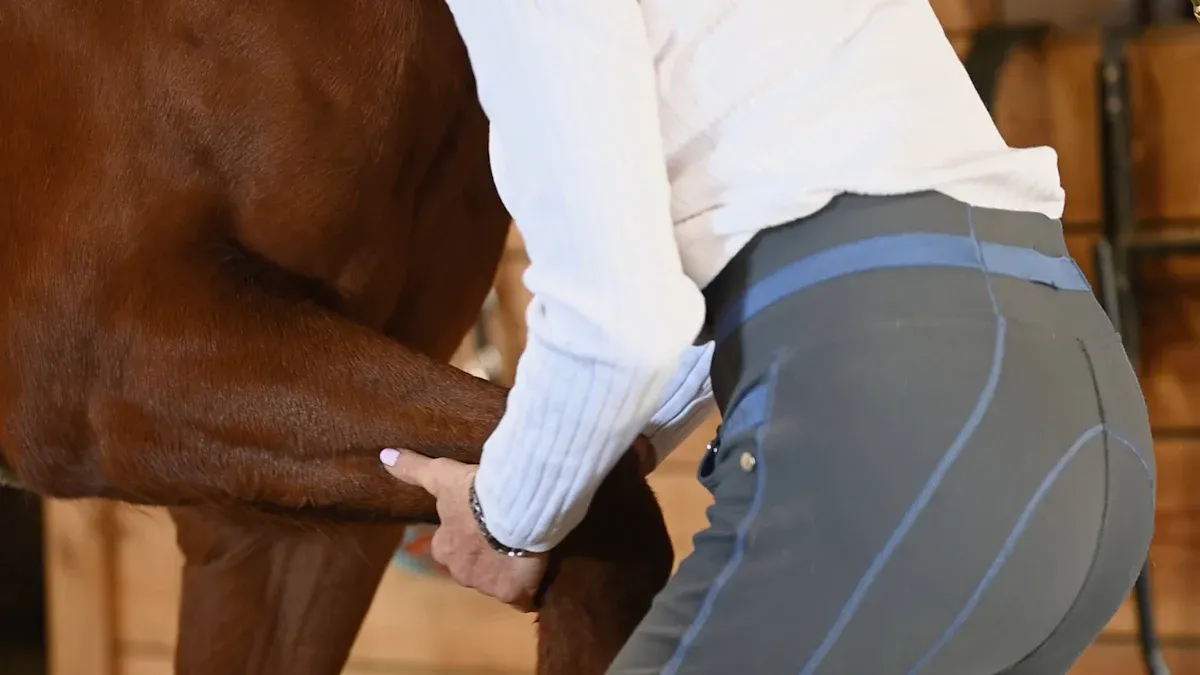
When you look for braces for dogs, you will find many options. Each type helps with different problems. Knowing the types of dog braces helps you choose the best support for your pet.
Dog Leg Braces
Dog leg braces give support to your dog’s legs. You use them for injuries like ACL tears or joint pain. These braces often have hinges that let your dog move naturally. Dog leg braces help with pain and swelling. If you have a small dog, a knee brace for small dogs can make a big difference. GaitGuard offers stifle (knee) braces for CCL or ACL injuries. These braces protect the knee after surgery and help your dog heal faster. You can also find tarsus (hock) and carpal braces for sprains or weak joints. Dog leg braces use medical-grade foam and mesh fabrics. These materials feel soft and help prevent skin problems.
Hip and Elbow Braces
Hip braces fit around your dog’s hips. They help with hip dysplasia, arthritis, and lower back pain. Elbow braces support the front legs. You use them for arthritis, elbow dysplasia, or swelling called hygroma. GaitGuard’s elbow braces help manage elbow problems and give extra stability. These braces use hypoallergenic materials to keep your dog comfortable.
Back and Spine Braces
Back braces support your dog’s spine. You use them for back pain, paralysis, or disc disease. GaitGuard’s spinal braces help after surgery and during recovery. These braces have ergonomic designs, so you can put them on your dog easily. They also help your dog move safely.
Note: GaitGuard’s product line includes anti-licking devices, neck supports, and lifting straps. These tools protect wounds, support recovery, and help you guide your dog during walks.
Custom vs. Standard Braces
You can choose between custom and standard braces for dogs. Standard braces have adjustable straps and fit many dogs. Custom braces fit your dog’s body exactly. Both types use medical-grade materials and can change as your dog heals.
Evidence Type | Description |
|---|---|
Customizable Support | Adjustable braces give the right support for your dog’s needs. |
Advanced Materials | Medical-grade materials last longer and feel better for your dog. |
Modifiable Design | You can adjust braces as your dog gets better or needs more support. |
Dog leg braces and other types of dog braces help your dog move better and feel less pain. When you pick a knee brace for small dogs or a custom brace, you give your pet the best chance to heal.
Benefits of Dog Leg Braces
Pain Relief and Comfort
You want your dog to feel comfortable and free from pain. Dog leg braces help by supporting weak joints and reducing pressure on injured areas. When you use a brace, you give your dog extra stability. This support can lower pain and swelling, especially for dogs with knee injuries or arthritis. Many veterinarians recommend braces for dogs who cannot have surgery because of age or health. Stifle braces, for example, help stabilize the knee and make movement less painful. You may notice your dog resting easier and showing more energy after wearing a brace.
A comfortable brace can help your dog heal faster and enjoy daily life again.
Improved Mobility
Braces for dogs do more than just ease pain. They help your dog move better. When you put a brace on your dog, it limits unwanted movement and keeps the joint steady. This means your dog can walk, run, or play with less trouble. Bracing offers a non-surgical way to help dogs with knee injuries or arthritis return to their favorite activities. You may see your dog climb stairs or go for walks with more confidence.
Braces improve mobility and reduce pain.
They help your dog get back to daily routines.
Your dog can stay active while healing.
Support During Recovery
After an injury or surgery, your dog needs extra help to recover. A dog leg brace gives that support. It keeps the joint in the right position and stops it from moving too much. This helps the injured area heal and prevents new injuries. You can use a brace during physical therapy or when your dog starts walking again. The right brace can make recovery smoother and faster.
Preventing Further Injury
You want to protect your dog from getting hurt again. Braces for dogs help by keeping the joint stable and stopping harmful movements. A knee brace, for example, reduces strain on weak ligaments and keeps the joint from bending the wrong way. This lowers the risk of more injuries and helps your dog stay safe during play or walks. Using a brace can give you peace of mind and help your dog stay healthy.
The benefits of dog leg braces include pain relief, better movement, strong support during healing, and protection from future injuries. When you choose the right brace, you help your dog live a happier and more active life.
When to Use Braces for Dogs
Acute vs. Chronic Issues
Sometimes dogs get hurt quickly, like with a sprain. Other times, problems grow slowly, like arthritis. Braces for dogs can help with both kinds of problems. If your dog has a small sprain or a partly torn ligament, a brace can help with pain. It also helps your dog heal. Dogs with long-term problems like osteoarthritis can use braces too. Braces make your dog feel better and help them move every day.
Tip: If your dog walks or plays differently, notice it early. Giving support soon can stop bigger problems later.
Post-Surgery Support
Dogs need help after surgery to get better. Braces keep joints safe while they heal. The table below shows how braces and surgery are different:
Aspect | Braces | Surgery |
|---|---|---|
Effectiveness in Mild Cases | Can help symptoms, may delay surgery | Not always needed if joint is stable |
Effectiveness in Severe Cases | Will not fix bad pain or dislocation | Best choice for fixing problems |
Recurrence Rates | High when brace is removed | Much lower if rehab is done right |
Long-term Function | Limited, muscles may get weak | Better joint use, stops more issues |
Braces are best for small injuries or if surgery is not possible. They help your dog heal and stay active. For big injuries, surgery is often better. Always talk to your vet for the best advice.
Age and Activity Factors
How old and active your dog is matters for support. Older dogs or dogs that do not move much do well with braces. These dogs may have small tears or arthritis. Braces help them feel good and avoid surgery. Young, active dogs with big ligament tears usually need surgery. You can help older dogs by using braces, gentle exercise, weight control, and therapy. This plan keeps your dog happy and healthy.
Note: Braces work best with other treatments. This gives your dog the best chance to heal and enjoy life.
Choosing the Right Dog Brace
Fit and Comfort
You want your dog to feel comfortable and supported. The right fit makes a big difference. When you choose a brace, think about your dog’s injury, size, and breed. Each dog has unique needs. A brace that fits well will help your dog heal and move better. Here are some things to consider:
Specific Injury or Condition: Pick a brace that matches the type and location of your dog’s problem.
Severity of the Injury: More serious injuries need stronger support.
Your Dog’s Size and Breed: Make sure the brace fits your dog’s body shape and size.
Custom braces give a personalized fit. They match your dog’s measurements and provide better comfort. Many owners notice their dogs walk faster and seem happier with custom braces. GaitGuard offers adjustable designs, so you can find the best fit for your pet.
Veterinary Guidance
Your veterinarian plays a key role in choosing the right brace. You should always ask for their advice before making a decision. Vets know how to match the brace to your dog’s health needs. They look at your dog’s age, activity level, and any other health problems. With their help, you can pick a brace that improves your dog’s quality of life.
Vets help make sure the brace fits your dog’s needs.
They choose the best device for your dog’s condition.
They consider your dog’s activity, age, and health.
GaitGuard works closely with veterinarians to provide medical-grade, adjustable products for the best results.
Materials and Durability
You want a brace that lasts and keeps your dog safe. Look for braces made from medical-grade materials. These materials are strong, soft, and safe for your dog’s skin. GaitGuard uses high-quality materials that stand up to daily use. Adjustable straps help you get the right fit and keep your dog comfortable. Custom options are also important for dogs with special needs. A durable, well-made brace supports healing and lets your dog enjoy life again.
Helping Your Dog Adjust
Gradual Introduction
You want your dog to feel comfortable with a new brace. Start by letting your dog sniff and look at the brace. Place it near your dog’s bed or favorite spot. After your dog gets used to seeing it, gently put the brace on for a few minutes. Watch how your dog reacts. Take the brace off and give your dog a treat or some praise. Each day, increase the time your dog wears the brace. This slow approach helps your dog feel safe and less stressed.
Tip: Short, positive sessions work better than forcing your dog to wear the brace for a long time at first.
Monitoring for Discomfort
You need to check your dog for signs of discomfort. Look for licking, biting, or scratching at the brace. Watch for limping, whining, or changes in how your dog walks. Check your dog’s skin under the brace for redness or sores. If you see any problems, remove the brace and let your dog rest. Adjust the fit if needed. Always keep the brace clean and dry. If discomfort continues, talk to your veterinarian.
Signs to watch for:
Redness or swelling
Unusual walking or limping
Chewing at the brace
Loss of interest in play
Positive Reinforcement
You can help your dog adjust faster by using positive reinforcement. Reward your dog for calm behavior and for wearing the brace. Use treats, praise, or gentle petting. Consistent rewards encourage your dog to accept the brace as part of daily life.
Technique | Action |
|---|---|
Reward for successful assistance | Give treats or praise when your dog helps or cooperates. |
Praise for quick responses | Use kind words when your dog responds quickly to wearing the brace. |
Consistent reinforcement | Reward your dog every time they wear the brace on different surfaces. |
Immediate praise for standing still | Offer a treat right away when your dog stands still with the brace on. |
Intermittent rewards | Sometimes give treats to keep your dog interested and motivated. |
High-value treats for independence | Use special treats when your dog wears the brace without help. |
Remember: Positive reinforcement builds trust and makes the adjustment process smoother for both you and your dog.
You want your dog to move easily and feel good. Braces for dogs give support and help with pain. They also help your dog heal after getting hurt. The table below lists the main benefits:
Benefit | Description |
|---|---|
Support and Stability | Holds joints steady and lowers stress |
Pain Alleviation | Reduces pain and helps your dog feel good |
Recovery Facilitation | Helps your dog heal and act normal again |
Injury Prevention | Stops more injuries from happening |
Always talk to your veterinarian when picking a brace. Watch your dog carefully and use good products to help your dog live better.
FAQ
How long should my dog wear a brace each day?
You should start with short periods, like 15–30 minutes. Gradually increase the time as your dog gets used to the brace. Always follow your veterinarian’s advice for the best results.
Can my dog walk and play while wearing a brace?
Yes, your dog can walk and play with a brace. The brace supports movement and helps prevent injury. Watch your dog closely and stop activity if you see discomfort.
How do I clean my dog’s brace?
Remove the brace and use mild soap with warm water. Let it air dry completely before putting it back on your dog. Clean the brace regularly to keep your dog’s skin healthy.
Will my dog need a custom brace?
Some dogs need custom braces for the best fit, especially with unique injuries or body shapes. Your veterinarian can help you decide if a custom brace is right for your dog.
What if my dog tries to chew or remove the brace?
If your dog chews or removes the brace, distract them with toys or treats. Use positive reinforcement to help your dog accept the brace. Check the fit and comfort to make sure nothing is causing irritation.
