
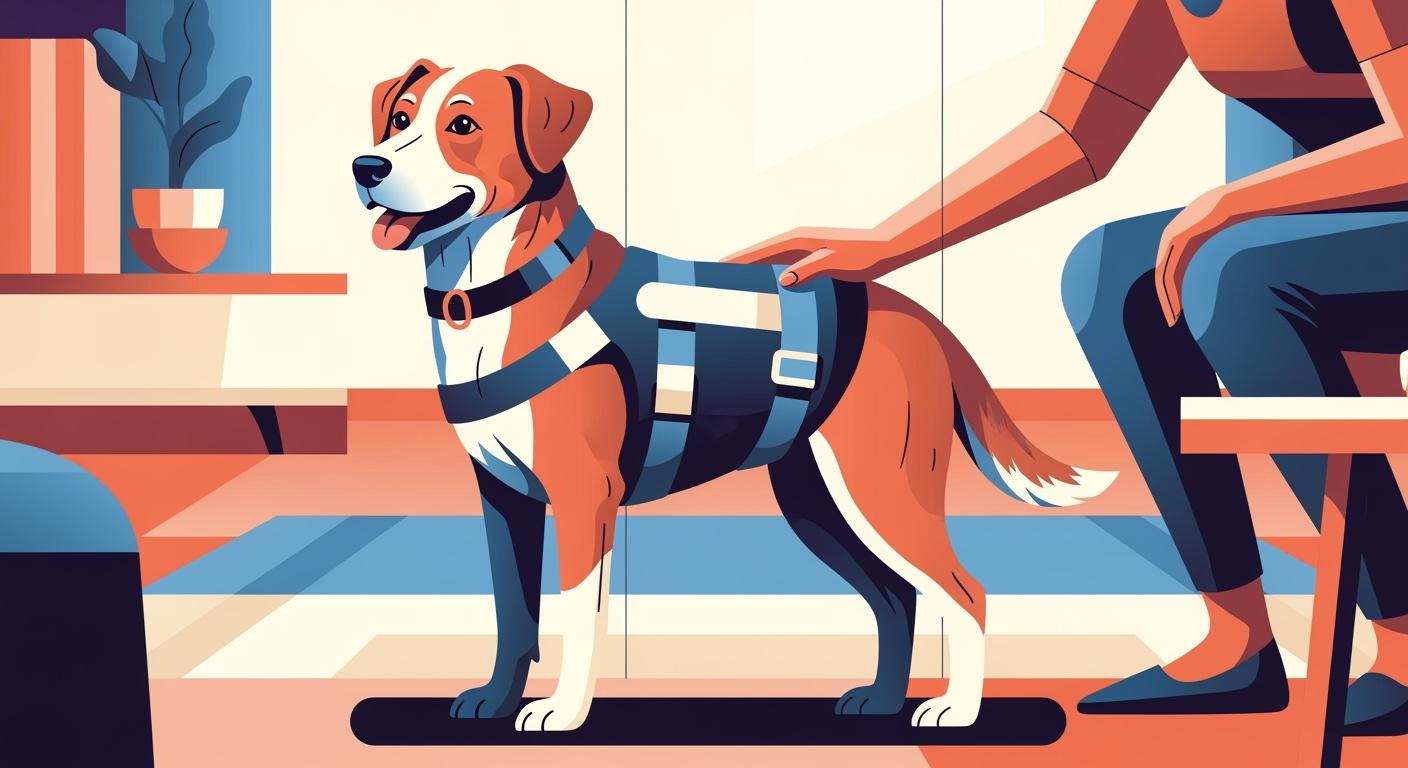
A dog back brace for IVDD may help some dogs stay steadier during controlled movement, but it should not be used as a cure or a way to keep a painful dog active. IVDD can involve pain, weakness, nerve changes, or loss of bladder and bowel control, so veterinary guidance matters before using any back support.
This article explains when a back brace may help, when it may not be safe, and what fit, skin, movement, and warning signs owners should watch before relying on a brace for daily support.
Key Takeaways
A dog back brace for IVDD provides external support around the trunk and may help limit some unwanted movement during controlled, veterinarian-directed use.
Always consult your veterinarian before using a back brace. They can recommend the right type and ensure it fits properly.
Look for signs that your dog may benefit from a brace, such as difficulty walking, back pain, or reluctance to jump.
Braces are not a cure for IVDD. They should be part of a complete treatment plan that may include rest, medication, and therapy.
Monitor your dog for comfort and fit while using a brace. Remove it if you notice any skin irritation or discomfort.
What IVDD Means Before Considering a Brace
Causes and Risk Factors
What IVDD Means Before Considering a Brace stands for intervertebral disc disease. This condition affects the discs that cushion the bones in your dog’s spine. Over time, these discs can become weak or damaged. Age plays a big role, as older dogs face a higher risk. Genetics also matter. Some breeds inherit a tendency for disc problems. Obesity can add extra pressure to the spine, making symptoms worse. Injuries from jumping or rough play may trigger disc damage. If your dog has a long back and short legs, you should watch for signs of IVDD.
Tip: Keeping your dog at a healthy weight and avoiding high-impact activities can help lower the risk.
Breeds Most Affected
Certain breeds have a much higher chance of developing IVDD. You should pay close attention if you own one of these dogs:
Dachshunds have the highest documented incidence rates, with about 15.3% affected.
French Bulldogs are also reported to have very high odds of developing IVDD among purebred dogs.
Corgis, Beagles, and Shih Tzus also face increased risk.
Other breeds with long backs and short legs may be prone to IVDD.
If you have a Dachshund, you may hear the term “Dachshund IVDD” often. This breed needs special care and monitoring.
Symptoms to Watch For
You should look for changes in your dog’s movement or behavior. Common symptoms include:
Sudden reluctance to jump or climb stairs
Stiffness or pain when touched along the back
Weakness in the hind legs
Difficulty walking or dragging the back legs
Loss of bladder or bowel control
If you notice any of these signs, contact your veterinarian right away. Early detection can make a big difference in your dog’s comfort and recovery.
When a Dog Back Brace for IVDD May Help
How It Works
A dog back brace for IVDD gives your dog’s spine extra stability. When your dog wears a brace, it helps limit movement that could make spinal pain worse. The brace acts like a gentle hug around the back, holding the spine in a safer position. The amount and type of support depend on the brace structure, fit, the dog’s anatomy, and the underlying condition.
A dog’s response should be assessed during short, supervised use. The brace should remain stable without forcing the spine into an unnatural position, restricting breathing, changing gait, or creating pressure around the chest and abdomen. Always use a dog back brace for IVDD with guidance from your veterinarian.
Note: A dog back brace for IVDD should never replace medical care. It works best as part of a complete treatment plan.
Types of Braces
You can choose from several types of dog back braces for IVDD. Each type offers different levels of support and flexibility. Some braces use soft materials, while others have rigid parts for extra stability.
Soft Braces: These braces use flexible, breathable fabrics. They provide gentle spinal support and allow for some movement. Soft braces work well for mild cases or for dogs who need comfort during recovery.
Rigid Braces: These braces use firm panels or medical-grade plastic. They limit movement more than soft braces. Whether a rigid design is appropriate depends on the dog’s diagnosis, neurological status, body shape, fit, and veterinary guidance.
Hybrid Braces: Some braces combine soft and rigid features. For example, the WIGGLELESS® BACK BRACE stabilizes the back but still allows flexibility. It uses breathable material to keep your dog comfortable.
When comparing different back braces, focus less on brand names and more on the level of support, the quality of materials, and how well the brace fits your dog’s body. Your veterinarian can help you choose an appropriate design for your dog’s IVDD stage.
When a Back Brace Is Commonly Considered
You may consider a dog back brace for IVDD when your dog shows signs of back pain or weakness. Braces help dogs who need extra spinal support during recovery. Your vet may recommend a brace if your dog has mild to moderate IVDD and surgery is not needed. A brace may sometimes be considered after surgery, but the surgical team should decide whether it is appropriate and when it may be introduced.
Common situations for using a dog back brace for IVDD include:
Your dog has trouble walking or standing.
Your dog feels pain when moving or being touched along the back.
Your dog needs help staying safe during daily activities.
Your vet suggests a brace as part of a treatment plan.
Some experts debate the use of dog back braces for IVDD. Not all dogs benefit from a brace. Some dogs need rest, medication, or surgery instead. Braces may not help in severe cases or when nerve damage occurs. Always follow your vet’s advice and watch for changes in your dog’s condition.
Alert: Never use a dog back brace for IVDD without talking to your veterinarian. Braces can help with comfort and mobility, but they are not a cure.
Benefits, Limits, and Safety Concerns
Pain Relief and Support
Most pet owners want their dogs to remain as comfortable and safe as possible. A dog back brace may provide external support by limiting some unwanted trunk movement, but pain assessment and pain control should remain under veterinary direction.
During supervised use, check whether the brace stays in position without creating pressure, restricting breathing, changing gait, or encouraging activity beyond the veterinarian’s restrictions. Response varies according to the dog’s condition, anatomy, brace structure, and fit.
Tip: Always check with your veterinarian before using a brace. Your vet can help you choose the right type of back support for your dog’s needs.
Mobility and Injury Prevention
A brace may reduce some risky twisting or sudden movement, but it cannot remove the underlying IVDD risk or replace rest, medication, therapy, or surgery when those are needed. Dogs with IVDD often struggle to walk or climb stairs. Back support helps keep the spine aligned, making movement easier and safer. You may notice your dog is less hesitant to get up or move around the house.
A brace may limit some twisting or sudden movement, but it cannot prevent IVDD progression or guarantee protection from further injury. Activity restrictions, handling methods, medication, rehabilitation, and surgical decisions should follow the veterinarian’s plan.
- Provides external support during selected activities
Supports controlled, veterinarian-approved movement
- May limit some twisting or sudden movement
Note: Use the brace as directed by your veterinarian. Overuse or improper fit can lead to discomfort.
When Braces May Not Help
Dog back braces do not work for every situation. You need to understand your dog’s condition before using back support. Some cases of IVDD require rest, medication, or surgery instead of a brace. Bracing a dog into the wrong posture can increase pain. Always address pain and inflammation before considering a brace.
For dogs with lumbar kyphosis, bracing should be avoided. This condition causes the lower back to curve outward. Using a brace in these cases can make the problem worse. If your dog shows signs of severe nerve damage or cannot walk, a brace may not provide enough support.
Situations where braces may not help:
Your dog has untreated pain or inflammation
The brace forces your dog into an unnatural posture
Your dog has lumbar kyphosis
Severe nerve damage or paralysis is present
Alert: Never use a brace without veterinary guidance. Your vet can help you decide if back support is safe and effective for your dog.
Limitations and Safety Notes
Dog back braces offer many benefits, but you must use them carefully. Some dogs may become dependent on the brace and lose muscle strength over time. You should not use a brace as a substitute for proper exercise, therapy, or medical care. Always monitor your dog for signs of discomfort or skin irritation.
Braces may not fit every dog perfectly. Make sure you choose the right size and adjust the straps for a snug, comfortable fit. Poorly fitted back support can cause rubbing or restrict movement. You should check the brace regularly for wear and tear.
Watch for changes in your dog’s behavior or posture
Remove the brace if you see redness or sores
Clean the brace as recommended to prevent infection
Veterinary guidance is essential. Your vet will help you create a complete treatment plan that includes back support, rest, medication, or other therapies.
Dog back braces can make a big difference in your dog’s comfort and mobility. You play a key role in your dog’s recovery by choosing the right back support and working closely with your veterinarian. Remember, a brace is a tool to help your dog live better with IVDD, not a cure. With patience and care, you can help your dog enjoy a happier, more active life.
When to Use a Dog Back Brace
When to Use a Brace and When to Avoid It
When a dog starts to struggle with back pain, most owners naturally look for ways to help.Some signs show your dog may benefit from a back brace. Watch for these changes:
Your dog hesitates to jump or climb stairs.
You notice weakness or wobbling in the back legs.
Your dog seems uncomfortable when touched along the spine.
They have trouble standing up or walking.
Your veterinarian has diagnosed IVDD and suggests extra support.
A back brace may provide external support during selected, veterinarian-approved activities, but it cannot guarantee easier movement or protection from further injury.
When Not to Use a Brace
You should not use a back brace in every situation. Some dogs need rest, medication, or surgery instead. Avoid using a brace if:
Your dog has severe nerve damage or cannot walk.
The brace causes discomfort, rubbing, or skin irritation.
Your dog has not seen a veterinarian for their symptoms.
Your dog has a spinal deformity that makes bracing unsafe.
Tip: Always check your dog’s skin under the brace for redness or sores. Remove the brace if you see any problems.
Vet-Approved Scenarios
Your veterinarian knows your dog’s health best. They may recommend a back brace for IVDD in these situations:
Your dog has mild to moderate IVDD and needs extra support during recovery.
Your dog is healing after back surgery and needs stability.
Your dog needs help staying safe during gentle exercise or daily routines.
A back brace works best as part of a complete care plan. Your vet will guide you on when and how to use it safely. You give your dog the best chance for comfort and mobility when you follow professional advice.
Remember: You are not alone. Many pet owners manage IVDD with love, patience, and the right support.
Why a Brace Does Not Replace Rest or Vet Care
Braces vs. Crate Rest
You may wonder if a dog back brace can replace crate rest for IVDD. Crate rest means keeping your dog in a small, safe space to limit movement. This helps the spine heal by preventing further injury. Back braces offer support and stability, but they do not fully immobilize your dog.
Many veterinarians consider strict crate rest one of the most important parts of conservative IVDD treatment. A back brace can add extra support, but it does not replace rest and may not provide full immobilization. If a brace is poorly fitted or overused, it can cause discomfort or skin irritation, so it should always be used under veterinary guidance.
Your veterinarian may recommend crate rest for several weeks. You can use a back brace for extra support, but you should not rely on it alone. Always follow your vet’s advice for the best results.
Medications and Therapy
Medications and physical therapy play a key role in IVDD treatment. You can help your dog feel better and move more easily by combining these methods with a back brace.
Medications and physical therapy are essential components in managing IVDD symptoms effectively.
Back braces provide stability and support but should be used alongside medications and physical therapy for optimal results.
Physical therapy exercises can enhance mobility and strength, while medications help manage pain and inflammation.
You should ask your vet about pain relief, anti-inflammatory drugs, and gentle exercises. These treatments work together to improve your dog’s comfort and recovery.
Surgery Options
Some dogs need surgery for severe IVDD. Surgery can remove damaged disc material or stabilize the spine. Your vet will decide if surgery is right for your dog. You may use a back brace after surgery to help with healing.
Treatment plans often combine multiple methods.
You will likely use crate rest, medications, physical therapy, and sometimes surgery together. Your veterinarian will create a plan that fits your dog’s needs. You give your dog the best chance for recovery by following this plan.
Fit and Daily Use Checks Before Relying on a Brace
Sizing and Fit
You want your dog’s back brace to fit well for the best support. Measure your dog’s chest, back length, and girth before you buy. Most brands offer sizing charts. Choose a size that matches your dog’s measurements. A snug fit helps the brace stay in place without causing discomfort. Adjustable straps allow you to fine-tune the fit as your dog moves or changes shape during recovery.
Materials and Comfort
Look for soft, breathable fabrics that prevent skin irritation. Many braces use padded linings for extra comfort. Lightweight materials help your dog move more easily. For comfort, compare soft edging, breathable fabric, adjustable straps, padding, and whether the brace can stay stable without rubbing or pressing into sensitive areas.
Support Level and Structure Differences
Braces come in different support levels. Soft braces offer gentle support for mild cases. Rigid or hybrid braces provide more stability for moderate to severe IVDD. Check for features like reinforced panels or flexible stays. Choose the structure that matches your dog’s needs and your veterinarian’s advice.
B2B sourcing note: For pet brands, distributors, or sourcing teams comparing canine back brace products for bulk supply, review GaitGuard’s custom dog brace manufacturing support.
Step-by-Step Use at Home
Let your dog sniff and inspect the brace before putting it on.
Open all straps and gently place the brace along your dog’s back.
Fasten the straps, starting at the chest and moving to the belly.
Adjust for a snug, comfortable fit—check that you can slide two fingers under the straps.
Watch your dog walk and move. Make small adjustments if needed.
Remove the brace at night or during rest, unless your vet says otherwise.
Care and Maintenance
Keep the brace clean to protect your dog’s skin and extend its life. Follow these tips:
Clean the brace on a regular schedule.
Pre-soak in a pet-safe disinfectant and water solution.
Use a small brush to scrub seams and crevices.
Rinse with clean water and let the brace air-dry completely.
Use pet-safe wipes for quick cleaning between uses.
Common Mistakes to Avoid
Do not use a brace without your vet’s guidance.
Avoid braces that are too tight or too loose.
Check for redness or sores under the brace.
Do not skip cleaning, as dirt can cause irritation.
Tip: Always monitor your dog for changes in comfort or movement when using a brace.
You want the best for your dog. A dog back brace for IVDD can support comfort and mobility when used properly. Always work with your veterinarian to choose the right brace and treatment plan. If you are unsure where to start, bring photos or videos of your dog’s movement to your vet appointment and ask whether a back brace could be part of the plan.
Schedule a vet visit if you notice symptoms.
Share your dog’s history and ask questions.
Follow your vet’s advice on medication, exercise, and supportive care.
Keep track of your dog’s progress and stay informed.
You are not alone. With guidance and care, you can help your dog live a happier, more active life.
This article focuses on one recovery scenario. For a broader path covering post-surgery movement, IVDD support, knee and patella support, mobility assistance, anti-lick protection, brace fit, and B2B sourcing, visit the Dog Recovery Support Guide.
FAQ
How do I know if my dog needs a back brace for IVDD?
You should watch for signs like difficulty walking, pain when touched, or reluctance to jump. Your veterinarian can confirm if a dog back brace for IVDD is right for your pet.
Can my dog wear a back brace all day?
Most dogs should not wear a brace all day. You need to follow your veterinarian’s advice. Remove the brace during rest or sleep to prevent skin irritation and allow muscles to relax.
Will a back brace cure IVDD?
A dog back brace for IVDD does not cure the disease. The brace provides external support around the trunk, while diagnosis, pain control, activity restriction, and treatment must remain under veterinary direction. Always use it as part of a treatment plan guided by your veterinarian.
What should I do if my dog seems uncomfortable in the brace?
Check the fit and look for redness or sores. Adjust the straps for comfort. If your dog still seems uncomfortable, remove the brace and contact your veterinarian for advice.
Are there risks to using a back brace?
Risks include skin irritation, poor fit, or muscle weakness if overused. You should monitor your dog closely and consult your veterinarian to ensure safe and effective use.
