Polycentric Hinges in Dog Braces: The Biomechanics of Medical-Grade ACL Support

November 29, 2025
Polycentric Hinges in Dog Braces: The Biomechanics of Medical-Grade ACL Support

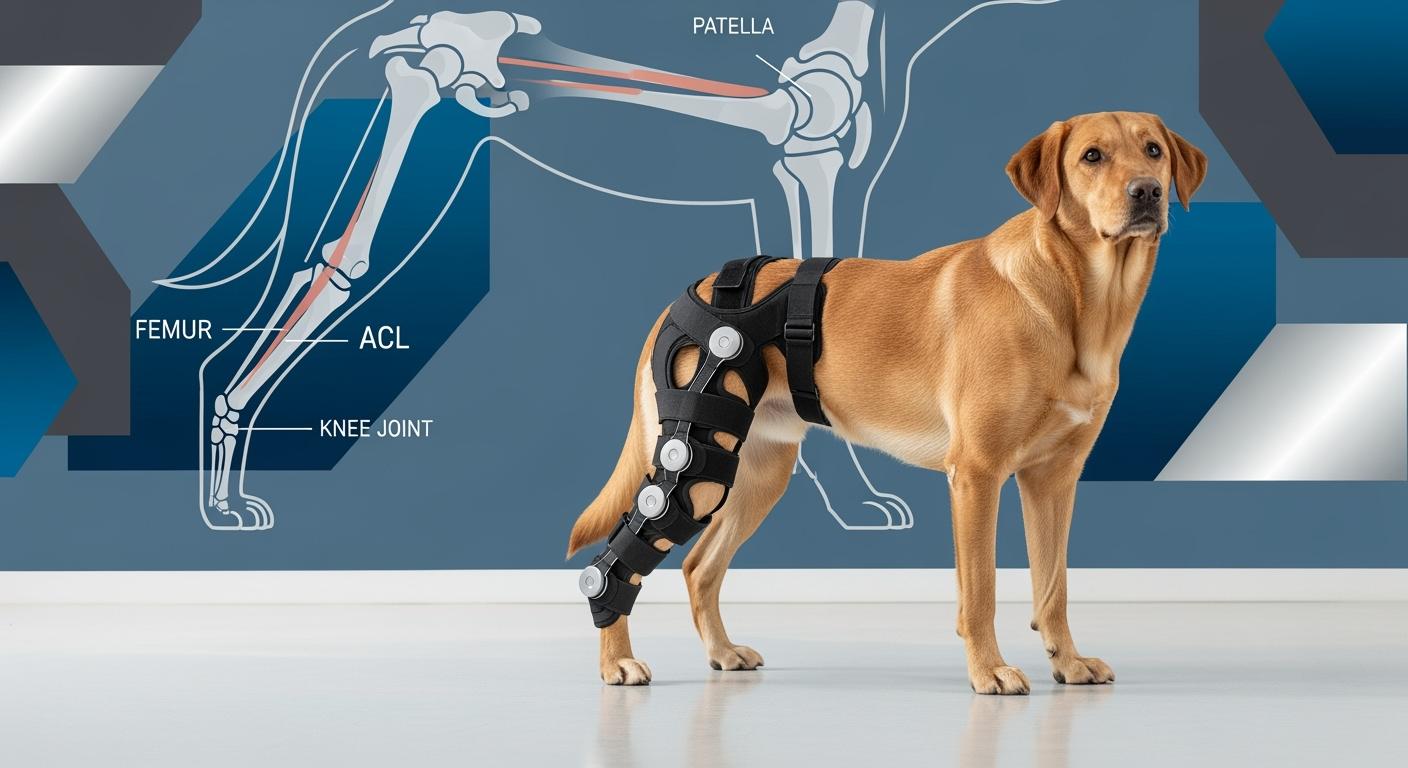
Many veterinary engineers and clinicians recognize that polycentric hinges for dog braces can provide advanced ACL support by closely mirroring the complex biomechanics of a dog’s knee. By better replicating natural joint movement, these hinges aim to reduce pain and help restore mobility for canine patients. GaitGuard’s dedication to innovation and quality means each brace is engineered to meet demanding performance expectations in canine orthopedics. Case reports and small clinical studies have described outcomes such as:

Findings

Description

Limb Function Improvement

Dogs wearing hinged braces showed significant improvement in limb function.

Joint Stabilization

Braces provided sufficient joint stabilization, reducing abnormal motion.

Pain and Gait Improvement

Orthotic bracing improved gait and reduced pain for non-surgical cases.

Key Takeaways

  • Polycentric hinges mimic natural knee movement, enhancing stability and comfort for dogs recovering from ACL injuries.

  • These hinges reduce abnormal forces on the joint, promoting faster recovery and minimizing the risk of reinjury.

  • Customizable range of motion allows veterinarians to tailor braces to each dog’s specific rehabilitation needs.

  • High-quality materials ensure durability and comfort, making polycentric hinges a reliable choice for canine orthopedic support.

  • Veterinary professionals play a crucial role in fitting and adjusting braces, ensuring optimal support and effectiveness.

What Are Polycentric Hinges?

Polycentric hinges for dog braces represent a significant advancement in orthopedic engineering. These hinges use a multi-axis design to replicate the complex movement of a canine knee, known as the stifle joint. Unlike traditional single-axis hinges, polycentric hinges follow the natural trajectory of the joint, allowing for both glide and roll motions during flexion and extension. This design reduces shear forces and pistoning effects, which can cause discomfort and instability in braces with simpler mechanisms.

Polycentric vs. Single-Axis Hinges

The biomechanical demands of a dog’s knee require more than a simple bending motion. The stifle joint exhibits a combination of gliding and rotational movement, which single-axis hinges cannot replicate. Polycentric hinges for dog braces address this need by providing a dynamic center of rotation that shifts as the joint flexes. This feature enhances stability, reduces soft tissue compression, and improves gait.

Feature

Polycentric Hinges

Single-Axis Hinges

Stability

More stable due to better positioning of ICR

Less stable, requires hip extension for stability

Instant Center of Rotation (ICR)

Mimics natural knee ICR effectively

Limited ICR movement, less natural replication

Knee Flexion

Allows flexion during stance phase

Difficult to flex during swing phase

Toe Clearance

Greater toe clearance during swing phase

Reduced toe clearance, higher tripping risk

Design Mechanism

4-bar mechanism allows for dynamic movement

Simple hinge mechanism limits movement

Note: Polycentric hinges minimize required hip torque during walking, which helps prevent early user rejection and discomfort.

Technical Glossary: Polycentric Hinge

  • Polycentric Hinge: An orthopedic hinge with multiple rotational axes, designed to simulate the shifting instantaneous center of rotation (ICR) found in natural joints.

  • Instant Center of Rotation (ICR): The moving point around which the joint rotates, crucial for replicating natural knee movement.

  • Shear Force Reduction: The hinge design minimizes lateral forces that can cause brace slippage and tissue irritation.

  • Pistoning Effect: Unwanted vertical movement of the brace relative to the limb, reduced by the multi-axis articulation.

Feature

Polycentric Hinge

Simple Single-Pivot Hinge

Center of Rotation

Changes with flexion angle

Fixed point

Stability

High, minimizes pistoning

Lower, can cause discomfort

Gait Impact

Preserves natural motion

Restricts movement

Technical Specs:

  • Material: Medical-grade stainless steel or aluminum alloy

  • Cycle Life: Exceeds 100,000 flexion-extension cycles

  • Mechanism: 4-bar linkage, multi-axis rotation

Polycentric hinges for dog braces provide the engineering precision needed to support canine ACL injuries, ensuring both comfort and functional recovery.

Canine Knee Biomechanics

Canine Knee Biomechanics

Anatomy of the Stifle Joint

The canine stifle joint, often referred to as the knee, contains several critical anatomical structures that contribute to stability and movement. Each component plays a unique role in supporting the joint, especially during weight-bearing activities. The following table outlines the main features and their functions:

Anatomical Feature

Function

Femur

The bone between the hip and the knee joint.

Patella

Known as the kneecap, assists in knee extension.

Cranial Cruciate Ligament

Stabilizes the stifle by preventing the tibia from moving in front of the femur.

Collateral Ligament

Ensures flexion and extension are the predominant movements, limiting side-to-side motion.

Caudal Cruciate Ligament

Prevents the thighbone from slipping backwards or sideways.

Meniscus

Distributes load during weight bearing, relieving pressure on femur and tibia cartilage.

Fibula

Serves as an attachment site for muscles and ligaments.

Tibia

Crucial for locomotion and serves as a site for muscle attachment.

Veterinary engineers design braces to support these structures, focusing on the ligaments and meniscus to maintain joint integrity.

Glide and Roll Motion

The stifle joint does not simply bend and straighten. Instead, it performs a combination of gliding and rolling actions during movement. This complex motion allows dogs to walk, run, and jump efficiently. The joint’s range of motion includes flexion-extension, rotation, and minor abduction-adduction. The table below summarizes typical movement patterns:

Movement Type

Angle/Description

Flexion-Extension

Present during stance

External Rotation

About 10° during stance phase of walking

Abduction/Adduction

Minor during walk, about 10° during stance

Internal Rotation

First 15° then external 10° at the hocks

The stifle’s ability to glide and roll ensures smooth transitions between standing, walking, and running. This dynamic movement places unique demands on orthopedic support devices.

Mimicking Natural Movement

Polycentric hinges for dog braces replicate the stifle’s natural biomechanics by allowing multi-axis rotation and dynamic center of rotation. Engineers design these hinges to accommodate the joint’s glide and roll, reducing abnormal forces and improving comfort. By mimicking the joint’s movement, braces help maintain stability and mobility during rehabilitation. This approach supports the healing process and reduces the risk of reinjury, providing dogs with a higher quality of life.

Why Single-Axis Hinges Fall Short

Misalignment and Shear Forces

Single-axis hinges often fail to accommodate the complex biomechanics of the canine stifle joint. The stifle does not rotate around a fixed point; instead, its center of rotation shifts during movement. When a brace uses a single-axis hinge, the mechanical axis rarely matches the anatomical axis. This misalignment introduces shear forces across the joint and surrounding soft tissues.

Technical Note:
Shear forces occur when two surfaces slide against each other in opposite directions. In orthopedic applications, excessive shear can lead to tissue irritation and inflammation.

Engineers observe that single-axis hinges create a fixed pivot point. As the dog walks, the brace may force the limb into unnatural positions. The result is increased stress on the cranial cruciate ligament and meniscus. Over time, these forces can compromise joint stability and slow rehabilitation.

Issue

Single-Axis Hinge Impact

Polycentric Hinge Solution

Axis Misalignment

High risk of mechanical mismatch

Dynamic axis matches joint motion

Shear Forces

Increased tissue irritation

Reduced lateral stress

Joint Stability

Compromised during flexion

Maintained throughout movement

Brace Slippage and Discomfort

Single-axis hinges also contribute to brace slippage and discomfort. The rigid movement pattern does not follow the natural glide and roll of the stifle joint. As the dog flexes and extends the knee, the brace may shift or rotate, causing pistoning—a vertical movement of the brace relative to the limb.

  • Dogs experience uneven pressure distribution.

  • Soft tissue compression increases.

  • Owners report frequent adjustments to maintain fit.

🐾 Tip: Proper hinge design minimizes pistoning and enhances comfort for active dogs.

Veterinary professionals recommend braces with multi-axis hinges to address these issues. Polycentric hinges maintain alignment, reduce slippage, and improve overall comfort. Dogs benefit from stable support, which promotes faster recovery and better long-term outcomes.

Engineering Principles of Polycentric Hinges

Multi-Axis Rotation

Engineers design polycentric hinges for dog braces to replicate the complex motion of the canine stifle joint. These hinges allow for multi-axis rotation, which means the center of rotation shifts as the joint moves. This dynamic movement closely matches the natural biomechanics of a dog’s knee, supporting both glide and roll actions during flexion and extension.

Two primary mechanisms enable multi-axis rotation in orthopedic devices:

Mechanism Type

Description

Key Features

Predefined Centrode (PPC)

Mechanisms designed with a fixed path of rotation.

Customizable for individual users or generalized for many.

Self-aligning Center of Rotation (PSC)

Mechanisms that adjust rotation center based on movement.

Accommodates diverse users; less common in clinical use.

Predefined centrode mechanisms offer precise control over the hinge’s movement path. Engineers can tailor these mechanisms to match the anatomical needs of each patient or create designs suitable for a broader population. Self-aligning center of rotation mechanisms adapt to user movement, providing flexibility but lacking extensive performance data in veterinary applications.

🛠️ Multi-axis rotation minimizes unnatural forces on the joint, improving comfort and stability for active dogs.

Reducing Tibial Thrust

Tibial thrust describes the forward movement of the tibia relative to the femur, a common issue in dogs with cranial cruciate ligament injuries. Excessive tibial thrust can lead to joint instability and pain. Polycentric hinges for dog braces address this biomechanical challenge by maintaining proper alignment throughout the gait cycle.

The multi-axis design ensures that the brace moves in harmony with the stifle joint, reducing abnormal forward motion. This engineering approach distributes load more evenly across the joint, protecting soft tissues and supporting rehabilitation. Veterinary professionals observe that braces with polycentric hinges help decrease stress on the cranial cruciate ligament, promoting faster recovery and reducing the risk of reinjury.

  • Maintains joint alignment during movement

  • Minimizes abnormal tibial motion

  • Supports long-term joint health

Polycentric hinges for dog braces combine advanced engineering with clinical insight, delivering reliable support for canine patients.

Materials and Durability

Stainless Steel vs. Aluminum Alloy

Engineers select hinge materials for dog braces based on mechanical performance, weight, and longevity. Stainless steel and aluminum alloy represent the leading choices for polycentric hinge construction. Each material offers distinct advantages for medical-grade applications.

Material

Strengths

Weaknesses

Stainless Steel

– High corrosion resistance
– Excellent strength-to-weight ratio
– Good temperature resistance

– Higher upfront cost

Aluminum Alloy

– Lightweight
– Long-lasting
– Good cold temperature resistance
– Corrosion resistant

– Weaker compared to stainless steel

GaitGuard utilizes high-grade aluminum alloy for its polycentric hinges. This choice delivers a lightweight structure that reduces fatigue for active dogs. Aluminum alloy maintains durability under repeated stress, outperforming plastic alternatives in both strength and longevity. Stainless steel provides superior strength and corrosion resistance, but its higher weight can limit mobility for smaller breeds. Engineers balance these factors to optimize comfort and support.

🛠️ Technical Specification Box:

  • Hinge Material: High-Grade Aluminum Alloy

  • Weight: 30% lighter than stainless steel

  • Corrosion Resistance: Excellent

  • Cycle Life: Tested for 100,000+ flexion-extension cycles

Durability and Medical Standards

Medical-grade dog braces must meet strict standards for safety, comfort, and performance. Manufacturers use premium materials such as Velcro, nylon, and neoprene to ensure each brace delivers reliable support.

  • Soft and breathable fabrics prevent chafing and skin irritation.

  • Durable construction withstands daily wear and repeated movement.

  • Adjustable straps provide a secure, customizable fit for every dog.

GaitGuard’s engineering team subjects each hinge to rigorous durability testing. The polycentric hinges endure over 100,000 flexion-extension cycles, simulating years of active use. This process verifies that the braces maintain structural integrity and consistent performance throughout their lifespan.

🏭 Manufacturing Insight:
GaitGuard’s vertically integrated production model allows for precise quality control. Every hinge passes durability assessments before reaching veterinary clinics or pet owners.

Engineers prioritize both material science and clinical standards to deliver braces that support canine rehabilitation and long-term joint health.

Benefits of Polycentric Hinges for Dog Braces

Stability and Mobility

Polycentric hinges for dog braces deliver superior stability and mobility for canine patients recovering from ACL injuries. Engineers design these hinges to reduce cranial tibial thrust and abnormal joint translation, which enhances stability during movement. Dogs experience improved proprioception, allowing them to use the affected limb with greater confidence. The reduction in micro-motion at the injury site leads to less inflammation and improved lameness.

Mechanism

Description

Stabilization

Reduces cranial tibial thrust and abnormal translation, enhancing stability during movement.

Proprioception

Improves joint position sense, allowing dogs to use the limb more confidently.

Pain reduction

Less micro-motion at the injury site leads to reduced inflammation and improved lameness.

GaitGuard’s Dog Protective Gear incorporates these advanced hinge mechanisms, ensuring that each brace supports natural movement and joint alignment. The medical-grade materials used in construction provide both durability and comfort, allowing dogs to remain active throughout their recovery.

🐾 Veterinary professionals observe that dogs fitted with polycentric hinges regain mobility faster and show fewer signs of discomfort during rehabilitation.

Customizable Range of Motion

Engineers recognize that every dog has unique anatomical and rehabilitation needs. Polycentric hinges allow for precise adjustment of the range of motion, enabling veterinarians and pet owners to tailor the brace to each patient. This customization supports gradual increases in activity while protecting the joint from excessive stress.

  • Adjustable hinge stops control flexion and extension angles.

  • Owners can modify the brace as the dog progresses through recovery stages.

  • Enhanced fit reduces the risk of brace migration and maintains consistent support.

GaitGuard’s commitment to precision engineering ensures that each brace offers a customizable solution. The use of high-grade aluminum alloy and robust fasteners allows for repeated adjustments without compromising structural integrity.

Note: Customizable range of motion helps maintain optimal joint function and supports a safe return to normal activity.

Preventing Reinjury

Polycentric hinges for dog braces play a critical role in preventing reinjury during and after rehabilitation. The multi-axis design maintains proper joint alignment, minimizing abnormal forces that can damage healing tissues. Consistent support reduces the risk of overextension and protects the cranial cruciate ligament from further strain.

  • Braces distribute load evenly across the joint.

  • Medical-grade fabrics and padding prevent skin irritation and pressure sores.

  • Secure fit ensures the brace remains in place during vigorous activity.

GaitGuard’s Dog Protective Gear undergoes rigorous quality control to meet medical standards. Each product combines advanced hinge technology with premium materials, providing reliable protection for dogs at every stage of recovery.

🛡️ Owners and veterinarians trust GaitGuard for its dedication to unlimited love and eternal quality, ensuring pets receive the best possible care.

Choosing the Right Dog Brace

Key Features to Consider

Selecting an effective dog brace for ACL support requires attention to several engineering and clinical factors. Veterinary guidelines emphasize the importance of custom fitting, proper suspension, and professional involvement. These features ensure optimal biomechanical support and comfort for canine patients.

Feature

Description

Custom Fitting

The brace must be tailored to the dog’s anatomy to minimize cranial tibial thrust and reduce pain.

Proper Suspension

Suspension systems keep the brace securely in place, accommodating different leg shapes and sizes.

Professional Involvement

A veterinary professional should oversee casting and adjustments to maximize comfort and effectiveness.

Engineers recommend braces with adjustable polycentric hinges and medical-grade materials. These components provide stability, durability, and precise control over joint movement. GaitGuard’s Dog Protective Gear integrates these features, supporting both rehabilitation and daily activity.

🐾 Tip: Always consult a veterinary professional when selecting a brace to ensure the device matches your dog’s specific needs.

Fitting and Adjustment

Proper fitting and adjustment protocols play a critical role in the performance of polycentric hinge dog braces. Veterinary engineers outline a stepwise approach to maximize comfort and therapeutic benefit.

  1. Range of Motion Settings: Adjust flexion and extension angles according to the dog’s rehabilitation stage. Immobilization may require limited movement, while active recovery benefits from increased flexibility.

  2. Consultation with Veterinarian: Collaborate with a licensed veterinarian to determine optimal hinge settings and monitor progress.

  3. Break-In Schedule: Introduce the brace gradually. Begin with 30 minutes on the first day, increasing wear time by 30 minutes each day over two weeks.

  • Initial Fitting: Slide the dog’s leg into the brace, securing the bottom strap first for stability.

  • Adjusting Straps: Tighten straps to achieve a snug fit, avoiding excessive pressure or skin pinching.

  • Final Fit Check: Maintain a gap of 1–2 finger widths between the brace and the groin fold to prevent rubbing and discomfort.

Technical precision in fitting and adjustment ensures the brace delivers consistent support, minimizes risk of reinjury, and enhances the dog’s mobility during recovery.

Real-World Outcomes

Case Studies

Veterinary clinics and rehabilitation centers have reported notable improvements in canine mobility and comfort after fitting dogs with polycentric hinge braces. Small case reports suggest that custom-made knee orthoses can serve as an effective non-surgical option for certain ligament injuries. The following example summarizes one such study:

Study Focus

Findings

Conclusion

Custom-made knee orthoses for CCL injuries

Two dogs fitted with orthoses showed significant improvement in limb function and weight distribution over 32 days.

Knee orthoses may serve as a helpful non-surgical option for some ligament injuries in dogs, especially when combined with rehabilitation.

A middle-aged Labrador with a partial cranial cruciate ligament tear regained mobility and avoided surgery through a combination of a custom hinged brace and structured rehabilitation. An older small-breed dog with a luxating patella demonstrated increased confidence and walked longer distances after receiving a single knee brace. These cases highlight the value of engineering precision and medical-grade materials in canine orthotics.

Testimonials

Many pet owners and veterinary professionals report positive experiences with polycentric hinge braces. In routine practice, clinicians often observe improved mobility and a better quality of life for dogs using these devices.

  • Owners notice increased willingness to walk and play.

  • Dogs show reduced abnormal tibial motion and better weight distribution.

  • Veterinary teams report fewer complications and faster recovery times.

“GaitGuard’s Dog Protective Gear restored my dog’s confidence and allowed him to return to daily walks. The brace fit perfectly and provided stable support throughout his recovery.” — Pet Owner

GaitGuard’s commitment to unlimited love and eternal quality ensures high customer satisfaction and reliable product effectiveness. Veterinary professionals trust these braces to deliver consistent results and support long-term joint health.

Polycentric hinges offer biomechanical precision and engineering reliability for canine ACL support. In veterinary orthopedics, these hinges are gaining popularity as clinicians look for non-surgical or adjunctive options that better respect joint biomechanics. Advances in hinge design and materials, together with growing demand for effective injury solutions, are driving wider adoption of polycentric dog braces.

  • Enhanced stability and functional outcomes

  • Growing market for veterinary braces

  • Preference for polycentric hinges in ACL injuries

Outcome Type

Findings

Owner-reported

Improved mobility and quality of life

Clinical studies

Better weight-bearing, reduced tibial motion (small sample sizes)

Complications

Skin irritation and mechanical issues common in early months

Best candidates

Smaller dogs, partial tears, rehab plans, committed owners

Veterinary professionals possess the expertise to diagnose ACL injuries and recommend tailored orthopedic solutions. Their guidance ensures each dog receives the most effective care and rehabilitation plan.

GaitGuard’s Dog Protective Gear combines medical-grade materials with innovative engineering, supporting dogs through every stage of recovery.

FAQ

What makes polycentric hinges superior for canine ACL support?

Polycentric hinges replicate the natural movement of the stifle joint. They provide multi-axis rotation, which reduces abnormal forces and improves joint stability. This engineering approach supports faster recovery and greater comfort for dogs.

How do veterinarians adjust the range of motion in GaitGuard braces?

Veterinarians use adjustable hinge stops to set flexion and extension limits. This feature allows precise control over joint movement during each stage of rehabilitation.

Are GaitGuard’s polycentric hinges suitable for all dog sizes?

GaitGuard engineers design polycentric hinges to accommodate a wide range of breeds and sizes. The lightweight aluminum alloy construction ensures comfort for both small and large dogs.

How long do polycentric hinges last in daily use?

GaitGuard tests each hinge for over 100,000 flexion-extension cycles. This durability standard ensures reliable performance throughout a dog’s recovery and daily activities.

Get A Free Quote

Table of Contents

Get A Free Quote Now !

If you have any questions, please do not hesitate to contatct with us.

Types of Dog Braces for Different Conditions
  • MOQ (Minimum Order Quantity): 500 units
  • Lead Time: Approximately 30-45 days after deposit confirmation.
  • Payment Terms: T/T – 30% deposit in advance, balance to be paid before shipment.