
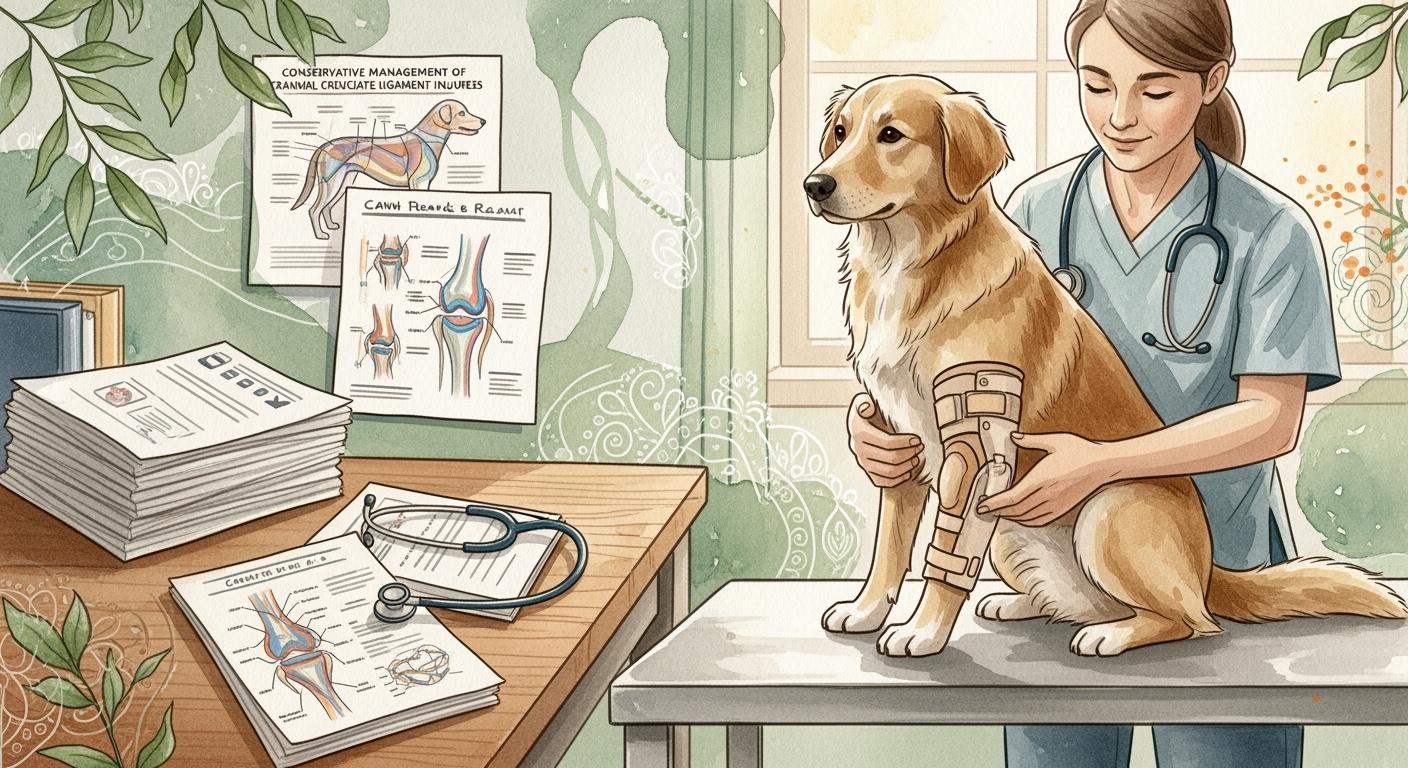
Many dogs experience ACL or CCL tears. These injuries can make walking difficult and cause pain for your pet. You naturally feel worried when your dog limps or struggles to stand. But surgery isn’t always possible. Age, overall health, or cost can make it risky for some dogs. In these cases, you may look for other options. Knee braces and rest can help your dog heal without surgery. Dog knee brace conservative treatment research 2025 shows new ways to support recovery and improve comfort.
Key Takeaways
Dog knee braces can help many dogs with ACL or CCL injuries heal without surgery. Bracing works best for mild or moderate injuries. It gives support and helps with pain. Always talk to your veterinarian before using a knee brace. This makes sure it fits and is right for your dog. Use bracing with rest, weight control, and rehab exercises for the best results. New dog knee braces are lighter and can be changed to fit better. This gives more comfort for your dog.
Are Dog Knee Braces Effective in 2025?
Key Findings from 2025 Research
You might ask if dog knee braces really help dogs get better after a knee injury. New research says bracing can help many dogs with ACL or CCL tears move easier and feel less pain. Studies from 2025 show some important things:
A 2023 study in Veterinary Surgery Journal said 65% of dogs with moderate CCL injuries moved better after wearing dog knee braces for eight weeks. Finding the injury early helped a lot.
Dogs with hinged braces often got back to normal activity in twelve weeks. Many did not need surgery and could use their leg again.
Custom orthotics gave enough support to stop the joint from moving the wrong way in dogs with CCL injuries.
Veterinary orthopedic specialists, like Dr. Lisa Freeman, say bracing helps knee pain in dogs when used with physical therapy and weight control. Not every dog needs surgery.
You can see the biggest results from new studies in the table below:
Study Reference | Findings | Limitations |
|---|---|---|
Rosen et al. (2022) | Dogs with custom stifle orthoses put more weight on the leg. | Small group; long-term results not clear. |
Carr (2016) | Stifle braces spread out pressure better after 90 days. | Small group; long-term results not clear. |
Muršec et al. (2025) | Two dogs walked more evenly and put weight on both legs after 32 days. | Small group; more studies needed. |
Tip: Always talk to your veterinarian before starting any conservative treatment. Your vet can help you choose if a dog knee brace is good for your pet.
Benefits and Limitations
Dog knee braces have many good points for dogs with knee injuries. You might see your dog walk easier and seem less sore. Bracing can let your dog stay active while healing. Here are some main benefits:
Support for mild or moderate injuries
Pain relief and more comfort
Knee joint stays stable
Helps keep dogs moving
Non-surgical CCL care if surgery is not possible
Bracing is not perfect for every dog. You should know about the limits:
Braces do not fix the ligament. They give support and comfort.
The brace must fit right and be checked often. Some dogs need time to get used to it.
Bracing may not work for very bad injuries. Surgery often gives better long-term joint use.
Watch for skin problems or the brace slipping.
Work with your veterinarian for the best results.
Overall, surgery usually offers better long-term function for severe injuries, while bracing is most helpful for mild to moderate cases or when surgery isn’t an option. Dogs often walk almost normal and use their leg well within a year after surgery. Surgery works well for over 90% of some problems. Bracing is best for mild or moderate injuries and helps with dog knee pain.
Note: The choice between a dog knee brace and surgery depends on your dog’s age, health, how bad the injury is, your budget, and what you want for recovery. Always talk about choices with your vet.
What Is Conservative Treatment for Dog Knee Injuries?
Dogs can get ACL or CCL tears. These happen when the knee ligament stretches or breaks. Your dog may limp or have trouble standing. Conservative treatment means helping your dog heal without surgery. You use rest, control weight, give pain relief, do rehab exercises, and use a dog knee brace.
Rest, Activity, and Weight Management
Your dog needs strict rest for 6-8 weeks. Only let your dog go out for short, slow potty walks on a leash. This helps lower swelling and stops more injury. Watch your dog’s weight closely. Losing a little weight helps a lot. Less weight puts less stress on the knee and lowers pain.
Strict rest and less activity for 6-8 weeks
Short, slow walks with a leash only
Weight control to help the knee
Tip: Ask your vet for a safe weight loss plan if your dog is too heavy.
Pain Control and Rehab Exercises
Pain control helps your dog feel better and move easier. You can use ice packs, anti-inflammatory medicine, and oral pain medicine. Rehab exercises help your dog get stronger and keep muscles from getting weak. These exercises include gentle movements, muscle work, and sometimes water therapy.
Rehabilitation Technique | Description | Reported Outcomes |
|---|---|---|
Weight Loss and Exercise | Special exercise and weight loss | Better movement and function |
Pain Management | Oral pain medicine, ice packs | Less pain and swelling |
Strengthening Exercises | Hamstring muscle work | Stronger, steadier knee |
Hydrotherapy | Treadmill in water | Easier movement, better knee stretch |
Acupuncture | Releases endorphins for pain | Blocks pain signals |
You can also use joint supplements and good food to help your dog heal.
Role of Dog Knee Braces
A dog knee brace gives extra support to the hurt knee. Bracing keeps the joint steady and lowers pain. New research shows bracing works well with rehab, especially for partial tears. You may see better movement and healing when you use a brace as part of conservative treatment for dog knee pain.
Note: Always talk to your vet before starting bracing or any new treatment.
Dog Knee Brace Conservative Treatment Research 2025
Study Highlights and Trends
Dog knee brace conservative treatment research 2025 shows new ideas and products are growing. In the last five years, dog knee braces have changed a lot. Companies now use lighter materials and make braces fit better. Some braces even have smart features. These changes help dogs move easier and stay safe.
Here is a table with important trends in dog knee brace design and materials from 2020 to 2025:
Year | Development Description |
|---|---|
2020 | A leading orthotics company introduced lighter knee braces. |
2021 | Another manufacturer launched customizable braces for better fit. |
2022 | Some companies added sensors to their products. |
2023 | More companies used eco-friendly materials. |
Each year, braces get new features. Customizable braces help fit your dog better. Some braces have sensors that track movement and healing. Using eco-friendly materials helps the planet and your pet.
Recent dog knee brace conservative treatment research 2025 talks about custom orthoses. These braces are made to fit your dog’s leg perfectly. Studies say custom designs may give more comfort and support. Many owners pick bracing if surgery is not possible or want to wait before surgery.
Outcomes for Stability and Lameness
Dog knee braces can help with stability and lameness. Studies in 2025 show most owners see their dogs walk better with a brace. Dogs put more weight on the hurt leg and limp less.
One study found 84.9% of owners saw better walking with orthotic devices.
Many dogs had steadier legs after wearing a brace for weeks.
Some research says bracing can delay surgery for partial tears.
Custom braces help spread weight so dogs move more naturally.
Dog knee brace conservative treatment research 2025 shows mixed results for very bad injuries. Bracing works best for mild or moderate cases. Your veterinarian can help you decide if bracing is right for your dog.
Evidence Gaps and Ongoing Questions
Dog knee brace conservative treatment research 2025 is still growing. Most studies use only a few dogs. Researchers need more long-term data to see how braces work over time. People also want to know how different breeds or sizes do with bracing.
Some questions are still not answered:
How long should a dog wear a knee brace?
What is the best way to use bracing with rehab or weight control?
Can bracing stop arthritis or future injuries?
You should talk to your veterinarian about these questions. Every dog is different, and your vet can help you choose what is best. Dog knee brace conservative treatment research 2025 says bracing can help many dogs, but more research is needed to answer all questions.
Note: Always use a dog knee brace with a plan from your veterinarian. This blog gives general information, not medical advice.
Which Dogs Benefit from Conservative Treatment?
Age, Size, and Health Factors
You might wonder if your dog should get conservative care. Age, size, and health matter a lot. Older dogs can have more problems with surgery. Dogs who are sick or have other health issues may not do well with anesthesia. Overweight dogs can have more trouble with surgery. Bracing and non-surgical care may help these dogs heal safely.
Here is a table that lists common reasons for choosing conservative treatment:
Criteria | Description |
|---|---|
Overall Health | Dogs who are not healthy may have trouble with anesthesia. |
Age | Older dogs may need different care than young dogs. |
Weight | Overweight dogs can have more risks with surgery. |
Other Health Issues | Other problems can change what surgery is best. |
Bracing a ccl tear works well for dogs who cannot have surgery. Custom braces keep the knee steady and help with dog knee pain.
Partial vs Complete Tears
Dogs with partial tears or mild limping often do better with conservative care. Bracing supports the joint and helps your dog move with less pain. If your dog has a complete tear or limps a lot, surgery may work better for long-term results. Conservative care helps dogs with mild or moderate ccl injuries, especially when bracing is used with rehab and weight control.
Bracing keeps the knee steady for partial tears.
Conservative care works best for mild or moderate knee pain.
Dogs with complete tears may need surgery to heal fully.
When Surgery Is Recommended
Vets usually say surgery is best for big or very active dogs with bad ccl injuries. Surgery also works best for dogs with complete tears. Small dogs or those with partial tears often do well with conservative care.
Here is a table that shows when surgery is usually recommended:
Dog Type/Condition | Recommended Treatment |
|---|---|
Large/Active Dogs | Surgery |
Small Dogs/Partial Tears | Conservative Management |
Large Dogs with Severe CCL Tears | TPLO Surgery |
Small Dogs with Partial Tears | Conservative Management |
Tip: Always talk to your vet before picking a treatment. Your vet can help you choose if bracing or surgery is best for your dog.
How Dog Knee Braces Support Recovery

Mechanical Support and Limb Protection
You want your dog to heal well after a knee tear. Bracing gives strong support and keeps the leg safe while healing. New braces have special parts that help your dog move better and stop more injury. Biomechanical studies explain how these devices help:
Mechanism | Description |
|---|---|
Polycentric Hinges | Made to copy how knees move, letting the knee turn in different ways and lowering bad forces. |
Customizable Range of Motion | Lets you change the brace so your dog can do more as they heal, but keeps the joint safe. |
Joint Alignment | Holds the knee in the right spot to lower stress on healing parts. |
Bracing helps keep your dog’s knee steady. You can help your dog avoid more harm while they get better.
Owner-Reported Improvements
Many owners see good changes when their dog uses a brace. Surveys and studies show most people are happy with bracing. You may notice these things:
Your dog limps less and uses the leg more.
About 85% of owners say their dog moves better with a brace.
Most owners would pick this treatment again for their dog.
You can feel glad when your dog does normal things again. Bracing often helps dogs stay active and feel better while healing.
Limitations and Risks
Bracing does not work for every dog. You should know about some risks and limits:
Some dogs get skin sores from the brace, especially if it does not fit right.
You need to check the brace often and look for skin problems.
Bracing may not work instead of surgery for very bad injuries.
Dogs sometimes need time to get used to wearing a brace.
Tip: Always talk to your veterinarian to watch your dog’s healing and change the brace if needed. This helps lower risks and keeps recovery safe.
Practical Guidelines for Using Dog Knee Braces in 2025
Measuring, Fitting, and Monitoring
You want the best results for your dog when using a knee brace. Start by gathering a soft measuring tape, a camera, and a calm space for your dog to lie down. Having another person nearby helps keep your dog steady. Measure the injured leg while your dog stands. Keep the tape snug against the fur, but do not press into the skin. Measure twice to make sure you get the right numbers.
Proper measurement is the first and most critical step in choosing between single knee braces, double dog knee braces, or hinged knee braces. An ill-fitting brace can cause discomfort or chafing, fail to stabilize the knee, and make pain worse.
After fitting the brace, adjust the straps often, especially during the first week. Limit daily wear time to 6 to 8 hours. Watch for hair loss or redness from rubbing. If you see any problems, contact your veterinarian. Brands like GaitGuard offer adjustable braces with soft padding and multiple straps to help you get a secure fit for your dog.
Combining Bracing with Rehab
Bracing works best when you combine it with rehabilitation exercises. This approach helps your dog regain strength and move better. Your veterinarian may suggest a plan that includes gentle, controlled exercises. These activities help your dog build muscle and protect the knee.
Key Points | Description |
|---|---|
Multi-modal Approach | Use bracing with rehab exercises for the best results. |
Controlled Exercise | Start with slow, safe movements and increase as your dog heals. |
Individualized Protocols | Follow a plan made just for your dog’s needs. |
Always check with your vet before starting new exercises. Each dog heals at a different pace.
Home Adjustments and Weight Control
You can make your home safer and more comfortable for your dog during recovery. Try these tips:
Place non-slip rugs or mats on slippery floors.
Use elevated food and water bowls to reduce joint strain.
Provide an orthopedic bed for extra support.
Install ramps or stairs to help your dog avoid jumping.
Keep outdoor areas secure to prevent accidents.
Work with your veterinarian to keep your dog at a healthy weight. Use gentle, low-impact activities like short walks to help manage weight and support healing. These steps help your dog get the most from bracing and conservative care.
Guidance for Vets and Pet Professionals
Discussing Research with Clients
When you talk to pet owners about new studies, you help them learn what dog knee brace conservative treatment can do. You should say that a vet must check the dog first. Braces work best as part of a full care plan. They are not a replacement for surgery in very bad cases. Results depend on the brace design, how well it fits, and the dog’s health.
Tell owners a vet exam is needed before bracing.
Explain braces help with non-surgical CCL care.
Say results change based on fit and injury type.
You may want to talk about recent studies. For example, custom stifle orthotics helped dogs put more weight on their leg after 90 days. Most dogs with orthoses walked better, but some had problems. Biomechanical research shows braces can help joint movement in some cases.
Setting Realistic Expectations
You help owners set goals that match what bracing can do. Braces are not as strong as natural ligaments, especially for active dogs. Many pets can enjoy daily life with less pain, but may not run or jump like before.
Bracing helps recovery but does not fix the injury.
Comfort and movement often get better, but surgery may work better for big or active dogs.
Good fitting and teaching owners are important for success.
You can use this ordered list to help your talks:
Bracing is a helpful choice for conservative care.
Braces make comfort and movement better, but not as much as surgery for some dogs.
Good fit and regular use are most important for good results.
Recommending Quality Braces
You want to pick the right brace for each dog. Look at what the dog needs and how much support is needed. Different braces help with different problems, like osteoarthritis or knee injuries. Make sure the brace feels good for long wear.
Check the dog’s size and injury type.
Pick a brace that gives the right support.
Make sure it is comfortable and can be adjusted.
Choose designs that fit the dog’s daily life.
Always tell owners to work with their veterinarian. Each dog needs a plan that fits their health and how active they are.
Research in 2025 says dog knee braces can help with CCL injuries without surgery. If you want to try a brace, do these things: First, your veterinarian should check your dog’s knee. Next, ask your vet if a brace is right for your dog. Make sure the brace fits well and look at your dog’s skin often. Use the brace along with rehab exercises and help your dog keep a healthy weight.
New braces are easier to use. They are lighter and can be made to fit better. Some even have smart sensors. Experts say you should visit your vet often. Your vet will make a plan just for your dog. Always listen to your vet and learn about new ways to help your dog heal.
Factor | Importance |
|---|---|
Custom Fit | Even pressure and comfort |
Owner Compliance | Daily wear and monitoring |
Veterinary Oversight | Progress checks and adjustments |
FAQ
What is a dog knee brace conservative treatment?
You use a dog knee brace conservative treatment when surgery is not possible. The brace supports your dog’s knee, helps reduce pain, and improves movement. You combine bracing with rest, rehab exercises, and weight control for non-surgical CCL care.
How do I know if my dog needs an ACL brace?
You notice limping, trouble standing, or pain in your dog’s knee. Your veterinarian checks the injury and decides if an ACL brace for dogs is right. Always ask your vet before starting any brace.
Can a knee brace replace surgery for CCL tears?
A knee brace helps with mild or moderate injuries. Surgery works better for severe tears. You use a brace for non-surgical CCL care or when surgery is not safe. Your vet helps you choose between a knee brace vs surgery.
How long should my dog wear a knee brace each day?
Most dogs wear a knee brace for 6 to 8 hours daily. You check your dog’s skin often for redness or sores. Your veterinarian gives you a plan based on your dog’s needs and 2025 research on dog knee braces.
What does 2025 research on dog knee braces mean for owners?
You have more options for non-surgical CCL care. Braces are lighter, fit better, and work well with rehab. Always talk to your veterinarian about the best plan for your dog. This blog gives general education, not medical advice.
