
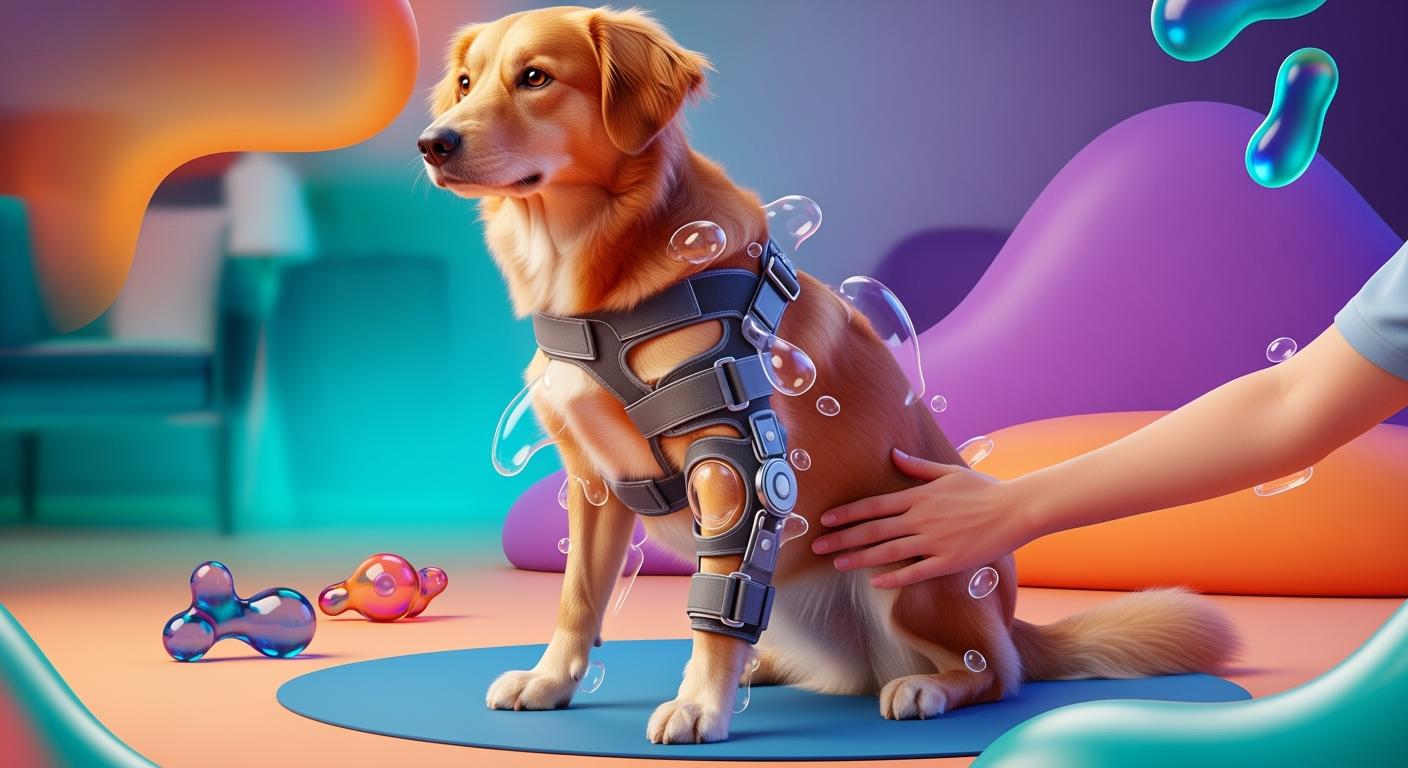
A dog knee brace for a torn ACL can only help when it is used within a safe daily routine. The brace should not make a dog more active than the veterinarian allows, and it should not be used to ignore pain, swelling, limping, rubbing, or sudden changes in movement.
This article focuses on safe daily use: how to check brace fit, how to watch for slipping or skin irritation, when activity may be too much, and which warning signs mean the brace should be removed and the dog should be checked by a veterinarian.
Key Takeaways
A dog knee brace helps dogs with a torn ACL. It gives support and keeps the knee steady. This helps dogs walk better and feel less pain. – Braces do not fix the injury or take the place of surgery. They work best with other treatments like weight control and physical therapy. – Pick the right size and type of brace for your dog. This helps your dog feel comfortable and makes the brace work well. Custom braces often give better support. – Check your dog’s skin and comfort often when using the brace. This stops irritation and makes sure the brace fits right. – Let your dog wear the brace for short times at first. Slowly increase the time so your dog can get used to it safely.
Torn ACL in Dogs: Instability and Risks
ACL vs CCL: Quick Guide
You may hear both ACL and CCL when learning about knee injuries in dogs. In people, the ACL (anterior cruciate ligament) often tears during sports or sudden movements. In dogs, the CCL (cranial cruciate ligament) is the same structure but works differently. The CCL in dogs carries weight all the time because of the way their knees are built. Most CCL injuries in dogs happen slowly over time, not from a single accident.
ACL injuries in humans often come from quick turns or stops.
CCL injuries in dogs usually get worse with repeated use and age.
The CCL is always under pressure in a dog’s knee.
Why Instability Hurts and Causes Arthritis
A torn acl makes your dog’s knee unstable. This instability changes how the joint moves. Over time, the bones and cartilage rub together in ways they should not. This leads to pain and swelling. The risk of arthritis in dogs with a torn acl is high—about 40% will develop osteoarthritis. When the knee is unstable, the body tries to adapt, but these changes can make the joint even looser. This cycle causes more damage and more pain.
Tip: Keeping your dog at a healthy weight helps reduce stress on the knee and slows arthritis.
Early Signs vs True Recovery
You can spot a torn acl by watching for sudden limping or refusal to put weight on a leg. The knee may swell quickly, and your dog may show pain even when resting. As your dog heals, you should see less swelling and more normal walking. True recovery means your dog returns to normal activity, bears weight evenly, and shows no pain at rest.
Symptom Type | ACL Injury Signs | Recovery Signs |
|---|---|---|
Limping and Weight | Sudden and severe refusal to bear weight | Gradual return to normal weight bearing |
Swelling | Rapid swelling around the knee | Decreased swelling over time |
Pain Response | Noticeable pain even at rest | Reduced pain during rest |
Audible Signs | Popping sound at injury | No audible signs during recovery |
Activity Level Changes | Sudden reluctance to move | Increased activity and play |
Note: If your dog has a torn acl in one knee, the risk of injury in the other knee is up to 50% within 12–18 months. Watch both knees closely and protect your dog’s joints with regular checkups and weight control.
Dog Knee Brace for Torn ACL: Recovery and Support
How Braces Stabilize the Knee
When your dog has a torn ACL, the knee gets wobbly. A dog knee brace for torn ACL helps keep the joint steady. The brace holds the knee in place. This stops too much movement and lowers stress on the hurt ligament. With this support, your dog can walk with less pain. It also helps prevent more injuries.
Here is how dog knee braces help your dog feel better:
Function | Description |
|---|---|
Stabilization | The brace keeps the knee steady and stops bad movement. |
Pain Relief | It puts the joint in the right spot, so your dog feels less pain. |
Injury Prevention | The brace spreads weight, protecting both legs from new injuries. |
You may see your dog limp less and want to walk or play more. The right brace can help your dog move better and feel happier.
Tip: Measure your dog before you buy a brace. The right size gives the best support and comfort.
What Dog Knee Braces Cannot Fix
Dog knee braces help, but they cannot fix every problem from a torn ACL. You should know what braces can and cannot do before you start rehab.
Dog knee braces do not heal the torn ligament.
They cannot take the place of surgery for bad injuries.
Braces do not fix meniscal damage or remove swelling inside the joint.
Fabric braces may stretch and not control the ‘cranial drawer’ motion.
Custom-made plastic braces give better support and comfort than fabric ones.
Many vets say custom-made braces work best for long-term use.
Dog knee braces work best with other treatments or after surgery. Always talk to your vet before using a knee brace, especially if your dog has bad instability or other health problems.
Note: If your dog starts limping more, swells up, or cannot stand, stop using the brace and call your vet right away.
Bracing as Rehab Support
Dog knee braces help dogs with a torn ACL during rehab. They keep the knee steady and stop small painful movements. This support helps your dog move more and break the pain-limp cycle. Braces lower stress on the joint and can help reduce swelling.
Dog knee braces work best with other treatments like:
Anti-inflammatory medicine
Weight control
Joint supplements
Physical therapy or swimming
Follow these steps for the best results:
Get your vet to check and confirm the injury.
See if your dog is a good fit for bracing (size, injury, activity).
Pick the right dog knee brace for torn ACL, focusing on fit and strength.
Put the brace on as the maker and your vet say.
Start with short sessions (30–60 minutes, 3–5 times a day).
Use the brace with gentle rehab exercises and leash walks.
Check fit, comfort, and walking after one week, then change if needed.
🐾 Safety First: Always look at your dog’s skin under the brace for redness. Do not get the brace wet unless the maker says it is okay.
Dog knee braces help with recovery and rehab, but they do not replace surgery or vet care. Use them to help your dog move and feel better.
Candidates for Dog Knee Braces: Who Benefits Most
Conservative vs Post-Op Use
You want your dog to heal well after a torn ACL. A dog knee brace for torn ACL helps dogs who need more support or cannot have surgery. Many older dogs or those with health issues do better with bracing. Braces are also good after surgery. They keep the knee steady and safe while your dog heals.
Type of Brace | Best For |
|---|---|
Single Knee Braces | Dogs with one knee hurt, best for torn ACL in one leg. |
Double Dog Knee Braces | Dogs with both knees hurt or at risk for more injuries, often used for older dogs with arthritis. |
Hinged Dog Knee Braces | Active dogs healing after ACL surgery, helps rehab and stops new injuries. |
A 2023 study in Veterinary Surgery Journal found that dogs with moderate CCL injuries using dog knee braces moved better by 65% in eight weeks. Starting treatment early helps the most.
Dr. Lisa Freeman, a vet bone doctor, says: “Braces are great for knee pain in dogs, especially with physical therapy and weight control. Not every dog needs surgery.”
Red Flags for Vet Review
Always look for warning signs before using a dog knee brace. Call your vet if you see these:
Your dog will not put weight on the leg.
The knee feels hot, is very swollen, or your dog cries when moving.
You hear a new sharp click and limping gets worse.
Fever, tiredness, or sudden changes in behavior happen with knee problems.
Stop/Hold/Advance Triggers:
Stop using the brace and call your vet if your dog gets worse, falls, or cannot stand on the leg.
Hold at the same level if limping lasts more than 24–48 hours after more activity.
Advance only if your dog’s comfort, walk, and skin stay good during rehab.
Preventing Injury in the Other Knee
Dogs with a torn ACL in one leg can hurt the other knee too. You can help prevent this by doing these things:
Follow a set rehab plan after the first injury.
Keep your dog at a healthy weight to lower knee pain.
Use balance and strength exercises to help the knees.
Ask your vet about joint supplements.
Make your home safe and stop risky activities.
A dog knee brace gives support and helps protect both knees. This helps your dog heal, stay active, and feel better during recovery.
Choosing Dog Knee Braces: Fit and Features
Custom vs Off-the-Shelf Options
When you choose a knee brace for your dog, you will see both custom and off-the-shelf options. Each type has unique benefits. Custom-fit braces match your dog’s anatomy and offer the highest support. Off-the-shelf braces are easier to get and cost less. Hinged braces add extra control for active dogs or those recovering from acl injuries.
Feature | Standard Brace | Hinged Brace | Custom-Fit Brace |
|---|---|---|---|
Support Level | Basic | Moderate to High | Very High |
Price Range | Low | Medium | High |
Fit Type | Adjustable | Adjustable w/ hinges | Tailored to dog’s anatomy |
Ideal Use | Mild issues | CCL tears, post-op | Complex or chronic issues |
Mobility Control | Minimal | Controlled | Customizable |
🐶 Tip: Custom braces work best for dogs with unique leg shapes or severe injuries.
Key Features Checklist
You want the best results for your dog’s recovery. Look for these features when picking dog knee braces:
Adjustable straps for a secure fit
Breathable materials to keep skin healthy
A design that matches your dog’s specific acl injury
A good brace should let your dog move naturally while still protecting the knee.
Sizing and Measurement Tips
Getting the right fit is key for safety and comfort. A poorly fitting brace can slip and cause tripping or even more injury. Always measure your dog’s thigh and leg with a soft tape measure. Make sure the brace fits snugly but does not pinch. Different breeds have different leg shapes, so custom braces may fit better for some dogs.
Check the fit often. The brace should support the knee and allow normal walking.
Adjust straps as needed to keep the brace in place.
When fitting, bend your dog’s knee to about 90 degrees and align the hinge with the knee joint. Move the leg gently to check for pinching or gaps.
Experts say a snug, well-fitted brace gives the best support, comfort, and blood flow for healing.
Fitting and Testing Dog Knee Braces
Alignment and Strap Placement
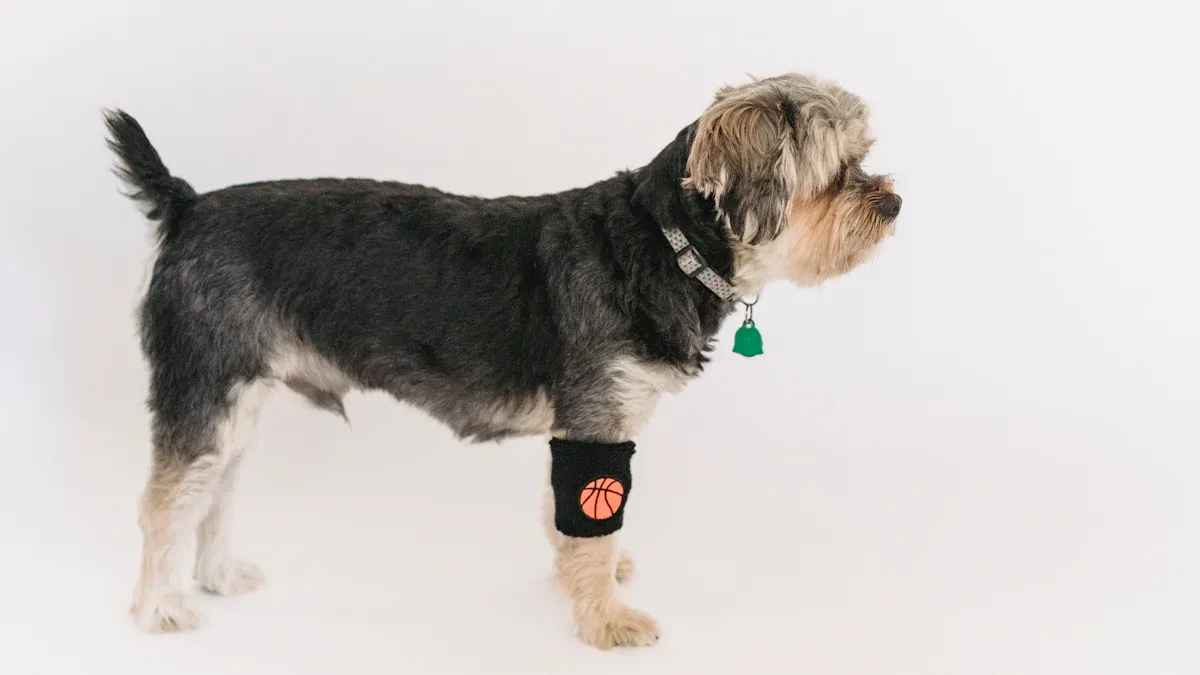
You want the brace to fit your dog correctly for the best support and safety. Start by sliding your dog’s leg into the brace through the opening at the bottom. Turning the brace sideways can help. Tighten the bottom strap first to anchor the brace. Make sure it feels snug but not too tight. Check for any wrinkles or pinching in the skin. Adjust the strap pads so they sit centered and smooth. Next, tighten the middle strap to remove any gaps at the knee. Keep the skin smooth and the pad centered. Secure the top strap around the thigh, but do not make it as tight as the lower straps. Leave one or two finger widths between the brace and the groin fold to prevent rubbing.
Bend your dog’s knee to about a 90-degree angle. Align the brace hinge with the knee joint. Move the leg gently to check for pinching or gaps. Let your dog take a few steps to make sure the brace stays in place and the knee center lines up.
Leash Walk Gait Check
Watch your dog walk on a leash to see how the brace works. Look for a smooth stride and even steps. Signs of problems include a head bob, shorter stride on one side, or a three-legged gait. Notice if your dog avoids putting weight on the leg or only touches the ground with the toes. Check for a hip hike or pelvic tilt, which can mean your dog is compensating for pain. If you see any of these signs, adjust the brace or talk to your veterinarian.
Skin and Friction Monitoring
Check your dog’s skin every day for redness, irritation, or sores under the brace. Start with short wear periods of 30 to 60 minutes and increase as your dog gets used to the brace. Inspect the skin often, especially during the first two weeks. Keep the fur clean and dry, and trim any hair that bunches under the straps. Clean the brace as the manufacturer suggests and replace worn padding. If you see more limping or swelling, remove the brace and call your veterinarian. Routine skin checks and supervision help prevent problems and keep your dog safe during recovery.
Break-In and Wear Schedule for Recovery
First Week: Short Sessions
You want your dog to adjust to the knee brace slowly. Start with short sessions during the first week. Put the brace on for 30 to 60 minutes at a time. Repeat this for 3 to 5 sessions each day. After each session, check your dog’s skin for redness or irritation. Remove the brace at night so the skin can breathe and the brace can dry. Never let the brace get wet unless the manufacturer says it is safe.
🐾 Tip: Always inspect your dog’s leg after each session. Early skin checks prevent sores and discomfort.
Day | Duration |
|---|---|
1 | 30 minutes (two 15-min walks) |
2 | 30–60 minutes per session |
3–7 | Increase by 25% every 3–4 days |
Progressing Time Safely
Increase the wear time as your dog gets used to the brace. Add about 25% more time every 3 to 4 days if your dog walks comfortably and the skin looks healthy. For example, if you start with 30 minutes, you can move up to 37–40 minutes after a few days. Keep checking for any signs of limping or swelling.
Mini Calculation Example 1:
If you start with 30 minutes per session, after 10 days (with a 25% increase every 3–4 days), your dog could wear the brace for about 60 minutes per session.
Mini Calculation Example 2:
Plan checkpoints at weeks 1, 2, 8, and 12.
Week 1: Short sessions, skin checks daily
Week 2: Longer sessions, review fit and comfort
Week 8: Increase activity if gait improves
Week 12: Final review, adjust schedule as needed
Supervision and Activity Rules
Watch your dog closely during each session. Use the brace during walks, playtime, or when your dog explores new places. Remove the brace during rest or sleep. If you see swelling, redness, or your dog limps more, stop using the brace and call your veterinarian.
Start with 1–2 hours of wear each day for the first few days.
Increase time slowly as your dog adjusts.
Only use the brace during activity or when joint support is needed.
Never use the brace in water unless your vet approves.
Safety Alert: If your dog shows pain, swelling, or skin problems, pause the schedule and get advice from your vet.
Rehab Exercises with Dog Knee Braces
Gentle Range-of-Motion
You can help your dog stay flexible and comfortable with gentle range-of-motion exercises. The goal is to move the knee without causing pain or stress.
How to do it:
Lay your dog on their side. Make sure the hurt leg is on top.
Hold the leg with one hand above the knee and one below.
Move the joint slowly like pedaling a bike. Stretch the leg until you feel a little resistance.
Use gentle stretching and soft massage to stop stiffness.
Frequency:
Do this 10–15 times each session. Repeat 2–3 sessions every day.
🐾 Safety Tip: Stop right away if your dog seems uncomfortable or in pain.
Strength and Balance Drills
You can help your dog get stronger and steadier with easy strength and balance drills. These exercises help your dog feel more confident and in control.
How to do it:
Practice sit-to-stand moves. Ask your dog to sit, then stand up. Do this 5–10 times.
Walk your dog on a leash over small hurdles or gentle hills.
Use balance discs or wobble boards for quiet standing. Let your dog stand for 10–20 seconds, then rest.
Frequency:
Do these drills 1–2 times each day. Add more as your dog gets stronger.
Note: If your dog limps more or does not want to do the exercises, stop and talk to your veterinarian.
Hydrotherapy Guidelines
Hydrotherapy is a safe way for your dog to exercise with less pressure on the knee. Warm water helps support your dog’s body and makes moving easier.
How to do it:
Start with short sessions in warm water, about 3–5 minutes.
Let your dog walk or swim slowly. Focus on slow, careful movements.
Make the sessions longer as your dog gets better.
Benefits:
Hydrotherapy helps your dog build muscle, manage pain, and move the knee better. It also helps your dog feel happier while healing.
🏊 Safety Alert: Only use hydrotherapy if your veterinarian says it is okay. Take off the brace unless the maker says water use is safe.
Mistakes, Tables, and Checklists for Safer Recovery
Traffic-Light Table: Is a Brace Appropriate?
Use this quick table to decide if a knee brace is right for your dog today. Always check for warning signs before you continue.
Status | What You See | What To Do |
|---|---|---|
🟢 Green | Walking better, skin healthy, no swelling | Continue brace use and rehab |
🟡 Yellow | Mild limp, minor redness, slow progress | Hold at current level, monitor |
🔴 Red | Sudden pain, swelling, can’t bear weight | Stop brace, call your veterinarian |
Always check your dog’s skin and comfort before each session.
Comparison Table: Brace vs Surgery vs Rehab vs Sling
Option | Support Level | Recovery Time | Best For | Notes |
|---|---|---|---|---|
Brace | Moderate | 8–12 weeks | Dogs not ideal for surgery | Needs proper fit and checks |
Surgery | High | 8–12 weeks | Active or large dogs | Often best for full tears |
Rehab Only | Low–Moderate | 12+ weeks | Mild injuries, older dogs | Needs close monitoring |
Sling | Low | Short-term | Temporary help for weak dogs | Not for long-term use |
Top 12 Mistakes to Avoid
Many owners believe a brace alone will heal their dog. You need a full plan for safe recovery. Here are the most common mistakes and how to avoid them:
Skipping vet visits—Always get a diagnosis before starting.
Using the wrong size brace—Measure carefully for a good fit.
Ignoring skin checks—Look for redness or sores every time.
Letting the brace get wet—Moisture can cause skin problems.
Advancing too fast—Increase wear time slowly, about 25% every 3–4 days.
Relying only on the brace—Add rehab, weight control, and vet care.
Not watching for pain—Stop if your dog limps more or seems sore.
Leaving the brace on overnight—Remove it so the skin can breathe.
Forgetting to clean the brace—Keep it dry and free of dirt.
Missing activity rules—Use the brace only during walks or rehab.
Overlooking other health issues—Consider your dog’s age and other problems.
Not checking both knees—Protect the other leg from injury.
Print or save this checklist to help your dog recover safely.
Dog Knee Brace FAQs for Owners
How long is brace wear needed?
You usually need to use a dog knee brace for torn acl during the main recovery period. Most dogs wear the brace for 8 to 12 weeks. Your veterinarian may adjust this time based on your dog’s progress. Always follow your vet’s advice and check your dog’s comfort often.
Can my dog wear the brace overnight?
You should not let your dog wear the brace overnight unless your veterinarian says it is safe. The skin needs time to breathe. Remove the brace at night to prevent rubbing and skin problems. Put the brace back on during walks or active times.
How do I check brace fit?
Check the fit every time you put the brace on. The brace should feel snug but not tight. You should fit one or two fingers between the strap and your dog’s leg. Watch for slipping, pinching, or red spots. If you see any problems, adjust the straps or ask your vet for help.
When is surgery better than bracing?
Surgery works best for dogs with a full acl tear, severe instability, or large breed dogs. If your dog cannot walk or has a meniscal injury, surgery may be the safer choice. Bracing helps when surgery is not possible or as extra support during rehab.
Can my dog play with a brace?
You can let your dog play gently while wearing the brace. Avoid running, jumping, or rough play until your vet approves. Use the brace for short walks and calm activities. This helps prevent more injury and keeps healing on track.
How do I clean the brace?
Clean the dog knee brace with a damp cloth and mild soap. Dry it fully before putting it back on your dog. Do not use harsh cleaners. Always follow the manufacturer’s cleaning instructions to keep the brace safe and comfortable.
What if my dog resists the brace?
Some dogs need time to get used to dog knee braces. Start with short sessions and give treats or praise. If your dog still resists, check for pinching or discomfort. Ask your vet for tips or a fit check.
Is bracing safe for older or heavy dogs?
Bracing is safe for most older or heavy dogs when you use it correctly. Always check for skin problems and make sure the brace gives enough support. Talk to your vet about the best plan for your dog’s age, weight, and injury.
🐾 Tip: Always watch your dog for changes in comfort or movement. Early action keeps recovery safe.
Using a knee brace the right way helps your dog heal better. Braces help, but they do not take the place of surgery or vet care. Always make sure the brace fits well. Start with short times wearing it. Watch your dog’s skin for any problems. Talk to your veterinarian before you change anything. Keep your dog at a good weight. Use gentle rehab exercises. Make your home safe so your dog’s joints stay protected.
FAQ
How long should you use a dog knee brace for a torn ACL?
Most dogs need the brace for 8 to 12 weeks. Your veterinarian may adjust this timeline based on your dog’s progress. Always check your dog’s comfort and skin during use.
Can your dog wear the brace while sleeping?
Remove the brace at night unless your veterinarian says otherwise. Your dog’s skin needs time to breathe. Night removal helps prevent rubbing and irritation.
How do you know if the brace fits correctly?
Check for a snug fit. You should fit one or two fingers between the strap and your dog’s leg. Watch for slipping, pinching, or red spots. Adjust straps if needed.
What activities are safe with the brace?
Short leash walks and gentle play are safe. Avoid running, jumping, or rough play until your veterinarian approves. Use the brace during active times for joint protection.
What should you do if your dog resists wearing the brace?
Start with short sessions. Offer treats and praise. Check for discomfort or pinching. If resistance continues, ask your veterinarian for advice or a fit check.
