
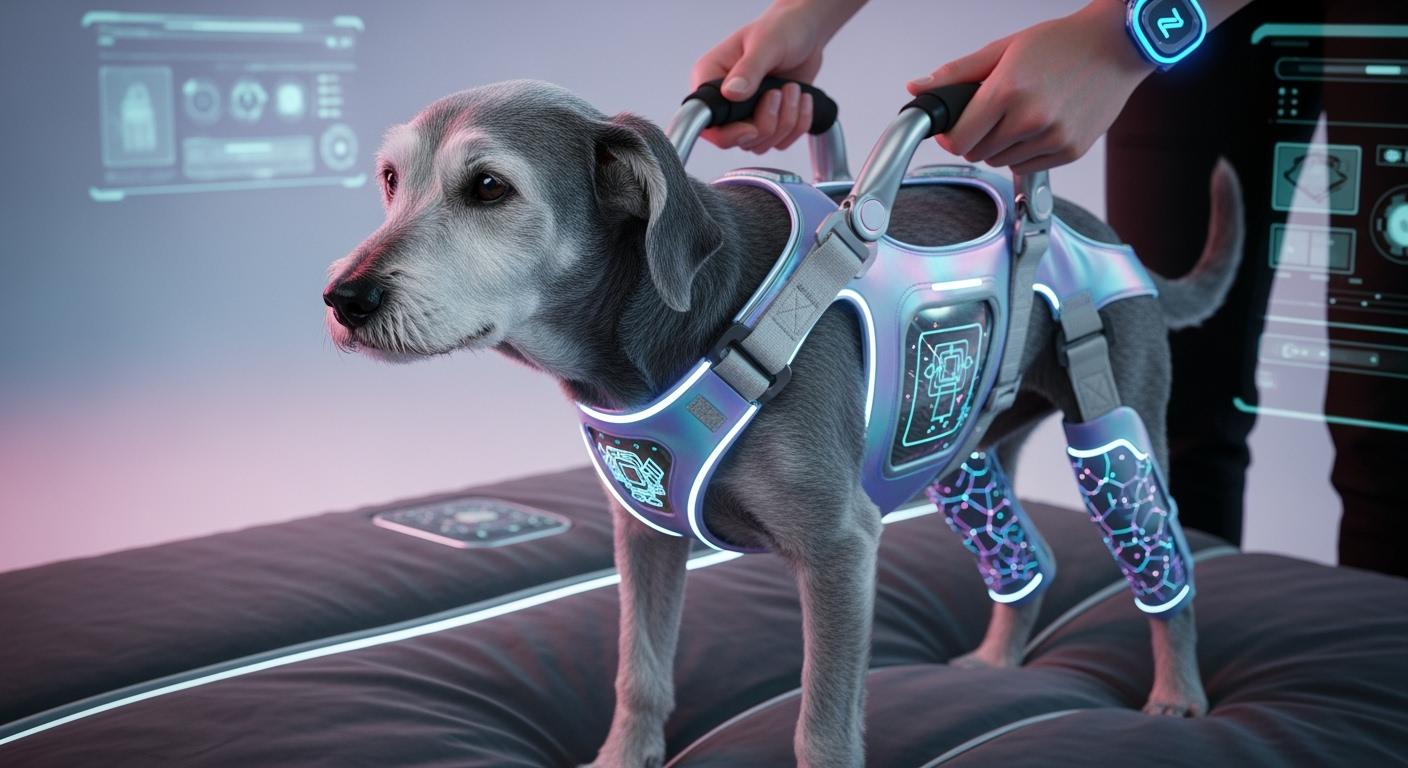
A dog lift harness for back legs helps older dogs move better. It helps them feel more confident. You use a support harness to help guide your dog. You do not carry your dog with it. This keeps your dog comfortable and proud. Experts at Canine Arthritis Management say a good harness lowers joint strain. It helps dogs with arthritis and joint problems live better. Millis & Levine’s research shows a lift harness helps dogs walk and recover. It helps after injuries, surgery, or paralysis. You can use these harnesses for daily walks. They are good for rehab exercises and after surgery. U.S. clinics suggest these harnesses for dogs with trouble moving. They help without lifting too much.
Source | Findings |
|---|---|
Canine Arthritis Management (CAM) | Good harnesses lower joint strain. They help older dogs feel confident and independent. |
Millis & Levine’s Canine Rehabilitation and Physical Therapy | Lift harnesses help dogs move and get tired less. They are good for arthritis and recovery. |
Key Takeaways
A dog lift harness supports senior dogs’ mobility without carrying them. It helps them feel confident and independent.
Choose the right harness based on your dog’s needs. Rear-only harnesses work for mild issues, while full-body harnesses suit more severe conditions.
Always check the fit of the harness. It should be snug but not too tight, allowing for comfort and preventing skin irritation.
Limit harness wear to 8 hours a day. Remove it at night to let your dog’s skin breathe and avoid sores.
Monitor your dog closely while using the harness. Contact your vet if you notice signs of pain or discomfort.
Dog lift harness for back legs: purpose and limits
Stabilize and guide, don’t carry
You use a dog lift harness to help your dog move safely. The main goal is to support and stabilize your dog, not to carry them. When you guide your dog with a support harness, you help them keep balance and avoid falls. You let your dog bear most of their own weight. This builds trust and confidence. Dogs feel proud when they walk with help, not when you carry them everywhere.
A support harness gives stability for dogs with mobility issues. It helps them walk on stairs and slippery floors. You encourage safe exercise for dogs with partial paralysis. You prevent complete immobility, which can cause more health problems. Assisted walks with a hind leg support harness offer mental stimulation and promote physical activity. These walks help with recovery and rehabilitation after injuries or surgery.
Quick “Use as needed” cues:
Use support to let your dog bear most of their own weight.
Use support for walking on slippery surfaces and for potty breaks.
Give breaks when support is not needed. Remove the harness for rest or overnight when safe.
Stop / pause / escalate triggers:
Stop and contact your veterinarian if your dog shows sudden worsening lameness, falls, or cannot stand.
Stop if you see skin breakdown, discharge, odor, or swelling under contact areas.
Pause and refit if the harness slips or twists, or if your dog resists each time you apply it.
When rear support helps most
You see the most benefit from a dog lift harness for back legs when your dog has arthritis, hip dysplasia, muscle weakness, or joint stiffness. These conditions make walking hard for senior dogs. A hind leg support harness helps your dog stand up, walk, and climb stairs with less pain. You also use a support harness for dogs recovering from surgery, such as ACL or TPLO procedures. Dogs with mobility issues need extra help to avoid slips and falls.
A lifting harness prevents further injury by allowing safer navigation of stairs and car ramps. You use rear support for dogs with partial paralysis or after injuries. This support helps your dog regain independence and keeps them active. You help your dog stay safe and comfortable during daily activities.
When to call your vet
You need to watch your dog closely when using a dog lift harness. Some signs mean you should call your veterinarian before using or continuing with a hind leg support harness:
Your dog is slow to rise after resting.
Your dog has trouble climbing stairs and looks uneasy or tired.
Your dog lags during walks and seems reluctant or fatigued.
Your dog loses balance or sways sometimes.
Your dog is healing from injuries or surgery and needs careful monitoring.
If you notice any of these signs, you should talk to your veterinarian. Your vet can help you decide if a support harness is right for your dog. They can also give advice on safe use and proper fit.
Choosing the right dog lift harness
Rear vs full-body support
You have to pick between a rear-only harness or a full body support harness. Rear-only harnesses help dogs with weak back legs. They support the back end and are good for arthritis or small mobility problems. Full body support harnesses give more help. They are best for dogs with paralysis, after surgery, or with big weakness. You can use these harnesses for dogs who are healing or have serious trouble moving.
Rear-only harnesses hold up just the back legs. They work best for small mobility problems.
Full body support harnesses have parts for both front and back legs. They have extra handles for lifting and better control.
Some full body support harnesses have special features like a Hip Lift. These help dogs get better after injuries or surgery.
Adjustable sizes and extra padding make the harness more comfy for your dog.
You can use full body support harnesses to help your dog get in and out of cars or for walks.
Matching harness to mobility needs
You should pick the dog lift harness that fits your dog’s needs. Dogs with arthritis or hip dysplasia do well with rear-only support harnesses. Dogs with nerve problems or paralysis need a full body support harness. If your dog cannot stand or walk well, you might need a dog mobility harness or a mobility sling.
Harness Name | Key Features | Best For |
|---|---|---|
Ruffwear Webmaster Harness | Comfortable fit, easy-to-reach support handle | Tripod dogs, general support |
Help ‘Em Up Harness | Two handles for lifting, full body support | Dogs needing help standing/walking |
GingerLead Support Harness | Gender-specific options, great for back leg support | Dogs with arthritis, hip dysplasia |
Balto Body Lift Harness | Veterinarian-approved, adjustable handles, breathable material | Dogs with spinal issues, neurological conditions |
You can use a support harness for rehab, after surgery, or for daily walks. Always look for adjustable handles and padding for comfort.
Dogs recovering from surgery: special considerations
Dogs healing from surgery need extra care. Pick a lifting harness that fits well and does not squeeze the shoulders. Y-shaped fronts help keep pressure off wounds that are healing. Find harnesses with a top strap for better control while your dog recovers. Support slings are good for dogs who can put some weight on their legs but feel shaky. Rear support leashes help dogs stand up and take pressure off sore legs. Comfort matters. Padded straps and adjustable parts help stop pain during recovery.
Tip: Always check if the harness fits well and feels good before you use it. Make sure the harness does not rub or hurt your dog, especially after surgery or injuries.
Dog support harness fit and comfort
Proper strap placement
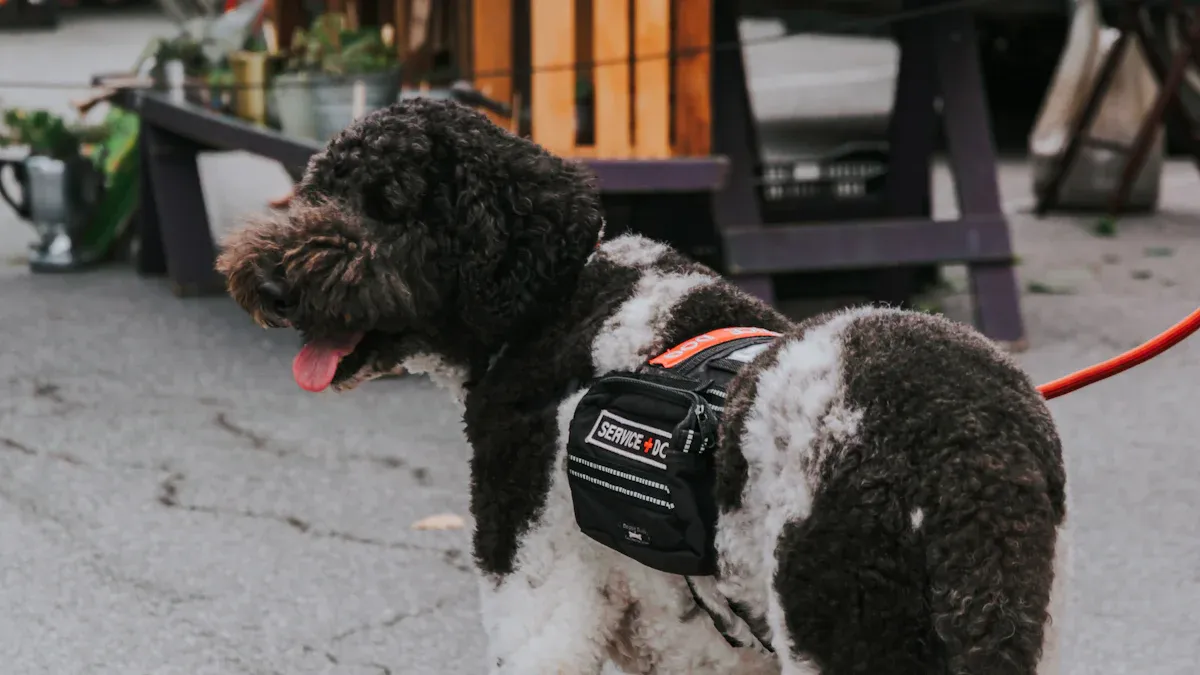
You want your dog lift harness to fit just right. Start by having your dog stand comfortably. Measure the chest girth at the widest part, just behind the front legs. If the harness needs it, measure the neck at the base. Use these numbers with the size chart from the manufacturer. Adjust the straps so you can fit two fingers under each one. The harness should sit in the center of your dog’s back and chest. Avoid placing straps on sensitive spots. Proper strap placement helps prevent rubbing and discomfort, especially for senior dogs with arthritis or mobility issues. Always check the fit if your dog’s weight or muscle mass changes.
Walk-and-watch fit test
After you adjust the support harness, take your dog for a short walk. Watch how your dog moves. The harness should not slip, twist, or bunch up. Your dog should walk with a natural stride. If you see your dog limping, stopping, or resisting, pause and check the fit. A good fit supports your dog’s mobility and helps with recovery from surgery, injuries, or paralysis. You want your dog to feel secure but not squeezed. Harnesses with adjustable straps work best for dogs with unique shapes. A snug fit around the chest and shoulders gives comfort and support during rehabilitation.
Skin checks and hot-spot zones
Check your dog’s skin every time you put on or take off the support harness. Look for redness, hair loss, or sore spots, especially under the belly, between the legs, and around the pelvis. These are hot-spot zones. Chafing can happen if the harness is too tight, too loose, or made from rough material. Keep your dog’s coat clean and dry. Limit harness wear to 8 hours during the day. Remove the harness at night to let the skin breathe. If you see any sores or swelling, stop using the lifting harness and call your veterinarian.
Quick Reference Card: Fit & Skin Checks
Measure chest and neck before fitting.
Adjust straps for two-finger space.
Check fit after walks and after any changes in weight.
Inspect skin at every harness change.
Limit wear to 8 hours max per day; remove at night.
A well-fitted support harness keeps your dog comfortable and safe during daily activities, rehabilitation, and after surgery or arthritis flare-ups.
Safe lifting and handling techniques
Guiding movement, not over-lifting
You want to help your dog move safely and keep their dignity. The main goal is to guide your dog’s movement, not to lift them off the ground. You use a dog lift harness to give support during walks, after surgery, or when your dog has arthritis. Always let your dog bear most of their own weight. You only add support when your dog needs help with balance or steps.
Follow these steps for safe handling:
Stand with your feet shoulder-width apart for balance.
Bend your knees, not your waist, to protect your back.
Hold your dog close to your body. This centers the weight and makes lifting easier.
Use your legs to lift upward. Do not pull with your arms.
Turn your whole body with your feet. Do not twist your back.
A support harness with strong handles and clear weight ratings helps you avoid injury. Choose a harness with heavy stitching and smooth edges for comfort. Always check the fit before each use.
Male dog urination positioning
Male dogs need special support when urinating with a harness. You can follow these steps:
Place the support harness over your dog’s back with the lifting leash facing forward.
Swing the belly band under your dog and buckle it on the other side.
When your dog needs to urinate, unbuckle the belly strap. This gives your dog space and keeps the harness clean.
After your dog finishes, rebuckle the strap and continue your walk.
This method helps your dog stay comfortable and clean during potty breaks.
Caregiver ergonomics and teamwork
You must protect your own body when you help your dog. Use a lifting harness with ergonomic handles. These handles let you support your dog without straining your back or arms. For dogs over 40 lb (18 kg), ask another person to help. Teamwork makes lifting safer for both you and your dog.
Ergonomic Tip | Description |
|---|---|
Ergonomic Lifting | Use harness handles to keep your back straight and knees bent. |
Weight Distribution | Choose a harness that spreads weight evenly to reduce strain. |
Team Lifting | For large dogs, work with another person to provide steady support. |
Tip: Plan your route before you walk. Use high-traction mats to prevent slips. After each walk, check your dog’s skin for redness or sores. Give your dog breaks and remove the harness at night to support recovery.
Step-by-Step Protocol for Using a Dog Lift Harness
Set your goal: Decide if you need support for walks, stairs, or recovery after surgery.
Select your tool: Pick a support harness that matches your dog’s size and mobility needs.
Check fit and comfort: Adjust straps for a snug fit. Make sure you can fit two fingers under each strap.
Supervise a walk test: Watch your dog move. Adjust the harness if it slips or twists.
Plan your route: Use traction mats and avoid slippery floors.
After use: Check your dog’s skin for hot spots. Give your dog a break from the harness.
You keep your dog safe and comfortable by following these steps every time you use a support harness.
Home setup for better mobility
Traction and floor safety
You can make your home safer for your senior dog by improving traction. Place carpet runners on slippery floors. This helps prevent slips and falls. Rearranging furniture creates open pathways for easier navigation. Elevate food and water bowls so your dog does not have to bend down too far. Install extra lighting to help your dog see better, especially if vision has declined. These changes support your dog’s independence and reduce the risk of injury.
Tip: Use a support harness when your dog walks on slick surfaces. This gives gentle support beneath the chest or hips and allows for controlled lift without discomfort.
Sizing traction mats
You need to size traction mats correctly to give your dog enough space to move safely. Use the traction area sizing rule: cover an area at least 2× your dog’s body length. For example, if your dog is 36 inches long, you need a mat that is 72 inches square.
Quick Calculation Example:
Dog body length: 36 inches
Traction area: 2 × 36 = 72 inches square
Choose mats with a non-slip surface. Place them in areas where your dog stands up, walks, or turns around. This helps with mobility and supports recovery after surgery or arthritis flare-ups.
Stairs, ramps, and car transfers
You can help your dog use stairs and ramps safely. Start by teaching your dog to follow a treat across a ramp. Reward each step. Begin training on flat ground. Gradually increase the incline as your dog becomes comfortable. Use verbal cues and rewards to encourage safe stair use.
Step-by-Step Guide:
Use a support harness with handles in both the front and back for easy lift and support.
For dogs over 40 lb, plan for two-person assist to prevent strain.
Example: Your dog weighs 50 lb. Ask another person to help with lifting harness support during car transfers or stairs.Install ramps with non-slip surfaces for safer navigation.
Make adjustments in your home, such as adding ramps or steps, to improve accessibility.
Note: Limit daily wear of the support harness to under 8 hours. Give your dog breaks to prevent skin issues and discomfort.
These home modifications and safe handling practices help your dog stay active and comfortable. You support their mobility and dignity every day.
Decision and comparison tools
Is rear-lift support right now? (traffic-light table)
You want to know if a dog lift harness is good for your dog today. Use this traffic-light table to help you decide. Look at each row and match the color to your dog’s needs.
Criteria | Green (Go) | Yellow (Caution) | Red (Stop) |
|---|---|---|---|
Weight-bearing | Walks with some help | Needs frequent support | Cannot stand or bear weight |
Recent events | No falls or injuries | Minor stumble | Recent fall or trauma |
Skin integrity | Skin healthy | Mild redness | Open sores or swelling |
Pain signals | Comfortable | Mild discomfort | Yelps, limps, or resists |
Caregiver capacity | Confident, able | Needs help sometimes | Cannot safely assist |
If you see mostly green, you can use a support harness every day. If you see yellow, stop and talk to your vet before you keep going. If you see red, stop and call your veterinarian for help.
Device comparison: harness, sling, cart, ramp
Picking the right tool helps your dog move safely. Here is a quick chart of common choices for back leg support:
Option | Best for | Not ideal when | Key usage tip |
|---|---|---|---|
Rear-only lift harness | Arthritis, mild weakness, stairs | Full paralysis | Let your dog carry most weight on walks |
Towel sling | Quick potty breaks, short lifts | Long walks, unstable dogs | Use for short times, not all day |
Full-body lift harness | Surgery recovery, severe weakness | Minor instability | Adjust straps for comfort and skin safety |
Mobility cart | Paralysis, degenerative myelopathy | Temporary weakness | Teach your dog to use the cart slowly |
Ramp-only plan | Dogs with mild mobility issues | Severe hind leg instability | Put ramps on stairs and car entries |
A support harness gives good help for daily walks and activities. A lifting harness works well for dogs who need help with stairs or cars. Use a mobility cart for dogs who cannot move their back legs or need long-term help.
Discharge checklist for clinics
When you bring your dog home after surgery or injury, use this checklist to stay on track:
Check harness fit and comfort every time you use it.
Look at your dog’s skin for redness, sores, or swelling.
Do not let your dog wear the harness more than 8 hours a day.
Take off the harness at night.
Give your dog breaks during the day.
Watch for pain or changes in walking.
Call your veterinarian if you see any problems.
A good support plan helps your dog heal and keeps them safe while they move each day.
Common mistakes with dog lift harnesses
Over-lifting and under-training
Many people try to help their dogs by lifting too much. You should let your dog use their own strength as much as possible. Over-lifting can weaken muscles and slow recovery. Start with short walks and increase time as your dog gets stronger. Use the support harness to guide, not carry. Practice using the harness before your dog needs it. This helps you and your dog feel confident.
Skin and moisture issues
Skin problems can happen if you leave the harness on too long or if it gets wet. Check your dog’s skin every time you remove the harness. Look for redness, sores, or hair loss. Dry the harness after walks in rain or snow. Limit wear to 8 hours a day and remove it at night. Choose a support harness with padding to reduce rubbing, especially for dogs with arthritis or after surgery.
Handling and surface errors
You can avoid many mistakes by using good lifting and handling techniques. Here are common errors and how to prevent them:
Error Type | Description | Prevention Strategy |
|---|---|---|
Repetitive Activities | Fatigue from frequent lifting and awkward postures | Use a kneeling pad and stay close to your dog |
Dog Weight | Lifting a heavy dog can cause injury | Hold your dog close and bend your knees when you lift |
Difficult to Grasp | Dogs may move suddenly and slip | Use a harness with handles for better support |
Twisting or Turning of the Trunk | Twisting while lifting strains your back | Position your dog to avoid awkward movements |
Slippery Surfaces | Dogs may fall on polished floors | Use ramps or a support harness for extra grip |
Other common mistakes and prevention tips:
Not checking fit after weight changes: Refit the harness if your dog gains or loses weight.
Using the wrong harness type: Match the harness to your dog’s mobility and recovery needs.
Ignoring signs of pain: Stop and call your vet if your dog yelps or limps.
Leaving the harness on overnight: Remove it to let the skin breathe.
Not cleaning the harness: Wash it often to prevent skin irritation.
Skipping teamwork for large dogs: Ask for help when lifting dogs over 40 lb.
Forgetting to check for hot spots: Inspect under the belly, between legs, and around the pelvis.
Rushing stairs or car transfers: Move slowly and use support for safety.
🐾 Tip: A dog lift harness helps your dog with mobility, support, and recovery after surgery or arthritis. Use it with care to keep your dog safe and comfortable.
FAQs about dog lift harnesses
Daily wear time
You should use a support harness for up to 8 hours during the day. This gives your dog enough support for walks, potty breaks, and moving around the house. Always remove the harness at night. This lets your dog’s skin breathe and helps prevent hot spots. Give your dog breaks from the harness during the day. Check the fit and your dog’s skin every time you put it on or take it off.
Tip: If your dog has just had surgery or is in recovery, follow your veterinarian’s advice for wear time. Some dogs need more frequent breaks.
Sleeping in the harness
You should not let your dog sleep in a support harness. The harness can cause pressure on the skin and lead to sores or irritation. Nighttime is the best time for your dog’s skin to rest. Remove the harness before bedtime. If your dog needs support at night, talk to your veterinarian about safe options. Dogs recovering from surgery or with severe mobility problems may need special care.
Slipping with support
If your dog slips while using a support harness, check the fit right away. The harness should stay in place and not twist or slide. Make sure you adjust the straps so they are snug but not tight. Use traction mats or rugs on slippery floors. Support your dog’s back legs with gentle lift when walking on slick surfaces. If your dog keeps slipping, ask your veterinarian for advice. Slipping can slow recovery after surgery or make arthritis worse.
Alternatives for mobility
You have many choices if a dog lift harness does not fit your dog’s needs. Some products give different types of support for mobility, arthritis, or recovery after surgery. Here is a table of common alternatives:
Product Name | Description |
|---|---|
Walkabout Harness | Used for arthritis, hip dysplasia, spinal trauma, and general fatigue. |
The Original Walkabout Back End Harness | Hind leg support lift recommended by specialists. |
Airlift One Support Harness | Designed for cats and dogs of all sizes with mobility issues. |
Walkabout Front End Harness | Leg lift support for front legs. |
Walkabout Combination Harnesses | Used together for full mobility support. |
Help ‘Em Up Harness | Features a patented Hip Lift, recommended by veterinarians. |
Walkabelly Support Lift | Deluxe full body lift harness for mobility assistance. |
You can ask your veterinarian which support harness or lift device works best for your dog. Each product helps with different needs, such as arthritis, surgery recovery, or general support.
🐶 Note: Always check the fit and comfort of any support harness or lift device. Your dog’s safety and comfort come first.
When you choose and fit a dog lift harness for back legs correctly, you help senior dogs regain mobility and dignity. You give your dog support during arthritis, recovery, or after surgery. A support harness lets your dog walk, lift, and move with less pain. Always follow safety steps, check your dog’s skin, and talk to your veterinarian. Use the quick reference tools to improve your dog’s quality of life every day.
FAQ
How long can my dog wear a lift harness each day?
You can use the harness for up to 8 hours during the day. Remove it at night. Check your dog’s skin every time you take it off. Give your dog breaks to prevent irritation.
Can my dog sleep in the harness?
You should not let your dog sleep in the harness. Remove it before bedtime. This helps your dog’s skin breathe and lowers the risk of sores or discomfort.
What should I do if the harness slips or twists?
Check the fit right away. Adjust the straps for a snug fit. Make sure you can fit two fingers under each strap. If slipping continues, try a different size or style.
How do I clean the harness?
Wash the harness with mild soap and cool water. Air dry it completely before using it again. Clean the harness often to keep your dog comfortable and safe.
Are there alternatives if my dog does not like the harness?
You can try a mobility sling, towel lift, or a cart. Ask your veterinarian for advice. Choose the option that matches your dog’s needs and comfort.
