Dog Slippery Floor Traction Tips Easy Steps to Upgrade Hardwood and Tile for Better Grip

December 26, 2025
Dog Slippery Floor Traction Tips Easy Steps to Upgrade Hardwood and Tile for Better Grip

Slippery hardwood and tile floors can hurt your dog. Your dog might get muscle strains or joint stress. Sudden twists can cause small injuries. You may see your dog stand or walk differently. Your dog might not want to move much. These signs show your dog feels uncomfortable. Dog slippery floor traction tips can stop these problems. They also help keep your dog moving well. Try using dog slippery floor traction tips now to see fast changes. Keep the quick reference card close by. Use the checklist to get the best results. Always think about safety with dog slippery floor traction tips. Listen to your vet’s advice. Get help if your dog changes suddenly. Dog slippery floor traction tips help your dog feel good every day.

Key Takeaways

  • Slippery floors can hurt dogs. Put non-slip rugs and mats down. This helps dogs walk safely and not slip.

  • Trim your dog’s nails often. Check their paw pads too. This helps them grip the floor better and not slip.

  • Watch how your dog moves every day. If they move differently, it could mean they are sick. Take them to the vet if you notice changes.

  • Use traction aids like socks or boots for more support. These help older dogs or dogs healing from surgery.

  • Keep your home clean and dry. Wipe up spills right away. This stops slips and keeps your dog safe.

Why Dogs Slip on Smooth Floors

Age, Pain, and Surgery Effects on Grip

Dogs slip on smooth floors for many reasons. Older dogs have more trouble walking. Age can cause joint diseases like osteoarthritis. Most dogs with osteoarthritis are between 8 and 13 years old. Joint pain makes it tough for dogs to stay steady. This is worse on hardwood floors. Dogs with arthritis or after surgery lose traction. Their paw pads are hard and do not grip well. Dogs try to use their toenails for traction. This does not help on hardwood floors. Dogs who had surgery may need extra help. Traction boots or socks can help them walk safely.

  • Dogs have hard paw pads that make gripping hard.

  • Older dogs often have joint pain or arthritis.

  • Dogs use their toenails for traction, but this fails on smooth floors.

  • Surgery can weaken muscles and make dogs less stable.

Dogs use their toenails for traction, like soccer cleats on grass. On hardwood floors, this does not work well. Slipping happens more often, especially after surgery or as dogs get older.

When Slipping Signals a Health Issue

Slipping can mean more than just poor traction. Watch for sudden changes in how your dog moves. If your dog loses balance, staggers, or avoids activities, it could be a health problem. The table below lists health conditions linked to sudden slipping:

Health Condition

Description

Traumatic injury

Sudden paralysis, limping, or weakness after accidents or falls.

Toxins

Weakness or collapse from eating poisons like xylitol or antifreeze.

Neurologic conditions

Ataxia or paralysis from brain or nerve problems.

Musculoskeletal conditions

Trouble walking from arthritis or ligament injuries.

Heart conditions

Weakness or trouble standing from heart disease.

Other health issues

Diseases or anemia that make moving hard.

Urgent Symptoms Alert:
If your dog cannot stand, drags legs, knuckles, or loses bladder or bowel control, call your veterinarian right away.

What You Can Fix vs. Vet Needs

Some slipping problems can be fixed at home. Others need a veterinarian’s help. Use the table below to know what you can do and when to get help:

Issue Type

Home Intervention

Veterinary Care

Difficulty rising

Yes

No

Reluctance to climb stairs

Yes

No

Visible pain when walking

Yes

No

Changes in bathroom habits

Yes

No

Sudden onset limping

No

Yes

Swelling in joints

No

Yes

Inability to bear weight

No

Yes

Progressive weakness in hindquarters

No

Yes

You can help your dog by using non-slip rugs. Trim your dog’s nails and keep paw pads healthy. Always follow your veterinarian’s advice. If slipping starts suddenly or gets worse, get help.

Quick Home Assessment for Slippery Floors

High-Risk Areas: Turns, Stairs, Doorways

You can start by mapping out where your dog slips most often. Focus on places with sharp turns, stairs, and doorways. Dogs often lose grip when they change direction or rush through narrow spaces. Hardwood floors in hallways and entryways pose extra risks. Stairs with smooth surfaces also increase the chance of slipping. Doorways with tile or hardwood floors can be trouble spots, especially if your dog moves quickly.

Here is a simple room-by-room checklist to help you spot high-risk zones and plan fixes:

Room/Area

Common Slip Risks

Quick Fixes

Hallways

Sharp turns, long stretches

Non-slip runners, mats

Stairs

Slick steps, steep climbs

Stair treads, gates

Entryways

Wet shoes, tile floors

Dry mats, towel for moisture

Kitchen

Spills, smooth tiles

Rug pads, clean spills fast

Living Room

Open hardwood floors

Area rugs, secure edges

Tip: Keep floors clean and dry. Use dry mops or microfiber cloths after washing tiles. This helps prevent slips and keeps your dog safe.

Nail, Toe Hair, and Paw Pad Check

Check your dog’s nails, toe hair, and paw pads every week. Long nails make it hard for your dog to grip hardwood floors. Hair between the toes can hide the pads and reduce traction. Dry or cracked paw pads lower your dog’s ability to walk safely. Moisturize the pads to improve grip. You can trim nails and toe hair at home or ask your groomer for help.

Tracking Progress with Notes and Photos

Track your dog’s progress by taking notes and photos before and after making changes. Document how your dog moves on hardwood floors and other surfaces. You might see your dog walk with more confidence after you add non-slip mats or trim nails. Owners have seen clear improvements in traction after using products like ToeGrips®. Photos help you spot changes and share updates with your veterinarian.

Safety Reminder: Always follow your veterinarian’s advice, especially if your dog has had surgery or shows new symptoms.

Quick Start Checklist & Reference Card

5 Steps for Immediate Traction

You can help your dog walk safely on smooth floors by following these five steps. Each step gives you a fast way to improve grip and comfort at home.

  1. Add Area Rugs or Runners with Non-Slip Backing
    Place rugs or runners in hallways, kitchens, and other high-traffic areas. Make sure each rug has a rubber or non-slip pad underneath. This reduces slips and protects your dog’s joints.

  2. Try Anti-Slip Socks or Paw Grips
    Use traction socks or paw grip products that fit your dog’s paws. These help older dogs and those recovering from surgery move with confidence.

  3. Install Stair Treads for Better Grip
    Put anti-slip treads on stairs. This step helps your dog climb safely and prevents falls.

  4. Use Non-Slip Mats in Slippery Zones
    Place mats near food bowls, doorways, and favorite resting spots. Mats give your dog a safe place to stand and turn.

  5. Clean and Maintain Floors with Traction in Mind
    Wipe up spills right away. Avoid cleaning products that leave floors slick. Choose treatments that add grip to hardwood and tile.

Tip: Always check rugs and mats for loose edges. Secure them to prevent tripping.

Note: Regular nail trims and paw care help your dog maintain traction and stay active. Most dogs need nail trims every 3–4 weeks. Check paws and gear daily for best results.

Floor Fixes: Anti-Slip Flooring Solutions

You can make your home safer for your dog by upgrading your floors and walk paths. Smooth surfaces like hardwood floors often cause slips, especially for older dogs or those recovering from surgery. You have many options to improve traction and comfort.

Non-Slip Runners and Mats for Walk Paths

Non-slip runners and mats work well in high-traffic areas. You can place runners along hallways, near food bowls, and in entryways. Mats help your dog turn and stand safely. Choose mats with rubber backing for better grip. Non-slip vinyl and non-slip porcelain tile also offer strong slip resistance and work well in homes with pets.

Flooring Type

Key Features

Slip Resistance

Non-slip Vinyl

Durable, easy to maintain, available in sheets, planks, or tiles.

High

Non-slip Porcelain Tile

Scratch and stain resistant, moisture-resistant, mimics stone or wood.

Very High

You can use mats to cover hardwood floors and protect them from dog scratches. Mats also help with preventing scratches and add comfort for your dog. Many mats have quick diy installation, so you can set them up in minutes. If you want pet-friendly floors, non-slip vinyl and porcelain tile are good choices.

Tip: Place mats in areas where your dog often slips. Check mats daily for wear and tear.

Securing Rugs and Underlays

Loose rugs can become a hazard. You should secure rugs and underlays to keep your dog safe. Use rugs with rubber or latex backing. Rug pads help mats stay in place and add extra cushioning. You can cut rug pads to fit your mats and use double-sided carpet tape for extra grip. Some owners use acrylic caulk or hot glue on the underside of rugs to improve traction.

  • Buy non-slip rugs with rubber backing.

  • Use rug pads and double-sided tape for mats.

  • Try DIY solutions like acrylic caulk or hot glue for extra grip.

Always check the edges of mats and rugs. Loose edges can trip your dog and cause falls. Secure all corners and inspect mats every day. If you use furniture pads under heavy items, you can protect hardwood floors from dog scratches and keep mats from sliding.

Safety Alert: Never leave loose rugs or mats on hardwood floors. Secure all edges to prevent slips.

Stairs and Thresholds: Treads and Gates

Stairs and thresholds need special attention. Dogs often slip on hardwood floors at the top or bottom of stairs. You can block off stairs with a baby or pet gate. This prevents your dog from using stairs without supervision. Non-slip stair treads help your dog climb safely and reduce the risk of falls. Choose treads made from durable polypropylene fiber. These treads keep their shape and slip resistance over time. They are cost-effective because you do not need to replace them often.

  • Block stairs with a pet gate.

  • Place non-slip stair treads on hardwood steps.

  • Inspect treads and gates daily for safety.

Thresholds between rooms can also be slippery. You can use mats or runners to cover these areas. Protective finishes on hardwood floors help reduce slips and make cleaning easier. Some owners use protective finishes to guard against dog scratches and wear.

Note: Always follow your veterinarian’s advice when making changes to your home. If your dog has had surgery, cover slippery floors for at least eight weeks or as your surgeon directs.

Anti-Slip Flooring Comparison Table

You can use this table to compare popular anti-slip options for dogs. Each solution has its best use, fit check, and common failures. Review the table before choosing products for your home.

Product Type

Best Use

Fit Check / Inspection

Common Failures

Non-slip runners

Hallways, walk paths

Check for flat edges, no bunching

Loose edges, curling corners

Mats

Food bowls, doorways, resting spots

Inspect backing, daily cleaning

Slippery if wet, worn backing

Socks

Short walks, post-op recovery

Check for snug fit, daily skin check

Twisting, moisture buildup

Boots

Outdoor walks, severe traction loss

Ensure proper size, check straps

Rubbing, slipping off

Paw-grip products

Senior dogs, arthritis

Apply as directed, inspect pads

Worn off quickly, residue

Rear sling

Stairs, transfers, weak hind legs

Fit two fingers under strap, inspect for wear

Twisting, poor fit

Full-body harness

IVDD, post-op, mobility support

Fit check, daily inspection

Loose straps, escape risk

You can learn more about rear lift slings in our rear lift sling guide. For dogs with IVDD, see our full-body harness for IVDD resource. If you want more details on traction aids, visit our non-slip dog socks page.

Reminder: Always inspect gear and mats daily. Follow your veterinarian’s instructions for all mobility aids.

Paw Care for Better Grip

Paw Care for Better Grip

Nail Trimming for Traction

You help your dog walk safely by keeping nails short. Long nails make it hard for your dog to grip smooth floors. Nails should just touch the ground when your dog stands. This improves traction and reduces slipping. Most dogs need nail trims every 3–4 weeks. You can use a nail clipper or grinder. If you feel unsure, ask your groomer or veterinarian for help.

  • Short nails give your dog better grip on hardwood and tile.

  • Regular trims prevent nails from catching or sliding.

  • You protect your dog’s joints by keeping nails off the floor.

Tip: Set a reminder for nail trims every month. Check nails weekly to avoid overgrowth.

Toe Hair and Paw Pad Maintenance

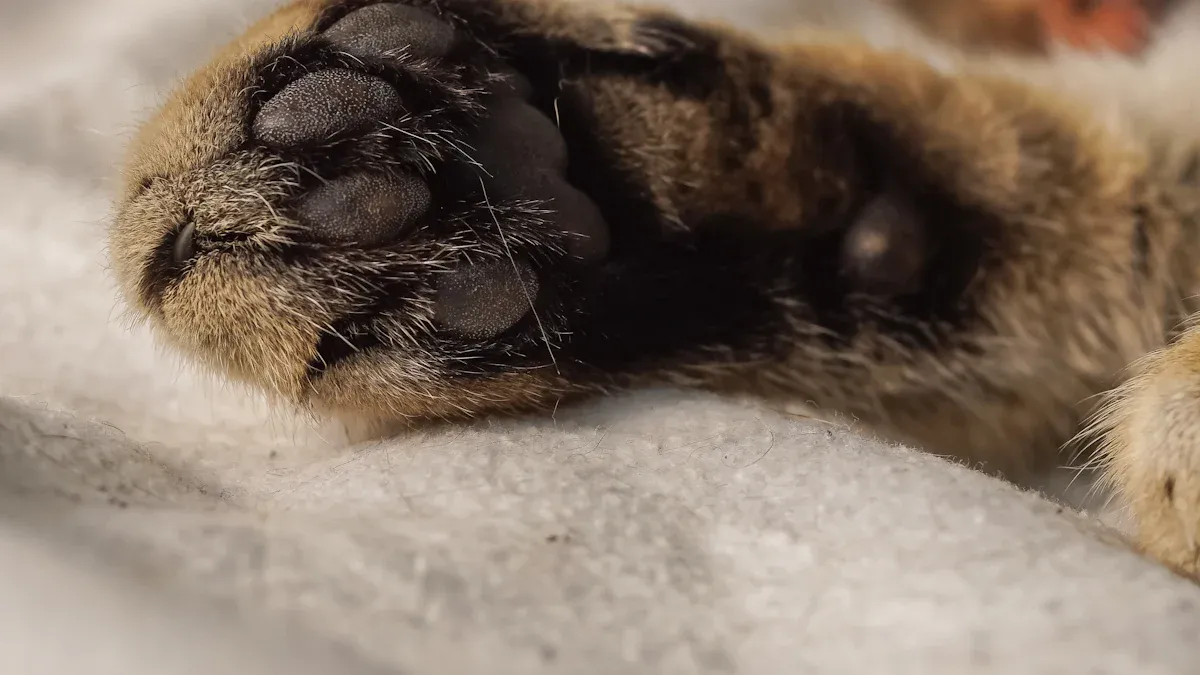
Toe hair and paw pads need regular care. Fur between the pads can collect dirt and reduce traction. You should trim this hair to keep pads exposed. Clean paw pads often to remove debris. Moisturize dry pads with a pet-safe balm. Short fur and healthy pads help your dog walk with confidence.

  • Untrimmed hair gives paws a messy look.

  • Fur between pads increases slipping risk.

  • Short fur improves grip on smooth surfaces.

  • Clean pads prevent slipping and keep paws healthy.

Safety Alert: Always use scissors with rounded tips. Avoid cutting too close to the skin.

Socks, Boots, and Paw-Grip Products

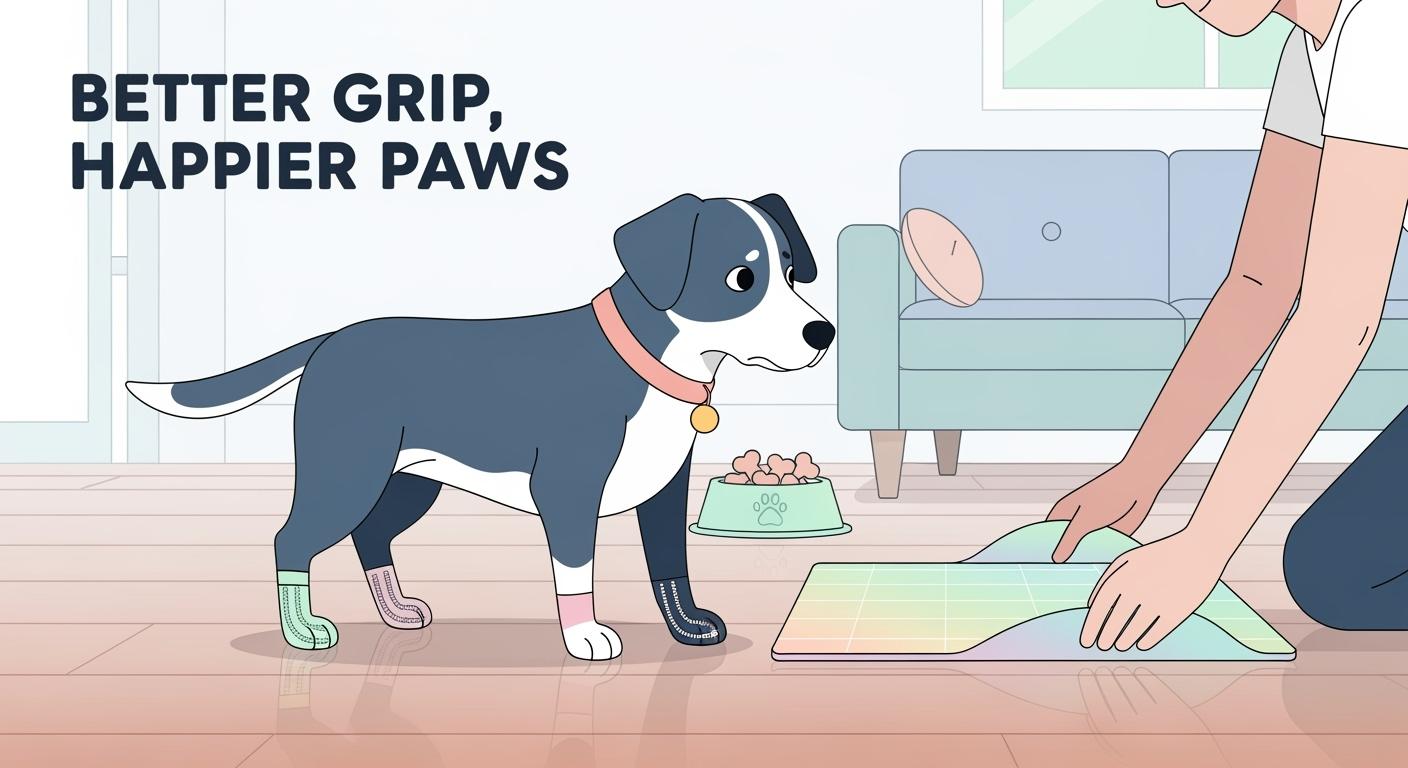
You can add traction with socks, boots, or paw-grip products. Some dogs tolerate socks or boots well. Others prefer nail-based traction aids. Always check your dog’s skin daily when using socks or boots. Moisture or rubbing can cause problems. Secure socks to prevent twisting or slipping off.

Product

Effectiveness for Traction

Notes

ToeGrips

Most effective

Nail-based design gives constant traction indoors.

TigerToes Socks

Designed for traction

Unique grip pattern helps senior dogs on slippery floors.

PawZ Boots

Not recommended

Rubber boots work better outdoors than on indoor surfaces.

  • ToeGrips provide instant traction for dogs who slip.

  • TigerToes Socks offer 360-degree grip for older dogs.

  • PawZ Boots may help outdoors but do not work well indoors.

Common Pitfall: Socks without daily skin checks can cause rubbing or moisture buildup. Always inspect paws and gear each day.

Note: Always follow your veterinarian’s advice for paw care and traction products. If you want more details, visit our non-slip dog socks page.

Support Gear for Safe Mobility

Rear-Lift Sling vs. Full-Body Harness

Support gear helps your dog move safely on slippery floors. You can choose between a rear-lift sling and a full-body harness. A rear-lift sling supports your dog’s hind legs. This gear works well for dogs with weak back legs or after surgery. A full-body harness gives support to both front and back. You may need this for dogs with more severe mobility problems or conditions like IVDD.

When should you add support gear?
Consider these points before choosing support gear:

  • Look at your dog’s size and body shape.

  • Think about your dog’s health and strength.

  • Decide what kind of help you need for your dog.

Before using support gear, ask your veterinarian about x-rays for hips and elbows. This step checks if your dog can handle extra support.

Assisting Stands and Short Walks

You can help your dog stand up and walk with support gear. Use a rear-lift sling for short walks or to help your dog rise from lying down. A full-body harness lets you guide your dog during stairs or transfers. Always move slowly and keep your dog’s back level. Take short walks and avoid rushing. Support gear helps prevent falls and reduces stress on joints.

Tip: Use slow-walk cues and reward calm movement. This helps your dog feel safe and confident.

Harness Fit and Escape Prevention

A harness must fit well to keep your dog safe. Check that you can fit two fingers between the strap and your dog’s skin. The harness should feel snug but not tight. A good fit stops your dog from slipping out. Escape-proof harnesses have many adjustment points. These features keep the harness secure and lower escape risks. Some harnesses have belly straps. Belly straps help prevent your dog from backing out of the harness.

  • A well-fitted harness keeps your dog safe during walks.

  • Multiple adjustment points improve security.

  • Belly straps add extra protection against escapes.

  • Poorly fitting harnesses can create gaps and allow escapes.

Safety Reminder: Always check harness fit before each walk. Follow your veterinarian’s advice for gear and mobility support.

Special Care After Surgery or Injury

Post-Op Anti-Slip Flooring (8 Weeks)

After surgery, your dog needs extra help to stay safe on smooth floors. For the first eight weeks, you should cover all slippery surfaces in your dog’s recovery area. This step lowers the risk of falls and helps your dog heal. Make sure the path from your dog’s crate to the outdoor toilet area is non-slip. Avoid using laminate, wood, tile, or vinyl during this time. Carpet works best for traction. You can also use large rubber-backed rugs, rubber bath mats, or industrial-style matting. Place these mats near food and water bowls, your dog’s bed, and at the door for potty breaks. Non-slip matting creates safe routes and helps your dog feel more secure.

Tip: Always check that mats and rugs stay flat and do not bunch up. Secure the edges to prevent tripping.

Controlled Potty Breaks and Turns

Short, controlled potty breaks help your dog recover safely. Take your dog outside about three to four times each day. Use non-slip mats at doorways and along the route outside. Move slowly and guide your dog with a harness or sling if needed. Avoid sharp turns and sudden movements. Calm, steady steps protect healing joints and prevent slips. If your dog seems tired or unsteady, shorten the outing and try again later.

  • Keep potty breaks short and calm.

  • Use mats to cover slick spots at exits.

  • Guide your dog with support gear if needed.

Bandage and Swelling Checks

You must check your dog’s bandages and swelling at least twice a day. Make sure the bandage stays clean and dry. It should not feel too tight or too loose. Look at your dog’s toes for any discharge, bad smells, heat, coldness, swelling, or redness. Check above the bandage for swelling, redness, chafing, or irritation. Make sure the bandage has not slipped out of place. Watch the incision site every day for changes in color, warmth, or texture. Early signs of trouble can help you act fast.

Safety Reminder: Always follow your veterinarian or surgeon’s instructions for post-op care. If you see any problems, contact your vet right away.

Common Mistakes and Dealing with Accidents

Loose Rugs, Rushed Turns, Slippery Socks

Many owners make mistakes that can cause accidents. Loose rugs can bunch up and trip your dog. Quick turns on smooth floors often lead to slips. Socks need daily checks or they may twist or trap moisture. Dry paw pads and long nails lower your dog’s grip. Health problems like illness or injury make slipping more likely.

Tip: Always use non-slip pads under rugs and check socks every day. Trim nails and keep paw pads healthy for better grip.

Risk Type

Description

Slips and Falls

Dogs can slip on smooth floors and fall. Falls may cause sprains or broken bones.

Joint Stress

Slipping puts extra stress on joints, especially hips. This can lead to hip dysplasia.

Lack of Traction

Without good traction, dogs struggle to walk. This affects how they move and can cause muscle problems over time.

Over-Exercise vs. Under-Support

You want your dog to be active. Too much exercise on hardwood floors can cause accidents. Tired dogs slip more, especially after surgery. Not using harnesses or slings can lead to falls or muscle strain. Always balance play with support. Watch for signs of pain or tiredness. Change your routine if your dog needs it. Listen to your veterinarian’s advice.

  • Flooring type matters for safety.

  • Not giving traction makes slipping worse.

  • Ignoring health problems leads to more slips.

Safety Alert: If your dog gets weak or changes suddenly, call your veterinarian before changing routines.

Cleaning and Protecting Floors

If your dog has an accident, clean up fast. Wipe spills right away to stop slips. Use pet-safe cleaners to protect your dog and your floors. Many owners use plant-based products like Seventh Generation All-Purpose Cleaner or Better Life Naturally Dirt-Destroying Floor Cleaner. These are safe for sealed hardwood, tile, and laminate. For stains, blot with paper towels. Mix hydrogen peroxide, dish soap, and baking soda. Scrub gently to remove stains and smells.

Product Type

Product Name

Features

Multi-surface

Seventh Generation All-Purpose Cleaner

Plant-based, no harsh fumes

Floors

Better Life Naturally Dirt-Destroying Floor Cleaner

Safe for sealed hardwood, tile, laminate

Carpet & upholstery

Biokleen Bac-Out Stain + Odor Remover

Enzyme-based, breaks down pet messes

Vinegar works well for cleaning. Mix it with water and put it in a spray bottle. Always label your cleaning products and keep them away from pets.

Note: Protect hardwood floors by wiping up water and using mats in risky spots. Follow your veterinarian’s instructions if your dog has many accidents or health changes.

Weekly Routine for Safer Mobility

Daily Checks: Skin, Paws, Gear

You help your dog stay safe by checking their skin, paws, and gear every day. Look at your dog’s paw pads for dryness or cracks. Make sure nails do not touch the floor when your dog stands. Trim fur between the pads so your dog gets better grip. Inspect socks, boots, or harnesses for signs of rubbing or moisture. If you use traction socks, such as Walkee Paws Indoor Grippy Sock Leggings, check for soft silicone grips and make sure they fit well. Remove socks daily to look for redness or irritation. Clean paws after walks to remove dirt and debris. Check harnesses and slings for proper fit. You should be able to fit two fingers under the strap. If you see swelling, redness, or changes in your dog’s movement, contact your veterinarian.

Tip: Daily checks help you catch problems early and keep your dog comfortable.

Weekly Refresh: Rugs, Nails, Fit

Set aside time each week to refresh your dog’s environment and care routine. Clean and inspect all rugs and mats. Make sure they stay flat and do not bunch up. Replace worn mats or add new ones in high-traffic areas. Trim your dog’s nails every three to four weeks to keep them short and off the floor. Groom fur around the paw pads to improve traction. Check the fit of harnesses and slings. Adjust straps if needed. Keep walkways clear of clutter and make sure rooms have good lighting.

Here is a simple weekly routine to follow:

  1. Improve traction with floor mats in busy areas.

  2. Maintain paw health with regular checks and cleaning.

  3. Trim nails and manage fur around paw pads.

  4. Install or adjust non-slip flooring and ramps.

  5. Create a safe environment by keeping walkways clear and well-lit.

Consider using traction socks with silicone grips to help your dog walk safely on hardwood and tile floors.

Weekly Task

Why It Matters

Safety Reminder

Clean rugs/mats

Prevents slips and trips

Secure edges and replace if worn

Nail trim

Improves grip and comfort

Trim every 3–4 weeks

Gear fit check

Prevents escapes and rubbing

Adjust straps for snug fit

Paw inspection

Detects dryness or injury

Contact vet for changes

Always follow your veterinarian’s instructions for care routines. If you notice new symptoms or changes, seek help right away.

You can keep your dog safe by making easy changes. Try using non-slip runners or trimming nails often. Anti-slip flooring helps your dog grip the floor. It protects joints and makes your dog feel braver. Look at the table below to see the main benefits:

Key Benefits of Non-Slip Flooring for Dogs’ Joint Health

Description

Traction and Stability

Non-slip flooring gives better grip. Dogs stay balanced and steady when they walk.

Joint Protection

It lowers stress on joints. This helps stop strains and problems like arthritis.

Comfort and Confidence

Dogs feel safe on non-slip floors. They move easily and feel happier.

Doing these things every week helps your dog stay healthy. Trim hair on paws, check gear, and clear walkways. If your dog seems hurt or limps, call your veterinarian for help.

FAQ

How often should you trim your dog’s nails for better traction?

You should trim your dog’s nails every 3–4 weeks. Short nails help your dog grip smooth floors. Always check with your veterinarian or groomer if you feel unsure about trimming.

What is the best quick fix for a dog slipping on hardwood floors?

You can place non-slip runners or mats in high-traffic areas. These give your dog instant grip. Always secure the edges. Ask your veterinarian before making changes if your dog has health issues.

Are socks or boots safe for all dogs?

Not all dogs tolerate socks or boots. You should check your dog’s paws daily for rubbing or moisture. Remove socks each day. Always follow your veterinarian’s advice before using new gear.

How do you clean up accidents to keep floors safe?

Clean spills right away with a pet-safe cleaner. Dry the area well. Wet floors increase the risk of slipping. Ask your veterinarian for cleaning tips if your dog has frequent accidents.

When should you call your veterinarian about slipping?

Call your veterinarian if your dog suddenly cannot stand, drags legs, or loses bladder or bowel control. These signs can mean a serious problem. Always follow your veterinarian’s instructions for safety.

Get A Free Quote

Table of Contents

Get A Free Quote Now !

If you have any questions, please do not hesitate to contatct with us.

Types of Dog Braces for Different Conditions
  • MOQ (Minimum Order Quantity): 500 units
  • Lead Time: Approximately 30-45 days after deposit confirmation.
  • Payment Terms: T/T – 30% deposit in advance, balance to be paid before shipment.