
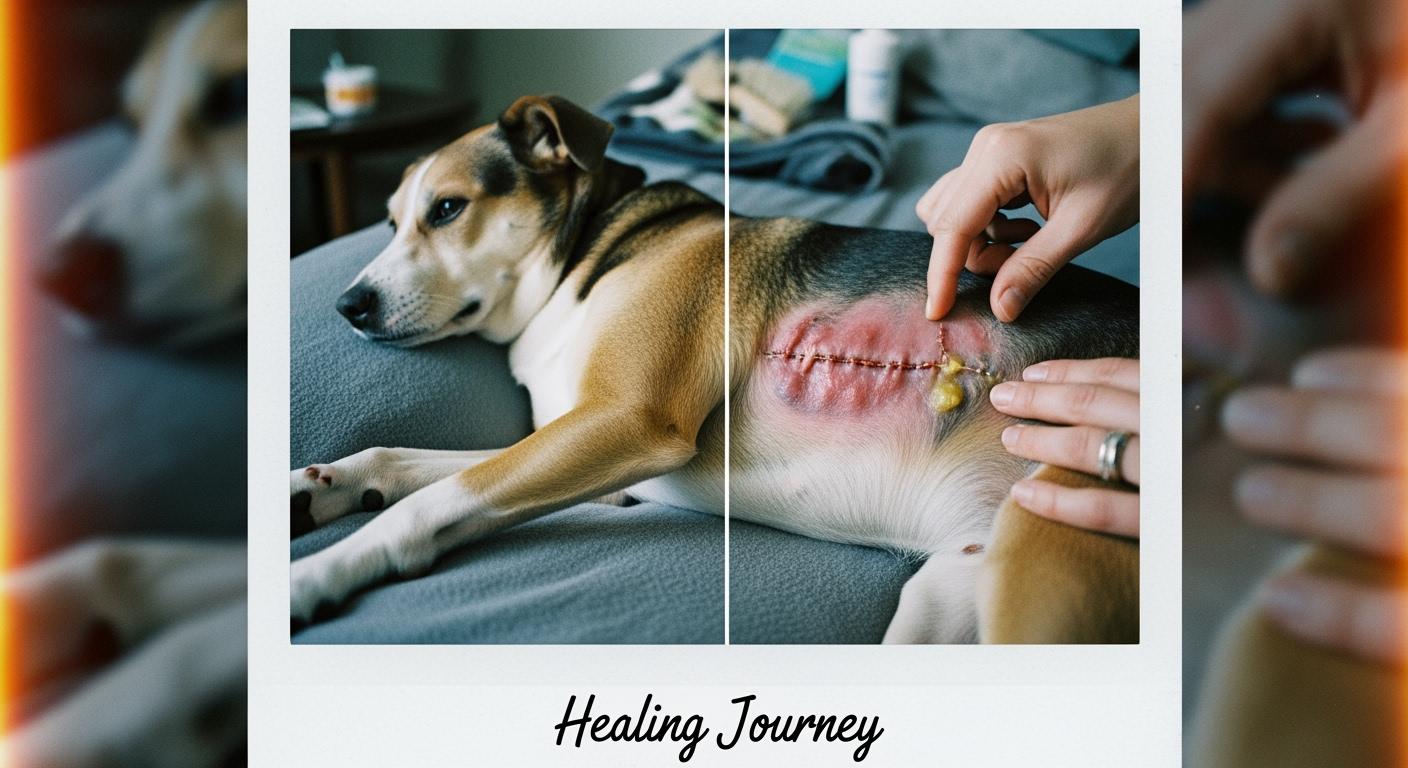
You want to keep your dog safe after surgery. It is important to know what is normal and what is not. Most incisions heal well. But you should look for these common dog incision infection signs:
Redness that spreads or skin that looks dark pink
Swelling that feels hot or hurts when touched
Discharge that looks bloody, milky, yellow, or green
A bad smell coming from the incision
Not wanting to eat, throwing up, or having diarrhea
Feeling tired or having sudden pain
Normal healing signs are a light pink incision, mild swelling, faint bruising, and a small scab. Checking the incision every day helps you spot changes early. If you ever feel unsure, call your veterinarian for help.
Key Takeaways
Check your dog’s incision daily for signs of infection. Look for redness, swelling, or discharge that worsens.
Normal healing includes light pink skin, mild swelling, and small scabs. If you see spreading redness or foul discharge, contact your vet.
Keep your dog calm and restrict activity for 10 to 14 days after surgery. Use a leash for walks and prevent licking with an e-collar.
Take daily photos of the incision to track changes. This helps you and your vet monitor healing progress effectively.
Act quickly if you notice severe pain, fever, or changes in behavior. Early action can prevent serious complications.
Normal healing after dog surgery
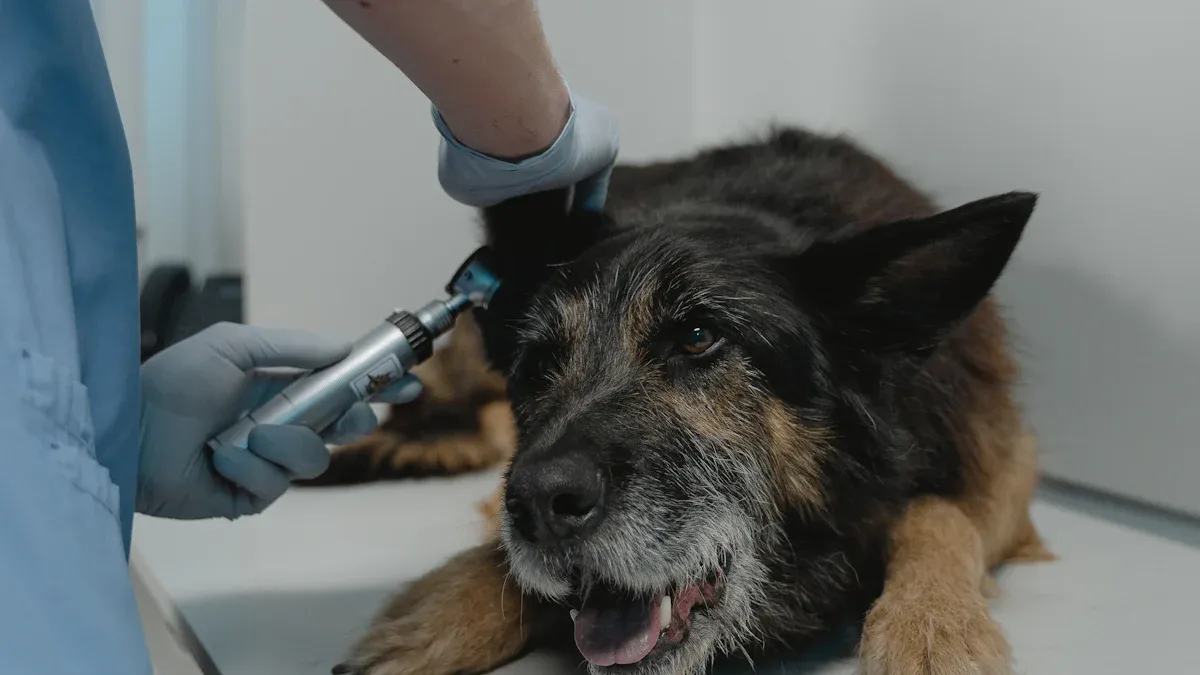
What a healthy incision looks like
You want to know what a healthy incision should look like after your dog’s surgery. In the first week, you should see a line that is pink or light red. The skin around the incision may look a little shiny, especially if your veterinarian used skin glue. Mild swelling and a small, firm lump under the skin can be normal. You may notice a faint bruise or a small scab. These signs show that your dog’s body is healing. There should not be any strong odor or thick discharge. The area should not look very red or feel hot.
Tip: Take a clear photo of the incision each day. This helps you spot changes early.
Expected mild swelling, redness, and scabbing
Mild swelling and redness are common in the first few days after surgery. Most dogs show a little redness at the incision edges. This redness should fade as days pass. Bruising may appear but should get lighter over time. A small scab may form where the skin was closed. You may see a small amount of light red discharge at first, but this should stop quickly. If you see yellow, green, or foul-smelling discharge, you should watch for dog incision infection signs.
On the first day, almost all dogs have good healing or only mild redness.
Swelling usually goes down by the second day.
Most incisions do not have much scabbing.
Healing timeline and activity restrictions
Healing takes time. Many postoperative care plans use a 10- to 14-day monitoring or recheck period, but timing varies by procedure. Follow the schedule provided by your veterinarian. During this period, you should check the incision at least once a day. Keep your dog calm and quiet. Do not let your dog run, jump, or play rough. Use a leash for walks. Keep the incision dry—no baths or swimming for two weeks. If your dog tries to lick or chew the incision, use an e-collar or recovery suit. Return to normal activity only according to your veterinarian’s instructions. but always follow your veterinarian’s advice.
Note: Close monitoring and activity restrictions help prevent problems and support safe healing.
Dog incision infection signs to watch for
After your dog’s surgery, you need to know which changes mean trouble. Some symptoms can look mild at first but quickly become serious. You should check for these dog incision infection signs every day.
Redness, heat, and swelling that worsen
Redness, heat, and swelling are normal in the first days after surgery. These signs should fade as your dog heals. If you see redness that spreads or gets darker, this can mean infection. The skin around the incision may feel hot to the touch. Swelling that grows or becomes painful is not normal. Your dog may flinch or pull away when you touch the area.
Spreading redness
Hot skin around the incision
Swelling that increases or feels firm
Bruising that gets worse instead of better
If you notice these changes, take a photo and compare it to previous days. This helps you see if the redness or swelling is getting worse. If you see a lump that grows quickly or your dog seems in pain, call your veterinarian. You can also read more about mobility support during recovery and traction on slippery floors if your dog struggles to walk.
Alert: If the incision edges start to gap open or you see tissue poking out, call your vet right away.
Discharge, odor, and bleeding
A healthy incision should stay mostly dry. Small spots of clear or light pink fluid can be normal in the first day. Any yellow, green, or pus-like discharge is a warning sign. A foul smell from the incision means bacteria may be present. Bleeding that soaks through a bandage or does not stop is not normal.
Yellow, green, or thick discharge
Foul or rotten smell
Persistent or heavy bleeding
Gaping stitches or missing sutures
If you see any of these dog incision infection signs, do not wait. Contact your veterinarian as soon as possible. You can learn more about post-op licking prevention, recovery suits, and e-collar alternatives to keep your dog from licking or chewing the incision, Licking or chewing can irritate or disrupt the incision. A cone, recovery suit, or targeted sleeve may help block access to the incision, but it does not diagnose or treat an infection.
Tip: Use a recovery suit or e-collar to protect the incision if your dog tries to lick or scratch.
Pain, fever, and changes in behavior
Pain is a key sign that something is wrong. Your dog may whine, limp, or avoid using the limb. If your dog seems more tired than usual, stops eating, or shivers, these are signs of a problem. Fever is another important clue. A normal dog temperature is 99.5–102.5°F. If your dog’s temperature is Contact your veterinary team promptly if incision changes occur together with unusual tiredness, weakness, reduced appetite, vomiting, breathing changes, or other signs that your dog is becoming unwell. If the temperature reaches 105°F or higher, go to the emergency clinic right away.
Severe pain or sudden sensitivity to touch
Fever (≥103°F)
Lethargy or weakness
Loss of appetite
Vomiting or diarrhea
Breathing changes
If your dog shows any of these symptoms, act quickly. Contact your veterinary team promptly if incision changes occur together with unusual tiredness, weakness, reduced appetite, vomiting, breathing changes, or other signs that your dog is becoming unwell. Write down what you see and share this with your veterinarian. Early action can prevent serious problems.
Action Rule: If you see gaping, pus, a strong odor, or your dog seems very unwell, call your vet immediately. If the temperature is 105°F or higher, go to the ER now.
Checking for dog incision infection signs every day helps you catch problems early. If you are ever unsure, contact your veterinarian for advice.
How to check your dog’s incision daily
Daily checks are the best way to spot problems early and support your dog’s healing. You should inspect the incision at least once a day for 10 to 14 days after surgery. Some veterinarians recommend checking twice a day, especially during the first week. This routine helps you notice changes before they become serious.
Step-by-step inspection routine
Follow these steps for a thorough check:
Wash your hands or wear clean gloves before touching the incision.
Gently look at the incision in good light. Check for color, swelling, or any discharge.
- View the incision in good light without pressing, squeezing, or manipulating the area.
Look for missing stitches, gaping edges, or tissue sticking out.
Notice if your dog reacts with discomfort or tries to lick the area.
If you see redness, swelling, or discharge, compare it to previous days.
Write down any changes or concerns.
Tip: Start your checks when you first bring your dog home. If your dog licks or scratches the incision, check more often.
Using photos to track changes
Taking a daily photo of the incision helps you and your veterinarian see how healing progresses. Use the same angle and lighting each time. Photos create a visual timeline, making it easier to spot increased redness, swelling, or other dog incision infection signs. Include a small object, like a coin, for size reference. If you notice changes, share the photos with your vet.
Photos can reassure you that healing is on track.
They help catch problems early.
Keeping your dog calm during checks
Choose a quiet time, such as after a meal or walk, for your inspection. Use a calm voice and gentle touch. Let your dog sniff any supplies before you begin. Praise your dog and offer a small treat after each check. If your dog feels anxious, ask a family member to help. Stop if your dog shows pain and call your veterinarian.
Note: Calm, positive checks make the process easier for both you and your dog.
What to do if you see warning signs
When to call your vet
If you spot warning signs, act fast to help your dog. Here are steps to follow:
Step 1: Look for urgent symptoms.
Vomiting or diarrhea that does not stop
Bleeding or discharge from the incision
Trouble breathing or very tired
Not eating or drinking for two days
Pain that does not get better with medicine
Swelling, redness, or bad smell at the incision
Incision edges that are open or gaping
Step 2: Call your veterinarian right away if you see these signs. Use the phone for emergencies. For less serious changes, send clear photos and updates by text, chat, or email. This helps your vet see the problem and answer quickly.
Step 3: Keep your dog calm. Stop licking or scratching until you get advice.
Alert: If your dog’s temperature is Contact your veterinary team promptly if incision changes occur together with unusual tiredness, weakness, reduced appetite, vomiting, breathing changes, or other signs that your dog is becoming unwell. right away.
Decision Table
What you see | What it might mean | What to do next (home vs vet) |
|---|---|---|
Discharge or odor gets worse | Infection | Call your vet the same day |
Pain or limping increases | Complication or infection | Call your vet for advice |
Barrier keeps failing | Licking risk, infection | Replace barrier, call vet if it keeps happening |
Lesion does not get better | Delayed healing | Send photos, call vet if no change |
What information to share
Give your veterinarian clear details to help them decide what to do. Include:
Changes in redness, heat, or swelling at the incision
Any yellow, green, or foul-smelling discharge
Bleeding, pus, or sudden opening in the incision
Your dog licking or chewing the area
Tiredness, loss of appetite, or fever
Whining, shaking, or hiding
Send daily photos from the same angle and lighting. Use text, chat, or email for quick updates. Tell your vet if your dog seems more tired, does not want food, or whines when moving.
What not to do at home
Do not use hydrogen peroxide, alcohol, or iodine on your dog’s incision. These can hurt healthy skin and slow healing. Do not use human creams, especially those with steroids. Do not bandage the wound unless your vet says to. Never ignore early signs of infection or skip follow-up visits. Stop your dog from licking or biting the incision. If you see warning signs, wait for your vet’s instructions before trying any home treatment.
Tip: Keeping the incision clean, dry, and safe helps prevent most problems.
You are important in helping your dog get better. Checking your dog every day helps you find problems early. This also gives your veterinarian good information. Taking a photo each day helps you see changes and share them. Acting quickly can stop big problems and help your dog heal well.
What You Do | How It Helps Your Dog |
|---|---|
Find problems early | Less pain, better healing |
Tell your vet what you see | Faster help, fewer problems |
Write down what happens | Easier choices, better results |
If you are not sure about something, ask your veterinarian. Watching your dog closely helps them heal safely and feel better.
FAQ
How often should you check your dog’s incision?
You should check your dog’s incision at least once a day for 10 to 14 days. Daily checks help you spot problems early. Use the same lighting and angle for each check.
Can you clean your dog’s incision at home?
You should not clean the incision unless your veterinarian tells you to. Most incisions heal best when left alone. Keep the area dry and prevent licking.
What if your dog licks or chews the incision?
Use an e-collar or recovery suit to stop licking or chewing. Licking or chewing can irritate or disrupt the incision. Contact your veterinarian if you cannot keep your dog away from the incision.
Is mild swelling or redness normal?
Mild swelling or light redness is common in the first few days. These signs should fade as your dog heals. If redness spreads or swelling increases, call your veterinarian.
When should you call your veterinarian about the incision?
Call your veterinarian if you see pus, a bad smell, gaping edges, or if your dog seems very unwell. High fever (105°F or higher) means you should go to the emergency clinic right away.
