
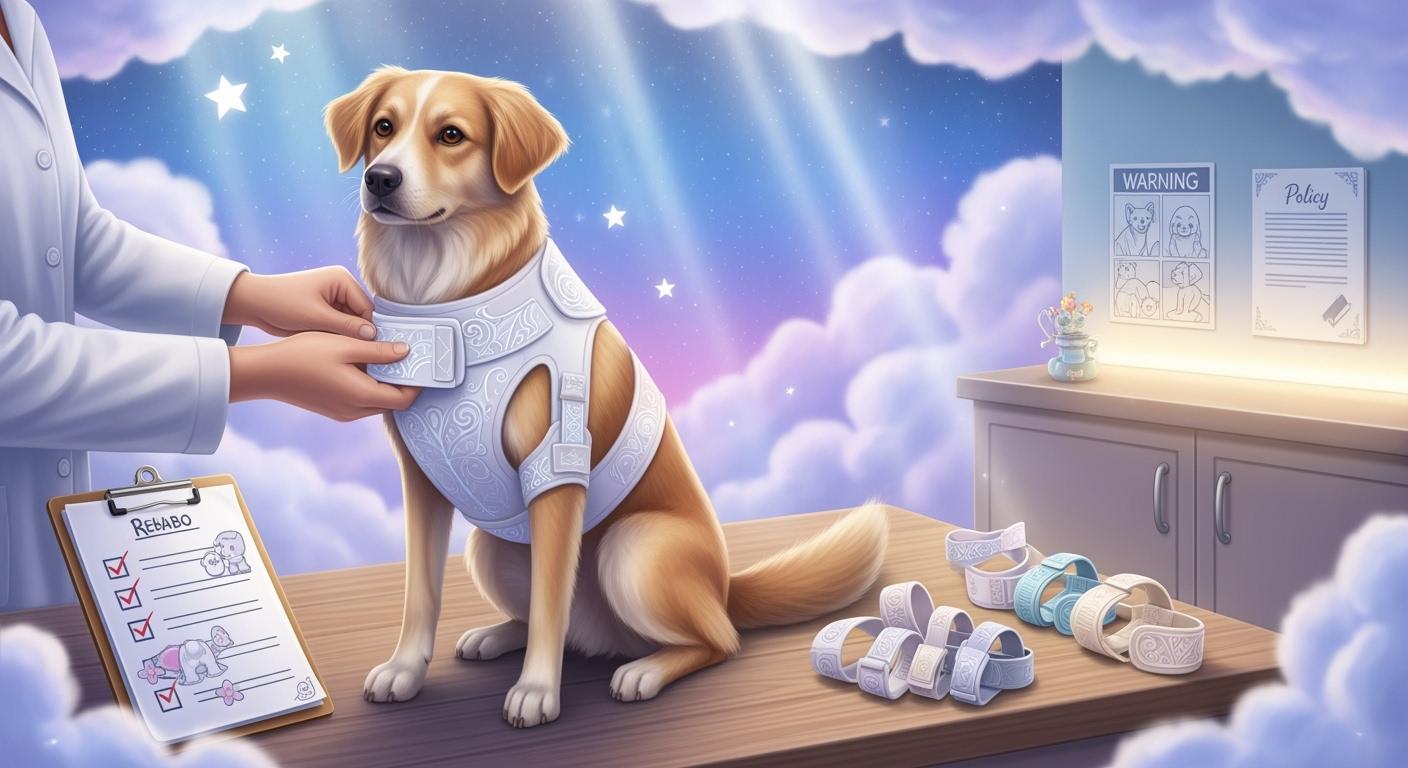
Imagine a dog healing from an ACL injury, but the clinic picks the wrong rehab brace wholesale. The dog gets skin problems, and the owner stops trusting the clinic. You keep your clinic’s good name and help dogs heal when you choose the right support. Picking rehab braces carefully helps you stop problems and keeps clients happy.
Key Takeaways
Pick rehab braces with care to stop skin problems and keep clients happy. Start with main braces like knee and hock models. Add extra parts to help lower complaints. Use a supplier checklist to check for good quality, right size, and quick help.
Rehab Brace Wholesale: Scope and Buyer Needs
Product Types: Knee, Wrist, Hock, Toe-Up, Lift-Assist, Add-Ons
There are many rehab brace wholesale choices for dogs. The main types are knee brace, wrist brace, hock brace, toe-up brace, and lift-assist support. Clinics often use knee brace models for dogs with CCL injuries or arthritis. You can pick a single knee brace, double knee brace, or hinged knee brace. Single knee brace helps one leg that is hurt. Double knee brace supports both knees and protects the healthy leg. Hinged knee brace lets the joint move but keeps it stable.
For hock injuries, you can choose adjustable, non-adjustable, or custom hock braces. Wrist braces help dogs with carpal injuries. Toe-up braces and lift-assist support help dogs who drag their paws or need help moving. Add-ons like anti-lick sleeves protect wounds and stop problems. You should pick the right knee brace or other support for each dog’s injury and recovery plan.
Wholesale vs. Generic Pet Gear: Key Differences
Rehab brace wholesale products are made for clinics. They fit better, use stronger materials, and have clear sizing systems. Generic pet gear does not have the support or safety you need in a clinic. When you buy rehab brace wholesale, you get training guides, measurement tools, and refit protocols. These help you stop skin problems and fit issues.
You might buy for one clinic, many clinics, a retailer, or as a distributor. Each buyer needs a different mix of products. Clinics should start with knee brace and hock brace models. Retailers may add toe-up or lift-assist support to help more dogs. Distributors and private-label buyers often stock more types, including add-ons.
Tip: Always check if your supplier has a clear sizing system and replacement parts. This helps lower complaints and keeps dogs safe.
Buyer Type | What to Stock First | What to Add to Reduce Complaints |
|---|---|---|
Clinic | Knee brace, hock brace | Toe-up, lift-assist, anti-lick add-ons |
Retailer | Knee brace, wrist brace | Hock brace, toe-up, lift-assist |
Distributor | Full brace range | Add-ons, replacement parts |
Private-label | Core brace models | Custom sizing, training materials |
You can help dogs and lower returns when you match your rehab brace wholesale order to your buyer type and patient needs.
Demand Signals and Injury Recovery Trends
Market Size: 59.8 Million Households, $152 Billion Industry
There are 59.8 million homes with dogs in the United States. The pet industry makes $152 billion every year. More people now see their dogs as family. Owners want better ways to help their pets heal from injuries. This is why more people are buying rehab braces, especially for dogs with acl injury. Clinics and stores see that owners spend money on care and support for acl injury recovery. Because of this, you need to think about your brace orders. You want to help all kinds of dogs, no matter their breed or age. A good plan for stocking braces helps dogs heal and stops you from buying too many.
ACL Injury and Reorder Planning: 3–5% CCLD, 50% Contralateral Risk
Many dogs come to your clinic with acl injury. About 3% to 5% of dogs get cranial cruciate ligament deficiency (CCLD). Some breeds, like Labrador Retrievers, have a bigger chance of getting it. If a dog hurts one knee, there is a 50% chance it will hurt the other knee in 12 to 18 months. This means you need to be ready for dogs to come back and need more braces for acl injury recovery.
Lots of dogs need a brace for their first acl injury.
Half of those dogs might need another brace for the other knee.
You should keep track of acl injury cases and plan your stock for both first-time and repeat acl injury recovery.
Note: Having the right number of braces for acl injury recovery helps you help dogs faster and gives them a better chance to heal.
Stocking the Right Support Without Overstocking
Core Braces vs. Accessories for Setback Prevention
You want to help every dog recover with the right support. Start by looking at the most common problems, like knee pain or weak joints. Core braces, such as knee and wrist models, give stability and support for dogs with knee pain or after injury. Compression braces can help reduce swelling and improve comfort. You should also think about accessories. Add-ons like anti-lick sleeves or extra padding can prevent setbacks and keep dogs comfortable during recovery.
A smart way to build your wholesale assortment is to follow these steps:
Start with top symptom buckets: List the main issues you see, such as knee pain, paw dragging, or joint instability.
Map each bucket to primary support and add-on: For knee pain, choose a knee brace and compression braces. For paw dragging, add a toe-up brace and a comfort pad.
Write a short ‘when to refer’ note for red flags: If a dog has severe swelling or cannot bear weight, refer to a specialist.
Tip: Stocking both core braces and accessories helps you prevent skin issues and setbacks. This keeps dogs safe and owners happy.
When Toe-Up or Lift-Assist Prevents Secondary Injuries
Toe-up and lift-assist braces play a key role in preventing secondary injuries. These supports resist harmful motions that can make knee pain worse. Biomechanical studies show that well-designed braces improve limb use and help dogs bear weight better. Compression braces and lift-assist supports can change how a dog moves, giving more stability and comfort.
Dogs with knee pain often need extra support to avoid new injuries.
Compression braces and lift-assist options help manage knee pain when surgery is not possible.
You can use these supports to help dogs recover safely and reduce the risk of further problems.
Choosing the right mix of support, stability, and comfort means you help dogs heal and avoid overstocking items that do not match real needs.
Supplier Qualification Checklist for Rehab Brace Wholesale
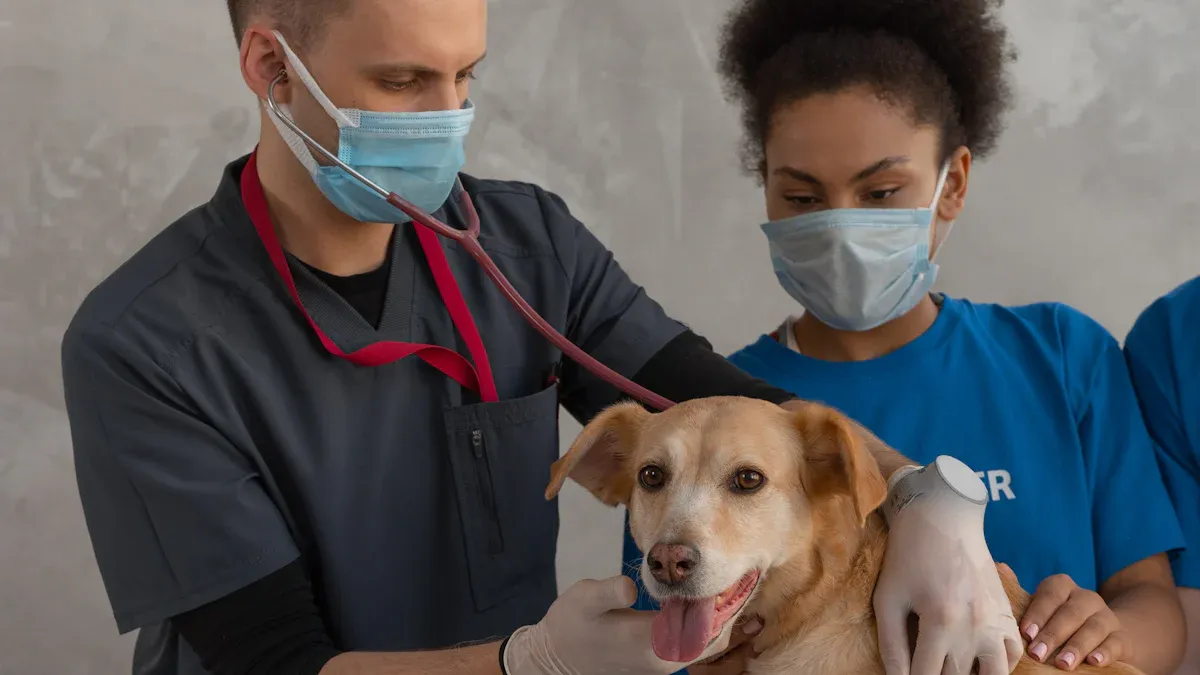
Picking the right supplier keeps dogs safe and protects your clinic’s name. You should check three things before buying: sizing system, training help, and parts support. Use this checklist to make sure your supplier is safe and high quality.
Sizing System: Measurement, Photo/Video, Refit Protocol
A good sizing system makes sure braces fit dogs well. You want every brace to fit each dog the right way. Suppliers need to give you clear guides for measuring. They should help you with photos or videos to check the fit. A refit protocol helps you fix fit problems fast.
Measure the thigh, knee, lower leg, leg length, and space between thighs.
Match your numbers to the supplier’s sizing chart.
Send photos or videos to show the fit before using the brace.
Follow the supplier’s steps to put the brace on the dog.
Make sure the brace fits snug but does not cut off blood or rub.
Watch the dog for any signs of pain or skin problems after fitting.
Change straps or pads if you need to make the fit better.
Use the refit protocol if the brace slips or will not stay in place.
Tip: A supplier with a good sizing system helps stop skin problems and keeps dogs safe during rehab.
Training Assets: Break-In, Skin Checks, Cleaning
Training assets help you use braces safely and teach owners how to care for their dogs. Suppliers should give you guides for break-in times, skin checks, and cleaning.
Get a break-in schedule that tells you how long the dog should wear the brace each day.
Use a skin-check list to look for redness, swelling, or sores.
Follow cleaning steps to keep the brace clean and safe.
Get a red-flag list that tells you when to call the supplier or send the dog to a specialist.
A supplier who gives training assets helps you stop problems and makes rehab better.
Training Asset | What You Should Receive | Why It Matters |
|---|---|---|
Break-In Schedule | Step-by-step wear time guide | Prevents skin problems |
Skin-Check Checklist | Signs to watch for | Early detection of issues |
Cleaning Guide | Cleaning steps and products | Keeps brace safe and hygienic |
Red-Flag List | Warning signs for escalation | Protects dogs and clinic safety |
Parts and Replacement Support
Parts and replacement support help your rehab brace program work well. You need to get new straps, pads, and other parts when needed. Suppliers should help you keep track of parts and send replacements fast.
Order new parts for braces that are worn out.
Get help with keeping track of orders and inventory.
Get support for billing, charting, and rules you must follow.
Ask for training so your staff can fix or replace braces.
Note: Fast parts support lets you fix fit problems and keeps dogs safe during rehab.
Step-by-Step: Vet a Supplier with an RFQ Question List
Use this table to help you check your supplier. Ask these questions before you open an account or buy a test order.
Step | What to Ask Your Supplier | Why It Matters |
|---|---|---|
1 | What is your sizing protocol for rehab braces? | Makes sure every brace fits safely |
2 | What training assets do you provide? | Helps you use braces and check skin |
3 | What are your lead-time commitments? | Helps you plan for rehab supplies |
4 | What warranty and exchange terms do you offer? | Protects your clinic from problems |
You can use this checklist and question list to find a supplier who helps your clinic and keeps dogs safe. Always pick a supplier who helps you get the right fit, gives training, and offers good parts support.
Vendor Scorecard: Compare Quality and Support
When you pick a supplier, you need to look at more than price. You should check if they have good quality, fast shipping, and helpful support. Use a simple chart to compare each vendor. This makes it easier to find the best one for your clinic.
Criteria | Excellent (3) | Good (2) | Needs Review (1) |
|---|---|---|---|
Quality Control | Third-party audits, sample testing, on-site checks | Some audits, sample checks | No audits, unclear QC |
Lead Time | 2 weeks or less | 2–3 weeks | Over 3 weeks |
Support Responsiveness | Replies in 1 day, clear answers | Replies in 2–3 days | Slow or unclear replies |
Training Assets | Full guides, videos, checklists | Some guides | No training assets |
Parts/Replacement | Fast, easy ordering | Some support | Hard to get parts |
Tip: Give each supplier a score. Pick the one with the most “Excellent” marks.
Table 1: Supplier scorecard
Criteria | What to Request | Pass/Fail Signal | Risk if Missing | Notes |
|---|---|---|---|---|
Quality Control | Third-party audit reports, sample validation | Pass: Recent audits | Inconsistent product quality | Ask for SGS or TÜV reports |
Lead Time | Written delivery timelines | Pass: 2–3 weeks stated | Delays in patient care | Confirm in contract |
Support Responsiveness | Contact test, response time | Pass: <2 days | Slow problem resolution | Test before ordering |
Training Assets | Break-in, skin check, cleaning guides | Pass: All provided | Higher risk of complications | Review sample materials |
Parts/Replacement | Replacement parts policy | Pass: Clear, fast | Brace downtime, patient risk | Ask about order process |
Quality Evidence and QC Checkpoints
You should always ask for proof that the braces are good quality. Good suppliers show you audit reports from SGS or TÜV. You can order samples and send them to a lab to check if they work well. If you visit the factory, you can see how they make the braces. You can also talk to other clinics to hear what they think about the products.
Quality Control Checkpoint | Description |
|---|---|
Third-party audit reports | Request recent audit reports from organizations like SGS or TÜV to confirm compliance. |
Sample validation | Conduct independent lab testing of product samples to verify quality and performance. |
On-site inspections | Arrange visits to manufacturing facilities to observe production processes firsthand. |
Reference checks | Speak with existing clients to gather feedback on supplier reliability and product quality. |
Lead Time: 2–3 Weeks Baseline
Dogs need braces quickly to heal. Most clinics want braces in 2–3 weeks. Always ask your supplier for a written delivery date. If they cannot deliver on time, dogs may wait longer for care. Some suppliers can make custom braces in 5–7 business days. But 2–3 weeks is a safe time to plan for.
Support Responsiveness Expectations
Fast answers are important when you have questions. Good suppliers reply in one day and give clear help. You can test this by sending a question before you buy. Clinics like suppliers who answer quickly and clearly. Fast and helpful support lets you fix problems and keeps your clinic working well.
Pilot-Order SOP: Prevent Returns and Complaints
Small Batch, Case Logging, Fit Issue Categories
You want to lower returns and complaints when you start with a new rehab brace wholesale supplier. Running a pilot order helps you test products and spot problems early. You should begin with a small batch of braces. Track each case closely. Log every detail about the dog’s injury, brace type, and how the brace fits.
Step-by-step: Run a pilot order that reduces returns
Define your pilot batch and tracking plan
Choose a small number of cases, such as 5–10 dogs with different injuries.
Record each dog’s measurements, injury type, and brace model.
Assign a staff member to track fit and comfort for each dog.
Require photo or video fit checks
Take clear photos or videos of each brace after fitting.
Review these with your supplier to confirm the fit.
Use these checks to catch problems like slipping, rubbing, or poor alignment.
Implement a skin-check SOP with a 50% risk statement
Plan for skin complications in about half of cases, based on published reports.
Check the dog’s skin daily for redness, swelling, or sores.
Log any skin issues and note how quickly you spot them.
Create an escalation path
Set up a process for reporting fit failures or skin problems.
Contact your supplier for advice or replacement parts.
Refer dogs with serious issues to a rehab specialist.
Tip: Careful logging and photo fit checks help you catch problems early and improve brace selection for future orders.
Table 2: Fit-failure troubleshooting
Problem Seen | Likely Cause | Supplier Action Needed |
|---|---|---|
Brace slips off | Incorrect fit, wrong size | Review sizing, send refit kit |
Redness or sores | Poor fit, rough edges | Provide padding, adjust straps |
Limping worsens | Brace restricts movement | Check alignment, revise brace |
Dog resists wearing | Uncomfortable fit | Suggest break-in schedule |
Strap breaks | Low-quality part | Send replacement straps |
Skin Complication Prevention: 50% Planning Statement
Skin irritation and device intolerance happen often with rehab braces. You should expect skin complications in about 50% of stifle brace cases. You can prevent many problems by focusing on proper fit and regular monitoring.
Get a proper fitting for every brace. Measure carefully and use the supplier’s sizing chart.
Pair the brace with rehab and weight management to reduce stress on joints.
Schedule regular follow-ups with your vet or rehab specialist.
Watch for early signs of trouble, such as redness, sores, swelling, or limping.
Note: Early detection and quick action help you prevent serious skin issues and keep dogs comfortable during recovery.
When to Switch to Paw Protection or Lift-Assist
Sometimes a standard brace does not solve all problems. You may see dogs with paw dragging or trouble lifting their legs. Switching to paw protection or lift-assist support can help prevent secondary injuries. These add-ons protect the skin and give extra stability.
Use paw protection when you see signs of dragging or scraping.
Choose lift-assist support for dogs who struggle to bear weight or move safely.
Review each case and adjust your support mix to match the dog’s needs.
Callout: Matching the right support to each dog’s recovery plan lowers the risk of setbacks and improves comfort.
Policy Checks: Warranty, Exchanges, Revisions
Warranty Examples: 90 Days to 4 Months
It is important to know the warranty before buying rehab braces wholesale. Most suppliers give a warranty for how the brace was made. This means they will fix or replace it if there is a problem. The warranty usually lasts 90 days or up to 4 months. Always ask your supplier for the exact time in writing.
Tip: Use these numbers when you talk to suppliers. If the warranty is less than 90 days, ask why. If it is more than 4 months, check what is included.
A clear warranty helps you keep your clinic and patients safe. You can plan for repairs or replacements if something breaks during the warranty.
Exchange/Restocking: 10% Fee, Eligibility Documentation
Exchange and restocking rules are important for your clinic. Many suppliers charge a 10% fee if you return or exchange a brace. Always ask about this fee before you buy.
To get an exchange, you need to show proof. This means you must have:
The original invoice or order number
Photos or videos that show the fit problem
A note from your clinic explaining why the brace did not work
Policy Type | Typical Number | What You Need to Provide |
|---|---|---|
Warranty | 90 days – 4 months | Proof of defect, order details |
Exchange/Return | 10% fee | Invoice, fit photos, clinic note |
Note: Most suppliers finish returns in 1–3 business days. Refunds can take up to 10 business days to show up.
Always keep good records. This helps you get help fast if you need to exchange or return a brace.
FAQ and Next Steps for Rehab Brace Wholesale
Common Questions: Lead Times, Refits, Sizing, Skin Issues, Training, Stocking Mix
You may have many questions when you start with rehab brace wholesale. Here are some of the most common questions clinics ask:
How long does it take to receive braces after ordering?
What should I do if a brace does not fit well?
How do I measure a dog for the right size brace?
What signs of skin problems should I watch for?
How can I help owners prevent skin issues?
What training do I need to give my staff and clients?
How do I decide which braces and accessories to stock first?
When should I switch to a different type of support, like lift-assist?
Tip: Always check the skin under the brace, especially where it presses the most. Start with short wear times and increase slowly. This helps toughen the skin and lowers the risk of sores.
You should make sure the brace feels like part of the dog’s body. If it feels loose or the dog loses feeling, adjust the fit. Check the brace often as the dog’s shape may change during recovery.
What to Request from Suppliers Before Opening an Account
Before you open a wholesale account, ask your supplier for key information:
FDA approval status
ISO 13485 certification
HIPAA compliance details
Dedicated account support contact
Request clear sizing guides, training materials, and sample warranty policies. These steps help you protect your clinic and your patients.
You help dogs heal better and stay safe when you pick suppliers with good support and clear rules. Use checklists and charts to compare different acl braces, like compression knee braces and custom braces for after surgery. Look at the steps for recovery and check strong acl brace choices for dogs who had acl reconstruction.
Criterion | What ‘good’ looks like | How to verify |
|---|---|---|
Support | Reliable, fast, and complete | Review references |
Recovery | Effective for post-op recovery | Check sample cases |
Safety | Clear standards and training | Review SOPs |
Step | Recommendation |
|---|---|
1 | Buy from trusted dealers who help with recovery. |
2 | Ask for prices on functional acl braces and custom braces. |
3 | Check the rules for safety and recovery help after surgery. |
Begin with a small test order, check the supplier’s rules, and always put recovery and safety first for every dog.
