
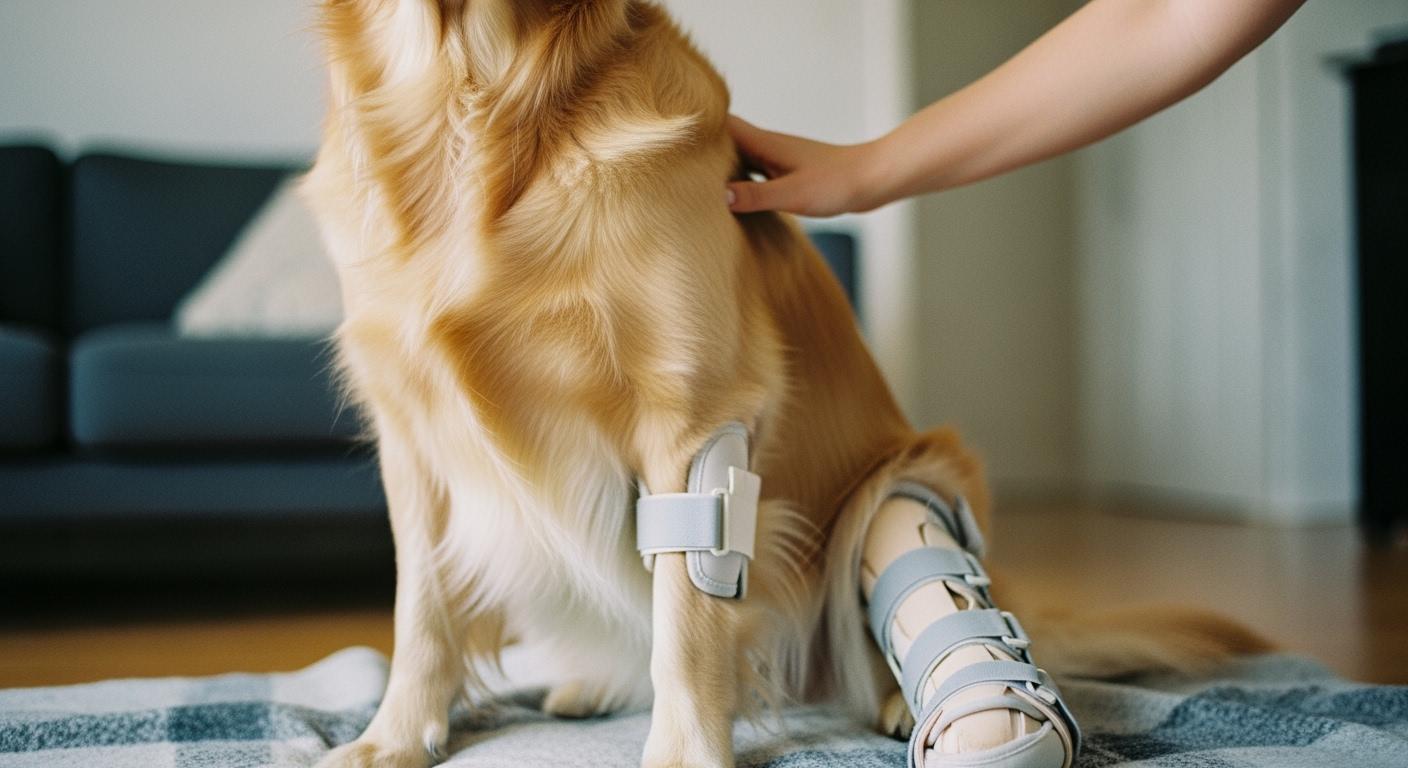
You might see your dog move slowly or limp. Your dog may feel stiff after resting. These signs often mean arthritis is present. Arthritis can make it hard for your dog to move and feel comfortable. Studies show that up to 20% of dogs have osteoarthritis. Many dogs need extra help for their legs.
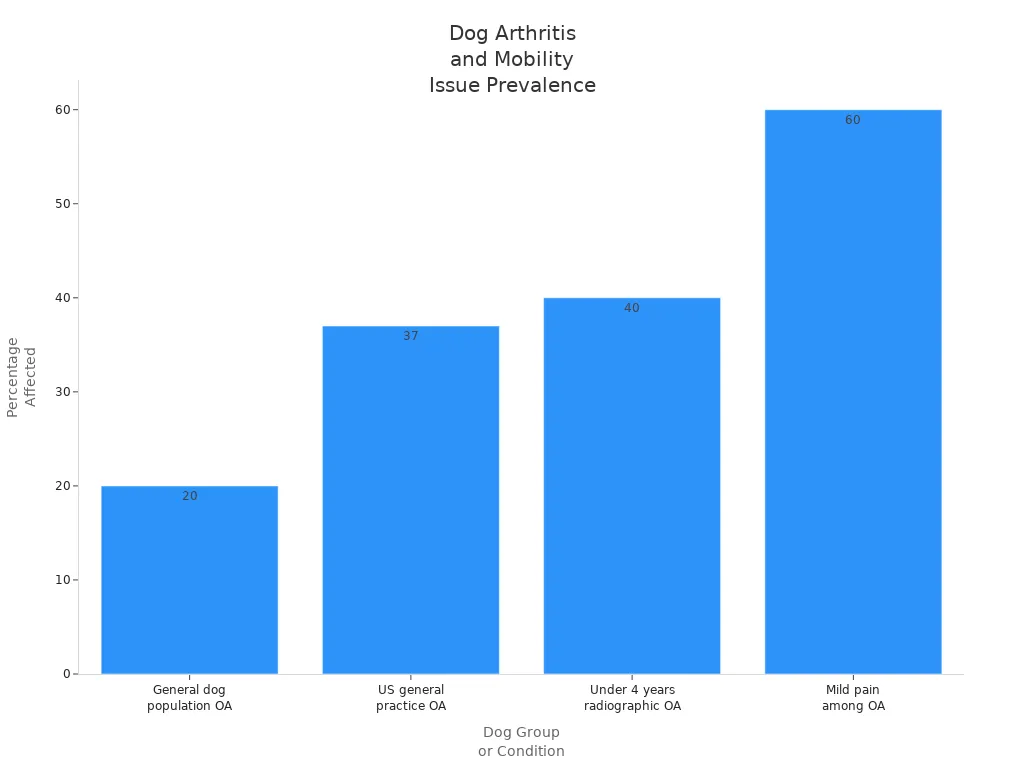
Many dogs do not want to climb stairs or play. Some dogs do not want to walk much. Joint support from a dog leg brace arthritis solution can help your dog move better. A brace gives stability and support. It does not cure arthritis. You can look for ways to help your dog feel better and move every day.
Key Takeaways
Look for signs of arthritis in your dog. These signs include stiffness, limping, and less activity. Finding arthritis early helps you pick the right support.
Think about using a dog leg brace. It gives your dog stability and comfort. Braces can lower pain and help your dog move better.
Pick the right brace for your dog’s joint needs. For broader brace categories, fit priorities, and buying logic, review our Guides.
Make sure the brace fits your dog well. This gives the most support and comfort. Check often for irritation and change the fit if needed.
Use braces along with other helpful steps. These include weight management, physical therapy, and safer home setup. For traction, ramps, and room-by-room support ideas, see our dog arthritis mobility at home guide.
Dog Leg Brace Arthritis & Mobility
How Braces Support Arthritic Joints
You see your dog having trouble moving. Stiff legs and limping make things harder. Dog braces help by keeping weak joints steady. Using a brace helps your dog stand up straight. This support takes pressure off the knee, hock, or elbow. Many dogs need extra help when walking or playing.
Veterinarians say braces help joints feel better. Custom braces made with digital tools spread pressure evenly. This makes your dog feel safer. Braces also help healing by lowering swelling and keeping injuries stable. You can check the table below for more details:
Benefit | Description |
|---|---|
Pain Reduction | Many dogs feel less pain and move better with braces. |
Enhanced Stability | Braces hold weak joints, helping dogs stand and walk. |
Healing Promotion | Braces keep injuries steady, so dogs heal faster and have less swelling. |
Dog leg brace arthritis solutions use new materials and designs. Light braces made with 3D printing are more comfortable. Your dog can walk and play with more confidence. Braces work well with rehab programs, helping your dog build muscle and keep joints steady.
Mobility Benefits for Dogs
Mobility is important for every dog. Arthritis makes dogs walk slowly and avoid stairs. Dog leg braces help your dog feel brave and active again. You see your dog walking and playing more. Better movement means your dog can do daily things.
Studies show good results for dogs with arthritis. Dogs wearing knee braces walk better and stand more evenly. Owners see their dogs move more and feel happier. The table below shows what studies found:
Evidence Type | Study Reference | Findings | Limitations |
|---|---|---|---|
Prospective Trial | All stifle-braced dogs walked better; most had mild problems | Few dogs; short study time | |
Retrospective Study | Dogs stood better after 90 days | No control group; old data | |
Case Report | Two dogs walked more evenly | Very small group |
You can expect your dog to walk and play with more confidence. Dog leg braces support joints, making walks safer. Many owners say their dogs move better and play more. Braces help lower pain, so your dog can enjoy life.
Tip: If your dog has arthritis, try a dog leg brace arthritis solution as part of a bigger plan. Braces give support and stability, helping your dog stay active and comfortable.
Dog leg braces give real help for dogs with arthritis. You help your dog move better and keep joints steady. Braces do not fix arthritis, but they make moving easier and safer. Your dog feels more comfortable and confident.
Signs Your Dog Needs Leg Support

Stiffness, Limping, and Slow Walking
You see your dog moving slower than before. Dogs often feel stiff after resting. This can mean arthritis is starting. Many dogs have trouble getting up after lying down. Limping may happen in one or more legs. Sometimes the limp changes from day to day. Slow walking and not wanting to climb stairs show joint pain. Dogs with arthritis avoid jumping on furniture. They may hesitate to get into cars. These signs show your dog feels pain and cannot move well.
Veterinarians often suggest leg braces for dogs with stiffness or limping. Braces support weak joints and help with pain. Senior dogs who cannot have surgery may use braces instead. You can use a brace for knee pain, hock pain, or elbow pain. Braces make joints steadier and daily movement easier.
Note: If your dog is stiff or limps, try a dog leg brace arthritis solution. Braces help your dog feel better and more confident every day.
Reduced Activity and Confidence
Dogs with arthritis do not want to walk or play much. You may see your dog stop during walks. Some dogs refuse to jump or climb. Less activity means joint pain and trouble moving. Dogs may get grumpy or snap when you touch sore joints. Changes in sleep, like restless nights or moving a lot, can happen. Some dogs eat less or seem less excited about normal things.
You might notice small changes in your dog’s behavior. Dogs with arthritis often show exercise intolerance, stiffness, and limping. Owners sometimes think these signs mean sadness or withdrawal. This shows less confidence. Dogs may become clingy or anxious and want comfort. Others may sleep more during the day. Dogs can get more irritable or sensitive to touch near painful spots.
Common behavioral changes in dogs with arthritis:
Less activity and not wanting to walk far
Stopping on walks or refusing to jump or climb
Small changes in walking and exercise intolerance
More irritability or aggression near sore joints
Different sleep patterns and restlessness
Eating less and not wanting to play
Knowing these signs helps you support your dog’s movement and comfort. Finding problems early lets you pick the right dog leg brace arthritis solution. For daily handling, weak-leg assistance, and aging-dog mobility needs, see our senior dog mobility support harnesses guide.
Why Joint Support Matters
Stability in Daily Movement
You want your dog to move with confidence every day. Arthritis often makes daily movement hard for senior dogs. When joints feel weak, your dog may slip or hesitate. Joint support helps your dog stay steady on walks, during play, or when getting up from rest. Veterinary guidelines explain that osteoarthritis is a long-term condition. You cannot cure it, but you can manage it with the right support. Canine joint support, including braces and supplements, targets many parts of the disease. This approach helps your dog keep moving and enjoy daily life.
A dog leg brace for arthritis gives extra stability to weak joints. It holds the leg in a safe position. Your dog can walk, stand, and climb stairs with less fear of falling. Joint health improves when your dog feels secure. You may notice your senior dog walking more evenly and showing more interest in daily routines. For daily-living support options built around weakness, arthritis, and aging, review our senior dog mobility support harnesses guide.
Comfort and Injury Prevention
Comfort matters for every dog, especially those with joint pain. Arthritis causes pain and swelling in the joints. Joint support reduces pressure on sore spots. Your dog feels less pain and moves with more ease. Braces, supplements, and special diets all help support joint health and comfort.
Joint support also helps prevent new injuries. When your dog’s joints feel stable, there is less risk of slips or twists. You protect your dog from further joint pain and damage. Here are some ways joint support helps your dog:
Certain diets and joint supplements support cartilage health and reduce inflammation.
Orthopedic braces support joint stability and allow pain-free movement.
Physical therapy improves mobility, function, and quality of life for dogs with arthritis.
You help your senior dog stay comfortable and safe. Joint support lets your dog enjoy daily activities with less pain and more confidence. By focusing on joint health, you give your dog a better quality of life.
Types of Dog Leg Braces for Arthritis
Arthritis can hurt different joints in your dog’s legs. You need to pick the right brace for the joint that needs help. There are dog knee braces, hock braces, elbow braces, and custom braces. Each one helps with certain movements and comfort. Dog arthritis support braces can help your dog move better and feel steadier every day.
Knee (Stifle) Braces
Dog knee braces are used for dogs with knee arthritis. These braces keep the joint steady and lower stress. They stop too much movement between the femur and tibia. Dog knee braces also stop the knee from twisting side to side. They help the cruciate ligament stay strong. Your dog can walk with less pain and feel braver. Knee pain often makes dogs limp and move slowly. Dog knee braces help healing and lower swelling. You will see your dog move better and stand more evenly.
“A good dog knee brace can really help dogs walk better and heal,” says Dr. Andrew Cuff, a veterinary orthopedic specialist from the UK.
Dog knee braces give:
Steady support for weak joints
Less pain for daily comfort
Better movement for active dogs
Protection from more injuries
Hock (Ankle) Braces
Hock braces help the ankle joint in the back leg. Dogs with hock arthritis need extra support. Dog leg braces for the hock stop too much movement and ease pain. Most hock braces use strong materials like neoprene. This material is stretchy and squeezes gently. You help your dog by stopping the ankle from bending too far. Hock braces let your dog walk normally and help weak joints. They also help healing and control joint problems.
Safe movement with less bending
Support while healing
Help for weak joints
Less pain from gentle pressure
Elbow Braces
Elbow braces help dogs with arthritis in the front leg. You might see limping, stiff joints, or elbows that look odd. Dog leg braces for the elbow keep the joint steady and lower pain. Elbow braces help dogs who have trouble standing up or moving their elbows. Swollen elbows and strange walking mean your dog needs more help. You help your dog move easier and stop more injuries.
Limping or trouble walking in the front legs
Swollen or thick elbows
Hard time moving the elbow
Pain when using the elbow
Not wanting to run or play
Full Leg and Custom Braces
Custom dog leg braces are best for dogs with bad arthritis or many sore joints. Full-leg braces give the most support. You pick custom braces if your dog’s joints are very weak or need two braces. Custom braces fit well and keep the leg lined up right. Vets say custom braces are good for tough cases. You help your dog by giving special support for daily movement and healing.
Full-leg support for dogs with many joint problems
Custom braces for bad arthritis and strong support
Better fit and comfort with custom braces
Dog leg braces come in different types. You choose the best brace for your dog’s arthritis and joint needs. Dog knee braces, hock braces, elbow braces, and custom braces all help your dog move and feel better each day.
Choosing the Right Dog Leg Brace
Fit and Adjustability
You want a dog leg brace that fits your dog’s leg shape closely. A good fit keeps the brace from slipping or causing irritation. Custom options can adapt to your dog’s unique needs. Adjustability matters because your dog’s leg may swell or change over time. Look for braces with straps or buckles that let you tighten or loosen as needed. The table below shows why fit and adjustability are important:
Feature | Importance | Benefit |
|---|---|---|
Custom Fit | Matches your dog’s leg shape | Prevents slipping and rubbing |
Adjustability | Changes with swelling or growth | Keeps comfort over time |
A snug fit gives the right support for the knee or other joints. Poorly fitting dog leg braces will not help your dog move better.
Comfort and Materials
Comfort helps your dog wear the brace every day. Choose dog leg braces made from breathable neoprene or high-strength materials. These materials keep your dog cool and comfortable. Neoprene also lasts a long time and stands up to daily use. Soft padding, like memory foam, reduces pressure points and helps your dog feel at ease. Durable materials support your dog’s joint health and mobility.
Breathable neoprene keeps your dog cool.
High-strength materials add support and last longer.
Memory foam padding protects sensitive spots.
Support Level and Fastening
You need the right support for your dog’s knee, hock, or elbow. Too much support can weaken muscles, but too little will not steady the joint. Moderate support works well for daily use and mild arthritis. Rigid braces help after injury or surgery. Fastening systems matter, too. Look for adjustable hook-and-loop straps or quick-release buckles. These keep the brace secure and easy to adjust. Proper fastening prevents slipping and improves comfort.
Moderate support braces help with daily movement.
Rigid braces give maximum stability for severe cases.
Adjustable straps or buckles allow for a custom fit.
Ease of Daily Use
Daily use should be simple for you and your dog. Choose dog leg braces that are easy to put on and take off. Flexible frames and soft shells prevent rubbing and make the brace comfortable. Quick-release buckles save time and avoid tangling in your dog’s hair. Some braces offer live video fitting help from veterinary technicians. Easy cleaning and a user-friendly design make daily care simple.
Slide the brace on and adjust straps for a snug fit.
Check for wrinkles or pinching and adjust as needed.
Remove the brace at night and clean it daily.
A well-chosen dog leg brace supports your dog’s joint health, comfort, and mobility every day.
Safe Use and Expectations
Getting the Right Fit
You want your dog to feel comfortable and safe when wearing a brace. Start by making sure the brace fits snugly around the leg. For broader fit and selection logic, review our Guides. The brace should not be too tight or too loose. You can check the fit by placing two fingers between the top of the brace and your dog’s groin area. Have your dog walk a few steps to see if the brace stays in place and the knee center lines up correctly. Tighten all straps so the brace feels secure. Let your dog wear the brace for about 30 minutes at first. Increase the time each day by 30 minutes. If you notice irritation or redness, contact a specialist for help.
Introducing the Brace
You need to help your dog get used to the brace slowly. Begin with calm activities, such as mealtime, for the first few days. Remove the brace if your dog shows discomfort. After your dog feels comfortable, increase the wear time during short walks or supervised play. Check your dog’s skin often. Once your dog adjusts, the brace can be worn for longer periods during active times. Always remove the brace for rest.
Steps to introduce the brace:
Start with 1-2 hours during calm activities.
Increase to 2-4 hours during walks or play.
Move to 4-8 hours once your dog feels comfortable.
Tip: Patience helps your dog accept the brace and feel confident.
Monitoring Comfort and Skin
You need to check your dog’s skin every day. Look for redness, chafing, or sores under the brace. Clean the brace weekly with mild soap and water. Replace the brace if you see signs of wear. If you notice any problems, talk to your veterinarian.
Task | Frequency |
|---|---|
Skin Checks | Daily |
Brace Cleaning | Weekly |
Replacement Check | Monthly |
Inspect the skin beneath the brace daily.
Clean the brace regularly.
Consult your veterinarian if you see any issues.
Combining With Other Support
You can combine the brace with other ways to help your dog. For home traction, ramps, flooring, and safer daily movement, see our dog arthritis mobility at home guide. Weight management reduces stress on joints. Controlled exercise, like gentle walks, keeps muscles strong. Physical therapy improves recovery. Anti-inflammatory supplements or medications can ease pain. Home modifications, such as non-slip flooring, make movement safer.
Weight management lowers joint pressure.
Gentle exercise maintains muscle.
Physical therapy boosts mobility.
Supplements support joint health.
Non-slip flooring prevents injury.
If your dog needs short lifts, stair help, or support during bathroom breaks, compare our dog lift harness options.
You give your dog the best chance for comfort and mobility by using a brace and other support methods together.
Pros, Cons, and Cost
Key Benefits for Arthritis
You want your dog to walk easily and feel brave. Dog braces for arthritis have many good points. Braces help your dog move better and support weak joints. Many owners say their dogs walk easier and hurt less with a brace. Custom braces can make your dog even more comfortable. It is important to fit the brace right and start slowly. You can use braces with rehab plans for better results.
Benefit | Description |
|---|---|
Mobility Improvement | Bracing can lead to meaningful enhancements in mobility without surgery. |
Comfort Enhancement | Custom stifle orthoses improve comfort for many patients. |
Proper Fitting Importance | Proper fitting and monitoring are crucial for achieving the benefits. |
Rehabilitation Integration | Combining braces with rehabilitation plans enhances overall outcomes. |
Start with short times so your dog gets used to the brace.
Most problems happen early, so check the fit often.
Tip: Use a brace as part of a bigger plan for joint health and daily movement.
Limitations and Considerations
Dog leg braces for arthritis relief have some downsides. Braces cannot fix joint damage that is already there. They do not help with nerve problems. You should use braces along with vet care and rehab. Do not use only a brace for pain or arthritis. Check your dog’s skin and comfort often. Remember, braces do not replace a vet’s advice or treatment.
Cost and Value
You want to know the price before you buy a dog leg brace for arthritis. Custom braces cost more but fit your dog best and last longer. Store-bought braces are cheaper and work for mild arthritis or early healing. See the table below for a price comparison:
Type of Dog Leg Brace | Typical Cost Range (GBP) | Description and Use Case |
|---|---|---|
Custom Dog Knee Braces | £700 – £1,200 (average) | Fully customized, engineered for specific limb shape and movement; suitable for long-term joint stabilization |
Retail (Non-Custom) Braces | £40 – £235 | Mass-produced, size-based, made from neoprene or elastic fabric; provide gentle compression for mild arthritis or early recovery |
Think about how better movement, less pain, and joint care help your dog. You help your dog feel better and move more every day. Buying a brace helps your dog live a happier life.
You want your older dog to move better and feel good every day. Dog leg braces for arthritis are a smart way to help. They give joint support and help lower pain. Your dog can walk with more confidence and stay steady. When picking a brace, you should:
Get a vet to check your dog for the right problem.
Think about custom fitting for better support and movement.
Look at the materials and padding for comfort and help.
Ask trusted experts for the best advice.
You help your older dog live a happier life by using braces and other ways to support movement. Talk to your vet for a full plan. Check out more resources to find what works best for your dog.
FAQ
How do I know if my dog needs a leg brace for arthritis?
You notice stiffness, limping, or slow walking. Your dog may avoid stairs or play less. These signs suggest joint support could help daily movement. Ask your veterinarian for advice.
Can a dog leg brace replace other arthritis treatment?
A brace supports joint stability. You should use it as part of a broader plan. It does not replace veterinary care or other treatment options.
How long should my dog wear a leg brace each day?
Start with short periods, like 30 minutes. Increase wear time gradually. Remove the brace at night. Check your dog’s skin often for irritation.
Will a leg brace help my dog walk better?
Many owners see improved mobility. A brace gives stability and confidence. Your dog may walk more evenly and feel comfortable during daily activities.
What types of leg braces are available for dogs with arthritis?
You can choose knee, hock, elbow, or custom braces. Each type supports different joints. Select the brace based on your dog’s needs.
