
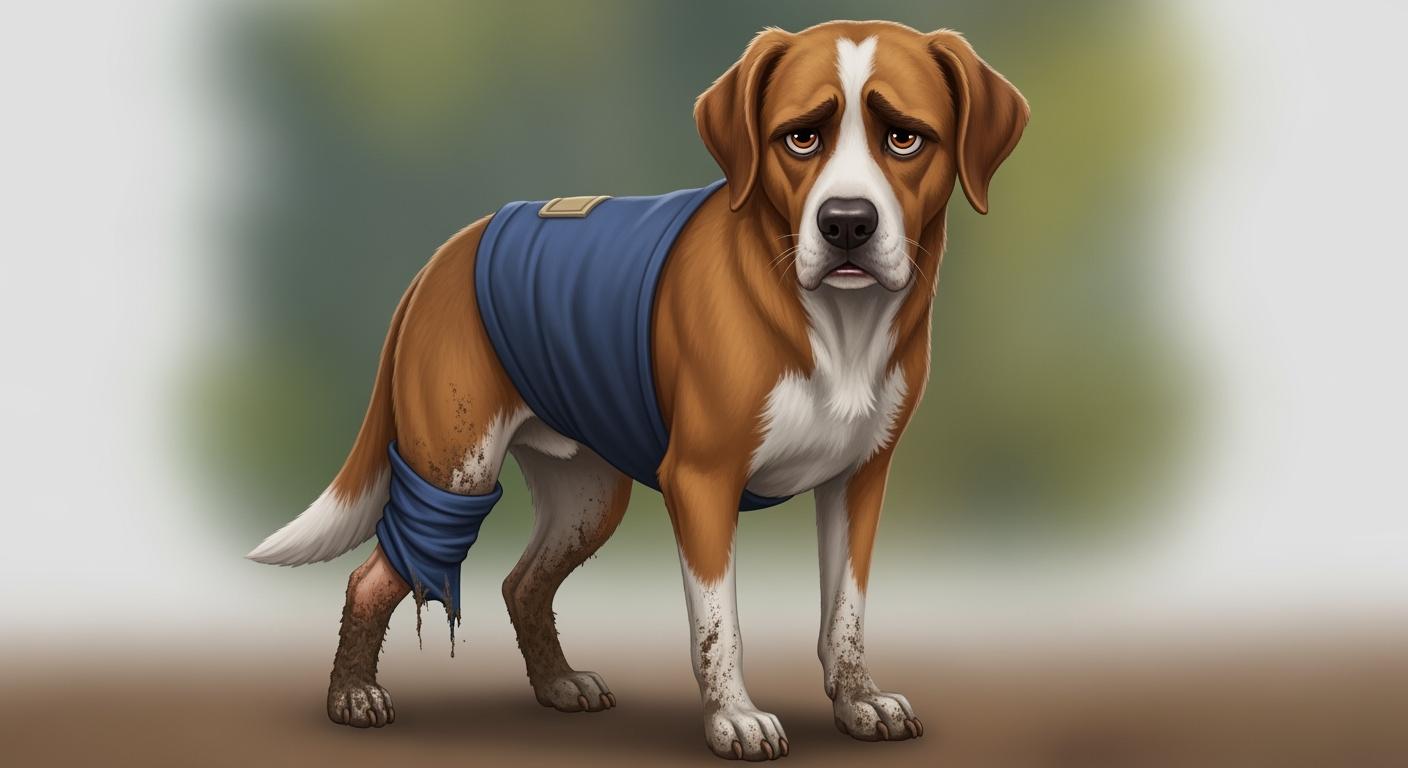
A hind leg sleeve for dogs may seem tight at first, but you might see it slip down, get dirty, rub behind the joint, or not cover the whole leg when your dog walks. These issues can make your dog lick, chew, or get sore skin. You should check the sleeve two times a day, switch between sleeves, and know when to take it off. This article gives you easy tips to find problems early and keep your dog safe.
Key Takeaways
Look at your dog’s hind leg sleeve two times each day. This helps you see problems like slipping or bunching early. – Make sure the sleeve is tight at the top of the thigh. This stops it from sliding down when your dog moves. – Take off and wash the sleeve right away if it gets wet or dirty. This keeps your dog’s skin safe from irritation and infection. – Watch your dog’s skin for any redness or swelling. Talk to a vet if you see any changes that worry you. – Always keep an extra sleeve ready. This helps keep your dog clean and comfortable while healing.
Why Hind Leg Sleeve for Dogs Fails
When you use a Hind Leg Sleeve for dogs, you want it to stay in place, keep the wound covered, and stay clean. In daily use, you may notice problems like slipping, bunching, poor coverage, or bathroom soiling. These issues can affect your dog’s comfort and safety. The quick reference card and use-failure checklist help you spot these problems early. Use the table below to understand what to look for and what steps to take.
Problem | What you see | Why it matters | What to do next |
|---|---|---|---|
Sliding/Slipping | Sleeve moves down the leg | Leaves wound exposed, risk of licking | Adjust fit, check thigh anchor |
Twisting | Sleeve rotates or shifts | Poor coverage, discomfort | Reposition, check for twisting |
Bunching | Fabric gathers at hock | Pressure marks, limits movement | Refit, shorten sleeve if needed |
Licking/Chewing | Dog reaches wound or sleeve | Infection risk, sleeve damage | Check coverage, consult vet |
Wet/Dirty | Sleeve gets soiled or damp | Skin irritation, infection risk | Remove, clean, replace sleeve |
Skin Changes | Redness, swelling, odor | Signs of harm or infection | Stop use, contact veterinarian |
Movement and Slipping
You may see the Hind Leg Sleeve for dogs slip down the leg, especially after your dog sits or walks. This often happens if the upper anchor is too loose or the sleeve does not match your dog’s leg shape. Dogs with thicker thighs or unique leg builds may have more trouble with slipping. Adjustable Velcro or buckles can help keep the sleeve in place. Breathable fabric also allows for better movement and reduces the chance of slipping. If you notice the sleeve sliding, check the fit at the thigh and make sure it is snug but not too tight. Always watch for twisting or bunching after your dog moves.
Tip: Most slipping problems show up in the first 24-72 hours. Check the sleeve position after your dog stands, walks, and sits.
Bunching and Poor Fit
Bunching happens when the sleeve gathers behind the hock or at the joint. This can cause pressure marks and make it hard for your dog to move. Poor fit is a common cause. If the sleeve is too long or not shaped for your dog’s leg, it may bunch up. You might see your dog stop and try to adjust the sleeve with their mouth or paw. To fix this, try repositioning the sleeve or choosing a different size. Sometimes, shortening the sleeve or adjusting the opening helps. Make sure the sleeve does not restrict movement or rub against the skin.
Common causes of bunching:
Sleeve is too long or stiff
Poor positioning
Incorrect size
If you see bunching, check the fit in all positions—standing, walking, and sitting. A good fit should allow your dog to move freely without the sleeve gathering at the joint.
Coverage and Licking
A Hind Leg Sleeve for dogs should cover the wound or target area fully. If the sleeve is too short or does not stay in place, your dog may still reach the wound to lick or chew. This can lead to infection or slow healing. You may notice your dog paying extra attention to the sleeve or trying to bite at it. If this happens, check if the sleeve covers the area when your dog lies down or curls up. Sometimes, the sleeve shifts during movement and leaves the wound exposed. If your dog can still reach the wound, you may need to adjust the sleeve or talk to your veterinarian about other options.
Inadequate coverage can allow licking or chewing.
If the sleeve does not fit well, your dog may still access the wound.
This can lead to contamination or infection.
Bathroom Soiling
Bathroom soiling is a common problem with any Hind Leg Sleeve for dogs. If the sleeve does not have enough clearance around the tail or genitals, it can get wet or dirty during bathroom breaks. This is more likely if the sleeve is too long or covers the wrong area. You may notice damp edges, odor, or stains on the fabric. Wet or dirty sleeves can cause skin irritation or infection. Always remove and clean the sleeve right away if it gets soiled. Make sure the sleeve allows your dog to urinate and defecate without touching the fabric. Some designs offer better airflow and drainage, which helps reduce moisture buildup.
Note: Always check the sleeve after outdoor bathroom breaks. A clean, dry sleeve keeps your dog safer and more comfortable.
By checking for these daily use failures and using the quick reference table, you can keep your dog safer and more comfortable during recovery. Always follow your veterinarian’s advice if you see any signs of skin changes, swelling, or discomfort.
Daily Fit and Safety Checks
You need to check your dog’s sleeve every day to keep your dog safe and comfortable. A good fit helps prevent slipping, rubbing, and bathroom accidents. Always follow your veterinarian’s advice first.
Thigh and Hock Check
Start your check when your dog is calm and standing. Make sure the coat is dry and trimmed if needed. Place the sleeve so it sits snugly on the upper thigh and over the hock. Use the bony parts of the leg to guide you. Tighten straps evenly. Watch for twisting or sliding as your dog walks. When your dog sits, look for bunching behind the hock or pressure marks. Remove the sleeve after 30 minutes during the first wear and check the skin for redness or irritation.
Step-by-step fit check:
Calm your dog and have treats ready.
Apply the sleeve while your dog stands.
Check the upper thigh fit.
Observe for twisting or sliding as your dog walks.
Watch the hock area when your dog sits or stands.
Remove after 30 minutes for a skin check before longer wear.
Tip: Most slipping or rubbing shows up in the first 24-72 hours. Use your daily check log to track changes.
Target Area Coverage
Check that the sleeve covers the wound or target area at all times. The sleeve should not shift when your dog lies down or curls up. Good coverage protects the area and helps prevent licking or chewing. Continuous protection is important, especially when your dog rests or moves on hard surfaces.
The sleeve should cushion the target area.
Make sure the wound stays covered during all activities.
Bathroom Clearance
Make sure the sleeve does not block urination, defecation, or tail movement. Unbuckle or unwrap the sleeve if needed during bathroom breaks. Use the strap as a handle to keep the sleeve clear. Check for damp edges or odor after each bathroom trip.
Example:
You fit the Hind Leg Sleeve for dogs on your medium-size dog in the morning. After a bathroom break, you check for wet spots. At midday, you remove the sleeve to inspect the skin. In the evening, you switch to a clean, dry sleeve for the night.
Remember: Check the sleeve twice daily, especially during the first three days.
Cleaning and Sleeve Rotation
Wet or Dirty Sleeve
You must remove a wet or dirty sleeve right away. Moisture and dirt can cause serious problems for your dog. Wet fabric traps moisture against the skin. Bacteria can grow quickly in this environment. Dirty sleeves allow bacteria to enter wounds. This can make infections worse and lead to deeper complications. A strong odor from the sleeve signals that you need to act fast.
Wet fabric traps moisture and encourages bacteria.
Dirty sleeves increase infection risk.
Odor signals possible skin or wound problems.
Always check the sleeve after bathroom breaks, outdoor walks, or playtime. If you see stains, dampness, or smell something unusual, take the sleeve off and clean it. Use soap and water for your hands after handling the sleeve or wound area.
Air Dry and Hygiene
After washing the sleeve, let it air dry completely before reuse. Air drying helps prevent trapped moisture. Never put a damp sleeve back on your dog. Clean sleeves protect your dog’s skin and wound. You should wash your hands with soap and water after handling the sleeve, wound, or any soiled items. This simple step lowers the risk of spreading germs.
Tip: Keep a backup sleeve ready while the other dries. This keeps your dog protected and comfortable.
When to Replace
You need at least two sleeves for one recovery site. Rotate them so your dog always wears a clean, dry sleeve. Replace the sleeve if you see stretching, chewing damage, stains, or strong odors. If the sleeve cannot stay clean or dry, it is time to use a new one.
Check the sleeve’s condition using the red-yellow-green safety table:
Signal Level | What it looks like | Action |
|---|---|---|
Green | Sleeve stays dry and clean; dog acts normal | Continue routine checks |
Yellow | Sleeve shows mild dampness, light stains, or odor | Clean or replace; monitor closely |
Red | Sleeve is wet, dirty, chewed, or smells strong | Remove immediately; contact vet |
If you see yellow or red signals, shorten wear time and monitor your dog closely. Always follow your veterinarian’s instructions for cleaning and replacement.
When to Stop Using the Sleeve
Knowing when to stop using a hind leg sleeve keeps your dog safe. You must watch for warning signs that show the sleeve is no longer helping or may even cause harm. Use your red-yellow-green safety table as a quick guide. If you see any red signals, stop using the sleeve and contact your veterinarian right away.
Chewing and Damage
Dogs may chew or scratch at the sleeve if it feels uncomfortable or causes irritation. Repeated chewing can damage the fabric and expose the wound. If you notice the sleeve is torn, stretched, or smells bad, remove it immediately. Wet or chewed sleeves trap moisture and can lead to infection. Watch for these signs:
The sleeve stays wet or starts to smell bad.
Your dog chews or pulls at the sleeve often.
The fabric shows holes, tears, or heavy stains.
The sleeve slips off or cannot stay in place.
A damaged sleeve cannot protect your dog. Always switch to a clean, dry sleeve or stop use if you cannot keep the area safe.
Skin Changes
Check your dog’s skin every day. Skin changes can signal a problem under the sleeve. Look for:
Redness or swelling that gets worse.
Warmth in the area or spreading redness.
Yellow, green, or foul-smelling discharge from the wound.
Hair loss around the injury.
Pus or a wound that does not heal.
A bad smell that does not go away.
These signs may mean infection or a reaction to the sleeve. If you see any of these, stop using the sleeve and call your veterinarian.
Vet Consultation
You should contact your veterinarian if you feel unsure about the sleeve or your dog’s recovery. Always seek help if:
Your dog limps, refuses to walk, or shows pain.
Swelling, bleeding, or discharge appears.
Your dog acts tired, hides, or stops eating.
The wound does not improve after a few days.
The injury is severe, such as a deep cut or fracture.
Remember, sleeves are not for severe wounds, heavy bleeding, or cases needing rigid support. Veterinary instructions always come first. Use your safety table to guide decisions, and stop using the sleeve if you see any red-flag signs.
You can prevent most sleeve problems by checking fit and skin twice a day. Use the tables and logs to spot slipping, bunching, or soiling early. If you see swelling, odor, or your dog limps, stop using the sleeve and call your vet. Keep sleeves clean and dry for best results. Remember these key points:
Proper fit helps avoid complications.
Daily skin checks catch redness or rubbing.
Regular vet visits help you adjust care as needed.
Your dog’s safety always comes first.
FAQ
How often should you check the hind leg sleeve?
You should check the sleeve at least twice each day. Look for slipping, bunching, wet spots, or skin changes. Early checks help you spot problems before they get worse.
What should you do if the sleeve gets wet or dirty?
Remove the sleeve right away. Clean it and let it air dry fully before reuse. Always use a clean, dry sleeve to protect your dog’s skin and wound.
Can your dog wear the sleeve all day and night?
You can use the sleeve for longer periods if your veterinarian approves. Always check the fit and skin twice daily. Remove the sleeve if you see redness, swelling, or chewing.
What if your dog keeps chewing or licking the sleeve?
If your dog chews or licks the sleeve, check the fit and coverage. The sleeve may not cover the target area well. You may need to use a cone or ask your veterinarian for advice.
When should you stop using the sleeve and call your veterinarian?
Stop using the sleeve if you see swelling, heat, discharge, odor, bleeding, cold toes, limping, pain, or wound changes. Contact your veterinarian for further instructions.
