
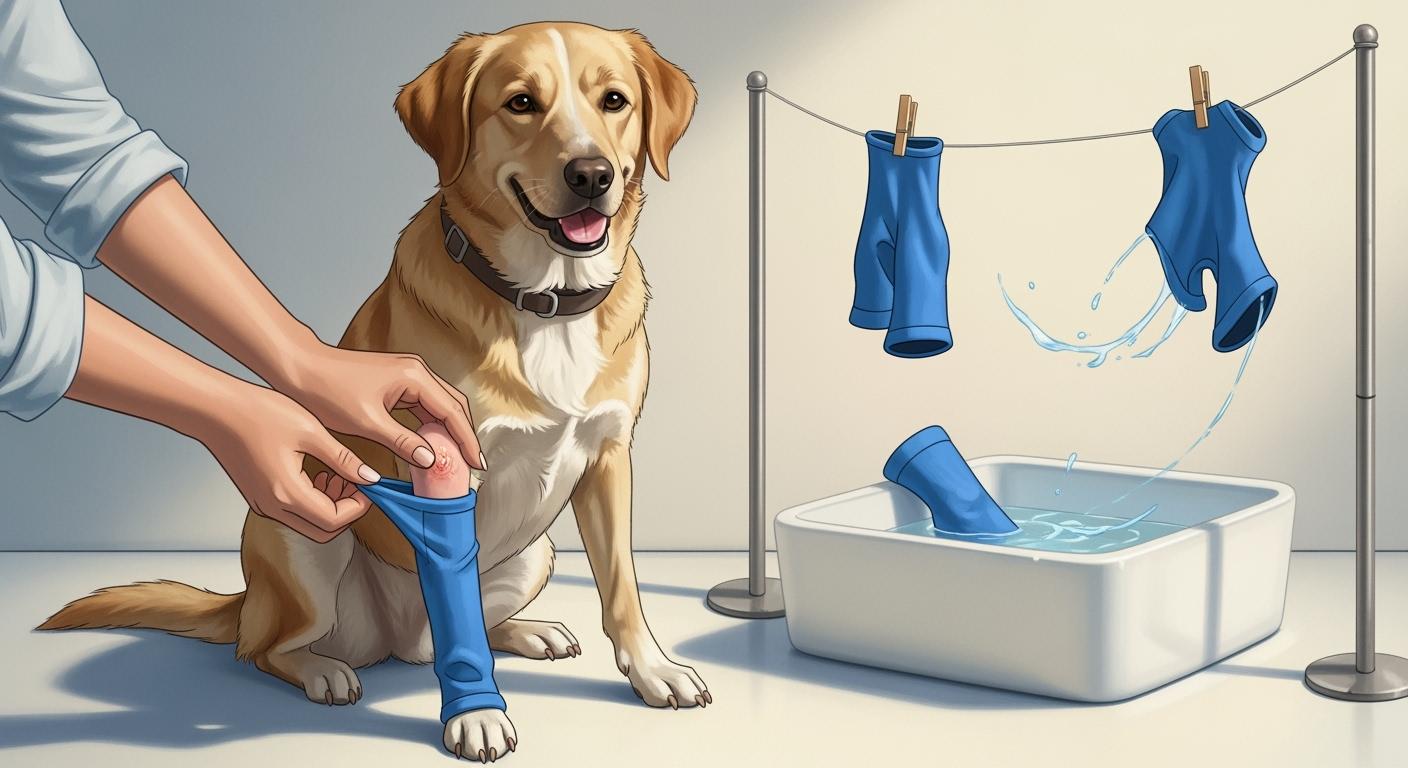
Dog sleeve protection keeps wounds safe from licking, dirt, and daily dangers. Dirt, wetness, or rubbing can cause skin issues or infections. You need to keep the sleeve clean and dry to help your dog. Vets say you should check the bandage often and wash sleeves every day or every other day. This is very important if you see any discharge or smell something bad.
Change sleeves if one gets wet or dirty.
Use at least two sleeves for one dog so you always have a clean, dry one ready.
Look at your dog’s skin two times a day for redness or swelling.
If you see your dog is uncomfortable, stop using the sleeve and call your vet for help.
Key Takeaways
Keep your dog’s sleeve clean and dry. Wash it daily to prevent infections and ensure proper healing.
Always have at least two sleeves ready. This allows you to rotate them, ensuring your dog always has a clean, dry sleeve.
Check your dog’s skin and sleeve twice a day. Look for signs of redness, swelling, or discomfort to catch problems early.
Follow your veterinarian’s advice closely. They can guide you on the best practices for using sleeves and when to seek further help.
Why Clean Dog Sleeve Protection Matters
Recovery Risks from Dirty Sleeves
You need to keep your dog’s sleeve clean every day. Dirty sleeves can cause big problems for your dog. When a sleeve gets dirty, bacteria can enter the wound. Your dog may lick the area more, which can make an infection worse. Sometimes, deeper infections or abscesses develop if you do not clean the sleeve. Look at the table below to see the main risks:
Risk Description |
|---|
Licking can exacerbate an infected wound. |
New bacteria can enter, hindering the healing process. |
Deeper infections or abscesses may develop. |
Sleeve Limits for Dog Leg Wound Protection
Dog sleeves help with wound protection, but they have limits. You must check the sleeve often. Some sleeves tear easily, so your dog’s wound may become exposed. If the sleeve is too tight, your dog’s leg can swell. If it is too loose, the sleeve may fall off. Some materials do not stay in place, which can leave your dog’s wound open. You should always watch your dog and make sure the sleeve fits well.
Protective coverings can easily tear, reducing their effectiveness.
Some materials do not stay in place, leading to potential exposure of the wound.
If the covering is too tight, it can cause swelling, while if too loose, it may fall off.
Veterinary Approval and Medical Boundaries
You must follow your veterinarian’s advice when using dog sleeves. Your vet will tell you if a sleeve is safe for your dog. Some sleeves, like Lick Sleeve®, protect your dog’s leg after surgery or injury. These sleeves let your dog move freely and feel less stress than with a cone. You should never use a sleeve instead of proper wound care. Always ask your vet before making changes.
Lick Sleeve® is designed to protect a dog’s leg during injury or post-surgery care.
It serves as a comfortable alternative to traditional E-collars, reducing stress for the dog.
The sleeve promotes faster healing while allowing freedom of movement.
Tip: Veterinary guidance always comes first. If you see redness, swelling, or odor, stop using the sleeve and call your vet.
Quick Reference Card: Daily Sleeve Safety
You can use this quick reference card to help keep your dog safe:
Check Item | Normal Signs | Problem Signs | Action |
|---|---|---|---|
Sleeve Surface | Dry, clean, no odor | Wet, dirty, smelly, torn | Remove, wash, replace |
Skin Under Sleeve | Dry, normal color | Redness, swelling, heat | Stop use, call vet if needed |
Wound Zone | Protected, no discharge | Discharge, bleeding, pain | Stop use, contact vet |
Dog Behavior | Calm, walking normally | Chewing, limping, stress | Remove sleeve, call vet |
You should check your dog’s sleeve and skin twice a day. Always keep a clean sleeve ready for your dog. If you see any warning signs, contact your veterinarian right away.
Dog Sleeve Protection Cleaning Routine
A strong routine helps you keep your dog safe and comfortable during recovery. You need to follow each step carefully to get the best results from your dog sleeve protection. This routine works for all types of wound protection sleeve, including anti-lick protection and dog leg wound protection.
Remove and Inspect the Sleeve
Start by washing your hands with soap and water. This step keeps germs away from your dog’s wound and the sleeve. Gently remove the sleeve from your dog’s leg or body. Do not pull or twist the sleeve. Look at the sleeve closely. Check for dirt, wet spots, tears, or bad smells. If you see any of these problems, do not put the sleeve back on your dog. You need to clean or replace it right away.
Tip: Always have two sleeves ready. When one sleeve is dirty, you can use the clean backup sleeve for your dog.
Skin Check Before Washing
Before you wash the wound protection sleeve, check your dog’s skin and wound. Look for any changes or warning signs. Use your eyes and hands to check the area under the sleeve. Watch for these signs:
Redness
Swelling
Pus
Bad smell
Fever
Tiredness
Non-healing wounds
Signs of rubbing
Discharge
You should check the wound every time you remove the sleeve. If you see any of these signs, stop using the sleeve and call your veterinarian. Early wound checks help you catch problems before they get worse.
Wash and Air Dry the Wound Protection Sleeve
After you finish the skin check, wash the sleeve. Always follow the product label first. If there are no instructions, use mild detergent and cool or lukewarm water. Gently rub the sleeve to remove dirt. Do not use high alcohol-based cleaners because they can damage the sleeve. Avoid bleach unless the label says it is safe. For stubborn stains, use a gentle cleaning tool like a magic eraser. Rinse the sleeve well to remove all soap. Lay the sleeve flat in a clean, dry place. Let it air dry completely before you use it again. Do not use a dryer unless the label says it is safe.
Note: The sleeve must be fully dry before you put it back on your dog. A wet sleeve can cause skin problems and slow down healing.
Rotate with a Clean Backup Sleeve
You need at least two sleeves for one recovery site. While one sleeve dries, your dog can wear the clean backup sleeve. This rotation keeps your dog’s wound protection sleeve fresh and dry. For example, you can wash one sleeve in the morning and use the second sleeve during the day. At night, switch back to the first sleeve if it is dry. This routine helps you keep up with twice-daily wound checks and cleaning.
Cleaning Routine Table: Actions and Decisions
Use this table to guide your daily routine for dog sleeve protection. It helps you decide what to do based on what you see and feel.
Sleeve Condition | Possible Meaning | Action | When to Contact Vet |
|---|---|---|---|
Dry, clean, no odor | Safe for use | Reapply after skin check | Not needed if all is normal |
Wet, dirty, or smelly | Contamination or moisture trapped | Remove, wash, air dry, use backup sleeve | If problem repeats or skin changes |
Torn, loose, or curled | Poor fit or damage | Replace with new sleeve | If wound exposed or not protected |
Redness, swelling, heat | Skin irritation or infection | Stop use, call vet | Always |
Discharge, bleeding | Wound problem | Stop use, call vet | Always |
Chewing, limping, stress | Sleeve not tolerated | Remove, try safer recovery sleeve solution | If behavior does not improve |
Caregiver Log Template: Track Checks and Sleeve Condition
Keeping a log helps you track your routine and spot problems early. You can use a notebook or a simple chart. Here is an example template:
| Date/Time | Sleeve Used | Skin/Wound Check | Sleeve Condition | Action Taken | Notes/Next Steps |
|-----------|-------------|------------------|------------------|--------------|------------------|
|           |             |                  |                  |              |                  |
Fill in the log every time you check or change the sleeve. Write down what you see and what you do. This record helps you and your veterinarian make the best choices for your dog’s recovery.
Reminder: Always follow your veterinarian’s advice. If you see any warning signs, stop using the sleeve and call your vet. Your routine and careful wound checks keep your dog safe.
Fit and Skin Checks for Dog Protection Sleeves
Proper Sleeve Fit After Cleaning
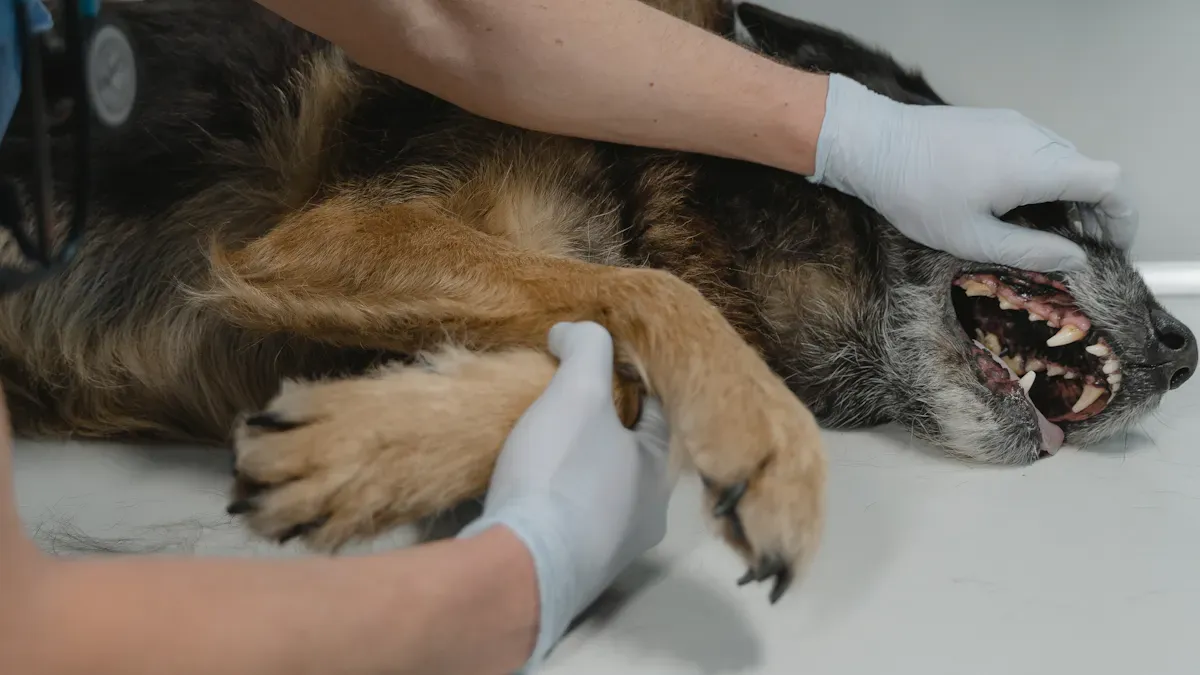
You need to check the fit of your dog protection sleeve every time you clean it. A sleeve that fits well helps protect your dog from further injury. Look for these signs of a proper fit:
The sleeve covers the injury site without gaps.
The material does not pull fur or cause irritation.
The sleeve feels breathable and water-resistant, keeping the injury clean.
You can trim the sleeve to match the wound area.
The Lick Sleeve works for both front and rear legs. For hind legs, follow the instructions to secure the sleeve. For front legs, drape the strap across the chest and use the correct side for each limb.
A sleeve that fits well stays in place and does not bunch up. Your dog should move comfortably without deep marks or folding skin.
Signs of Rubbing or Pressure
Check your dog’s skin for signs of rubbing or pressure after every cleaning. Look for redness, swelling, or hair loss near the injury. If you see a line where the sleeve pressed too hard, remove it. Your dog may limp or chew at the sleeve if it feels uncomfortable. Watch for dampness or heat under the sleeve. These signs mean the sleeve does not fit right and could make the injury worse.
Tip: If your dog shows stress or tries to remove the sleeve, stop using it and ask your veterinarian for advice.
High-Risk Moments for Skin Checks
Certain times call for extra attention to your dog’s skin and injury. Always check before bedtime, after walks, after the sleeve gets wet, after bandage changes, and after your dog chews or scratches at the sleeve. These moments increase the risk of skin problems or injury changes. Twice-daily checks help you catch issues early.
Red-Yellow-Green Safety Table: Continue, Adjust, or Stop
Use this table to decide what to do based on what you see. Safety comes first. Veterinary guidance always takes priority.
Signal Level | Observed Signs | Response |
|---|---|---|
🟢 Green | Skin dry, normal color, sleeve fits well, dog moves comfortably, injury protected | Continue routine checks |
🟡 Yellow | Mild redness, slight swelling, sleeve slipping, dog licking or chewing, injury zone damp | Adjust fit, monitor closely, consult vet if signs persist |
🔴 Red | Deep marks, heat, discharge, foul odor, bleeding, limping, repeated removal, open injury | Stop use immediately, contact veterinarian |
Note: If you see any red-level signs, remove the sleeve and call your veterinarian. Your dog’s safety depends on careful checks and quick action.
When to Stop Using Dog Sleeve Protection
Wet Sleeve and Odor Problems
You need to stop using a dog sleeve if it stays wet or starts to smell bad. Wet fabric can trap moisture against your dog’s skin. This creates a warm place for bacteria to grow. If you notice a strong odor, the sleeve may be hiding a problem under the fabric. Cleaning will not fix a sleeve that stays damp or smells foul. You should remove the sleeve right away and switch to a clean, dry one. If the problem comes back, do not keep using the sleeve. Contact your veterinarian for advice. Wet sleeves can make wounds worse and slow down healing. Always check for these warning signs during your twice-daily routine.
Note: A sleeve should never hide a worsening wound. If you see repeated wetness or odor, stop use and ask your veterinarian for help.
Signs of Infection or Wound Changes
You must watch for signs that show the wound is not getting better. Some signs mean you need to stop using the sleeve and call your veterinarian. Look for these changes:
Redness or swelling that gets worse
Yellow, green, or foul-smelling discharge from the wound
A bad smell that does not go away
Warm ears, shivering, or your dog seems tired
Loss of appetite or your dog will not eat
The wound does not heal after a few days
Your dog acts differently, like hiding or not wanting to move
If you see any of these signs, remove the sleeve and do not put it back on. Your veterinarian can help you decide what to do next. Never try to cover up a serious wound with a sleeve. Safe care means knowing when to stop and get help.
Safer Alternatives for Dog Leg Wound Protection
Sometimes, a sleeve is not the best choice for your dog. If your dog keeps chewing or removing the sleeve, or if you see repeated problems, you need a safer plan. Your veterinarian may suggest other options for targeted leg coverage and to prevent chewing and licking. Some alternatives include:
Body suits or recovery suits that cover the torso and limbs with soft, breathable fabric
Bandage wraps made from medical-grade materials for smaller wounds or frequent dressing changes
A splint for treating leg injuries when your veterinarian recommends it
First aid supplies for cleaning and protecting wounds at home
At-home splint care tips from your veterinarian for ongoing support
Always follow your veterinarian’s advice for wound care and targeted leg coverage. If you need to switch from a sleeve, ask about the best way to protect your dog’s wound and keep them comfortable.
Safety Tip: If your dog tries to chew or remove the sleeve, or if you see any warning signs, stop using the sleeve and use a safer alternative recommended by your veterinarian.
You help your dog heal by doing the same steps each day. Begin by checking the sleeve and making sure your dog feels okay. Pick the right sleeve for your dog’s wound and how your dog acts. Make sure the sleeve fits and does not slip off. Wash the sleeve every day to keep it clean and safe. Switch sleeves so your dog always has a clean one. Look at your dog’s skin and the sleeve two times each day. Write down what you see and any changes in a daily log. If you notice any problems, stop using the sleeve and call your vet. A clean sleeve that fits well helps your dog feel better and heal faster. Doing these steps every day keeps your dog safe.
Retailers, distributors, and private label teams: Sell good sleeves with clear wash directions, backup sleeve tips, warning signs, and an aftercare card. Show cleaning and when to stop using the sleeve on product pages and packages, not just comfort. Always follow your vet’s advice first.
FAQ
How often should I clean my dog’s protection sleeve?
You should clean the sleeve at least once a day. If it gets wet or dirty, wash it right away. Always let the sleeve air dry before using it again.
What should I do if my dog keeps removing the sleeve?
Check the fit and comfort. If your dog still removes it, ask your veterinarian for safer options. Do not force the sleeve if your dog feels stressed.
Can I use a dryer to dry the sleeve?
Air drying is safest. Only use a dryer if the product label says it is allowed. Heat can damage some sleeves.
When should I stop using the sleeve?
Stop use if you see redness, swelling, discharge, or a bad smell. Contact your veterinarian for advice. Your dog’s safety comes first.
Is a sleeve enough to protect a wound?
A sleeve helps protect the wound, but it does not replace medical care. Always follow your veterinarian’s instructions for wound treatment and dog recovery.
