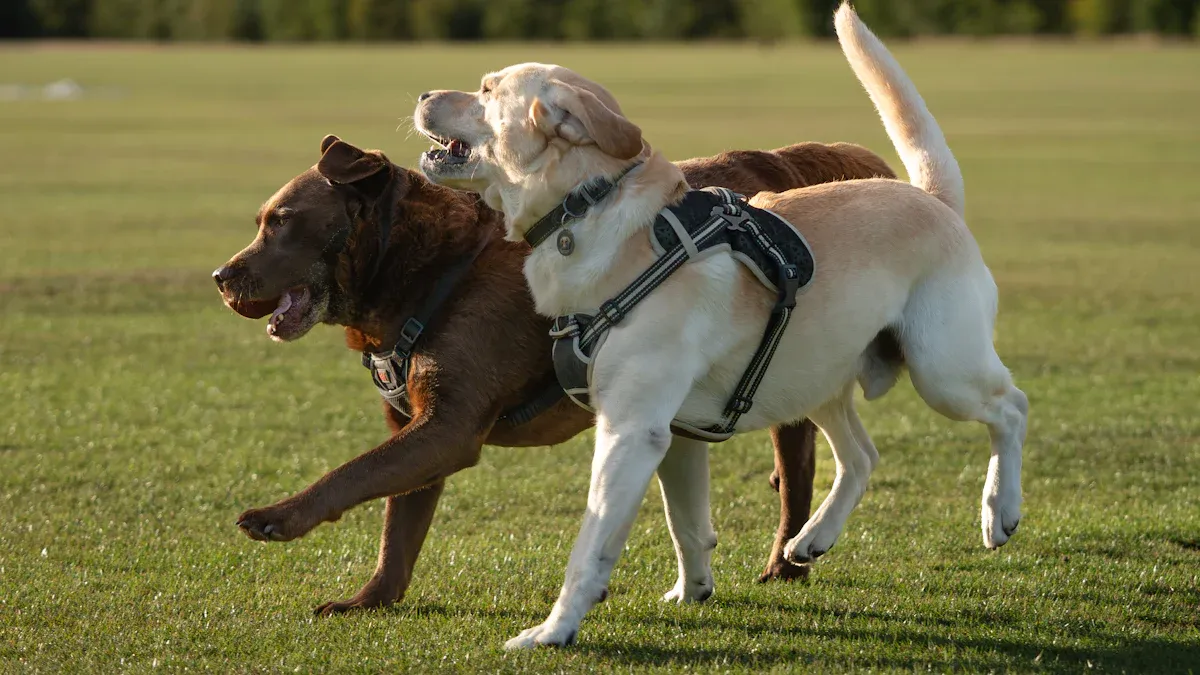

You want your dog to move easily and feel secure. Dog arthritis mobility support is essential, as arthritis can make daily life challenging for dogs. About 20% of dogs over one year old develop arthritis, which can change how your family does things. Ramps, harnesses, or carts provide crucial dog arthritis mobility support, helping your dog move better and gain independence. Families who use these aids report feeling happier, with 62% noticing an improvement in their dog’s quality of life. Always choose the right tool for your dog, ensuring it fits well and is safe. Veterinary teams play a vital role in providing joint support and pain control, guiding you on rehabilitation. You can help your dog move better at home by ensuring that therapy is safe and consistent.
Key Takeaways
Pick the best mobility aids for your dog. Ramps, harnesses, and traction socks help your dog move safely and feel better. Watch your dog’s actions and how they walk. Notice if your dog seems hurt or moves differently. Talk to your veterinarian if you see anything strange. Make your home safe for your dog. Put down rugs and mats so your dog does not slip. Use ramps or stairs so your dog can reach favorite places easily. Keep a regular movement routine. Take short, easy walks and do gentle exercises to help your dog stay active and hurt less. Watch your dog’s weight and what they eat. A healthy weight makes your dog’s joints feel better and helps them live a happier life.
Quick Reference Card: dog arthritis mobility support essentials
Helping dogs with arthritis move better needs many steps. You can help by using home traction, safe ways to handle your dog, a daily movement plan, and the right gear. Always listen to your veterinarian and use these tools to keep your dog safe and comfortable.
Mobility Support Decision Table
Problem You See | Best Support Tool | How to Use Safely | Common Mistakes |
|---|---|---|---|
Slipping on floors | Traction socks, rugs | Put rugs where your dog walks, check fit every day | Forgetting to check often |
Trouble standing up | Rear or full-body harness | Lift slowly, support hips and chest | Pulling too hard, wrong size |
Stairs/car transfers | Ramps, harness | Use ramps that do not slip, move slowly | Ramps too steep, moving too fast |
Long walks fatigue | Shorter, frequent walks | Walk 10–15 minutes, twice a day, check each month | Walking too far, not regular |
Sore hips | Use thick beds that help joints | Beds too thin, bad spot |
Mobility aids make things easier for you and your dog. They help you handle your dog safely but do not take the place of a vet visit or pain plan.
Red Flags vs Normal Arthritis Days Table
Sign | Green: Monitor/Log | Yellow: Call Your Vet | Red: Urgent Evaluation |
|---|---|---|---|
Sudden inability to rise | ✔ | ||
Sudden worsening lameness | ✔ | ||
Repeated falls | ✔ | ||
New knuckling/dragging | ✔ | ||
Major behavior change | ✔ |
Home Setup Checklist
Use beds that help joints
Add ramps or stairs for furniture
Raise dog bowls for easy eating
Use traction aids like grips, boots, or rugs
Make sure the dog door is easy to use
Watch your dog near stairs and pools
Do not bump or knock over your dog
Math Example:
If your dog weighs 50 lb, losing 0.5–1.0 lb each week is safe (1–2% per week).
Simple Tracking Checklist:
Check your dog’s comfort every day
Write down walks and play time
Watch for new problems
Weigh your dog every week
Dog arthritis mobility support: what changes
Pain, Weakness, and Slipping
When your dog gets arthritis, you will see changes. These changes can affect how your dog moves and acts. You might notice your dog does not play as much. Your dog may feel stiff after resting. Sometimes your dog limps or has trouble walking. Jumping onto furniture can be hard. Walks may make your dog tired fast. Your dog might eat or sleep differently. You may see your dog shift weight between legs. Some dogs growl or cry when touched.
Dogs with arthritis move less and avoid stairs. They may not like slippery floors. Your dog might sleep in new spots or have trouble getting comfy. These signs mean your dog feels pain or is weak. Slipping on smooth floors can make things worse. You can help by putting rugs or traction socks in your home.
Support Layers for Dogs with Arthritis
You need to use many kinds of support to help your dog. Every dog needs something different. A good plan uses these steps:
Support Layer | What It Does |
|---|---|
Tailored rehabilitation | Makes your dog stronger and helps joints move better |
Makes your home safer and easier for your dog | |
Specific exercise regimens | Keeps muscles strong and stops more weakness |
Veterinarians say you should pick tools that fit your dog. Ramps help with stairs. Harnesses help you lift your dog. Mobility aids make it easier for you to help your dog. These tools do not replace a vet check or pain plan. You should check each device often to keep your dog safe. A custom plan helps your dog stay active and happy.
Tip: Write down any changes you see in your dog. Share this with your veterinarian to help your dog get the best care.
When to seek veterinary help
Sudden Changes or New Symptoms
You should watch your dog for new changes. Some signs mean you must call your veterinarian right away. These signs show your dog needs help fast, not just more support at home. Check the table below to see which problems need quick action:
Clinical Sign | Description |
|---|---|
Severe pain | Your dog looks very uncomfortable or cries out |
Loss of balance | Your dog cannot stand or keeps falling |
Paralysis | Your dog cannot move one or more legs |
Loss of bladder or bowel control | Your dog cannot control peeing or pooping |
If you see any of these signs, do not wait. Call your veterinary team for advice. Acting fast can help your dog feel better and stop more problems.
Other changes are important too. If your dog limps more, falls a lot, or acts very different, call your veterinarian soon. These changes can mean your dog’s arthritis is worse or something else is wrong.
What to Document Before Calling
Before you call your veterinarian, write down what you see. Good notes help your veterinary team know how your dog is doing and plan the best care. You can use this checklist:
Symptoms you notice in your dog
How long the problem has lasted
Treatments you have tried and what happened
Any changes in your dog’s behavior or movement
Times when your dog seems better or worse
Past or current injuries
Writing these details gives your veterinarian a clear idea. This helps them decide if your dog needs new pain control, more rehab, or a new type of dog arthritis mobility support. Remember, mobility aids can make things easier and help you handle your dog safely, but they do not take the place of a vet check or pain plan.
Tip: Use a notebook or your phone to track changes. Share this with your veterinary team at every visit.
Home changes for dogs with arthritis

Floor Traction and Slip Prevention
You can help your dog move safely by improving floor traction. Dogs with arthritis often slip on smooth surfaces because their paw pads do not grip well indoors. Slipping can cause pain and make your dog afraid to walk. You can cover slick floors with rugs or mats. Place these where your dog walks most. Choose mats with non-slip backing to give extra support. Add non-slip treads to stairs for more grip. These changes help your dog feel secure and reduce the risk of falls. Preventing slips supports your dog’s mobility and comfort every day.
Stairs, Beds, and Car Transfers
Many dogs struggle with stairs and ramps as arthritis progresses. You can install ramps with non-slip surfaces to help your dog move up or down safely. Block off steep stairs to stop your dog from jumping or falling. Use a harness to guide your dog and provide balance during transfers. Orthopedic beds with memory foam or egg crate foam relieve joint pressure. Make sure beds have non-slip bottoms so they stay in place. Place beds in quiet spots where your dog can rest and recover. These steps support rehabilitation and make daily life easier for your dog.
Home Setup Checklist
Use this checklist to create a safe space for your dog:
Cover slippery floors with rugs or mats.
Add non-slip treads to stairs and ramps.
Install ramps for easy access to furniture or cars.
Block off unsafe areas to prevent jumping.
Use orthopedic beds with non-slip bottoms.
Place water and food bowls at a comfortable height.
Supervise your dog near stairs and pools.
Check all aids for fit and safety often.
Tip: Mobility aids reduce strain on your body and help you handle your dog safely. They do not replace a veterinary assessment or a pain-control plan. Always match the tool to your dog’s needs and check for proper fit and non-slip support. Maintaining balance and comfort at home helps your dog stay active and happy.
Choosing assistive devices for dogs
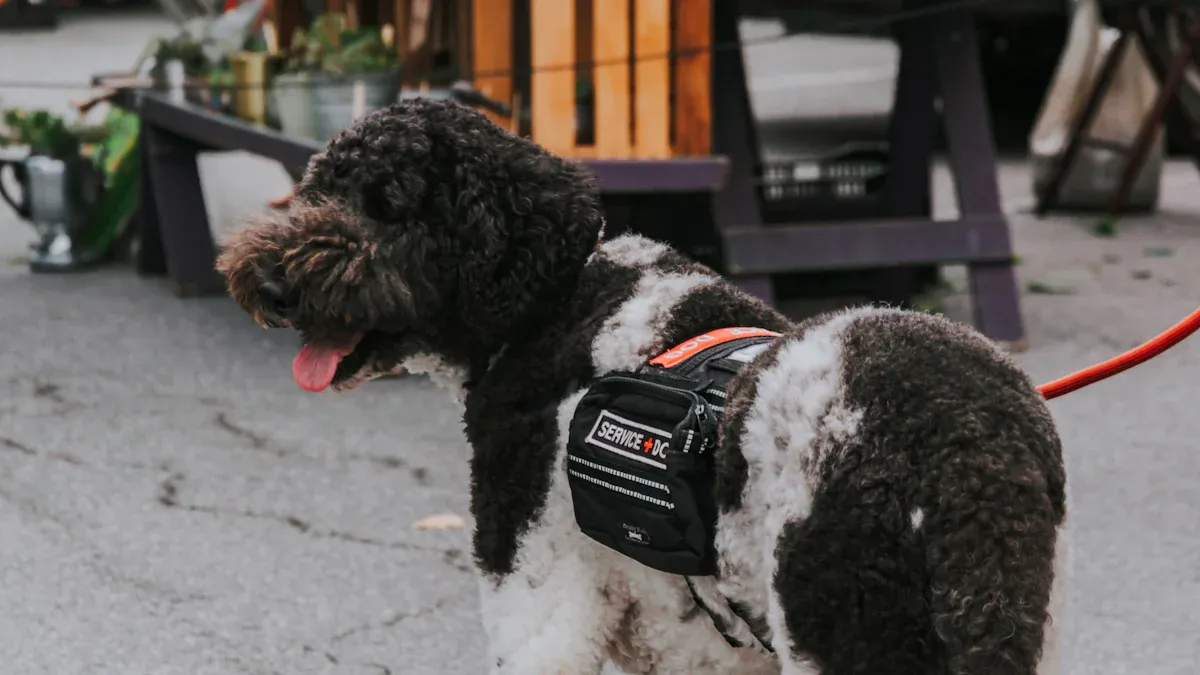
Choosing the right assistive devices for dogs with arthritis helps you support your dog’s mobility, comfort, and independence. You want to match each device to your dog’s needs and check for a proper fit. Always focus on safety and comfort. Mobility aids can make daily care easier for you and your dog, but they do not replace a veterinary assessment or a pain-control plan.
Support Gear Comparison Table
You can compare different types of support gear using the table below. This helps you see which device fits your dog’s needs and what to watch for during use.
Device Type | Best For | Risks if Misused | Skin-Check Routine | Notes on Use |
|---|---|---|---|---|
Rear Sling | Dogs with weak back legs | Skin abrasions, pressure sores | Check skin after each use | Use for short lifts, not long walks |
Full-Body Lift Harness | Dogs needing full support | Restricts movement if too tight | Inspect under straps daily | Adjust fit for balance and comfort |
Traction Socks/Boots | Slipping on smooth floors | Loss of circulation, sores | Remove daily, check paws | Use non-slip soles, keep clean |
Ramps/Steps | Navigating stairs and cars | Falls if too steep or unstable | Check paws after use | Place on flat, stable surfaces |
Optional Joint Support | Added stability (braces) | Rubbing, improper alignment | Check skin under brace daily | Use only with veterinary guidance |
Tip: Always check your dog’s skin under any assistive device. Look for redness, sores, or hair loss. Early checks prevent bigger problems.
Rear, Front, and Full-Body Harnesses
Harnesses give you a safe way to help your dog stand, walk, or climb stairs. You can choose from rear, front, or full-body harnesses. Each type supports different parts of your dog’s body. Rear harnesses help dogs with weak back legs. Front harnesses support the chest and shoulders. Full-body harnesses give support to both ends and help with balance.
When dogs struggle to stand up due to joint pain, you want to do everything you can to help them feel safe, supported, and mobile again.
You must make sure the harness fits well. A good harness does not put pressure on your dog’s joints. It should not restrict your dog’s natural gait. If your dog pulls on walks, a proper fit becomes even more important. Poorly made harnesses can cause pain or injury. The Freedom No Pull harness, for example, provides added support and comfort for dogs with arthritis or amputations, reducing the risk of injuries that can occur with poorly fitted harnesses.
To ensure your dog’s harness is safe, it must fit correctly on the correct joints of their body. If your pet is a ‘puller’ on leash walks, it is especially important that the harness fits properly to avoid joint damage.
Check the harness every day for signs of rubbing or sores. Adjust the straps as needed. If you see any skin problems, stop using the harness and talk to your veterinarian.
Traction Socks, Boots, and Paw Protection
Dogs with arthritis often slip on smooth floors. Traction socks, boots, and paw protection help your dog walk safely. These aids give extra grip and prevent falls. You should choose non-slip socks or boots that fit your dog’s paws. Make sure they do not squeeze too tightly. Remove them daily to check your dog’s skin and nails.
Some dogs need time to get used to wearing socks or boots. Start with short sessions. Watch for signs of discomfort or chewing. Keep the socks or boots clean and dry. Replace them if they wear out. Good paw protection helps your dog move with confidence and reduces the risk of injury.
Measuring and Fitting Assistive Devices
You want to measure your dog before buying any assistive device. Use a soft tape measure to check your dog’s chest, waist, and leg length. Write down the numbers and compare them to the size chart for each product. A good fit keeps your dog safe and comfortable.
Here are some practical tips for introducing and fitting assistive devices at home:
Place the new device, like a wheelchair or harness, in a familiar area. Let your dog sniff and explore it.
Practice putting the harness or socks on and off. Use treats to make it a positive experience.
Start with short sessions. Watch your dog’s movement and comfort.
Check your dog’s skin after each use. Look for redness, sores, or hair loss.
Adjust the fit as your dog moves or changes weight.
For wheelchairs, assemble the device and let your dog try it for a few minutes. Gradually increase the time as your dog gets used to it.
Take short daily walks with the device. This helps your dog adjust and builds confidence.
Complication Type | Description |
|---|---|
Skin Complications | Abrasions, open sores, loss of hair, etc., most likely occurring within the first 2 to 3 months. |
Mechanical Device Issues | Problems requiring repair by veterinarians or manufacturers. |
Patient Non-Acceptance | Resistance to using the device, especially common in patients with partial disabilities. |
You should check for these problems often. Early action keeps your dog safe and happy. If your dog resists using a device, talk to your veterinary team about other options.
Mobility aids reduce strain on your body and help you handle your dog safely. They do not replace a veterinary assessment or a pain-control plan. Always match the tool to your dog’s needs and check for proper fit and non-slip support. Custom solutions may be needed for some dogs, especially during rehabilitation.
Movement routines for dogs with arthritis
Movement Plan Template
You can help your dog stay active with a simple plan. Pick activities that your dog can do easily. Write down your plan and change it if your dog needs something different. Here is a basic template you can use:
Daily Walks: Take your dog on two short walks each day. Each walk should last about 10 to 15 minutes. Always use a leash.
Passive Range-of-Motion (PROM) Exercises: Move your dog’s joints gently. Do this for a few minutes every day.
Low-Impact Play: Play gentle games with toys. Do not let your dog jump or run.
Rest Breaks: Let your dog rest between activities.
Tip: Keep notes about your dog’s energy and comfort in a notebook. Show these notes to your veterinary team at checkups.
Low-Impact, Consistent Activity
Choose gentle activities to protect your dog’s joints. Walking every day helps your dog stay at a healthy weight. It also makes muscles stronger. Swimming or hydrotherapy lets your dog move without hurting their joints. These activities help joint fluid move better. They can slow down arthritis symptoms. Dr. Laurie Brush says regular, gentle exercise lowers pain. It helps dogs enjoy life more. Studies show dogs who exercise daily have less trouble walking.
Do not let your dog run, jump, or play rough. These things can make arthritis worse. Pick gentle walks, swimming, and passive exercises instead. Doing short sessions often is better than long, tiring ones.
Warm-Up, Cool-Down, and Flare-Up Rules
Keep your dog safe by adding warm-ups and cool-downs. Start each activity with slow walking or gentle stretching. This gets your dog’s muscles and joints ready. End with easy walking to help your dog relax.
Use this table to pick safe activities:
Dos (Safe Exercises) | Don’ts (Exercises to Avoid) |
|---|---|
Leash walking | Jumping, running, rough play |
Swimming or hydrotherapy | Overexertion |
Passive joint exercises | Ignoring signs of pain |
Balancing exercises | |
Targeted strengthening |
If your dog limps, feels pain, or gets tired, stop the activity. Let your dog rest and call your veterinarian if problems do not go away. Movement routines are important for dog arthritis mobility support and rehabilitation. They help your dog stay active, safe, and comfortable.
Weight and treats: long-term support
Weight and Treats Mini-Guide
You can help your dog with arthritis by managing weight and treats every day. Keeping your dog at a healthy weight improves quality of life and prevents more joint damage. When your dog stays lean, you reduce strain on joints and make movement easier. You also lower pain and help your dog enjoy daily activities.
A healthy weight supports easier mobility and less pain.
Weight loss, a balanced diet, and regular exercise can slow arthritis progression.
Carrying extra weight increases health risks and can make arthritis worse.
Keeping your dog lean helps with overall health and longevity.
Treats are part of your dog’s routine, but you need to limit them. The 90/10 rule says treats should be no more than 10% of your dog’s daily calories. For example, if your dog needs 800 calories a day, treats should not go over 80 calories. This helps prevent weight gain and keeps your dog’s nutrition balanced.
Why Small Changes Matter
Small changes in your dog’s diet can make a big difference. You can choose foods made for joint health. Many of these foods have omega-3 fatty acids, glucosamine, and chondroitin. These nutrients help fight inflammation and support joint function. You can add fish oil, lean meats, or even turmeric to your dog’s meals after talking to your veterinarian.
Maintain a healthy weight to reduce pressure on joints.
Add omega-3s from salmon or sardines to fight inflammation.
Use high-quality protein to support muscle mass.
Consider supplements like glucosamine or algae-based omega-3s.
These steps help your dog move better and feel more comfortable during rehabilitation.
Feeding Habits and Progress
You should track your dog’s feeding habits and progress. Weigh your dog weekly and write down any changes. Watch for signs of weight gain or loss. Adjust food portions as needed. Use a measuring cup for accuracy. Share your notes with your veterinary team at each visit.
Habit to Track | Why It Matters |
|---|---|
Weekly weigh-ins | Shows progress and helps set goals |
Portion control | Prevents overfeeding and weight gain |
Treat limits | Keeps calories in check |
Food type and changes | Helps monitor joint health and comfort |
Mobility aids reduce strain and help you handle your dog safely. They do not replace a veterinary assessment or a pain-control plan. Always match the tool to your dog’s needs and check for fit and safety.
Comfort tools: cold and heat for arthritis
You can use cold and heat therapy to help your dog feel more comfortable during arthritis flare-ups or daily care. These tools support your dog’s mobility and make rehabilitation easier at home. Cold and heat each have a special role in dog arthritis mobility support.
Using Cold and Heat Safely
Cold therapy works best when your dog has swelling, pain, or a new injury. You can use an ice pack wrapped in a towel for 15 to 20 minutes. This helps reduce inflammation and pain. Studies show that cold therapy can lower swelling by slowing down cell activity. It is most helpful during the first 48 hours after a flare or injury.
Heat therapy helps when your dog feels stiff or sore from chronic arthritis. You can use a warm towel or heating pad on the lowest setting. Always test the heat on your wrist first. Heat increases blood flow and relaxes muscles, which can make movement easier. Use heat for 15 to 20 minutes, checking your dog’s skin every 5 minutes.
Never place ice or heat directly on your dog’s skin. Always use a towel or cloth as a barrier.
Therapy Type | When to Use | How to Apply Safely | Do Not Use If… |
|---|---|---|---|
Cold | Swelling, new pain, flare | Ice pack in towel, 15–20 min, check skin | Open wounds, infection present |
Heat | Stiffness, chronic pain | Warm towel/pad, 15–20 min, check skin often | Inflamed joints, active flare |
If you feel unsure about which therapy to use, ask your veterinarian for advice.
Skin-Check and Stop Rules
You must check your dog’s skin every 5 minutes during therapy. Look for redness, swelling, or any sign of discomfort. Stop right away if you see any problem. Do not use cold or heat over open wounds or areas with infection. Never let your dog lie directly on a heating pad or blanket.
Test all heat sources on your wrist before use.
Make sure your dog can move away from the therapy tool at any time.
Use padding between the device and your dog’s skin.
Limit each session to 15–20 minutes.
Mobility aids reduce strain and help you handle your dog safely. They do not replace a veterinary assessment or a pain-control plan. Always match the tool to your dog’s needs and check for fit and safety.
If you notice any unusual reaction or your dog seems uncomfortable, stop the therapy and contact your veterinarian. Careful use of cold and heat can add comfort and support your dog’s rehabilitation plan.
You can help your dog with arthritis by picking the right tools. Make smart changes at home to help your dog move. Use ramps, harnesses, and support slings for safer movement. Watch your dog for limping or stiffness. Notice if your dog acts different or seems sad. Change your dog’s routine if you see new problems. Go to the vet often for checkups and rehab. Mobility aids make things easier for you and your dog. Always follow your veterinarian’s plan for care. Your attention helps your dog feel better and stay happy.
FAQ
What is the safest way to help my dog use a ramp?
You should place the ramp on a flat surface. Check for non-slip material. Guide your dog slowly. Watch for signs of fear or pain. Always supervise your dog during use.
How often should I check my dog’s harness or socks for fit?
Check the fit every day. Look for redness, sores, or hair loss. Adjust straps if needed. Remove socks or boots daily to inspect paws. Good fit prevents injury and keeps your dog comfortable.
Can mobility aids replace veterinary care for arthritis?
Mobility aids help you handle your dog safely and reduce strain. They do not replace a veterinary assessment or a pain-control plan. Always consult your veterinarian for ongoing care.
What should I do if my dog resists using a new device?
Start with short sessions. Use treats to encourage your dog. Let your dog sniff and explore the device. If resistance continues, talk to your veterinarian for advice or alternative options.
How do I know if my dog’s arthritis is getting worse?
Watch for new limping, trouble standing, repeated falls, or major behavior changes. Write down these signs. Share your notes with your veterinarian. Early action helps keep your dog safe.