
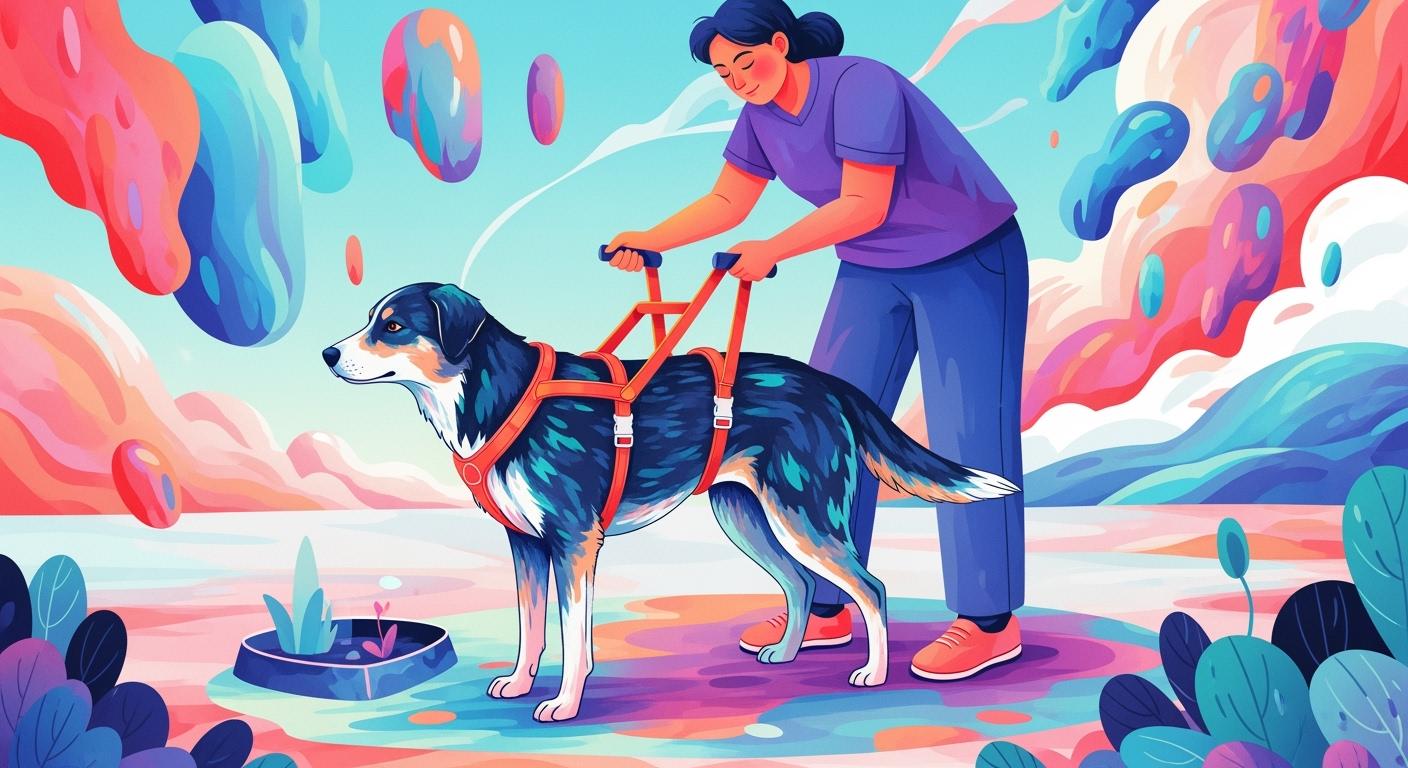
You want your dog to feel good during potty breaks. A dog rear lift harness for potty breaks helps you hold up your dog’s back legs without picking up too much weight. Your veterinarian’s plan is more important than general timelines. Always check if the harness fits before every use. Your veterinarian’s plan is more important than general timelines. Be gentle when you handle your dog.
Key Takeaways
Use a rear lift harness to support your dog’s back legs during potty breaks. This helps prevent slips and keeps your dog steady.
Always check the harness fit before each use. A proper fit ensures safety and comfort for your dog.
Follow a routine of short, controlled potty trips. Limit each trip to five minutes to help your dog recover safely.
Potty breaks and rear leg risks

Slips and squatting challenges
You need to watch your dog closely during bathroom trips. Dogs with weak rear legs often slip on wet grass, icy sidewalks, or smooth floors. A single slip can slow down recovery or cause new injuries. You can help your dog by laying runners on slick paths and blocking access to high furniture. Squatting puts extra stress on your dog’s back legs. If your dog loses balance, they may fall or twist. Using a rear lift harness gives your dog support under the abdomen or back legs. This support helps your dog stay steady while squatting and reduces the risk of falls.
Your veterinarian’s plan overrides general timelines.
Why short, controlled trips matter
Short, controlled trips protect your dog’s legs. Most veterinarians recommend leash-only potty breaks under five minutes for the first few days. You should continue gentle support for your dog during weeks one and two. Controlled walks and gentle exercises start in weeks three and four. Keeping trips short lowers the chance of slips and lets your dog rest between outings. You should follow the 5-minute, 4-times-a-day routine for safe recovery.
How gear prevents setbacks
Support gear like a rear lift harness helps your dog maintain balance. The harness lets your dog stand and squat without carrying all their weight. You do not need to lift your dog completely. Instead, you support their rear legs just enough to prevent sudden lunges or falls. This method keeps your dog safe and comfortable. Always check the harness fit before each trip. Your veterinarian’s plan overrides general timelines.
Dog rear lift harness for potty breaks: daily decision table
Step 1: Confirm today’s goal is bathroom only. Use this table to pick the right support level for your dog’s bathroom trip. Your veterinarian’s plan overrides general timelines.
Criteria | 🟢 Green: Light Support | 🟡 Yellow: Needs More Help | 🔴 Red: Call the Vet |
|---|---|---|---|
Ability to stand | Stands up alone | Needs help to stand | Cannot stand or collapses |
Slipping risk | Steady on feet | Wobbly, slips sometimes | Falls or drags legs |
Ability to squat | Squats with little help | Needs steady support | Cannot squat, cries out |
Pain or distress | Calm, no signs | Mild discomfort | Obvious pain or panic |
Caregiver can assist safely | One person can help | May need two people | Unsafe for one person |
You should check your dog’s age, breed, size, health, and behavior before each trip. Puppies and small dogs may need more frequent breaks. Large dogs over 40 lb need two people for safe lifting with a dog lift harness. Always follow the “support, don’t suspend” rule. You should not carry all your dog’s weight with the harness. Instead, use the dog lift harness to help your dog balance and move safely.
If your dog stands and squats with little help, light support is enough. If your dog feels wobbly or slips, give more help with the harness. If your dog cannot stand or collapses, call your veterinarian right away. Your veterinarian’s plan overrides general timelines.
Green: light support is enough
You see your dog stand up and walk with little help. Use the dog lift harness for gentle support. Hold the harness to steady your dog during squatting. Watch for any changes in balance or comfort.
Yellow: wobbly, needs more help
Your dog feels unsteady or slips sometimes. Use the dog lift harness for extra support. You may need to help your dog stand and guide them during the trip. If your dog weighs over 40 lb, ask another person to help you lift safely.
Red: collapsing, call the vet
Your dog cannot stand, collapses, or shows pain. Do not try to lift your dog alone. Use the dog lift harness only if your veterinarian says it is safe. Call your veterinarian for advice before the next trip.
Dog lift harness vs sling: choosing support gear
Choosing the right harness for your dog can make bathroom trips safer and easier. You want to match the support to your dog’s needs. Your veterinarian’s plan overrides general timelines.
When a sling is enough
A sling wraps gently around your dog’s abdomen. You use it for dogs who need mild support after surgery or injury. The sling avoids contact with healing wounds on the knee or hip. You get more control than using a towel or scarf. If your dog can stand but wobbles, a sling helps steady them. You should check the fit before each use.
When a rear lift harness is better
A rear lift harness supports your dog’s back legs. You use it for dogs with progressive mobility conditions or those who need more help standing and squatting. The harness lets you lift the rear without carrying all the weight. You follow the “support, don’t suspend” rule. If your dog weighs over 40 lb, you need two people for safe lifting. Your veterinarian’s plan overrides general timelines.
When to use a full-body harness
A full-body harness supports both the front and back of your dog. You use it for dogs with weakness in all four legs or those recovering from major surgery. The harness gives you complete control and helps prevent falls. You should check for rubbing or discomfort and adjust the fit as needed.
Tip: Always check the harness fit before each trip. Safety comes first.
Product | Best for | Limits | Fit risks | When to upgrade |
|---|---|---|---|---|
Rear lift harness | Rear leg weakness | Not for front leg issues | Rubbing, twisting | If dog needs full-body support |
Rear sling | Mild support, post-surgery | Less control | Slips off easily | If dog needs more lift |
Full-body lift harness | Weakness in all legs | Bulky, harder to fit | Pressure points | If dog gains strength |
Traction socks | Slippery surfaces | Not for outdoor use | Falls off | If dog slips outside |
Recovery suit/cone | Prevents licking wounds | No lifting support | Restricts movement | If dog needs mobility support |
How to use a dog lift harness safely
Helping your dog stay safe and comfortable during bathroom trips starts with the right fit and handling. You want to know how to use a dog lift harness so your dog feels secure and you avoid injury. Follow these steps and tips to make every trip outside easier for both of you.
Proper fit and placement
A good fit keeps your dog safe and prevents slipping or pinching. Always measure your dog before you buy a harness. Check the chest girth, neck size, and weight. Do not guess the size or buy by color. Each brand fits differently.
Step-by-step fitting guide:
Loosen all straps before you put the harness on your dog. This helps your dog stay calm.
Place the harness so it cradles your dog’s hips, not the belly or neck.
Adjust the straps for a snug fit. You should fit two fingers between the harness and your dog’s fur.
Check that the harness sits low on the chest and does not press on the throat.
Test the fit by walking your dog a few steps. The harness should not shift, rub, or twist.
Inspect the harness for frayed straps or cracked buckles before each use.
Tip: Always support your dog’s balance. Do not suspend or carry all their weight. Move slowly and keep your dog’s steps straight. Avoid sharp turns and sudden movements.
Quick adjustments for male/female dogs
You may need to take your dog out late at night or in a hurry. Many harnesses have features that help you adjust quickly for male and female dogs. Some harnesses, like the Help ‘Em Up Harness, have full clearance so your dog can urinate or defecate without removing the harness. Others, such as the CareLift Support Harness, include a removable protection shield for male dogs. This shield can be taken off for urination and put back on for walking.
If your male dog needs to urinate, gently reposition the harness or remove the shield for a moment. After your dog finishes, re-support the hips before walking back inside. For female dogs, check that the harness does not block the area needed for squatting.
Your veterinarian’s plan overrides general timelines.
Preventing rubbing and discomfort
Comfort matters for every dog. Look for harnesses with soft, premium materials and extra padding. Some designs use a patented hip lift that supports from underneath, which reduces strain on joints. Harnesses with many adjustment points, like those with 11 settings, let you create a custom fit for your dog’s shape.
Feature | Benefit |
|---|---|
Patented hip lift | Lifts from underneath, less strain on joints |
11 adjustment points | Personalized fit, less chance of rubbing |
Premium materials | Durable and soft, prevents skin irritation |
Check your dog’s skin after each trip. If you see redness or hair loss, adjust the harness or add a soft liner. Never tighten the harness too much. Over-tightening can cause pain and limit movement. Replace worn or damaged harnesses right away.
Note: Your veterinarian’s plan overrides general timelines. Always ask your vet if you see new swelling, sores, or pain.
Simple rules for every trip
Support your dog’s balance, do not suspend their weight.
Keep movement slow and straight.
Avoid sharp turns and sudden steps.
For male dogs, reposition the harness briefly for urination, then re-support for walking.
Using these steps and tips, you can help your dog stay safe and comfortable during every bathroom break.
Potty break routine checklist
Having a routine helps you care for your dog. You want each bathroom trip to be safe and easy. Your veterinarian’s plan is always most important.
5-minute trip rule
Keep bathroom trips short for your dog. Five minutes is the best limit after surgery or injury. Short trips stop your dog from getting too tired. This lowers the chance of slipping or falling. Your dog gets enough time to go potty without rushing. Always check if the harness fits before going outside.
4-times-a-day schedule
A set schedule helps your dog heal. Four bathroom breaks each day give your dog gentle movement. This stops your dog from doing too much and lets them rest. Dogs with rear leg injuries should not walk far. Use the harness every time to help your dog’s legs. Your veterinarian’s plan is always most important.
Printable Potty Break Routine Checklist
Step | Details |
|---|---|
Trip length | 5 minutes per trip |
Frequency | 4 times per day |
Total outdoor time | 5 x 4 = 20 minutes per day |
Harness fit check | Before every trip |
Support level | Adjust as needed |
Team-lift for large dogs | Over 40 lb, use two people |
Indoor transitions and safety
Help your dog get used to the harness inside first. Start with short times wearing it. Give treats and praise to your dog. Make sure you can fit two fingers under the harness. Practice wearing the harness indoors before going outside. Use toys to help your dog feel calm. Keep the same routine every day. Be patient while your dog learns. Always help your dog stay balanced when moving.
Tip: Safety is most important. Your veterinarian’s plan is always most important.
Traction and anti-lick add-ons
Traction socks and paths
You want your dog to feel steady on every surface. Dogs with weak rear legs often slip on hardwood floors or tile. Slipping can cause pain and slow recovery. You can use traction socks or grippy paths to help your dog walk safely. Many owners have seen their dog move better after using ToeGrips. Some report that their dog, who once limped, now walks with confidence. Others say their older dog became playful again after wearing these grips. Dogs with arthritis have used ToeGrips to walk across slippery floors without falling. Walkee Paws also help prevent slips and protect your dog’s paws indoors.
ToeGrips improve your dog’s grip on smooth floors.
Walkee Paws add traction and keep your dog’s feet clean.
Traction socks help your dog stand and sit without sliding.
Tip: Always check the fit of traction socks before each use. Your veterinarian’s plan overrides general timelines.
Recovery suits and cones
You want to stop your dog from licking wounds or chewing at stitches. Recovery suits cover your dog’s body and protect healing areas. Cones, also called e-collars, keep your dog from reaching sore spots. Both tools help your dog heal faster and avoid infection. Choose a suit or cone that fits your dog’s size and shape. Make sure your dog can breathe, eat, and drink easily.
Add-on | Purpose | When to Use |
|---|---|---|
Recovery suit | Covers wounds, prevents licking | After surgery or injury |
Cone (e-collar) | Blocks access to wounds | When licking is a problem |
Note: Your veterinarian’s plan overrides general timelines.
When more lift is needed
Sometimes your dog needs extra help. If your dog cannot support their back legs or collapses, you need a rear lifting harness. This harness lets you help your dog stand and move safely. For dogs with severe weakness, a dog wheelchair can give support and help your dog stay active. You want your dog to feel secure and comfortable during every trip outside. Always ask your veterinarian if you are unsure about your dog’s needs.
Use a rear lifting harness if your dog cannot stand on their own.
Try a dog wheelchair for ongoing rear leg weakness.
Get help from another person for large dogs.
Potty support kit for owners and clinics
A complete potty support kit helps you care for your dog during recovery. You want every bathroom trip to be safe and comfortable. Clinics and owners can use a kit that includes a harness, traction aids, and anti-lick tools.
Bundle: harness, traction, anti-lick
You need a harness that fits your dog’s size and shape. Traction socks help your dog walk on slippery floors. Anti-lick suits or cones protect wounds and stitches. A good kit includes:
Traction socks or pads for grip
Recovery suit or cone for wound protection
Your veterinarian’s plan overrides general timelines.
Fit-check script for staff
Staff should follow a simple script to check the harness fit for every dog. You can use these steps:
Choose a harness that matches your dog’s breed and activity level.
Adjust the harness so it fits snugly but allows movement.
Clip all buckles securely.
Check your dog’s neck and chest for irritation.
Attach a leash for control during walks.
A proper fit keeps your dog safe and prevents discomfort.
Safety for large dogs
Large dogs need extra safety steps. You should use restraint equipment like harnesses and wraps. One person should control the dog’s head while another supports the body. Always lift dogs over 40 lb with two people. Avoid twisting your spine when lifting. Dogs may move suddenly, so keep safety first. Wear protective gear if needed. Sedation may be necessary for some dogs. Your veterinarian’s plan overrides general timelines.
Tip: Always use a two-person assist plan for frequent lifting of dogs over 40 lb.
Troubleshooting and top mistakes
Top 12 mistakes list
You want to avoid common errors when helping your dog with a harness during potty breaks. Here are the top mistakes owners make:
Lifting your dog’s rear too high with the harness.
Twisting your dog’s body on sharp turns.
Skipping traction socks on slippery floors.
Using a harness that is too big or too small.
Leaving wet harness fabric on your dog’s skin.
Not checking the harness fit before each trip.
Forgetting to support your dog’s balance, not just lift.
Rushing your dog outside without calm handling.
Ignoring signs of discomfort or skin irritation.
Using the harness for long walks instead of short trips.
Not asking for help with large dogs over 40 lb.
Failing to follow your veterinarian’s plan.
Your veterinarian’s plan overrides general timelines.
Troubleshooting common issues
If your dog slips, check the harness fit and add traction socks. For twisting, guide your dog in straight lines and avoid sudden turns. If your dog refuses the harness, practice indoors with treats and praise. For caregiver back pain, use team-lift for dogs over 40 lb and keep your back straight. Always inspect the harness for damage before use. If your dog shows pain or collapses, call your veterinarian.
Your veterinarian’s plan overrides general timelines.
FAQ block
Can my dog urinate and defecate while wearing the harness?
Yes. The harness design gives clearance for both male and female dogs. Most dogs can potty without removing the harness.
How do I know if the harness fits my dog?
You should fit two fingers between the harness and your dog’s body. The harness should not twist or rub.
What if my dog refuses to walk with the harness?
Practice indoors first. Use treats and gentle encouragement.
Should I use the harness for long walks?
No. Use the harness for short, controlled bathroom trips.
What if my dog weighs over 40 lb?
Always use two people for lifting and support.
How often should I check the harness for damage?
Inspect the harness before every trip.
What should I do if my dog’s skin looks red or irritated?
Adjust the harness or add padding. Contact your veterinarian if irritation continues.
You help your dog get better by using a harness each time they go to the bathroom. Your veterinarian’s plan is always more important than general advice. Practice putting on and using the harness until your dog feels safe. The harness holds up your dog’s legs, lowers stress, and stops falls. Your veterinarian’s plan is always more important than general advice.
A harness helps your dog walk up stairs and on slippery floors.
The harness makes your dog feel braver and more relaxed.
Using the harness the right way helps your dog get stronger and less tired.
With the right harness and routine, your dog can join family fun.
You help your dog move better and feel happier.
