
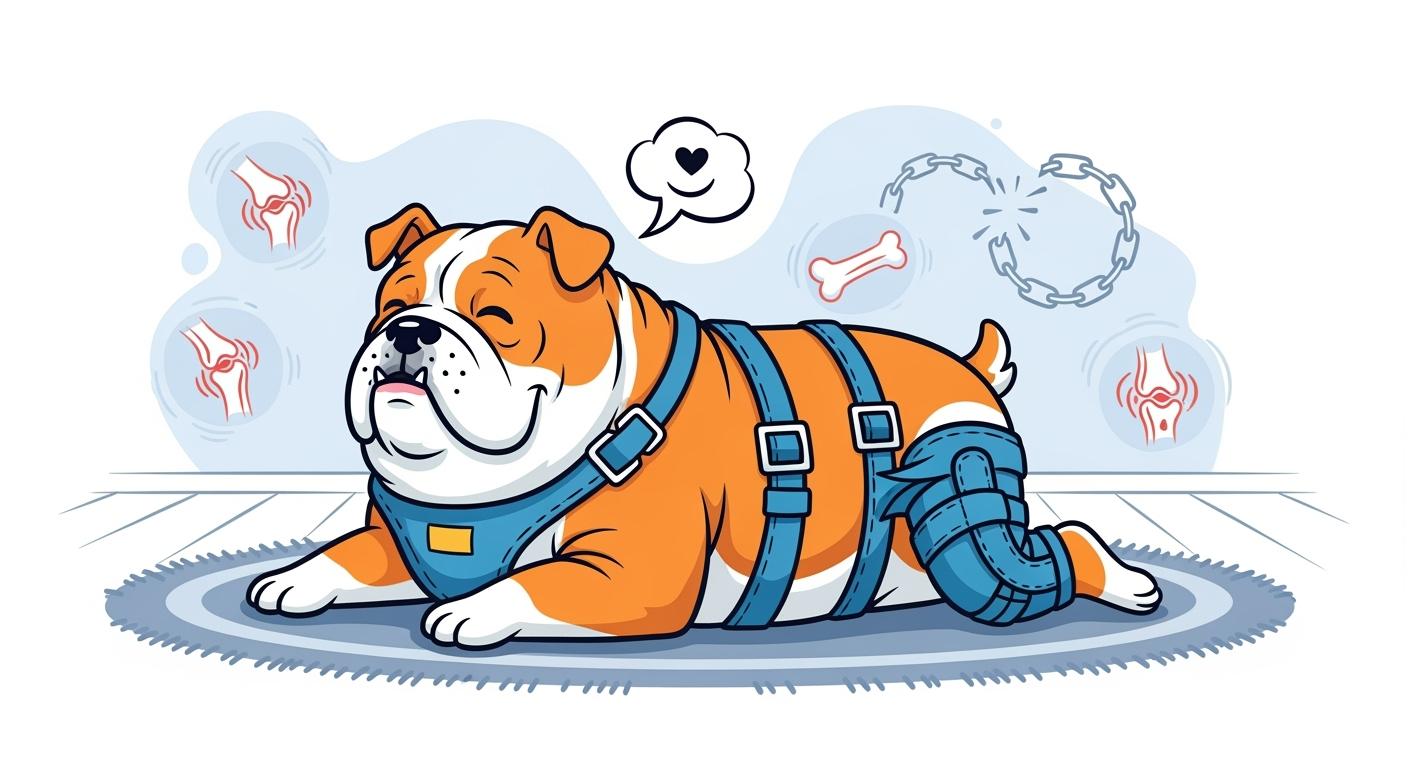
In 2022, 59% of dogs in the United States were overweight or obese.
Surveys show that the rate of canine obesity in developed countries ranges from 25% to 44%.
The 2018 Pet Obesity Survey found that 55.8% of dogs in the U.S. were overweight or obese.
Extra weight places strain on a dog’s joints. This leads to pain and reduced mobility. Over time, dogs face a higher risk of osteoarthritis and chronic joint problems. Fat tissue releases hormones that cause inflammation. You may notice your dog slowing down or struggling with daily activities. Many veterinarians may recommend pet obesity joint support gear for dogs to help protect joint health and support efforts to break the cycle of pain. You can explore innovative solutions like GaitGuard to support your dog’s comfort and recovery.
Key Takeaways
Overweight dogs face increased joint pain and a higher risk of arthritis. Managing your dog’s weight is crucial for their joint health.
Joint support gear, like braces and harnesses, can help stabilize joints and reduce pain. This gear allows dogs to move more comfortably and stay active.
Watch for early signs of joint pain in your dog, such as stiffness or limping. Early intervention can prevent further injury and improve mobility.
Combine joint support gear with a balanced diet and regular exercise. This holistic approach enhances your dog’s overall well-being and quality of life.
Always consult your veterinarian before using joint support gear. Professional guidance ensures the right fit and effectiveness for your dog’s needs.
Pet Obesity Joint Support Gear for Dogs
How Extra Weight Affects Joints
You may notice your dog slowing down or limping after walks. Extra weight puts pressure on your dog’s joints, making movement difficult and accelerating wear. Obesity increases inflammation, which can damage joint tissues and lead to arthritis. Fat tissue releases molecules that harm cartilage and cause joint pain. Dogs with excess weight often struggle to get up, climb stairs, or play. This weight-joint connection means your dog faces a higher risk of injury and pain as the strain builds over time.
Extra weight increases pressure on joints, accelerating wear.
Obesity contributes to joint issues, including arthritis.
Fat tissue produces inflammatory molecules that damage cartilage.
Risks: Arthritis, Injuries, and Pain
Arthritis is the most common joint problem in overweight dogs. The risk rises sharply with age and weight. The table below shows how osteoarthritis affects dogs:
Condition | Prevalence Rate in Dogs Older than 1 Year | Prevalence Rate in Dogs Over Age 8 | Prevalence Rate in Overweight/Obese Dogs | Prevalence Rate in Ideal Weight Dogs |
|---|---|---|---|---|
Osteoarthritis (OA) | 20% | 80% | 83% | 50% |
Dogs with arthritis experience pain, swelling, and decreased mobility. Joint pain can lead to a cycle of inactivity, which increases the risk of further injury. You may see your dog avoiding play or walks, which can worsen joint pain and stiffness.
The Cycle of Obesity and Reduced Mobility
Obesity and joint pain often create a cycle that is hard to break. When your dog feels pain, activity drops. Decreased mobility leads to more weight gain, which increases joint pain. Over the past decade, osteoarthritis cases in dogs have risen by 66%. In 2018, 52% of dogs with OA were obese. This cycle can make recovery difficult.
Pet obesity joint support gear for dogs, such as GaitGuard’s braces and lift-aid devices, can help stabilize joints and may reduce discomfort. These products support your dog’s movement, making walks and play safer. Joint support gear for overweight dogs can improve mobility and comfort, helping your dog stay active and break the obesity-pain cycle.
Managing Your Dog’s Weight and Joint Health
Early Signs Your Dog Needs Support
You may notice your dog showing subtle changes before joint pain becomes severe. Paying attention to these early signs helps you act quickly and protect your dog’s joints. Common indicators include:
Stiffness after rest or walks
Slowing down on walks
Limping or favoring one leg
Changes to body shape, such as a rounder belly
Refusing to jump onto furniture or into the car
Licking at their joints, especially elbows or knees
Changes in behavior, such as irritability or withdrawal
Slipping or falling easily
Reduced enthusiasm to play
If your dog displays several of these symptoms, joint support gear for overweight dogs may help prevent further pain and injury.
When to Use Joint Support Gear
You should consider joint support gear when your dog struggles with mobility or shows signs of joint pain. Dogs with elbow dysplasia, arthritis, or recovering from injury benefit from braces, lift harnesses, or mobility support harnesses. Joint support gear provides stability and reduces strain on affected joints. Early intervention can slow the progression of elbow dysplasia and help your dog stay active. Veterinarians often recommend dog joint braces for injury prevention in obese dogs, especially if your dog has a history of joint pain or difficulty moving.
Tip: Consult your veterinarian before choosing gear. Professional guidance ensures you select the right product for your dog’s needs.
Supporting a Healthy Weight During Recovery
Managing your dog’s weight is crucial during recovery from joint injuries or surgery. You can support a healthy weight by:
Feeding a balanced diet rich in high-quality protein and low in calories
Practicing portion control and following a tailored feeding schedule
Encouraging regular, moderate exercise such as daily walks or swimming
Joint support gear helps your dog move safely while you focus on weight management. Combining gear with diet and exercise improves joint health and reduces pain, especially for dogs with elbow dysplasia.
Joint Support Gear for Overweight Dogs
Braces: Hip, Knee, Elbow, and Back
Braces play a vital role in supporting overweight dogs with joint pain. You can use hip, knee, elbow, and back braces to stabilize injuries and provide targeted support. These devices are designed to help your dog move with less discomfort and may reduce the risk of further injury. When you fit a brace, you give your dog immediate joint stability, which is especially important for overweight dogs who face extra strain on their joints.
Braces help stabilize injuries and support joints.
They decrease pain and improve mobility for overweight dogs.
You can customize braces to fit your dog’s needs, adapting as your dog’s condition changes.
In some cases, braces may help delay or reduce the need for surgery, but they never replace a full veterinary assessment.
Combining strength training with bracing gives your dog both immediate support and long-term resilience.
If your dog struggles with elbow dysplasia, an elbow brace can make daily activities easier. GaitGuard offers custom elbow orthotic solutions that fit snugly and provide reliable support. Many dogs walk with more confidence and appear more comfortable after being fitted with an appropriate brace. For dogs with chronic joint pain, braces can support quality of life and help them stay more independent.
Lift Harnesses and Support Straps
Lift harnesses and support straps give you a safe way to help your dog move around. These tools are especially useful for overweight dogs who have difficulty standing, climbing stairs, or getting into vehicles. You can use a harness to reduce strain on your dog’s joints and support their weight during walks or rehabilitation.
Source | Evidence |
|---|---|
Millis & Levine’s Canine Rehabilitation and Physical Therapy (Elsevier, 2nd ed., 2014) | Lift harnesses improve proprioception and reduce muscular fatigue in geriatric dogs, recommended for osteoarthritis and post-surgical recovery. |
Canine Arthritis Management (CAM) | Properly fitted harnesses significantly reduce strain on weakened joints and help maintain confidence and independence in dogs. |
Support harnesses assist senior dogs with joint pain.
Harnesses help injured pets stay mobile.
Lifting harnesses are essential for paralyzed pets to reduce pressure on their back legs.
GaitGuard’s auxiliary lifting strap allows you to control your dog’s movements during walks, training, or travel. You can use a harness to help your dog stand up, climb stairs, or get into the car without risking further injury. When you use a mobility support harness, you give your dog the confidence to stay active and engaged.
Tip: Always measure your dog carefully before choosing a harness. A proper fit ensures comfort and prevents skin irritation.
Anti-Licking Braces and Rehabilitation Equipment
Anti-licking braces and rehabilitation equipment support your dog’s recovery from joint pain and injuries. You can use these tools to prevent your dog from licking or biting at wounds, which promotes faster healing. GaitGuard’s anti-licking series provides a snug fit for dogs of all sizes and helps protect injured limbs.
Braces provide essential support to the affected limb, reducing pain and preventing further injury.
Anti-licking braces support healing and stability by protecting the injured area, which is especially helpful for overweight dogs with joint pain.
Rehabilitation equipment can enhance mobility and may improve your dog’s quality of life when used as part of a rehab plan.
Dog braces and orthotic devices may help reduce pain and improve mobility, especially for overweight dogs.
If your dog has undergone surgery or suffers from chronic joint pain, rehabilitation nursing equipment from GaitGuard offers adjustable support and protection. You can use these devices to help your dog regain functional activities safely and swiftly.
Boots, Ramps, and Environmental Aids
Boots, ramps, and environmental aids make your home safer and more accessible for overweight dogs with joint problems. You can use boots to protect your dog’s paws and provide extra grip on slippery surfaces. Ramps offer a low-impact way for your dog to access furniture or vehicles, reducing strain on their joints.
Ramps play a crucial role in supporting overweight dogs with joint problems by providing a safe, low-impact way for them to access furniture and vehicles. This reduces the strain on their joints, supports mobility, and may help prevent future injuries, ultimately improving their quality of life.
You may also consider adding non-slip mats, raised food bowls, or orthopedic beds to your home. These environmental aids help your dog move comfortably and reduce the risk of falls or injuries.
Note: Small changes in your dog’s environment can make a big difference in their comfort and mobility.
Fitting and Safety Tips
Measuring for Proper Fit
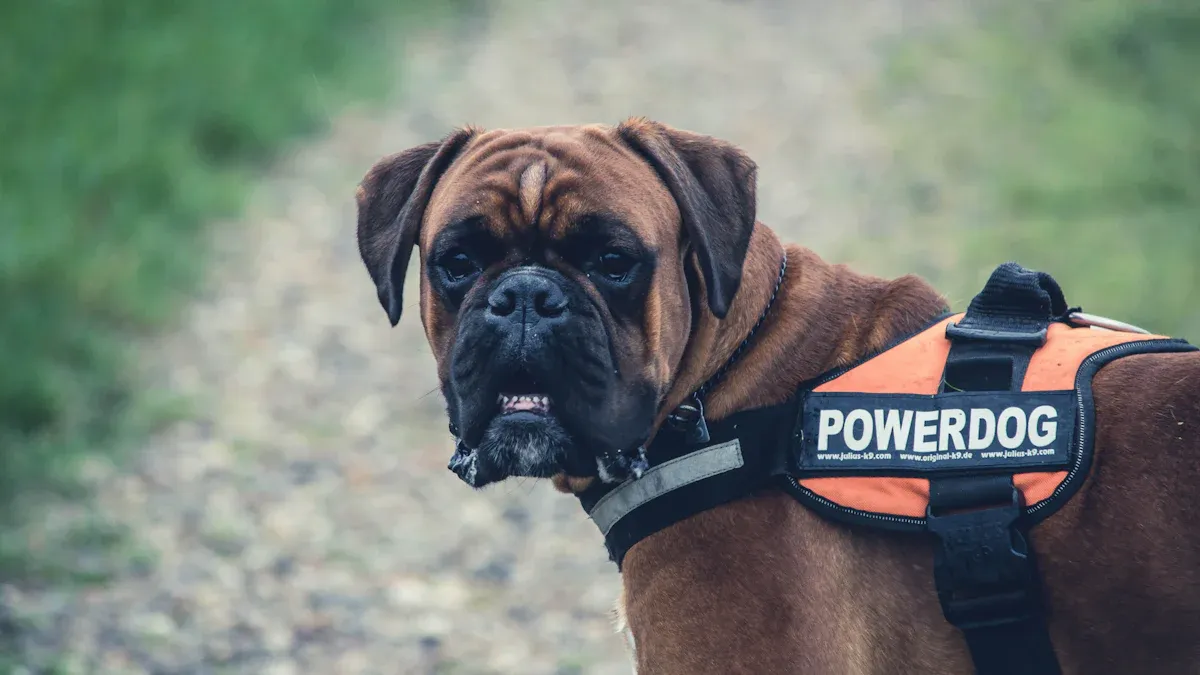
You want your dog’s joint support gear to fit snugly but not too tight. Measure your dog’s limbs, chest, and back using a soft tape measure. Check the manufacturer’s sizing chart before you order braces, harnesses, or straps. A proper fit prevents slipping and ensures your dog gets the right support. If you notice rubbing or gaps, adjust the gear or try a different size.
Tip: Measure your dog while they stand to get the most accurate results.
Preventing Skin Irritation
Skin irritation can occur when your dog wears orthopedic gear for long periods. You can protect your dog’s skin by following these steps:
Use orthopedic dog beds to distribute weight evenly and prevent skin breakdown.
Change your dog’s position often so they do not lie in one spot too long.
Wrap bony areas with gauze or elastic bandages to reduce pressure.
Dress your dog in protective clothing like baby onesies or pet recovery suits.
Add soft foam padding to areas where gear presses against the skin.
Check your dog’s skin daily for redness or sores. If you see irritation, remove the gear and let the skin rest.
Limiting Wear Time and Monitoring Comfort
You should limit how long your dog wears joint support gear each day. Start with short periods and increase wear time as your dog adjusts. Watch for signs of discomfort, such as licking, biting, or trying to remove the gear. Remove the gear if your dog seems stressed or uncomfortable. Regular breaks help prevent pressure sores and keep your dog happy.
Working with Vets and Rehab Therapists
Veterinarians and rehabilitation therapists play a key role in fitting and monitoring joint support gear for overweight dogs. You can work with certified canine rehab practitioners to create a plan that fits your dog’s needs. These professionals help manage weight and prevent musculoskeletal injuries. They also design exercise programs to improve strength and mobility. Regular check-ins ensure your dog’s gear fits well and supports recovery.
Support a Healthy Weight: Advice for Professionals
Recommending Gear to Owners
You play a key role in helping owners choose the right joint support gear for their dog. When you discuss options, focus on comfort, safety, and the benefits of early intervention. Encourage owners to consult their veterinarian before starting new gear. A proper fit is essential to avoid discomfort or inadequate support. You should recommend starting with short wear times and gradually increasing them. Remind owners to check their dog’s skin for irritation after each use and to remove braces at night. Involve the veterinarian in selecting and fitting the gear to ensure the best outcome.
Consult a veterinarian before using new gear.
Assess if a brace is appropriate for the dog’s condition.
Ensure a proper fit for safety and effectiveness.
Monitor for discomfort and adjust as needed.
Introduce gear slowly and follow a break-in schedule.
Integrating GaitGuard Braces and Harnesses
You can enhance mobility and injury prevention for obese dogs by combining GaitGuard braces and harnesses with other treatments. Begin with a veterinary assessment to determine the best approach. Introduce braces gradually, starting with short periods to help the dog adjust. Regularly monitor comfort and fit to maintain effectiveness. Use support wraps alongside physical therapy and weight management for a comprehensive care plan. GaitGuard products offer medical-grade materials and adjustable designs, making them suitable for dogs of all sizes.
Combine braces with physical therapy and weight management.
Consult a veterinarian for diagnosis and recommendations.
Monitor fit and comfort regularly.
Use support wraps with other treatments.
Combining Gear with Diet, Exercise, and Home Modifications
You help owners understand that joint support gear works best when combined with lifestyle changes. Encourage families to participate in feeding and exercise routines. Offer advice and resources for those concerned about costs. Show owners how treats compare to human snacks to motivate healthier choices. Use visuals and social media to promote healthy habits and preventive care. Suggest environmental aids like ramps, non-slip mats, and orthopedic beds to improve the dog’s comfort and mobility.
Factor | Strategy |
|---|---|
Social opportunity | Involve family in feeding and exercise routines. |
Physical opportunity | Provide advice and online resources for cost concerns. |
Reflective motivation | Show treat comparisons to human snacks for better awareness. |
Social norms | Use visuals on social media to promote healthy weight management. |
Preventive care | Encourage preventive actions before weight becomes a problem. |
You support a healthy weight by combining gear, diet, exercise, and home modifications. This approach helps dogs stay active and comfortable throughout their lives.
Managing your dog’s weight protects joint health and boosts overall well-being. You help your dog reduce the risk of injuries, slow the progression of arthritis, and limit mobility loss by using joint support gear like braces, harnesses, and orthopedic beds. Choose products such as GaitGuard for comfort and safety. Work with your veterinary team to create a holistic plan that includes regular check-ups, exercise, and a balanced diet. Supporting a healthy weight gives your dog more energy, a longer life, and better mobility.
FAQ
How do I know if my dog needs joint support gear?
You should watch for signs like limping, stiffness, or trouble standing up. If your dog avoids stairs or play, joint support gear can help. Ask your veterinarian for advice on the best options for your dog.
Can my dog wear a brace all day?
You should not let your dog wear a brace all day. Start with short periods and increase wear time as your dog adjusts. Always check for skin irritation and remove the brace at night for comfort.
What is the best way to measure my dog for a harness or brace?
Use a soft tape measure to check your dog’s chest, limbs, and back while your dog stands. Follow the sizing chart from the gear manufacturer. A proper fit ensures your dog gets the right support and avoids discomfort.
Will joint support gear help with injury prevention for obese dogs?
Yes, the right joint support gear can help reduce the risk of injury for an overweight dog. Braces and harnesses stabilize joints and support movement. This helps your dog stay active and prevents further joint damage.
Can I use joint support gear during my dog’s recovery from surgery?
You can use joint support gear to help your dog recover after surgery. Braces, harnesses, and rehabilitation equipment support healing and improve mobility. Always follow your veterinarian’s instructions for safe use.
