
You want your dog with hip dysplasia to feel better at home. Effective dog hip dysplasia management involves creating daily routines that enhance comfort and movement. Many dogs experience improved mobility and reduced pain with simple steps. These steps include appropriate exercise, pain relief, and modifications in the home environment. About 15.56% of dogs are affected by hip dysplasia. Successful management of hip dysplasia works best when you consult with your veterinarian and adhere to their recommendations.
Key Takeaways
Keep your dog at a healthy weight. A score of 4–5 out of 9 is best. This helps lower stress on joints. It also helps your dog move better.
Add gentle exercises to your dog’s day. Swimming and slow walks are good choices. These help build muscles. They do not hurt the joints.
Talk to your vet about pain control. Your vet can make a plan for your dog. Check in often to keep your dog comfortable. Your vet can change treatments if needed.
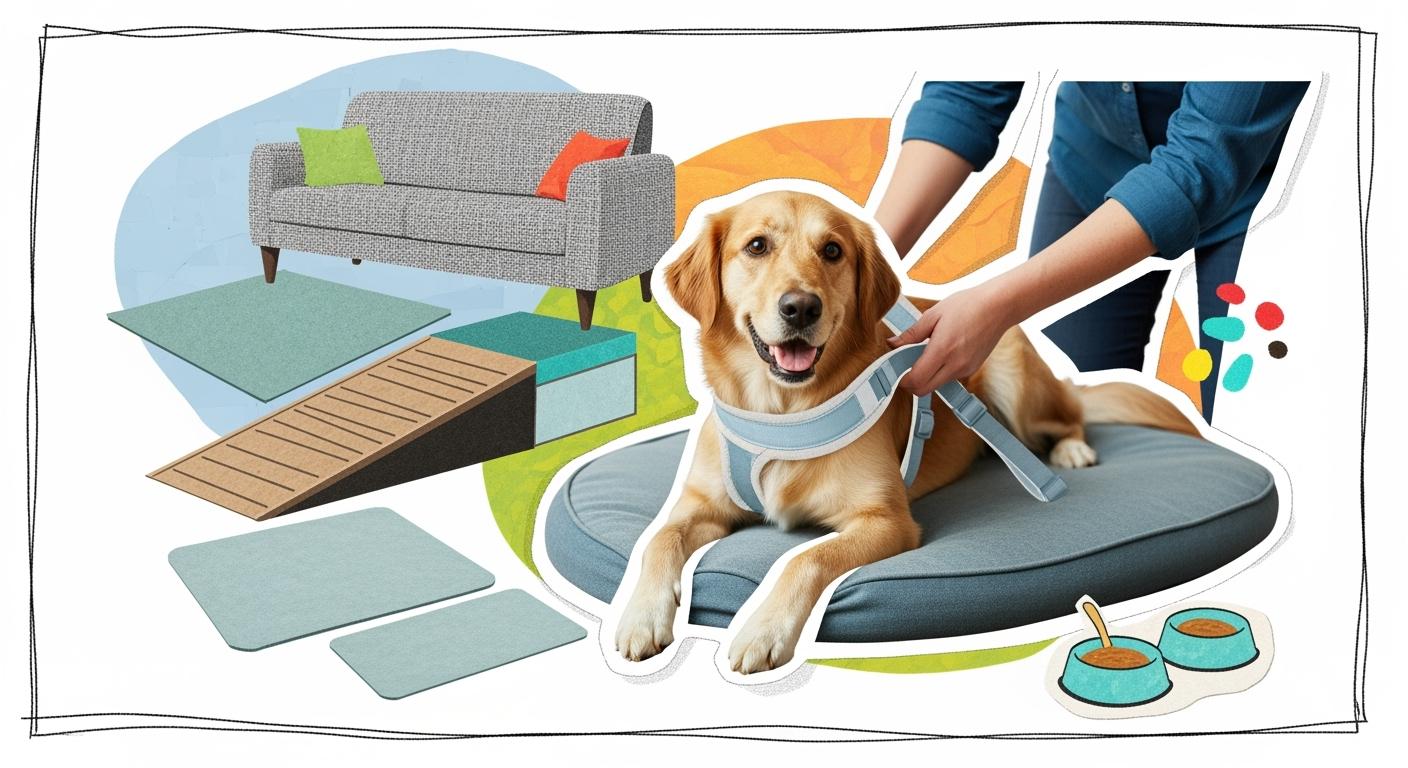
Make your home safe for your dog. Put down rugs that do not slip. Use ramps and special beds. These help your dog move safely and rest well.
Watch how your dog feels and moves. Write down notes each day. This helps you see changes. It also helps you talk to your vet clearly.
Understanding dog hip dysplasia management
What is hip dysplasia in dogs?
Hip dysplasia happens when the hip joint does not fit right. This makes the joint loose and wears it down over time. Your dog may have trouble doing normal things. Some signs you might see are:
Hard time getting up after lying down.
Walking with a sway or “bunny hop.”
Not wanting to use stairs or jump on furniture.
Hips make clicking or popping noises.
Losing muscle in the back legs.
Showing pain by licking hips, whining, or limping.
These problems can make life tough for your dog. Many dogs get hip dysplasia. It can cause long-lasting pain if not managed.
Why management focuses on comfort and function
Dog hip dysplasia management helps your dog feel better and move easier. The goal is comfort and function, not to cure hip dysplasia. Non-surgical treatments can make your dog’s life better and may delay surgery. Some therapies, like autologous protein solution, help lower pain and limping in dogs with hip issues. Try to make your dog’s daily life easier and more comfortable.
Management Pillars checklist
You can help your dog by doing these things:
Keep your dog at a healthy body condition (4–5/9).
Plan daily low-impact exercise for movement.
Use pain control from your vet when needed.
Add rehab or physical therapy if you can.
Make your home safe with good traction.
Common mistakes to avoid:
Letting your dog do lots of activity only on weekends
Having slippery floors without rugs or mats
Allowing slow weight gain over time
Key Pillars of Management | Description |
|---|---|
Early Diagnosis and Intervention | Start treatment early to protect the joints. |
Surgical Options | Surgery helps some dogs, but not every dog needs it. |
Lifelong Joint Support | Give joint supplements like glucosamine, chondroitin, and omega-3 fatty acids for joint health. |
Dog hip dysplasia management works best when you use these steps and change them with your veterinarian. You can help your dog stay active and comfortable at home.
Body condition and weight control for hip dysplasia
Recognizing ideal body shape (BCS 4–5/9)
You play a key role in dog hip dysplasia management by keeping your dog at a healthy weight. Dogs with hip dysplasia often feel more comfortable and move better when they stay lean. The ideal body condition score (BCS) for most dogs is 4–5 out of 9. You should see a waist when you look from above and feel the ribs with gentle pressure. Dogs with a lean body shape have fewer joint issues and less pain.
Key Findings | Details |
|---|---|
Incidence Reduction | Hip dysplasia was seen in 50% fewer dogs at 2 years old in lean-fed groups. |
Severity Comparison | When present, hip dysplasia was much less severe in lean-fed dogs. |
Osteoarthritis Onset | Lean-fed dogs developed hip osteoarthritis at a median age of 12 years, compared to 6. |
Safe weight loss for dogs
Controlling weight helps slow the progression of canine hip dysplasia. If your dog is overweight, you can help by aiming for a safe weight loss pace. Most veterinarians recommend a loss of 1–2% of starting body weight per week. Some studies show that even a 6–9% reduction in body weight can lead to less pain and better movement. Here is what safe weight loss looks like:
Aim for 1 to 4 percent of starting body weight every 2 weeks.
This equals about 0.5 to 2 percent per week.
Dogs may lose weight faster in the first week due to water loss.
Math Example:
If your dog weighs 50 pounds, a safe weekly weight loss is 0.5 to 1 pound (1–2% of 50 pounds). Over 19 weeks, a total loss of 11–18% means your dog could lose 5.5 to 9 pounds.
Study | Findings | Weight Loss Impact |
|---|---|---|
Mlacnik et al. (2006) | Improvement in lameness after 60 days of weight loss | Maintained at days 120 and 180 |
Burkholder and Hulse | Increase in limb strength after weight loss | Significant improvement in pain and mobility |
Current Study | Decrease in lameness with weight loss | Noticeable improvement after 6–9% loss |
Weight Plan Mini-Guide
You can follow these steps to support your dog:
Ask your veterinarian to assess your dog’s body condition.
Feed for a BCS of 4–5/9 to protect the hips.
Weigh your dog every 2 weeks.
Adjust food portions as needed.
Choose treats wisely and count them in the daily calories.
Track progress and celebrate small wins.
Tip: Weight management is one of the most effective ways to help dogs with hip dysplasia live more comfortably.
Dog hip dysplasia and other joint issues often improve with steady weight control. You can make a big difference by keeping your dog lean and active.
Home treatment: diet, supplements, and comfort
Diet adjustments for joint health
You can help your dog’s joints by picking good foods. Diet is important for dog hip dysplasia management. Keeping your dog at a healthy weight helps the hips. It also slows down joint problems. Feed your dog a diet with the right calories for their needs. Many vets suggest food that is low in calories and protein but still balanced. This keeps muscles strong and stops extra weight.
Here is a table with main diet tips for dogs with hip dysplasia:
Recommendation | Description |
|---|---|
Weight Control | Keep dogs thin to lower stress on joints. |
Nutraceuticals | Use OA disease-modifying agents early; try more than one method. |
Diet Composition | Give low-calorie, low-protein, balanced diets. |
You can add foods with omega-3 fatty acids, like fish oil, to help with swelling. Green-lipped mussels give natural glucosamine and chondroitin for joint support. Antioxidants like vitamin C help protect joints from harm. Changing your dog’s diet can help with pain and keep your dog moving.
Tip: Diets with fewer calories can slow osteoarthritis and help your dog stay active.
Joint supplements and natural options
Supplements can help at home for hip dysplasia. Many people use joint supplements as part of a plan. You may see glucosamine, chondroitin, MSM, and omega-3s in these products. These help cartilage, lower swelling, and make your dog feel better.
Here are some common joint supplement ingredients and what they do:
Ingredient | Benefit | Source Link |
|---|---|---|
MSM | Lowers swelling and helps your dog move better. | |
Glucosamine | Helps fix cartilage and lowers pain. | |
Chondroitin | Makes cartilage stronger and helps joints work better. |
Some supplements have green-lipped mussel. This gives both glucosamine and chondroitin. Omega-3s from fish oil help lower swelling in the joints. Many people say their dogs move better and hurt less when using these supplements for hip dysplasia at home.
Note: Always ask your vet before giving new supplements. Some may not be safe with other medicines or for every dog.
Special beds and heat therapy
Comfort at home is important for dogs with hip dysplasia. You can help by picking the right bed and using gentle heat. Orthopedic beds with memory foam take pressure off sore joints. These beds support your dog’s body and stop pressure sores. Infrared beds use your dog’s heat to boost blood flow and ease pain. These beds help your dog rest and recover after moving around.
You can also use heat therapy at home for hip dysplasia. Warmth from a heating pad or infrared bed relaxes muscles and lowers pain. The heat brings more blood and oxygen to the area. This helps your dog feel better, especially after walks or in cold weather.
Here are some ways to make your dog more comfortable at home:
Pick an orthopedic or infrared bed for joint support.
Use a heating pad on low for short times.
Put beds in quiet places with no drafts.
Make sure your dog can get on and off the bed easily.
Safety tip: Always check the heating pad’s temperature and never leave your dog alone with it.
Home treatment for hip dysplasia uses diet, supplements, and comfort steps. You can use these ideas to help your dog feel better and move more. Taking care of your dog at home helps their joints and makes life better.
Movement and exercise to treat dog hip dysplasia
Low-impact exercise routines
You can help your dog move by picking gentle exercises. These activities help lower pain and make your dog more flexible. They also help your dog keep balance. Swimming, or hydrotherapy, lets your dog move without heavy pressure on the hips. Walking with a leash helps you control how fast your dog goes. Hill or ramp walks slowly work the hip muscles. Sit-to-stand moves help make the hips and thighs stronger. Passive range of motion exercises keep joints moving and stop stiffness. These routines help dog hip dysplasia management by making muscles stronger and slowing down osteoarthritis.
What to avoid during flare-ups
If your dog has a flare-up, it may hurt more or feel stiff. You should not let your dog run or jump. These things can make pain and swelling worse. Stick to slow walks or swimming to keep muscles strong but not stress the joints. If your dog does not want to walk or seems weaker, call your vet.
At-Home Changes That Help Most listicle
Here are the best changes you can make at home to help your dog with hip dysplasia and make it more comfortable:
Physical therapy helps blood flow and lowers stiffness
Massage helps with pain and shows love
Limit exercise to protect joints
Use ramps instead of stairs to lower strain
Walk on soft paths to help joints
Swimming is a safe way to build strength
Joint supplements help joint health
Anti-inflammatory medicine helps with pain (ask your vet)
Orthopedic beds help your dog rest better
Non-slip floors help your dog walk safely
Raised bowls help your dog eat and drink easily
Flare-Up vs Progress traffic-light table
You can use this table to help decide what to do if your dog’s symptoms change:
Symptom/Sign | Green: Continue Plan | Yellow: Scale Back & Call Clinic | Red: Urgent Evaluation |
|---|---|---|---|
Sudden refusal to bear weight | No | Yes | Yes |
Rapid worsening of symptoms | No | Yes | Yes |
New weakness | No | Yes | Yes |
Major behavior change | No | Yes | Yes |
Pick gentle activities and do not let your dog do too much at once. Doing the same amount each day is better than doing a lot sometimes. If your dog’s pain gets much worse, stops using a leg, or gets weaker, call your vet. Movement and exercise are important for dogs with hip dysplasia. They help your dog stay active and feel better.
Pain management and comfort tracking
Vet-guided pain control plans
You want your dog to be comfortable with hip dysplasia. Pain management works best when you work with your vet. Your vet will make a plan for your dog’s needs. Most vets use different ways to help with pain and movement. You can try these at home:
Weight loss helps take pressure off the hips.
Change exercise to stop injury and overuse.
Joint support supplements help keep joints healthy.
Give pain medicine as your vet tells you.
Always listen to your vet about medicine or supplements. Do not change your dog’s pain plan without asking first. Your vet may change the plan as your dog needs. Many dogs with hip dysplasia stay active with good support.
Tip: Call your vet right away if your dog stops using a leg, gets weaker, or has more pain.
Tracking comfort and quality of life
You can help your dog by watching comfort and movement at home. Simple tracking helps you see changes early. Try these easy ideas:
Check your dog’s pain and movement every day. Use a scale from 1 to 10 for pain.
Write down how much your dog can exercise and how they feel. Keep a daily log of good and bad days.
Notice which things make your dog feel better or worse.
Take pictures or videos to see changes in walking or standing.
A daily log helps you tell your vet what is happening. Working together helps your dog get better care for hip dysplasia. You can change routines to help your dog feel good. Tracking often helps you see progress and find problems early.
Note: Keeping track helps you and your vet manage pain and make life better for your dog.
Home setup for dog hip dysplasia
Floors, stairs, and safe transfers
You can make your home safer for a dog with hip dysplasia by changing a few things. Smooth floors like tile or hardwood can cause slips and falls. Place non-slip rugs or carpet runners in areas where your dog walks most. These surfaces help your dog feel confident and prevent injuries. Add ramps or block steps next to furniture so your dog can get up without jumping. Ramps also help your dog enter and exit cars with less strain. Raise food and water bowls to make eating easier and reduce pressure on the hips. Choose beds that are easy for your dog to climb onto and place them in quiet, draft-free spots.
Tip: Always guide your dog slowly up ramps or stairs. Support their hips if they need help.
Traction tools and when to use them
Traction tools help dogs with hip dysplasia walk safely on smooth floors. Toe grips and traction socks give extra grip and lower the risk of slipping. Use these tools if your dog struggles to stand or walk on tile or wood. Put traction socks on before walks inside the house. Remove them if your dog goes outside to keep them clean and working well. Traction tools work best when paired with non-slip rugs and mats.
Support Gear Comparison Table
Support gear helps your dog move safely but does not replace a veterinary assessment. Each type of gear has its own use and fit tips. Here is a comparison table:
Support Gear | Best for | Pros | Risks if misused | Fit/Handling Tips |
|---|---|---|---|---|
Mild to moderate hip dysplasia | Adds gentle compression, improves comfort | Can cause rubbing or restrict movement | Check fit daily, adjust for comfort | |
Dogs needing help with stairs | Supports rear, easy to use | May strain back if used wrong | Lift gently, keep dog balanced | |
Full-body lift harness | Dogs with severe mobility loss | Gives full support, helps transfers | Can pinch or slip if loose | Secure all straps, check for chafing |
Traction socks/boots | Dogs on slippery floors | Improves grip, prevents falls | May twist or fall off | Use correct size, remove for outdoor use |
Support gear can make daily life easier for dogs with hip dysplasia. Always check the fit and comfort of each item. If you see new pain or weakness, contact your veterinarian.
Rehab and strengthening for hip dysplasia
Rehabilitation helps your dog with hip dysplasia feel better. You can use physical therapy and hydrotherapy to help comfort, strength, and movement. These methods build muscle, lower pain, and keep your dog active. Many dogs with canine hip dysplasia do better with regular rehab at home or with a professional.
Physical therapy at home
You can start with easy exercises for your dog. Short walks every day help joints stay flexible and muscles strong. Stretching and gentle massage can lower stiffness and help your dog relax. Sit-to-stand moves and short fetch games make hips and back legs stronger. You may also try pulsed electromagnetic field therapy or laser treatments if your vet says it is okay. These therapies can lower swelling and help healing.
Here are some common physical therapy activities for dogs with hip dysplasia:
Short, controlled walks
Gentle stretching and massage
Sit-to-stand exercises
Short games of fetch
Weight management routines
Note: Always ask your veterinarian before you start new exercises or therapies.
Hydrotherapy and water-based options
Hydrotherapy uses water to help your dog move with less pain. Water helps hold your dog’s weight and lowers stress on sore joints. Warm water helps relax muscles and brings more blood to the area. Swimming and underwater treadmill sessions are good choices for dogs with hip dysplasia.
Benefit | Description |
|---|---|
Improved Mobility | Water exercise helps joints move and makes your dog more flexible. |
Pain Relief | Warm water helps sore joints and lowers pain. |
Enhanced Muscle Strength | Water makes muscles work harder without hurting joints. |
Cardiovascular Fitness | Swimming helps your dog’s heart and lungs. |
Reduced Weight Bearing Stress | Water helps take pressure off joints and stops more injury and swelling. |
Hydrotherapy can help your dog get stronger and feel more confident. You may see better movement and less pain after regular water sessions. Always watch your dog during water activities and listen to your vet.
Tip: Start with short water sessions and check your dog for tiredness or pain.
Rehab and strengthening routines help your dog feel better and move easier. These steps can really help manage hip dysplasia at home.
Questions to ask your vet about hip dysplasia
Vet partnership for long-term care
You help your dog best when you work with your vet. Check in often to see how your dog is doing. Your vet can test muscle strength and look for changes. This helps you know if the treatment is working. If your dog does not get better, you might need a new plan. Your vet can tell you if you should try surgery or keep using other treatments.
Tip: Talk to your vet often. Ask questions and share how your dog feels and moves.
Here are ways to help your dog’s health:
Get regular joint checkups to watch for changes.
Measure thigh muscles to see if therapy works.
Check pain and movement at every visit.
Tell your vet about new problems or changes.
Talking with your vet helps you find problems early. It also helps your dog stay comfortable. Working with your vet is important for hip dysplasia care.
Questions to Ask Your Vet checklist
You can get ready for your vet visit with this checklist. These questions help you talk about the main things for hip dysplasia.
Checklist Item | Description |
|---|---|
Confirm diagnosis | Ask about X-rays or other scans to check the hips |
Weight management | Talk about the best weight and food for joint health |
Pain control | Ask about safe ways to help with pain |
Rehabilitation | Ask about therapy, exercise, or seeing a specialist |
Supplements | Talk about joint supplements and which ones to use |
Follow-ups | Plan check-ins to change care as your dog needs |
Imaging/Surgical options | Ask if more scans or surgery are needed |
Safety tip: Always talk to your vet before you start new treatments or change your dog’s routine.
You help your dog with hip dysplasia by learning and asking questions. Your vet can help you make good choices for your dog’s comfort and movement.
You can help your dog live better with hip dysplasia by using simple steps at home. Focus on weight control, daily exercise, and joint supplements. Track your dog’s comfort and adjust routines as needed. Celebrate small wins, like easier walks or less pain. Keep a diary to spot changes early. Stay in touch with your veterinarian to update your plan. Your care and attention make a real difference in your dog’s life.
FAQ
What are the first signs of hip dysplasia in dogs?
You may notice your dog has trouble getting up, walks with a sway, or avoids stairs. Some dogs limp or lose muscle in their back legs. Early signs can be mild, so watch for changes in movement or comfort.
Can my dog live a normal life with hip dysplasia?
Many dogs live happy lives with hip dysplasia. You can help by managing weight, using joint supplements, and following your vet’s advice. Most dogs improve with home care and regular checkups.
How much exercise should a dog with hip dysplasia get?
You should give your dog short, gentle walks every day. Swimming is a good choice. Avoid running or jumping. Consistency matters more than distance. Ask your vet for a plan that fits your dog’s needs.
Are joint supplements safe for all dogs?
Most joint supplements are safe for many dogs. Always talk to your vet before starting any new supplement. Some dogs may need special care if they take other medicines or have health problems.
When should I call my veterinarian about my dog’s hip dysplasia?
Call your vet if your dog stops using a leg, shows new weakness, or has more pain. Sudden changes need quick attention. Your vet can help adjust the care plan for your dog’s comfort.
