
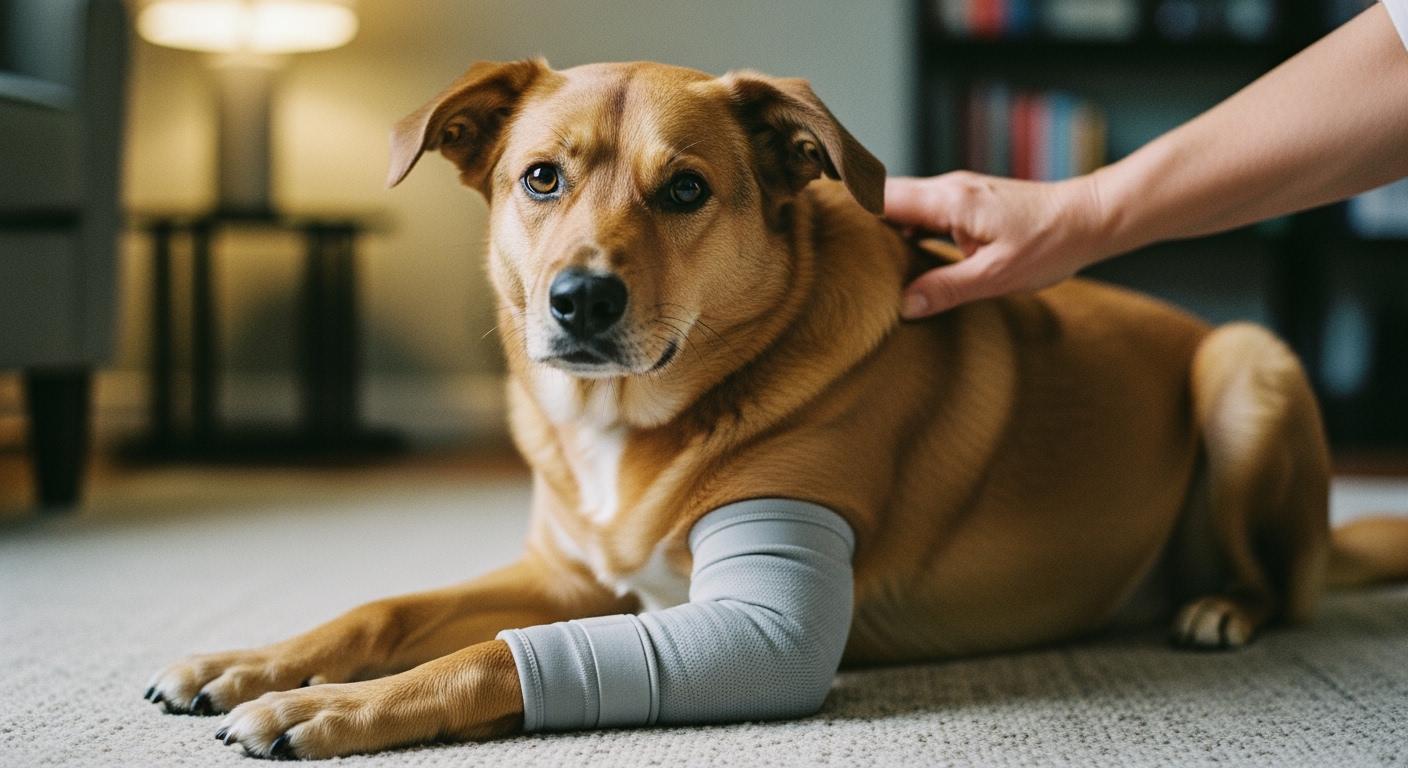
A dog elbow sleeve gives special support to your dog’s elbow joint. You use it to help with small swelling, keep the skin safe, or give soft pressure. A sleeve is not stiff like a brace. It lets your dog move easily and feel comfortable every day. The right fit and type of sleeve help with each dog’s needs. This is why picking the right one is important at the vet or at home.
Key Takeaways
A dog elbow sleeve gives soft support and keeps your dog’s elbow safe. It helps with swelling and protects the skin.
Use our canine rehab braces: types, uses & clinical benefits guide to compare light-support sleeves, protective sleeves, and more structured brace options. Use a compression sleeve for small problems. Use a padded sleeve to protect after injuries.
Measure your dog’s leg carefully to get the right fit. A good fit stops pain and gives better support.
Use the sleeve with other care, like vet help and physical therapy. This helps your dog heal and stay active.
Watch your dog for any signs of pain or skin problems with the sleeve. Ask your vet for help if you see any issues.
Dog Elbow Sleeve Overview
What Is a Dog Elbow Sleeve?
A dog elbow sleeve is a soft piece of clothing for your dog’s elbow. You put it on to give gentle pressure, protect the skin, and help with small swelling or irritation. It is not hard like other devices. Your dog can move around normally while wearing it. The sleeve covers the elbow in a special way. You might see these sleeves at the vet, in rehab centers, or at home as part of daily care.
For product-side comparison of more structured joint-support designs, review our dog elbow brace options category.
People pick a dog elbow sleeve for dogs with joint or skin problems. Some common reasons are:
Hygromas (these are bumps filled with fluid on the elbow)
Elbow dysplasia (when the elbow joint does not grow right)
Arthritis (when joints hurt and feel stiff)
If the diagnosis is already known—such as arthritis or elbow dysplasia—start with our solutions by condition hub to compare support logic and selection priorities.
These sleeves help your dog feel better when moving or resting. You can also use them to stop more injury or keep healing skin safe.
If your dog’s support needs are more joint-focused than skin-focused, compare our dog elbow brace options for more structured front-limb stabilization.
Support Goals & Use Cases
When you use a dog elbow sleeve, you want to reach some important goals. The sleeve helps your dog in different ways, especially when healing or moving every day. The table below shows the main goals and how they help your dog:
Support Goal | Description |
|---|---|
Reduce Swelling | The sleeve lowers swelling and keeps the elbow warm. This can make stiff joints feel better. |
Improve Circulation | Gentle pressure helps blood flow and may slow down joint problems. |
Stabilization | The sleeve takes stress off the elbow when your dog walks or climbs stairs. |
Assist in Joint Stability | It helps keep the joint steady after surgery or in early stages of problems. |
Limit Excessive Movement | The sleeve stops too much movement that could hurt the joint more. |
Provide Pain Relief | It helps with pain and makes your dog more comfortable without medicine. |
Support During Healing | The sleeve gives support when the ligament is healing. |
Prevent Re-injury | It helps stop new injuries during rehab. |
Maintain Alignment | The sleeve keeps the joint in place but lets it move a little after surgery. |
Enhance Recovery Speed | Using the sleeve often helps your dog heal faster and feel better. |
You might use a dog elbow sleeve if your dog is getting better after surgery, has long-term joint problems, or needs extra safety on walks. The sleeve is part of bigger care plans, like physical therapy or special exercise.
Dog Elbow Sleeve vs. Dog Elbow Brace
You may wonder how a dog elbow sleeve is different from a dog elbow brace. Both help your dog, but they do different things. A dog elbow sleeve gives light pressure and protection. It is soft and bends, so your dog can move easily. You use it for small problems or daily help.
A dog elbow brace is more structured and gives more support. You use a brace when your dog needs the joint to stay still or needs more help. Braces are good for bigger injuries or after surgery. If you want to know more about braces, you can read guides about dog elbow brace, dog elbow support, and dog front leg brace.
Choosing between a sleeve and a brace depends on what your dog needs. You might choose a sleeve for comfort and light help, or a brace for strong support. Always think about your dog’s problem and how active they are before you decide.
Types of Dog Elbow Sleeves
There are different dog elbow sleeves for different needs. Knowing about these types helps you pick the best one for your dog. Some sleeves are for daily use. Others are for when your dog is at the vet.
Compression & Light Support Sleeves
Compression sleeves give soft support for small joint problems. You use them if your dog has a small injury or early arthritis. These sleeves keep the elbow warm and help with swelling. The gentle squeeze helps your dog feel how the leg moves. This makes walking easier.
Compression sleeves can:
Give light help for small sprains or arthritis
Help your dog feel the leg move better
Lower swelling and keep the joint warm
Studies say compression sleeves help dogs move better. They also help dogs feel less pain from mild joint problems. You can read about similar things in dog elbow wrap or dog leg sleeve guides.
Protective & Padded Sleeves
Protective and padded sleeves cover the elbow to stop more harm. You use these if your dog has a wound, callus, or needs extra care after an injury. These sleeves stop your dog from licking or scratching. This helps wounds heal faster.
Protective sleeves:
Cover sore spots to stop more harm
Stop licking and scratching
Vets say to use them after surgery
Vets often tell you to use padded sleeves after surgery. These sleeves fit well and keep out dirt, bites, and scratches. This lowers the chance of infection or other problems. For protective coverage options that focus on licking control and recovery comfort, review our dog anti-lick options.
Post-Surgical & Recovery Sleeves
Post-surgical and recovery sleeves help your dog heal after surgery. These sleeves are more comfy than E-collars. They protect the leg and help your dog heal faster. Your dog can still move around. Vets like these sleeves because they help dogs heal and follow care plans.
Custom vs. Standard Designs
You can pick custom or standard sleeves for your dog. Custom sleeves fit your dog’s elbow just right. They feel better and give more control. Standard sleeves come in sizes like small, medium, or large. They give basic help.
Feature | Custom Dog Elbow Sleeves | Standard Designs |
|---|---|---|
Fit | Made for one dog only | Come in set sizes |
Comfort | Moves with your dog, less rubbing | Might slip or rub skin |
Biomechanics | Controls movement, less pain | Basic help, less control |
Support | Strong, for big injuries | For small to medium issues |
Effectiveness | Helps with walking and weight | May not help every dog |
Complications | Fewer if it fits well | More problems like sores |
Tip: Custom sleeves work best for dogs with special needs or big injuries. Standard sleeves are good for small problems and daily use.
You can use our canine rehabilitation brace fit, comfort, and safety guide to compare fit checks, break-in planning, and skin monitoring before choosing the right sleeve.
Selecting the Best Dog Elbow Brace or Sleeve
Assessing Support Needs
You need to look at your dog’s condition before you choose a sleeve or brace. Start by thinking about what your dog needs most. Some dogs need gentle help for mild swelling or skin problems. Others need strong support for joint injuries like elbow dysplasia or arthritis.
Here are important points to check when you assess support needs:
Look for signs of joint pain, swelling, or changes in movement.
Think about your dog’s daily activity level and how much support they need.
Check if your dog has a recent injury, surgery, or a long-term joint problem.
Ask your veterinarian for advice. They can help you decide if a dog elbow brace or sleeve is best.
Make sure the device fits snugly and does not cause muscle loss.
The brace or sleeve should allow your dog to move the elbow joint fully.
You can find more details in fitting and usage guides for dog elbow support and dog elbow wrap.
Fit, Comfort & Coverage
Fit is one of the most important things to get right. A sleeve or brace that fits well helps your dog heal and move better. If it is too tight, it can cause irritation or even hurt the skin. If it is too loose, it will not give enough support.
You should check these factors:
The sleeve or brace should cover the right part of the leg. For a front leg, it should cover about half to three-quarters of the leg, from the floor to the elbow.
The design should let the elbow bend and move without blocking it.
Choose a sleeve or brace with soft, breathable materials. This helps prevent rubbing and keeps your dog comfortable.
Look for features like reinforced padding or open-joint designs. These can make the device more useful and easier for your dog to wear.
A gradual break-in period helps your dog get used to the new device. Always watch for signs of discomfort or skin problems. You can learn more about measuring and fitting in dog leg sleeve and fitting guides.
Material & Breathability
The material of the sleeve or brace matters for long-term comfort and skin health. You want your dog to wear the device for hours without problems. The table below shows how different materials help your dog:
Feature | Benefit |
|---|---|
Breathable materials | Prevent overheating and skin irritation. Keep your dog cool and dry. |
Soft, cushioned fabrics | Stop chafing and make the sleeve more comfortable. |
Proper design | Lower the risk of calluses and licking wounds. |
Mesh fabric | Allow air to flow and prevent overheating. |
Padded fleece or terry cloth | Give extra cushioning and protect the skin. |
You should always pick hypoallergenic and breathable materials. This helps prevent skin issues and keeps your dog happy during daily use.
When to Choose a Brace vs. Sleeve
You need to decide if your dog needs a sleeve or the best dog elbow brace. Use a sleeve for mild problems, light swelling, or to protect the skin. Sleeves work well for daily comfort and gentle support.
Choose the best dog elbow brace when your dog has a serious injury, needs strong support, or is recovering from surgery. The best dog elbow brace gives more control and keeps the joint steady. Always talk to your veterinarian before making a choice. They can help you pick the right device for your dog’s needs.
Tip: A proper fit, comfort, and the right material make a big difference in how well the device works. Always check your dog’s skin and movement when using a new sleeve or brace.
If the condition has already been diagnosed and you need a condition-first decision path, start with our solutions by condition hub.
You can find more help in guides about dog elbow brace, dog elbow support, and dog front leg brace.
Dog Elbow Sleeve Fit & Measurement
Measuring for Proper Fit
You need to measure your dog’s leg to get a proper fit for a dog elbow sleeve. Start by having your dog stand on a flat surface. Use a soft tape measure. Measure the circumference of your dog’s leg just above and below the elbow. Write down these numbers. Measure the length from the top of the leg to just below the elbow joint. This helps you choose the right size. Always check the sizing chart for the sleeve you plan to use. A proper fit means the sleeve will not slip or cause pressure points.
Tip: Measure both front legs. Some dogs have different sizes on each side.
Adjusting & Securing the Sleeve
You must adjust the sleeve to keep a good fit during movement. Follow these steps for the best results:
Start with a break-in schedule. Let your dog wear the sleeve for 30 minutes, two or three times on the first day. Increase the time each day. By the end of the week, your dog can wear the sleeve for up to 8 hours.
Check the strap tension. Adjust the straps and cuffs several times a day. This keeps the fit secure as your dog moves.
Watch your dog for chewing or discomfort. If you see any problems, remove the sleeve and check the fit again.
A secure fit helps the sleeve stay in place and gives steady support.
Ensuring Comfort During Wear
You want your dog to stay comfortable while wearing the sleeve. Look for these features in a sleeve to help with comfort:
Feature | Description |
|---|---|
Breathable, Wicking Fabric | Lets air flow and keeps the elbow dry. |
Non-Slip, Secure Fit | Keeps the sleeve centered on the elbow joint. |
Easy Application | Makes putting on and taking off the sleeve simple. |
Easy Maintenance | Allows for machine washing to keep the sleeve clean and odor-free. |
Introduce the sleeve slowly. Start with short periods indoors. Check your dog’s skin and coat for rubbing or hot spots, especially in the first week. A proper fit and regular checks prevent complications and keep your dog happy.
Everyday Use & Support Routines
Daily Activity & Controlled Movement
A dog elbow sleeve can be used every day. It helps your dog walk, play, and rest with less pain. The sleeve lets your dog move in a safe way. This is important for dogs healing from small injuries or joint problems. Put the sleeve on before walks or exercise. Take it off when your dog rests for a long time, unless your vet says to keep it on. Always check your dog’s skin and how they move after activity. If you see redness or irritation, change the sleeve or ask your vet for help. For more tips on daily routines, look at usage guides and dog elbow wrap resources.
Integrating with Broader Support Plans
A dog elbow sleeve works best with other care plans. You can use the sleeve with other treatments to help your dog heal and stay active. Many vets say sleeves should be used with:
Vet advice and regular check-ups
Physical therapy or gentle exercises
Medicine for pain or swelling
Weight control programs
Massage or manual therapy
Sleeves are not used alone very often. They usually work with other treatments to help your dog feel better. For more info on combining sleeves with rehabilitation planning, weight control, and broader joint-support decisions, review our solutions by condition hub.
Cleaning & Maintenance
Cleaning the sleeve keeps it safe and comfy for your dog. Follow these steps to keep the sleeve clean and make it last longer:
Take off straps or metal parts before washing.
Mix mild detergent with warm water and soak the sleeve for five minutes.
Rub the fabric gently to get rid of dirt. Use a damp cloth or soft brush for tough spots.
Rinse the sleeve well under warm water to remove all soap.
Squeeze out extra water and let the sleeve air-dry. You can use a hairdryer on cool if needed, but do not use heat.
Clean the sleeve often to stop bad smells and skin problems. Follow the product care label and inspect the fabric often for wear, odor, or trapped debris.
Troubleshooting & Concerns
Signs of Poor Fit or Discomfort
You need to watch your dog closely when using a dog elbow sleeve. A poor fit can cause problems and may not help with pain. Look for these signs that show the sleeve does not fit well:
The sleeve slips off or moves out of place.
Your dog licks or chews at the sleeve often.
You see redness, irritation, or chafing on the skin.
The sleeve leaves deep marks or seems too tight.
Your dog limps more or avoids using the leg.
The area below the sleeve feels cold, which may mean poor blood flow.
If you notice any of these signs, remove the sleeve and check the fit. A sleeve that is too tight can cause discomfort or skin irritation. A loose sleeve may not give enough support or help with pain.
Managing Sleeve Resistance
Some dogs do not like wearing a new device. You can help your dog get used to a dog elbow sleeve by following these steps:
Introduce the sleeve slowly. Let your dog sniff and see it first.
Use treats and praise to reward your dog for calm behavior.
Make sure the sleeve fits well and feels comfortable.
Check your dog’s skin for any signs of irritation or pressure points.
Wash the sleeve often to keep it clean and fresh.
Use two sleeves and rotate them so each one can air out.
Measure your dog again if they are still growing or if the fit changes.
Tip: Patience and positive reinforcement help your dog accept the sleeve as part of their routine.
When to Consult a Veterinarian
You should talk to your veterinarian before using any orthopedic aid, including a dog elbow sleeve. Your vet can help you choose the right type of support for your dog’s needs. You should also consult your vet if:
Your dog has a diagnosed joint or skin condition.
You see new swelling, wounds, or changes in movement.
The sleeve does not seem to help or makes things worse.
Your dog has just had surgery and needs special care.
A veterinarian can give you advice on the best sleeve or brace for your dog’s recovery. They may suggest a specific design for post-surgical care or ongoing support.
Picking the right dog elbow sleeve or brace helps your dog feel better. It gives support and can lower pain. First, get advice from your vet. Check how the sleeve fits often. Use the device as part of your dog’s care plan. Watch for skin issues as your dog grows or moves more. Change the sleeve if needed. Follow a schedule for wearing the sleeve. Use it with rehab exercises. Always ask your vet for advice that fits your dog’s needs.
FAQ
How do you know if your dog needs a dog elbow sleeve?
You should look for signs like swelling, redness, or discomfort near the elbow joint. If your dog limps or avoids using the leg, a sleeve may help. Ask your veterinarian to check the joint and recommend the best support.
Can a dog elbow sleeve help with joint pain?
A dog elbow sleeve gives gentle compression and protects the joint. You may see less pain and better movement. The sleeve supports the joint during daily activity. Always monitor your dog for changes and consult your veterinarian for ongoing joint care.
How long should your dog wear a dog elbow sleeve each day?
You can start with short periods, such as 30 minutes, and slowly increase wear time. Most dogs wear a sleeve for up to 8 hours. Remove the sleeve if you see joint irritation or discomfort. Follow your veterinarian’s advice for joint support routines.
How do you clean a dog elbow sleeve?
You should remove straps and wash the sleeve with mild soap and warm water. Rinse well and let it air dry. Clean the sleeve often to prevent joint skin issues. Avoid harsh chemicals. Check fitting and usage guides for more cleaning tips.
What should you do if your dog resists wearing the sleeve?
Introduce the sleeve slowly. Let your dog sniff and see it first. Use treats and praise. Make sure the sleeve fits the joint comfortably. If resistance continues, check for joint irritation or consult your veterinarian for guidance.
