
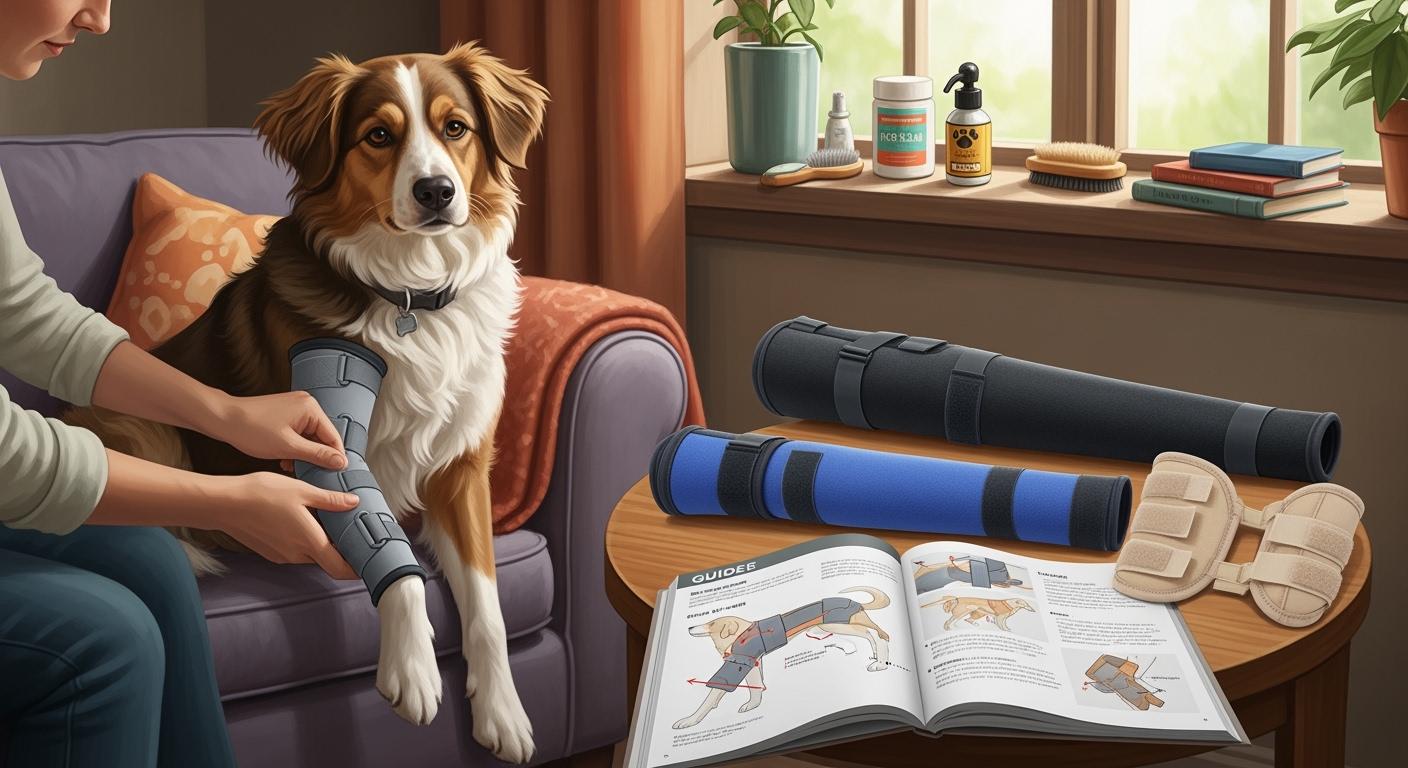
What is the best dog leg sleeve for your dog? The answer depends on your dog’s health. It also depends on how active your dog is. Each leg may need a different kind of support. Many vets suggest a dog leg sleeve after surgery. It can also help protect a leg after an injury. Some dogs need it to feel better if they have osteoarthritis. A good dog leg sleeve can keep the leg steady. It can stop your dog from licking or chewing the leg. It helps protect sore spots during daily life. Knowing the right type, fit, and features is important. This makes sure your dog gets good support every day.
Key Takeaways
A dog leg sleeve gives light support and keeps the leg safe. It helps with injuries, healing after surgery, and joint problems. – Pick the right sleeve for your dog’s needs. Some sleeves are for the front leg. Others are for the back leg. – Measure your dog’s leg the right way to get a good fit. This stops pain and helps the sleeve work well. – Find sleeves made from materials that let air in. Look for ones with straps you can change. These things help your dog feel good and move easily. – Ask your vet for help picking the best sleeve. Your vet can also check how your dog is healing and feeling.
What Is a Dog Leg Sleeve?
Definition and Main Uses
A dog leg sleeve is a soft cover for your dog’s leg. It is flexible and fits over the leg. The sleeve gives gentle support and a little pressure. Many people use it to protect sore spots or after surgery. You can put it on wounds, hot spots, or skin problems. The sleeve stops your dog from licking or scratching the spot. It also keeps dirt and dust away from the leg. You can use it every day, even on walks or when resting. The sleeve lets your dog move easily but still protects the leg.
Sleeve vs. Brace and Wrap
You might wonder how a dog leg sleeve is different from other covers. The main types are sleeves, braces, and wraps. Each one helps in a different way and has its own job. The table below shows how they are not the same:
Type of Support | Description | Use Cases |
|---|---|---|
Braces | Stabilizes joints, limits motion, offloads stress | Unilateral injuries, post-operative support, bilateral knee disease |
Sleeves | Provides compression, reduces swelling | Mild instability, arthritis |
Wraps | Offers support and warmth | General support, minor injuries |
A sleeve gives light support and a little pressure. It does not stop your dog from moving. A brace is stiffer and keeps the joint from moving too much. A wrap gives warmth and some support to the leg.
Support Goals
You use a dog leg sleeve for many reasons. These include:
Protecting your dog’s hurt back leg or surgery spot
Stopping licking, scratching, and infection
Letting your dog move freely while healing
A dog leg cover can help with mild joint problems or arthritis. You can use it every day or during recovery. The sleeve is a soft cover that helps your dog heal and feel better.
Types of Dog Leg Sleeves
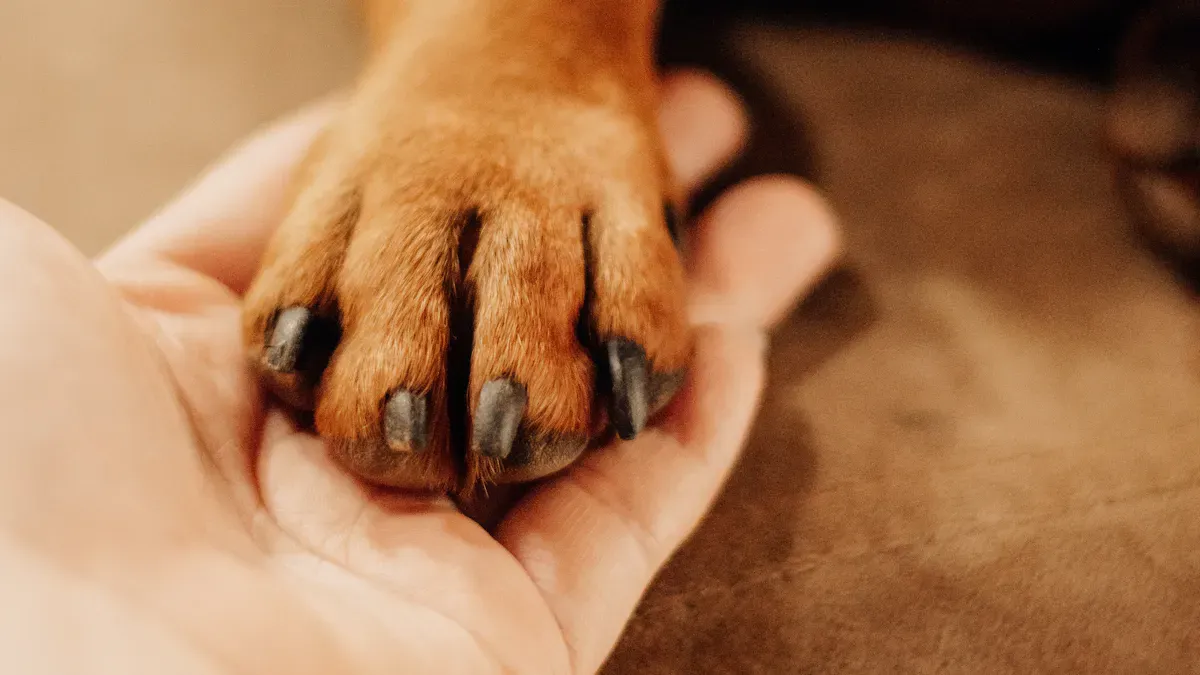
There are different dog leg sleeves for different needs. Knowing about these types helps you pick the best one for your dog.
Front Leg Sleeves
Front leg sleeves go on your dog’s front legs. They cover wounds or protect spots after surgery. These sleeves give gentle support. They stop your dog from licking or scratching. The light pressure can help with swelling or sore joints. Most front leg sleeves let your dog walk and play safely.
Rear Leg Sleeves
Rear leg sleeves fit on the back legs. You use them after surgery or for sensitive skin. They help with joint pain or arthritis. These sleeves give light pressure and keep the leg clean. They are easy to put on and take off. This makes caring for your dog simple each day.
Elbow and Hock Sleeves
Some sleeves are made for elbows or hocks. These give extra support to sore spots. Elbow sleeves help with calluses or arthritis. Hock sleeves support the lower back leg. You can use these for injuries or to stop new problems.
Full vs. Partial Coverage
You can pick full or partial coverage sleeves. Full coverage sleeves cover the whole leg. They keep the leg warm and safe from weather. Partial coverage sleeves leave some of the leg open. This helps your dog move better and go to the bathroom easily. The table below shows how they compare:
Feature | Full Coverage | Partial Coverage |
|---|---|---|
Weather Protection | Excellent | Fair to good |
Mobility | Moderate | High |
Warmth | High | Moderate |
Comfort & Fit | Variable | Generally high |
Bathroom Ease | Poor | Excellent |
Drying Time | Longer | Quicker |
Materials and Designs
Dog leg sleeves are made from many materials. Some are soft and stretchy for comfort. Others use cotton with grips so they do not slip. Some sleeves use neoprene and spandex. These are strong and easy to clean. The right material keeps the sleeve on and stops skin problems. Breathable sleeves are good for daily use.
Tip: Pick a sleeve that fits your dog’s needs and activity. Some splints give more warmth. Others are better for moving or protecting the leg.
Type of Dog Leg Sleeve | Typical Applications | Advantages | Limitations |
|---|---|---|---|
Support Sleeves | Joint issues, mobility | Improves stability | May slip |
Protective Covers | Wound protection, surgery | Prevents licking | Less flexible |
Leg Warmers | Cold climates | Keeps legs warm | Not for hot weather |
Therapeutic Wraps | Pain relief, inflammation | Adjustable temperature | Higher cost |
Leg Boots | Extreme weather, terrain | Waterproof, non-slip | Need cleaning |
Choosing the Right Sleeve for Your Dog
Assessing Support Needs
You want to make sure your dog gets the right level of joint support. Start by watching your dog’s behavior. Look for signs of discomfort, such as limping or licking a specific leg. Notice if your dog avoids putting weight on one leg or seems less active. These signs can help you decide if your dog needs extra support or just a simple cover.
Follow these steps to assess your dog’s support needs:
Observe your dog’s movement and body language. Check for any changes in how your dog walks or stands.
Evaluate the severity of any injury or soreness. Decide if your dog needs light joint support or more coverage.
Think about your dog’s size and breed. Larger dogs may need a sleeve with more structure, while smaller dogs may do well with a lighter cover.
Consult your veterinarian. A professional can help you choose the best sleeve for your dog’s joint support and recovery.
You should always match the sleeve to your dog’s daily activity and health needs. This helps you provide the right joint support and comfort.
Fit and Sizing
A proper fit is key for any dog leg sleeve. If the sleeve fits well, your dog will move easily and get the right joint support. You need to measure your dog’s leg before you choose a sleeve. Use these tips to get the best fit:
Measure the length of your dog’s leg from the shoulder to the paw. Make sure your dog stands straight when you measure.
Check the width of the leg at the top, middle, and bottom. This helps you find a sleeve that will cover the leg without being too tight.
If your dog is between sizes, pick the larger size. This prevents squeezing and allows for a proper fit.
Always measure both front and rear legs if you need sleeves for more than one leg.
A sleeve with a proper fit will stay in place and provide steady joint support. It will also cover the right areas and prevent rubbing or slipping.
Key Features for Comfort
Comfort matters for everyday use. You want your dog to wear the sleeve without stress. Look for these features when you choose a dog leg sleeve:
Feature | Contribution to Comfort |
|---|---|
Adjustable & Secure Fit | Lets you customize the sleeve for your dog’s size. This improves comfort and mobility. |
High-Quality Breathable Material | Allows air to flow. Prevents overheating and keeps the leg dry. |
Support with Freedom of Movement | Gives joint support but does not limit your dog’s movement. |
A sleeve with these features will cover the leg well and provide joint support all day. Your dog can walk, rest, or play without discomfort. You should check the sleeve often to make sure it keeps a proper fit and does not cause skin problems.
Tip: Choose a sleeve with soft edges and adjustable straps. This helps you get a secure fit and keeps your dog comfortable.
Comparison Table: Types and Uses
You can find many types of dog leg sleeves. Each type offers different levels of joint support, coverage, and benefits. Use the table below to compare common options:
Type of Sleeve | Support Features | Application Purpose | Benefits |
|---|---|---|---|
Recovery Dog Sleeve | Velcro straps for support without immobilization, firm compression | Post-surgery, injury support, mobility issues | Alleviates pain, promotes healing, prevents muscle atrophy, suitable for various dog sizes. |
Shed Defender Onesie | Breathable cotton, snug fit for comfort | Post-surgery, anxiety relief | Prevents shedding, replaces e-collar, allows for healing without licking or scratching. |
Ortocanis Knee Brace | Light compression, 360-degree support | Injury support, osteoarthritis | Improves stability, blood circulation, pain relief for joint issues. |
Dog Leg Wraps | Various materials (self-adherent, gauze, elastic) for different support levels | Wound protection, injury support | Reduces swelling, provides comfort, stabilizes joints, protects wounds from further injury. |
You should use this table to match your dog’s needs with the right sleeve. Think about the level of joint support, the area you want to cover, and the main goal—whether it is recovery, daily comfort, or injury prevention.
Note: Always check the sleeve’s fit and comfort after you put it on your dog. A proper fit ensures your dog gets the best joint support and coverage.
Everyday Use and Support
Injury Prevention and Recovery
You want your dog to stay safe every day. A dog leg sleeve gives gentle help and protects the leg. It can stop new injuries and help old ones heal. If your dog has mild joint pain, a sleeve can help. It is also good after a small accident. The sleeve covers the leg and keeps out dirt and rough things. This helps your dog stay active and lowers the chance of more injury. You should check the sleeve often. Make sure it fits right and still protects your dog.
Post-Surgery and Sensitive Area Coverage
After surgery, your dog needs extra care for the healing leg. A dog leg sleeve covers the cut and helps stop infection. It also keeps your dog from licking or scratching the spot. For healing, pick a sleeve that is easy to wash and lets air in. It should fit well and stay in place. These things help you keep the sleeve clean and dry. You can see the main benefits in the table below:
Use Case | Primary Benefit | Recommended Features |
|---|---|---|
Post-Surgery Recovery | Protects incisions and prevents infection | Washable, breathable fabric; secure fit; easy access for vet checks |
Always ask your vet before picking a dog leg cover. Make sure the cover is clean and fits your dog well. Check your dog’s leg often for any pain or rubbing.
Support for Active and Senior Dogs
Active dogs and older dogs both need good support. If your dog likes to run or play, a sleeve can stop scrapes. It also helps your dog heal after exercise. For older dogs, the sleeve gives gentle pressure and warmth. This can help with joint pain and healing after surgery. You can use a sleeve every day to cover sore spots and keep your dog comfy when moving.
Activity-Specific Features
When you pick a dog leg sleeve for sports or training, look for special features. Straps you can adjust and non-slip linings keep the sleeve in place. Strong materials like canvas or blends make the sleeve last longer. Padding and special shapes give more comfort and safety. Water-resistant covers help the sleeve dry fast after being outside. These features make the sleeve a good choice for both injury care and healing after surgery.
Comfort and Durability
Application and Adjustment
You want your dog to feel comfortable when wearing a leg cover. Start by letting your dog sniff and explore the cover. Place it near their bed or food bowl so it becomes familiar. Gently put the cover on one leg for a short time, about 10–15 seconds. Give your dog a treat or praise right away. Over a few days, increase the time your dog wears the cover. Watch your dog’s behavior. If you see signs of stress, such as whining or trying to remove the cover, take a break. When your dog seems relaxed, encourage gentle walking or play. Only use the cover for long periods when your dog feels confident. This step-by-step approach helps your dog adjust and ensures the leg cover gives the right support.
Maintenance and Cleaning
Keeping the leg cover clean helps protect your dog’s skin and keeps the cover strong. Wipe down the cover with a damp cloth and mild pet-safe soap after each use. For deeper cleaning, soak removable parts in a vinegar and water mix once a week. Always let the cover air-dry before you store it. Store the cover in a cool, dry place away from sunlight. Good cleaning habits help the cover last longer and keep your dog safe. Regular care also prevents skin problems and keeps the leg support working well.
Signs of Proper Fit
A good fit is key for comfort and support. Check the leg cover often to make sure it fits well. Use the table below to spot signs of a proper fit:
Feature | Description |
|---|---|
Soft Padding | The cover has soft padding over the leg for extra comfort. |
High-Quality Materials | The cover uses strong, comfortable materials that your dog will accept. |
Breathable Fabric | The cover allows air to flow, keeping the leg dry and reducing irritation. |
Straps or fasteners keep the cover secure and in place on the leg. |
If you see redness, swelling, or your dog tries to remove the cover, check the fit again. A well-fitted cover will not slip or cause discomfort. Regular checks help you keep your dog’s leg safe and supported every day.
Related Supports and Guidance
When to Consider a Brace or Wrap
You may notice your dog needs more than a sleeve for leg support. A brace or wrap can help when your dog has a more serious leg injury or needs extra stability. Braces limit movement and give strong support for joint problems or after surgery. Wraps offer warmth and gentle pressure for mild swelling or minor injuries. If your dog shows signs like limping, stiffness, or swelling, you should think about these options. Larger dogs often need stronger support, while smaller dogs may do well with lighter wraps. Always check the fit and comfort of any support you use. Avoid homemade solutions, as these can make a limb injury worse. For complex cases, a dog leg splint or an effective dog splint may be needed for proper limb injury management.
Internal Links to Related Guides
You can find more information about dog leg support in our other guides. These resources help you choose the right product and use it safely:
Learn how to fit and use a dog leg brace for joint stability.
Explore the benefits of a dog leg wrap for mild support and warmth.
Read about dog elbow sleeve options for targeted elbow support.
Discover when to use a dog hock support for lower leg injuries.
Follow our fitting and usage guides for step-by-step instructions.
Tip: Always observe your dog’s behavior and body language. Accurate measurements and the right support type help your dog heal and stay active.
Consulting a Veterinarian
You should talk to your veterinarian before choosing a support for your dog’s leg. A vet can check your dog’s size, breed, and activity level. They will look for signs like limping, licking, or swelling. The vet may use medical tape, elastic gauze, or plaster to create a custom splint if needed. They will make sure the splint fits well and supports natural movement. Professional advice helps you avoid mistakes and keeps your dog safe. Never try to make your own support at home. Your vet will guide you to the best option for your dog’s health and comfort.
To select and use a dog leg sleeve, follow these steps:
Identify why your dog needs a leg cover.
Make sure the sleeve fits well and feels comfortable.
Choose breathable, easy-to-clean materials.
Check the sleeve often for fit and comfort.
Ongoing assessment helps you adjust the sleeve as your dog’s leg changes. You can avoid common mistakes by testing the sleeve and focusing on your dog’s comfort. For complex leg issues, consult a veterinary professional. Explore related guides for more support options.
FAQ
How do you measure for a dog leg sleeve?
You measure from the top of the leg to the paw. Use a soft tape. Wrap it around the widest part of the leg. Check the length and width. Write down the numbers. Choose a sleeve that matches these measurements.
Can your dog wear a leg sleeve all day?
You can let your dog wear a leg sleeve during daily activities. Remove the sleeve at night or for cleaning. Check the skin often. Make sure there are no signs of irritation or discomfort.
What materials work best for dog leg sleeves?
You find breathable fabrics like cotton, neoprene, or spandex work well. These materials keep the leg dry and comfortable. They also allow easy movement. Choose a sleeve that uses high-quality, washable materials.
How do you clean a dog leg sleeve?
You wash the sleeve with mild soap and water. Rinse it well. Let it air dry before using it again. Clean the sleeve regularly to prevent skin problems and keep it strong.
When should you ask a veterinarian about leg sleeves?
You ask a veterinarian if your dog has swelling, pain, or trouble walking. A professional can help you choose the right sleeve. They check for proper fit and support. Always seek advice for serious injuries.
