
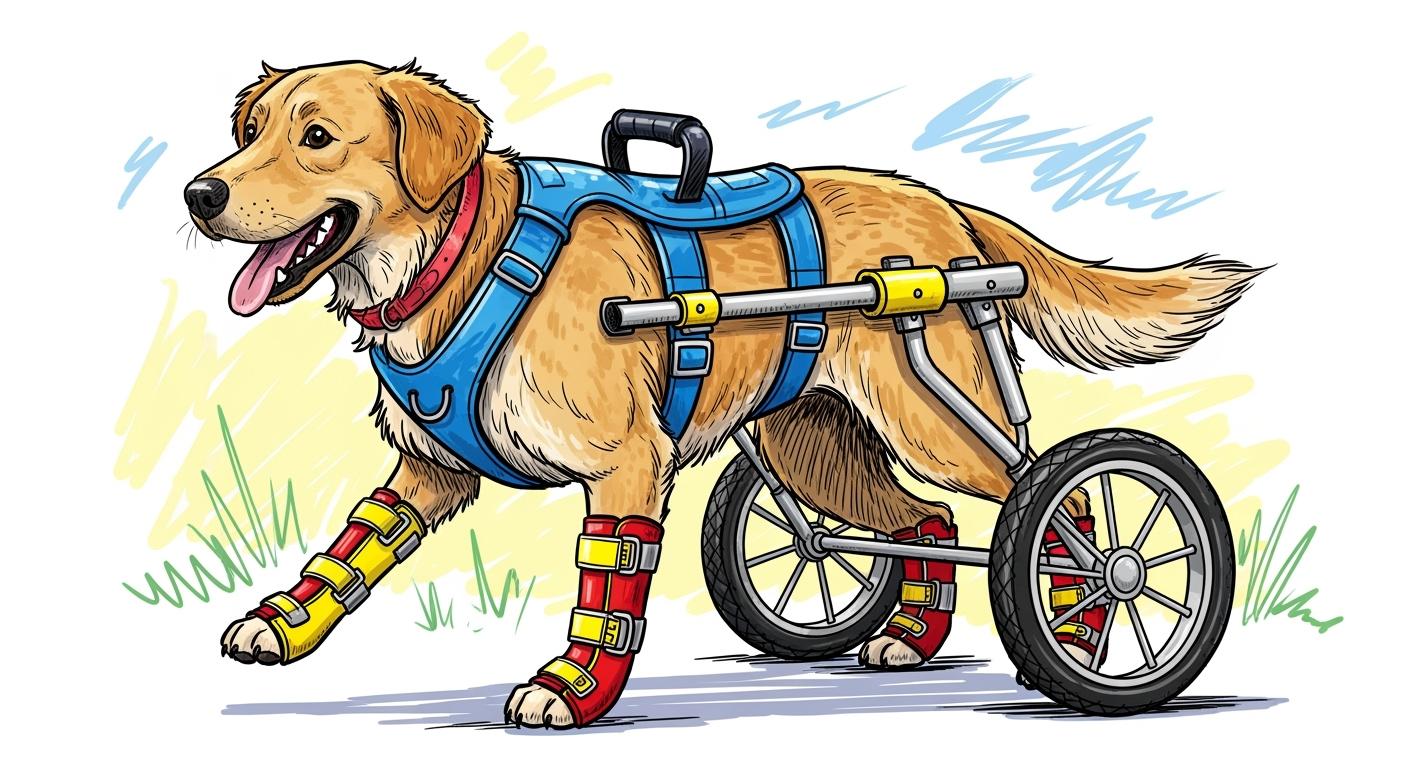
Choosing high-value canine rehab gear is one of the most effective ways to support your dog’s recovery and everyday comfort. The right equipment helps your pet move more safely, rebuild strength, and avoid new injuries. High-value rehab gear for dogs includes joint braces, support harnesses, mobility aids, and exercise platforms that are built to last and designed to fit well. Veterinarians often recommend medical-grade braces, supportive lifting harnesses, and other rehabilitation tools after injury or surgery. These products use strong, dog-friendly materials and adjustable designs so they can be tailored to your dog’s body. When you invest in well-made rehab gear that your veterinarian supports, you make daily life safer, easier, and more comfortable for your dog.
Key Takeaways
Invest in high-value canine rehab gear so your dog can heal safely, move more easily, and stay active for longer.
Always work with your veterinarian before buying rehab equipment. Your vet understands your dog’s diagnosis and can recommend the right gear.
Choose rehab gear made from durable, medical-grade materials with adjustable straps and secure fastenings. This combination improves support, comfort, and long-term fit.
Start using braces, harnesses, and other mobility aids as soon as your vet says it is safe. Early, appropriate support can prevent secondary injuries and protect weak joints and muscles.
Focus on gear that clearly improves your dog’s quality of life. Support harnesses, ramps, and other mobility aids help dogs stay involved in family life and do more on their own.
What Makes High-Value Canine Rehab Gear
Key Features: Durability and Safety
You need rehab gear that lasts a long time. It should keep your dog safe every day. High-value canine rehab gear uses strong materials made for medical use. These materials protect your dog while they heal and move around. When you pick joint braces, support harnesses, or mobility aids, check if they are tough. Good gear does not break easily, even if your dog uses it a lot.
Here is a table that shows what makes materials safe and strong:
Material Feature | Description |
|---|---|
Burst Resistance | Gear should let out air slowly if it gets a hole. |
Non-Slip Surface | Bumpy surfaces help stop your dog from slipping. |
Thickness | Thick material does not get ruined by dog nails. |
Toxicity-Free | Stay away from things like lead, latex, and BPA. |
Look for these things before you buy rehab gear for your dog. Brands like GaitGuard use strong materials and smart designs to meet these needs.
Comfort, Adjustability, and Good Fit
Your dog needs rehab gear that feels soft and fits right. High-value gear for dogs has straps you can change and soft padding. These things help you make the gear fit your dog’s body. When gear fits well, your dog can walk and play more easily.
Adjustable gear is important because every dog is different. You can change the fit as your dog grows or gets better. Soft and airy materials help your dog stay comfy for a long time. A good fit also stops the gear from rubbing and hurting your dog’s skin.
Tip: Always measure your dog before you buy joint braces or harnesses. Try to make the gear fit snug but not too tight.
Why Veterinary Recommendations Matter
You should ask your vet before you buy rehab gear. Vets help you pick the best gear for your dog’s needs. They know what works for different injuries and health problems. Vets help you avoid buying gear that does not fit or work well.
Vets help you choose gear that matches your dog’s injury.
Your vet helps you avoid buying the wrong size or type.
There are many rehab products, so expert advice helps you choose wisely.
Important rehab gear includes thermal therapy tools, balance gear, and harnesses. These things help your dog heal faster and stay safe.
Talk to your vet or rehab expert before you buy medical-grade gear. Their help makes sure you get high-value rehab gear that helps your dog.
When Dogs Benefit Most from Rehab Gear
Injury and Post-Surgery Recovery
You want your dog to get better after an injury or surgery. Rehab gear like joint braces and support harnesses help your dog move safely. These tools give extra help to weak joints and muscles. They also stop more injuries while your dog heals.
Many studies have checked how rehab gear helps dogs after surgery. The table below shows what researchers learned:
Study Focus | Findings | Conclusion |
|---|---|---|
Postoperative rehabilitation in dogs with TL-IVDH | Early rehab is safe; no big difference in recovery between intensive and basic rehab. | Rehab may not speed up recovery, but it is safe. |
Comparison of rehab protocols | Some studies show benefits; one recent study did not find faster recovery. | Rehab may help, but results are mixed. |
Laser treatment and rehab | No difference in recovery time; some studies suggest benefits. | Immediate rehab may not always improve recovery. |
You should ask your vet about the best rehab plan for your dog. Rehab gear can make life easier and safer for your pet.
Senior, Arthritic, and Frail Dogs
Older dogs often have trouble moving because of arthritis or weakness. You can use rehab gear to help your senior dog stay active. Support harnesses and mobility aids help your dog feel safe and hurt less. These tools help your dog stand up, walk, and do daily things.
If your dog has trouble with stairs or slips on smooth floors, rehab gear can help a lot. You help your dog stay independent and comfy by picking the right gear.
Early vs. Late Intervention and Outcomes
Starting rehab early gives your dog the best chance to get strong. Using rehab equipment soon after surgery helps your dog avoid problems like weak muscles and stiff joints. Waiting too long can cause more pain and less movement.
Early rehab after surgery helps your dog move better.
Waiting too long can make muscles weak and joints stiff.
Dogs with early rehab do better in the long run.
Keeping your dog active and at a good weight helps recovery.
Tip: Start using rehab gear as soon as your vet says it is okay. Early action helps your dog feel better and stay happy.
High-Value Joint Braces for Dogs
Types of Braces (Knee/CCL, Hock, Carpal, Elbow, Hip/Back)
There are many kinds of joint braces for dogs. Each brace helps a certain part of your dog’s body. Picking the right brace helps your dog move with less pain. Here are some main types you can find:
Knee Braces (Stifle/CCL): These braces keep the knee steady. They help dogs with ACL or CCL injuries.
Carpal Braces: These braces support the wrist and lower front leg.
Tarsal or Hock Braces: These braces help keep the ankle stable.
Elbow Braces: These braces help dogs with elbow problems.
Hip Braces: These braces help dogs with weak hips.
Cervical Braces: These braces support the neck and spine.
Ask your vet which brace is best for your dog.
Features That Set High-Value Braces Apart
High-value joint braces for dogs are made with strong materials. They last longer and feel better for your dog. The table below shows how high-value braces are different from cheaper ones:
Feature | High-Value Joint Braces | Lower-Quality Alternatives |
|---|---|---|
Material | Durable, medical-grade (like carbon fiber) | Basic neoprene or nylon |
Adjustability | Custom fit for your dog | Limited or no adjustability |
Comfort | Soft padding, breathable design | Less padding, may cause discomfort |
Craftsmanship | Strict quality control, reliable manufacturing | May lack quality checks |
Braces from GaitGuard have these high-value features. Choosing strong and well-fitting braces helps your dog heal better.
When a Quality Brace Outperforms a Cheap Alternative
You might see big changes in your dog’s movement with a high-value brace. Research shows that good fit and comfort help your dog get better. Cheap braces can slip or hurt your dog’s skin.
Most problems happen when braces do not fit well.
Dogs with custom braces get better faster.
Your vet can help you check the brace and make changes.
Tip: Always look for signs of slipping or pain. High-value canine rehab gear keeps your dog safe and active while healing.
Support Harnesses and Lifting Gear Worth the Investment
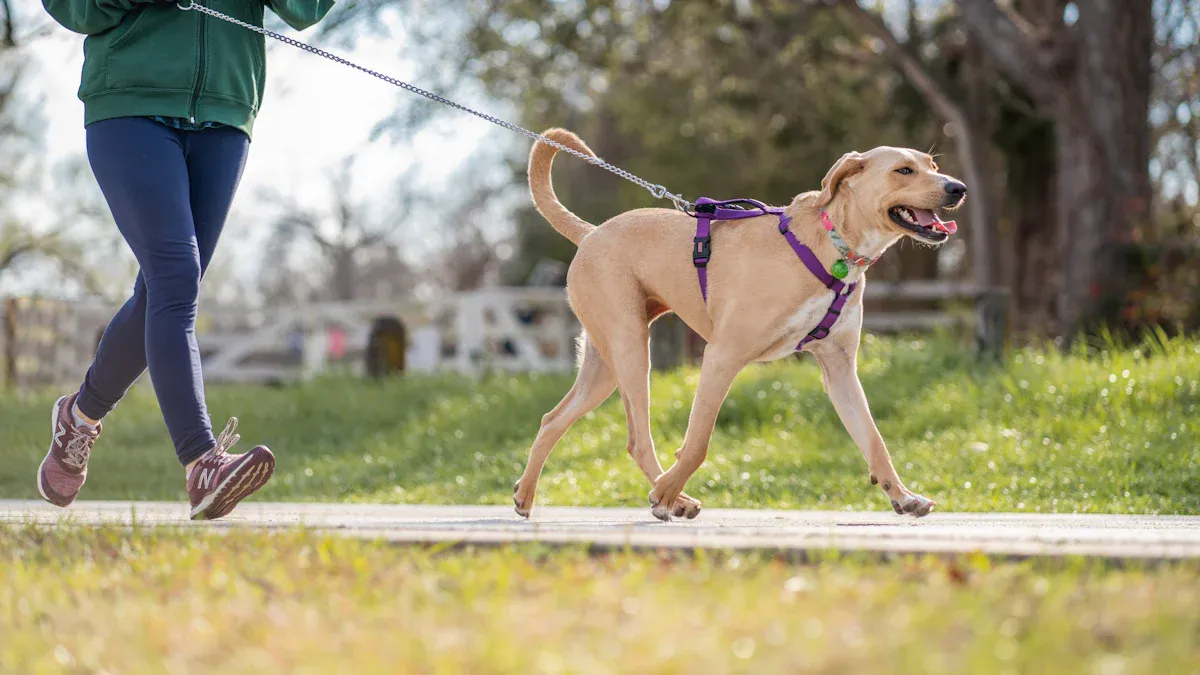
Harness Types and Uses (Front, Rear, Full-Body)
There are different support harnesses and lifting gear for dogs. Each one helps with a certain need. The table below shows some common harness types and what they do:
Harness Type | Description | Key Benefits |
|---|---|---|
Full Body Support | Covers both the chest and hips for more balance | Helps older dogs stand, supports walking, stops falls |
Hind Leg Support | Gives extra help to the back legs | Good for after surgery, safer bathroom trips |
Everyday Vest | Simple style for daily walks and light support | Easy to use every day, simple to put on |
You might see harnesses like the Walkabelly Support Lift, Help ‘Em Up Harness, and Gingerlead Support Sling. These harnesses give steady help to dogs that have trouble moving.
Essential Safety and Comfort Features
High-value rehab gear should keep your dog safe and comfy. Look for these things when you buy support harnesses or mobility aids:
Adjustability: Lets you make the harness fit your dog well, so it does not rub and your dog can move easily.
Padding: Soft padding on the chest and belly keeps your dog safe if you need to lift or pull them.
Front Clip: Makes it easier to guide your dog on walks and helps stop pulling.
Material Choice: Airy fabrics help your dog stay cool. Reflective strips help keep your dog safe at night.
Tip: Always check that the harness fits right and has soft padding before you use it. Your dog should be able to move without pain.
Recommended Use Cases for Harnesses and Straps
Support harnesses and lifting gear can help in many ways. The table below shows some common times to use them:
Clinical Scenario | Description |
|---|---|
Post-surgery | Helps dogs keep weight off sore spots while they heal |
Minor Injuries | Helps dogs rest hurt areas and feel better |
Dog Arthritis | Makes it easier for dogs with joint pain to move |
Older Dogs | Gives extra help to senior dogs, helps with stairs and getting in cars |
Physiotherapy | Helps dogs move in a controlled way and build muscle during rehab |
Temporary Injuries or Weakness | Stops small problems from turning into bigger ones |
Large Breed Dogs with Heavy Lifting | Makes it easier for you to lift big dogs without hurting yourself |
Support harnesses and mobility aids help your dog feel braver and make daily care easier for you. You make a good choice when you pick gear that is safe, comfy, and easy to adjust.
Canine Rehab Exercise Equipment and Platforms
Canine rehab exercise equipment helps your dog get stronger and healthier. These tools help your dog build strength, balance, and confidence. Vets often suggest using both steady and wobbly fitness equipment. This mix gives your dog safe ways to exercise and get better. With the right platforms, you can help your dog do special exercises. These exercises work certain muscles and make your dog fitter.
Balance Pads, Disks, and Cavaletti-Style Tools
There are many kinds of canine fitness equipment for rehab. Balance pads, disks, and pawpods are popular choices. These tools make your dog work on balance and coordination. Cavaletti poles help your dog lift their feet higher. This helps joints move better. You can set up cavaletti in lines or grids for different challenges. Pawpods let your dog practice standing with each paw on a pod. Balance pads and disks give your dog a wobbly surface. This makes your dog use more muscles.
Balance pads and disks help your dog stay steady.
Cavaletti exercises help joints move and improve coordination.
Pawpods help your dog stand straighter and balance better.
Peanut Balls and Other Stability Equipment
Peanut balls and other stability gear help dogs in special ways. You use a peanut ball to help your dog get a stronger core. It also helps your dog know where their body is. Using a peanut ball often makes your dog’s trunk stronger. It helps with balance and quick movements. Studies show that wobbly platforms like peanut balls make muscles work harder. They also help the spine move better. These tools are good for dogs healing from injuries or surgery. Donuts and wobble boards add new types of exercises. These tools make your dog’s body work to stay steady. This helps with posture and fitness.
Peanut balls help your dog’s core and balance.
Stability gear makes muscles work more and gives better control.
Dogs with nerve problems do well with these platforms.
Simple Platforms for Controlled Rehab and Fitness
Simple platforms like the klimb and cato board give your dog a safe place to exercise. You can use these for step-ups, stands, and other rehab moves. The klimb and cato board are steady and help your dog with basic fitness. You can also use platforms to teach new tricks or help with training. Adding wobbly gear like a peanut or wobble board makes things harder. Proprioceptive mats and platforms help dogs with nerve problems move better. Vets often say to use both steady and wobbly platforms. This helps match your dog’s needs.
Tip: Always watch your dog when they use fitness platforms or rehab gear. Start with steady platforms like the klimb or cato. Add harder tools as your dog gets stronger.
Canine rehab exercise equipment gives you many ways to help your dog. Picking the right platforms and tools helps your dog get stronger, steadier, and braver every day.
Home Rehab Gear and Everyday Mobility Aids
Ramps and Stairs for Cars, Sofas, and Beds
You help your dog move safely when you choose ramps and stairs designed for pets. High-value rehab gear for dogs includes ramps that are easy to carry and clean. Wide ramps with raised, textured surfaces give your dog better grip. You want ramps that support your pet’s weight and stay steady. Steps should be wide and deep, with a non-skid surface to prevent slips. Stable steps help your dog feel confident.
Here are features to look for in ramps and stairs:
Wide enough for your dog’s shoulders
Raised, textured surface for traction
Easy to clean and move
Supports your dog’s weight
Non-skid surface on steps
Stable placement on the ground
Tip: Train your dog to use ramps and stairs slowly. Place them in a safe area first. Never leave your dog unattended until they move up and down with ease.
Non-Slip Mats and Orthopedic Beds
Non-slip mats and orthopedic beds make your home safer and more comfortable for dogs with mobility challenges. Mats made from rubber or silicone prevent dangerous sliding. Textured surfaces add grip and comfort. Orthopedic beds use memory foam to ease joint pressure. These beds are thicker and firmer than regular beds, giving your dog restful sleep and support for joints and the spine.
Benefits of non-slip mats and orthopedic beds:
Prevent slips for dogs with arthritis or weak joints
Provide a secure base for walking and standing
Relieve joint pain by distributing weight evenly
Support the spine and joints for older dogs
Memory foam conforms to your dog’s shape
Note: Place non-slip mats in areas where your dog walks often. Choose orthopedic beds for dogs who need extra support.
Protective Devices, Booties, and Paw Traction
Protective devices like booties and paw traction aids help dogs with mobility issues stay active and safe. Booties provide traction, preventing slips and falls. They protect paws from sharp objects, hot pavement, ice, and salt. You want booties that fit well, are easy to use, and made from durable materials. Orthopedic dog boots offer light support and improve stability for dogs with arthritis or hip dysplasia.
Key features of protective devices and booties:
Enhance mobility and balance on smooth surfaces
Protect against injuries from dragging paws
Serve as a barrier against extreme weather
Moisturizing balms soothe dry or cracked paw pads
Heavy-duty boots for winter, lightweight booties for summer
Tip: Always check the fit of booties. Boots that are too tight or loose can cause discomfort or fall off.
High-value canine rehab gear for the home helps your dog move safely and rest comfortably. You make a smart investment when you choose gear that supports your dog’s needs and improves their quality of life.
How to Evaluate Value When Shopping
Material Quality, Construction, and Design
When you buy rehab gear for dogs, check the materials. Strong materials help the gear last longer. Good design makes the gear easy to use. Your dog should feel comfortable when wearing it. Look for features that help your dog move safely. These features also help your dog heal faster. The table below shows what to look for in rehab equipment:
Material/Standard | Description |
|---|---|
Stability | Stable platforms help your dog stand and stay safe. |
Non-slip surfaces | Non-slip features like Gator Grip Traction Tape stop slipping. |
Durability | Rubber Stall Matting lasts long and feels good for dogs. |
Choosing gear with these qualities helps your dog. Well-made joint braces and harnesses work better and feel nicer.
Warranties, Return Policies, and Support
You want to feel sure when you buy rehab gear. Good brands give warranties to protect your money. Return policies let you send back gear that does not fit. Customer support helps you fix problems fast. Before you buy, check if the company supports their products. Read the warranty details and ask about returns. Good support makes shopping easier and helps you feel calm.
Tip: Keep your receipt and check how long the warranty lasts. If you have questions, ask customer service before you buy.
Supplier Reliability and Vet/Owner Reviews
Reliable suppliers matter when you pick rehab gear for dogs. Buy from companies with a good reputation. Look for these signs:
High reorder rates mean pet owners trust the products.
Veterinary clinics share good stories about service and quality.
References from other clients show how the gear works.
Read reviews from vets and pet owners to see how the gear works. Trusted suppliers and good feedback help you choose the best gear for your dog.
Working with Your Vet Rehab Team
Why Professional Guidance Is Essential
You want your dog to get the best treatment possible. Working with a veterinary rehab team helps you choose high-value canine rehab gear that fits your dog’s needs. Trained professionals know how to use canine rehabilitation equipment safely. They understand your dog’s medical history and can spot risks before problems start.
Rehabilitation therapy can cause harm if you do not have the right training.
Rehab specialists need full knowledge of your pet’s health to keep your dog safe.
Certified clinicians create care plans with clear goals for your dog’s recovery.
Collaboration between your vet and rehab team gives your dog complete care.
You can trust your vet to guide you in picking joint braces for dogs, support harnesses and mobility aids, and other rehab gear.
Choosing Between Custom and Off-the-Shelf Gear
You may wonder if custom gear or off-the-shelf products work better for your dog. Veterinary experts compare both options:
Type | Advantages | Disadvantages |
|---|---|---|
Custom Dog Prosthetics | Customized fit and comfort. Mimics natural movement. Lasts longer. Good for unique cases. | High cost. Takes more time. Not always available. |
Off-the-Shelf Prosthetics | Affordable. Quick to get. Good for short-term use. Easy for beginners. | May not fit well. Limited adjustments. May wear out faster. |
Custom gear often works best for dogs with special needs. Off-the-shelf gear helps when you need a quick solution or have a tight budget. Your vet can help you decide which option matches your dog’s condition.
Monitoring Progress and Adjusting Over Time
You need to check your dog’s progress often when using high-value rehab gear for dogs. Your vet rehab team uses different methods to track recovery:
Assessment Method | Purpose |
|---|---|
Muscle Mass Evaluation | Checks muscle size and finds changes over time. |
Joint Range of Motion (ROM) | Measures how well joints move and work. |
Gait Evaluation | Watches how your dog walks and finds movement problems. |
Static Weight Bearing | Looks at strength and how your dog stands. |
Therapeutic Exercise | Builds strength and helps joints move better. |
You play a big part in your dog’s recovery. Stay in touch with your rehab team. Share updates and ask questions. Adjust gear as your dog gets stronger or needs more support. This teamwork helps your dog heal and enjoy life.
Building a High-Value Rehab Gear Plan
Matching Gear to Your Dog’s Needs and Diagnosis
You want your dog to get the best help from rehab gear. Start by visiting your vet. The vet checks your dog’s age, health, and what is wrong. Custom fitting joint braces for dogs or support harnesses helps your dog move better. It also stops pain and rubbing. Go to regular checkups to make sure the gear still works well. Training and rewards help your dog get used to new equipment. Think about how active your dog is before you pick canine rehabilitation equipment.
Visit your vet to learn what your dog needs.
Pick gear that fits your dog’s size and problem.
Get custom fitting for braces and prosthetics.
Check gear often to see if it is comfy and works.
Choose equipment that matches your dog’s daily life.
You can use balance balls and boards to make muscles stronger. Orthopedic treadmills help your dog walk again. Heated beds help blood flow after surgery. Vitamins and supplements keep joints healthy.
Budgeting for Quality vs. Short-Term Fixes
You want to spend money wisely. Plan for food and medical care first. High-value rehab gear for dogs costs more at first but saves money later. It can stop bigger problems from happening. Look for good deals and payment plans at the vet. Compare prices before you buy. Used gear is okay if it is safe. Try doing grooming or training yourself to save money.
Pay for important things first.
Spend money on care that prevents problems.
Look for deals and safe used gear.
Do simple things yourself to save money.
Tip: High-value gear lasts longer and helps your dog heal better than cheap gear.
At-Home Rehab Tips Using the Gear You Choose
You can help your dog get better at home with easy tools. Rolled-up blankets or towels give support. Use a garden hose to make an obstacle course. PVC pipes work for Cavaletti exercises. Pool noodles are cheap and good for exercise. Laundry baskets help with weight-shifting. Rubbermaid boxes support small dogs.
At-Home Tool | Use Case |
|---|---|
Blankets/Towels | Support under or beside your dog |
Garden Hose | Obstacle course |
PVC Pipes | Cavaletti poles |
Pool Noodles | Versatile exercises |
Laundry Basket | Weight-shifting |
Rubbermaid Boxes | Support for small dogs |
Stay patient and keep a good attitude. Use high-value canine rehab gear to make exercises safe and fun. Your hard work helps your dog heal and enjoy life.
You want your dog’s rehab plan to be safe, effective, and worth the money you spend. High-value canine rehab gear checks all of those boxes by combining strong materials, thoughtful design, and guidance from your veterinary team. Well-made joint braces, support harnesses, ramps, non-slip surfaces, and exercise platforms work together to protect weak joints, reduce pain, and support more confident movement.
Measure your dog carefully and follow sizing charts so braces and harnesses fit snugly without rubbing.
Read reviews from veterinarians and pet owners to see how the gear performs in real cases.
Look for brands that back their products with clear warranties, responsive support, and medical-grade standards.
Tip: Think of high-value canine rehabilitation equipment as a long-term investment in your dog’s comfort and mobility. Quality gear often costs more up front but can help your dog heal better and avoid future problems.
FAQ
How do I know if my dog needs rehab gear?
You should watch for signs like limping, trouble standing, or pain after activity. Your vet can help you decide if high-value canine rehab gear will help your dog recover and move better.
What makes joint braces for dogs worth the investment?
High-value joint braces use medical-grade materials and adjustable designs. These features give your dog better support, comfort, and safety. You help your dog heal faster and avoid more injuries.
Can I use support harnesses and mobility aids every day?
Yes, you can use support harnesses and mobility aids daily. These tools help your dog walk, stand, and climb stairs. You make daily life safer and easier for your dog.
How do I choose the right size for canine rehabilitation equipment?
Measure your dog’s body carefully. Check the product’s sizing chart. You want a snug fit that does not pinch or slip. Ask your vet for help if you are unsure.
Do I need a vet’s advice before buying rehab gear for dogs?
You should always ask your vet before buying rehab gear. Your vet knows your dog’s health needs. Professional advice helps you pick the best high-value rehab gear for dogs.
