
When a brand adds a dog leg brace to its product line, one of the first questions the product team needs to answer is straightforward but structurally complex: how long can a dog wear this specific brace? The answer should not be one number repeated across every SKU. A soft compression wrap, a hinged knee brace, and a rigid orthosis create different contact patterns, movement constraints, and monitoring needs.
The wear protocol published in packaging, fitting guides, and product pages should reflect the actual product structure. A generic schedule can be too aggressive for one brace and unnecessarily restrictive for another, especially when liner behavior, strap placement, joint alignment, and intended activity differ.

For brands sourcing or developing dog leg brace products for different joints and support levels, wear duration is a product-definition issue rather than a copywriting shortcut. The protocol should be based on the brace structure, liner system, strap geometry, target joint, intended activity, and fitting results.
Why Wear Duration Cannot Be One Fixed Number
Wear tolerance depends on how a brace manages pressure, moisture, and movement. These factors interact, so a change that improves one area can create a new limitation elsewhere.
Structure and support level set the pressure pattern. A flexible sleeve spreads contact over a broad surface. A hinged or reinforced brace transfers more force through defined shell, stay, or pivot areas. Higher-control structures can create more concentrated contact zones, which makes fit stability and scheduled reassessment more important.
Liner construction affects heat and moisture management. Dense foam or neoprene can provide cushioning and support, but the result depends on thickness, coverage, ventilation, environmental conditions, and activity. A material name alone cannot determine a safe wear window. Brands should evaluate whether the complete liner system traps moisture, folds at the edges, compresses unevenly, or changes after repeated use.
Strap layout controls local pressure and migration. Wider straps can spread load across a larger area, while narrow, angled, or poorly anchored straps may create concentrated pressure near a joint fold or bony point. Static fitting is not enough: a strap that looks acceptable while the dog is standing can shift during walking, sitting, or repeated flexion.
These variables explain why a knee brace, carpal wrap, hock support, and rigid orthosis need separate instructions. Brands should treat wear schedule planning for a stifle brace as a product-specific process rather than a template that can be copied into every leg-support SKU.
How Brace Type Changes the Wear Protocol
Dog leg braces can be grouped into broad structural categories, but the category does not establish a universal number of daily hours. It identifies what must be checked before the brand publishes a target schedule.
Soft support braces generally use flexible materials for compression or mild stabilization. Their protocol should account for heat buildup, moisture retention, edge rolling, and gradual loss of strap tension. A soft brace may tolerate longer activity periods than a rigid design, but only when it remains dry, stable, and free from concentrated edge pressure.
Hinged, size-graded braces add a mechanical pivot that must track the intended joint. If the hinge sits off-axis, movement can produce shear, brace migration, and compensatory over-tightening. The product instructions should therefore define a gradual introduction process and require repeated checks of hinge position, strap location, and gait. A detailed hinged knee brace fit and break-in protocol should be validated for that brace rather than built around one generic progression formula.
Rigid or custom orthoses provide higher structural control and may be used in cases that require professional fitting or follow-up. Standard product instructions should not imply that continuous or overnight use is appropriate without an individualized plan. When extended wear is required, the schedule, removal conditions, pressure-point checks, and reassessment process should be set by the responsible veterinary or rehabilitation professional.
The table below replaces fixed hourly ranges with the product evidence a brand should use when defining its instructions.
| Brace Type | Protocol Basis | Documentation Required | Main Monitoring Risk |
|---|---|---|---|
| Soft support | Intended activity, liner behavior, edge contact, and fit stability | Product-specific introduction steps, removal conditions, and skin checks | Moisture retention, edge pressure, or migration |
| Hinged, size-graded | Joint alignment, hinge tracking, strap geometry, and movement | Professionally reviewed break-in instructions and alignment checks | Shear, migration, and focal pressure |
| Rigid or custom orthosis | Individual condition, device design, fitting results, and professional direction | Follow-up schedule, pressure-point checks, and removal instructions | Skin injury, fit changes, or use outside the prescribed plan |
A common sourcing mistake is treating these categories as interchangeable when preparing product documentation. The correct protocol must match the actual brace in the box, including its joint target, support level, material stack, strap layout, and size-grading logic.
Documentation Brands Should Finalize Before Launch
Every dog leg brace SKU should ship with instructions that answer the wear-duration question for that product. The documentation does not need to be long, but it should define the conditions under which use can continue, pause, or require reassessment.
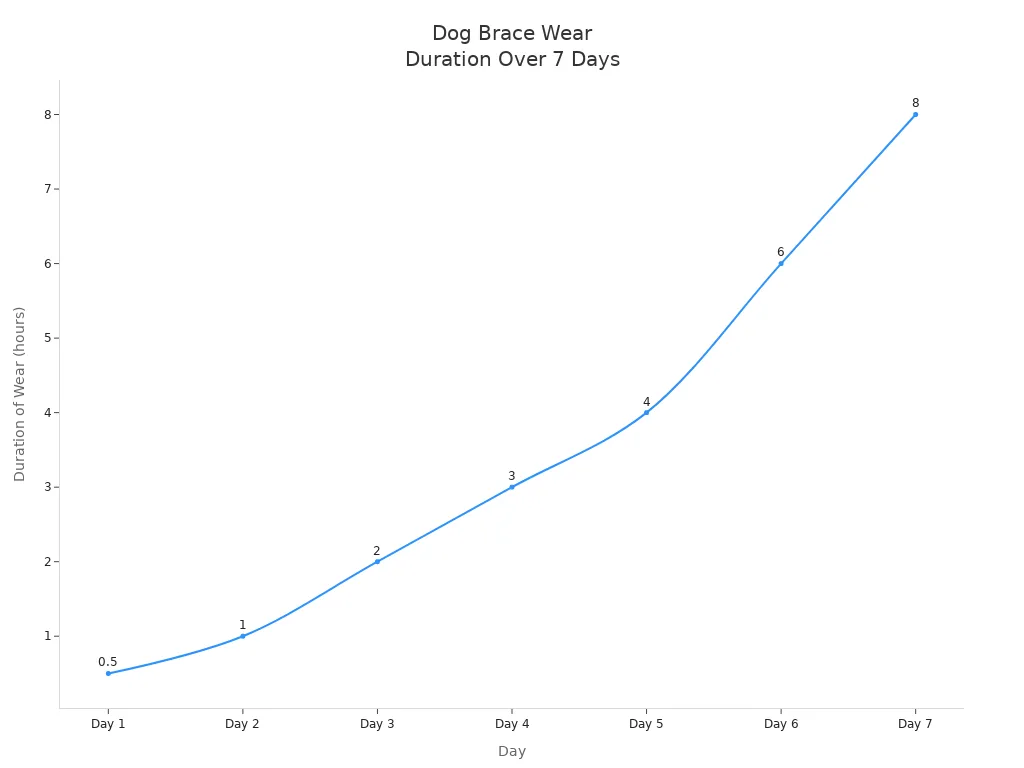
- Introduction and break-in process. Define a gradual introduction sequence for the specific brace. Initial session length, frequency, and increases in wear time should reflect the device structure, intended use, fitting results, and any veterinary or rehabilitation instructions. Do not copy one progression formula across unrelated products.
- Daily-use conditions. State whether the brace is intended for supervised walking, controlled activity, rehabilitation sessions, or another defined use. Also state when it should be removed, such as when the product becomes wet, shifts from its intended position, or reaches a condition identified in the product-specific protocol.
- Skin and fit checks. Identify the contact zones that require inspection at application and removal. Brands should describe redness, swelling, hair loss, abrasions, moisture, pressure lines, and open sores in plain language. The separate guide to dog brace pressure, rubbing, and skin breakdown can support more detailed customer education without turning this page into a treatment guide.
- Stop-use and reassessment signals. Instruct users to remove the brace and seek professional reassessment when they observe persistent redness, swelling, hair loss, abrasions, open sores, an unexpected gait change, repeated brace migration, or continued resistance to the device. Avoid applying one universal time threshold to every dog and brace.
- Product boundary. Clarify when standard sizing or instructions may not apply, including atypical limb shape, angular deformity, unusual joint position, major swelling changes, or a use case that requires custom fitting or professional supervision.
Product-specific documentation reduces the gap between intended performance and real use. It also gives distributors, rehabilitation channels, and customer-service teams one consistent basis for explaining the product without making unsupported claims about a universal safe duration.
Sample validation should assess whether the proposed instructions remain workable across the intended size grades and representative body proportions. Brands should record brace migration, strap position, pressure marks, liner condition, hinge tracking, and movement changes rather than relying on a single mid-range fit example. If the protocol only works after repeated strap tightening or frequent repositioning, the issue may be the size system or brace geometry rather than the written instructions.
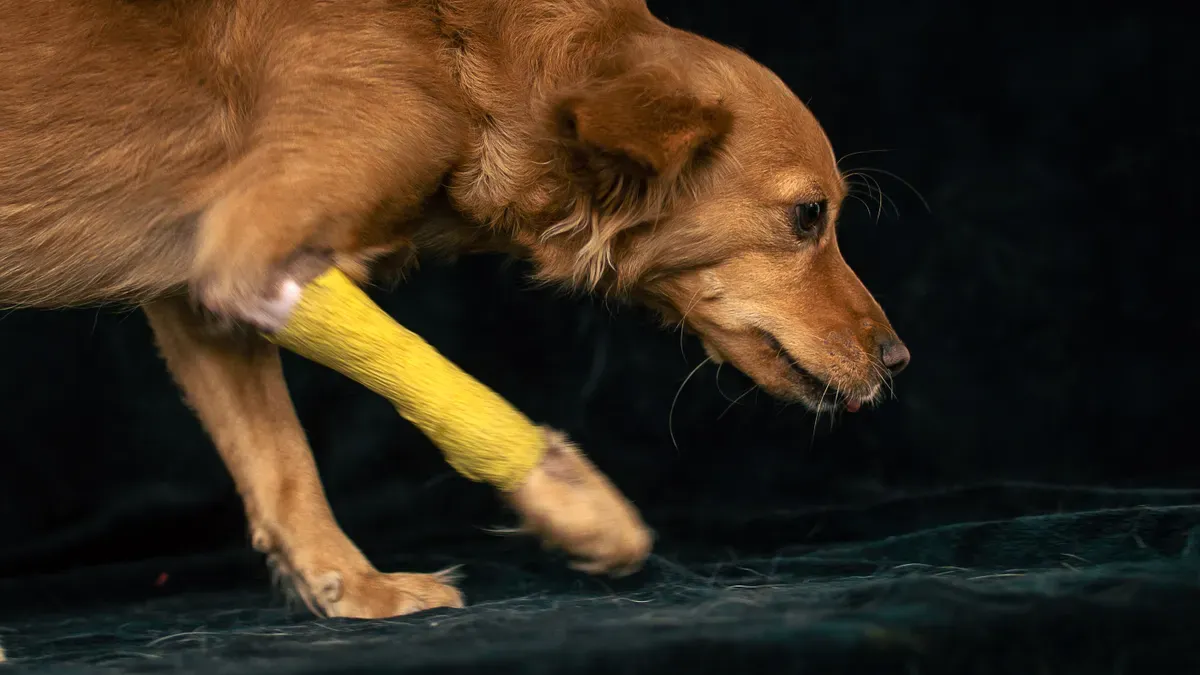
Use boundary: Standard size grading may not cover dogs with angular limb deformities, atypical body proportions, major changes in swelling, or joint positions outside the pattern range. These cases may require professional assessment or a different fitting approach. A dog leg brace does not replace veterinary diagnosis or treatment.
The question “how long can a dog wear a leg brace?” should be answered at the product level. A defensible protocol connects wear duration to the brace structure, materials, fit behavior, target activity, monitoring steps, and professional boundaries. That gives brands a more accurate basis for product pages, packaging, fitting guides, and channel training than a single daily-hour claim applied across the full range.
