
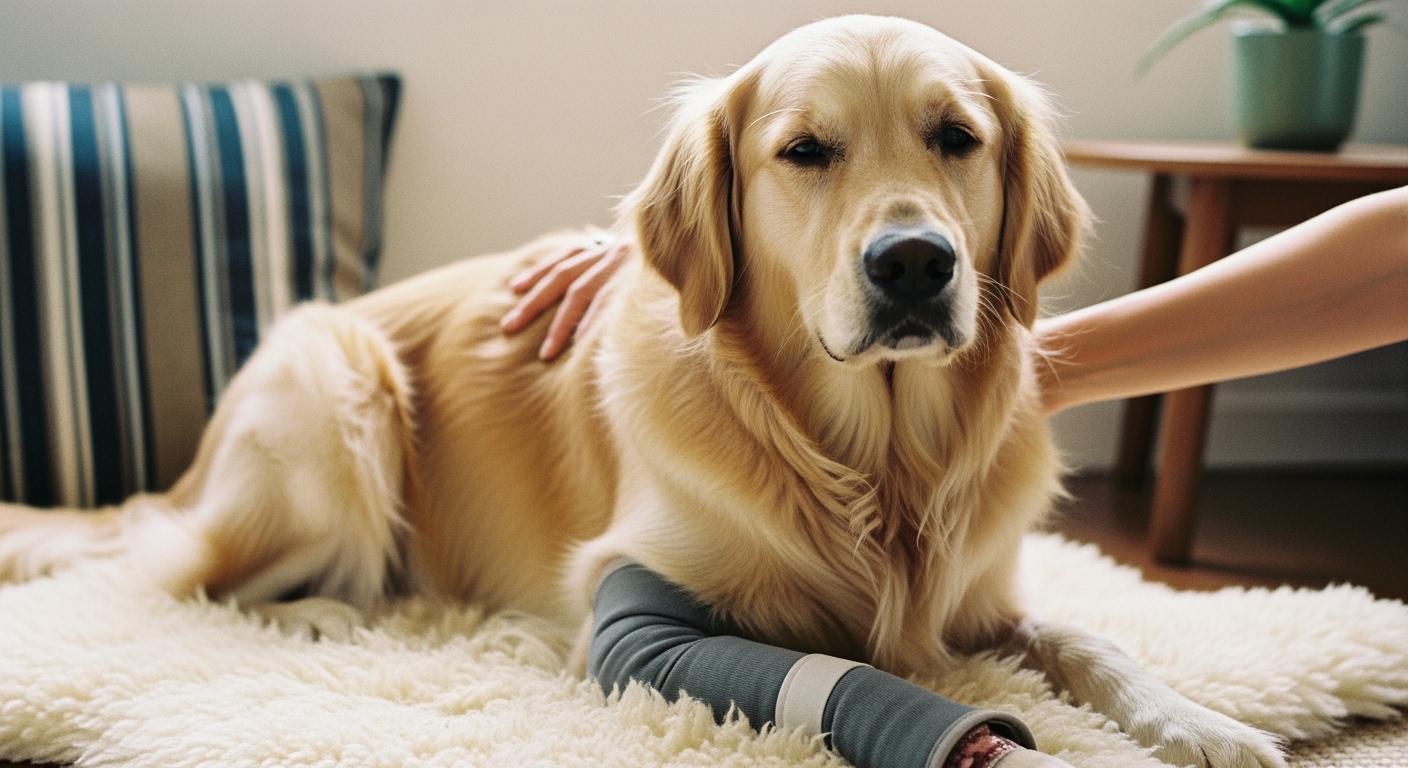
A pet brand adding a lick sleeve for dogs to its recovery line usually plans one product and one size run, then finds the real work is coverage mapping. The keyword hides a small product family: a lick sleeve is a wound-location-specific shape, not a universal cover. Before you cut a single sample, the first decision is which incision locations the line will protect — and which ones will still need a cone, a boot, or a full recovery suit. Get that mapping wrong and returns show up as “sleeve slips” or “dog still reaches the wound,” even when the stitching is clean.
This is a product-development and sourcing decision, not a care tutorial. The sections below move from coverage mapping to pattern structure, SKU planning, and supplier evaluation — the sequence a category buyer works through before issuing an RFQ.
Which Wound Locations a Lick Sleeve for Dogs Can Actually Cover
A limb sleeve works by physically blocking access to an incision it fully covers, which makes wound location the gating variable. A sleeve suits a wound the dog cannot reach around or fold past; it does not suit a torso incision, a paw, or a location the leg can still bend toward. Map the target locations first, then assign each one a product structure. Brands building this out can compare the full lick sleeve wound-protection options before locking the range.
Sourcing note: Map every wound location the line claims to cover, then confirm the sample blocks access from all angles — not only when the dog stands still.
| Wound Location | Suitable Product Structure | Development Requirement | Limitation |
|---|---|---|---|
| Front forearm or lower front-leg | Front-leg lick sleeve | Pattern fit, anti-slip, closure design | May not cover elbow or shoulder |
| Hind-leg location | Hind-leg lick sleeve | Sure-fit shape, joint movement | May not cover hip or groin |
| Joint-adjacent location | Adjustable sleeve, custom fit | Flexible pattern, secure closure | May slip or expose wound |
| Abdominal or torso incision | Full recovery suit | Multi-panel, stretch, breathability | Not limb-specific |
| Multi-site or bilateral wound | Bilateral sleeve, recovery suit | Symmetrical fit, dual closure | Complex sizing, movement restriction |
| Locations the dog can still reach | Cone or combined barrier | Physical barrier, behavior control | May require additional protection |
The table shows why the line rarely stops at one SKU. Limb locations map to front- or hind-leg sleeves; torso and multi-site wounds need a suit; paw and dog-reachable locations fall outside a sleeve’s boundary. Hind-leg cases are where most fit complaints originate, so it is worth studying how hind-leg wound locations map to sleeve coverage before committing patterns.
Front-Leg vs Hind-Leg Pattern, Anchoring, and Closure

Front and hind legs taper in opposite directions, so one panel shape cannot serve both. The front leg thickens from paw to elbow and narrows toward the shoulder; the hind leg thickens from hock to thigh. A pattern built for one will slip or gap on the other, exposing the incision the product is supposed to guard. The same logic explains why a left panel will not mirror onto a right limb without a dedicated pattern.
| Leg Type | Anatomical Feature | Design Implication |
|---|---|---|
| Hind leg | Thickens from hock to thigh | Panel must accommodate an upward-tapering shape |
| Front leg | Thickens from paw to elbow, narrows to shoulder | Needs a different panel shape and anchor point |
Anchoring decides whether coverage holds during movement. A top cuff grips the limb and, where the shape allows, an upper or shoulder anchor ties the sleeve to a stable body point so it cannot ride down or rotate. Closures belong away from high-flex joints; a closure sitting over a bending joint creates pressure points and works itself loose. Roll-resistant edges matter too — a curling hem becomes the next chewing target. When anchoring is weak, licking continues even with the wound “covered,” a failure mode detailed in why front-leg licking persists past a loose sleeve.
Sample check: After repeated flexing on a representative limb, confirm the anchor has not migrated and the edge has not begun to roll or fray.
Sizing and Left/Right SKU Planning for the Line
Sizing drives both coverage and inventory complexity. Build the size logic on limb circumference at the anchor points above and below the wound, plus sleeve length from the lower limb to the top anchor. Breed build is a secondary reference, not the primary axis — a slim sighthound leg and a stocky bulldog leg can share a circumference band yet need different length grading. Publishing this logic as a clear size chart and measuring guide is what keeps sizing returns down, and it aligns with the recovery sleeve fit and coverage requirements buyers already expect.
SKU planning then has to account for side and symmetry:
- Left- and right-specific sleeves for single-limb wounds — a left front pattern will not fit the right leg correctly.
- Bilateral or suit options for dual-site wounds, which need symmetrical panels and dual closures.
- Adjustable versions for joint-adjacent wounds, tested for slippage before they enter the range.
Every side and support variant multiplies patterns, samples, and stock-keeping units, so the range should extend only as far as the target channels actually need. A veterinary or rehab channel usually justifies left/right and bilateral depth; a general retail line often starts with a leaner, adjustable-led set that is quicker to stock and replenish.
Evaluating a Lick Sleeve Manufacturer and Moving to RFQ
Once the range is scoped, supplier fit decides whether it reaches the market cleanly. A capable partner should explain why a front and hind pattern differ, show consistent stitching and closure strength across a batch, and separate cosmetic customization — logo, packaging, color — from structural change such as panel shape, closure position, or size grading that requires a fresh sample. OEM work builds to your pattern; ODM adapts an existing one. Either way, production stability matters more than the lowest unit price. Distributors weighing a full range can pressure-test a supplier with the wholesale rehab sourcing questions that surface batch-consistency risk early.
| Product Route | Main Advantage | Development Challenge | Best-Fit Channel |
|---|---|---|---|
| Front-leg lick sleeve | Targeted coverage, easy fit | Pattern adjustment, closure strength | Veterinary, post-op, rehab |
| Hind-leg lick sleeve | Sure-fit for back leg, movement support | Joint placement, edge finishing | Veterinary, rehab, retail |
| Adjustable standard-size sleeve | Flexible fit, leaner inventory | Slippage control, wash durability | Retail, online, multi-breed |
| Bilateral sleeve | Dual-site protection, symmetrical design | Complex sizing, movement restriction | Veterinary, rehab, specialty |
| Full recovery suit | Covers torso and multi-site wounds | Pattern complexity, breathability | Veterinary, surgical, specialty |
| Elizabethan collar | Universal barrier | Comfort, vision, eating restriction | Veterinary, retail, general |
Commercial terms follow the same logic. MOQ and lead time are not fixed numbers — they move with the count of sizes, left/right variants, closure type, and whether packaging is stock or custom. A tighter starting range with fewer variants keeps the first order and its lead time manageable while a brand tests channel response. Packaging, printed size and fitting guides, care instructions, and batch numbers should be confirmed as part of the sample, not added after production. Brands can review the current anti-lick product category to benchmark structure and packaging before writing the spec.
Disclaimer: A lick sleeve is a physical wound-access barrier, not a medical device, and does not guarantee infection prevention or faster healing. Standard sizing may not cover open or infected wounds, angular-limb deformities, or body proportions outside the pattern range; brands should state these limits in customer-facing fitting materials and defer wear duration to veterinary guidance.
Before approving a production sample, a brand should have four things locked: the wound locations the line covers, the front and hind pattern set with side variants, the size logic and its published chart, and the acceptable-use boundaries for each SKU. That package is what turns a lick sleeve for dogs concept into an RFQ a supplier can quote against.
FAQ
Which wound locations can a lick sleeve realistically cover?
Front forearm, lower front-leg, and most hind-leg wounds suit a sleeve. Joint-adjacent wounds need an adjustable or custom fit; torso, hip, paw, and dog-reachable locations need a suit, boot, or cone. Map each location before assigning a structure.
Why do front-leg and hind-leg sleeves need different patterns?
The limbs taper in opposite directions, so a shared panel slips or gaps. Left and right also need mirror-image patterns. Testing each pattern on representative builds before bulk production is what prevents sizing returns.
What should a buyer verify in a supplier sample?
Coverage from all angles, anchor stability after repeated flexing, closure strength, edge roll resistance, seam placement away from the wound, and wash durability. Confirm the supplier separates cosmetic customization from structural change.
How many SKUs should a first lick sleeve range include?
Scope to channel need. Veterinary and rehab channels usually justify left/right and bilateral depth; retail lines often start leaner with adjustable-led sizing. Variant count drives pattern, sample, MOQ, and inventory load, so extend the range only as far as demand supports.
Note: Suitability depends on wound location, fit, and veterinary advice.
