
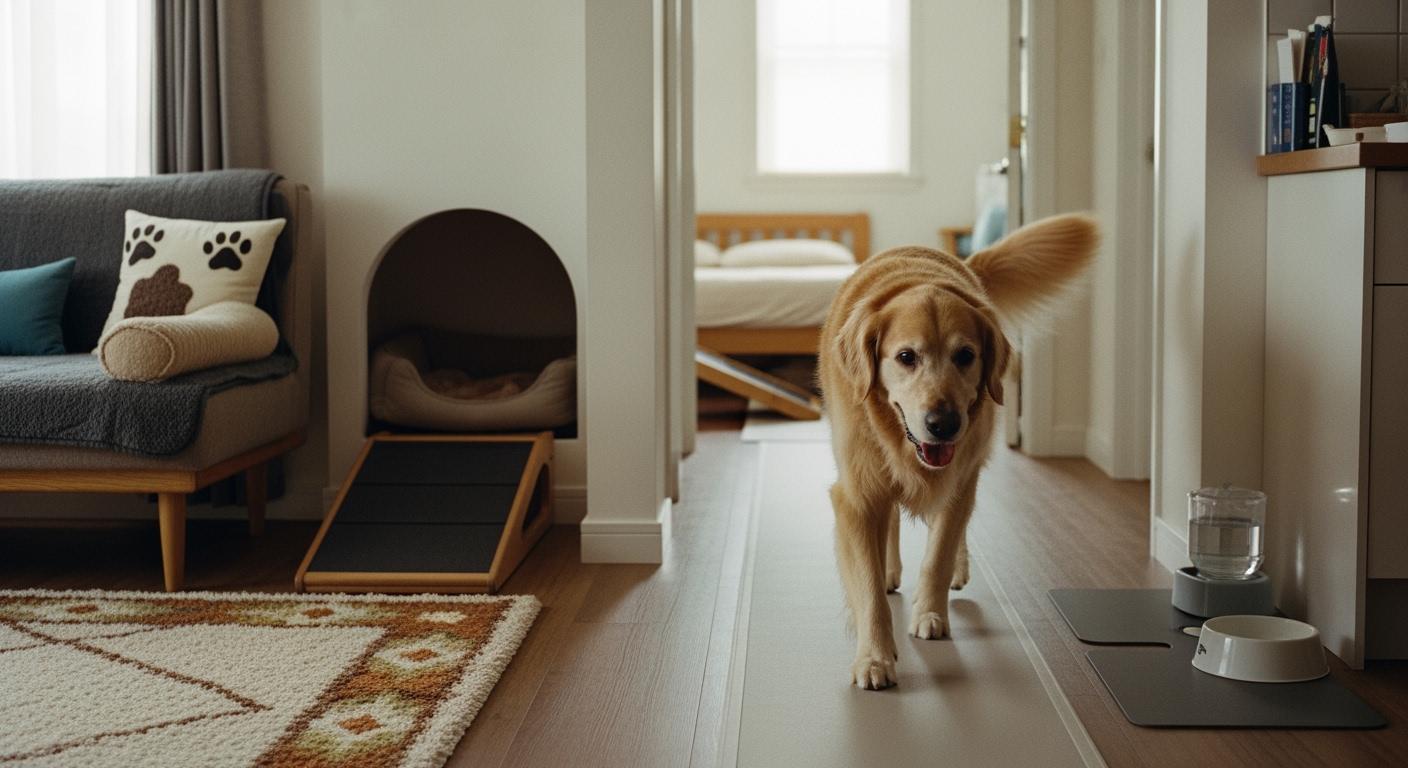
You might see your dog walk slower or slip on floors. Older dogs move differently as they get older, but you can help them. Many families notice stiff joints or less energy in old dogs, and this is normal. You can use the new 2025 rules for helping senior dog mobility at home. These rules say to pick gentle activities, change food for your dog’s age, and make your house safer. Senior dogs often need easy changes to walk better. This guide gives you a Quick Reference Card and checklists to help your senior dog every day. Small changes can help your senior dog move better and feel safe.
Key Takeaways
Look for small signs that your senior dog is losing mobility, like having trouble standing up or walking differently. Finding these signs early helps you give better care.
Make your home safer by putting non-slip rugs and mats where people and pets walk a lot. This easy change can stop falls and help your dog feel braver.
Raise your dog’s food and water bowls to shoulder height. This helps your dog’s neck and back feel better and makes eating easier.
Let your dog do gentle warm-ups and cool-downs before and after exercise. These steps help stop injuries and make your dog move better.
Write down your dog’s movements and actions every day. This record helps your veterinarian give the best care.
Senior dog mobility at home: what to watch for
Subtle signs of mobility loss
You may notice small changes in your dog’s movement before bigger problems appear. Senior dogs often show early signs that families miss. Watch for these symptoms:
Symptoms of Mobility Loss in Senior Dogs |
|---|
Difficulty rising from a resting position |
Reluctance to jump, climb stairs, or engage in previously enjoyed activities |
Limping or favoring certain limbs |
Swollen joints |
Changes in gait or posture |
If you see your dog hesitate to get up or avoid stairs, pay attention. These signs can mean loss of mobility is starting. Many senior dogs begin to slow down or change their walking style. You can help by making small changes at home. Place rugs on slippery floors and keep pathways clear.
Start Today: Write down any changes you see in your dog’s movement. Share this list with your veterinarian.
Pain, weakness, or traction issues
Senior dogs often develop pain or weakness as they age. Arthritis affects many dogs over eight years old. You may see your dog slip on hard floors or struggle to stand. Loss of mobility can show up as toe scuffing or frequent “clicking” sounds from nails.
In dogs older than eight years, the prevalence of osteoarthritis can reach up to 80%.
More than half of diagnosed dogs are between eight and thirteen years old.
Joint problems often affect the elbow, shoulder, hip, and stifle.
Check your dog’s paws and nails for grip. Add non-slip rugs or runners to help with traction.
Start Today: Trim your dog’s nails and add a rug to their favorite resting spot.
When mobility problems are urgent
Some signs mean you should call your veterinarian right away. If your senior dog suddenly cannot stand, cries out in pain, or loses bladder control, act fast. Rapid loss of mobility, repeated falls, or deep wounds from dragging feet are emergencies.
Shoulder: 39.2%
Elbow: 57.4%
Hip: 35.9%
Stifle: 36.4%
Start Today: Keep your vet’s number handy. If you see urgent symptoms, call for help.
Red flags and fall prevention
Urgent symptoms in senior dogs
Stop and call a vet now if…
Your dog falls down or cannot get up.
You see your dog in a lot of pain or hear loud cries.
Your dog will not move for a long time.
Your dog cannot control peeing or pooping.
You see deep cuts from dragging feet.
Your dog gets weak fast or cannot move legs.
Sign of Concern | Description |
|---|---|
General Weakness and Difficulty with Mobility | If your dog limps a lot or will not move, call your vet. |
Sudden Collapse or Weakness | This can mean heart, blood sugar, or nerve problems. Your dog needs help right away. |
Only your veterinarian should change pain medicine or rehab plans. Senior dogs may have other health problems. Never change medicine or exercise without your vet’s advice.
Safe handling and movement zones
You can make your home safer for your dog. Pick clear paths for walking and resting. Use places with good grip and keep things out of the way. Help your dog with a harness or sling if needed. Always lift your dog gently and keep their back straight. Do not twist or pull under the belly. Use baby gates to block stairs and keep your dog off slippery floors.
Start Today: Make a safe path from your dog’s bed to food and water. Put a non-slip rug on this path.
Checklist for immediate safety
Try these steps to make your home safer:
Put non-slip rugs or mats in halls and near food bowls.
Place mats where your dog likes to rest.
Use rugs with non-slip backs for better grip.
Lay yoga mats in busy spots.
Tape down carpet runners so they do not move.
Put baby gates at the stairs.
Add pet ramps with gentle slopes and non-slip tops.
Give pet steps with short rises for getting on furniture.
Slippery floors are risky for senior dogs. These changes help stop falls and make walking easier every day.
Quick Reference Card: standard numbers for home setup
You can use this Quick Reference Card to guide your home setup for a senior dog. These numbers help you make safe choices for ramps, rugs, and daily routines. Keep this card handy and check it when you make changes at home.
Key measurements for ramps and rugs
For small dogs, ramps should be at least 11 inches wide.
For medium and large dogs, ramps should be 14–17 inches wide.
Dogs with long bodies or extra weight, like Corgis or French Bulldogs, need wider ramps for safety.
Rugs and runners should cover all slippery areas where your dog walks or rests.
Place rugs with non-slip backing in high-traffic spots and near beds.
Tip: Always use the longest ramp you can fit. A gentle slope is easier for your dog to climb.
Home Setup Standard | Recommended Number or Rule |
|---|---|
Ramp width (small dog) | 11 inches |
Ramp width (medium/large) | 14–17 inches |
Ideal BCS | 4–5 out of 9 |
Safe weight loss pace | 1–2% of body weight per week |
OA prevalence (senior dog) | Up to 80% over 8 years old |
Walk duration (starter) | 10 minutes, 3 times daily |
Traction and grip basics
Good traction means your dog can stand, turn, and walk without slipping.
If you hear nails “clicking” on hard floors, add rugs or trim nails.
Use non-slip socks or boots for extra grip if your dog slips often.
Check paws and nails every week for overgrowth or injury.
Start Today: Step-by-Step Plan
Measure your dog’s main walking path and add non-slip rugs.
Check your ramp width before letting your dog use it.
Weigh your dog monthly. If overweight, aim for 1–2% weight loss per week.
Begin with three 10-minute walks each day. Adjust if your dog tires or struggles.
Track changes in a notebook and share updates with your vet.
You can use these numbers to make your home safer and your dog’s routine more comfortable. Small changes, like adding a rug or adjusting walk time, help your senior dog move with less pain and more confidence.
Room-by-room safety setup
Creating a safe and comfortable home for senior dogs starts with a careful look at each room. You can make simple changes to help your dog move with less pain and more confidence. Use this guide to check every area and improve your dog’s daily life.
Floors and pathways
Floors play a big role in your dog’s mobility. Hard surfaces like tile and wood can be slippery and cold. You should cover slippery surfaces with rugs or runners that have non-slip backing. This helps your dog stand, turn, and walk without sliding.
Here is a table showing the best flooring options for senior dogs:
Floor Type | Benefits | Concerns | Best For |
|---|---|---|---|
Luxury Vinyl Plank (LVP) | Soft, slip-resistant, waterproof | Some options are slick when wet | Living rooms, hallways |
Rubber Flooring / Mats | Highest traction, shock-absorbing | Industrial look, needs cleaning | Rehab zones, basements |
Cork Flooring | Soft, slip-resistant, eco-friendly | Sensitive to moisture, may dent | Quiet, low-traffic rooms |
Carpet Tiles / Runners | Excellent traction, easy to replace | Traps allergens, needs cleaning | Hallways, bedrooms, stairs |
Area Rugs with Non-Slip Pads | Fast traction fix, easy to wash | Pads can bunch, check for trip risk | Temporary or rental spaces |
Tip: Look for floor materials with a COF (Coefficient of Friction) of 0.50 or higher for safe traction.
Start Today:
Place non-slip rugs in areas where your dog walks most.
Tape down runners so they do not move.
Do a traction test: Watch your dog stand and turn. If paws slide or nails click, add more rugs or trim nails.
Beds and resting spots
Senior dogs need beds that support their joints and help them rest. Orthopedic beds relieve pain and make it easier for your dog to get up. Choose a bed with memory foam, low sides, and waterproof protection.
Here are features to look for in a bed:
Feature | Description |
|---|---|
Memory Foam | Shapes to your dog’s body, eases pressure on sore spots |
Elevated Designs | Keeps your dog off cold floors, improves airflow and comfort |
Easy Access | Low sides or ramps help your dog get in and out easily |
Hypoallergenic | Reduces skin irritation and allergies |
Waterproof | Protects from moisture and accidents |
Start Today:
Place the bed in a quiet spot away from drafts.
Make sure your dog can reach the bed without jumping.
Do a safe support test: Gently help your dog onto the bed. If your dog struggles, consider a lower bed or add a ramp.
Food, water, and high-traffic areas
Eating and drinking should not cause pain. Senior dogs often find it hard to bend down to floor-level bowls. Elevate food and water bowls to shoulder height to reduce neck and back strain. This helps your dog eat and drink comfortably.
Start Today:
Use a sturdy stand to raise bowls.
Keep bowls in a spot with good traction.
Watch your dog during meals. If you see discomfort, adjust the bowl height.
Note: Ask your veterinarian before changing bowl height if your dog has special health risks.
Furniture and clear walking paths
Furniture can block your dog’s way or create hazards. Arrange furniture to make wide, clear paths. Keep the layout familiar so your dog does not get confused. Remove clutter from floors in areas where your dog walks.
Start Today:
Move chairs and tables to open up walking space.
Avoid big changes to the room layout.
Check for sharp corners or items your dog could bump into.
Tip: Keep paths at least as wide as your dog’s body so they can walk without squeezing or turning sharply.
Stairs, ramps, and entryways
Stairs and entryways can be hard for senior dogs. You should provide ramps with gentle slopes and anti-skid surfaces. Start training your dog on a flat ramp before adding incline. Use treats and praise to encourage your dog.
Start Today:
Provide ramps at main entryways and near beds or sofas.
Use side rails for extra safety.
Guide your dog with treats up and down stairs.
Block off steep stairs with baby gates if needed.
Tip: Gradually increase ramp incline and always supervise your dog during training.
Outdoor access and yard surfaces
You want to keep your dog safe outside. Yards and patios can have uneven ground or slippery spots. Cover these areas with mats or turf that provide good grip. Remove obstacles like rocks or garden tools from paths.
Start Today:
Lay rubber mats or artificial turf on patios.
Check for ice, mud, or wet leaves before letting your dog outside.
Keep your dog safe outside by supervising play and walks.
Tip: Use a leash and harness for extra support when your dog goes outdoors.
Room-by-room mobility audit checklist
Print this checklist and use it to review each area of your home:
Non-slip rugs cover slippery surfaces in all main walking paths.
Bed is orthopedic, easy to access, and placed in a quiet spot.
Food and water bowls are elevated to shoulder height.
Furniture is arranged to create wide, clear walking paths.
Ramps with anti-skid surfaces are available at entryways and furniture.
Stairs are blocked or have added safety features.
Outdoor areas have safe, grippy surfaces and are free of obstacles.
You have done a traction test and safe support test this week.
How to do a traction test:
Watch your dog stand, turn, and walk in each room. If paws slide or nails click, add rugs or trim nails.
How to do a safe support test:
Help your dog onto beds, ramps, or steps. If your dog struggles or hesitates, adjust the height or add support.
You can use these steps to make your home safer for senior dogs. Small changes in each room help improve mobility and comfort every day.
Daily routines for senior dogs
Warm-up and cool-down at home
You help senior dogs move better when you start each exercise session with a gentle warm-up. Try slow leash walking around the yard or inside your home for a few minutes. This prepares muscles and joints for activity. After exercise, use a cool-down to help your dog relax and recover. Walk slowly and let your dog sniff or stretch. You can gently move your dog’s legs in a “bicycling” motion or encourage a few sit-to-stand movements.
Benefit | Description |
|---|---|
Decrease in Injuries | Warm-ups lower the risk of strains and sprains. |
Muscle Recovery | Cool-downs help muscles recover and reduce soreness. |
Bonding Time | These routines give you time to praise and connect with your dog. |
Start today: Add a 3-minute warm-up and cool-down to every walk.
Controlled walks and pacing
You can improve mobility by choosing low-impact exercise. Walk your dog on soft surfaces like grass or sand. Begin with three walks each day, each lasting about 10 minutes, as suggested in the Quick Reference Card. Watch your dog’s comfort. If your dog seems tired or starts limping, shorten the walk. If your dog feels good, you can slowly increase walk time.
Start new exercise routines slowly.
Use a leash for control and safety.
Adjust pace if your dog pants or slows down.
Avoid running or jumping.
If your dog is overweight, weigh your dog every week. Aim for a weight loss of 1–2% per week. For example, if your dog weighs 50 pounds, a safe goal is to lose about half a pound each week. This helps reduce joint pain and makes it easier to move.
Rest and recovery rhythms
Senior dogs need more rest between exercise sessions. Give your dog a quiet spot to relax after walks. Make sure your dog has a soft bed and easy access to water. Watch for signs of fatigue, like heavy panting or slow movement. If you see these signs, let your dog rest longer before the next activity.
Start today: Create a daily schedule with set times for exercise, meals, and rest. Write down how your dog responds to each routine.
You can improve mobility and comfort by following these simple routines. Gentle exercise, warm-ups, and rest help senior dogs stay active and safe.
Assistive tools for mobility support
Traction aids and paw protection
You can help your senior dog walk safer by giving them better grip. Rugs and mats stop slips on hard floors. Mag’s Paw Grips are wraps that help older dogs stay steady. These wraps work well on slick floors and most pets do not mind them. The PawFriction Kit is another choice for dogs with arthritis or weak muscles. It is easy to put on and helps stop falls. Many owners say their dogs walk better with more grip, even without booties. ToeGrips® also help dogs walk on hard floors and lower slipping.
Start Today:
Put rugs or mats where your dog walks most.
Try paw protection if your dog slips a lot.
Do a traction test: Watch your dog stand and turn. If paws slide or nails click, add more grip.
Harnesses and slings
Support and lifting harnesses help you guide and lift your dog safely. Back-clip harnesses protect the neck and are simple to use, but they may not give enough control for big dogs. Dual-clip harnesses give more control and spread pressure evenly, which helps with training. Pick harnesses with soft padding and straps you can adjust. Cloth harnesses look nice but need washing. Biothane is waterproof and easy to clean. Always choose a harness that fits well and feels good for your dog.
Step-by-step for safe support:
Check the harness fit before every use.
Lift gently and keep your dog’s back straight.
Use harnesses for stairs, moving, or outdoor walks.
Harness Type | Advantages | Disadvantages |
|---|---|---|
Back-Clip Harness | Easy to use, protects neck | Less control for big dogs |
Dual-Clip Harness | More control, even pressure | Higher cost, not for long-term use |
Braces and when to use them
Braces can help some senior dogs with arthritis. You might use braces for small, calm dogs or those who cannot have surgery. Bracing can make dogs feel better and move easier for a short time. Dogs with health risks or money problems may do well with braces. Big, active dogs often need surgery instead of bracing.
Condition for Bracing | Recommended Outcome |
|---|---|
Small, low-activity dogs | Improves comfort and mobility short-term |
Dogs unfit for surgery | Enhances quality of life |
Large, active dogs | Surgery often better long-term |
Medical risks | Safer option for pain and mobility |
Financial constraints | Temporary solution while considering surgery |
Comparison table: mobility aids
Aid Type | Best Use Case | Biggest Risk | Fit/Handling Tips | Who Should Avoid |
|---|---|---|---|---|
Rear Lift Sling | Hind-end weakness, transfers | Twisting spine | Keep lift steady and level | Dogs with spine injuries |
Full-Body Harness | Full support, stairs | Poor fit, skin rub | Adjust straps, check padding | Dogs with skin sensitivities |
Traction Aids | Slipping on hard floors | Paw irritation | Use on clean, dry paws | Dogs with open paw wounds |
Braces | Arthritis, surgery risks | Poor fit, discomfort | Use under vet guidance | Large, active dogs needing surgery |
What you notice at home | Most likely category | What to do first |
|---|---|---|
Dog slips on floors | Traction issue | Add rugs, try paw protection |
Dog struggles on stairs | Weakness/support | Use harness, block stairs |
Dog limps or hesitates to walk | Joint pain/mobility | Call vet, consider braces |
Start Today:
Watch your dog walk and rest.
Do a traction test and safe support test every week.
Pick aids that fit your dog’s needs for better movement.
At-home exercises for loss of mobility
Strength and balance basics
You can help your senior dog get stronger and steadier with easy exercises. Start by asking your dog to sit. Then, gently help them stand up. Do this a few times every day. This helps your dog’s muscles get stronger and makes moving easier.
Try walking your dog in a slow figure-8 around cones or chairs. This helps your dog learn to move better and stay balanced. You can also help your dog balance by holding them steady while they stand on something soft, like a balance disc. This lowers the chance of falling and helps your dog feel safe.
Exercise Type | Description | Benefits |
|---|---|---|
Sit-to-stand repetitions | Gentle moves to build strength and coordination. | Makes muscles and movement better. |
Slow figure-8 walking | Walking in a pattern to help balance and movement. | Helps your dog stay steady. |
Balancing with support | Holding your dog while they stand on a soft spot. | Stops falls and keeps them safe. |
You can use treats to make your dog want to exercise. Try a “cookie stretch” by having your dog reach for a treat with their nose. This helps your dog stay flexible and improves balance.
Common mistakes to avoid
Families sometimes make mistakes when helping older dogs exercise. You should change routines to make muscles stronger and joints move better without hurting your dog. Always start slow and easy. Make walks a little harder over time so your dog does not get sore. Take more short walks instead of one long walk. If your dog gets tired, use a pet stroller or wagon. Try to keep your dog moving with gentle and regular exercise. Do not force your dog to do too much.
Tip: Watch your dog during every activity. Stop right away if your dog looks tired or in pain.
Tracking progress at home
Keep track of your dog’s exercise to make sure they are safe and happy. Write down how many times your dog does each exercise. Notice any changes in how your dog moves or acts. Take pictures or videos to show your veterinarian. Doing the same things often helps you see if your dog is getting better at moving.
Use a notebook to write down daily exercise.
Write about any soreness or stiffness you see.
Change your routine if your dog seems uncomfortable.
You can help your senior dog stay active and safe by following these steps. Gentle and regular exercise helps your dog get stronger, steadier, and move better.
When to call your vet
What to monitor daily
Watch your senior dog every day. Write down any changes you see. This helps you notice problems early. Share your notes with your veterinarian. Take pictures or videos if your dog moves differently.
Sign of Mobility Issue | Description |
|---|---|
Slowing down or difficulty getting around | Your dog may have trouble with stairs or jumping. Getting up after resting might be hard. You might see weak back legs. |
Difficulty getting up or walking | This could mean arthritis or another disease that makes moving hard. |
Changes in behavior or energy levels | If your dog eats less, acts different, or has bathroom changes, call your vet. |
Also, look for these signs:
Accidents inside the house
Sleeping more or less than normal
Eating or drinking more or less
Acting confused, worried, or restless at night
Start today: Keep a notebook by your dog’s bed. Write down changes in how your dog moves, acts, or eats.
Questions for your vet
Ask your vet questions to help your dog. Bring your notes and photos to each visit. Here are some questions you can ask:
How do I know if my dog is in pain?
What can I do at home to help my dog feel better?
What pain medicine is safe for my dog?
Should my dog try animal rehabilitation or physical therapy?
What exercises are good for my dog’s movement?
Are there any risks with home changes or tools?
How often should my dog see the vet?
Tip: Write down your vet’s answers. Change your care plan if needed.
Coordinating home care with treatment
Work with your vet to help your dog at home. Ask about animal rehabilitation like massage, acupuncture, or water treadmill. These can help your dog feel better and move easier. Use orthopedic beds and raise food and water bowls. This makes eating and drinking easier. Use harnesses to help your dog stand or walk. Put non-slip rugs and ramps in your home to stop slipping.
Feed your dog healthy food with omega-3 fatty acids and joint supplements. Gentle exercise and special exercises can keep muscles strong. Always start new activities slowly. Watch for signs your dog is uncomfortable.
Start today: Go over your home and daily routine with your vet or a rehab specialist. Make small changes to help your dog feel better.
FAQs about senior dog mobility at home
Is it arthritis or something else?
You may wonder if your dog’s trouble moving comes from arthritis or another cause. Many senior dogs show similar signs when they lose mobility. Look for these clues that point to arthritis:
Stiffness after rest that gets better with movement
Limping or favoring one leg
Difficulty rising from a lying position
Reluctance to climb stairs or jump onto furniture
Muscle loss around joints
Irritability or withdrawal during activity
You might also see your dog hesitate with stairs, take shorter walks, or act restless. If your dog licks or chews at joints, or vocalizes when moving, these can be signs of joint pain. Always talk to your veterinarian if you notice new or worsening symptoms.
Start Today: Write down any changes in your dog’s movement. Share this list with your vet for a clear diagnosis.
Should my dog use stairs?
Stairs can be hard for senior dogs. Using ramps instead of stairs helps protect joints and lowers the risk of falls. Dogs with arthritis benefit from ramps because they reduce pain and prevent further joint damage. Jumping up or down from furniture stresses joints and can cause injuries. Frequent jumping increases the risk of arthritis.
Use ramps or pet steps with gentle slopes.
Block off steep stairs with gates.
Train your dog to use ramps with treats and praise.
Tip: Watch your dog on stairs. If you see hesitation or slipping, switch to ramps for safer movement.
Do socks, boots, or rugs work best?
You want your dog to walk safely at home. Rugs with non-slip backing give instant traction and help prevent falls. Many families find that throw rugs let their dogs play without slipping. Rubber balloon boots or products like WagWellies provide grip during playtime and on slippery floors. Socks and boots work well for short periods, but some dogs prefer rugs for comfort.
Place rugs in main walking paths.
Try boots or socks if your dog slips often.
Check paws for irritation after using boots or socks.
Start Today: Add a rug to your dog’s favorite spot and watch for better traction.
You can help your senior dog move safely at home by making simple changes. Watch your dog’s habits and adjust your setup as needed. Small steps like adding non-slip mats, using ramps, and choosing orthopedic beds can improve comfort and reduce anxiety. Try elevated feeding bowls to ease joint strain. These actions can improve quality of life for your aging pet. Keep talking with your veterinarian to find the best plan. Your care and attention make a big difference every day.
Non-slip surfaces and booties prevent falls.
Orthopedic and heated beds support joints.
Elevated bowls help dogs with arthritis.
Ramps and mats reduce stress and anxiety.
Stay observant and flexible. Your senior dog depends on you for safety and comfort.
FAQ
Is it arthritis or something else?
You may see stiffness, limping, or trouble rising. Arthritis causes these signs in many senior dogs. Other problems like nerve issues or injuries can look similar. Write down changes and ask your veterinarian for a clear diagnosis.
Should my dog use stairs?
Stairs can be risky for senior dogs with arthritis. You should block steep stairs with gates. Use ramps or pet steps with gentle slopes. Watch your dog for hesitation or slipping.
Do socks, boots, or rugs work best?
Non-slip rugs give instant traction and help prevent falls. Socks and boots work for short periods. Try rugs first. If your dog still slips, test boots or socks. Check paws for irritation after use.
How do I know if my dog is in pain?
Look for limping, slow movement, or changes in behavior. Your dog may avoid stairs or seem restless. Write down what you see. Share your notes with your veterinarian for advice.
What can I do today to help my senior dog move safer?
Add non-slip rugs to main walking paths. Elevate food and water bowls. Use a harness for support. Block off stairs. Watch your dog walk and rest. Adjust your setup if you see slipping or hesitation.
