
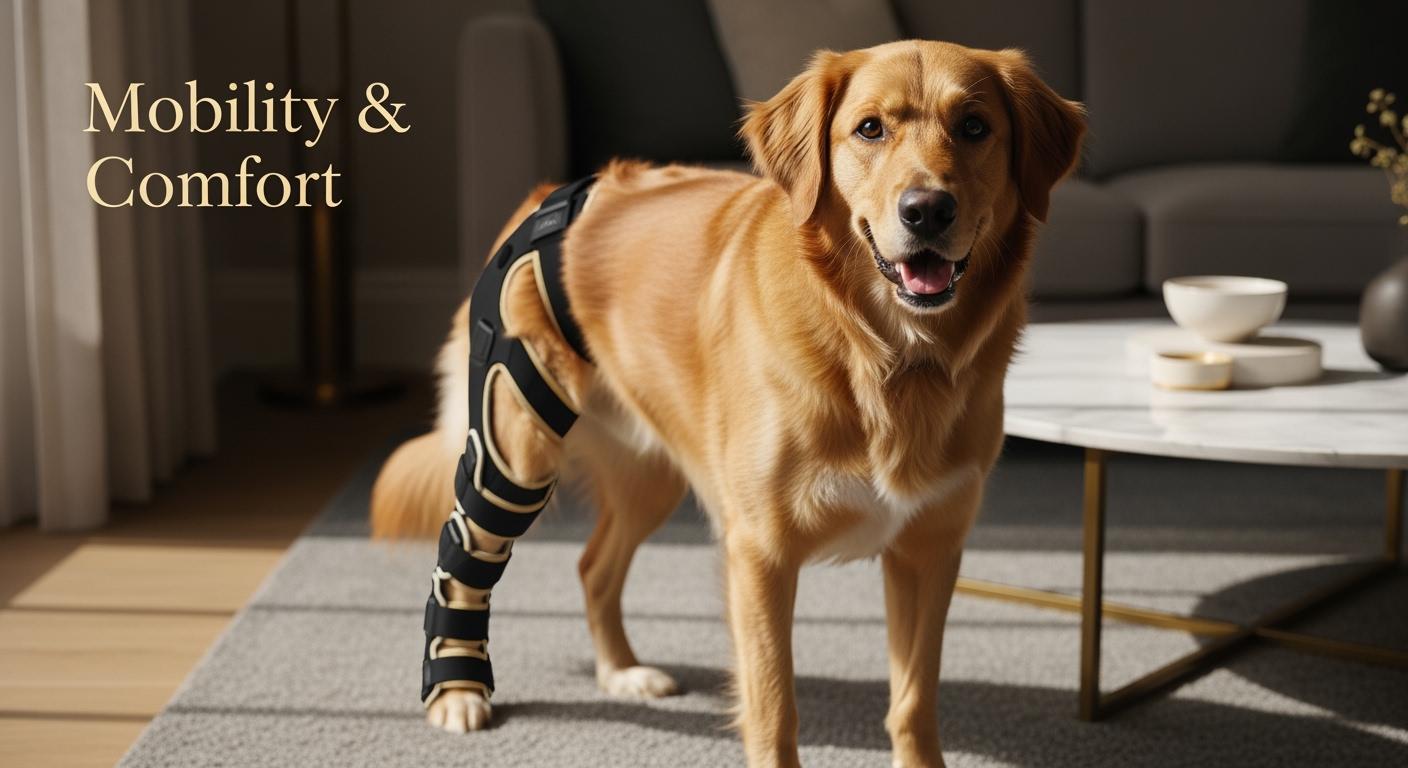
If you care about your dog’s comfort and happiness, you want to keep them moving with ease. Arthritis affects many dogs and can make daily life harder.
One in five adult dogs has arthritis.
Half of dogs over 7 years live with this condition.
Arthritis causes pain and stiffness that slow your dog down and make simple activities difficult. A dog arthritis brace gives external support to sore joints and helps your dog stay more active. You can use the right brace to help your dog enjoy walks, play, and family time again.
Key Takeaways
A dog arthritis brace gives important help to sore joints. For a broader comparison of support types, fit priorities, and use cases, start with our dog brace for hips guide.
Watch for signs of arthritis in your dog, like stiffness, slow walking, or not wanting to play. Finding it early can help you take care of it better.
Pick the right brace for your dog’s joint problems. The brace must fit well and feel good to work best.
Use a brace along with easy exercise and keeping your dog at a healthy weight. This will help your dog move better and feel happier.
Always talk to your veterinarian before using a brace. This makes sure it is right for your dog and helps you check how your dog is doing.
Do Dog Arthritis Braces Help?
Joint Support for Mobility
You want your dog to move without as much pain. A dog arthritis brace gives support to the joints from the outside. This helps your dog stand and walk better. When you use a brace, it keeps the joint steady when your dog moves or rests. This stops extra movement that can hurt. The brace also helps lower swelling at night. It does this by gently pressing and lining up the joint and tissues. Your dog may seem calmer because the brace helps relax tight muscles. The brace works like a soft mattress. It lets muscles rest instead of working hard to protect sore spots. The brace also makes walking softer on your dog’s legs. Getting up from bed or lying down hurts less.
Veterinarians have found that a dog arthritis brace can help dogs move better and feel happier. Here are some important results from new studies:
Study/Trial | Findings |
|---|---|
2020 Study in Veterinary Surgery | Dogs with CCL injuries who wore hinged braces walked better and had steadier joints. Many did not need surgery. |
University of Tennessee Clinical Trial (2018) | Double knee braces took pressure off healthy legs and lowered pain. Dogs became more active. |
Meta-Analysis (2021) in Frontiers in Veterinary Science | Bracing with weight control helped dogs feel better and hurt less. It worked best for small and medium dogs. |
2018 Study in The American Journal of Veterinary Research | Almost 60% of dogs over 7 have arthritis. Braces helped these dogs move 30% better and feel less pain. |
A dog arthritis brace does more than just hold a joint still. It helps your dog walk, stand, and rest with less pain. Studies show that all dogs with knee braces could put more weight on their sore leg. This means your dog can walk more normally.
Tip: If your dog has trouble with stairs, slow walks, or getting up, a dog arthritis brace might help them feel better and move easier.
Real-Life Improvements
Many owners see good changes after using a dog arthritis brace. You may notice your dog is more playful and joins in family fun. Here are some real stories:
A Corgi with stiff back legs walked farther and played again.
Teddy, an older dog, had more energy and limped less with his brace.
A Labrador with hip pain started climbing stairs with less fear.
A Bichon wanted to go on walks again and moved with less stiffness.
An Alaskan dog was steadier on slippery floors.
A Poodle with elbow arthritis used both front legs more evenly.
You can watch these dogs and see how they improved:
You want your dog to have less pain and more freedom. A dog arthritis brace can help your dog’s joints and make moving easier. This makes daily life better for both of you.
Understanding Arthritis in Dogs
What Is Arthritis?
You may notice your dog slowing down as they age. Arthritis is a common condition that affects many dogs. It happens when the cartilage in a joint wears away. This makes movement harder and can cause pain.
Many things can lead to arthritis in your dog:
Aging causes natural wear and tear on the joints.
Injuries, like ligament tears or fractures, can damage the joint over time.
Genetics play a role, especially in larger breeds such as Labrador Retrievers, German Shepherds, and Golden Retrievers.
Obesity puts extra stress on your dog’s joints.
About 20% of dogs over one year old have arthritis. The risk goes up as your dog gets older. Larger breeds are more likely to develop this condition because of their size and genetics.
How Arthritis Affects Movement
Arthritis changes how your dog moves every day. You might see your dog walk slower or avoid running and playing. Pain and stiffness make it hard for your dog to get up from bed or climb stairs. Some dogs limp or show less interest in walks.
Arthritis can also affect your dog’s quality of life in other ways:
Your dog may have trouble relaxing or resting because of discomfort.
Sleep can get interrupted, making your dog restless at night.
Mobility problems can lead to less exercise and weight gain.
You want your dog to stay active and happy. Understanding how arthritis affects movement helps you spot early signs and seek support. A canine hip brace for arthritis can provide extra stability for the affected joint, making daily activities easier for your dog.
Signs Your Dog Needs Joint Support
Stiffness and Slow Movement
You might see your dog moving slower than before. Stiffness is often an early sign your dog needs more help. Many dogs with arthritis show these changes:
Limping, especially after waking up
Stiffness after rest or activity
Slower pace during walks
Tiring more quickly than usual
Less interest in playing fetch or running
A dog that used to greet you with lots of energy may now walk behind you or move in a new way. These changes usually mean your dog feels sore in their joints. Watching for these signs early helps you keep your dog comfortable and moving well.
Difficulty Standing or Walking
Dogs with arthritis can have trouble getting up from lying down. You might see your dog wait before standing or take longer to get up. Common signs are:
Slow to rise after lying down
Shifting weight between legs while walking
Limping or lameness, especially after rest
Changes in posture or gait
If your dog finds it hard to stand or walk, it may be time to help them. A dog arthritis brace can give gentle support to the sore joint and make moving every day easier.
Reluctance with Stairs or Play
Many dogs with joint pain stop doing things they used to like. You might see your dog pause at the stairs or not want to play. Watch for these signs:
Reluctance to climb stairs or jump onto furniture
Decreased enthusiasm for walks or games
Difficulty getting up from the floor
Lower activity levels throughout the day
Tip: If your dog stays away from stairs or play, they may need extra joint support. Helping early can keep your dog active and feeling good.
Noticing these signs lets you help your dog move better and enjoy life more. A dog arthritis brace can be one way to help your dog walk and play with less pain.
Dog Arthritis Brace by Joint

Choosing the right dog arthritis brace depends on which joint needs help. Each joint in your dog’s body moves in a special way. Dog braces are made to fit the knee, hip, hock, elbow, or carpal area. This means you can give your dog the best joint support for their needs. Using the correct brace helps your dog move better and feel more comfortable every day.
Dog Knee Braces
Dog knee braces are one of the most common types of dog braces. You use them when your dog has dog knee pain from arthritis or injury. These braces fit around the knee and give strong support. Dog knee braces help your dog walk, run, and play with less pain. They also protect the knee from more damage.
Here is how dog knee braces help with dog knee pain and arthritis:
Joint Stabilization: Dog knee braces keep the knee steady and lower stress on weak ligaments.
Improved Mobility: They help your dog move in a natural way and balance weight on both legs.
Pain Reduction: Dog knee braces ease swelling and make walking less painful.
Prevention of Further Injury: They guard the knee so your dog does not hurt it again.
If your dog limps or slows down because of dog knee pain, dog knee braces can make a big difference.
Hip Braces
Dog hip brace options are made for dogs with arthritis in the hip joint. You wrap these braces around your dog’s pelvis and upper thigh. Hip braces give gentle pressure and warmth. This helps your dog walk better and feel less pain. Hip braces also help the muscles around the hip work well and keep the joint steady. Many dogs find hip braces comforting because they stop sudden moves and give steady support.
If hip arthritis is the main concern, start with a dedicated hip-support category instead of a general brace listing so buyers can compare more relevant options faster.
Hock Braces
Hock braces support the back leg below the knee. If your dog has arthritis in the hock, these braces help keep the joint stable. Hock braces press gently on the area, lower swelling, and ease pain. Most owners see their dogs walk better and feel more confident after using hock braces. A recent survey showed that 85% of owners noticed better comfort and movement in their dogs within weeks.
Elbow Braces
Elbow braces are for dogs with arthritis in the front legs. These dog braces give support and help your dog walk with less pain. Elbow braces keep the joint steady and lower the chance of more injury. They also help your dog feel safer when moving around.
Carpal Braces
Carpal braces help dogs with arthritis in the wrist area. These dog braces keep weak wrists steady and stop too much movement. They also lower pain and help your dog walk more easily. Carpal braces protect the wrist and help it heal after injury or surgery.
Benefit | Description |
|---|---|
Stabilization | Keeps weak wrists steady and stops too much movement. |
Pain Reduction | Lessens pain by stopping harmful motion. |
Improved Mobility | Helps your dog move around more easily. |
Support During Healing | Protects the wrist and helps healing after injury. |
Tip: Always choose the dog arthritis brace that matches your dog’s joint problem. The right fit gives the best support and helps your dog enjoy daily life.
When to Consider a Dog Arthritis Brace
Senior Dogs
You may notice your older dog slowing down or having trouble with outside walks. Senior dogs often face more joint problems as they age. For older dogs with stiffness, weak back legs, or reduced confidence outdoors, see our senior dog mobility support harnesses guide for broader daily-support options. Braces provide stability to the joints, which helps reduce pain and inflammation. They also help your dog move with more confidence and less effort. Many owners see their senior dogs enjoy daily routines again after using a brace.
Braces give stability to weak joints.
They help reduce swelling and pain.
Your dog can walk, stand, and play with more ease.
A dog arthritis brace does not cure arthritis, but it can make a big difference in your dog’s quality of life.
Dogs with Joint Stiffness
If your dog shows signs of stiffness, you may want to consider a brace. Early-stage arthritis often causes mild discomfort. You might see your dog limp or have trouble getting up from bed. Using a brace at this stage can support mobility and help prevent further joint damage. The right brace gives gentle support and helps your dog move more freely.
Limping or slow movement after rest
Trouble rising from the floor
Less interest in walks or play
A dog arthritis brace can help your dog feel more comfortable and active, even with mild joint stiffness.
Mobility Challenges
Some dogs face daily mobility challenges because of chronic arthritis. You may see your dog struggle with stairs, hesitate before jumping, or avoid certain activities. A dog arthritis brace can stabilize the joint, ease pain, and make movement safer. This support helps your dog enjoy family time and outdoor fun.
Difficulty climbing stairs or jumping
Reluctance to walk or run
Changes in posture or gait
Note: You should watch for these signs and talk with your veterinarian about adding a dog arthritis brace to your dog’s mobility plan. Early support can help your dog stay active and happy.
Choosing the Right Dog Arthritis Brace
Picking the right dog arthritis brace can really help your dog. You want your dog to feel good and move with ease. The right support helps your dog’s joint work better. Here is how you can find the best brace for your dog.
Fit and Adjustability
Fit is the most important thing when picking a dog arthritis brace. A good fit keeps the brace in place and gives steady support. You should measure your dog’s leg or sore spot carefully. Use a soft tape to check around the joint, above and below. Measure from the joint down to the ground. If your dog moves, ask someone to help hold them still. Always look at the size chart from the maker and match it to your notes.
Adjustability is important because every dog is different. Look for braces with straps or fasteners you can change. These let you make the brace tighter or looser for a snug fit. This way, your dog stays comfy and safe. Adjustable braces can also fit dogs as they grow or change.
Tip: Pick a brace with soft padding and strong fasteners. Padding stops rubbing, and good fasteners keep the brace on during walks or play.
Comfort and Support Level
Comfort helps your dog wear the brace every day. Look for soft padding, smooth seams, and materials that let air in. These things stop skin problems and make the brace easy to wear for hours. A comfy brace helps your dog move more and rest without worry.
Support level is also very important. The right brace keeps the joint steady and stops painful moves. This helps your dog walk, stand, and play with less pain. A good brace can help your dog balance better and feel more sure. You may see your dog move easier and enjoy daily life again.
A steady brace helps weak muscles.
Good support lowers the chance of tripping or falling.
The right brace eases pain and makes moving simpler.
Material and Durability
You want a brace that lasts and feels nice on your dog’s skin. Materials like mesh and neoprene keep your dog cool and comfy. These let air flow and stop sweat from building up. Padding in the right spots helps stop sore spots and pressure.
The smooth mesh lets air in and bends easily, so it does not bother the skin. The tough nylon and velcro straps give a snug and comfy fit.
Durability is key for active dogs. Nylon and strong stitching make the brace last longer. Some braces use plastic for extra strength and to keep water out. Fabric braces are light and easy to wear every day. Plastic braces give more support for big dogs or bad cases.
Material Type | Breathability | Durability | Flexibility | Stability |
|---|---|---|---|---|
Fabric Braces | High | Moderate | High | Low |
Plastic Braces | Low | High | Low | High |
Pick a material that fits your dog’s activity and the joint that needs help.
Ease of Use
You want a brace that is simple to put on and take off. Look for easy straps, clear directions, and fasteners that work fast. If your dog is older or does not like being touched, easy features save time and stress.
Straps you can adjust help you get the right fit.
Quick buckles make using the brace easy each day.
Light designs help your dog move without feeling heavy.
Note: Always pick a dog arthritis brace that matches your dog’s joint problem and daily habits. The right brace gives the best support and helps your dog move better.
By thinking about fit, comfort, support, material, and how easy it is to use, you can help your dog feel better and stay active. The right brace supports your dog’s joint and makes life easier for both of you.
Daily Care for Dogs with Arthritis
Gentle Exercise
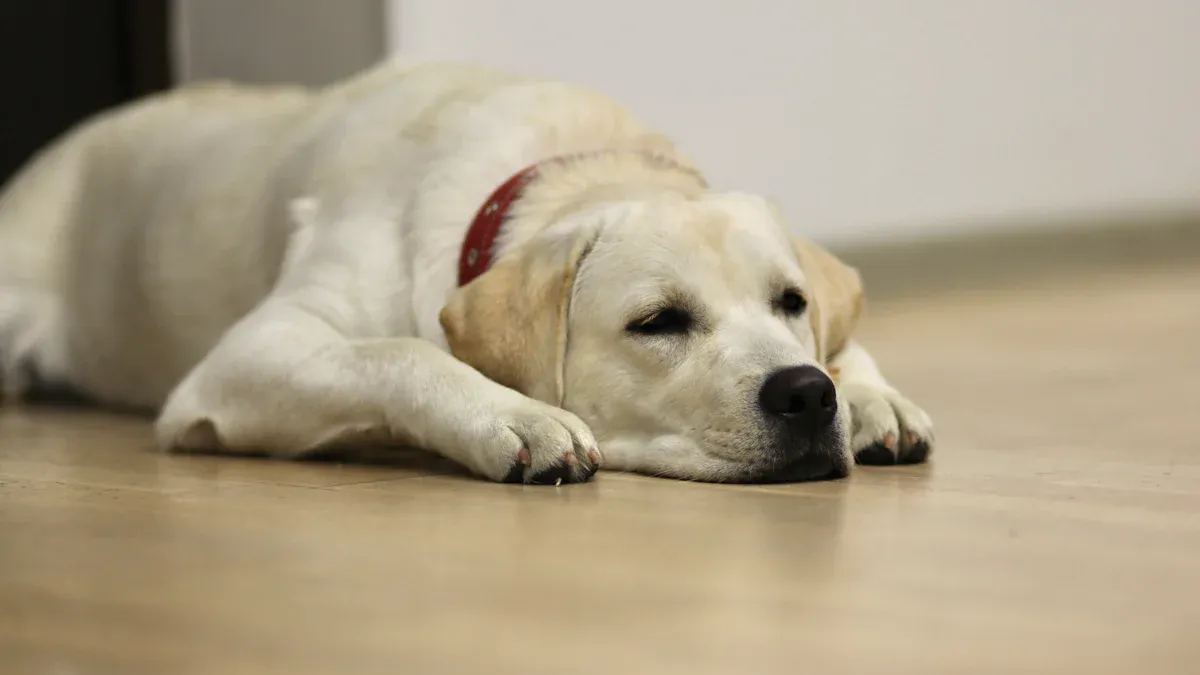
You can help your dog stay mobile by choosing the right activities. Regular aerobic exercises like walking or swimming help your dog build strength and flexibility. These gentle exercises keep muscles strong and joints moving. Short, controlled walks on soft ground work well. Swimming and hydrotherapy give your dog a way to move without putting extra stress on sore joints. Low-impact activities like these help your dog keep muscle mass and move with less pain.
Tip: Start slow and watch your dog’s comfort level. Stop if you see signs of tiredness or discomfort.
Weight Management
Keeping your dog at a healthy weight is one of the best ways to ease arthritis symptoms. Extra weight puts more pressure on joints and can make pain worse. Studies show that lean dogs have a much lower risk of hip problems and arthritis. Overweight dogs are more likely to get injuries and have more joint issues. Body fat can also cause inflammation, which makes arthritis symptoms worse.
Lean dogs have a five-fold lower risk of hip dysplasia.
Overweight dogs are four times more likely to have ACL injuries.
Less body fat means less inflammation and joint pain.
Work with your veterinarian to create a weight management plan that fits your dog’s needs.
Supplements and Diet
You can use supplements to help your dog’s joints. Glucosamine and chondroitin help repair cartilage and keep joints healthy. Omega-3 fatty acids reduce swelling and stiffness. Other helpful supplements include hyaluronic acid, green-lipped mussel, and turmeric. Many owners see their dogs move better and feel more comfortable with these additions. A balanced diet with the right nutrients also helps your dog stay active.
Glucosamine and chondroitin support joint health.
Omega-3s ease stiffness and improve mobility.
Green-lipped mussel and turmeric help reduce discomfort.
Ask your veterinarian before starting any new supplement.
Home Comfort
Simple changes at home can make life easier for your dog. Non-slip rugs help your dog walk safely and prevent falls. Orthopedic beds give extra joint support and help your dog rest comfortably. Elevated feeding stations reduce strain on the neck and back. You can also use a dog-lift harness to help your dog move around the house. These changes help your dog feel secure and supported every day.
Note: Along with these daily care steps, you can also review our dog lift harness options for safer assistance during standing, walking, and home transfers.
Safe Use and Expectations
What Braces Can Do
You want your dog to feel better and move with more confidence. A dog arthritis brace can give temporary support and help reduce pain during daily activities. The brace helps stabilize the affected joint, making it easier for your dog to walk, stand, or play. You should know that braces do not fix the underlying cause of arthritis. They do not replace ligaments or act as a permanent solution. Some dogs may need time to adjust to wearing a brace, and not every dog will benefit in the same way. Larger dogs or those with severe joint instability may need other options. Always remember that braces help manage symptoms and support your dog’s comfort.
Monitoring Comfort
You play an important role in keeping your dog safe and comfortable while using a brace. Check your dog’s skin every day for redness, chafing, or sores under the brace. Watch how your dog moves. Signs of comfort include a willingness to walk, play, and less limping. Clean the brace weekly with mild soap and water to keep it fresh and safe. If you notice any changes in your dog’s behavior or skin, remove the brace and let your veterinarian know. Regular checks help prevent problems and keep your dog happy.
Veterinary Guidance
Before you use a dog arthritis brace, talk with your veterinarian. Your vet can help you choose the best support for your dog’s needs. A brace cannot replace a professional diagnosis. Your veterinarian should examine your dog to find the real cause of limping or joint problems. During brace use, keep your vet updated on your dog’s progress. This teamwork helps you give the best care and ensures your dog gets the right support for their joints.
Common Concerns About Dog Arthritis Braces
Will My Dog Accept the Brace?
Many owners worry about how their dog will react to a new brace. Most dogs need time to get used to wearing something on their leg or body. You can help your dog adjust by introducing the brace slowly. Start with short periods, such as 10 to 15 minutes, and offer treats or praise. Watch your dog’s body language. If your dog seems comfortable, you can increase the time each day. Most dogs learn to accept the brace as part of their routine. Patience and positive reinforcement work best.
Tip: Let your dog sniff and explore the brace before you put it on. This helps reduce fear and builds trust.
Are Braces a Replacement for Treatment?
A dog arthritis brace supports your dog’s joint and helps with daily movement. It does not replace veterinary care or other treatments. You should use the brace as part of a broader plan for joint support. This plan may include gentle exercise, weight management, and supplements. Always talk with your veterinarian before making changes to your dog’s care. The brace works best when you combine it with other strategies for comfort and mobility.
What a Brace Does | What a Brace Does Not Do |
|---|---|
Supports joint stability | Cure arthritis |
Helps daily movement | Replace veterinary guidance |
Reduces joint strain | Act as a sole treatment |
How Long Should My Dog Wear It?
The amount of time your dog should wear a brace depends on their needs and your veterinarian’s advice. Many dogs wear a brace during active times, such as walks or play. Some dogs benefit from wearing it for longer periods, especially if they have trouble standing or moving. You should remove the brace at night or during rest unless your veterinarian suggests otherwise. Always check your dog’s skin for redness or irritation. Adjust the schedule based on your dog’s comfort and activity level.
Note: Regular breaks and daily checks keep your dog safe and happy while using a brace.
You want your dog to enjoy a better quality of life every day. Taking steps now can improve their overall quality of life and help them stay active. A dog arthritis brace gives your pet extra support and can boost their quality of movement. Combine the brace with gentle exercise and home care for the best results. Always talk with your veterinarian to make the right choices for your dog’s life and comfort.
Your actions today can make a real difference in your dog’s overall quality of life. Choose support, choose comfort, and help your dog enjoy life to the fullest.
FAQ
How do dog orthotic devices help dogs with arthritis?
Dog orthotic devices give extra support to weak joints. They help your dog move with less pain and more confidence. These devices can make daily walks and playtime easier for your dog.
Can my dog wear a dog arthritis brace all day?
You can let your dog wear a dog arthritis brace during active times. Remove it at night or when your dog rests. Always check your dog’s skin for any redness or irritation.
Should I consult with your veterinarian before using a brace?
Yes. You should always consult with your veterinarian before starting any new support like a dog arthritis brace. Your veterinarian can help you choose the best option for your dog’s needs.
Are dog orthotic devices easy to put on and take off?
Most dog orthotic devices have adjustable straps and simple designs. You can put them on and take them off quickly. This makes daily use easy for both you and your dog.
Will a dog arthritis brace fit any joint?
You can find a dog arthritis brace for different joints, such as the knee, hip, hock, elbow, or carpal area. Choose the brace that matches your dog’s joint problem for the best support.
