
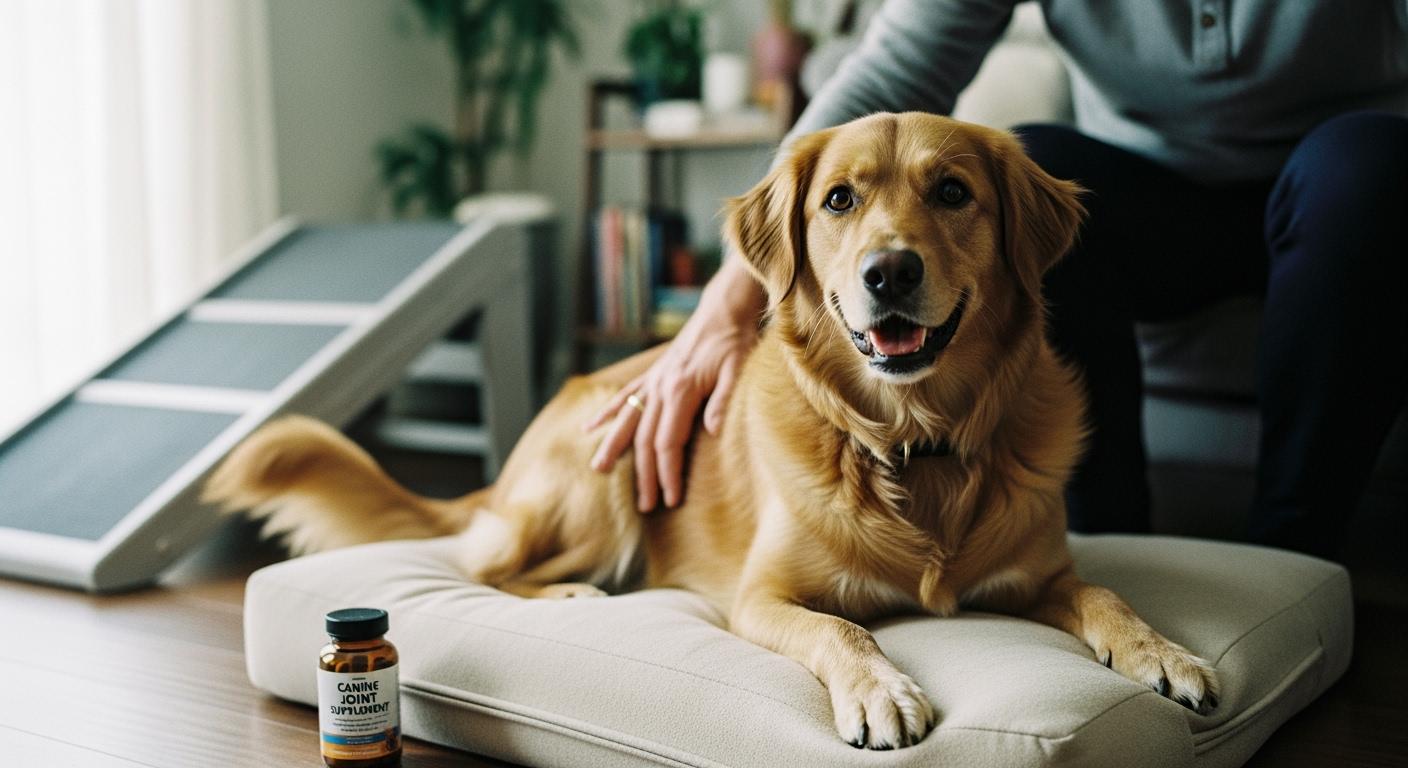
Yes, you can find helpful dog arthritis support solutions. These can make your dog feel better and move easier each day. Arthritis affects about 20-25% of dogs. Most dogs older than five show signs of this joint disease. Arthritis causes pain and stiffness. It also makes normal activities harder. If you notice symptoms early and help your dog, you can make their life better. The right support depends on which joint hurts and how your dog moves every day.
Key Takeaways
Arthritis makes dogs’ joints hurt and feel stiff. This makes it hard for them to move. It is worse in older and bigger dogs.
Early signs are stiffness after resting and limping. Dogs may not want to jump or go up stairs. They may also play less.
Braces, ramps, and harnesses can help dogs with arthritis. Gentle exercise can make their joints feel better. These things help dogs feel more comfortable every day.
You can help at home by keeping your dog at a healthy weight. Use special beds and give joint supplements. Feed foods that lower swelling to help their joints.
Always talk to your veterinarian to pick the best care. Watch for sudden changes or bad pain in your dog.
Understanding Dog Arthritis
What Is Arthritis in Dogs
You might see your dog move slower or have trouble with normal things. Arthritis is a common problem that hurts the joints. It brings pain and stiffness, so moving gets tough. Studies show genetics are important. Big dogs like German Shepherds, Labradors, and Golden Retrievers get arthritis more often. Their joints have to handle more weight. Fast growth, not enough good food as puppies, and injuries like torn ligaments or broken bones also make arthritis more likely.
Tip: Look for signs of arthritis in your dog, especially if your dog is a breed that often has joint problems.
Other reasons for arthritis are:
Obesity, which puts more pressure on joints
Chronic inflammation that harms joint tissue
Trauma from getting hurt or doing the same motion a lot
Developmental defects like hip or elbow dysplasia
Diseases and infections that affect the whole body
Arthritis can hurt any joint, like the knee, hip, hock, elbow, or carpal area. Each joint might need a different kind of support to help your dog move better.
How Arthritis Affects Joint Mobility
Arthritis changes how your dog walks and moves. The disease makes the cartilage in the joint wear away. Cartilage is like a cushion that helps protect the joint. When it gets thin, your dog feels more pain and stiffness. The joint loses fluid, which causes more swelling and pain. Your dog may have trouble walking, standing, or going up stairs.
Dogs with arthritis often move less and may stop doing things they used to like.
You can help your dog if you notice these changes early. Early support can make joints more stable and daily movement easier. The best support depends on which joint hurts, how your dog moves each day, and whether the main need is bracing, lift-assist help, or safer at-home access.
Recognizing Symptoms of Arthritis
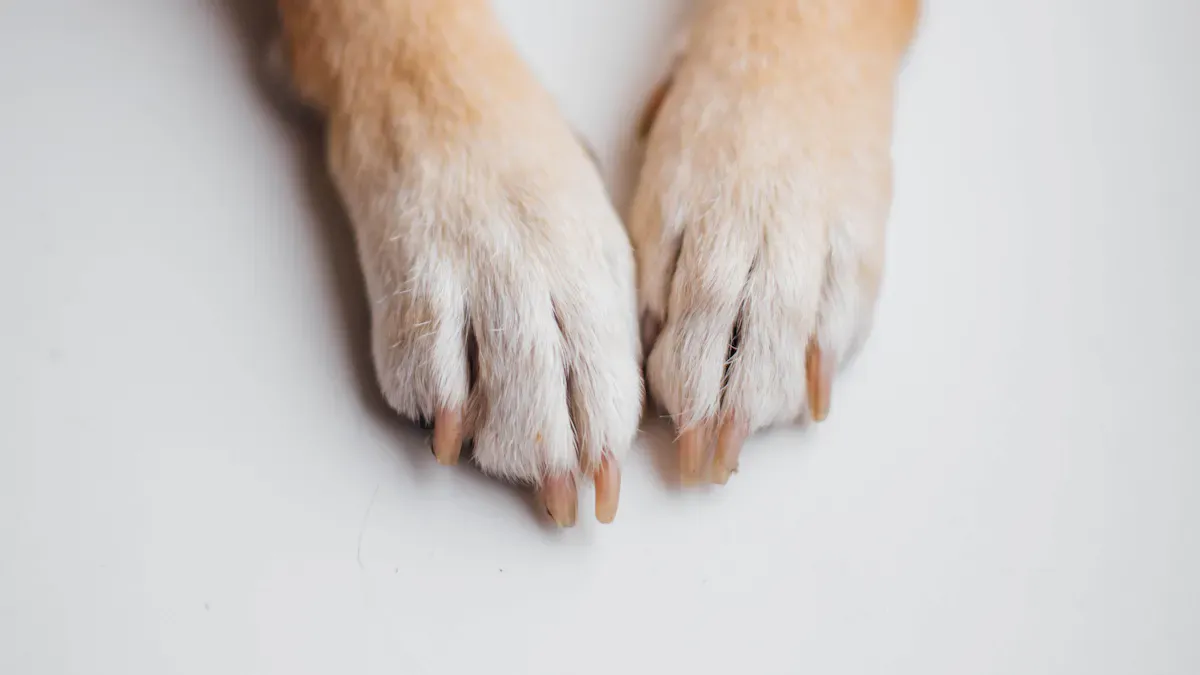
Noticing arthritis early helps you help your dog sooner. You might see your dog move differently or act strange during the day. Here are some signs to look for:
Stiffness After Rest
Dogs with arthritis often feel stiff after they rest or sleep. Your dog may get up slowly or look uncomfortable in the morning or after naps. The stiffness usually gets better after your dog moves around a little. This happens more in medium and large dogs. Many owners say their dogs have trouble standing up or moving after resting.
Symptom | Description |
|---|---|
Stiffness after rest | Dogs with arthritis feel stiff after not moving. |
Lameness | Dogs limp after resting or after walks. |
Warm-up effect | Moving helps the stiffness go away. |
Owner observations | Dogs move slow or struggle to get up after sleep. |
Size of dogs | Medium and large dogs show more stiffness. |
Limping and Slower Movement
You might see your dog limp or walk slower than before. Some dogs walk behind you instead of pulling ahead. Limping can come and go. It often gets worse after walks or long rests. Watch for changes in how your dog walks.
Reluctance with Stairs or Jumping
Dogs with joint pain may not want to use stairs or jump. Your dog might stop jumping into the car or onto furniture. You may see your dog pause or refuse to climb stairs or jump up. This gets worse as arthritis gets worse.
Hard time going up stairs or jumping into the car
Not getting on beds or couches anymore
Pausing before jumping or climbing
Difficulty Standing Up
Arthritis can make it hard for dogs to stand up from lying down. Your dog may take longer to get up, especially after resting. Some dogs seem sore or whimper when you touch their legs or joints.
Reduced Activity and Discomfort
A dog with arthritis may not want to play or walk as much. You might see less interest in fun things. Some dogs show pain by whimpering or licking their joints. Less activity is a sign your dog needs more help for their joints.
If you see these signs, try to help your dog’s joints and movement. Finding these problems early lets you give better care and comfort.
Why Dog Arthritis Support Matters
Improving Joint Stability
You want your dog to move with ease and stay active. When arthritis affects a joint, it can make the joint unstable. This instability leads to more pain and less movement. Early recognition of arthritis is important for joint health. If you notice changes in how your dog walks or stands, you can act quickly. This helps protect your dog’s joints and keeps them comfortable for longer.
Dog arthritis support can help stabilize the joint. Products like braces, wraps, or harnesses give extra support. These tools help your dog walk, stand, and even climb stairs with less strain. The right support depends on which joint is affected. For example, a knee brace helps dogs with knee problems, while a hip harness works for hip issues.
Here is a table that shows how different activities and exercises can improve joint stability:
Evidence Type | Description |
|---|---|
Proprioceptive and Balance Training | Balance training can help dogs walk better and feel more stable. |
Strengthening Exercises | These exercises build muscle around the joint and help prevent more problems. |
Regular Walking | Walking every day keeps your dog strong and helps control weight, which is good for the joints. |
You can support your dog by choosing the right product and activity for their needs.
Enhancing Daily Comfort and Mobility
Comfort and mobility matter for your dog’s happiness. When you manage arthritis with home care, support products, and help from your vet, you can make a big difference. Your dog feels less pain and wants to move more. Staying active is important for their body and mind.
Dog arthritis support helps your dog enjoy daily life. You may see your dog play, walk, or rest with less discomfort. The right support can help your dog get up, move around the house, and go outside with you. This keeps your dog engaged and improves their quality of life.
Note: The best support depends on which joint hurts and how your dog moves each day. Always watch for changes and talk to your vet if you have concerns.
When to Consider Dog Arthritis Support
Senior Dogs and Aging Pets
Older dogs change as they get older. They move slower and play less. They also rest more during the day. Many dogs show arthritis signs by age seven. Some dogs get symptoms even before that. Watch for these things:
Older dogs may find it hard to get up after lying down.
Some older dogs limp or walk stiffly, mostly in the morning.
Big dogs often get arthritis sooner because of their size and weight.
Old injuries or hip dysplasia can cause arthritis in older dogs.
You want your older dogs to feel good and stay active. For daily handling, stairs, and weak-leg support, review our senior dog mobility support harnesses guide.
Dogs with Joint Stiffness
Joint stiffness is common in older dogs with arthritis. You might see your older dogs pause before using stairs or jumping into the car. Stiffness gets better after a short walk or gentle movement. Think about support if you notice:
Older dogs have trouble standing up or lying down.
Stiffness comes after rest and gets better with activity.
Your older dogs stop doing things they used to like.
Support solutions help take pressure off joints and make moving easier for older dogs.
Mobility Challenges in Daily Life
Many older dogs with arthritis have trouble moving. You may see your older dogs limp, move slowly, or avoid stairs. Some older dogs cry out in pain or lose muscle because they move less. You can help your older dogs with safer home access by using ramps, steps, or harnesses for daily movement. For practical setup ideas, see our dog arthritis mobility at home guide. Common problems are:
Trouble getting up or down
Not wanting to jump or climb stairs
Having a hard time getting on furniture or into the car
Tip: Early support helps your older dogs stay active and enjoy life more. Always pick the support that fits the joint that needs help and your older dogs’ daily routine.
Arthritis in Different Joints
Dog arthritis support works best when you match the solution to the affected joint. Each joint in your dog’s body has a special role in movement. When arthritis affects one or more joints, you may see changes in how your dog walks, stands, or plays. You can help your dog by choosing support that fits the specific joint.
Knee (Stifle) Support
The knee, also called the stifle, helps your dog bend and straighten the back legs. Arthritis in this joint often causes limping and trouble standing up. You can use custom knee braces to support the joint. These braces help keep the knee steady and reduce strain during movement. Many owners choose braces when surgery is not possible. Studies show that custom knee braces can improve weight-bearing and balance. Dogs often walk better and feel more comfortable after using a brace for several weeks. You may notice your dog has more energy and enjoys walks again.
Custom orthoses (braces) support the knee joint.
Bracing can improve mobility and comfort.
Many owners report satisfaction with knee support solutions.
Hip Support Solutions
The hip joint connects the back leg to the body. Large breeds like German Shepherds and Labradors often get hip arthritis. Hip braces give gentle compression and support. These braces help limit too much movement and make your dog feel more stable. You may see your dog move with less pain and stand up more easily. Hip support works well for senior dogs with weak back legs. For a clearer comparison of brace types, fit priorities, and daily use, see our dog brace for hips guide. You can also pair hip support with ramps or harnesses for stairs or car access.
Hock (Ankle) Support
The hock joint acts like an ankle for your dog. Arthritis in this joint can cause swelling and wobbling in the back legs. Hock braces wrap around the joint to give extra support. These braces help your dog walk with a more even step. You may notice less wobbling and more confidence during walks. Hock support is useful for dogs that drag their paws or have weak ankles.
Elbow Support
The elbow joint helps your dog bend the front legs. Arthritis in the elbows often leads to stiffness and limping. Elbow braces or wraps can cushion the joint and reduce pressure. You can use these supports to help your dog walk, stand, or lie down with less discomfort. Elbow support is important for large breeds that carry more weight on their front legs.
Carpal (Wrist) Support
The carpal joint, or wrist, supports your dog’s front paws. Arthritis here can make walking and standing hard. Carpal braces keep the joint steady and prevent too much bending. You can use these supports for dogs that show weakness or shake in their front legs. Carpal support helps your dog stay active and enjoy daily activities.
Tip: Hip and elbow dysplasia are common in large breeds. Knowing which joints are affected helps you choose the right support and care plan.
Commonly affected joints in dogs with arthritis:
Hip joints
Elbow joints
Knee joints
Hock joints
Carpal joints
You can improve your dog’s comfort and mobility by picking the right support for each joint. Always watch how your dog moves and talk to your veterinarian if you have questions.
Dog Arthritis Support Products
When you look for dog arthritis support, you want products that help your dog move with less pain and more confidence. The right product depends on which joint needs help and how your dog moves each day. You can choose from several types of support products. Each one works in a different way to improve joint stability and daily comfort.
Braces and Joint Supports
Our dog braces category covers support options for knee, hip, hock, elbow, and carpal needs. These products wrap around the knee, hip, hock, elbow, or carpal area. They give gentle compression and limit too much movement. This helps reduce strain and makes walking easier. You may notice your dog stands up faster or walks with a more even step.
Clinical studies show that braces and joint supports can help dogs with arthritis. For example, a prospective trial found that all dogs with stifle (knee) braces improved their weight-bearing. Most had only mild issues, such as rubbing. Another study showed better limb loading after 90 days of using a brace. Even in small case reports, dogs showed better gait symmetry.
Evidence Type | Study Reference | Findings | Limitations |
|---|---|---|---|
Prospective Trial | Rosen et al., 2022 | 100% of stifle-braced dogs improved weight-bearing; 91% had mild complications | Small cohort; short follow-up |
Retrospective Study | Carr, 2016 | Improved limb loading after 90 days | No control group; retrospective |
Case Report | Muršec et al., 2025 | Improved gait symmetry in 2 dogs | Very small sample |
You can use joint support products for many joints. Knee braces help with stifle arthritis. Hip supports work for weak hips. Hock and carpal wraps help with ankle and wrist pain. Elbow braces cushion the front legs. Always choose the right size and fit for your dog.
Mobility Aids (Ramps, Steps, Harnesses)
Mobility aids make it easier for your dog to move around the house or get into the car. Ramps and steps give your dog a safe way to reach furniture or vehicles. These aids lower the impact on sore joints and help prevent injuries from jumping.
Ramps and steps reduce joint strain by giving your dog a low-impact way to climb.
These tools help your dog move on their own, so they do not need to jump or risk falling.
Harnesses give extra support and stability. You can help your dog walk or go up stairs with less effort.
Harnesses spread your dog’s weight evenly. They support the chest or hips, so you can lift your dog gently. For product-side options, review our dog lift harness options. This makes walking and standing easier for dogs with arthritis. Ramps also protect the spine and joints, helping your dog feel more confident.
Tip: Start with short training sessions to help your dog get used to ramps or harnesses. Use treats and praise to make the experience positive.
Walking Assistance Devices
Walking assistance devices help your dog stay active and safe. These products include slings, support wraps, strollers, wheelchairs, and non-slip supports. Each device has its own benefits and best uses.
Device Type | Benefits | Limitations |
|---|---|---|
Stairs and Ramps | Reduce joint stress when dogs get on/off furniture or vehicles; help avoid jumping injuries. | Finding ramps that are wide, non-slip, not too steep, sturdy, and affordable is challenging; requires training for dog acceptance. |
Slings and Harnesses | Provide gentle support and safety; help dogs stand, walk, navigate stairs, or get in cars. | May require investment; proper fitting and training needed. |
Support Wraps | Offer compression and support to arthritic joints (especially wrist and ankle); reduce swelling and pain. | Effective only for certain joints; improper use can cause rubbing sores; not suitable for all joints. |
Strollers | Allow dogs with limited mobility to enjoy outdoor outings without overexertion. | Dogs should still walk in short bursts; reliance on stroller may reduce activity. |
Wheelchairs | Enable walking without stressing arthritic joints in severe cases. | Recommended only as last resort; may reduce limb use and muscle strength. |
Non-slip Supports | Improve traction on slippery floors, reducing falls and difficulty standing. | Many dogs do not tolerate booties or traction aids; some products require frequent reapplication; mixed effectiveness. |
You can use slings to help your dog stand up or walk short distances. Support wraps work well for wrists and ankles. Strollers let your dog enjoy the outdoors without too much walking. Wheelchairs help in severe cases when walking is very hard. Non-slip supports help your dog walk safely on smooth floors.
Note: Always pick the device that matches your dog’s needs and the joint that needs help. Training and patience help your dog adjust to new aids.
Dog arthritis support products give you many ways to help your dog move better. You can combine braces, ramps, and walking aids for the best results. The right plan depends on which joint is affected and how your dog moves each day.
At-Home Mobility Solutions

You can help your dog with arthritis feel more comfortable at home. Simple changes and the right remedies can make a big difference in your dog’s daily mobility and joint health. These best remedies support your dog’s joints, ease pain, and help your pet move with confidence.
Orthopedic Beds and Cushioned Rest
Your dog needs a safe and cozy place to rest. Orthopedic beds give extra support for sore joints and help your dog get up without pain. You should look for beds with memory foam, thick padding, and a low height. These features make it easier for your dog to lie down and stand up. Place the bed in a warm spot, away from cold drafts. Non-slip mats under and around the bed prevent slips and falls. If your dog sleeps on a high surface, use stairs or a ramp to avoid jumping.
Here is a table to help you choose the best remedies for cushioned rest:
Feature | Description |
|---|---|
Orthopedic dog beds | Low to the ground for easy access and less joint pain. |
Thick bedding | Adds comfort and protects joints when standing up. |
Nonslip mats | Prevents injury or pain when your dog stands up. |
Memory foam mattresses | Supports joints and relieves discomfort. |
Warm, non-drafty area | Keeps your dog comfortable and safe. |
Non-slick flooring | Helps your dog move safely around the bed. |
Use of stairs or ramp | Stops your dog from jumping off high beds and hurting joints. |
You can also use supportive bedding in your dog’s crate. Make sure the crate is big enough for your dog to move and stretch. These best remedies help your dog rest well and protect joint health.
Ramps and Steps for Accessibility
Ramps and steps are some of the best remedies for dogs with arthritis. These tools let your dog reach beds, couches, or cars without jumping. Jumping can hurt your dog’s joints and cause more pain. Ramps and steps give your dog a safe way to move around the house. They also help your dog stay independent and happy.
Ramps and steps reduce joint strain by giving your dog a gentle path to climb.
These devices protect joints and lower the risk of injury.
You should use ramps or stairs for all dogs with arthritis to prevent extra stress on their joints.
Place ramps or steps where your dog needs them most. Start with short training sessions and use treats to encourage your dog. These best remedies support daily mobility and keep your dog active.
Weight Management and Gentle Exercise
Keeping your dog at a healthy weight is one of the most important remedies for arthritis. Extra weight puts more pressure on your dog’s joints and makes pain worse. Studies show that even a small weight loss can help your dog move better and feel less pain. For example, losing just 6 to 9 percent of body weight can improve lameness and comfort. Lean dogs often develop arthritis later than overweight dogs.
You can follow these steps for weight management:
Feed your dog the right amount of food for their size and age.
Choose healthy treats and avoid giving too many snacks.
Ask your veterinarian for a weight loss plan if your dog is overweight.
Gentle exercise is another key remedy for joint health. Short walks, slow leash walks, and swimming help your dog stay strong without hurting the joints. Always watch your dog for signs of tiredness or pain. Stop the activity if your dog seems sore. These natural remedies help your dog stay mobile and protect joint health.
Joint Health Supplements
Joint health supplements are popular remedies for dogs with arthritis. These products support joint comfort and daily mobility. Many owners use joint supplements and mobility supplements together for the best results. Look for products with glucosamine, chondroitin, and MSM. These ingredients help protect cartilage, reduce pain, and support joint health.
Glucosamine is a natural part of cartilage and helps reduce pain.
Chondroitin helps cartilage resist pressure and improves movement.
MSM lowers inflammation and supports joint comfort.
You can find these ingredients in many joint supplements and mobility supplements. Always choose products made for dogs and follow the label instructions. These best remedies support your dog’s joints and help your pet stay active.
Tip: Talk to your veterinarian before starting any new supplements or remedies. Your vet can help you pick the right products for your dog’s needs.
By using these at-home remedies, you can improve your dog’s joint health and mobility. Small changes in your dog’s routine can lead to big improvements in comfort and quality of life.
Veterinary Arthritis Support
If you want your dog to feel their best, think about veterinary arthritis support. Your veterinarian can help with pain, swelling, and movement problems. Sometimes, home care is not enough for dogs with arthritis. Veterinary care gives you more ways to treat pain and help your dog move.
Medications for Pain and Inflammation
Your veterinarian might give your dog medicine to help with pain. These drugs lower swelling and make moving easier. You may notice your dog feels better and moves more.
NSAIDs are usually the first medicine your vet will try. Some common ones are carprofen, meloxicam, deracoxib, and grapiprant. These drugs work fast to lower pain and swelling. Your vet will check your dog for side effects.
Corticosteroids are used if NSAIDs do not work well enough. These drugs also lower swelling but need careful watching because of side effects.
Adequan Canine is a shot for arthritis. It helps joints move smoothly and may slow down cartilage damage. Many dogs walk better after a few months of this treatment.
Other pain medicines like gabapentin, amantadine, or tramadol can help with long-term pain. These are often used for older dogs or dogs with spine arthritis.
Always listen to your veterinarian when giving your dog any medicine.
Physical Therapy and Massage
Physical therapy can help your dog move better and hurt less. Your vet or a trained therapist can show you gentle exercises. These exercises make muscles stronger and help joints bend. Massage can relax tight muscles and help blood flow. You can use these at home to help your dog feel better.
Advanced Therapies
Some dogs need special treatments for arthritis. Your vet might suggest laser therapy, acupuncture, or shockwave therapy. These treatments can lower swelling and help joints. There are also new options like stem cell therapy or platelet-rich plasma shots. These aim to help dogs feel better when other treatments do not work well enough.
Veterinary arthritis support works best when you use it with home care and the right products. Always ask your veterinarian about the best plan for your dog.
Nutrition for Joint Health
Anti-Inflammatory Foods
You can help your dog’s joints by picking foods that fight swelling. Some foods have nutrients and antioxidants that are good for joints. These foods can also help lower pain from arthritis. Adding them to your dog’s meals gives their body what it needs to protect joint tissue and keep moving.
Cloves
Ginger
Rosemary
Turmeric
Paprika
Fish (rich in omega-3 fatty acids)
Berries (especially blueberries)
Leafy greens (like kale and spinach)
Vegetables (such as broccoli and sweet potatoes)
These foods give natural help for joint health. Fish has omega-3 fatty acids that keep joints flexible and less sore. Blueberries have anthocyanins, which help the immune system and lower swelling. Leafy greens and vegetables have vitamins and minerals that keep joints healthy. You can mix small amounts of these foods into your dog’s food to help their joints.
Tip: Always add new foods slowly and ask your veterinarian before changing your dog’s meals.
Specialized Diets
Special diets are important for dogs with arthritis. These diets focus on weight control, muscle support, and anti-inflammatory foods. Keeping your dog at a healthy weight takes pressure off their joints and helps them move better.
Evidence Type | Details |
|---|---|
Overweight Dogs | 60% of dogs in the US are overweight or have obesity. |
Arthritis Prevalence | 40% of dogs experience osteoarthritis pain. |
Weight Loss Impact | 6% to 8% weight loss can reduce lameness and improve quality of life. |
You can pick diets with lots of protein and fewer calories to help your dog keep strong muscles. High fiber helps your dog feel full without eating too much. Foods like omega-3 fatty acids, green-lipped mussels, blueberries, spinach, and turmeric help joints and lower swelling.
High protein, low calorie diets help muscles and joints.
High fiber keeps your dog full and helps with weight.
Fish and green-lipped mussels give nutrients for joints.
Blueberries, spinach, and turmeric add antioxidants and fight swelling.
Good nutrition is the base for healthy joints and movement. You can use anti-inflammatory foods and special diets with other arthritis support to help your dog stay active and comfortable.
Buying Guide for Dog Arthritis Support
Choosing the right dog arthritis support can help your pet move with more comfort. You want to find a product that fits well, feels good, and lasts through daily routines. The correct support depends on which joint needs help and how your dog moves each day. Here is what you should look for:
Fit and Adjustability
Fit matters most. A support that fits snugly gives your dog stability and helps the joint work better. Adjustable straps let you change the tightness as needed. You should measure your dog’s leg or body before buying. Many products offer size charts. Try to pick a support that allows easy adjustments for growth or changes in muscle.
Tip: Check the fit often. Adjust the straps if your dog’s body changes or if you see rubbing.
Comfort and Support Level
Comfort keeps your dog happy. Soft padding protects the skin and prevents soreness. Look for supports that cushion the joint and allow natural movement. The right support level depends on how much help your dog needs. Some dogs need firm braces for weak joints. Others do well with lighter wraps for mild stiffness.
Support Type | Comfort Features | Best For |
|---|---|---|
Firm Braces | Thick padding, stability | Severe joint weakness |
Soft Wraps | Flexible, gentle | Mild stiffness |
Material Durability
Durable materials last longer and stand up to daily use. Choose supports made from strong fabrics like neoprene or nylon. These materials resist tearing and keep their shape. Waterproof or washable options make cleaning easier. You want a product that holds up during walks, play, and bathroom breaks.
Ease of Use
Easy-to-use supports save you time. Look for products with simple closures, like Velcro or buckles. You should be able to put the support on and take it off quickly. Supports that stay in place during walking, standing, stairs, and bathroom routines help your dog stay active.
Note: The best dog arthritis support matches your pet’s needs and daily activities. Always check for signs of discomfort and adjust as needed.
Safe Use and Expectations
Using Support Products Safely
You want your dog to feel safe and happy with arthritis support products. Start by picking the right device for the joint that hurts. Choose devices with non-slip bottoms and wide enough surfaces. This helps your dog move without slipping. Always check if the support fits before you use it. Make sure straps are tight but not too tight. The support should not rub or stop your dog from moving. If you see red spots or sore skin, take the product off. Let your dog rest if this happens.
Talk to your veterinarian before you try new supplements or support products. Your vet will help you find what is best for your dog’s health. When you give new medicine or supplements, watch your dog closely. Look for changes in eating, energy, or bathroom habits. Good supplements use safe, high-quality ingredients. Pick products that fit your dog’s health needs.
Tip: Watch your dog carefully when you start a new support. If your dog seems sore or upset, stop using it. Ask your veterinarian for help.
Realistic Outcomes for Mobility
Dog arthritis support products can help your dog move better and feel more comfortable. You might see your dog stand up faster or walk with less trouble. These products do not cure arthritis or stop all pain. But they can make daily movement easier. Many dogs do best with braces, ramps, and gentle walks.
Have realistic hopes. Support products help your dog do things like walk, stand, and use stairs. You may see small changes in how your dog moves and acts. Every dog is different, so some dogs improve slowly. Write down any changes you see and tell your veterinarian.
Expectation | What You Might See |
|---|---|
Improved stability | Easier standing and walking |
More comfort | Less limping or stiffness |
Gradual progress | Slow but steady mobility gains |
Note: Support products work best when you also use vet care, weight control, and gentle exercise.
Tips for Maintaining Mobility
Low-Impact Exercise
You can help your dog stay active with low-impact exercise. Short, slow walks work better than long outings. Try walking your dog for 10 to 20 minutes, two to four times each day. Use a leash to control the pace and prevent sudden movements. Swimming or using an underwater treadmill can also help. These activities reduce stress on the joint and support muscle strength. Avoid high-impact games like ball-chasing or jumping off furniture. If your dog starts to limp or seems tired, let them rest and shorten the next walk.
Therapy Type | Benefits |
|---|---|
Underwater treadmill | Reduces joint load by 40-90% |
Strengthening exercises | Targets weak muscles |
Passive stretching | Improves range of motion |
Canine massage | Reduces tension and pain |
Preventing Further Joint Damage
You can protect your dog from more joint problems by making small changes at home. Place nonslip rugs on floors to stop slips. Use ramps instead of stairs or jumping. Baby gates keep your dog from climbing when you are not watching. Orthopedic foam beds give better support during rest. Raised bowls help your dog eat and drink without straining the neck. Keep your dog at a healthy weight. Feed measured meals and limit high-calorie treats. Ask your family to help with these changes.
Guideline | Description |
|---|---|
Target weight loss | Aim for 1-2% of body weight lost per week |
Meal management | Use measured meals instead of free-feeding |
Diet changes | Switch to calorie-controlled diets |
Treat limitations | Use low-calorie treats or limit extras |
Family involvement | Make sure everyone follows the plan |
Monitoring Progress
Watch your dog closely as you try new routines. Look for changes in walking, standing, or playing. Write down any signs of pain or stiffness. If your dog moves better or seems happier, keep going with your plan. If you see more limping or discomfort, adjust the routine. Share your notes with your veterinarian during checkups. This helps you and your vet make the best choices for your dog’s mobility.
Tip: Small changes can make a big difference. Stay patient and celebrate every step forward.
When to Seek Veterinary Help
You want your dog to feel good and stay active. Sometimes, you need a veterinarian’s help. Knowing when to ask for advice keeps your dog healthy. Dog arthritis support works best with home care and expert help.
Sudden Worsening of Symptoms
Watch your dog for sudden changes in how they move. If your dog limps more or will not walk, this is a warning sign. Your dog may have trouble standing up or avoid stairs. They might stop playing or seem scared to move. Quick changes can mean more joint pain or a new problem.
Common signs to look for:
Sudden limping or stiffness
Refusal to move or walk
Difficulty standing up
Loss of balance or frequent falls
If you see these signs, call your veterinarian right away. Early help stops more pain and keeps your dog safe.
Signs of Severe Pain
Severe pain needs fast help from your veterinarian. Your dog may whimper, cry, or growl when you touch their joints. Some dogs pant, shake, or hide from people. Pain can make your dog lose interest in food or daily activities.
Symptom | What You Might See |
|---|---|
Vocalizing | Whimpering, crying, growling |
Panting/Shaking | Heavy breathing, trembling |
Hiding | Staying away from family |
Appetite Loss | Refusing food or treats |
Never ignore signs of severe pain in your dog. Your veterinarian can check for injuries, infections, or other problems. Professional care helps your dog feel better and move more easily.
Acting quickly keeps your dog comfortable and stops lasting harm. Always trust your feelings and get help if you worry about your dog’s pain.
You can help your dog feel more comfort and enjoy daily life with the right dog arthritis support. Early action and steady care make a big difference for dogs with joint problems. Choose support that matches the joint and your dog’s needs. Watch for changes and adjust your plan as needed. You give your dog the best chance for happy, active days. For the best results, talk with your veterinarian about your options.
FAQ
What is dog arthritis support?
Dog arthritis support means using products and solutions to help your dog move with less pain. These supports keep joints steady and lower stress during daily activities. They can help your dog feel better and enjoy life more.
How do I know if my dog needs arthritis support?
You might see your dog limp or move slower than before. Some dogs avoid stairs or seem stiff after resting. If your dog has trouble standing up, arthritis support can make moving easier each day.
Which joints can arthritis support help?
Arthritis support helps the knee, hip, hock, elbow, or carpal joints. Pick the right product for the joint that makes moving hard for your dog.
When should I consider using arthritis support for dogs?
Think about arthritis support if your dog is older or has stiff joints. Dogs who have trouble walking or climbing stairs may need help. Giving support early keeps your dog comfortable and moving well.
Can arthritis support products replace veterinary care?
No, arthritis support products cannot take the place of your veterinarian. Use them with other care to help your dog stay active. Always ask your veterinarian for advice before starting new products.
